Reading view

Samsung Galaxy Watch 8 vs Watch Ultra: Which One Makes More Sense (Especially With US Discounts)
Galaxy Watch 8 vs Ultra

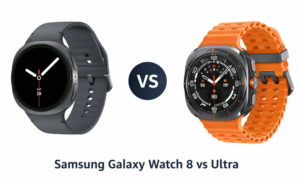
Choosing between the Samsung Galaxy Watch 8 and the Galaxy Watch Ultra isn’t just about specs; it’s about lifestyle. One is designed for everyday comfort and smart health tracking, while the other targets extreme durability and outdoor performance. With limited-time discounts currently live for US customers, the decision becomes even more relevant right now. This comparison breaks down where each watch truly excels, helping buyers decide whether sleek practicality or rugged endurance offers better value during the ongoing deal window.
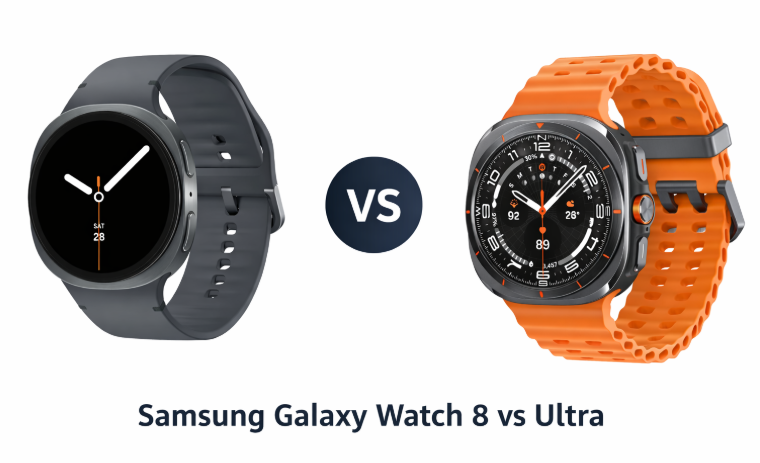
Major Features:

FeatureGalaxy Watch 8Galaxy Watch UltraWinner
Build & MaterialsAluminum frame, lighterTitanium frame, rugged buildWatch Ultra – More durable premium materials
Comfort & WearabilityLighter & slimmerHeavier & bulkierWatch 8 – Better for all-day wear
Display Brightness~3000 nits peakBright but lower peakWatch 8 – Stronger outdoor visibility
Sensor SuiteBioActive with antioxidant indexBioActive + water tempWatch Ultra – Extra water temp sensor
Fitness & Outdoor TrackingStrong daily fitnessBetter for strenuous/outdoorWatch Ultra – Geared toward adventurers
Software & PerformanceWear OS 6 out of boxWear OS 5 → OS 6Watch 8 – Newer OS preloaded
Storage Options32GB32GB or 64GBWatch Ultra – More storage choice
Battery Capacity435 mAh590 mAhWatch Ultra – Longer life, especially with GPS
Connectivity (GPS/Bluetooth/LTE)Same on bothSame on bothTie – No real difference
Daily UsabilityBetter everyday comfortBetter for rugged useTie – Depends on lifestyle
Value (Price vs Features)~$260~$380Watch 8 – Better bang for most users
OverallBalanced & accessibleRugged & long-lastingWatch 8 (General) – Best overall choice for most

Please Note: When you buy something using the links in our articles, we may earn a small commission at no cost to you.

Please Note: When you buy something using the links in our articles, we may earn a small commission at no cost to you.

Design and Display

Build & Comfort

Galaxy Watch 8 focuses on comfort and daily usability. Its slim aluminum body and lighter weight make it easy to wear all day and comfortable during sleep. The flatter design also fits better under sleeves, giving it a clean, classic smartwatch feel.

Galaxy Watch Ultra, on the other hand, prioritizes durability. Its titanium frame and thicker build feel extremely solid, but the added weight is noticeable during long wear. It feels more like an outdoor instrument than a lifestyle accessory. Both meet MIL-STD-810H standards, but the Ultra’s materials inspire more confidence in harsh conditions.

Display Brightness & Visibility

Watch 8 stands out with a 3000-nit peak brightness, offering excellent visibility in direct sunlight. The Ultra’s display remains sharp and colorful, but doesn’t match the same brightness advantage.

Verdict

Watch 8 favors comfort and visibility, while Watch Ultra is built for toughness over elegance.

Health and Fitness Tracking

Sensors & Tracking Accuracy

Both watches share Samsung’s BioActive sensor suite, delivering accurate heart rate, SpO₂, ECG, and sleep data. The Watch 8 adds an antioxidant index, leaning more toward wellness insights. The Watch Ultra counters with water temperature tracking, clearly targeting swimmers and outdoor users. For everyday health tracking, accuracy remains largely similar across both.

Workout Modes

Workout support is strong on both models, with automatic detection and detailed post-activity stats. The Watch Ultra feels better suited for long hikes, swimming, and endurance workouts due to its rugged build and larger battery. The Watch 8 comfortably handles gym sessions, runs, and daily fitness routines without feeling excessive.

Verdict

Watch 8 is ideal for daily health tracking, while Watch Ultra shines in demanding fitness environments.

Performance and Software

UI Smoothness

Both watches run on the Exynos W1000 (3nm) chipset with 2GB RAM, resulting in smooth navigation and fast app launches. Every day performance feels identical, even during multitasking. Watch 8 ships with Wear OS 6, giving it a slight head start in software longevity.

App Support & Features

App support remains the same across both, including Google apps, Samsung Health, LTE calling, and payments. The Ultra’s higher storage option benefits users who store offline music or maps, though most users may not need it. Software polish is consistent and mature on both devices.

Verdict

Performance is evenly matched, with Watch 8 gaining a small edge thanks to newer software out of the box.

Battery and Connectivity

Battery Life

Battery life is a clear advantage for the Watch Ultra. Its 590 mAh battery lasts noticeably longer, especially with GPS or LTE usage. The Watch 8 delivers reliable one-day battery life but requires more frequent charging. Both support 10W wireless charging.

GPS, Bluetooth, LTE

Connectivity options are identical, including dual-frequency GPS, Bluetooth 5.3, Wi-Fi, NFC, and eSIM. GPS accuracy and call reliability are consistent on both models, even in challenging environments.

Verdict

Watch Ultra wins on battery endurance, while Watch 8 is sufficient for regular daily use.

Pricing

At around $259.99, the Galaxy Watch 8 offers strong value with flagship-level features at a more accessible price. The Galaxy Watch Ultra, priced at $379, justifies its cost through premium materials and longer battery life rather than added software features. The price gap is significant and only makes sense for users who need extra durability.

Disclaimer:
Prices are approximate and may vary based on country, region, and applicable taxes.

Conclusion

Best For Whom

Galaxy Watch 8 is best for users who want a lightweight, comfortable smartwatch focused on daily health and fitness. Galaxy Watch Ultra is designed for outdoor enthusiasts, swimmers, and users who prioritize durability and battery life.

Final Verdict

Galaxy Watch 8 delivers a better all-around experience for most users, while Galaxy Watch Ultra is a powerful but more specialized option.

Please Note: When you buy something using the links in our articles, we may earn a small commission at no cost to you.

Please Note: When you buy something using the links in our articles, we may earn a small commission at no cost to you.

Read More:

The post Samsung Galaxy Watch 8 vs Watch Ultra: Which One Makes More Sense (Especially With US Discounts) appeared first on Gizmochina.
Leak Claims 100MP Front Camera and Dual 200MP Setup for Ultra Flagship Phone

100 MP front camera

Key Highlights:

  • 100MP selfie test: A 100MP front camera is being tested, a possible industry first.
  • Dual 200MP rear cameras: The prototype includes 200MP main and 200MP telephoto sensors.
  • Impact still unclear: Real benefits will depend on software, heat control, and processing power.

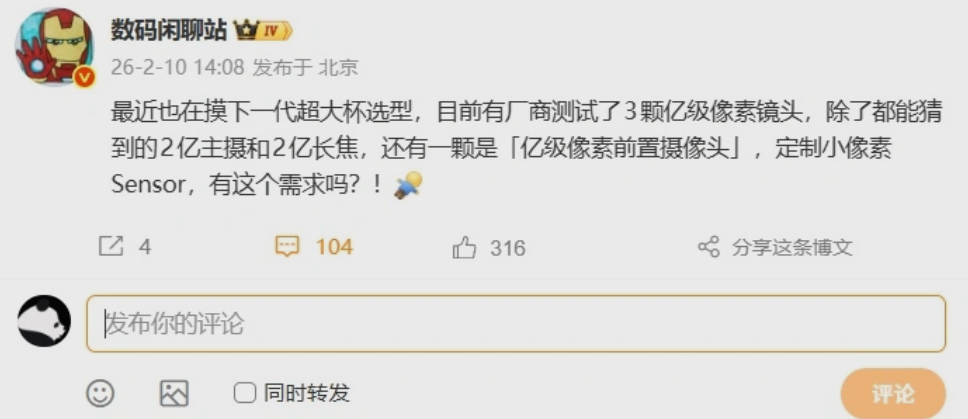
According to a well-known Chinese tipster, Digital Chat Station, a major smartphone brand is testing an extreme camera setup for its next ultra-flagship phone. The prototype reportedly features a 200MP main rear camera, a 200MP telephoto camera, and a 100MP front-facing camera. If released, the 100MP selfie camera would be an industry first.

The leak notes that the device uses a custom small-pixel sensor solution and is still in early testing, meaning the final hardware may change before launch. The manufacturer’s identity was not revealed, but commenters speculate it could be OPPO or vivo.

This development is notable because front cameras have seen far fewer upgrades compared to rear cameras. A 100MP selfie sensor could significantly improve video calls, live streaming, vlogging, and social media content creation, areas where smartphones are increasingly replacing dedicated cameras. However, challenges such as processing load, heat, storage demands, and real-world image quality could limit how transformative such high resolutions actually are.

Industry trends already point toward dual 200MP rear camera systems becoming common in future flagships. At the same time, companies like Huawei, OPPO, and vivo are reportedly experimenting with new front-camera sensor formats.

For now, all details remain unconfirmed, but the testing hints at where smartphone imaging could be heading next.

Read More:

(via)

The post Leak Claims 100MP Front Camera and Dual 200MP Setup for Ultra Flagship Phone appeared first on Gizmochina.
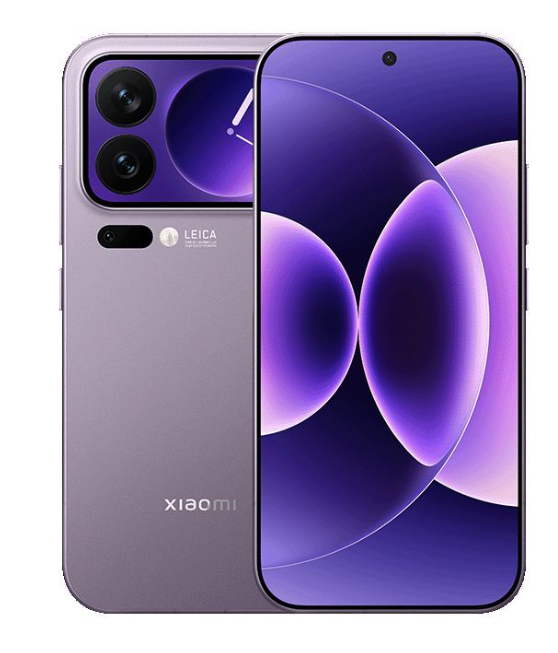
Xiaomi Adds Fireworks, Gestures, and Big Camera Upgrades to the 17 Pro Series

xiaomi 17 pro

Key Highlights:

  • New Spring Festival features add countdowns, animated fireworks, and gesture controls to the rear display
  • Major camera upgrades improve video recording, night scenes, and creative shooting modes
  • Festive back screen features are exclusive to the China-only Xiaomi 17 Pro series

Xiaomi 17 Pro

Xiaomi has announced a new Spring Festival software update for its Xiaomi 17 Pro series, introducing festive back screen functions along with a range of camera enhancements. The update is scheduled to roll out in mid-February.

One of the main additions is a set of Lunar New Year features designed for the phone’s rear secondary display. From Lunar New Year Day 1 through Day 7, the back screen wallpaper will update automatically at midnight each day.

On New Year’s Eve, a countdown animation will begin at 11:55 PM. When midnight is reached, a fireworks animation will automatically play on the rear display.

The update also introduces gesture-controlled interactions. Users can trigger the fireworks animation remotely by making a fist and then opening their hand in front of the back screen, without touching the device.

In addition to festive visuals, Xiaomi is expanding camera capabilities across the Xiaomi 17 series. Intelligent Scene Card support, adapted from the Xiaomi 17 Ultra, improves photo and video capture for fireworks and stage performance scenes.

For video creators, Xiaomi has added LOFIC recording with support for up to 4K at 60 frames per second, enhanced LOG recording with additional LUTs, dual-view recording using both front and rear cameras, and rear-screen full-frame recording for immersive video selfies. Further improvements include better slow-motion performance, enhanced night video, and improved ultra-wide-angle distortion correction.

The new back screen festive features are exclusive to the China-only variant of the Xiaomi 17 Pro series. International users will not receive these features, as the Pro models are not available globally.

Xiaomi 17 Pro Series — Updates:

Spring Festival Back Screen Features

  • Daily Lunar New Year wallpapers from Day 1 to Day 7
  • New Year’s Eve countdown animation on the rear display
  • Fireworks animation triggered automatically at midnight
  • Air-gesture control to trigger fireworks without touching the phone
  • Features rely on the rear secondary display

Camera Updates

  • Intelligent Scene Card support adapted from Xiaomi 17 Ultra
  • Dynamic photo capture while recording video
  • Enhanced LOG video recording with expanded LUT support
  • Customizable camera interface and toolbar layout
  • Dual-view recording using front and rear cameras simultaneously
  • Improved slow-motion video performance
  • Enhanced night-scene video recording
  • Improved ultra-wide-angle distortion correction

Camera Features With Explicit Hardware Limits

  • LOFIC video recording with support up to 4K at 60fps
  • Rear-screen full-frame video selfie recording

Read More:

(via)

The post Xiaomi Adds Fireworks, Gestures, and Big Camera Upgrades to the 17 Pro Series appeared first on Gizmochina.
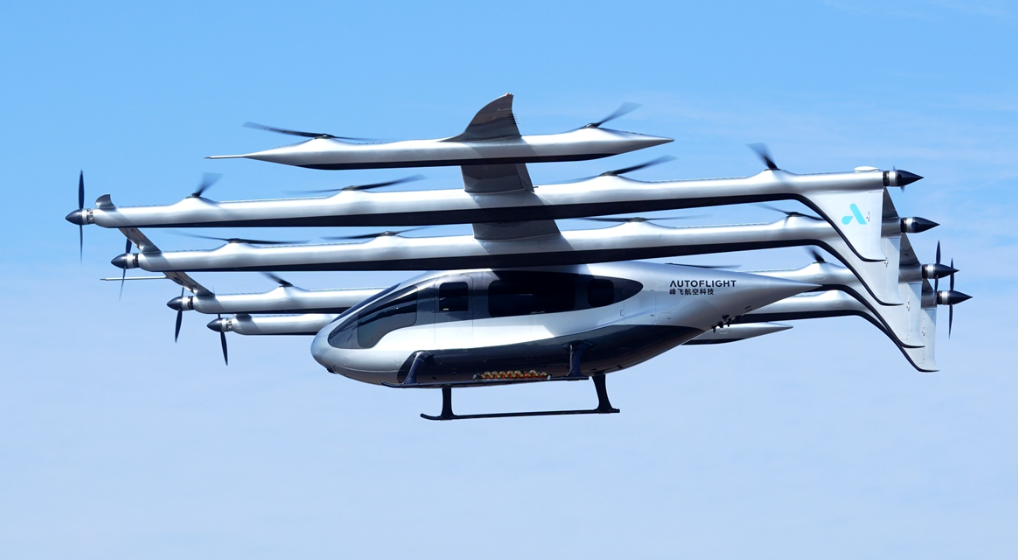
China Flies World’s First 5-Ton, 10-Passenger eVTOL, Raising the Bar for Air Taxis

autoflight

Key Highlights:

  • China has unveiled the world’s first 5-ton-class passenger eVTOL
  • The V5000 completed a full conversion flight, proving the large eVTOL’s feasibility
  • It can carry 10 passengers and fly up to 1500 km in hybrid mode

World’s First 5-Ton eVTOL Takes Flight

China has reached a major aviation milestone with the successful flight of the world’s first 5-ton electric vertical takeoff and landing aircraft, the V5000. The aircraft completed a full conversion flight at the Kunshan Civil Unmanned Aerial Vehicle Test Flight Operation Base in Jiangsu Province, smoothly transitioning from vertical takeoff to fixed-wing cruise and back to vertical landing. The flight was confirmed by local authorities, marking a breakthrough for large-scale eVTOL development.

From Concept to Large-Scale Air Taxi

The V5000 Sky Dragon was independently developed by Fengfei Aviation Technology, while the passenger-focused V5000 Matrix was unveiled by AutoFlight. Unlike most eVTOLs in service today, which weigh under 3 tons and carry fewer than six passengers, the V5000 enters a new class. It seats 10 passengers or carries multi-ton cargo, showing that eVTOLs can scale beyond small urban air taxis.

Design, Range, and Capability

The aircraft uses a compound wing and three-surface aerodynamic layout, powered by up to 20 lift motors. Its high-redundancy design allows safe flight even with motor failures. The pure-electric version offers a 250 km range, while the hybrid variant can reach up to 1,500 km, opening the door to regional routes and logistics missions.

Why This Matters Globally

Leading Western eVTOL developers remain focused on lighter aircraft for short city trips. None have flown a 5-ton-class eVTOL. The V5000 shows China moving faster toward large, practical, multi-role eVTOLs, signaling a shift from experimental air taxis to real aerial transport systems.

Read More:

(via)

The post China Flies World’s First 5-Ton, 10-Passenger eVTOL, Raising the Bar for Air Taxis appeared first on Gizmochina.
China’s Top EV Maker BYD Sues U.S. Government: Challenges Trump-Era Tariffs

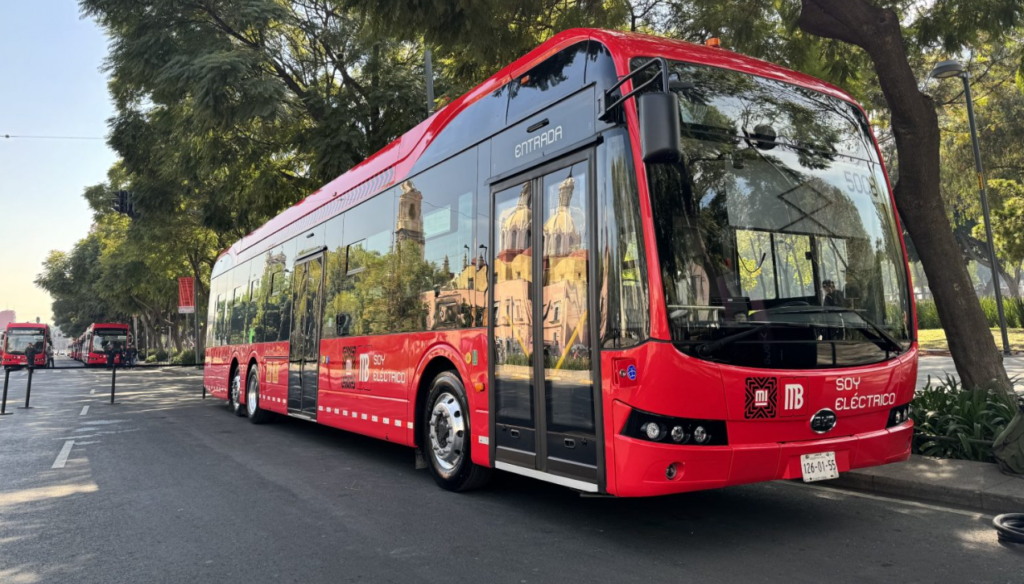
byd usa bus

Key Highlights:

  • BYD has filed a lawsuit challenging U.S. tariffs imposed during Donald Trump’s earlier presidency
  • The company is seeking refunds for tariffs paid since April 2025
  • The case could have wider implications for U.S.–China trade and tech tensions

source: en.byd.com

Chinese electric vehicle giant BYD has filed a lawsuit against the U.S. government, challenging tariffs that were imposed during Donald Trump’s earlier presidency.

The case was filed on January 26, 2026, in the U.S. Court of International Trade under case number 26-00847, and was publicly disclosed in early February. Four U.S.-based BYD entities: BYD America, BYD Coach & Bus, BYD Energy, and BYD Motors, are listed as plaintiffs. The defendants include several federal agencies, such as U.S. Customs and Border Protection, the Treasury Department, and the Office of the U.S. Trade Representative.

BYD argues that the tariffs were imposed under the International Emergency Economic Powers Act (IEEPA), a law that does not explicitly authorize the use of tariffs or border taxes. The company claims this represents an overreach of executive power and is asking the court to declare the measures invalid, block their enforcement, and order refunds of all tariffs paid, along with interest and legal costs.

Beyond BYD, the lawsuit could have broader implications for U.S.–China trade and the ongoing tech rivalry. If the court limits the use of IEEPA for tariffs, it may weaken a key U.S. trade tool and encourage other Chinese firms, especially in batteries, solar, and EV supply chains, to pursue similar legal challenges. Analysts say the case also reflects a shift toward Chinese companies using U.S. courts, rather than diplomacy alone, to challenge trade restrictions.

Read More;

(via)

The post China’s Top EV Maker BYD Sues U.S. Government: Challenges Trump-Era Tariffs appeared first on Gizmochina.
No Humans on Stage: Inside the World’s First Robot-Led Live Event by AGIBOT

agibot night

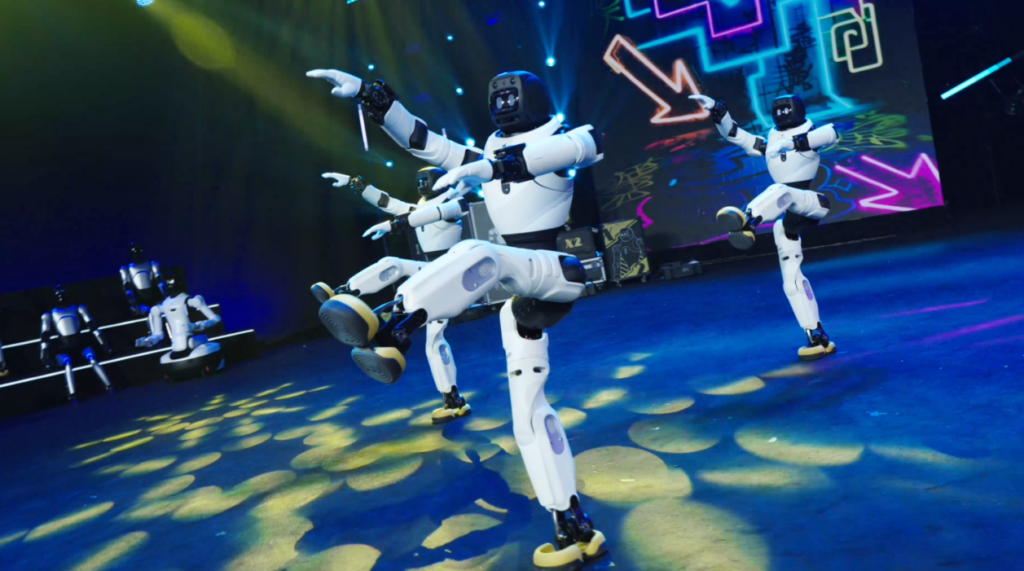
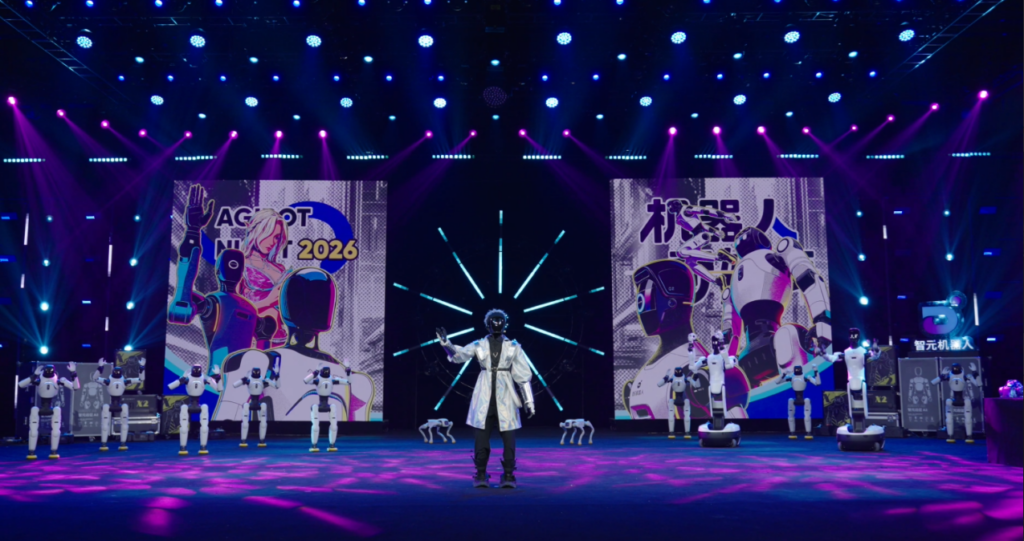
On February 8, 2026, AGIBOT hosted AGIBOT NIGHT in Shanghai. The 60-minute event was livestreamed globally and featured humanoid robots as the sole on-stage performers and hosts. According to the company, this was the first large-scale live event in which robots led the entire program without human presenters.

Why AGIBOT Organized the Event

AGIBOT said the event was intended to show that embodied artificial intelligence systems are ready to operate beyond controlled laboratory and industrial environments. The company used the live format to test system stability, coordination across multiple robots, and sustained operation under real-world conditions. The event also explored how robots might function in social and cultural settings rather than purely technical roles.

Robot-Led Segments Including Dancing, and Comedy

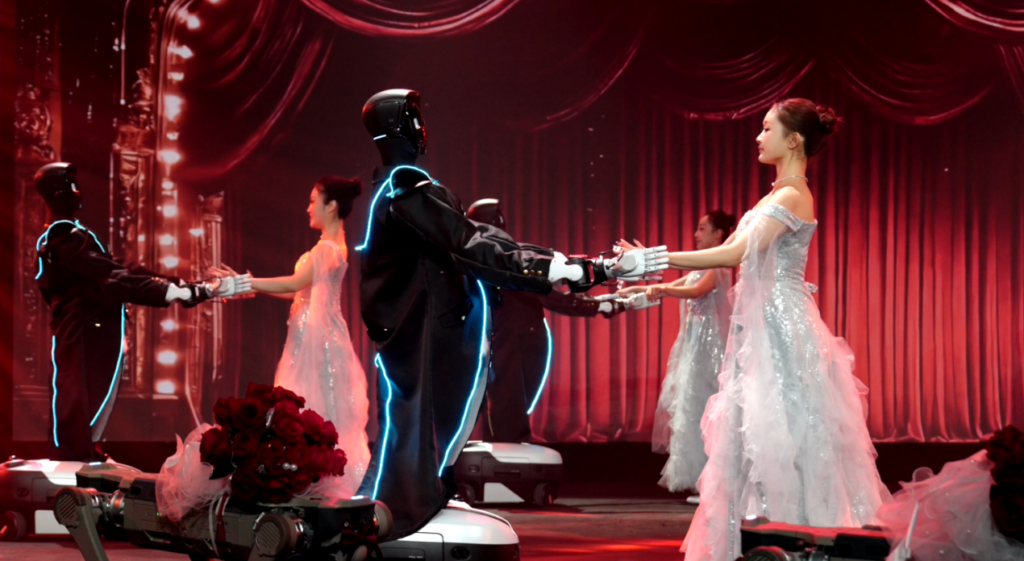
The program consisted of robot-led segments such as group dance performances, runway-style walks, and choreographed routines requiring synchronized movement. Humanoid robots also handled hosting-style roles, including transitions between segments and on-stage interactions. Additional performances included comedy skits, music-based acts, and illusion performances, all carried out entirely by robots without human intervention.

Human–Robot Joint Performances on Stage

Several segments featured humans performing alongside robots. These included joint dance routines where humans and humanoid robots moved in synchronized patterns, as well as shared illusion and card magic performances. The segments required real-time alignment between human motion and robotic movement, highlighting coordination rather than pre-recorded or isolated demonstrations.

Performances Involving Multiple Robot Types

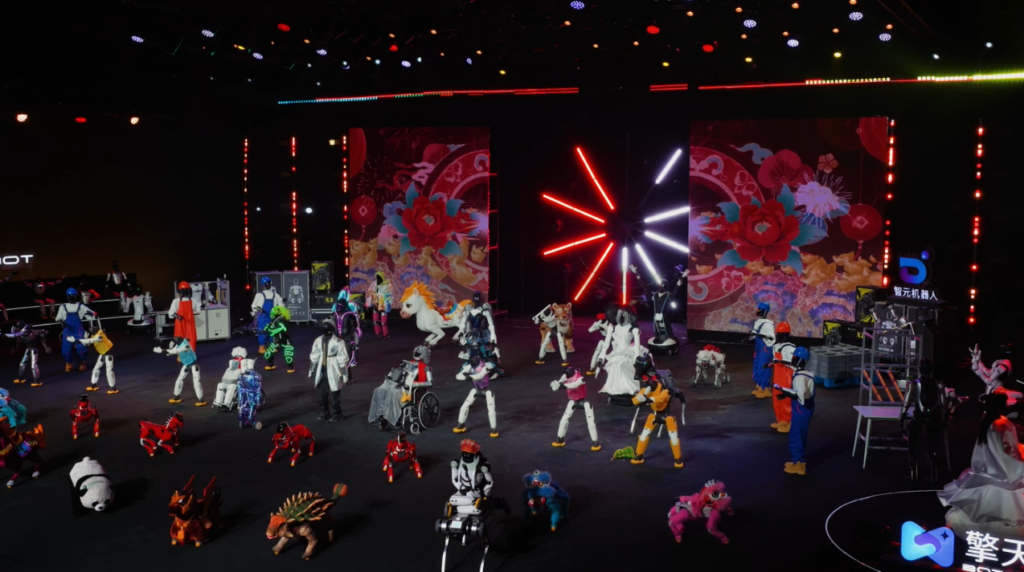
In addition to humanoid robots, quadruped robots participated in coordinated routines on stage. These performances involved interaction between different robot form factors, with humanoid and quadruped robots operating together in shared choreography and movement-based segments. Multiple robots performed simultaneously without visible interruptions.

Robot Models Demonstrated During the Event

AGIBOT used the event to showcase its range of robot platforms. Full-sized humanoid robots were used for hosting, navigation, and large-scale stage performances. Smaller humanoid models focused on expressive movement and interaction. Industrial humanoid robots demonstrated controlled manipulation capabilities, while quadruped robots were used for mobility-focused routines.

What the Event Demonstrated Technically

The company emphasized reliability over isolated technical feats. Robots operated continuously throughout the 60-minute program without resets or performance breaks. According to AGIBOT, more than 5,000 humanoid robots had been delivered globally by the end of 2025, positioning the event as evidence of scalable deployment rather than a one-off showcase.

Cultural Timing and Public Setting

AGIBOT NIGHT was held during the Chinese Spring Festival period, when entertainment events typically focus on family and shared experiences. By staging the event at this time, AGIBOT placed humanoid robots within a familiar cultural context, presenting them as participants in public life rather than industrial tools.

What This Signals for Humanoid Robotics

The event reflects a broader shift in the humanoid robotics industry toward systems capable of operating at scale in live, public environments. Rather than focusing on prototypes or controlled demos, AGIBOT NIGHT positioned humanoid robots as coordinated systems able to perform reliably in real-world cultural settings.

The post No Humans on Stage: Inside the World’s First Robot-Led Live Event by AGIBOT appeared first on Gizmochina.

❌