
Reading view

The Ultimate 2026 Lunar New Year Travel Guide: Why You Must Visit Vietnam, Singapore, and Malaysia to Witness the Year of the Horse!
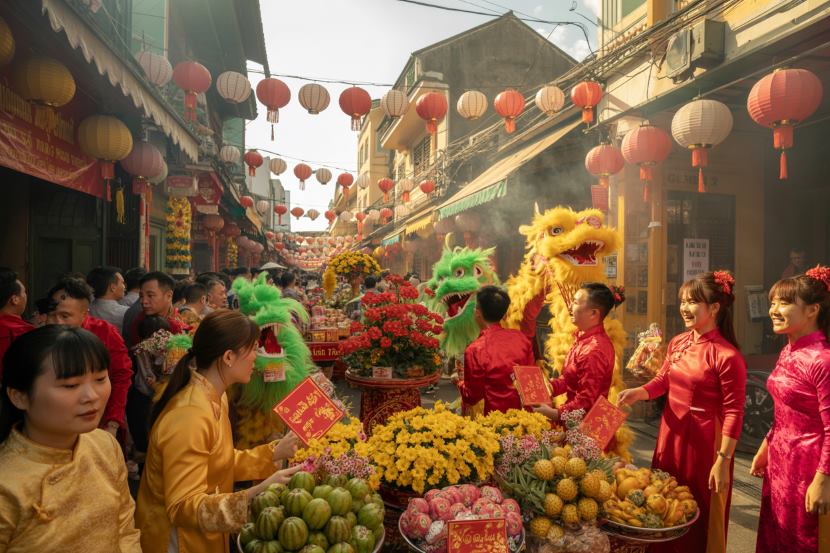
The Ultimate 2026 Lunar New Year Travel Guide: Why You Must Visit Vietnam, Singapore, and Malaysia to Witness the Year of the Horse!
Lunar New Year

As the lunar calendar pivots toward the energetic spirit of the Year of the Horse in 2026, travelers are turning their eyes toward Southeast Asia to witness a cultural spectacle unlike any other. While the region is home to eleven diverse nations, the epicenter of the Spring Festival—or Lunar New Year—thrums most powerfully through the streets of Vietnam, Singapore, and Malaysia. These destinations don’t just observe the holiday; they transform entirely, offering visitors a front-row seat to ancient rituals, neon-lit parades, and a culinary explosion that defines the start of the new year. For those seeking a journey that blends deep-rooted tradition with high-octane celebrations, understanding the official holiday landscape of these three nations is the key to an unforgettable 2026 itinerary.

Vietnam’s Tet: A Seven-Day Metamorphosis of Color and Calm

In Vietnam, the celebration of Tet Nguyen Dan is more than a holiday; it is the country’s heartbeat. According to official guidelines from the Ministry of Labour, Invalids and Social Affairs, the national break for 2026 typically spans a generous seven to nine days. This creates a fascinating paradox for travelers. On one hand, major hubs like Hanoi and Ho Chi Minh City experience a “great migration” as residents return to ancestral villages, leaving the usually buzzing city streets eerily quiet and photogenic.

On the other hand, the days leading up to the New Year are a sensory overload. Government-sanctioned flower festivals turn public squares into oceans of peach blossoms and marigolds. For the most authentic experience, travelers head to the Central Highlands or the Mekong Delta, where local authorities sponsor massive floral displays and traditional boat races. While many museums and government sites close for the first three days of the lunar month, the “Tet atmosphere”—the scent of incense, the sight of Ao Dai fluttering in the wind, and the sound of festive music—is free and accessible on every street corner.

Singapore’s High-Tech Heritage: Where Tradition Meets the Future

If Vietnam offers a soulful retreat, Singapore provides a masterclass in organized splendor. With the Department of Statistics Singapore noting an ethnic Chinese population of approximately 75%, the city-state treats the Lunar New Year as its premier cultural event. The government mandates a two-day public holiday, but the festivities in districts like Chinatown begin weeks in advance.

The 2026 Year of the Horse will see the return of the legendary River Hongbao, a massive fair featuring giant lanterns and cultural performances, and the world-renowned Chingay Parade. Managed by the People’s Association, the Chingay Parade is a vibrant tapestry of multiculturalism, featuring pyrotechnics, floating platforms, and dancers from every corner of the globe. For the savvy traveler, Singapore is the most “functional” destination during the holiday; while traditional markets may pause, the world-class public transport and major shopping districts along Orchard Road remain fully operational, ensuring the celebration never skips a beat.

Malaysia’s Open House: A Feast for the Global Nomad

Across the border in Malaysia, the Lunar New Year reflects a unique “Muhibbah” (harmony) spirit. The Prime Minister’s Department officially gazettes a two-day national holiday, but the cultural impact lasts much longer. Malaysia is famous for its “Open House” tradition, a government-encouraged practice where homes and community centers open their doors to neighbors and tourists alike to share traditional festive snacks.

In the UNESCO World Heritage site of George Town, Penang, the Kek Lok Si Temple—the largest Buddhist temple in Southeast Asia—becomes a beacon of light. Official tourism boards highlight the temple’s illumination ceremony, where millions of bulbs and lanterns turn the hillside into a glowing wonderland. For those traveling in 2026, the Malaysian Highway Authority recommends planning movements carefully during the “Balik Kampung” rush, but the reward is a chance to see the famous lion dance troupes—some of the best in the world—performing high-pole acrobatics in malls and public squares across Kuala Lumpur.

Navigating the 2026 Lunar Calendar: Tips for the Wise Traveler

While Vietnam, Singapore, and Malaysia are the primary stages for these festivities, the Lunar New Year experience is not uniform across the ASEAN bloc. Official data confirms that nations such as Thailand, Cambodia, and Laos do not observe the date as a national public holiday. For travelers who prefer a “business as usual” environment with only a hint of festive flair in local Chinatowns, these countries offer a more standard travel experience during late January and February.

To maximize a 2026 trip, travelers are encouraged to consult the official 2026 public holiday calendars issued by the respective Ministries of Manpower and Tourism. Whether you are chasing the serenity of a Vietnamese pagoda, the high-energy parades of Singapore, or the inclusive banquets of Malaysia, the Year of the Horse promises a gallop into a vibrant new chapter of Southeast Asian travel.

The post The Ultimate 2026 Lunar New Year Travel Guide: Why You Must Visit Vietnam, Singapore, and Malaysia to Witness the Year of the Horse! appeared first on Travel And Tour World.

Vietnam to Offer Free Metro Rides in Hanoi During Lunar New Year 2026, Ensuring Easy Travel for Locals and Tourists: Get All The Details Here!

Vietnam to Offer Free Metro Rides in Hanoi During Lunar New Year 2026, Ensuring Easy Travel for Locals and Tourists: Get All The Details Here!

In a bid to enhance travel convenience during the Lunar New Year (Tết) festivities in 2026, Hanoi will offer free metro rides and bus services for nine days, from February 14 to February 22, 2026. The initiative, announced by the Hanoi Department of Transport, comes as part of efforts to ease congestion, provide affordable transport options, and promote the use of public transportation during one of Vietnam’s busiest travel periods.

The free ride scheme is aimed at helping residents and visitors celebrate the Lunar New Year (Tết) holidays with minimal travel hassle. As Hanoi prepares for the surge in holiday travel, this program will ensure a smooth commute for those heading to family reunions, shopping districts, and various cultural celebrations throughout the capital.

Public Transport Freebies: What’s Included?

For the duration of the Lunar New Year (Tết) holiday, all public transport services in Hanoi will be free of charge. This includes the Hanoi Metro and the city’s subsidised bus system. Specifically, metro Lines 2A (Cát Linh – Hà Đông) and Line 3.1 (Nhổn – Hà Nội Station) will operate without fare collection, making it easier for people to move across the city during this busy period.

In addition to the metro, the 128 city bus routes will also provide free services, ensuring that travelers can access almost all parts of the capital without having to worry about transport costs. This initiative is part of Hanoi’s broader efforts to support travel during the Lunar New Year, one of the busiest seasons for domestic and international tourism.

Why Is Hanoi Offering Free Metro and Bus Services During Tết 2026?

The Lunar New Year period, or Tết Nguyên Đán, is a major holiday in Vietnam, marking the arrival of the new lunar year. This is a time when millions of Vietnamese travel to be with family, visit cultural sites, and partake in festive events. Given the large-scale migration to and from Hanoi during Tết, the city experiences significant congestion on its roads, especially during the days leading up to and following the holiday.

The free public transport initiative is designed to:

  • Reduce road traffic during the peak holiday travel period,
  • Provide affordable transportation options for both locals and tourists,
  • Ensure that people can easily visit family, celebrate with friends, and enjoy the festivities without worrying about the cost of travel,
  • Support sustainable transportation by encouraging people to use the public transport system.

Making Travel Simpler for Locals and Visitors

For both locals and tourists, this move is a gesture of goodwill from Hanoi’s government, aiming to make Lunar New Year celebrations more accessible. With many families traveling across the city to participate in Tết customs, the free metro and bus rides will make commuting easier. This service will also benefit international tourists who are visiting Hanoi to experience the local culture and Tết traditions.

The Lunar New Year is not only a family occasion but also a cultural spectacle, with street festivals, public events, and fireworks lighting up the city. Free public transport will allow more people to enjoy these activities without the stress of navigating traffic or worrying about transport fees.

Government’s Commitment to Improving Public Transport

This initiative also aligns with Hanoi’s long-term urban planning goals to encourage greater use of public transportation as a means of reducing pollution and traffic congestion. Hanoi’s leadership has been actively pushing for the development of modern public transport systems, including the expansion of the metro network. This move to waive fares is part of the broader agenda to make Hanoi’s transport systems more efficient, sustainable, and accessible to everyone.

Boosting Tourism and Supporting Economic Activity

The free rides will play a crucial role in sustaining Hanoi’s growing tourism sector. Tết is a time when thousands of domestic and international tourists flock to the city to experience its rich culture, historic landmarks, and vibrant street life. As the city’s transport systems become more accessible, it enhances the overall experience for tourists. Moreover, the free services provide an economic boost to local businesses by making it easier for visitors to access shopping areas, restaurants, and hotels.

How to Benefit from the Free Public Transport Offer

Passengers traveling during the Tết holiday can simply board the metro or any bus without needing to purchase a ticket. Free tickets will be issued via the official Hanoi Metro mobile app, or passengers can board directly at stations without any additional steps. Bus passengers will not need to pay, making this initiative straightforward and hassle-free.

Visitors and tourists can take advantage of the free service to explore Hanoi’s famous attractions, such as Hoàn Kiếm Lake, the Old Quarter, West Lake, and Hoa Lo Prison, among others. The free public transport system will make these destinations more accessible to tourists during the busy holiday period.

A Step Toward a Sustainable and People-Centric Capital

Hanoi’s free public transport during Tết 2026 is more than just a temporary measure for the holiday season. It is a reflection of the city’s commitment to sustainable travel and modern urban living. As Hanoi continues to develop, it will likely see more initiatives like this, aimed at creating a greener, more accessible, and inclusive urban environment for its growing population and visitors.

With a focus on long-term transport improvements, this policy reinforces Hanoi’s goal to reduce reliance on personal vehicles and promote public transport as the preferred method of getting around. For now, however, the immediate benefit will be felt by the many who will use this free service to enjoy their Tết holiday in a less stressful, more enjoyable way.

The post Vietnam to Offer Free Metro Rides in Hanoi During Lunar New Year 2026, Ensuring Easy Travel for Locals and Tourists: Get All The Details Here! appeared first on Travel And Tour World.
❌