
Reading view

Germany, France, Spain, and More: What Schengen’s New Border System Means for Easy Travel and Entry Across Europe
Germany, France, Spain, and More: What Schengen’s New Border System Means for Easy Travel and Entry Across Europe

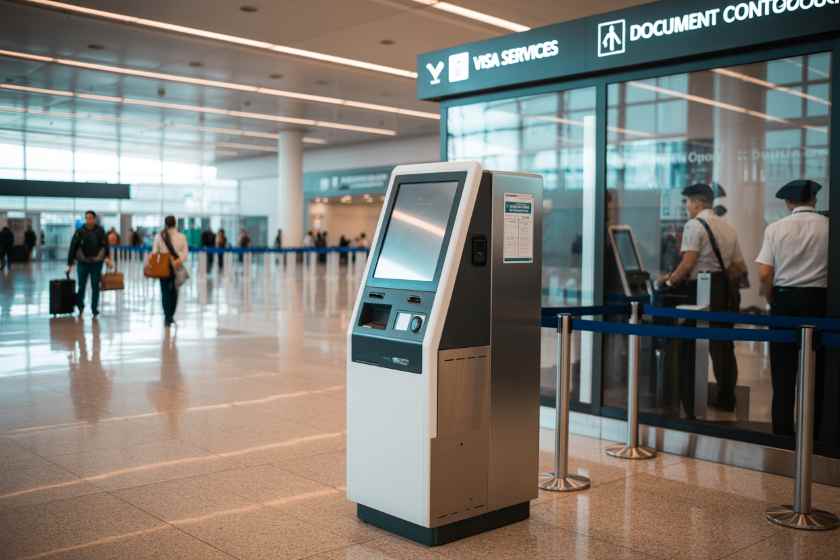
Travellers heading to Spain or anywhere in the Schengen area this summer could face significant delays at passport control due to the new Schengen Entry/Exit System (EES). Starting in April 2026, the system will fully replace traditional passport stamping for non-EU visitors, adding biometric checks and entry/exit records at border control. This change, while aimed at improving security and border management, comes at a critical time as Europe enters its busiest travel season, with concerns rising over long queues and processing delays at airports, particularly in Spain.

What Is the Schengen Entry/Exit System and How Does It Affect Travellers?

The Schengen Entry/Exit System (EES) is being rolled out across Europe to modernise border control procedures for non-EU travellers. Instead of the traditional passport stamp, border authorities will now capture biometric data, personal information, and entry/exit dates for every traveller. The goal is to better monitor overstays and refusals of entry, and to provide a more efficient system for handling the influx of international tourists and business travellers.

Starting on April 10, 2026, the system will cover 100% of eligible non-EU travellers. While the system aims to improve border security in the long term, the timing of the rollout is causing concerns among airports and airlines, especially as the peak summer travel season approaches.

What Could the Impact Be for Tourists and Travellers?

For tourists arriving in Spain or the wider Schengen area, the introduction of the Entry/Exit System could result in longer waiting times at passport control, particularly during peak travel periods. According to industry experts, delays of up to two hours have already been observed during the current phased deployment, with some forecasting that wait times could extend to four hours during the summer months.

For example, travellers flying from the United States, the UK, or Australia will need to go through additional biometric checks upon arrival in Spain’s major airports, including Madrid, Barcelona, and Malaga. While those arriving in less busy regions or smaller airports may see minimal disruption, travellers heading to major tourist hubs during peak hours are more likely to face significant delays.

Barcelona, which is already one of Europe’s busiest airports, could see especially long lines during the height of summer, as thousands of tourists flock to Spain for its beaches, cultural attractions, and festivals. The 96-hour Schengen transit visa extension for travellers flying into Spain could also be impacted by these delays, adding another layer of complexity for tourists.

Why Airports and Airlines Are Raising Concerns

Although the Schengen Entry/Exit System is supported for its long-term benefits in improving border management, airports and airlines are concerned about the current infrastructure and capacity to handle the system’s rollout. According to ACI Europe, Airlines for Europe (A4E), and the International Air Transport Association (IATA), many airports are already facing chronic understaffing at passport control. Additionally, the new system’s reliance on automated biometric processing is still encountering technical issues, further complicating the situation.

With peak summer travel just months away, these organisations are urging the European Commission to consider temporary flexibility, allowing Schengen states to suspend or partially adjust the system until after the high season, particularly until October 2026. Without these adjustments, the system’s full deployment could lead to severe operational disruptions, affecting not only travellers but also airline schedules, transfers, and airport operations.

How Travellers Can Prepare for the Summer Travel Rush

Travellers flying into Spain or other Schengen countries from outside the EU this summer should plan and prepare for potential delays at border control. The key to minimising frustration is to arrive at the airport early and ensure that all travel documents are valid and easily accessible. Passport control may take longer than usual, so allowing for extra time between flights and transfers is essential.

For example, if you’re flying into Palma de Mallorca in July at a peak time, it’s wise to allow extra time in case of delays. Similarly, travellers arriving during peak tourist hours at airports in Madrid or Barcelona should expect longer wait times, especially as the system fully implements biometric checks and entry/exit data recording.

Additionally, keeping an eye on updates from airlines and official announcements from border authorities can help you stay informed about any changes or developments related to the Entry/Exit System. It’s important to be proactive, as conditions at major airports can fluctuate based on passenger volume, staffing levels, and other factors.

The Rollout Timeline for Schengen’s Entry/Exit System

The Schengen Entry/Exit System began its progressive rollout on October 12, 2023, initially registering 35% of non-EU travellers. By April 10, 2026, the system will be fully operational, with 100% of eligible travellers processed under the new procedures. The full impact will be felt during the summer peak season of 2026, which is expected to be the first full season under the expanded system.

This timing places added pressure on airports, airlines, and border agencies, which will need to ensure their staffing, resources, and technology are up to the task during Europe’s busiest travel months.

What Does This Mean for the Future of Travel in Europe?

While the Schengen Entry/Exit System is designed to streamline border control and reduce overstays, the transition period could create short-term challenges for travellers heading to Spain and other popular European destinations. As airports work to accommodate the system’s full implementation, travellers should expect some inconvenience, especially during busy periods.

Over time, the system will likely enhance border security and improve the travel experience by reducing manual passport processing. However, travellers heading to Spain or the Schengen zone this summer should remain patient and prepared for longer wait times. By allowing extra time for their journeys, travellers can ensure a smoother travel experience as they explore Spain’s famous cities and tourist destinations, from Seville to Granada.

Conclusion: What to Expect and How to Plan for Your Summer Travels

The introduction of the Schengen Entry/Exit System promises to bring long-term benefits to Europe’s border management and security. However, as the system continues to be fully rolled out, travellers heading to Spain and other Schengen countries should expect potential delays during the busy summer months. By staying informed, arriving early, and allowing for extra time at airports, travellers can help ensure that their summer journeys go smoothly, even as new systems are implemented.

The post Germany, France, Spain, and More: What Schengen’s New Border System Means for Easy Travel and Entry Across Europe appeared first on Travel And Tour World.

Egypt Extends Visa Exemption for US, UK, Canada, EU Nations & More: How This New Rule Will Boost Tourism, Access, and Travel Convenience for Global Tourists

Egypt Extends Visa Exemption for US, UK, Canada, EU Nations & More: How This New Rule Will Boost Tourism, Access, and Travel Convenience for Global Tourists

Egypt is making it easier than ever for tourists to experience its timeless treasures with the extension of its free 96-hour transit visa for international travelers. This visa allows passengers flying with Egyptian airlines to stay visa-free for up to 4 days while transiting through Cairo, Luxor, or Aswan—perfect for travelers looking for a quick stopover to explore the ancient wonders of Egypt. This initiative, extended until April 2027, is an excellent opportunity for tourists to experience Egypt’s rich culture and history without the hassle of complicated visa processes.

For those planning to fly through Egypt or take a short break between flights, the extension of this visa provides a fantastic opportunity to explore key Egyptian destinations. Whether it’s exploring the bustling streets of Cairo, admiring the grandeur of the Pyramids, or delving into the ancient wonders in Luxor and Aswan, this visa offers an affordable and easy way to enrich your travels.

Exploring Egypt’s Timeless Cities: Cairo, Luxor, and Aswan

The introduction of the 96-hour transit visa is a significant step in boosting Egypt’s tourism sector, allowing international travelers to make the most of their short layovers in some of the world’s most iconic cities. With EgyptAir and other local airlines offering regular flights through Cairo, travelers now have the flexibility to enjoy a short visit to the country’s most famous sites.

Cairo, the bustling capital of Egypt, is a perfect place to start your Egyptian adventure. Just a short trip from Cairo International Airport, travelers can explore the awe-inspiring Pyramids of Giza, visit the Egyptian Museum for a glimpse into the ancient past, or wander through the vibrant Khan El Khalili Bazaar. The 96-hour transit visa makes it easier to experience the city’s world-famous historical sites, vibrant culture, and rich heritage within a few days.

Luxor, often referred to as the world’s greatest open-air museum, is another prime destination that becomes more accessible through this visa extension. Located along the Nile River, Luxor is home to the Valley of the Kings, where the tombs of ancient Egyptian pharaohs like Tutankhamun and Ramses II are found. Travellers can also visit the majestic Karnak Temple and Luxor Temple to witness the grandeur of Egypt’s ancient civilisation. With the extended transit visa, tourists can easily explore these fascinating archaeological wonders without needing to worry about visa complications.

Aswan, located further south, is a tranquil gem with a rich history and stunning natural beauty. The Philae Temple, dedicated to the goddess Isis, is a must-see, as well as the Abu Simbel Temples, carved into the mountainside by Ramses II. Aswan’s relaxed atmosphere offers a perfect contrast to the more bustling cities, and the extended visa makes it possible for travelers to enjoy its serene beauty while en route to other destinations.

Egypt’s Renewed Emergency Entry Visa for Luxor and Aswan

In addition to the 96-hour transit visa extension, Egypt has also renewed the free emergency entry visa for tourists arriving by air at Luxor and Aswan airports during the summer seasons of 2026 and 2027. This initiative aims to attract more tourists to the southern parts of Egypt during the peak summer months, offering them a chance to explore Egypt’s lesser-known, yet equally captivating, destinations.

This emergency entry visa is designed to make it easier for travelers to visit Luxor and Aswan without the typical visa requirements, offering more flexibility for tourists arriving directly at these airports. Whether you’re on a longer vacation or simply passing through, this initiative makes it simpler to visit these culturally and historically significant locations.

What the Free Transit and Emergency Entry Visas Mean for Travelers

The extension of the free 96-hour transit visa and the renewal of the emergency entry visa are part of Egypt’s broader efforts to make it easier for international visitors to explore the country’s rich cultural heritage. By eliminating the need for complex visa procedures, these measures are expected to significantly boost tourism in key areas, making Egypt a more accessible destination for travelers.

The convenience of the free 96-hour transit visa allows tourists to make the most of their layovers, particularly those traveling through Egypt’s main air hub, Cairo International Airport. Whether you’re a first-time visitor or a seasoned traveler, this initiative provides a convenient and affordable way to explore some of the most iconic sites in Egypt.

Increased Opportunities for Tourists and Tourism Industry

This move is also expected to provide a boost to Egypt’s tourism sector, which has seen steady growth in recent years. As more travelers take advantage of the free transit visa, they will not only experience the country’s ancient wonders but will also contribute to the local economy by spending money in restaurants, hotels, and other tourist services. This increased flow of tourists can help support local businesses, create jobs, and strengthen the country’s tourism infrastructure.

Furthermore, these visa extensions align with broader efforts by Egypt to increase international visitation, especially as it seeks to recover from the economic impact of the COVID-19 pandemic. The country has long been a top tourist destination, known for its archaeological treasures, vibrant culture, and historical significance. With the easing of visa requirements, Egypt hopes to continue attracting visitors from around the world, eager to explore its rich past and modern offerings.

Why You Should Take Advantage of the Visa Extension

If you’re planning a trip through Egypt in the coming years, the free 96-hour transit visa offers an excellent opportunity to explore one of the world’s most fascinating destinations without the need for a traditional tourist visa. Whether you’re looking to soak in the history of Cairo, visit the ancient temples of Luxor, or enjoy the peaceful landscapes of Aswan, Egypt has something to offer for every traveller.

The renewed emergency entry visa for Luxor and Aswan further enhances the appeal of these cities, allowing tourists to explore the southern region’s beauty and history with ease. With the summer travel seasons of 2026 and 2027 just around the corner, these visa initiatives make it easier than ever to plan a quick trip to Egypt as part of your larger travel plans.

Conclusion: Egypt Awaits Your Visit

The extension of the 96-hour transit visa and the emergency entry visa for Luxor and Aswan are part of Egypt’s ongoing efforts to make travel to the country more accessible and welcoming. Whether you’re passing through or planning a longer stay, these initiatives provide a unique opportunity to experience Egypt’s ancient culture and stunning landscapes with minimal hassle.

With these new visa policies in place, there’s never been a better time to discover the wonders of Egypt. From the bustling streets of Cairo to the serene beauty of Aswan, Egypt is waiting to be explored, and these visa extensions are making it easier than ever to visit.

The post Egypt Extends Visa Exemption for US, UK, Canada, EU Nations & More: How This New Rule Will Boost Tourism, Access, and Travel Convenience for Global Tourists appeared first on Travel And Tour World.

African Union Nations Now Unite in Ethiopia: How South Africa, Kenya, Nigeria, and Egypt Are Strengthening Tourism and Economy Amid Tariff Threats From US

African Union Nations Now Unite in Ethiopia: How South Africa, Kenya, Nigeria, and Egypt Are Strengthening Tourism and Economy Amid Tariff Threats From US

African leaders will convene for a major summit in Ethiopia later this year, aiming to discuss pressing regional and international issues, including the implications of Trump’s tariffs and the future of tourism, travel, and immigration policies. This high-profile gathering in Addis Ababa will bring together heads of state, diplomats, and key stakeholders, all focused on fostering cooperation between African nations and strengthening ties with global partners.

With African nations seeking new ways to promote economic growth and bolster tourism, the summit will explore collaborative initiatives to boost the region’s travel industry, streamline visa policies, and establish more open borders for travellers. This cooperation comes at a critical time, as the region faces various challenges and opportunities in the face of global trade tensions.

Ethiopia’s Role as the Host of the Summit

Ethiopia, one of the continent’s rising tourism destinations, will host the summit in Addis Ababa, a city known for its rich history, cultural landmarks, and pivotal role in African diplomacy. As the headquarters of the African Union, Addis Ababa is the perfect location for such a gathering, reflecting the country’s growing influence in shaping the continent’s future.

Tourism in Ethiopia is rapidly gaining traction, with visitors drawn to the country’s ancient history, including the famous rock-hewn churches of Lalibela, the diverse landscapes of the Simien Mountains, and the cultural heritage of Addis Ababa itself. With the summit taking place in Ethiopia, the country’s tourism sector is set to benefit from international exposure, further positioning Ethiopia as a key destination in East Africa.

The Impact of Trump’s Tariffs on African Tourism and Trade

The summit comes at a time when the African tourism and trade sectors are facing challenges related to U.S. tariffs imposed by the Trump administration. These tariffs, particularly on imports from China and other regions, have sparked concerns about the broader impact on Africa’s economic growth and its tourism infrastructure. African leaders are expected to discuss strategies to mitigate these effects and explore new trade agreements that could boost tourism and travel between African countries and the rest of the world.

In particular, the travel industry in Africa is looking for ways to counteract the economic slowdown caused by tariffs and trade restrictions. The continent’s growing appeal as a tourist destination, especially for travellers from Europe and Asia, has been hampered by these challenges. African leaders will focus on finding ways to overcome these obstacles by increasing intra-Africa tourism, improving regional travel agreements, and enhancing the overall travel experience for international tourists.

Streamlining Visa Policies for Greater Mobility

A key topic on the agenda is the potential for greater cooperation between African nations to streamline visa policies and make travel within the continent easier and more accessible. Currently, African travelers often face complex visa requirements and limited access to certain countries within the region. This has created barriers for tourists, students, and business professionals looking to explore opportunities across Africa.

The summit will explore the possibility of creating a more unified visa system for African nationals, potentially allowing for greater freedom of movement across the continent. This would not only improve tourism but also facilitate business travel and collaboration between African nations. A common visa system could lead to more efficient border controls, faster processing times, and increased tourism flows, ultimately benefiting the local economies.

Joint Cooperation to Strengthen African Tourism

One of the main goals of the summit will be to foster joint cooperation in promoting tourism within Africa. The continent is home to some of the world’s most diverse and spectacular destinations, from the wildlife-rich savannas of Kenya and Tanzania to the historical wonders of Egypt and South Africa. However, Africa’s tourism industry remains underdeveloped compared to other regions, despite its immense potential.

Leaders at the summit will likely discuss strategies to better market Africa as a tourist destination, leveraging regional cooperation to boost cross-border tourism and collaborative marketing efforts. By promoting the region as a whole, rather than individual countries, African leaders hope to tap into global tourism trends and encourage more travellers to explore multiple destinations across the continent.

One of the main aspects of this cooperation will be improving air connectivity. Many African countries are isolated by long distances, poor infrastructure, and limited direct flight options. By increasing cooperation between airlines and improving air traffic management, African nations could create more affordable and efficient travel options for tourists, making it easier to visit multiple destinations in a single trip.

Advancing Sustainable Tourism in Africa

Sustainability will also be a critical topic of discussion at the summit, as African leaders recognize the growing importance of eco-tourism and sustainable travel practices. Africa’s natural resources, including its wildlife and natural landscapes, are a major draw for international tourists. However, these resources are under threat from over-tourism, environmental degradation, and climate change.

The summit will likely address how African countries can promote responsible tourism that balances the need for economic growth with environmental protection. Initiatives aimed at preserving Africa’s iconic landscapes, such as national parks and wildlife reserves, will be a key focus. Leaders will discuss ways to create sustainable tourism models that benefit both local communities and the environment while attracting international travelers.

Looking Ahead: The Future of African Tourism and Cooperation

As the summit unfolds, the potential for Africa to reshape its tourism industry through enhanced cooperation and innovative policies will be at the forefront. By addressing challenges such as visa restrictions, regional travel barriers, and the impact of global trade tensions, African leaders hope to create a more unified and prosperous tourism sector that benefits both local economies and international visitors.

The summit is not only an opportunity for African countries to discuss their tourism strategies but also a chance to foster greater collaboration with global partners. By strengthening tourism ties with Europe, Asia, and the Americas, Africa can position itself as a key player in the global travel market, showcasing its rich cultural diversity, breathtaking landscapes, and world-class destinations.

As the discussions progress, all eyes will be on the decisions made at this summit, which could have far-reaching implications for African tourism, travel, and immigration policies in the years to come.

The post African Union Nations Now Unite in Ethiopia: How South Africa, Kenya, Nigeria, and Egypt Are Strengthening Tourism and Economy Amid Tariff Threats From US appeared first on Travel And Tour World.

Taiwan Extends Visa-Exemption to Fifty+ Countries, Including US, Canada, UK, EU Nations & Southeast Asia: What It Means Now for Tourists and Travelers

Taiwan Extends Visa-Exemption to Fifty+ Countries, Including US, Canada, UK, EU Nations & Southeast Asia: What It Means Now for Tourists and Travelers

Taiwan, one of East Asia’s most vibrant travel destinations, has extended its visa-free program for travelers from Thailand, Brunei, and the Philippines until July 31, 2026. This exciting development makes it easier for tourists and business travellers from these countries to visit Taiwan for up to 14 days without the need for a visa. With its stunning landscapes, rich cultural heritage, and bustling cities, Taiwan is becoming an increasingly popular destination for travellers from across the globe.

Taiwan: A Must-Visit Destination for Tourists

Taiwan is famous for its blend of natural beauty and modern city life. From the towering peaks of Taroko Gorge to the bustling streets of Taipei, Taiwan offers a little something for every type of traveller. Visitors can hike the lush trails of Alishan, enjoy the scenic views at Sun Moon Lake, or indulge in the country’s famous night markets, where street food and shopping come together in vibrant harmony.

The extended visa-free access for nationals of Thailand, Brunei, and the Philippines opens up new opportunities for tourism in Taiwan. With popular attractions like the iconic Taipei 101, the National Palace Museum, and the beautiful beaches of Kenting, travellers from these countries can now explore the island more easily.

For those seeking cultural immersion, Taiwan is rich in history and tradition, from the stunning temples in Tainan to the fascinating indigenous culture found throughout the island. The local cuisine is another major draw, with dishes like bubble tea, beef noodle soup, and dumplings attracting food lovers from around the world.

The Visa-Free Trial Program and Its Impact on Travel

As of now, nationals of Thailand, Brunei, and the Philippines can enjoy visa-exempt entry to Taiwan for up to 14 days. This extension, which will last until July 2026, makes travel to Taiwan more accessible than ever for these countries’ citizens. The program also allows visitors to experience Taiwan’s unique offerings without the hassle of visa applications, making it an appealing option for both leisure and business travelers.

For many travelers, the ability to visit Taiwan without the need for a visa will make the island a more attractive option for short-term trips. Taiwan’s convenient location in East Asia, along with its modern infrastructure and transportation network, makes it an ideal destination for tourists seeking to explore the region.

Tourism and Business Opportunities

The visa-exemption program not only benefits tourists but also creates opportunities for business exchanges and regional cooperation. With growing trade relations between Taiwan and Southeast Asia, the removal of visa barriers for Thai, Bruneian, and Filipino nationals encourages more business travelers to visit, attend conferences, and explore potential partnerships.

Taiwan’s appeal as a business hub is clear. The country is home to a dynamic economy, renowned for its technology, manufacturing, and innovation sectors. In recent years, Taiwan has become a key destination for international business travelers, especially in industries like technology, finance, and tourism. The ability to travel easily between Taiwan and Southeast Asia will likely further stimulate business exchanges and boost regional growth.

What the Visa-Free Program Means for Travelers

The extension of the visa-free program provides significant benefits to tourists. For travelers from Thailand, Brunei, and the Philippines, the visa-exemption means that they no longer need to worry about lengthy visa application processes before visiting Taiwan. Whether it’s for a business trip, a short vacation, or a cultural exchange, travelers can now plan their trips with more convenience.

However, there are still some requirements that visitors must fulfill to enter Taiwan under the visa-exemption program. For example, travelers must possess a passport with at least six months of validity, and they must also provide proof of accommodation, travel funds, and a return ticket. This ensures that visitors are well-prepared for their stay and can enjoy a seamless experience in Taiwan.

The Bigger Picture: Expanding Taiwan’s Global Appeal

The visa-exemption program for nationals of Thailand, Brunei, and the Philippines is part of Taiwan’s broader efforts to enhance its global tourism appeal. As one of the leading travel destinations in Asia, Taiwan has long been committed to improving accessibility for international visitors. The extension of the visa-free program is just one example of how the country is working to encourage tourism and business exchanges.

Taiwan’s government has continually sought to build stronger relationships with its neighbors in Southeast Asia, and this visa exemption is a step toward further fostering these ties. As travel restrictions continue to ease globally, Taiwan’s role as a major travel and business hub is expected to grow, with an increasing number of international visitors looking to experience its unique culture, history, and modern amenities.

What to Expect on Your Trip to Taiwan

Visitors to Taiwan will be welcomed with a diverse range of activities, sights, and experiences. From the cosmopolitan vibes of Taipei to the serene beauty of the island’s rural areas, Taiwan offers an eclectic mix of experiences for tourists. The capital, Taipei, is home to bustling shopping districts, towering skyscrapers, and a rich cultural scene, while the countryside is dotted with tea plantations, hiking trails, and traditional villages.

The country is also famous for its night markets, where you can try a variety of local street food delicacies, including the iconic bubble tea, stinky tofu, and Taiwanese sausages. For nature lovers, Taiwan offers unparalleled hiking opportunities, with breathtaking trails like the ones found in Taroko Gorge and Alishan.

Conclusion: Taiwan as a Gateway to East Asia

With the extension of the visa-free program for nationals of Thailand, Brunei, and the Philippines, Taiwan solidifies its position as a welcoming destination for tourists and business travelers from Southeast Asia. Whether you’re looking to explore Taiwan’s vibrant cities, rich history, or stunning landscapes, the extended visa-exemption program makes it easier than ever to experience all that Taiwan has to offer.

As Taiwan continues to enhance its travel offerings and improve access for international visitors, it will undoubtedly remain a top destination for those seeking to explore the heart of East Asia.

The post Taiwan Extends Visa-Exemption to Fifty+ Countries, Including US, Canada, UK, EU Nations & Southeast Asia: What It Means Now for Tourists and Travelers appeared first on Travel And Tour World.

IndiGo Flight Bomb Threat Leads to Chaos at Kolkata Airport in India, Hundreds of Passengers Are Now Stuck as Delays Mount

IndiGo Flight Bomb Threat Leads to Chaos at Kolkata Airport in India, Hundreds of Passengers Are Now Stuck as Delays Mount

In an unsettling turn of events, IndiGo flight 6E3074, scheduled to depart from Kolkata’s Netaji Subhas Chandra Bose International Airport for Shillong on the morning of February 14, 2026, was delayed after a bomb threat was found onboard. The flight, bound for the picturesque Shillong in Meghalaya, was grounded after a handwritten threat was found in the aircraft’s toilet.

The discovery of the bomb threat prompted immediate security measures and the evacuation of passengers from the plane. While this was a distressing situation, it also sheds light on the growing importance of security in travel, particularly for popular tourist destinations like Shillong, which draws many visitors for its scenic beauty and cultural attractions.

Shillong: A Rising Star for Indian and International Tourists

Shillong, often referred to as the “Scotland of the East,” is a major draw for tourists visiting the northeastern part of India. The hill station, known for its lush green landscapes, tranquil lakes, and beautiful waterfalls, is a hub for both nature lovers and adventure enthusiasts. Popular destinations in Shillong include the stunning Elephant Falls, the peaceful Umiam Lake, and the Mawphlang Sacred Forest, making it a must-visit for those seeking an escape into nature.

As a growing tourist destination, Shillong’s accessibility has been enhanced with direct flights from major cities like Kolkata. With its colonial-era charm and pleasant weather year-round, Shillong has seen an increase in the number of tourists in recent years, further highlighting the need for robust security measures in the region’s travel industry.

The Threat and Its Impact on Travel

On February 14, the threat was discovered during boarding, when crew members found the note inside the toilet compartment of IndiGo flight 6E3074. The note allegedly stated that there was a bomb inside the aircraft, leading to an immediate response from airport authorities. Passengers were deboarded and the aircraft was moved to an isolation bay for further security checks.

In a statement, IndiGo confirmed the bomb scare, assuring passengers that the relevant authorities were informed and that security procedures were being followed. “As always, safety and security of our customers, crew, and aircraft are our topmost priorities,” said an IndiGo spokesperson. The situation was resolved with no casualties or injuries, but it underscores the importance of security measures for travelers flying to popular tourist destinations.

For travelers, especially those heading to Meghalaya or the northeastern region of India, this incident raises questions about the safety protocols in place during air travel. The ongoing checks and heightened vigilance underscore how aviation authorities are continuously adapting to ensure the safety of passengers and the protection of the tourism industry.

The Growing Focus on Air Travel Security in India

This incident is not an isolated case. On January 23, 2026, IndiGo Flight 6E 2608, traveling from Delhi to Pune, also received a bomb threat, leading to a similar emergency response. These repeated security threats highlight the increasing need for robust systems to safeguard air travel, particularly as more people opt for air travel to visit popular destinations across India.

Shillong’s growing prominence as a tourist destination has made it more accessible, but it has also put a spotlight on the challenges of maintaining security in a region that has become an important stop for both domestic and international travelers. While bomb threats are rare, they do point to the importance of maintaining vigilance and ensuring that safety measures remain top of mind for both passengers and travel operators.

For those planning trips to Shillong or any other destination, it is important to stay updated on flight status and potential delays due to heightened security measures. In this digital age, airlines and airports use modern technology to respond quickly to threats, minimizing risks and protecting travelers’ well-being.

Shillong and Northeast India: A Hub for Eco and Adventure Tourism

Despite the recent security scare, Shillong remains one of the most sought-after destinations for eco-tourism and adventure tourism in India. The area’s vast natural beauty, including its pristine lakes, scenic waterfalls, and verdant hills, continues to draw visitors from across the globe. Tourists can explore the local culture through festivals, traditional music, and dance, or embark on nature walks and treks in the region’s untouched wilderness.

Meghalaya, with its rich biodiversity and unique culture, offers an enriching experience for visitors. The state is home to the famous living root bridges, unique to the region, which are created by the indigenous Khasi people using the roots of rubber trees. These iconic structures, combined with the region’s hospitality, create a distinct charm for travelers.

As Shillong continues to develop its infrastructure to accommodate the growing number of tourists, airlines such as IndiGo have played a pivotal role in increasing access to this charming hill station. The presence of multiple flights connecting Shillong with major cities like Kolkata makes the region more accessible for both domestic and international tourists. However, the recent bomb scare highlights the importance of ongoing security enhancements, particularly in areas that see increased travel demand.

Enhancing Security for Safe Travel Experiences

Air travel security is an essential aspect of any tourism industry, and this incident underscores how critical it is to maintain strict protocols, especially when dealing with popular destinations like Shillong. As tourists increasingly flock to these areas, ensuring that security measures are in place becomes vital in preserving both the safety of passengers and the integrity of the tourism sector.

For travelers, it is important to stay informed about flight schedules and the security measures in place at airports. Authorities continue to enhance safety protocols, responding to emerging threats to ensure that air travel remains safe and efficient for everyone.

Conclusion: The Road Ahead for Shillong and Indian Tourism

While the bomb threat on IndiGo flight 6E3074 caused understandable concern, it also highlighted the critical role security plays in the travel experience. For Shillong, a destination known for its natural beauty and growing tourism appeal, ensuring safety and maintaining efficient air travel will continue to be a top priority. With improved security measures and ongoing vigilance, travelers can continue to explore the enchanting landscapes of Shillong and the wider northeastern region of India with peace of mind.

The post IndiGo Flight Bomb Threat Leads to Chaos at Kolkata Airport in India, Hundreds of Passengers Are Now Stuck as Delays Mount appeared first on Travel And Tour World.

Think Valentine’s Day Getaways Are Too Expensive? Think Again : Here’s Where You Can Save

Think Valentine’s Day Getaways Are Too Expensive? Think Again : Here’s Where You Can Save

As Valentine’s Day approaches, couples planning romantic getaways will face wide variations in hotel prices across the United States. New analysis from OysterLink reveals that hotel rates for Valentine’s weekend are significantly higher in major metropolitan areas, while several cities offer much more affordable options. For example, Reno, Nevada, ranks as the most affordable city for couples, with hotel rates starting at just $114 per night, while cities like Boston, Massachusetts, Jersey City, New Jersey, and New York City are among the most expensive, with prices surpassing $400 per night.

The study, which surveyed hotel prices across 100 U.S. cities, shows that while popular romantic destinations drive up prices, many mid-sized and secondary cities remain comparatively inexpensive. As travelers look to balance romance with budget, this data provides valuable insight into the most affordable cities for a Valentine’s weekend escape.

Where to Go for a Budget-Friendly Valentine’s Day

For couples looking to spend less on their hotel while still having a memorable Valentine’s experience, destinations such as Reno, Arlington, and Little Rock offer the best deals. In these cities, prices are still well below $150 per night despite the seasonal demand for Valentine’s weekend, making them ideal options for budget-conscious travelers.

In Reno, often referred to as “The Biggest Little City in the World,” couples can enjoy the excitement of its casinos, outdoor adventures, and proximity to Lake Tahoe without breaking the bank. With hotel rates starting at just $114, visitors can explore the natural beauty of the area while enjoying affordable accommodations.

Arlington, Virginia, with hotel rates starting at $125, offers a vibrant mix of history and modern attractions just across the river from Washington D.C. It’s the perfect base for exploring the nation’s capital while avoiding the high costs of staying directly in the city.

Similarly, Little Rock, Arkansas, is a hidden gem for Valentine’s travelers seeking romance and charm at a lower cost. With hotels priced around $134, couples can stroll through the city’s scenic parks, enjoy local restaurants, and explore its rich history.

The High-Cost Romantic Destinations

While many U.S. cities are still affordable, Valentine’s Day hotel prices in major cities are considerably higher. Boston, Jersey City, and New York City top the list of expensive destinations, with hotel prices reaching $420 in Boston, $407 in Jersey City, and $373 in New York City. For couples looking to enjoy a luxurious getaway during the Holiday of Love, these cities offer high-end accommodations and premium experiences.

In Boston, couples can enjoy a rich history with romantic strolls along the Charles River, visit Beacon Hill, or enjoy delicious seafood while facing higher hotel prices, driven by the city’s popularity. The costs reflect demand for both visitors seeking romance in the historical setting and business travelers.

Jersey City, located just across the river from New York, offers a stunning view of the Manhattan skyline, but with room rates approaching $400, it can be a pricey Valentine’s destination. For those who want to experience New York’s vibe but avoid its crowded atmosphere, Jersey City presents a convenient option, but at a premium.

In New York City, the Valentine’s Day weekend is one of the busiest times for tourism, with couples flocking to the city for Broadway shows, Central Park strolls, and world-class dining. Hotel prices tend to be on the higher end during this time, as hotel rooms average $373 per night. The city’s romantic charm and iconic experiences, however, justify the steep costs for many visitors.

Exploring the Range of U.S. Cities for Valentine’s Day Getaways

The OysterLink study highlights a fascinating range of prices across U.S. cities, from $420 per night in Boston to $114 in Reno, demonstrating that there are affordable Valentine’s Day getaway options for every budget. Couples looking to visit cities with mid-range prices may want to consider destinations like Raleigh, North Carolina ($339), Austin, Texas ($331), and Nashville, Tennessee ($298), where romantic getaways are both accessible and enjoyable without straining the wallet.

For couples planning a quieter escape, cities such as Boise, Idaho ($310), Madison, Wisconsin ($308), or Durham, North Carolina ($297) offer the charm of smaller cities with a bit of romance and tranquility.

How to Save on Valentine’s Day Travel

Despite the seasonal surge in hotel prices, travelers can still save money by considering less crowded cities or shifting their getaway timing. Instead of staying in the heart of popular metropolitan areas, couples can book hotels just outside city centers or in nearby suburban areas, where prices tend to be lower. Additionally, booking in advance and keeping an eye on special offers or packages designed for Valentine’s Day can help reduce costs.

The Impact of Valentine’s Day on Hotel Pricing

Valentine’s Day weekend is one of the most significant times of year for hotel bookings, and seasonal demand does drive prices up. According to OysterLink, hotels generally see a 30% price surge during this period, contributing to higher-than-usual rates. Despite these increases, many cities continue to offer affordable options for travelers who plan ahead and research destinations beyond the most obvious romantic spots.

Conclusion: Finding the Perfect Valentine’s Day Escape

With the Valentine’s Day holiday approaching, couples can find a wide variety of hotel rates across the U.S., ranging from affordable options like Reno and Arlington to high-demand destinations like Boston and New York City. No matter the budget, there’s a perfect getaway waiting for couples to celebrate their love and make lasting memories without overspending.

The post Think Valentine’s Day Getaways Are Too Expensive? Think Again : Here’s Where You Can Save appeared first on Travel And Tour World.

One of Emirates African Routes Is Under Review : Should You Book Now?

One of Emirates African Routes Is Under Review : Should You Book Now?

Dubai, United Arab Emirates, and Algiers, Algeria, are at the center of growing travel industry attention as Algeria begins procedures to end its air services agreement with the UAE. The move places the Emirates route connecting Dubai and Algiers under uncertainty, with potential implications for tourism, business travel and regional connectivity.

Emirates currently operates scheduled flights between Dubai International Airport and Houari Boumediene Airport in Algiers. These services remain active, and no immediate suspension has been announced. However, aviation authorities indicate that operations may stop in early 2027 if both governments do not finalize a revised bilateral air services agreement.

Suspension of Flights

For travelers planning trips between the Gulf region and North Africa, the route plays a significant role. The Dubai–Algiers connection provides direct access for leisure travelers, diaspora communities and business passengers. It also supports onward connectivity through Dubai’s global aviation network, linking Algeria to destinations across Asia, Australia and the Americas.

Tourism flows between the United Arab Emirates and Algeria have grown steadily in recent years. Algerian travelers use Dubai as a leisure and shopping destination, while visitors from the UAE and other international markets explore Algeria’s Mediterranean coastline, Saharan landscapes and historic cities. The direct Emirates service simplifies access and reduces total travel time compared to connecting itineraries through Europe.

If the air services agreement is not renewed, travelers may need to rely on indirect routes via third countries. This could increase travel duration and alter pricing structures, depending on airline availability and seasonal demand. Airlines based in Europe and the Middle East may absorb part of the traffic, but connectivity patterns would shift.

The review of the bilateral agreement introduces planning considerations for tour operators and travel agencies. Package tours linking Gulf markets with Algerian cultural and heritage destinations could require route adjustments if the non-stop option is removed. Similarly, Algerian outbound tourism to Asia and the Pacific region, often routed through Dubai, may face itinerary restructuring.

Tourism Impact

Dubai serves as a major international transit hub, and the Emirates route to Algiers connects into a wide network of global destinations. For Algerian travelers heading to Southeast Asia, East Asia or Australia, the Dubai connection offers streamlined transfers. Changes to the route could influence booking behavior and preferred transit airports.

Algeria’s tourism sector continues to position itself as an emerging destination within North Africa. The country offers Roman archaeological sites, Mediterranean beaches, desert tourism in the Sahara and urban cultural experiences in Algiers, Oran and Constantine. Direct air connectivity from the Gulf supports diversification of visitor markets beyond traditional European sources.

Travel infrastructure in Algeria has seen gradual development, including airport modernization and hospitality investments. Continued international air access is a factor in sustaining inbound tourism growth. Any reduction in direct long-haul routes may temporarily influence arrival patterns until alternative services are established.

Algeria Tourism Impact

From the UAE perspective, Algeria represents an expanding North African market. Business ties, cultural exchanges and diaspora links contribute to passenger volumes. The Dubai–Algiers route facilitates not only tourism but also trade and diplomatic engagement.

At present, flights continue to operate as scheduled. Travelers booking for 2026 and beyond are advised to monitor updates from airlines and aviation authorities. Most airlines allow schedule changes or rebooking options in cases of route adjustments, depending on fare type and timing.

The broader aviation landscape between the Middle East and Africa remains dynamic. Bilateral agreements determine traffic rights, frequency allocations and airline designations. When such agreements are reviewed or renegotiated, route continuity can depend on the outcome of diplomatic and regulatory discussions.

For now, tourism stakeholders in both countries continue to plan based on existing schedules. Hotels, tour providers and transport operators in Algeria remain accessible to Gulf travelers, while Dubai’s hospitality and retail sectors continue to receive Algerian visitors.

Should the route cease operations in early 2027, travelers may explore alternative hubs such as Istanbul, Doha or European gateway cities for connections. The final impact on tourism volumes would depend on pricing competitiveness, visa policies and airline capacity on substitute routes.

The situation underscores the importance of air connectivity in shaping tourism flows. Direct routes often influence destination choice, especially for leisure travelers seeking shorter travel times. When nonstop options are available, destinations become more competitive within regional markets.

Conclusion

As discussions between Algeria and the UAE progress, the travel industry will watch closely. The outcome will determine whether Emirates maintains its direct bridge between Dubai and Algiers or whether passengers transition to connecting services through other hubs.

For now, the Dubai–Algiers corridor remains active. Travelers planning journeys between the United Arab Emirates and Algeria can continue booking as usual, while keeping informed about future developments that may shape air travel between the Middle East and North Africa in the coming years.

The post One of Emirates African Routes Is Under Review : Should You Book Now? appeared first on Travel And Tour World.

Lake Hazar and Hazarbaba Mountain Anchor Elazığ’s Four-Season Tourism

Lake Hazar and Hazarbaba Mountain Anchor Elazığ’s Four-Season Tourism

Lake Hazar in Sivrice district of Elazığ, Eastern Türkiye, is drawing winter visitors with its snow-covered landscapes, mountain scenery and expanding tourism facilities. Located 25 kilometers from Elazığ city centre along the Elazığ-Diyarbakır highway, the lake has become one of the region’s key cold-season travel destinations.

Covering approximately 81 square kilometers with a shoreline stretching 56 kilometers, Lake Hazar offers beaches, camping areas and recreational facilities that operate throughout the year. During winter, the destination shifts from a summer lakeside retreat to a snow-framed tourism hub where visitors experience nature, outdoor activities and regional cuisine in a seasonal setting.

Lake Haazar Tourism

The lake sits within a mountainous landscape that transforms significantly during colder months. Snow-covered peaks surround the bright blue water, creating strong visual contrast that attracts photographers, day-trippers and organized tour groups. Travel operators in Elazığ report steady visitor interest from neighboring provinces, particularly for weekend trips.

Access to Lake Hazar is straightforward. The destination is reachable by road via the Elazığ-Diyarbakır highway, and visitors arriving by air typically use Elazığ Airport before continuing by car to Sivrice district. The proximity to the city center allows travelers to combine urban accommodation options with nature-based excursions.

A central feature of winter tourism at Lake Hazar is Hazarbaba Mountain, located adjacent to the lake. The mountain hosts Hazarbaba Ski Center, which provides skiing and snow activities during the winter season. From elevated points on the mountain, panoramic views of the lake and surrounding terrain create a combined mountain-and-water tourism experience uncommon in the region.

The ski center supports seasonal tourism by offering facilities for both amateur and experienced skiers. Visitors often combine ski sessions with lakeside visits, creating multi-activity itineraries within a single day. This integrated setting strengthens the area’s appeal as a regional winter destination.

Lake Hazar’s shoreline businesses remain active year-round. Restaurants and small tourism enterprises operate along the waterfront, serving visitors who come for day trips, group tours or extended stays. Winter menus typically feature regional dishes suited to cold weather conditions, while outdoor seating areas adapt to seasonal demand depending on snowfall and temperature levels.

Inbound Tourism Boost

Camping areas and recreational spaces around the lake, widely used in summer, continue to receive visitors in winter, though activity shifts toward sightseeing, photography and short-term stays rather than overnight camping. The lake’s infrastructure supports both individual travelers and organized tour groups.

Tour companies based in Elazığ promote Lake Hazar as a four-season destination. In winter, marketing focuses on snow-covered scenery, ski tourism at Hazarbaba Mountain and the accessibility of the site from surrounding provinces such as Diyarbakır, Mardin and Şanlıurfa. Visitors from these cities frequently travel by private vehicle or join scheduled tours.

The region’s tourism stakeholders emphasize the importance of environmental preservation alongside development. Lake Hazar is considered one of Elazığ’s significant natural assets, and local authorities continue efforts to maintain water quality and protect surrounding landscapes while supporting tourism infrastructure.

Winter at Lake Hazar presents a quieter alternative to Türkiye’s larger ski resorts. Instead of high-density tourism zones, the area offers open views, lakeside walking routes and mountain backdrops within a compact travel radius. This format appeals to travelers seeking short winter breaks without long-distance travel.

Photography tourism plays a growing role in visitor numbers. The contrast between white mountain slopes and deep blue water provides distinctive winter imagery. Early mornings and late afternoons are particularly active periods for visitors aiming to capture seasonal light conditions over the lake.

Accommodation options are available both in Sivrice district and in Elazığ city center. Many travelers choose to stay in the city and schedule daytime excursions to the lake and ski center. This pattern supports urban hotels while extending tourism benefits across the region.

Lake Hazar’s year-round appeal allows local businesses to maintain continuous operations. While summer remains active due to beach tourism and camping, winter activity linked to snow scenery and ski tourism ensures a consistent visitor flow across seasons.

Conclusion

Regional connectivity continues to support growth. Improved road access and organized travel packages have made the destination increasingly visible within Eastern Türkiye’s tourism map. The combination of natural scenery, accessible infrastructure and winter sports contributes to the area’s expanding profile.

As winter continues across Eastern Türkiye, Lake Hazar remains active with visitors exploring its shoreline, ascending Hazarbaba Mountain and engaging in seasonal travel experiences. With its blend of lake tourism and mountain recreation, the destination strengthens Elazığ’s position within the country’s winter tourism landscape, offering travelers a compact yet diverse itinerary centered around one of the region’s most prominent natural landmarks.

The post Lake Hazar and Hazarbaba Mountain Anchor Elazığ’s Four-Season Tourism appeared first on Travel And Tour World.
❌