
Reading view

Taiwan 2026 Travel Revolution: Embrace Sustainable Journeys with High-Speed Rail and Eco-Friendly Stays as the Island Leads the Way in Low-Carbon Tourism
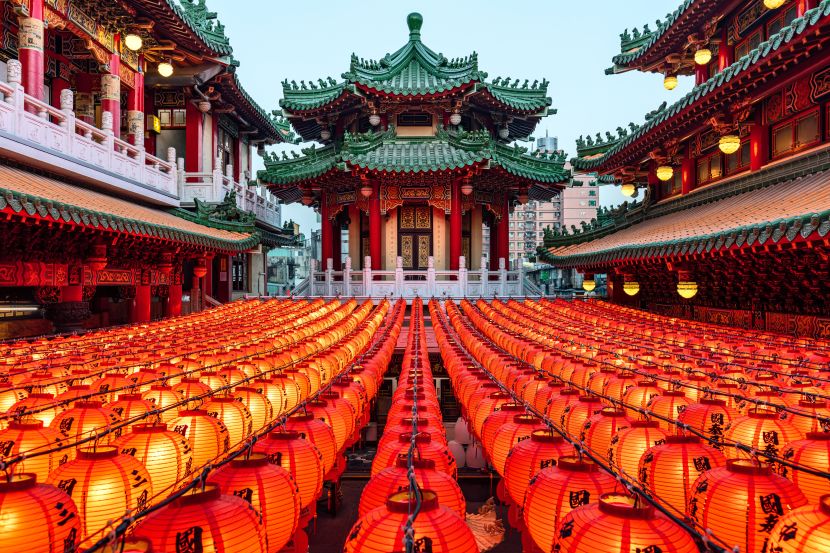
Taiwan 2026 Travel Revolution: Embrace Sustainable Journeys with High-Speed Rail and Eco-Friendly Stays as the Island Leads the Way in Low-Carbon Tourism

In a move that is reshaping how visitors explore the island, Taiwan’s national tourism authority and top rail operator have introduced a bold programme designed to make travel across the country more environmentally responsible. For travellers planning visits in 2026, the Sustainable Taiwan Slow Travel initiative presents a fresh way to see Taiwan’s cities, towns and cultural landscapes while cutting down on carbon emissions.

This programme, backed by verified data from Taiwan High Speed Rail and the Tourism Administration of the Ministry of Transportation and Communications, trades old travel habits for new ones. It does so by pairing swift rail journeys with thoughtfully crafted hotel stays. The goal is to encourage travellers to slow down, reduce carbon footprints and embrace authentic local exploration at every stop.

Rail Journeys Meet Eco‑Minded Travel

At the core of this initiative is Taiwan’s fast, modern rail network. Travellers who book participating hotel packages gain access to discounted high‑speed rail tickets that cover the island’s longest train corridor. The rail system is reliable, efficient, and known for punctual precision, making it an inviting choice for domestic and international visitors alike.

Discounts reach nearly a quarter off the usual ride cost on weekdays for those who combine their accommodation and rail plans. Even on weekends and during busy travel periods, ticket prices bundled with hotel rooms remain significantly lower than standalone fare costs. This price structure is verified by official transport provider announcements and reflects a clear strategy to incentivise rail use over carbon‑heavy alternatives.

By travelling by rail, riders benefit from scenic views and comfortable service while playing a part in cutting down emissions — a topic firmly rooted in official sustainable tourism goals promoted by national travel authorities.

Incentives That Reward Eco Choices

The programme goes beyond ticket price savings. Travellers who use digital ticketing and stay at hotels with environmental certifications earn extra travel reward points. These points come through Taiwan’s recognised loyalty systems and are deposited automatically when passengers complete qualifying journeys.

This dual benefit — savings plus rewards — reflects a broader push by Taiwan’s tourism sector to blend smart travel choices with genuine cost advantages. Industry observers note that this approach is reshaping how travellers think about their trip planning, making low‑carbon trips not just attractive but rewarding.

With rooms at partner hotels spread from the northern capital city to southern cultural hubs, the package also encourages exploration of diverse regions. Hotels that qualify for the programme often showcase local craft, cuisine and community heritage, turning stays into immersive cultural opportunities for visiting travellers.

Eco Tourism in Action Across Regions

Tourism officials point out that this initiative aims to disperse travellers throughout Taiwan’s rich tapestry of destinations. Far from concentrating visitors in one or two well known areas, the Sustainable Taiwan Slow Travel programme nudges visitors to experience lesser‑known towns, scenic rail stops and cultural attractions that sit off the beaten track.

From urban parks and tea plantations to coastal promenades and heritage districts, rail passengers find that each stop has its own story to tell. Transport government reports confirm that train connectivity has eased access to different landscapes, making regional tourism more accessible for both quick trips and longer stays.

Travellers who seize the opportunity often construct itineraries that blend traditional culture with modern living. Museums, artisan markets, and local festivals dot the rail routes, giving eco‑minded visitors a range of experiences that link climate‑aware travel with cultural enrichment.

Why It Matters for Travel in 2026

Officials from Taiwan’s Tourism Administration have highlighted that the average traveller is increasingly aware of environmental impact. The Sustainable Taiwan Slow Travel programme responds directly to this trend by presenting a travel model that aligns convenience with conscience.

In a time where global tourism is being reimagined to consider both local livelihoods and environmental limits, Taiwan’s 2026 travel blueprint stands out. Rail travel, by its very nature, emits less carbon per passenger than road or air alternatives. The official programme amplifies this benefit by making it both easy and financially appealing for visitors to choose rail.

As travellers across Asia and the wider world plan holidays and cultural journeys, the message from Taiwan is clear: green travel is not just a slogan, it is a practical way to move, stay and explore.

Traveller Response and Market Effects

Early feedback from tourism operators shows strong interest and uptake. Hoteliers in key rail hubs say inquiries are increasing from international visitors interested in combining rail travel with extended stays in smaller towns and cultural districts.

Transport experts highlight that ticket bundling makes planning simpler, eliminating the need for travellers to juggle separate bookings for trains and hotels. Car rentals and short‑haul flights are less popular with visitors taking advantage of the programme’s advantages.

Economic data from tourism agencies also reflects that rail‑based tourism tends to deepen spending within local markets, as visitors naturally venture into communities along the train line. This contributes to more balanced tourism growth, helping rural and urban areas alike benefit from visitor interest.

Looking Ahead as Travel Habits Shift

As 2026 unfolds, Taiwan’s sustainable travel initiative sets a benchmark for how destinations can promote meaningful, low‑carbon journeys that benefit travellers, local businesses and the environment. The combination of affordability, convenience and cultural access presents a compelling travel choice in a world increasingly conscious of climate impacts.

For many travellers, the experience of riding Taiwan’s rail lines, staying in local hotels and exploring cultural sites will not just be a trip — it will be a narrative of travel that respects pace, place and planet. With verified support from national tourism authorities and transport agencies, this initiative represents a new chapter in travel that places sustainability at the heart of every journey.

The post Taiwan 2026 Travel Revolution: Embrace Sustainable Journeys with High-Speed Rail and Eco-Friendly Stays as the Island Leads the Way in Low-Carbon Tourism appeared first on Travel And Tour World.

Thailand Travel 2026 Experience the Magic of Songkran with Ancient Traditions Lively Water Festivals and Cultural Celebrations Across the Country

Thailand Travel 2026 Experience the Magic of Songkran with Ancient Traditions Lively Water Festivals and Cultural Celebrations Across the Country

In Thailand the air fills with anticipation every April, but in 2026 the spirit of renewal and travel is especially strong as locals and global visitors prepare for Songkran, the Thai New Year festival. The celebration marks a time when families reunite, travelers plan journeys and communities honour age‑old cultural practices dating back centuries. In its essence, Songkran blends tradition and joy in a travel season unlike any other.

Songkran in 2026 is set during April 13 to April 15, the official public holiday period for Thai New Year, and has long been recognised as a peak moment in Thailand’s tourism calendar. Verified cultural heritage authorities list Songkran as one of the region’s most vibrant and meaningful annual festivals, and years of government tourism data show it draws millions of people to Thailand’s cities, towns and countryside alike.

Historic and Cultural Meaning Anchors the Festivities

Throughout Thailand the celebration is not simply about revelry. It is deeply rooted in traditions that emphasise respect, cleansing and spiritual renewal. Visitors who travel to Thailand during this period find more than lively street scenes; they encounter a heritage with centuries of history behind it.

The term Songkran is drawn from an astrological concept of solar movement and has become synonymous with the beginning of the new solar year. Rituals begin in the early hours with families gathering to pour fragrant water over Buddha images at temples. This act symbolizes the washing away of past misfortune and the start of a fresh new cycle.

Hospitality professionals and temple volunteers are ready weeks in advance, preparing ceremonial areas and arranging offerings as they await the influx of both local worshippers and foreign visitors. International travelers often describe this part of the festival as a touching blend of devotion and community warmth.

Water Celebrations Ignite Street Life Across Key Destinations

Beyond sacred rituals the water element of Songkran attracts the world’s attention. Thailand’s bright streets transform into large open‑air celebrations, where playful and spirited water exchanges unfold under the tropical sun. Families, friends and travellers take part in splashing water in public squares and along main avenues.

In Bangkok areas such as major thoroughfares become hubs of activity with protective measures in place to ensure safety amid the excitement. Government tourism spokespeople and local operators confirm that planning for crowd flow and visitor services is undertaken months in advance to manage the high seasonal travel demand.

Meanwhile in Chiang Mai, the festival extends beyond the main city with processions and community events that blend solemn temple rituals and exuberant public water play. Professional guides note that Chiang Mai often draws returning travelers who seek both cultural depth and communal participation.

Coastal destinations like Phuket and urban centres across central and northern Thailand add playful twists that have become part of Songkran’s global appeal. Large‑scale water fights, music and dance areas, and family‑oriented zones invite those looking for shared joy as well as cultural insight.

Travel Patterns Shift as Songkran Draws Global Visitors

Songkran’s role in Thailand’s tourism sector is measurable. Verified travel trend reports show that hotel occupancy rates surge during the festival period. Transportation services including intercity rail, domestic flights and buses report near‑capacity tickets weeks before April 13, driven by both domestic and international travel interest.

Travel experts say this pattern has persisted for years, and in 2026 authorities are working to improve connectivity and traveller support. Information desks at major transport hubs offer multilingual assistance, while tourism offices in cities and provinces coordinate cultural programming with local communities.

These efforts reflect a broader recognition of Songkran’s value to Thailand’s cultural tourism profile, and clear government datasets show that arrivals during the festival period consistently include high percentages of repeat visitors from Europe, North America and neighbouring Asian countries.

Family, Respect and Renewal at the Heart of Songkran

Another standout element of Songkran is its emphasis on family and social bonds. Parents, grandparents and children reconnect during the holiday in ways that echo through cultural narratives. Middling streets in smaller provinces see solemn merit‑making activities in the mornings, followed by more relaxed social gatherings in the afternoons.

Returning Thai residents often share that these rituals feel like a renewal of community life and personal values. Even seasoned travellers have remarked on the contrast between the spiritual tone in temple courtyards and the effervescent energy on city streets.

Food culture also plays a part. Special holiday dishes are prepared in homes and served to visitors and neighbours. Local markets bustle with ingredients and ready‑to‑eat refreshments for both sightseers and worshippers. Community volunteers distribute water and snacks in crowded areas to help sustain visitors during long hours of outdoor events.

Official Recognition Enhances Cultural Travel Reputation

Songkran’s standing has only strengthened in recent years thanks to official recognitions that underline its cultural value. It is listed by cultural heritage authorities as an intangible cultural tradition, affirming its significance beyond mere festivity. This status further elevates its appeal for travellers looking for authentic and meaningful experiences.

Government tourism strategists note that Songkran’s blend of spiritual and social activities improves awareness of Thailand’s living traditions. Educational outreach at major temples during the festival helps visitors understand local customs, and guides at cultural sites provide context for events that might otherwise appear purely playful.

Looking Ahead as Travelers Embrace Songkran Spirit

As Songkran 2026 approaches, Thailand’s tourism landscape is poised for one of its busiest cultural seasons of the year. Verified tourism data and long‑term travel indicators signal strong demand across all key Songkran destinations.

For first‑time visitors and seasoned festival goers alike, this year promises a mix of ritual, tradition, social connection and travel energy that only grows with time. Communities prepare, temples open for devotion, and streets readied for water celebrations that have become synonymous with the Thai New Year.

Whether through quiet morning rites at revered temples or vibrant afternoon water festivities on bustling boulevards, Songkran remains a singular event in Thailand’s travel calendar, touching hearts and creating lasting memories as it welcomes another chapter of cultural celebration.

The post Thailand Travel 2026 Experience the Magic of Songkran with Ancient Traditions Lively Water Festivals and Cultural Celebrations Across the Country appeared first on Travel And Tour World.

South Korea Embraces Sustainable Tourism with Eco-Friendly Travel and Cultural Heritage at Boseong Green Tea Fields: Explore Now

South Korea Embraces Sustainable Tourism with Eco-Friendly Travel and Cultural Heritage at Boseong Green Tea Fields: Explore Now

In the heart of Jeollanam‑do, the world‑renowned Boseong Green Tea Fields are drawing international attention not just for their emerald hills, but for advancing eco‑sustainable travel practices that blend environmental stewardship with cultural tourism. Visitors now come to witness pristine green landscapes, sample premium teas, and enjoy immersive experiences that connect them deeply with nature and local heritage. Boseong is fast becoming a model for tourism that respects the environment while boosting the rural economy.

A Living Landscape of Tea and Culture

Boseong County stands as South Korea’s leading tea‑producing region, with nearly half of the nation’s green tea output coming from its fertile fields. The Daehan Dawon Tea Plantation, the most visited and extensive of these tea gardens, stretches across terraced hillsides creating a dramatic green tapestry that changes with the seasons. The plantation is more than a scenic backdrop — it is a living agricultural space where tradition meets tourism attraction.

Local officials and tourism stakeholders have increasingly positioned Boseong as a sustainable travel destination, ensuring that tourism growth does not compromise the integrity of the landscape that supports both agriculture and culture. Visitors can walk among the neatly arranged rows of tea bushes, traverse forested paths, and enjoy sweeping views that extend toward the distant ocean from elevated vantage points.

Green Tourism Enhancing Local Economies

Sustainable tourism strategies in Boseong are extending beyond viewing tea hills. The Korean Tea Cultural Park and adjacent facilities host programmes that invite travellers to understand the tea cultivation process firsthand. Activities include tea‑making demonstrations, tastings of locally produced green tea, and workshops that reveal the craftsmanship behind Korean tea production. These initiatives contribute meaningfully to the economic vitality of rural communities while educating visitors about responsible travel practices.

The Boseong Green Tea Producers Association plays a crucial role in this integrated eco‑travel model by supporting farmers, organising product development, and collaborating with local authorities to ensure that tourism and agriculture thrive together. This coordination ensures a stable supply chain for high‑quality tea products and enhances the experiences available to travellers.

Blending Culture with Nature Tourism

One of the major attractions that reinforces eco‑travel interest is the annual Boseong Green Tea Festival, held each May during the harvest period. This cultural celebration unveils interactive programmes like tea leaf picking, tea crafting, and themed health experiences such as trekking through fields and outdoor wellness sessions. By offering these immersive experiences, Boseong positions itself as a destination where tourism deepens cultural connection and encourages outdoor activity.

Such festivals also act as platforms to promote agritourism, where visitors engage with local farming traditions and sample unique tea‑based cuisine. This approach not only attracts domestic travellers but also draws international visitors seeking authentic and sustainable travel experiences.

Environmentally Responsible Visitor Experiences

Tourism development strategies around the green tea fields emphasise low‑impact access to natural assets. Carefully planned walkways and designated viewpoints help spread visitor movement across the landscape, reducing soil compaction and preserving plant health. Additionally, the emphasis on walking tours and cultural hikes invites travellers to reduce reliance on motorised transport within the plantation areas.

The region’s broader natural attractions, including nearby forests and scenic coastal zones, are integrated into travel routes that encourage multi‑day stays. These itineraries not only lengthen visitor engagement but also spread tourism benefits across local businesses such as hanok guesthouses, family‑run cafés, and specialised tea boutiques.

Global Recognition of Eco‑Tourism Value

Boseong’s successes reflect a broader trend within South Korea to promote sustainable travel destinations that protect cultural landscapes and biodiversity while inviting global visitors. Government tourism agencies highlight the green tea fields as a premier destination for travellers who value eco‑friendly experiences blended with authentic local culture.

Green tea itself has become a cultural symbol of the region, with products ranging from fresh leaf teas to artisanal matcha and tea‑infused cuisine sold in local markets and cafes. Visitors can explore these offerings at the fields and nearby cultural facilities that celebrate tea heritage.

What This Means for Travel Trends

As international tourism rebounds with a stronger emphasis on sustainability, destinations like Boseong are leading by example. The blend of open‑air natural beauty, cultural heritage, and sustainable tourism management positions the Boseong Green Tea Fields as a must‑visit eco‑travel destination for visitors to South Korea. The success seen here is likely to influence travel patterns, steering travellers away from urban hotspots toward countryside locales that offer deeper engagement with landscape and tradition.

Local tourism leaders hope that the continued success of sustainable initiatives in Boseong will inspire similar practices across other cultural and agricultural regions in South Korea, strengthening the nation’s reputation as an environmentally mindful travel destination.

The post South Korea Embraces Sustainable Tourism with Eco-Friendly Travel and Cultural Heritage at Boseong Green Tea Fields: Explore Now appeared first on Travel And Tour World.

Explore the Kumano Kodo Pilgrimage Routes in Japan A Spiritual Travel Journey Through Sacred Trails, Ancient Shrines, and Stunning Natural Landscapes

Explore the Kumano Kodo Pilgrimage Routes in Japan A Spiritual Travel Journey Through Sacred Trails, Ancient Shrines, and Stunning Natural Landscapes

The Kumano Kodo Pilgrimage Routes in Japan represent one of the most unique and historically rich spiritual journeys in the world. These ancient trails, winding through the Kii Peninsula in Wakayama, Mie, and Nara Prefectures, have been walked for over a millennium by pilgrims seeking spiritual purification, reflection, and connection with nature. The routes lead to the sacred Kumano Sanzan shrines, deep in the Kii Mountains, and form a powerful cultural and religious legacy. In 2026, these paths continue to draw travellers seeking more than just a hiking adventure—they offer a profound spiritual experience and a connection with Japan’s ancient Shinto and Buddhist practices.

What Makes the Kumano Kodo Unique?

The Kumano Kodo is one of the world’s few pilgrimage routes to be recognized as a UNESCO World Heritage site, alongside the Camino de Santiago in Spain. It is Japan’s oldest pilgrimage route, historically used by emperors, nobility, and commoners alike. What sets the Kumano Kodo apart is its blend of cultural history, spiritual depth, and stunning natural beauty, allowing visitors to connect with nature while experiencing Japan’s deeply rooted religious traditions.

The pilgrimage was not only a religious journey but also a practice of physical and spiritual purification. Today, it is a journey for those seeking self-reflection, mindfulness, and spiritual renewal, offering an opportunity to disconnect from the modern world.

Routes to Sacred Enlightenment: The Kumano Kodo Trails

There are five main routes of the Kumano Kodo, each offering a unique experience. These ancient paths lead pilgrims to the Kumano Sanzan, the three sacred shrines that are the spiritual heart of the pilgrimage: Kumano Hongu Taisha, Kumano Hayatama Taisha, and Kumano Nachi Taisha. Below are the most prominent routes and what you can expect from each.

1. Nakahechi Route: The Heart of Kumano Kodo

The Nakahechi Route is the most popular and most accessible of the Kumano Kodo trails. It runs from Tanabe to Kumano Hongu Taisha, passing through dense forests of ancient cedars and mountains that have been revered for centuries. This 3–5 day hike offers moderate to challenging sections and is the traditional route used by pilgrims.

Along the Nakahechi route, you’ll encounter ancient villages, temples, and sacred water springs, making it a perfect balance of spiritual depth and cultural exploration. The trail leads through stunning landscapes, where visitors can pause at scenic viewpoints to reflect and meditate on their spiritual journey. Some sections also feature hidden Oji shrines, where pilgrims would stop for prayers along the route.

2. Iseji Route: Connecting Two Sacred Sites

The Iseji Route connects the Ise Shrine, one of Japan’s most sacred Shinto sites, with the Kumano shrines. This trail is more coastal and offers spectacular views of the Pacific Ocean. The journey is a bit easier compared to the Nakahechi route, making it a good option for those wanting a more leisurely pilgrimage while still experiencing Japan’s sacred spaces.

The Iseji route is steeped in religious symbolism, as it is designed to connect two of Japan’s greatest spiritual centres. The trail’s coastal setting and access to oceanic vistas enhance the sense of inner peace. Pilgrims walk this route not only to honour the Kumano shrines but to deepen their devotion to the Ise Shrine, which is dedicated to Amaterasu, the sun goddess of Japan.

3. Ohechi Route: A Scenic Coastal Walk

The Ohechi Route is one of the most visually rewarding of the Kumano Kodo trails. Stretching along the coastline, this route offers panoramic views of the blue Pacific Ocean, cliffs, and dense forests. Though it can be demanding in certain sections, it is widely appreciated for its natural beauty.

This route is less travelled than the Nakahechi and is perfect for those looking for solitude during their pilgrimage. The serene landscape of mountains meeting the sea offers a perfect backdrop for contemplation and meditation. Pilgrims walking the Ohechi Route are encouraged to focus on the contrast between the sacredness of the mountains and the power of the sea.

Spiritual Practices on the Kumano Kodo

One of the highlights of walking the Kumano Kodo is the spiritual engagement that comes with it. Pilgrims who walk the route often take part in various traditional practices, which include:

  • Purification Rituals at Yunomine Onsen: Yunomine Onsen is an ancient hot spring located along the Nakahechi Route. This site has been used by pilgrims for over 1,000 years for purification. The practice of bathing in the sacred waters is an important ritual for cleansing body and soul.
  • Offerings at Kumano Shrines: Upon reaching each of the Kumano Sanzan shrines, pilgrims make offerings and prayers. The rituals are deeply rooted in Shinto and Buddhist practices, allowing visitors to engage in both traditions while offering gratitude for the journey’s completion.
  • Walking Meditation: The Kumano Kodo is not just a physical journey, but also a spiritual one. The meditative walk through ancient forests and sacred landscapes encourages reflection and mindfulness. The peace of the forests are conducive to personal introspection and emotional healing.

Practical Tips for Walking the Kumano Kodo

Best Time to Visit

The Kumano Kodo is open year-round, but the best times to visit are during spring (April–May) and autumn (September–November) when the weather is mild, and the landscapes are at their most beautiful. Spring brings lush greenery and blossoming flowers, while autumn features stunning foliage.

Accommodation

Accommodation along the Kumano Kodo varies from traditional Japanese inns (ryokan) to eco-friendly guesthouses. Staying in local minshuku (family-run inns) offers an authentic experience, where you can enjoy traditional Japanese meals and interact with local families. For a unique experience, consider staying in temple lodging near Koyasan or onsen resorts along the way.

Trail Difficulty

While the Nakahechi Route is the most popular, it’s important to note that the Kumano Kodo involves some challenging terrain. There are long stretches with steep climbs and forest paths, so comfortable hiking shoes and plenty of water are essential. For those who want a more relaxed pace, shorter trail sections can be hiked in a single day.

Travel Logistics

Access to the Kumano Kodo can be achieved via train from Osaka or Kobe to Tanabe or Shingu, followed by local buses or taxis to trailheads. It is recommended to plan and book accommodation in advance as the region is popular during peak seasons.

Experience the Kumano Kodo: A Sacred Journey Awaits

The Kumano Kodo Pilgrimage Routes offer more than just an opportunity to explore Japan’s natural beauty. They provide a profound and immersive spiritual journey where visitors can reflect, purify, and connect with Japan’s deep-rooted religious traditions. Whether you seek solitude in nature, inner peace, or cultural immersion, the Kumano Kodo invites you to walk the path of spiritual enlightenment alongside the footsteps of ancient pilgrims. Embark on this sacred journey in 2026 to experience the serenity and timelessness of Japan’s spiritual heart.

The post Explore the Kumano Kodo Pilgrimage Routes in Japan A Spiritual Travel Journey Through Sacred Trails, Ancient Shrines, and Stunning Natural Landscapes appeared first on Travel And Tour World.

China Rolls Out Game-Changing Visa-Free Access for British and Canadian Citizens, Unleashing New Travel Horizons and Strengthening International Ties

China Rolls Out Game-Changing Visa-Free Access for British and Canadian Citizens, Unleashing New Travel Horizons and Strengthening International Ties

In a move set to reshape international travel and tourism, China has announced a visa-free policy for Canadian and British citizens, effective from February 17, 2026. This groundbreaking decision allows citizens from these countries to enter China without the need for a visa, staying for up to 30 days for tourism, business, or other purposes. The new policy aims to simplify travel, boost tourism, and strengthen people-to-people connections between China and two of the world’s most significant markets.

This policy shift is expected to bring profound implications not just for travelers, but also for the tourism and business sectors globally. As international travel picks up post-pandemic, this announcement opens up China to millions of potential visitors, creating new avenues for cross-border business, tourism, and cultural exchange.

The Key Changes in China’s Visa Policy for Canada and the UK

The new visa-free entry rule will be available to British and Canadian citizens traveling to mainland China. Starting on February 17, 2026, these travelers can now enter China without the hassle of applying for a visa, which has traditionally been a complex and time-consuming process. Instead, travelers will be allowed a stay of up to 30 days, whether their visit is for tourism, business, or to visit family and friends.

The policy marks a significant shift in China’s approach to international relations. Previously, such visa exemptions were limited to a handful of countries, but with this move, China opens its doors to more tourists and business professionals from countries like the United Kingdom and Canada. This policy is also seen as a clear signal of China’s commitment to boosting tourism in line with its economic recovery strategy after the pandemic.

Impact on Tourism and Travel Between China, the UK, and Canada

The visa-free entry will certainly have a huge impact on tourism. The UK and Canada are two of China’s most important markets, with both countries already seeing a significant number of travelers to China in previous years. The UK alone has long been a source of substantial tourist traffic to major Chinese cities such as Beijing, Shanghai, and Xi’an. Meanwhile, Canada’s historical connection to China, particularly with its large Chinese-Canadian community, makes it a key player in fostering people-to-people relations.

By eliminating visa requirements for citizens from these nations, China is making itself more accessible, and likely to see a substantial rise in tourist arrivals from both markets. Canada and the UK will now experience less red tape when planning business trips or leisure travel to China. Whether it’s for business conferences, trade negotiations, or simply enjoying the cultural heritage of China, this policy shift is expected to simplify the travel experience considerably.

Boost to Trade and Economic Relations

In addition to the potential tourism benefits, the visa exemption is also expected to bolster trade relations. Both Canada and the UK are major trading partners with China, and this move could facilitate easier interactions between businesses and entrepreneurs. The policy could serve as a catalyst for new investment opportunities and strategic partnerships between Chinese companies and those from the UK and Canada.

For Canadian and British businesses, the removal of visa barriers means enhanced ease of access to China’s vast market. Entrepreneurs and executives will no longer face the time-consuming visa application process, enabling them to focus on business development and exploring opportunities within China’s rapidly evolving digital and technology sectors.

Fostering People-to-People Connections and Strengthening Diplomacy

One of the underlying goals of the new visa-free entry policy is to enhance the cultural and diplomatic ties between China, Canada, and the United Kingdom. This decision is seen as part of a broader China-friendly initiative to foster international goodwill and strengthen relationships through tourism, education, and exchange programs.

With increased ease of travel, students, researchers, and families will benefit from the simplified visa process, helping to enhance understanding and cooperation on global issues. For example, Chinese universities may attract more students from Canada and the UK, who previously faced barriers due to visa requirements.

Moreover, as global travel resumes and people become more willing to venture out for new experiences, the visa-free policy is poised to help re-establish China’s tourism as a central pillar of global travel.

What This Means for the Global Travel Industry

The travel industry as a whole will feel the effects of this new visa policy. As one of the largest global markets, China plays a critical role in shaping tourism trends. By making it easier for more people to visit, China is positioning itself as a top destination for leisure travelers and business professionals alike. Airlines, hotels, and local businesses will likely see increased demand for services from travelers from Canada and the UK.

Furthermore, the global tourism ecosystem will benefit from the boost in travel numbers, as countries and regions benefit from the ripple effect of more tourism spending. The boost in cross-cultural exchanges will also lead to greater opportunities for partnerships across industries, ranging from tech to education.

Looking Ahead: Future of Travel Between China and Western Markets

China’s decision to waive visa requirements for UK and Canadian citizens is just the beginning of a broader trend to encourage international travel. There is potential for further expansion of visa-free policies to other countries, depending on diplomatic ties and tourism demand. As part of its long-term growth strategy, China aims to continue positioning itself as a global travel leader, attracting tourists and travelers from around the world.

With a new visa-free travel policy now in place for British and Canadian citizens, we are entering a new era of travel between these countries and China. Whether for business or pleasure, this shift is poised to transform travel experiences, making China a more accessible and attractive destination for millions of international visitors.

The post China Rolls Out Game-Changing Visa-Free Access for British and Canadian Citizens, Unleashing New Travel Horizons and Strengthening International Ties appeared first on Travel And Tour World.

Malaysia’s Travel Tech Gets a Boost As MDEC and MDV Support Wahdah in Shaping the Future of Digital Mobility Find Out The Details Here

Malaysia’s Travel Tech Gets a Boost As MDEC and MDV Support Wahdah in Shaping the Future of Digital Mobility Find Out The Details Here

In an exciting new development for Malaysia’s tech ecosystem, the Malaysia Digital Economy Corporation (MDEC) has partnered with Malaysia Debt Ventures (MDV) to accelerate Wahdah’s mission of reshaping the country’s digital mobility and travel technology. This strategic collaboration is set to push the boundaries of innovation, leveraging cutting-edge solutions to enhance Malaysia’s travel and mobility sectors.

This powerful partnership comes at a crucial time as the global travel and mobility industries are undergoing significant digital transformation. With Malaysia increasingly becoming a hub for technological advancements, MDEC and MDV’s support for Wahdah’s vision is expected to propel the nation’s digital economy forward.

Strategic Collaboration to Empower the Digital Mobility Sector

Wahdah, a forward-thinking player in Malaysia’s digital mobility scene, aims to drive positive change by incorporating smart mobility technologies into Malaysia’s travel and tourism sectors. Through this new partnership, MDEC and MDV will provide crucial resources, funding, and expertise to Wahdah, helping it develop and scale innovative technologies that will contribute to the country’s long-term growth.

MDEC, a government body responsible for promoting digital economy initiatives in Malaysia, has been at the forefront of driving the country’s digital transformation. By partnering with Wahdah, MDEC aims to strengthen the nation’s position in the digital mobility space, aligning with Malaysia’s Vision 2025 to become a leader in digital innovation. This collaboration is seen as a stepping stone toward realizing a future where technology improves travel and mobility efficiency across the nation.

MDEC’s Role in Malaysia’s Digital Transformation

As part of its ongoing efforts to accelerate the country’s digital economy, MDEC has been fostering partnerships with key stakeholders in the tech and travel sectors. The corporation’s collaboration with Wahdah is a continuation of this mission. MDEC is focused on unlocking the full potential of digital technologies in improving sectors like tourism, mobility, and infrastructure.

The partnership is expected to pave the way for the development of cutting-edge technologies that improve travel experiences for both locals and tourists. With Wahdah’s expertise in digital mobility solutions, the collaboration will focus on creating smarter, more efficient, and more sustainable travel systems.

MDEC’s support of Wahdah is also aligned with the country’s broader strategy to develop a robust tech ecosystem that enhances various industries, including travel, mobility, and tourism. With the implementation of innovative technologies, Malaysia aims to attract more tourists, boost the economy, and become a leading digital tourism destination.

MDV’s Commitment to Financing Innovation

MDV, a key player in Malaysia’s financial landscape, has long supported businesses that contribute to the development of Malaysia’s digital economy. By offering financial support and investment opportunities, MDV plays a crucial role in helping startups and SMEs, such as Wahdah, scale their operations and bring new ideas to life.

This partnership between MDV, MDEC, and Wahdah reflects the government’s commitment to advancing digital transformation in Malaysia. MDV’s involvement ensures that Wahdah has access to the necessary funding to enhance its technology and further its mission in the travel and mobility sectors.

Transforming Malaysia’s Travel and Tourism Ecosystem

Malaysia’s travel and tourism industry has already been showing promising signs of recovery after the challenges posed by the pandemic. As more tourists return, the demand for seamless, tech-driven travel experiences is rising. This partnership is particularly relevant in the context of the growing trend toward digital-first travel solutions.

By leveraging Wahdah’s technology, MDEC and MDV aim to develop digital solutions that will make travel more efficient, convenient, and sustainable. These innovations will enhance both local and international travel, improving services such as online booking systems, transport solutions, and digital tour guides.

This collaboration will also contribute to the tourism sector’s long-term growth by introducing smart mobility initiatives that benefit both travelers and the local population. The introduction of digital travel solutions will ensure that Malaysia stays competitive in the global tourism market, offering tourists a seamless, high-tech travel experience.

Wahdah’s Role in Digital Mobility Innovation

At the heart of this collaboration is Wahdah’s role in advancing Malaysia’s digital mobility and travel tech space. Known for its innovative approach, Wahdah is dedicated to transforming the way people travel and interact with transportation systems.

Wahdah’s technologies focus on improving mobility infrastructure, reducing traffic congestion, and enhancing user experiences. The company is committed to leveraging artificial intelligence, data analytics, and Internet of Things (IoT) solutions to create smarter travel systems. These technologies have the potential to revolutionize not just how Malaysians travel but also how tourists experience the country.

As the Malaysian government continues to prioritize digital solutions, Wahdah’s role in shaping the country’s travel ecosystem has never been more significant. With the backing of MDEC and MDV, Wahdah is poised to lead the charge in redefining travel in Malaysia.

A Promising Future for Digital Travel Solutions

The collaboration between MDEC, MDV, and Wahdah marks a pivotal moment in Malaysia’s digital transformation journey. By supporting Wahdah’s innovative travel and mobility solutions, these organizations are not only strengthening the country’s digital economy but also ensuring that Malaysia is well-equipped to handle the future of travel.

As Malaysia seeks to enhance its digital tourism infrastructure, this partnership represents a major step forward in fostering a more connected, efficient, and sustainable travel environment. With MDEC and MDV’s support, Wahdah is set to continue its mission of transforming the travel and mobility sectors, providing Malaysia with the tools to become a global leader in digital travel solutions.

As the world moves towards a more digital future, Malaysia’s strategic approach to enhancing its travel tech ecosystem will undoubtedly help position the nation as a top destination for both business and leisure travellers alike.

IMAGE SOURCE: PR NEWSWIRE

The post Malaysia’s Travel Tech Gets a Boost As MDEC and MDV Support Wahdah in Shaping the Future of Digital Mobility Find Out The Details Here appeared first on Travel And Tour World.

Revolutionizing Travel Smart Ticketing and Multilingual Guides Transform Visitor Experience in Hoi An’s UNESCO World Heritage Site

Revolutionizing Travel Smart Ticketing and Multilingual Guides Transform Visitor Experience in Hoi An’s UNESCO World Heritage Site

In an exciting step towards digital innovation, Hoi An, one of Vietnam’s most iconic UNESCO World Heritage sites, has unveiled a new smart ticketing system designed to transform the tourism experience for visitors. As of February 2026, 12 automated kiosks equipped with multilingual support have been introduced across the ancient town, allowing visitors to purchase tickets with ease and access enhanced tourism services. This initiative aims to enhance the visitor experience while helping the city adapt to the growing demands of digital tourism.

Hoi An Pioneers Smart Tourism in Vietnam

Hoi An, renowned for its stunning mix of ancient architecture, bustling markets, and cultural heritage, has long been a favourite destination for international tourists. But with increasing numbers of visitors, the town has faced the challenge of maintaining its charm while offering modern amenities. The launch of the smart ticketing system is part of Hoi An’s strategy to merge its rich cultural history with the latest in digital innovation.

The newly installed automated ticket kiosks are designed to provide visitors with a seamless, efficient way to purchase entrance tickets, bypassing long queues. This initiative marks a significant step in Vietnam’s growing embrace of smart tourism solutions.

How the Smart Ticketing System Works

The 12 kiosks are strategically placed around the town’s most popular tourist spots, making it easy for visitors to purchase tickets at their convenience. The digital kiosks accept multiple payment methods, including international credit cards and local payment options, ensuring that tourists from all over the world can enjoy the system.

What sets the system apart is its multilingual support. The kiosks cater to international travellers by offering services in over 20 languages, including English, Chinese, Korean, Japanese, and French. This feature ensures that visitors can interact with the system in their preferred language, eliminating any barriers related to language proficiency and enhancing their overall experience in Hoi An.

Revolutionizing the Visitor Experience

The smart tourism solutions extend beyond ticket sales. By introducing these kiosks, the city aims to streamline operations and reduce the physical and logistical constraints of traditional tourism. In addition to ticketing, the kiosks provide information on local attractions, cultural sites, and dining options, making it easier for tourists to plan their visits. The system also allows tourists to book guided tours and gain access to audio guides, all integrated through QR codes.

The introduction of digital ticketing is part of a broader trend across Vietnam, where tourism is increasingly merging with technology. The system’s design is user-friendly and ensures that even first-time visitors can navigate the ancient town without feeling overwhelmed by its vastness. For instance, visitors can purchase tickets to multiple sites in advance, ensuring a hassle-free experience as they move through Hoi An’s historic districts.

The Role of Technology Partners

The launch of this digital ticketing system was made possible through a collaboration between Hoi An’s local tourism authorities and Vietnam’s tech companies. The Vietnam Artificial Intelligence Joint Stock Company (AIAIVN), which specializes in AI-driven tourism technologies, played a key role in the development of the system. This partnership represents a step towards digitally transforming the country’s tourism industry, enabling it to handle rising numbers of visitors while preserving the cultural heritage that makes Hoi An so special.

Boosting Vietnam’s Tourism Landscape

Hoi An’s new system is also in line with Vietnam’s broader national strategy to modernise its tourism infrastructure. By leveraging advanced technologies, the country hopes to provide more convenient, efficient, and environmentally sustainable travel options for both locals and visitors. Digital ticketing, in particular, helps reduce paper waste, contributing to Vietnam’s push for a greener tourism industry.

The Vietnamese government has been proactive in promoting such innovations in smart tourism. The launch of smart ticketing systems across major cultural heritage sites, like Hoi An, demonstrates the country’s commitment to sustainable tourism that balances technological progress with the preservation of its cultural and environmental treasures.

Digital Transformation for Local Communities

Another important aspect of this project is the impact on local businesses. With easier access to attractions, tourists are expected to stay longer and spend more in local shops, restaurants, and hotels. The influx of tech-savvy tourists may also encourage local entrepreneurs to integrate technology into their businesses, helping them grow their online presence and reach a global audience.

Through these changes, Hoi An is positioning itself as a model for digital transformation within Vietnam’s tourism sector. The use of smart kiosks is expected to improve not only the overall visitor experience but also the economic vitality of the town, ensuring that the benefits of increased tourism are spread throughout the community.

Looking Ahead: The Future of Smart Tourism in Hoi An

Looking to the future, Hoi An’s smart ticketing system is just the beginning. The city plans to further expand its digital tourism offerings by incorporating virtual tours, AR (augmented reality) features, and real-time data collection to monitor tourist flow and enhance security. The long-term goal is to integrate smart tourism seamlessly into the fabric of the town, providing visitors with a fully connected, immersive experience.

As more cities and countries worldwide look to innovate their tourism industries, Hoi An is leading the charge in Vietnam with its forward-thinking approach. By embracing both technology and culture, the town is setting a precedent for how UNESCO-listed heritage sites can thrive in the digital age.

In Summary

The launch of Hoi An’s smart ticketing system is a bold move to modernise tourism while maintaining the town’s rich cultural heritage. Through multilingual kiosks and innovative digital solutions, Hoi An is enhancing the experience for visitors, improving operational efficiency, and contributing to Vietnam’s digital transformation in tourism. With this initiative, the town not only improves convenience for tourists but also prepares for the future of smart tourism.

The post Revolutionizing Travel Smart Ticketing and Multilingual Guides Transform Visitor Experience in Hoi An’s UNESCO World Heritage Site appeared first on Travel And Tour World.

Explore the Hidden Wonders of Guangxi A Sustainable Travel Paradise with Stunning Landscapes, Rich Culture, and Eco-Friendly Adventures

Explore the Hidden Wonders of Guangxi A Sustainable Travel Paradise with Stunning Landscapes, Rich Culture, and Eco-Friendly Adventures

Located in the southern reaches of China, Guangxi Zhuang Autonomous Region is an exceptional destination for travellers seeking a fusion of natural beauty, cultural richness, and sustainable travel experiences. This diverse and ecologically rich region, bordered by Vietnam to the southwest, is home to towering karst peaks, winding rivers, ethnic minority cultures, and eco-friendly tourism practices that make it a must‑visit spot for those looking to immerse themselves in both nature and tradition.

With eco‑tourism gaining prominence worldwide, Guangxi has taken significant steps in promoting sustainable travel while showcasing its cultural and natural wonders. Whether you’re trekking through its iconic Li River, exploring traditional Zhuang villages, or indulging in local cuisine, Guangxi offers something for every kind of traveller looking for authenticity and green tourism options.

Li River: A Natural Wonder of Scenic Beauty

One of Guangxi’s top attractions is the Li River, renowned for its limestone karst formations that rise dramatically from the river’s clear waters. This iconic river cruise is a must-do experience for visitors to the region, as it offers unparalleled views of lush green hills, mist‑covered mountains, and quaint fishing villages dotting the banks. Known worldwide for its depiction in traditional Chinese landscape paintings, the Li River remains a highlight of eco‑tourism in China, drawing thousands of visitors each year who seek to reconnect with nature.

Taking a bamboo raft ride along the Li River is an ideal way to experience its serene beauty while reducing your environmental footprint. This method of travel ensures minimal disturbance to the surrounding ecosystem, and many local companies emphasize eco-conscious practices by using sustainable boats and maintaining low-impact activities that respect the environment.

Longji Rice Terraces: A Sustainable Legacy of Agriculture

Another gem in Guangxi’s eco‑travel offerings is the Longji Rice Terraces, also known as Dragon’s Backbone. These ancient terraced fields, stretching up the mountainside, are not only a breathtaking sight but also a testament to the sustainable agricultural practices of the region’s Zhuang and Yao ethnic communities. The rice terraces, shaped over 700 years, have been passed down from generation to generation and continue to be cultivated using traditional, environmentally respectful farming methods.

Visiting the terraces offers more than just scenic views — it’s an opportunity to learn about sustainable farming and how local communities balance the preservation of the land with modern agricultural practices. Many visitors choose to stay in eco-friendly homestays within minority villages near the terraces, where they can experience life on the land and support the local economy. These stays often include meals made from organic, locally sourced ingredients, promoting farm-to-table sustainability.

Zhuang Culture: A Rich Tapestry of Tradition and Heritage

Guangxi is home to the Zhuang ethnic group, the largest minority group in China, whose rich cultural heritage is deeply embedded in the region. The Zhuang people are known for their vibrant folk music, unique festivals, and traditional clothing. One of the most important festivals for the Zhuang people is the Sanyuesan Festival, which celebrates the arrival of spring and is marked by singing, dancing, and traditional performances.

In addition to the Zhuang, Guangxi is also home to other minority groups, including the Dong, Miao, and Yao people, each with their own distinct cultural practices. Visitors to Sanjiang, for example, can explore the region’s famous covered wooden bridges and drum towers, built without the use of nails — showcasing the remarkable craftsmanship of the Dong people.

For those interested in cultural immersion, a visit to a traditional village is a must. Many villages offer workshops on traditional crafts, such as bamboo weaving, pottery making, and hand-woven textiles, providing a hands-on experience of Zhuang culture while supporting sustainable, local artisans.

Detian Waterfall: A Cross-Border Natural Wonder

One of the most stunning natural features in Guangxi is the Detian Waterfall, which straddles the border between China and Vietnam. As one of Asia’s largest transboundary waterfalls, Detian is a breathtaking sight, with water cascading down massive limestone cliffs and into the surrounding lush landscape. The area around the waterfall is perfect for eco‑tourism, with visitors able to enjoy low-impact activities like hiking, bird watching, and nature walks.

The waterfall is situated in a protected natural area, and efforts to maintain its environmental integrity are paramount. Local tourism companies are committed to offering eco-friendly excursions that ensure minimal disruption to the natural habitat.

Sustainable Travel and Eco-Friendly Activities

Guangxi has firmly committed itself to eco‑tourism, ensuring that natural resources are preserved for future generations while providing economic benefits to local communities. Visitors are encouraged to engage in low-impact travel by choosing bike tours, hiking trails, and river cruises that respect the environment. Many local operators emphasize the importance of environmental conservation and offer guided tours that highlight wildlife protection, forest regeneration, and sustainable farming practices.

Additionally, Guangxi’s urban areas, such as Guilin and Nanning, are increasingly promoting green spaces and public transport options that contribute to the region’s long-term sustainability goals. The city of Nanning in particular is known for its focus on urban greenery, often referred to as the “green city,” and offers a variety of parks and recreational areas for visitors seeking eco-friendly alternatives to traditional sightseeing.

Explore Guangxi as the Future of Sustainable Travel

Guangxi Zhuang Autonomous Region offers a perfect blend of natural beauty, cultural richness, and sustainable travel opportunities. From its awe-inspiring karst formations and river cruises to its ethnic minority cultures and eco-friendly practices, Guangxi is quickly becoming a destination of choice for eco-conscious travellers. With its focus on preserving the environment and uplifting local communities, Guangxi is paving the way for a more sustainable future in Chinese tourism.

Whether you’re drawn to its breathtaking landscapes, rich traditions, or green travel initiatives, Guangxi invites you to explore its cultural and natural wonders while leaving a positive impact on the region and the planet.

The post Explore the Hidden Wonders of Guangxi A Sustainable Travel Paradise with Stunning Landscapes, Rich Culture, and Eco-Friendly Adventures appeared first on Travel And Tour World.

Travel to Ho Chi Minh City’s Green Heart By Discovering the Tranquil Beauty and Cultural Significance of No. 1 Ly Thai To Park

Travel to Ho Chi Minh City’s Green Heart By Discovering the Tranquil Beauty and Cultural Significance of No. 1 Ly Thai To Park

Ho Chi Minh City, Vietnam’s bustling commercial hub, has officially unveiled a new memorial park as part of its ambitious plans to create a greener urban future. The park, known as No. 1 Lý Thái Tổ Park, is not only a tribute to the victims of the COVID‑19 pandemic but also an important addition to the city’s urban green spaces, offering locals and tourists alike a place for reflection, relaxation, and engagement with nature. This development marks a significant step in the city’s efforts to balance modern urban growth with environmental sustainability and public well-being.

A Memorial Park with Purpose

The newly opened memorial park in Ho Chi Minh City is designed to serve as a multi‑functional green space that blends remembrance with recreational opportunities. No. 1 Lý Thái Tổ Park, which opened on February 12, 2026, before the Lunar New Year celebrations, has a dual purpose: to honor those lost to the pandemic and to provide an environmentally sustainable public space in the heart of the city.

Covering an area of 4.3 hectares, the park is designed to offer a space where people can reflect on the challenges faced during the pandemic while also enjoying the benefits of nature and a cleaner environment. The timing of its opening, just before the Lunar New Year, holds symbolic meaning for renewal and hope. The park is expected to become a central gathering space for the community, making it a key feature in Ho Chi Minh City’s urban landscape.

Greening the City’s Urban Core

The creation of this park is a part of Ho Chi Minh City’s larger push for greener urban development. With rapid urbanization, the city has seen a significant increase in its population, leading to higher demand for green spaces that provide respite from the concrete jungle. The establishment of this new memorial park is one of many steps being taken to create a more sustainable and livable environment for residents and visitors alike.

The park is strategically located in the urban core, where green spaces are increasingly rare. By transforming this previously unused urban plot into a public park, the city is contributing to urban biodiversity, providing space for native plants, and improving air quality. The park also features playgrounds, walking trails, and picnic areas, creating a welcoming environment for families, fitness enthusiasts, and anyone seeking an escape from the hustle and bustle of the city.

A Green Legacy for Future Generations

One of the most notable features of No. 1 Lý Thái Tổ Park is its emphasis on sustainability. As part of Ho Chi Minh City’s vision for eco‑friendly urban growth, the park incorporates several green initiatives aimed at reducing the environmental impact of urban development. These include rainwater harvesting systems, energy-efficient lighting, and the use of native plants that require minimal water and maintenance.

Additionally, the park has been designed to promote sustainable travel by encouraging visitors to walk or bike to the park, reducing reliance on cars. The park is well connected to the city’s public transportation network, making it easily accessible for both locals and tourists. The city hopes this park will inspire other urban development projects to consider eco-conscious design and environmental stewardship as core principles.

Memorial and Cultural Significance

In addition to its environmental importance, the park also serves as a memorial for those who perished during the COVID‑19 pandemic. The Water Drop Monument, a central sculpture in the park, symbolizes the resilience and hope that has emerged in the aftermath of the crisis. The monument serves as a poignant reminder of the challenges faced by the city and the nation as a whole, as well as a tribute to the lives lost.

Visitors to the park can take part in quiet reflection or engage with the cultural and historical significance of the space. The park also hosts cultural events, such as art exhibitions, live music, and community activities, fostering a sense of unity and collective memory. This focus on culture and remembrance, combined with the park’s green design, makes it a special place where people can connect with both nature and their shared history.

A Sustainable Model for Future Urban Development

Ho Chi Minh City’s push for greener urban spaces goes beyond this new park. The city has committed to increasing its green spaces and ensuring that future developments adhere to sustainable urban planning principles. The government has already outlined plans to expand urban parks and promote eco-tourism, with the goal of enhancing both the environmental quality of the city and the quality of life for its residents.

The park is a critical part of a larger strategy that includes renewable energy use, waste reduction initiatives, and the creation of eco-friendly infrastructures. The city’s focus on green infrastructure reflects its broader goal of reducing the carbon footprint of its growing urban environment, ensuring that the city remains both livable and sustainable as it continues to grow.

Visiting the Park: A Space for All

Whether you’re a local resident or a visitor to the city, No. 1 Lý Thái Tổ Park offers something for everyone. The park’s design caters to a wide range of interests, from those seeking peaceful solitude to those looking for recreational activities. With its focus on community engagement, sustainability, and cultural remembrance, the park is poised to become a favorite destination for families, tourists, and urban explorers.

In conclusion, the opening of No. 1 Lý Thái Tổ Park represents more than just the addition of another public space in Ho Chi Minh City; it is a testament to the city’s ongoing efforts to create a greener, more sustainable urban environment. This park, with its blend of nature, culture, and memorial significance, provides a much-needed space for reflection, relaxation, and community bonding. As Ho Chi Minh City continues to expand, projects like this one serve as a blueprint for how cities around the world can integrate green spaces into urban development, ultimately enhancing the quality of life for all.

The post Travel to Ho Chi Minh City’s Green Heart By Discovering the Tranquil Beauty and Cultural Significance of No. 1 Ly Thai To Park appeared first on Travel And Tour World.

New Expressway to Revolutionize Regional Travel, Boost Tourism, and Enhance Trade Between Ho Chi Minh City and Cambodia

New Expressway to Revolutionize Regional Travel, Boost Tourism, and Enhance Trade Between Ho Chi Minh City and Cambodia

Việt Nam is taking bold strides toward improving cross‑border connectivity, as the government has unveiled a proposal to create an expressway link between Ho Chi Minh City (HCM City) and Cambodia. This development is set to revolutionize both travel and trade between the two neighboring nations, with a phased approach that ensures long‑term benefits for both countries. The plan, which is being carefully studied by relevant authorities, aims to reduce travel times significantly, boost regional commerce, and promote tourism, all while aligning with Việt Nam’s ambitious infrastructure goals.

Connecting Ho Chi Minh City with Cambodia: A Vision of Seamless Travel and Trade

The Vietnamese Ministry of Construction has formally presented a proposal to the government outlining a phased construction of a vital expressway connection linking Ho Chi Minh City to Cambodia. This expressway aims to connect HCM City’s Mộc Bài Expressway with Cambodia’s Phnom Penh–Bavet Expressway. The proposal has garnered attention due to its potential to reshape travel and logistics between Việt Nam and Cambodia, two countries with increasingly strong economic ties.

Currently, HCM City is connected to the Cambodian border through the National Highway 22, but it is a far less efficient route compared to what the new expressway will offer. With trade volumes between the two nations rising, the proposed expressway promises to cut travel times and facilitate smoother and quicker transit for both passengers and freight.

Phased Construction Plan: Making the Vision a Reality

The Ministry of Construction’s proposal calls for the expressway project to be executed in two phases. The first phase focuses on the Ho Chi Minh City–Mộc Bài section, a 51‑kilometer stretch that will link HCM City to the Mộc Bài border gate in Tây Ninh Province. The completion of this phase will drastically reduce travel time from the bustling metropolis of HCM City to the Cambodian border.

Once the initial phase is completed, the second phase will focus on building the connection between Mộc Bài and Bavet in Cambodia, where a 135‑kilometer expressway is under construction. The final goal is to create a seamless highway system that will provide a direct route for trade, tourism, and daily travel between HCM City and Phnom Penh, with plans to expand connectivity further to other regions.

The project’s phased approach ensures that immediate benefits can be seen once the Vietnamese portion is completed, even while the Cambodian section is still being developed. It is expected that the cross‑border link will support further trade growth, ease the movement of goods, and encourage greater tourism exchanges between the two countries.

Impact on Regional Economy and Trade

The development of this expressway is set to be a major economic boost for both Việt Nam and Cambodia. The project will significantly improve logistical efficiency for businesses in both nations, as it will cut transportation costs and reduce travel time. According to experts, smoother trade routes will also foster economic integration between southern Việt Nam and its neighboring markets in Southeast Asia, including Cambodia.

Additionally, the expressway is likely to encourage tourism flows. Ho Chi Minh City is a major destination for international tourists, and this direct link will provide easier access to Cambodia’s vibrant capital of Phnom Penh and the UNESCO‑listed temples of Angkor Wat. This seamless road connectivity can result in a more robust tourism sector, benefiting hotels, tour operators, and cultural sites across both countries.

Support for Infrastructure Development in Việt Nam

This proposal is in line with Việt Nam’s broader infrastructure vision. The Vietnamese government is committed to modernizing the country’s infrastructure to meet the demands of a growing economy. The HCM City–Mộc Bài Expressway, once completed, will provide an important link between HCM City and the western region, complementing the nation’s road network and aligning with its transportation modernization goals.

Notably, the Vietnamese section of the expressway will be developed under a public–private partnership (PPP) model, with significant involvement from both the government and private investors. This innovative financing model is expected to ensure that the project progresses efficiently, with the private sector bringing in the expertise needed for such large‑scale infrastructure developments.

Cross‑Border Cooperation: The Key to Success

A crucial element of the success of this expressway project lies in the cooperation between Việt Nam and Cambodia. Both countries will need to collaborate closely to streamline border customs, logistics, and regulatory frameworks to ensure efficient traffic flow. This bilateral partnership will extend to the development of shared infrastructure, including border customs and security facilities, to help ensure a smooth and efficient experience for travellers and freight hauliers.

Future Potential: Connecting More Countries in Southeast Asia

The long‑term success of this expressway project could serve as a model for future cross‑border transportation projects in Southeast Asia. Experts predict that the Ho Chi Minh City–Phnom Penh link could eventually be extended to other countries in the region, further improving intra‑ASEAN travel and trade. This expanded vision would contribute to regional integration, making Southeast Asia an even more attractive destination for investors and tourists alike.

A Promising Future for Regional Connectivity

As Việt Nam continues to invest in infrastructure projects like the HCM City–Mộc Bài Expressway, the nation is positioning itself as a gateway for trade and tourism in the region. The proposed expressway link with Cambodia marks a significant milestone in the country’s development and its efforts to integrate more deeply with ASEAN. With governments committed to efficient, sustainable infrastructure, the future looks bright for the continued growth of trade, tourism, and regional cooperation.

The phased expressway plan between Ho Chi Minh City and Cambodia is a transformative initiative that promises to reshape travel, business, and tourism between the two nations. By prioritising infrastructure and regional cooperation, Việt Nam is setting a new benchmark for cross‑border connectivity in Southeast Asia.

The post New Expressway to Revolutionize Regional Travel, Boost Tourism, and Enhance Trade Between Ho Chi Minh City and Cambodia appeared first on Travel And Tour World.
❌