
Reading view

Wizz Air’s WIZZ Class Transforms European Air Travel: Experience Extra Comfort with Blocked Middle Seats and More Perks Across Routes from London, Budapest, and Warsaw!
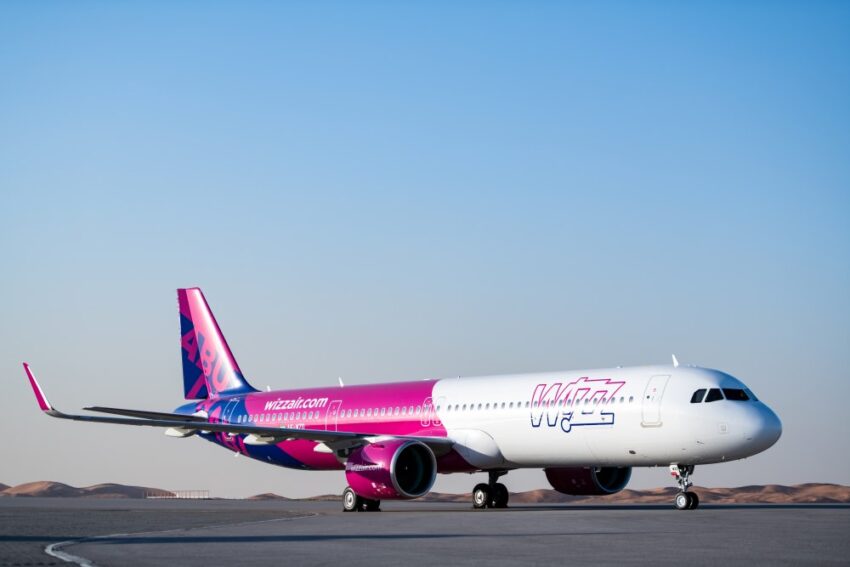
Wizz Air’s WIZZ Class Transforms European Air Travel: Experience Extra Comfort with Blocked Middle Seats and More Perks Across Routes from London, Budapest, and Warsaw!
WIZZ Class

Wizz Air is revolutionising low‑cost travel with the introduction of its premium seating option, WIZZ Class, now available across its entire European network. From the bustling streets of London to the vibrant city of Budapest, this upgraded service offers passengers an affordable luxury experience that combines extra comfort with the airline’s signature low fares. The much‑anticipated move, which began on 9 February 2026, sees WIZZ Class available on all routes, including Warsaw, Rome, and beyond.

What does this mean for you? Imagine flying in greater comfort with a blocked middle seat, extra legroom, and complimentary snacks, all without breaking the bank. This premium‑lite service brings business class comfort to the low‑cost airline world, setting a new standard in European air travel.

Why Wizz Air’s WIZZ Class is the New Must-Have Travel Upgrade

Wizz Air, known for its affordable fares and no‑frills approach to flying, has long been the go‑to airline for budget‑conscious travellers. But with the introduction of WIZZ Class, the airline has added a level of comfort that is sure to please both leisure and business travellers. This new service adds an extra layer of luxury that includes:

  • Extra legroom in the first row of the aircraft, ideal for taller passengers or those simply wanting more space.
  • Blocked middle seats, ensuring privacy and comfort, which is a game-changer on longer flights.
  • Complimentary refreshments such as a non‑alcoholic drink and snack to make your journey even more pleasant.

But here’s the best part: Wizz Air has been able to introduce these upgrades without adding sky‑high prices. Passengers can enjoy the perks of WIZZ Class as part of fare bundles like Smart or Plus, making it an affordable addition to your journey.

A Taste of Premium Comfort Without the Premium Price

So why choose WIZZ Class? It’s the perfect blend of luxury and affordability, and here’s how it works:

Extra Space, Extra Comfort

Wizz Air’s WIZZ Class offers an aisle or window seat in the front row with the adjacent middle seat blocked. This gives you significantly more space and privacy compared to standard economy seats, making the experience feel much more like a business class upgrade. No more squashing into your seat on those long flights across Europe.

Complimentary Drinks and Snacks

Every WIZZ Class booking comes with a free non‑alcoholic drink and a snack, so you can settle into your extra space with a refreshing beverage and a light bite during your flight. A small touch that elevates the overall flying experience.

Affordable Luxury for All

One of the standout features of WIZZ Class is its ability to bring premium features to a low‑cost airline. This upgrade is not a separate cabin or a huge expense. It’s part of the airline’s effort to offer passengers an affordable way to enjoy more comfort on their flights, especially on routes like London Luton, Budapest, Warsaw, and Rome.

Where You Can Experience WIZZ Class

With WIZZ Class now available on all routes, there’s no need to look far to experience this upgraded service. Wizz Air serves an extensive network of cities across Europe and beyond, connecting London, Budapest, Warsaw, Rome, Paris, and many more to key travel hubs.

Here are some of the most popular destinations now offering WIZZ Class for those seeking extra comfort:

  • London Luton: One of the busiest airports in the UK, now offering premium seating for passengers flying to and from Europe.
  • Budapest: The Hungarian capital sees increased demand for business‑lite comfort with Wizz Air’s WIZZ Class.
  • Warsaw: As a major hub for Eastern European travel, this is one of the top destinations for passengers seeking extra legroom and privacy.
  • Rome Fiumicino: The Eternal City now has the luxury of added comfort on Wizz Air’s routes.

With the expansion of WIZZ Class, you now have access to this premium experience no matter where your travels take you across Europe.

The Strategic Move Behind Wizz Air’s WIZZ Class Expansion

Wizz Air’s decision to roll out WIZZ Class across its entire European network is a strategic one, designed to cater to evolving passenger demands for comfort without the premium prices. During a trial phase, the airline found that passengers welcomed the opportunity to purchase upgraded seating without having to choose full‑service airlines, and the demand was stronger than expected.

This success has led to the decision to make WIZZ Class available on all flights, meaning that more passengers can now experience the comfort and luxury once reserved for business class, without the hefty price tag. By adding this product, Wizz Air not only enhances its appeal to leisure travellers but also captures the growing business traveller market that seeks comfort on short‑to‑medium‑haul flights across Europe.

Affordable Upgrades for the Modern Traveller

In the competitive world of European air travel, WIZZ Class offers something unique: affordable upgrades that make your journey more comfortable, more private, and more enjoyable — all without straying too far from Wizz Air’s low‑cost ethos. Whether you’re flying from London, Budapest, or Warsaw, this new seating option is a must‑try for anyone who wants to upgrade their travel experience without the high‑end price tag.

By offering WIZZ Class as part of its fare bundles, Wizz Air gives passengers more options to personalise their flying experience, making it easier than ever to enjoy premium‑lite travel.

Image: Wizz Air

The post Wizz Air’s WIZZ Class Transforms European Air Travel: Experience Extra Comfort with Blocked Middle Seats and More Perks Across Routes from London, Budapest, and Warsaw! appeared first on Travel And Tour World.


Milos Greek Island Faces an Overdevelopment Crisis: Will Unchecked Construction and Lack of Legal Protection Destroy the Island’s Volcanic Beauty Forever?

Milos Greek Island Faces an Overdevelopment Crisis: Will Unchecked Construction and Lack of Legal Protection Destroy the Island’s Volcanic Beauty Forever?
Milos

Milos, one of the most iconic islands in Greece’s Cycladic archipelago, is at a critical juncture as the island’s breathtaking volcanic landscapes come under increasing threat from rapid development and a lack of effective legal protections. Known worldwide for its unique geological formations, like the famous Sarakiniko Beach and its dramatic coastlines shaped by volcanic activity, Milos has long attracted eco-tourists and nature lovers seeking to experience its stunning natural beauty. However, growing concerns about overdevelopment and environmental degradation now put this remarkable destination at risk, questioning whether its volcanic charm will survive.

As tourism booms and construction projects continue to unfold along Milos’ coastlines, the very landscapes that have made the island a popular destination are under threat of irreversible damage. With legal protections insufficient to safeguard its unique topography, the island faces an uncertain future. This growing dilemma reflects the broader conflict between preserving natural beauty and capitalising on tourism-driven economic growth.

Natura 2000: Greece’s Conservation Network Under Pressure

Milos is part of the Natura 2000 network, an EU-wide conservation initiative that aims to protect Europe’s most important natural areas. Under the network, Milos’ volcanic landscapes are meant to be preserved for their unique geological and environmental value. However, despite this status, the island’s inclusion in Natura 2000 has not prevented developers from pursuing projects that could harm its fragile ecosystems. Local authorities and conservationists argue that there is a significant gap in the application of protective measures, allowing developments in sensitive areas to go ahead unchecked.

In principle, Natura 2000 status should ensure that development on Milos is carefully regulated. However, critics argue that the island’s inclusion in the network is insufficient without clear, enforceable measures to protect its landscapes from overuse and exploitation. Despite this, Milos remains vulnerable to the pressures of tourism, and local authorities have yet to implement the kind of robust conservation policies necessary to secure its future.

The Threat of Unchecked Development: Hotels and Resorts at the Heart of the Crisis

The surge in tourism on Milos has inevitably led to an increase in development, with large-scale hotel and resort projects being approved for construction on the island. The recent approval of a luxury hotel development near the Sarakiniko beach, one of the island’s most iconic landmarks, sparked public outcry. Although the project has since been put on hold following legal challenges, similar developments continue elsewhere on the island, raising alarm among conservationists and local residents who fear the irreversible impact of large-scale constructions on Milos’ pristine landscapes.

The demand for new accommodations is fueled by the island’s rising popularity with international tourists. While tourism provides a critical revenue stream for Milos, the unregulated expansion of hotels and resorts risks damaging the very landscapes that attract visitors in the first place. Developers continue to pursue projects that may cause soil erosion, disrupt local ecosystems, and spoil the visual appeal of the island’s natural wonders, leading some experts to argue that Milos is on the brink of losing its environmental identity.

Sustainable Tourism: The Only Way Forward for Milos’ Future

Milos’ future hinges on finding a balance between sustainable tourism and responsible development. As the island struggles with these competing forces, the need for stronger regulations has become increasingly apparent. Tourism is undoubtedly a key economic driver, but without careful planning, it can also be the very force that destroys the island’s appeal. The time has come for Greek authorities to take bold action, implementing stricter zoning laws and development restrictions that limit the environmental impact of new projects.

One possible solution is to promote eco-tourism, where smaller, low-impact developments replace large resorts, and initiatives like eco-certification for sustainable hotels become the standard. This would ensure that Milos continues to welcome tourists while also preserving the very aspects of the island that make it a desirable destination.

Can Milos Survive the Threat of Overdevelopment?

While Milos remains one of Greece’s hidden gems, the island’s beauty is at risk of being overwhelmed by unchecked development. With insufficient legal protection and a lack of strategic planning, the island faces the real danger of losing its natural charm to the forces of mass tourism and construction. Unless stricter protections are put in place, and sustainable tourism practices are adopted, Milos could see its unique volcanic landscapes damaged beyond repair.

For Milos to survive, both the government and the tourism sector must work together to create a framework for responsible development. This includes enforcing the Natura 2000 conservation status more effectively, restricting developments in ecologically sensitive areas, and promoting sustainable practices that protect the island’s cultural and natural heritage. Only through these measures can Milos hope to maintain its identity as a Cycladic paradise and continue to attract visitors without compromising the very qualities that make it special.

Conclusion: The Road Ahead for Milos

Milos’ situation highlights a crucial issue for many destinations in Greece and beyond: how to balance tourism with environmental conservation. As Milos continues to grow in popularity, it is clear that without immediate action, the island’s natural wonders could be lost to overdevelopment. The challenge now lies in whether the Greek government, local authorities, and the tourism industry can come together to ensure that Milos remains a thriving destination for future generations, while preserving the island’s stunning volcanic landscapes for years to come.

The post Milos Greek Island Faces an Overdevelopment Crisis: Will Unchecked Construction and Lack of Legal Protection Destroy the Island’s Volcanic Beauty Forever? appeared first on Travel And Tour World.

Philippine Airlines Ignites Saipan Tourism Boom with Thrilling Return to Direct Flights: What This Means for Travel Lovers in 2026!

Philippine Airlines Ignites Saipan Tourism Boom with Thrilling Return to Direct Flights: What This Means for Travel Lovers in 2026!
Philippine Airlines

Hold onto your seats, travel enthusiasts! Philippine Airlines (PAL) is bringing back its direct flights from Manila to Saipan starting March 29, 2026, and it’s set to spark a massive tourism boom in the stunning Northern Mariana Islands (CNMI). This thrilling comeback isn’t just about flights; it’s a game-changing moment for both leisure travelers and business visitors alike. Here’s why this relaunch could reshape travel dynamics and make Saipan one of your must-visit destinations of the year.

Unveiling Saipan’s Hidden Gem: What You Need to Know About PAL’s Relaunch

Saipan, with its idyllic beaches, crystal-clear waters, and rich culture, has always been a dream destination for the adventurous traveler. Now, with the return of direct flights from Manila, Saipan is ready to welcome back tourists from all over the world. PAL’s twice-weekly Airbus A321 service will offer new levels of accessibility, connecting the Philippines to Saipan in less than four hours. The strategic timing for the reopening of this route couldn’t be better, coinciding with peak tourism season. This means more travelers can immerse themselves in Saipan’s pristine beaches, tropical weather, and fascinating history.

A Win-Win for Tourists and Medical Travelers: Why This Is More Than Just a Vacation Spot

Saipan isn’t just about its tourist attractions. It’s becoming a pivotal player in medical tourism, and PAL’s flight service expansion could take this to the next level. The island has long served as a bridge for medical referrals to the Philippines, with its limited healthcare services often requiring Filipino expertise. With direct flights, patients can now access affordable and advanced medical treatment more efficiently.

Saipan’s government and local medical institutions are already in discussions with PAL to enhance medical travel possibilities, a growing sector that’s benefiting from direct, uninterrupted air access. It’s not just about fun in the sun anymore—it’s about life-changing care and better healthcare mobility.

Saipan’s Tourism Surge: More Flights, More Fun, More Connections

It’s no secret that Saipan’s tourism market has faced challenges in the past, with the pandemic stalling visitor numbers. But now, with PAL’s newly resumed flights, Saipan’s tourism sector is poised for an exciting surge. This isn’t just about bringing in tourists; it’s about reconnecting Saipan with the world—particularly the Asia-Pacific region, which has a massive, untapped potential for travel.

Thanks to the regular flights between Manila and Saipan, tourists from the Philippines and nearby countries like Japan, Korea, and Taiwan will be able to enjoy seamless access to one of the most captivating islands in the Pacific. Think about white-sand beaches, breathtaking coral reefs, and a welcoming local culture—and it’s all at your fingertips!

Business and Leisure Tourism Are Set to Thrive in 2026: Here’s How

PAL’s twice-weekly direct flights aren’t just a win for leisure travelers. Business tourism in Saipan is expected to see a major boost as well. Government officials and industry leaders in both the Philippines and the CNMI are working closely together to ensure that this route not only attracts vacationers but also serves business professionals, conference attendees, and government delegates. These flights will make Saipan more competitive as a destination for international business meetings and conferences, opening the door to new opportunities in the region.

But it doesn’t stop there—Saipan’s rich cultural events, sports tourism, and festivals are also primed for greater international visibility. PAL’s return is a game-changer, ensuring that travelers not only experience its stunning beauty but also engage in cultural exchanges and business ventures.

Stronger Connectivity Brings More Options: How Saipan Will Benefit from Enhanced Access

For the Northern Mariana Islands to thrive in a competitive global tourism market, strong international air connectivity is key. Direct flights from the Philippines unlock a world of opportunities for Saipan, making it a viable option for travelers in Asia, the United States, and beyond. As part of the Marianas archipelago, Saipan’s natural wonders, including underwater caves, historic war sites, and unique wildlife, will be far easier to access now, giving visitors countless new ways to explore. The return of PAL’s services will be a boost not only for Saipan but for the entire region, driving economic growth across sectors.

Conclusion: The Future of Saipan Tourism Starts Now

The resumption of direct flights from Manila to Saipan is more than a simple route reopening. It signals a new era of growth for the tourism sector in Saipan, as well as a catalyst for medical travel and business tourism. PAL’s strategic move to reconnect the islands with the Philippines could transform Saipan into a thriving destination for international travelers seeking an all-encompassing Pacific island experience. As PAL ushers in this exciting chapter, tourism, healthcare, and business sectors alike will reap the rewards, marking 2026 as a breakthrough year for Saipan.

The post Philippine Airlines Ignites Saipan Tourism Boom with Thrilling Return to Direct Flights: What This Means for Travel Lovers in 2026! appeared first on Travel And Tour World.

The Ultimate 2026 Lunar New Year Travel Guide: Why You Must Visit Vietnam, Singapore, and Malaysia to Witness the Year of the Horse!

The Ultimate 2026 Lunar New Year Travel Guide: Why You Must Visit Vietnam, Singapore, and Malaysia to Witness the Year of the Horse!
Lunar New Year

As the lunar calendar pivots toward the energetic spirit of the Year of the Horse in 2026, travelers are turning their eyes toward Southeast Asia to witness a cultural spectacle unlike any other. While the region is home to eleven diverse nations, the epicenter of the Spring Festival—or Lunar New Year—thrums most powerfully through the streets of Vietnam, Singapore, and Malaysia. These destinations don’t just observe the holiday; they transform entirely, offering visitors a front-row seat to ancient rituals, neon-lit parades, and a culinary explosion that defines the start of the new year. For those seeking a journey that blends deep-rooted tradition with high-octane celebrations, understanding the official holiday landscape of these three nations is the key to an unforgettable 2026 itinerary.

Vietnam’s Tet: A Seven-Day Metamorphosis of Color and Calm

In Vietnam, the celebration of Tet Nguyen Dan is more than a holiday; it is the country’s heartbeat. According to official guidelines from the Ministry of Labour, Invalids and Social Affairs, the national break for 2026 typically spans a generous seven to nine days. This creates a fascinating paradox for travelers. On one hand, major hubs like Hanoi and Ho Chi Minh City experience a “great migration” as residents return to ancestral villages, leaving the usually buzzing city streets eerily quiet and photogenic.

On the other hand, the days leading up to the New Year are a sensory overload. Government-sanctioned flower festivals turn public squares into oceans of peach blossoms and marigolds. For the most authentic experience, travelers head to the Central Highlands or the Mekong Delta, where local authorities sponsor massive floral displays and traditional boat races. While many museums and government sites close for the first three days of the lunar month, the “Tet atmosphere”—the scent of incense, the sight of Ao Dai fluttering in the wind, and the sound of festive music—is free and accessible on every street corner.

Singapore’s High-Tech Heritage: Where Tradition Meets the Future

If Vietnam offers a soulful retreat, Singapore provides a masterclass in organized splendor. With the Department of Statistics Singapore noting an ethnic Chinese population of approximately 75%, the city-state treats the Lunar New Year as its premier cultural event. The government mandates a two-day public holiday, but the festivities in districts like Chinatown begin weeks in advance.

The 2026 Year of the Horse will see the return of the legendary River Hongbao, a massive fair featuring giant lanterns and cultural performances, and the world-renowned Chingay Parade. Managed by the People’s Association, the Chingay Parade is a vibrant tapestry of multiculturalism, featuring pyrotechnics, floating platforms, and dancers from every corner of the globe. For the savvy traveler, Singapore is the most “functional” destination during the holiday; while traditional markets may pause, the world-class public transport and major shopping districts along Orchard Road remain fully operational, ensuring the celebration never skips a beat.

Malaysia’s Open House: A Feast for the Global Nomad

Across the border in Malaysia, the Lunar New Year reflects a unique “Muhibbah” (harmony) spirit. The Prime Minister’s Department officially gazettes a two-day national holiday, but the cultural impact lasts much longer. Malaysia is famous for its “Open House” tradition, a government-encouraged practice where homes and community centers open their doors to neighbors and tourists alike to share traditional festive snacks.

In the UNESCO World Heritage site of George Town, Penang, the Kek Lok Si Temple—the largest Buddhist temple in Southeast Asia—becomes a beacon of light. Official tourism boards highlight the temple’s illumination ceremony, where millions of bulbs and lanterns turn the hillside into a glowing wonderland. For those traveling in 2026, the Malaysian Highway Authority recommends planning movements carefully during the “Balik Kampung” rush, but the reward is a chance to see the famous lion dance troupes—some of the best in the world—performing high-pole acrobatics in malls and public squares across Kuala Lumpur.

Navigating the 2026 Lunar Calendar: Tips for the Wise Traveler

While Vietnam, Singapore, and Malaysia are the primary stages for these festivities, the Lunar New Year experience is not uniform across the ASEAN bloc. Official data confirms that nations such as Thailand, Cambodia, and Laos do not observe the date as a national public holiday. For travelers who prefer a “business as usual” environment with only a hint of festive flair in local Chinatowns, these countries offer a more standard travel experience during late January and February.

To maximize a 2026 trip, travelers are encouraged to consult the official 2026 public holiday calendars issued by the respective Ministries of Manpower and Tourism. Whether you are chasing the serenity of a Vietnamese pagoda, the high-energy parades of Singapore, or the inclusive banquets of Malaysia, the Year of the Horse promises a gallop into a vibrant new chapter of Southeast Asian travel.

The post The Ultimate 2026 Lunar New Year Travel Guide: Why You Must Visit Vietnam, Singapore, and Malaysia to Witness the Year of the Horse! appeared first on Travel And Tour World.

Emergency Landslip in Surrey Disrupts Rail Travel – Horsham to Dorking Line Reopens After Major Repairs, Passenger Services Back in Full Force!

Emergency Landslip in Surrey Disrupts Rail Travel – Horsham to Dorking Line Reopens After Major Repairs, Passenger Services Back in Full Force!
Surrey

In a stunning turn of events, train services between Horsham and Dorking in Surrey were halted when a devastating landslip hit the embankment south of Ockley station, causing massive disruption to commuters in early 2026. This unexpected landslip, which left rail tracks dangerously compromised, led to a suspension of services for nearly a month. But after extensive emergency repairs, full services have now been restored, bringing relief to thousands of daily travelers.

What Caused the Disruption? An Unexpected Landslip

It all began in late January 2026, when an embankment along the railway between Horsham and Dorking collapsed following an extremely wet winter. The slip, which stretched over nine meters of track, rendered the rail line unsafe and forced Network Rail engineers into action. The rotational failure caused the soil beneath the track to move, leaving a railway line suspended in the air and making it impossible for trains to pass through. Emergency teams immediately closed the line for repairs.

Railway Closed, Alternative Transport Launched – How Passengers Managed

The closure threw a wrench into the travel plans of thousands of daily commuters. As an emergency measure, rail replacement buses were immediately introduced between Horsham and Dorking, helping to maintain some level of connectivity. Passengers heading to and from London Victoria were also directed towards alternative Southern and Thameslink routes via Gatwick Airport, although delays and diversions were inevitable. Despite the setback, commuters did their best to adapt, but it was clear that an early return to normal services was highly anticipated.

Network Rail Teams Work Tirelessly Around the Clock to Restore Service

Network Rail engineers wasted no time in tackling the problem head-on. The urgent nature of the situation meant that around-the-clock work was required to repair the embankment and rebuild the tracks. The repair project involved a combination of heavy machinery, expert soil engineers, and advanced materials. Steel piles were driven into the ground to stabilize the area, while soil nails were strategically installed to reinforce the embankment’s integrity.

A key part of the restoration was the removal of 2,800 tonnes of unstable material, which were carefully extracted from the site to avoid further complications. The final stages of the repair saw the creation of a stepped embankment to ensure that any future landslips would be much less likely. Environmental protections were also put in place to safeguard wildlife and local flora.

Service Returns! Full Train Operations Resume on February 16, 2026

After weeks of disruptions and meticulous repair work, the good news came on February 16, 2026: the Horsham to Dorking railway line is now fully operational again. Southern Railway announced that normal services would be reinstated, much to the relief of passengers who had been relying on temporary alternatives. The return of services marks the end of a critical period of uncertainty, and residents are now looking forward to smooth train journeys once again.

The resumption of full service will mean no more bus replacement routes, and travelers can once again rely on their regular train schedules, improving daily commutes and easing the pressure on alternative transport methods.

The Significance of the Horsham-Dorking Line: A Key Transport Corridor

This reopening is not just a relief for those directly affected by the disruption but also for the wider regional transport network. The Horsham-Dorking line serves as a crucial connection for commuters traveling from Surrey to London and helps connect smaller towns to the wider national rail network. The line also plays an essential role in regional tourism, linking several scenic spots and local landmarks to major urban centres.

The Horsham-Dorking route is integral for many working professionals who rely on the Southern Railway services to reach London Victoria and beyond. The swift repair and reopening of this key route highlight the importance of ongoing investment in infrastructure to ensure the resilience of Britain’s rail network in the face of environmental challenges like landslips and floods.

The Future: Strengthening the Railway for Resilience

As part of a broader effort to future-proof the UK’s rail infrastructure, Network Rail is prioritizing projects to improve the resilience of embankments and rail lines, especially in regions prone to flooding and landslips. With more severe weather events expected due to climate change, such projects are expected to become increasingly common as part of the effort to safeguard key transportation routes for future generations.

Final Thoughts: A Story of Resilience and Recovery

The landslip that hit the Horsham to Dorking railway line was undoubtedly an inconvenience for many passengers. However, the rapid response and successful repair efforts demonstrate the strength and determination of rail workers and engineers who work behind the scenes to maintain vital services. With services back to normal, commuters and tourists alike can look forward to hassle‑free travel on the line once again.

The post Emergency Landslip in Surrey Disrupts Rail Travel – Horsham to Dorking Line Reopens After Major Repairs, Passenger Services Back in Full Force! appeared first on Travel And Tour World.

Saharan Dust Set to Blanket Greece with Unprecedented Air Quality Decline and Stunning Views — What Tourists and Locals Need to Know

Saharan Dust Set to Blanket Greece with Unprecedented Air Quality Decline and Stunning Views — What Tourists and Locals Need to Know
Greece

Official atmospheric monitoring systems are forecasting a significant Saharan dust transport event expected to affect mainland Greece and the Aegean and Ionian islands, with elevated particle concentrations likely to influence air quality and visibility across the country in the coming days. Natural long‑range transport of fine desert dust from North Africa into the eastern Mediterranean region is a regular meteorological phenomenon monitored by European and national systems that provide data to authorities and public safety structures.

The Copernicus Atmospheric Monitoring Service (CAMS), part of the European Union’s Earth observation programme, regularly tracks episodes of Saharan dust transport that move northwards due to prevailing wind patterns and atmospheric circulation. These dust plumes, comprised of fine mineral particles lifted from the Sahara Desert, can travel thousands of kilometres and reach southern Europe, including Greece, with significant impacts on air quality and atmospheric conditions.

What Is Saharan Dust and Why Is It Coming to Greece

Saharan dust is composed of fine particles lifted from North Africa’s desert and carried by prevailing winds over long distances, often reaching southern Europe. This event occurs when strong winds and dry conditions occur in the Sahara, elevating dust particles into the atmosphere and carrying them across the Mediterranean Sea towards Greece. These dust clouds travel as high as 5,000 meters, affecting visibility, air quality, and potentially even local weather.

The phenomenon is not unusual, but the intensity and frequency of dust clouds reaching Europe have increased in recent years. While it can provide stunning visual effects, it also presents serious concerns for public health, particularly for those with respiratory conditions.

Where Will the Saharan Dust Hit Hardest in Greece?

The dust will first hit eastern Greece, particularly affecting Crete, the Peloponnese, and the Cycladic Islands. This will be followed by its spread across central Greece and eventually the Ionian Islands. The dust particles will likely continue drifting over the country for several days, peaking on February 15th, with the effects being felt until February 18th. Areas like Athens, Thessaloniki, and Santorini will see the thickest clouds, making outdoor activities, including sightseeing, less than ideal.

Those planning to visit Greece’s iconic landmarks during this time should be prepared for reduced visibility, making the photos and views less picturesque than usual. However, this also presents a unique opportunity for photographers to capture the dramatic skyline shifts caused by the dust.

Impact on Travel and Outdoor Activities Across Greece

The Saharan dust storm will disrupt more than just views. With the change in air quality, travelers may face flight delays or cancellations as a result of poor visibility at Greece’s major international airports, including Athens International and Thessaloniki Airport. Ferries and other sea transport could also be impacted by rougher seas and limited visibility, making travel between the islands challenging for a few days.

What You Need to Know for Outdoor Activities

Outdoor enthusiasts who planned to explore Greece’s hiking trails, beaches, and ruins may want to reconsider their schedules. Athens, known for its Acropolis, and Santorini, famous for its sunset views, will experience reduced visibility, making iconic photos and sightseeing a challenge. The presence of dust may cause irritation to the eyes, throat, and skin, and respiratory discomfort may worsen for those with asthma or allergies.

For the best experience, tourists should be aware of indoor alternatives like visiting Greece’s historic museums, such as the National Archaeological Museum in Athens or the Heraklion Archaeological Museum in Crete, to avoid the dust exposure.

Preparing for the Saharan Dust in Greece: Health and Travel Advice

If you’re traveling to Greece during this dust event, there are several precautions to keep in mind. The Hellenic Ministry of Health suggests that individuals, especially those with existing respiratory conditions, take necessary precautions such as wearing face masks or staying indoors when possible. Tourists should be aware that air pollution levels can rise significantly during Saharan dust events, making it essential to monitor local health advisories.

To avoid health impacts from the dust, travelers should:

  1. Avoid outdoor physical activities, especially near busy roads or construction zones.
  2. Stay indoors as much as possible, especially if you have a respiratory condition or allergies.
  3. Use air purifiers if available in your accommodation.
  4. Drink plenty of water to stay hydrated and flush out any particles that may be inhaled.

What’s Next? The Future of Saharan Dust Events in Greece

Saharan dust events are becoming more frequent, a trend that has been observed over the past decades, primarily due to changing weather patterns and climate change. As global temperatures rise, the intensity and scale of such dust storms could increase, affecting not just Greece, but other Mediterranean countries as well. These storms pose new challenges for public health and environmental monitoring in the region, urging authorities to continue improving forecasting models and air quality monitoring systems.

Conclusion: Be Ready for the Dust—Greece’s Natural Beauty Faces a Stunning Transformation

Saharan dust storms are a natural occurrence, but they also offer a reminder of the complex forces shaping the environment. As Greece braces for this event, the air quality advisory will be crucial for both locals and travelers. While the dramatic effects of the dust may alter your plans, they provide an opportunity to witness the powerful forces of nature shaping this beautiful region. Be sure to check travel and air quality updates regularly, and consider alternatives if you were planning outdoor activities during this period. Whether you’re in Athens, Crete, or Santorini, understanding the weather and staying informed will help ensure a safe and enjoyable stay.

The post Saharan Dust Set to Blanket Greece with Unprecedented Air Quality Decline and Stunning Views — What Tourists and Locals Need to Know appeared first on Travel And Tour World.
❌