Reading view

New light-based 3D printing builds millimeter-scale objects in fraction of a second
A research team from Tsinghua University says it has developed a 3D printing method capable of fabricating millimeter-scale objects in under a second, which is a dramatic improvement over most current volumetric techniques.
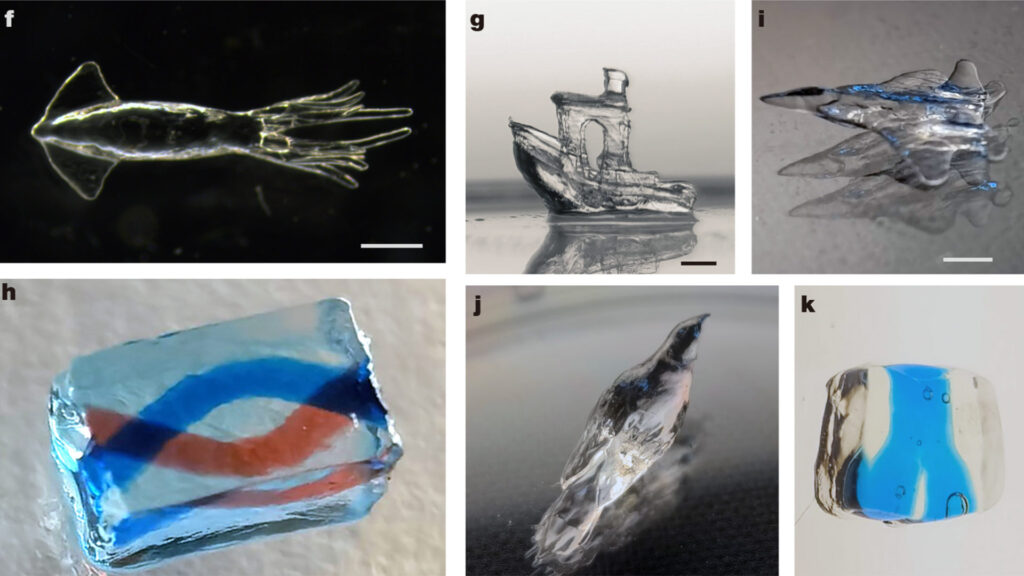
The work, published in Nature, introduces a system the team calls digital incoherent synthesis of holographic light fields, or DISH. The approach focuses on generating a complete three-dimensional light pattern inside a stationary resin volume, rather than building an object layer by layer.

Many existing volumetric printing methods, such as computed axial lithography (CAL), rely on rotating either the light source or the sample while projecting patterns into photosensitive resin. That rotation adds mechanical complexity and can limit speed and stability. It also often requires thicker resins to prevent printed structures from drifting before they solidify.

The DISH method removes rotation of the resin container altogether. Instead, the system uses a rapidly rotating optical periscope, reportedly spinning up to 10 times per second, to project multiple light patterns from different angles. These patterns are generated by a digital micromirror device and directed into the resin through a single flat optical interface.

By combining these projections in quick succession, the system forms a full 3D light intensity distribution that cures the entire structure nearly at once.

According to the paper, millimeter-scale objects can be printed in as little as 0.6 seconds. The reported volumetric printing rate reaches 333 cubic millimeters per second, with minimum feature sizes around 12 micrometers. The team also reports maintaining approximately 19-micrometer resolution across a one-centimeter depth, which exceeds the typical depth-of-field limits of standard optics.

To achieve this, the researchers used iterative optimization of holographic patterns for each projection angle, refining how light energy accumulates within the resin volume.

The technology is still at the experimental stage, but the potential applications are broad. High-speed fabrication at this scale could be relevant for micro-optical components, small robotic systems, flexible electronics, and biomedical scaffolds.

Whether DISH becomes commercially viable remains to be seen. But as a proof of concept, it pushes the boundaries of what rapid additive manufacturing can look like.

Don’t miss a thing! Join our Telegram community for instant updates and grab our free daily newsletter for the best tech stories!

For more daily updates, please visit our News Section.

(Source)

The post New light-based 3D printing builds millimeter-scale objects in fraction of a second appeared first on Gizmochina.


Apple to use Samsung’s Privacy Display tech in future MacBooks

According to tipster Ice Universe, Apple could adopt Samsung’s Privacy Display technology for MacBooks. The timing would line up with Apple’s expected shift to OLED panels across its MacBook lineup, starting with higher-end models later this decade. That detail matters because Samsung’s privacy solution relies on OLED hardware.

Samsung is preparing to introduce its Privacy Display feature on the Galaxy S26 Ultra. The system is based on the company’s Flex Magic Pixel OLED technology, which can control the direction of light at the pixel level.

When activated, the display remains clear when viewed straight on, but becomes difficult to see from the sides. Unlike traditional privacy filters, which physically darken the screen at all times, this approach can be toggled on and off.

An advantage of this implementation is that it can work selectively, potentially protecting specific apps or parts of the screen.

Why it makes sense for MacBooks

If Apple adopts similar technology, the benefit could be even more noticeable on laptops. A 14- or 16-inch display is far more exposed in public spaces than a phone screen. Anyone who’s worked on a train or in a café knows how visible the large display can be.

Right now, privacy solutions for MacBooks typically involve magnetic or adhesive filters. They work, but they reduce brightness and color accuracy. A built-in, software-controlled solution would be more elegant.

According to the leak, Apple’s 2029 MacBook lineup could adopt this Privacy Display Tech. The 2029 target sounds distant, but it reflects the likely OLED transition cycle for MacBooks. Apple is widely expected to move its Pro models to OLED first, with broader adoption later. Scaling Samsung’s privacy technology to larger laptop panels may also require some time.

For now, this remains a supply chain rumor rather than a confirmed feature. Apple hasn’t publicly indicated any plans to add built-in privacy controls at the display level.

Still, if Samsung’s rollout on the Galaxy S26 Ultra proves successful, it wouldn’t be surprising to see similar technology make its way into other product categories — even across rival ecosystems.

Don’t miss a thing! Join our Telegram community for instant updates and grab our free daily newsletter for the best tech stories!

For more daily updates, please visit our News Section.

(Source: Ice Universe)

The post Apple to use Samsung’s Privacy Display tech in future MacBooks appeared first on Gizmochina.

Apple Confirms March 4 “Special Apple Experience” Event; New budget MacBook is expected alongside iPhone 17e

Apple has officially confirmed its first major event of 2026, scheduled for March 4. The company is calling it a “Special Apple Experience.” Invitations have gone out for simultaneous gatherings in New York, London, and Shanghai. The event begins at 9:00 a.m. ET (14:00 UTC / 7:30 p.m. IST). So far, Apple hasn’t mentioned a livestream, which suggests this could be a press-focused showcase rather than a global keynote.

One likely announcement is the successor to the iPhone 16e. The rumored iPhone 17e is expected to build on Apple’s entry-tier formula with features previously reserved for higher-end models.

Leaks point to MagSafe support, the A19 chip, and possibly a Dynamic Island-style OLED display. There’s also talk of an upgraded front camera. If accurate, it would narrow the gap between Apple’s “e” model and the standard iPhone lineup.

Mac updates look probable

Mac refreshes are also widely expected. The 14-inch and 16-inch MacBook Pro models could move to M5 Pro and M5 Max chips, while the MacBook Air may adopt the base M5 processor. These would be typical generational upgrades rather than major redesigns.

IPhone 17e render

More interesting is the rumored low-cost MacBook powered by an A-series chipset instead of an M-series chip. If Apple does introduce a sub-$800 MacBook using a recent iPhone processor, that would mark a notable shift in its laptop strategy.

The idea seems to be maintaining an aluminum build while lowering production costs. Some leaks even suggest more playful color options, which would be unusual for a MacBook in recent years.

Updates to the iPad and iPad Air are also rumored, possibly with newer chips. There’s even talk of a refreshed Apple Studio Display featuring Mini-LED and a higher refresh rate, though that remains less certain.

The “Special Apple Experience” label suggests Apple may want attendees to interact directly with new hardware rather than watch a tightly scripted keynote.

Don’t miss a thing! Join our Telegram community for instant updates and grab our free daily newsletter for the best tech stories!

For more daily updates, please visit our News Section.

(Source)

The post Apple Confirms March 4 “Special Apple Experience” Event; New budget MacBook is expected alongside iPhone 17e appeared first on Gizmochina.

12.9″ budget MacBook could launch in March with A-series Chip and playful colors

Apple may finally be preparing a lower-cost MacBook, and new details suggest it won’t just be a stripped-down MacBook Air. According to Bloomberg’s Mark Gurman, the company is working on a more affordable model expected to debut around March 2026. The goal appears straightforward: bring the Mac experience to a lower price point without abandoning Apple’s typical build quality.

Pricing is rumored to land somewhere between $599 and $799, which would place it below the current MacBook Air lineup and closer to Chromebook territory.

An iPhone chip inside?

One of the more surprising details involves the processor. Instead of using an M-series chip, the new MacBook is expected to run on an A-series chip, reportedly the same Apple A18 Pro used in the iPhone 16 Pro. That would mark a major shift in Apple’s laptop strategy.

In theory, the A18 Pro should handle everyday tasks like web browsing, streaming, writing, and light productivity without issue. Rumors point to a roughly 12.9-inch IPS display, with brightness levels suitable for indoor use but probably not pushing flagship territory.

Importantly, the chassis is still expected to be aluminum. Gurman notes that Apple is reportedly using a revised manufacturing process to lower production costs while maintaining the company’s typical unibody design. That suggests Apple doesn’t want this to feel like a budget compromise in hand.

Perhaps the most interesting rumor involves color. Apple is said to be testing lighter, more playful finishes, including yellow, green, blue, and pink, alongside silver and darker gray. If that holds true, it would be the most colorful MacBook lineup in years. That positioning makes sense if students are the primary audience.

If the leaks are accurate, this model seems aimed at students, first-time Mac buyers, and users who mainly need a reliable machine for everyday computing. It would also help Apple compete more directly with entry-level Windows laptops in education and emerging markets.

There are still plenty of unknowns: battery life, port selection, storage tiers, and how macOS will be tuned for an A-series chip in a laptop form factor.

But if Apple manages to deliver solid performance, a familiar design, and a lower entry price, this could become the company’s most accessible Mac in years.

Don’t miss a thing! Join our Telegram community for instant updates and grab our free daily newsletter for the best tech stories!

For more daily updates, please visit our News Section.

(Source)

The post 12.9″ budget MacBook could launch in March with A-series Chip and playful colors appeared first on Gizmochina.

Modder Compresses GTA V to Just 2.5GB — and It Still Runs

A Brazilian modder claims to have reduced the install size of Grand Theft Auto V to under 2.5GB, down from well over 120GB in its current form.

The project, shared on X by @OptiJogos, is being called “GTA V Lite.” According to the modder, the goal wasn’t just to shrink the game files, but to see how much could be removed while still keeping the core sandbox functional.

The result is extreme. Almost everything outside the basic open-world framework has been stripped away. Story missions, cutscenes, most audio, interiors, GTA Online, and large sections of the map are gone. Even the North Yankton prologue, which alone takes up a few gigabytes, has been removed. Textures have been heavily downscaled, and only a small portion of Los Santos remains accessible.

Players are limited to Michael, with no character switching. Yet surprisingly, the game still runs. You can walk around, steal cars, interact with the police system, and trigger wanted levels. In other words, the sandbox remains, just in a very minimal form.

Opti demonstrated the build running at roughly 30FPS on a low-spec device, the kind of machine that would normally struggle with modern titles. It’s not pretty, and the visual fidelity is dramatically reduced, but it works.

Why do this?

For many players in regions where hardware prices are high and upgrades are difficult, the original version of GTA V is simply out of reach. Storage alone can be a barrier, not to mention GPU requirements.

This mod appears to be more of a technical experiment than a practical alternative. It shows how much of GTA V’s size is tied to assets rather than core systems. Strip away the cinematics, high-resolution textures, and online components, and what remains is surprisingly compact.

That said, downloading modified game builds always carries risks. Compatibility issues, missing features, and potential security concerns are worth keeping in mind.

Still, as a proof of concept, shrinking a massive open-world title down to 2.5GB is impressive, even if what remains is closer to a skeleton than the full experience.

Don’t miss a thing! Join our Telegram community for instant updates and grab our free daily newsletter for the best tech stories!

For more daily updates, please visit our News Section.

(Source)

The post Modder Compresses GTA V to Just 2.5GB — and It Still Runs appeared first on Gizmochina.

Galaxy S26 Ultra Leak Suggests Sony Sensor for Selfie Camera

With Samsung’s February 25 Unpacked event getting closer, attention is starting to shift to smaller details. According to tipster Ice Universe, the Galaxy S26 Ultra will keep a 12-megapixel selfie camera. That part isn’t surprising. What’s new, however, is the reported switch to a Sony sensor, possibly the IMX874, instead of Samsung’s usual ISOCELL hardware.

The reported Sony sensor is said to retain the same 1/3.2-inch size and 1.12μm pixel pitch as the ISOCELL unit used in the Galaxy S25 Ultra and older flagships. The aperture also remains at f/2.2, suggesting there’s no major change in light intake on paper.

In other words, Samsung appears to be swapping suppliers rather than altering the physical hardware layout, likely a deliberate move to avoid internal redesigns.

So why switch at all?

Sony sensors have a long-standing reputation for strong dynamic range and more natural color rendering. That doesn’t automatically mean better selfies, but it could influence how skin tones, highlights, and HDR scenes are handled.

Image quality isn’t just about size: processing plays a big role, and Samsung’s AI-enhanced software tuning is expected to be optimized differently around Sony’s sensor characteristics.

The slightly wider 85-degree field of view (vs 80-degree field of view on the S25 Ultra) is also worth noting. If accurate, it would allow a bit more flexibility for group selfies and vlogging without going overly wide.

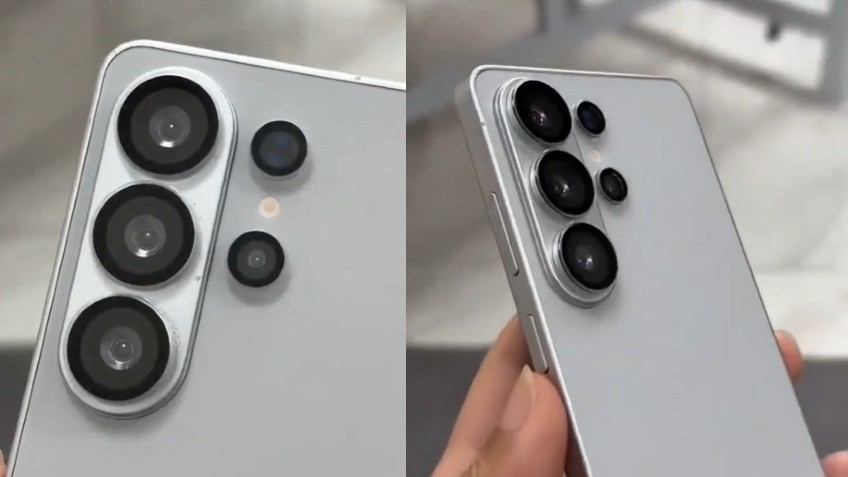
Galaxy S26 Ultra’s new camera island design

At this stage, nothing points to a dramatic overhaul of the S26 Ultra’s selfie hardware. The resolution stays the same, and the physical specs are largely unchanged.

But small sensor changes can still affect real-world results, especially when paired with smarter image processing and AI integration.

Whether this translates into noticeably better selfies will depend on tuning more than megapixels. And as always, leaks this far out should be taken with caution.

With Unpacked just days away, we won’t have to wait long to see if the Sony swap is real — and if it makes a difference.

Don’t miss a thing! Join our Telegram community for instant updates and grab our free daily newsletter for the best tech stories!

For more daily updates, please visit our News Section.

(Source: Ice Universe)

The post Galaxy S26 Ultra Leak Suggests Sony Sensor for Selfie Camera appeared first on Gizmochina.
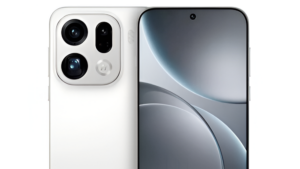
Samsung Demos Galaxy S26 Ultra’s “Zero-Peeking Privacy” Feature in Action

Samsung has started teasing the Samsung Galaxy S26 Ultra ahead of its February 25 Unpacked event, and this time the focus isn’t cameras or AI features, it’s screen privacy.

In a short YouTube video titled “We don’t scroll and tell,” Samsung shows a woman using her phone on a metro train while two passengers next to her try to glance at the screen. She toggles a setting called “Zero-peeking privacy,” and instantly the display becomes unreadable from the sides, while remaining perfectly clear from her direct viewing angle. The ad ends with a simple question: “Can your phone do that?” along with the launch date.

It confirms earlier rumors about a built-in Privacy Display feature for the S26 Ultra. Unlike physical privacy screen protectors, which permanently narrow viewing angles and often dull brightness, this seems to be a dynamic, hardware-level solution.

The underlying tech is believed to be based on Samsung Display’s Flex Magic Pixel concept, which has been shown in prototype form in recent years. Instead of blocking visibility with a dark overlay, it controls how light is emitted from the OLED panel. When activated, the viewing angle narrows electronically, making the screen difficult to see from the sides without affecting clarity straight on.

In practical terms, that should mean minimal dimming or color shift for the main user, without the need for a separate filter.

AI integration makes it smarter

Samsung also hints at Galaxy AI involvement. If implemented as rumored, users might be able to enable privacy mode for specific apps rather than the entire display. There could also be automation triggers based on environment or usage. That flexibility would make it more useful than traditional privacy solutions, which are typically all-or-nothing.

Based on the teaser and past product positioning, the feature appears exclusive to the Ultra model. The standard Galaxy S26 and S26 Plus are unlikely to include the same hardware.

What’s notable about this teaser is the emphasis on everyday use. It’s not about benchmark scores or zoom ranges. It’s about a small but common annoyance: people trying to peek at your screen in public.

Don’t miss a thing! Join our Telegram community for instant updates and grab our free daily newsletter for the best tech stories!

For more daily updates, please visit our News Section.

(Source: Samsung)

The post Samsung Demos Galaxy S26 Ultra’s “Zero-Peeking Privacy” Feature in Action appeared first on Gizmochina.
PS6 Reportedly Won’t Use Full RDNA 5 GPU Architecture

Early details about the Sony PS6 are starting to surface, and one of the more interesting claims involves its graphics architecture. According to AMD-focused leaker Kepler_L2 on the NeoGAF forums, Sony’s next console may not adopt the full RDNA 5 GPU design. Instead, it could use a hybrid approach, combining parts of RDNA 5 with elements from earlier RDNA generations. If accurate, that wouldn’t be unusual for Sony.

The original PS5 didn’t use a clean, full RDNA 2 implementation. It was closer to RDNA 1 with custom ray-tracing hardware layered in. Later, the PS5 Pro reportedly integrated newer RDNA 4 features while still maintaining a custom structure. Sony has historically worked closely with AMD to tailor architectures rather than simply adopting them wholesale.

Cost appears to be the main factor

Rumors suggest the PS6 could feature a Zen 6 CPU and around 30GB of memory, possibly GDDR7. That alone would push component costs higher than previous generations, especially if memory pricing remains volatile over the next few years.

A full RDNA 5 GPU, particularly one sized for high-end console performance, would add even more expense. By selectively implementing features instead of using the complete architecture, Sony may be trying to strike a balance between performance gains and retail pricing.

That strategy would align with how Sony has positioned past consoles: strong performance, but still within reach for mainstream buyers.

There are also reports that Microsoft’s next Xbox could move closer to a “PC-like” approach, potentially pushing into higher price territory. If that happens, Sony may choose to differentiate by keeping costs under control rather than chasing absolute top-end specs.

Of course, we’re still years away from launch. The PS6 is widely expected around 2028, and a lot can change between now and then — including GPU roadmaps, fabrication costs, and overall market conditions.

A hybrid RDNA 5 design doesn’t automatically mean weak performance. Custom console GPUs often include targeted optimizations that matter more for real-world gaming workloads than raw architectural purity.

Don’t miss a thing! Join our Telegram community for instant updates and grab our free daily newsletter for the best tech stories!

For more daily updates, please visit our News Section.

(Source | Image)

The post PS6 Reportedly Won’t Use Full RDNA 5 GPU Architecture appeared first on Gizmochina.
OPPO Find X10 could finally bring Built-In Magnets for true MagSafe-like charging support

Oppo’s next flagship series, the Oppo Find X10, is still months away, but early leaks are already pointing to a potentially practical change: built-in magnets.

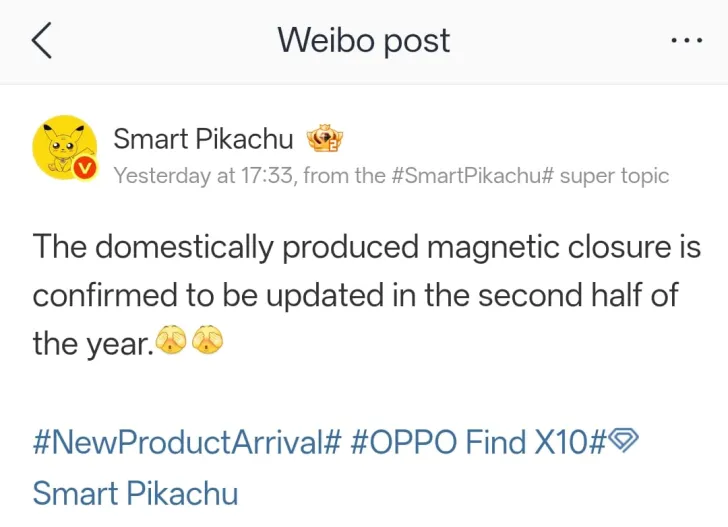
According to Weibo tipster Smart Pikachu, Oppo may introduce what’s described as a “domestically produced magnetic closure” in the second half of 2026. While the wording is vague, most observers believe this refers to integrated magnets inside the phone itself , similar to Apple’s MagSafe system.

If that’s the case, it would mean magnetic accessories could attach directly to the phone without requiring a special case.

Oppo could be moving beyond “Qi2 ready” standard

Oppo‘s recent flagships have supported Qi2, but only in a limited way. The devices are often marketed as “Qi2 ready,” meaning they can work with magnetic wireless charging, but only when paired with a compatible magnetic case.

Built-in magnets would simplify that. Accessories like wireless chargers, power banks, and wallets could snap into place directly on the phone. For users already invested in magnetic ecosystems, that removes an extra step.

The Find X10 series is expected to launch in China in the second half of 2026, likely around Q3 or Q4. Smart Pikachu’s wording also mentions “the second half of the year,” which suggests the magnets could arrive with the Find X10 series.

If Oppo does integrate magnets directly into the chassis, it would make it one of the first major Chinese brands to move in that direction natively rather than relying on cases.

Magnetic accessory ecosystems are slowly gaining traction across Android as Qi2 adoption spreads. But full integration still isn’t standard.

Camera and performance upgrades are also expected for the Find X10 lineup, based on other leaks. But practical changes like built-in magnets sometimes matter more long-term than headline specs.

For now, it remains a rumor. Still, it’s an interesting one, especially if Oppo is looking to differentiate in a premium segment where most hardware already feels similar. We’ll likely know more closer to launch.

Don’t miss a thing! Join our Telegram community for instant updates and grab our free daily newsletter for the best tech stories!

For more daily updates, please visit our News Section.

(Source)

The post OPPO Find X10 could finally bring Built-In Magnets for true MagSafe-like charging support appeared first on Gizmochina.
Unreleased Galaxy S26 Plus was allegedly being sold for a whopping $1,650

With Samsung’s Galaxy Unpacked event scheduled for February 25, leaks around the Samsung Galaxy S26 series are already everywhere. But this one’s unusual.

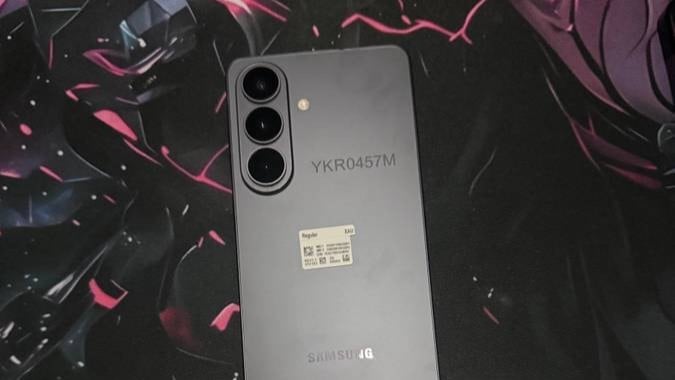
A device claimed to be a Galaxy S26 Ultra recently appeared in a Craigslist listing, priced at $1,650, well before the phone has even been officially announced.

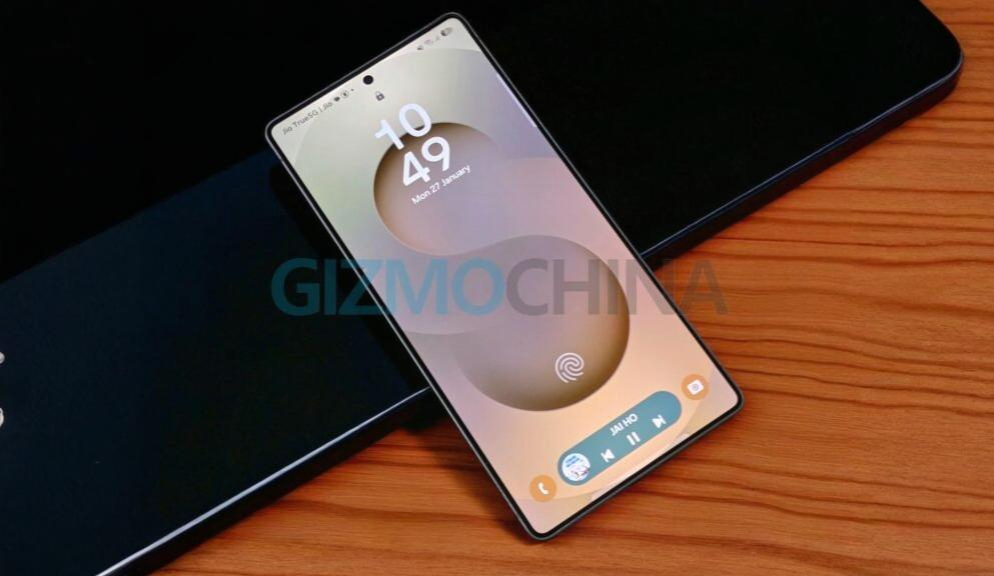
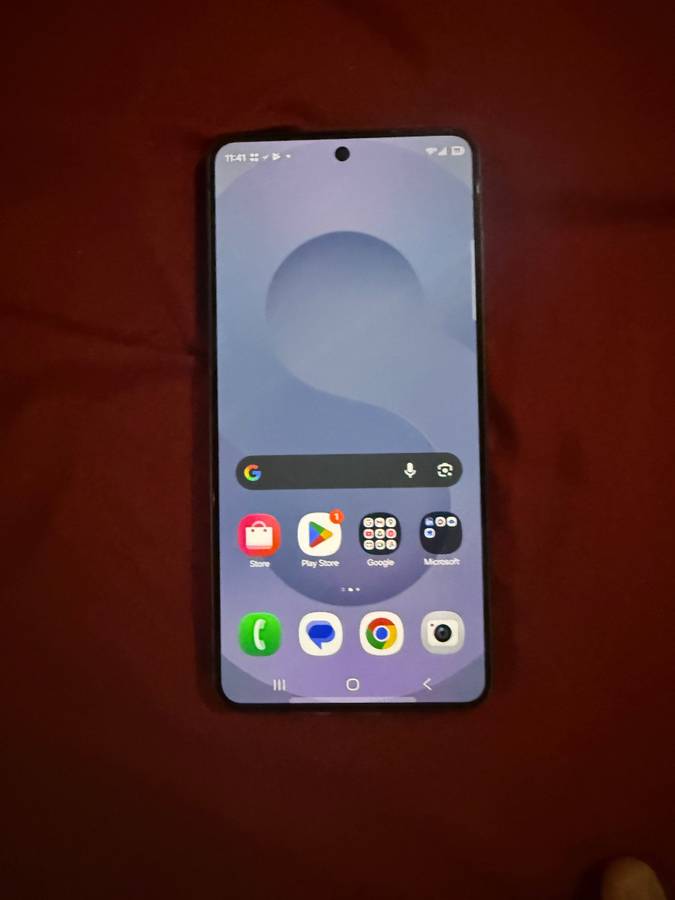
Photos from the listing, shared on X by tipster @Kakooli98, show what looks like a fully working device running official Galaxy S26 series wallpaper. At first glance, it seems legitimate. But there’s a catch. Despite being mentioned as a Galaxy S26 Ultra, the camera layout in the photos features a single pill-shaped camera island. That design, paired with the size, aligns more closely with what’s rumored for the Samsung Galaxy S26 Plus.

The $1,650 asking price is well above what the S26 Plus is expected to cost at retail. Current estimates put it somewhere around the $1,000–$1,100 range, depending on storage.

That premium alone makes the listing questionable. Even if authentic, pre-release devices can carry risks. They may run unfinished software or lack warranty support.

The unit shown in the listing appears in a Black finish, which recent leaks have pointed to as one of the launch colors for the S26 Plus.

Beyond that, the overall design doesn’t appear radically different from recent Galaxy models, though subtle refinements are expected across the lineup.

It’s still unclear how this device ended up on Craigslist. It could be a legitimate internal sample that slipped out, or something less straightforward.

Either way, it’s one of the first instances of a seemingly functional Galaxy S26 unit appearing outside controlled leaks or dummy models.

With Unpacked just days away, official details will soon replace speculation. Until then, listings like this are best viewed with caution.

Don’t miss a thing! Join our Telegram community for instant updates and grab our free daily newsletter for the best tech stories!

For more daily updates, please visit our News Section.

(Source)

The post Unreleased Galaxy S26 Plus was allegedly being sold for a whopping $1,650 appeared first on Gizmochina.
Insta360 Luna Leak Points to Dual-Lens Pocket Camera With Optical Zoom

Insta360 appears to be working on a new compact vlogging camera, and early details suggest it could take a slightly different approach from DJI’s Osmo Pocket lineup.

The device, reportedly called the Insta360 Luna, has been referenced in recent leaks and patent filings. At the company’s annual conference, CEO Liu Jingkang reportedly confirmed that a vlogging-focused camera is in development and said it would launch before July 2026. That likely puts the release window somewhere between March and June, though no exact date has been shared yet.

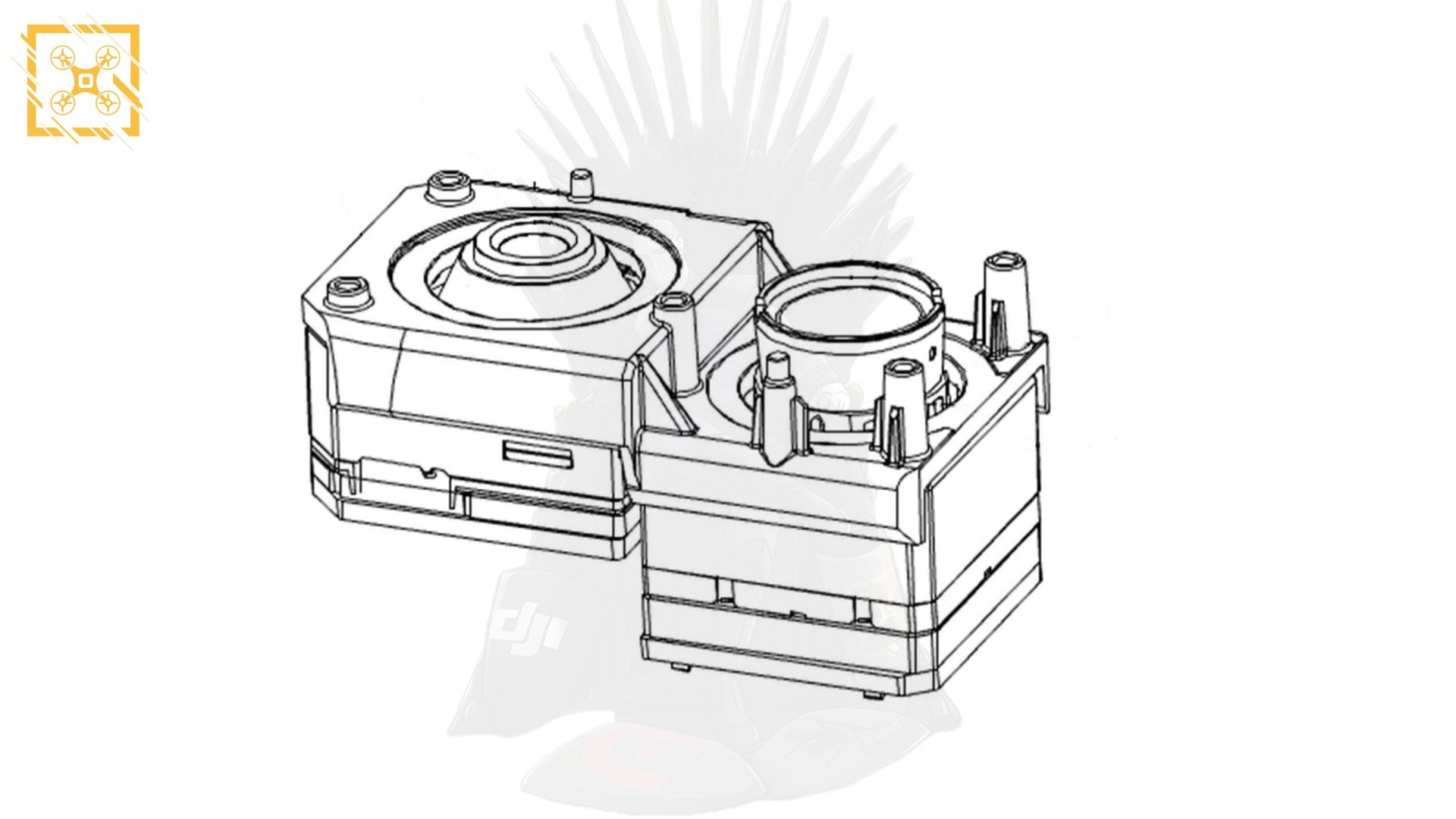
What makes the Luna interesting is its rumored dual-lens setup. Instead of relying on a single wide sensor and digital crop, the Luna is said to feature two distinct lenses: a standard wide (1x) camera and a dedicated 3x optical telephoto module. If accurate, that would allow users to switch focal lengths without losing image quality, something pocket gimbal cameras haven’t traditionally prioritized.

Based on patent sketches and early reports, the zoom transition could be controlled through a small joystick or touchscreen gestures on a fold-out display. The concept feels closer to smartphone-style zoom switching than the fixed wide-angle approach most pocket cameras use.

Leaks also point to an emphasis on image processing. Reports suggest the Luna may use a dual-stage system, where initial image enhancement happens before final processing. In practical terms, that could mean better noise handling and improved dynamic range, particularly in mixed or low lighting. Of course, how much difference that makes will depend on sensor size and real-world tuning.

For context, the current DJI Osmo Pocket 3 remains one of the most popular compact gimbal cameras in this space. There are also rumors that DJI is preparing an upgraded model with dual cameras, which could arrive before Insta360’s launch window closes.

Don’t miss a thing! Join our Telegram community for instant updates and grab our free daily newsletter for the best tech stories!

For more daily updates, please visit our News Section.

(Source: Igor Bogdanov)

The post Insta360 Luna Leak Points to Dual-Lens Pocket Camera With Optical Zoom appeared first on Gizmochina.

World’s First 10,000mAh Sodium-Ion Flashlight Delivers 2,500 Lumens, Works at -40°C

A new crowdfunded flashlight called the Sodiumfrostglow is getting attention for one specific reason: it uses a sodium-ion battery instead of the usual lithium-ion pack. That might not sound dramatic at first, but in very cold weather, battery chemistry matters a lot.

According to the campaign page, the Sodiumfrostglow is designed to keep working in temperatures as low as -40°C. The makers claim that while lithium-ion batteries can lose a significant portion of their capacity in extreme cold, this sodium-ion battery retains much more of its usable charge. They’re quoting around 88% capacity retention at those temperatures, compared to roughly 15% for lithium under similar conditions.

If accurate, that’s a big deal for winter campers, mountaineers, or anyone dealing with long outages in freezing climates. The device includes a 10,000mAh battery, which also allows it to function as a power bank. It supports USB-C charging at up to 10W and can output 5W to charge smaller electronics like smartphones or GPS units.

Brightness is rated at 2,500 lumens, which puts it firmly in the “serious outdoor tool” category rather than basic household flashlight territory.

The campaign also highlights longevity claims: more than 3,000 full charge cycles and improved tolerance to deep discharge compared to lithium-ion packs. Sodium-ion chemistry is generally considered safer and less prone to thermal runaway, though it’s still a relatively new technology in consumer electronics.

The project first appeared on Kickstarter in late 2025, where it surpassed its $10,000 funding goal and reportedly raised over $20,000 from around 200 backers. It has since moved to Indiegogo for continued funding. Early backer pricing currently sits around $73 plus shipping, with a projected retail price closer to $90.

What makes the Sodiumfrostglow interesting isn’t just the lumen output or battery size. It’s the chemistry choice. Cold weather has always been a weak spot for lithium-ion batteries in everyday hardware.

Don’t miss a thing! Join our Telegram community for instant updates and grab our free daily newsletter for the best tech stories!

For more daily updates, please visit our News Section.

(Source)

The post World’s First 10,000mAh Sodium-Ion Flashlight Delivers 2,500 Lumens, Works at -40°C appeared first on Gizmochina.

❌