Reading view

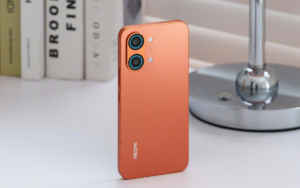
Poco X8 Pro and X8 Pro Max full specs out, thanks to this new leak

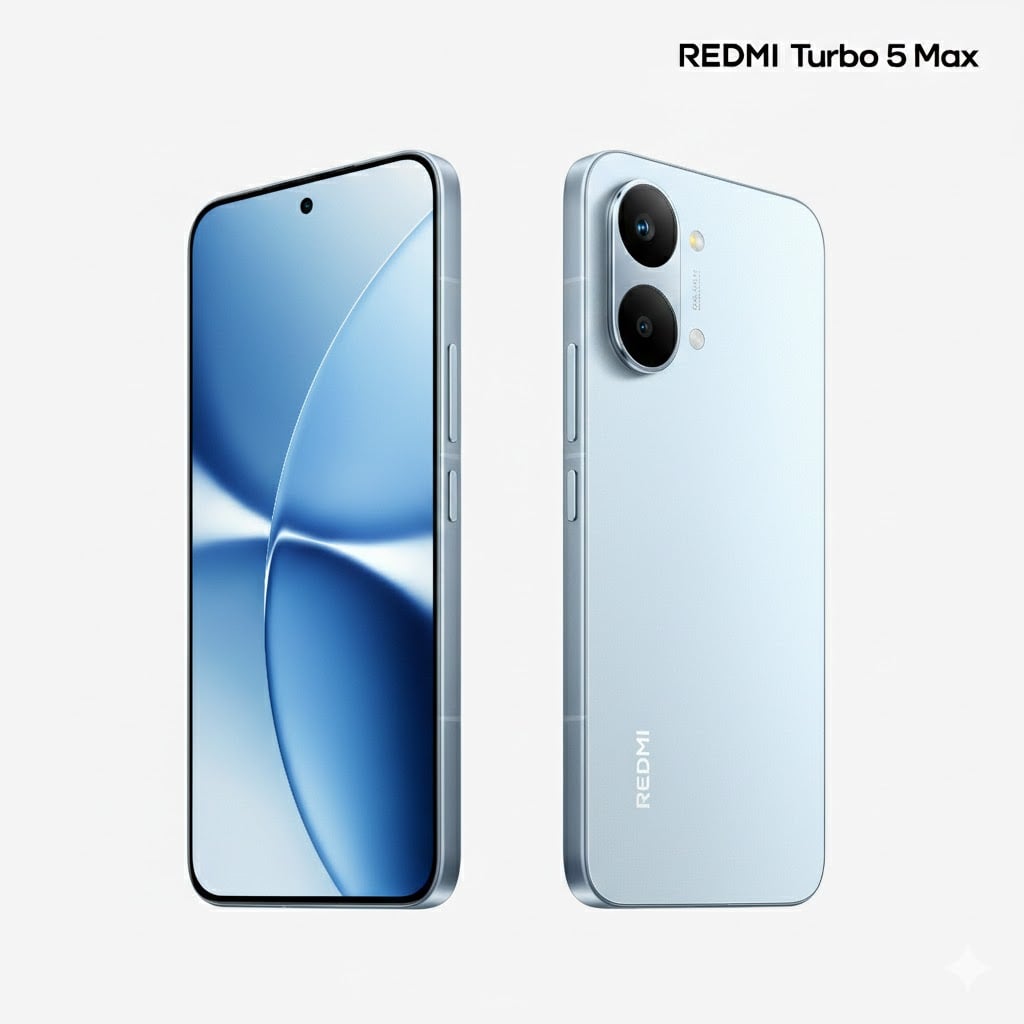
Redmi Turbo 5 Max

It’s no secret that Poco is preparing its next refresh with the Poco X8 series. The Poco X8 and Poco X8 Pro have surfaced in multiple leaks in recent weeks, and now a tipster claims to have shared the full specifications of both devices.

Poco X8 Pro Max Specifications

Starting with the Poco X8 Pro Max, the phone is tipped to feature a 6.83-inch 1.5K TCL M10 OLED display with a 120Hz refresh rate. The screen will have 2000 nits brightness, and it may use 3840Hz PWM dimming.

Under the hood, it’s said to run on the Dimensity 9500s processor paired with an Immortalis-G925 MC12 GPU. The device is also expected to use LPDDR5x Ultra RAM and UFS 4.1 storage.

On the camera side, the Pro Max may include a 50MP Light Hunter 600 main sensor with optical image stabilization, alongside an 8MP ultra-wide camera. A 20MP OV20B camera is expected on the front. The phone could pack an 8,500mAh battery with 100W wired charging and 27W reverse charging.

Other reported features include dual stereo speakers, LHDC 5.0 audio support, a 3D ultrasonic in-display fingerprint sensor, and IP68/IP69/IP69K ratings. Connectivity options may include Wi-Fi 7 and Bluetooth 5.4. The device is tipped to measure 8.15mm thick and weigh 219 grams.

Poco X8 Pro Specifications

The standard Poco X8 Pro, meanwhile, will be more compact with a 6.59-inch 1.5K TCL M10 OLED panel, also at 120Hz and 2000 nits HBM. It’s expected to run on the Dimensity 8500 Ultra with a Mali-G720 MC8 GPU. Like the Pro Max, it could offer LPDDR5x Ultra RAM and UFS 4.1 storage.

The camera setup may include a 50MP Sony IMX882 sensor with OIS and an 8MP ultra-wide lens, plus the same 20-megapixel selfie camera. Keeping it running could be 6,500mAh with 100W wired charging and 27W reverse charging.

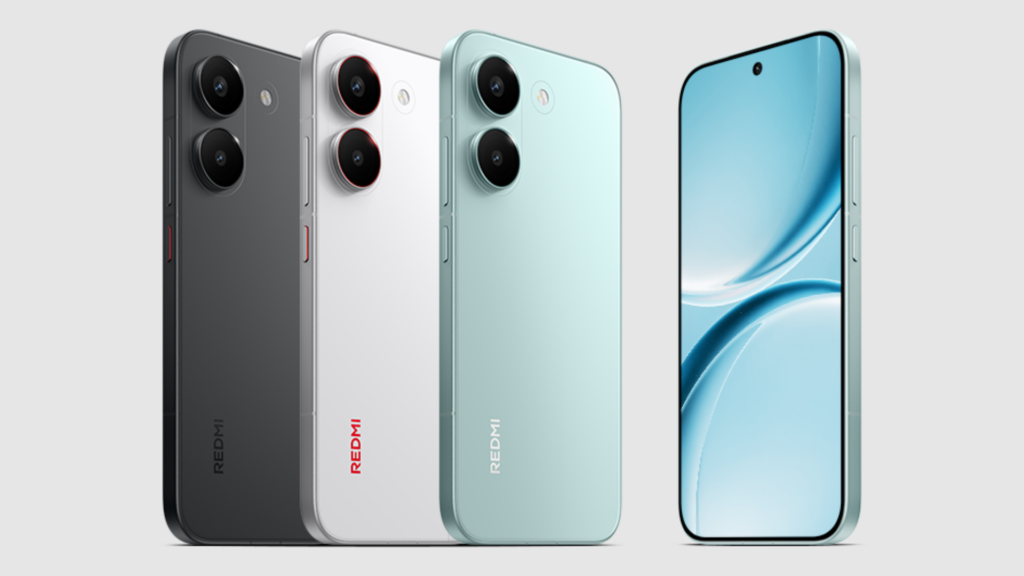
Redmi Turbo 5
Redmi Turbo 5

The Poco X8 Pro is also tipped to carry IP68/IP69/IP69K ratings, a metal frame, NFC, and an IR blaster. It may feature an optical in-display fingerprint scanner instead of the ultrasonic unit on the Pro Max. Connectivity could top out at Wi-Fi 6.

Both devices are expected to ship with Android 16 and HyperOS 3 out of the box.

For more daily updates, please visit our News Section.

Tech enthusiast? Get the latest news first! Follow our Telegram channel and subscribe to our free newsletter for your daily tech fix! ⚡

(Source)

The post Poco X8 Pro and X8 Pro Max full specs out, thanks to this new leak appeared first on Gizmochina.

Asus quietly adds a ‘Windows 11 pure OS’ option to its new ExpertBook laptops

Asus-ExpertBook-B5-G2-with-Windows-11-pure-OS

Earlier this month, Asus introduced its new business laptops called the ExpertBook B5 G2 and ExpertBook B3 G2. Both machines are powered by Intel’s 3rd-generation Core Ultra chips, also known as Panther Lake, and come in 14-inch and 16-inch sizes. 

What’s interesting about these PCs is that they come with an operating system called “Windows 11 pure OS (not for open channel)”, next to the expected choices like Windows 11 Home and Windows 11 Pro. 

As TechRadar notes, Asus hasn’t highlighted this in the marketing slide or press release. Instead, you see the mention directly on the specifications table. So, what is Windows 11 pure OS?

Asus ExpertBook B3 G2 and B5 G2 have a Windows 11 pure OS version

Asus hasn’t explained what makes this version of Windows 11 different. There’s no public breakdown of features removed or added. The phrase “not for open channel,” however, is telling. 

In enterprise hardware terms, that usually means the configuration isn’t sold through regular retail stores or online marketplaces. Instead, it’s likely reserved for bulk corporate purchases handled through business procurement channels (via TechRadar).

The “pure OS” likely means a cleaner installation of Windows 11. In consumer laptops, Windows often ships with extra apps, trial software, or manufacturer utilities. For large organizations, that can be a headache. IT departments typically prefer a streamlined system image that’s easier to deploy and manage across hundreds — or thousands — of devices.

A stripped-down Windows build would save time. There’s less need to remove unwanted apps, fewer background services to monitor, and potentially fewer variables when troubleshooting. For companies standardizing their fleets, simplicity matters more than flashy features.

Interestingly, the ExpertBook B5 G2 also debuts as part of Asus’ broader push into Copilot+ PCs, tying into Microsoft’s AI-focused hardware branding. Yet this quiet software option may be just as relevant to enterprise buyers.

For more daily updates, please visit our News Section.

Stay ahead in tech! Join our Telegram community and sign up for our daily newsletter of top stories! 💡

(Source | Via)

The post Asus quietly adds a ‘Windows 11 pure OS’ option to its new ExpertBook laptops appeared first on Gizmochina.

Dyson introduces a $349 PencilWash for wet messes

Dyson-PencilWash-launch-specs-price

Dyson is adding a new device to its growing lineup of slim home cleaners. The company just announced the PencilWash, a product that builds on the design of last year’s PencilVac, which Dyson describes as the “world’s thinnest vacuum cleaner.”

While the PencilVac focuses on dry debris, the PencilWash is designed for wet messes on hard floors.

Like its sibling, the PencilWash packs its motor, battery, and electronics into its narrow handle. However, there’s no dustbin here. Instead, Dyson has swapped in a water tank housed inside a larger cleaning head. The machine relies on a single high-density microfiber roller brush to clean floors.

Dyson PencilWash cleans your floor against hard stains

The PencilWash uses a pressurized water system to feed clean water and a low-foaming cleaning solution onto the roller. As it moves across tile, laminate, or sealed wood, the roller scrubs the surface and collects dirty water into a separate compartment. The floor won’t come out completely dry, but Dyson says any remaining moisture should evaporate quickly.

At 4.9 pounds (around 2.2 kilograms), the PencilWash is slightly heavier than the 4-pound PencilVac. Even so, it remains lightweight compared to many traditional floor scrubbers. Its handle can also recline nearly flat, allowing you to clean under beds, sofas, and other low furniture without any hassle.

The device is rated for over 30 minutes of run time on a full charge. For larger homes, Dyson will offer a spare battery that attaches to the end of the handle, though it’s sold separately.

There’s also a notable difference in price. While the PencilVac with four rotating cone brush heads sells for $600, the new PencilWash costs $349. That lower price also includes a charging dock in the box.

For more daily updates, please visit our News Section.

Stay ahead in tech! Join our Telegram community and sign up for our daily newsletter of top stories! 💡

The post Dyson introduces a $349 PencilWash for wet messes appeared first on Gizmochina.

Redmi Buds 8 Active launch imminent, renders and specs leak

Redmi-Buds-8-Active-Render-and-Specs-leak

A new budget pair of Redmi earbuds may be on the way. According to a report by YtechB, Xiaomi is ready to launch Redmi Buds 8 Active, the renders and price of which have now surfaced online. 

The Active branding here means a more affordable model than a more rugged one. And it likely sits below the Redmi Buds 8 Lite in the lineup. 

Redmi Buds 8 Active Specifications

Visually, the Buds 8 Active borrows heavily from the Lite version, but there is one clear difference: instead of using an in-ear silicone tip design, the Buds 8 Active reportedly adopt a semi-in-ear, or open-fit, structure. That means no rubber ear tips sealing the ear canal. 

The ear stem design, however, remains largely unchanged from the Lite variant. Based on the leaked renders, the charging case also looks nearly identical to the Lite model. It’s expected to come in three classic color options: blue, black, and white.

On the hardware side, the Redmi Buds 8 Active are said to feature a 14.2mm dynamic driver paired with a titanium diaphragm. 

For connectivity and audio quality, the earbuds are expected to support the AAC high-definition audio codec. There’s also mention of a dual-microphone system with AI-powered call noise reduction and wind noise reduction up to 6 meters per second.

Each earbud is tipped to pack a 37mAh battery, while the charging case carries a 475mAh cell. Playback time is estimated at around 7 hours on a single charge, extending up to 37 hours when combined with the case. Charging is said to take about 1 hour for the earbuds and roughly 2.5 hours for the case.

As for the price, the Redmi Buds 8 Active are tipped to launch at €19.99. However, the leak doesn’t mention when and where. Likely, it isn’t that far away from an official unveil.

For more daily updates, please visit our News Section.

Stay ahead in tech! Join our Telegram community and sign up for our daily newsletter of top stories! 💡

(Source)

The post Redmi Buds 8 Active launch imminent, renders and specs leak appeared first on Gizmochina.

How modern phones are made waterproof, including foldables

If you follow new smartphone launches, you’ve probably noticed this—more and more smartphones now come with a standard IP rating. 

A while back, IP68 used to be the best ingress protection for a device. If your phone had it, it meant you bought the premium model. Now, even mid-range devices are shipping with IP68, and some brands are stacking multiple ratings like IP66, IP68, IP69, and IP69K on the same spec sheet. 

More interestingly, foldables have started showing up with official IP ratings. So what’s changed? How are phones pulling this off, especially foldables, which look like they should be allergic to water?

Waterproofing is a system

From the outside, making the phone water-resistant might feel like a single-feature add-on. But internally, it’s the result of multiple systems working together.

At the most basic level, engineers try to reduce the number of ways water can enter the device in the first place. And that starts with the structure.

Modern smartphones are built with extremely tight tolerances. That is, frames and back panels are fitted with minimal or zero gaps. Manufacturers precisely apply adhesive to bond layers together. The goal is to eliminate as many entry points as possible.

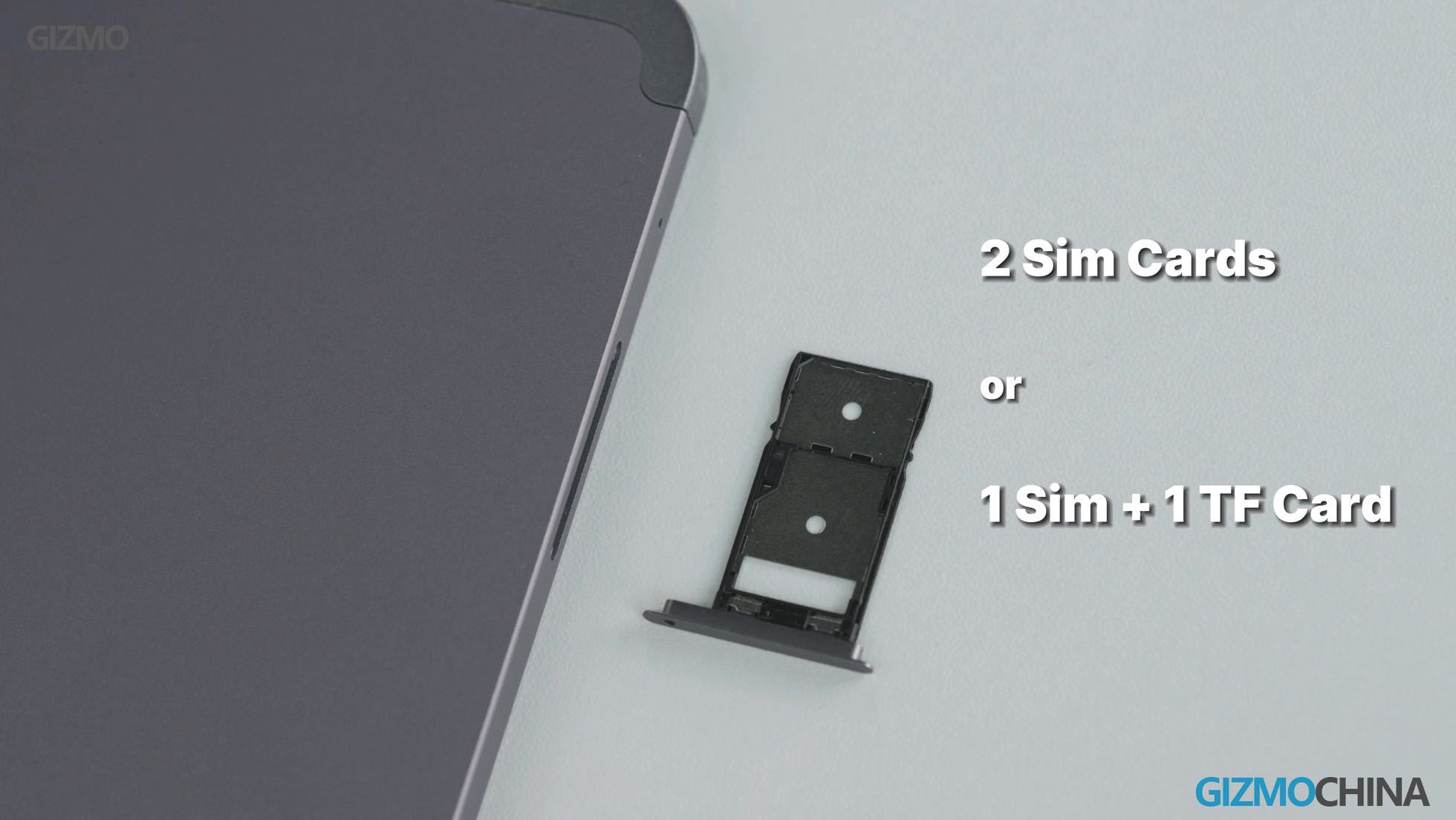
That said, every phone is built with some unavoidable weak spots. It has a charging port, SIM tray, and physical buttons. Companies reinforce these areas with silicon gaskets and rubber sealing rings. The SIM tray, for example, often includes a tiny waterproof ring that compresses when inserted, blocking liquid entry. 

Speakers and earpieces are even trickier as they require airflow to function. To solve this, manufacturers use hydrophobic acoustic membranes or finely engineered mesh materials. These allow sound waves to pass while preventing liquid water from flowing through.

This is the first line of defense.

The backup plan

However, even with such careful design and structuring, some moisture could still find its way inside. That’s why many phones include a second layer of protection.

For instance, critical components like the motherboard, connectors, and flexible printed circuit boards are often treated with a nano-hydrophobic coating. This ultra-thin layer repels water at a microscopic level.

As a result, instead of water spreading across metal contacts and causing short circuits, water beads up into droplets. These droplets are more likely to evaporate or roll away rather than linger and corrode components.

This coating doesn’t mean the phone is meant to be submerged casually. It’s a safety buffer. If water breaches the outer seals, the internal coating reduces the likelihood of immediate failure.

Modern waterproof phones almost always rely on both strategies: keep water out structurally, and minimize damage chemically if water gets in. Either approach alone wouldn’t deliver the reliability we rely on today.

Foldables complicate everything

All of this is already challenging enough in a traditional slab phone. Foldables raise the difficulty level a few steps higher. 

A standard phone is a sealed block. But a foldable has a hinge, moving parts, flexible screens, and ultra-thin cables that bend with every open and close. Gaps are inevitable. Movement is constant. Internal space is limited.

Waterproofing that design requires different thinking.

Samsung’s strategy in the Samsung Galaxy Z Fold series focuses on isolation. Instead of attempting to fully seal the hinge, Samsung reportedly treats the left and right halves as separate compartments. If water enters one side, internal barriers help prevent it from spreading to the other.

The hinge area itself is engineered to manage water rather than completely block it. It uses corrosion-resistant materials, specialized lubricants, drainage paths, and hydrophobic components help ensure that water doesn’t remain trapped inside. It also encapsulates the flexible circuit boards with rubberized materials and specialized sealing compounds to add further protection.

As for Oppo, it reportedly uses multi-layered sealing in Find N series foldables. It applies adhesives in combinations — back adhesive, spot adhesive, layered seals — to fill microscopic gaps around hinges and flexible boards. The idea is to create a three-dimensional protective network that maintains integrity even as the phone folds and unfolds.

Some foldables now carry IPX6, IPX8, and IPX9 ratings, meaning they’re tested against immersion and various spray conditions. That would have seemed unrealistic for a hinge-based device not long ago.

Waterproof doesn’t mean worry-free

It’s worth remembering that IP ratings are based on controlled lab tests, and real-world scenarios can be much harsher. For example, saltwater can corrode metal faster, or chlorinated pool water and soap can degrade seals over time. 

This is why most manufacturers note that water damage may not be covered under warranty, even for IP-rated phones. Water resistance reduces the risk, but does not eliminate it.

The quiet engineering win

From an engineering standpoint, modern smartphone waterproofing is less about flashy breakthroughs and more about refinement. It’s the result of tighter tolerances, better materials, smarter internal layouts, and layered defense strategies.

What’s changed isn’t just that phones can survive water. It’s that this capability is no longer limited to top-tier flagships. Mid-range devices now routinely offer protection levels that were once a flagship feature. 

Of course, don’t rinse your phone under a tap. But it does mean that when accidents happen, your odds are better than they used to be.

For more daily updates, please visit our News Section.

Tech enthusiast? Get the latest news first! Follow our Telegram channel and subscribe to our free newsletter for your daily tech fix! ⚡

The post How modern phones are made waterproof, including foldables appeared first on Gizmochina.

The new Google Pixel 10a is mostly last year’s phone with more recycled materials

Google-Pixel-10a-launch-specs-price

A few months after the first leaks started circulating, the Google Pixel 10a is finally official. And if you’ve been following the rumors, there aren’t many surprises. The specs are familiar, but it does tighten a few screws and leans even harder on software to make its case.

The Pixel 10a keeps the same 6.3-inch Actua display as before, but Google has slightly increased peak brightness to 3,000 nits, up from 2,700 nits on the Pixel 9a. The phone also retains its IP68 rating for dust and water resistance.

One of the more practical upgrades comes in the form of new screen protection. The Pixel 10a now uses Gorilla Glass 7i instead of Gorilla Glass 3. According to Google, the new Glass can survive drops from up to 1 meter (3.3 feet) and is more scratch-resistant than before.

As a Google phone, the software is the big talk for the Pixel 10a. It comes pre-installed with Android 16 out of the box and is promised seven years of software updates. It also comes with suites of AI features, from Gemini Assistant to Gemini Live. 

The hardware powering it, however, remains the same. The Pixel 10a runs on the same Tensor G4 chipset as the Pixel 9a. Even the RAM and storage are the same at 8GB and 128GB or 256GB, respectively. 

The Pixel 10a also retains the camera setup. It has a 48MP main rear lens with a 13-megapixel ultra-wide and a 13MP selfie camera. New here are the AI-features like Camera Coach, Auto Best Take, and Add Me. 

Google Pixel 10a vs Pixel 9a: What’s different?

The difference for Pixel 10a comes on the design side. Its back is now made of 81% recycled plastic. Google has also introduced a new Pixel 10a Case made from 36 percent recycled plastic, color-matched to the phone. Neither the device nor the case includes built-in magnets.

Google also says the Pixel 10a uses more recycled materials than any previous Pixel a-series phone. It’s the first in the lineup to include recycled cobalt, copper, gold, and tungsten, making up at least 36 percent of the product by weight. The aluminum frame is made from 100 percent recycled material, and the packaging is completely plastic-free.

You can get the Google Pixel 10a in Fog, Obsidian, Berry, and Lavender. Its price starts at Rs 50,000 (8/128GB) in India, and at $499 in the US. Pre-order starts today, while it will go on open sale starting March 5. 

For more daily updates, please visit our News Section.

Stay ahead in tech! Join our Telegram community and sign up for our daily newsletter of top stories.

(Source)

The post The new Google Pixel 10a is mostly last year’s phone with more recycled materials appeared first on Gizmochina.

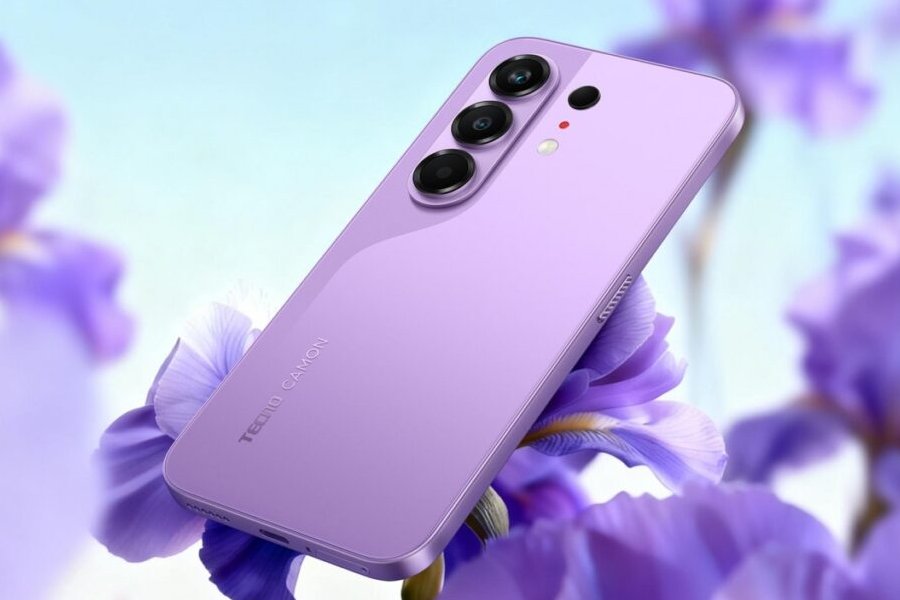
Tecno launches Camon 50 and Camon 50 Pro with 144Hz AMOLED screen, 6150mAh battery

Tecno-Camon-50-4G-Design

Tecno has quietly launched the Camon 50 and Camon 50 Pro smartphones in several African markets. Announced earlier than their expected reveal at MWC, the two phones share most of their specifications.

They both use the same processor, battery size, display specs, and much of the same camera hardware. However, the Pro model adds a dedicated 3x periscope telephoto camera. Here are the full specs. 

Tecno Camon 50 and Camon 50 Pro Specifications

Both the Tecno Camon 50 and the Tecno Camon 50 Pro run on MediaTek’s Helio G200 processor paired with 8GB of RAM. As for the storage, the Pro model has 256GB, while the standard version starts at 128GB. 

Powering both devices is a large 6,150mAh battery that supports 45W wired charging.

On the front, both phones feature a 6.78-inch AMOLED display with a 144Hz refresh rate and Full HD+ resolution. The screens also include an in-display fingerprint scanner and a 32-megapixel selfie camera. 

Tecno Camon 50

The difference here is mostly aesthetic—the Pro model uses a curved panel, while the standard Camon 50 sticks with a flat display.

Around the back, both devices share the same 50-megapixel Sony LYT700C main sensor — the same camera used on last year’s Tecno Camon 40 Pro — alongside an 8-megapixel ultrawide lens. The Camon 50 Pro, however, adds a 50-megapixel 3x periscope telephoto camera with optical image stabilization (OIS).

Tecno Camon 50 Pro (left) | Tecno Camon 50 (right)

Software-wise, both phones ship with TECNO’s HiOS 16 and come with an IP68/69/69K rating for dust and water resistance. Tecno is also including a One-Tap AI Key and stereo speakers with Dolby Atmos support.

In Kenya, the Camon 50 is priced at KES 37,500 (around $290), while the Camon 50 Pro comes in at KES 44,000 (around $340). Both devices are currently available for pre-order. Tecno hasn’t announced 5G versions yet, but with MWC 2026 on the horizon, those models could be next in line.

For more daily updates, please visit our News Section.

Stay ahead in tech! Join our Telegram community and sign up for our daily newsletter of top stories! 💡

The post Tecno launches Camon 50 and Camon 50 Pro with 144Hz AMOLED screen, 6150mAh battery appeared first on Gizmochina.

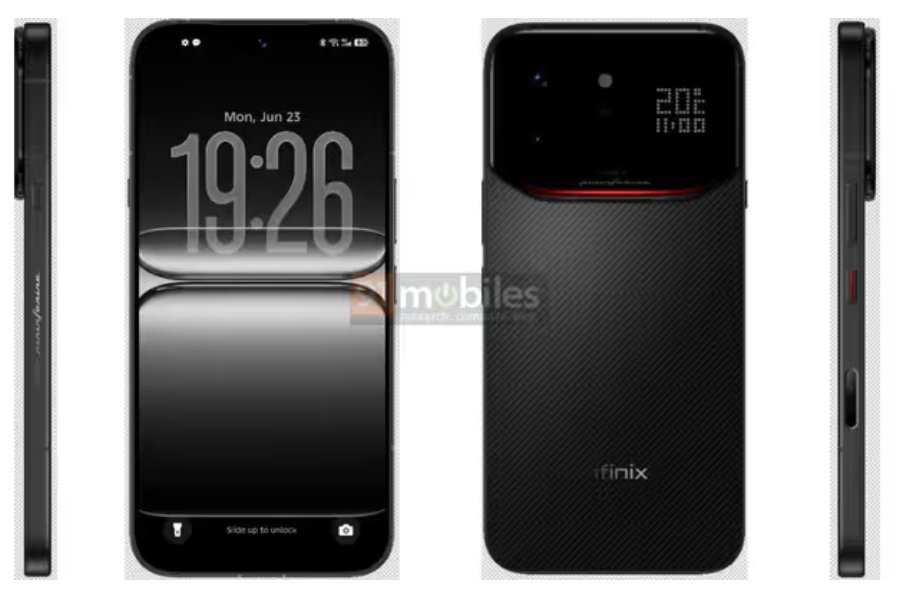
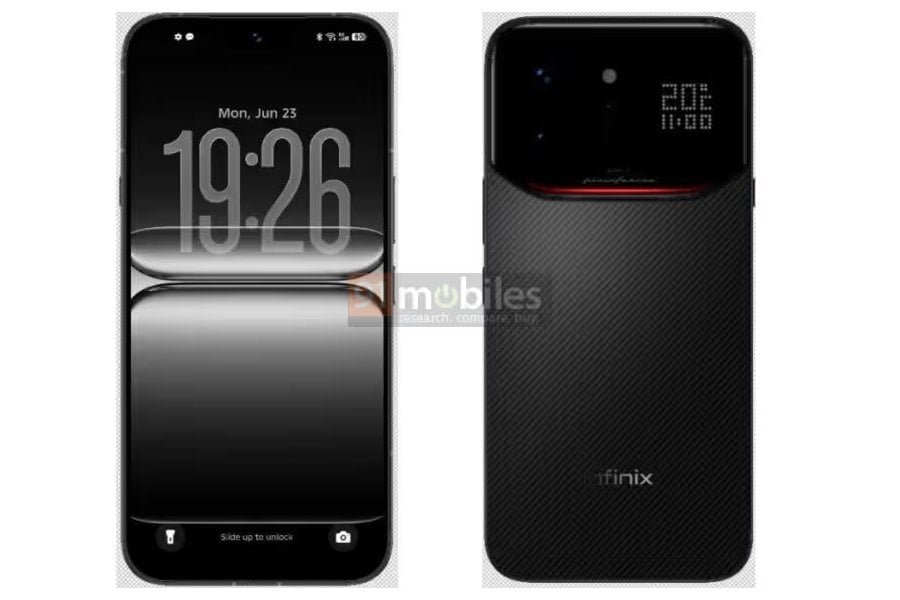
Infinix Note 60 Ultra looks like an iPhone 17 Pro and Xiaomi 17 Pro fusion in live images

Infinix-Note-60-Ultra-Specs-and-Design-leaks

Infinix is baking a fresh batch of smartphones. Shortly after the GT 50 Pro surfaced on the web, the Infinix Note 60 Ultra has also leaked in full, revealing everything from its design to its core specs.

Undoubtedly, the first thing that grabs attention is the Note 60 Ultra’s back panel. It features a full-width camera module stretching from edge to edge, and it even has a secondary display on the right side. The render shows a Glyph-style clock interface and an LED light on the bottom frame of the camera module. 

Is it just me, or does the design feel like a mashup — part iPhone 17 Pro, part Xiaomi 17 Pro Max?

Infinix Note 60 Ultra Specifications (Rumored)

Anyways, the phone is rumored to feature a 6.78-inch 1.5K AMOLED display with a 144Hz refresh rate and a 2.5D curved design. Up front, there’s a 32-megapixel selfie camera, while the rear houses a 200-megapixel primary sensor with OIS, paired with an 8-megapixel secondary lens and a 50-megapixel third camera.

Under the hood, the Infinix Note 60 Ultra could be powered by a MediaTek Dimensity 8400 Ultimate chip. Interestingly, this is the same SoC Infinix is reportedly planning to use in the GT 50 Pro. It’s expected to come with 12GB of RAM and either 256GB or 512GB of storage.

Keeping everything running is a massive 7,000mAh battery with support for 100W wired fast charging. Wireless charging is also on board at 50W, along with 10W wired and wireless reverse charging. The phone is tipped to ship with Android 16 out of the box.

There’s still no official word on the launch, but with this level of detail already out, the Note 60 Ultra likely isn’t far from making its debut. We will keep you in the loop if we receive new updates. 

Tech enthusiast? Get the latest news first! Follow our Telegram channel and subscribe to our free newsletter for your daily tech fix!

For more daily updates, please visit our News Section.

(Source)

The post Infinix Note 60 Ultra looks like an iPhone 17 Pro and Xiaomi 17 Pro fusion in live images appeared first on Gizmochina.

Nothing confirms Phone (4a) and Phone (4a) Pro will launch just a day after iPhone 17e

Nothing Phone (3a) Series - Nothing OS V3.2-250717-1803

After a series of teasers, Nothing has finally confirmed it will launch Phone (4a) and Phone (4a) Pro on March 5th.

Notice the timing? Nothing’s event is just a day after Apple will hold its “Special Experience” showcase on March 4th.

Unsurprisingly, Nothing’s announcement didn’t arrive quietly. CEO Carl Pei shared a playful invite on X, visually riffing on Apple’s minimalist event artwork. The image is altered with bright pink graffiti-style text, swapping out the date for March 5th and stamping the Nothing name front and center.

Meanwhile, Nothing’s official handle confirmed the Phone (4a) series will be announced globally and in India on the same day. While full specifications are still under wraps, leaks and early benchmarks offer some clues. 

What to expect from the Nothing Phone (4a) series?

The lineup is expected to include a standard Phone (4a) and a Phone (4a) Pro. Both models are rumored to feature UFS 3.1 storage and slightly larger batteries than their predecessors in the Phone (3a) series.

The vanilla model recently appeared on Geekbench with a Snapdragon 7s Gen 4 processor. Likewise, both phones are expected to launch in 8GB RAM and 128GB storage configurations. 

However, the two phones might differ in terms of colors. The standard model is expected to come in Black and White, while the Pro will swap White for a Silver finish.

Pei has also hinted that the Phone (4a) series will push closer to flagship territory in areas like materials, display, camera, and overall build quality. According to him, the company is focusing less on chasing specs and more on refining design and user experience.

In addition to the new phones, Nothing has confirmed it will unveil the Nothing Headphone (a). The latter is an affordable follow-up to last year’s Nothing Headphone (1). 

For more daily updates, please visit our News Section.

Stay ahead in tech! Join our Telegram community and sign up for our daily newsletter of top stories.

The post Nothing confirms Phone (4a) and Phone (4a) Pro will launch just a day after iPhone 17e appeared first on Gizmochina.

Infinix GT 50 Pro design, display, processor, camera, and battery details leak

Infinix-GT-50-Pro-Design-and-Specs-Leak

The upcoming Infinix GT 50 Pro, which surfaced on Geekbench last month, is now back in the spotlight thanks to a new report from PassionateGeekz. This time, the leak reveals what the phone might look like and what it could offer under the hood.

Infinix GT 50 Pro Specifications 

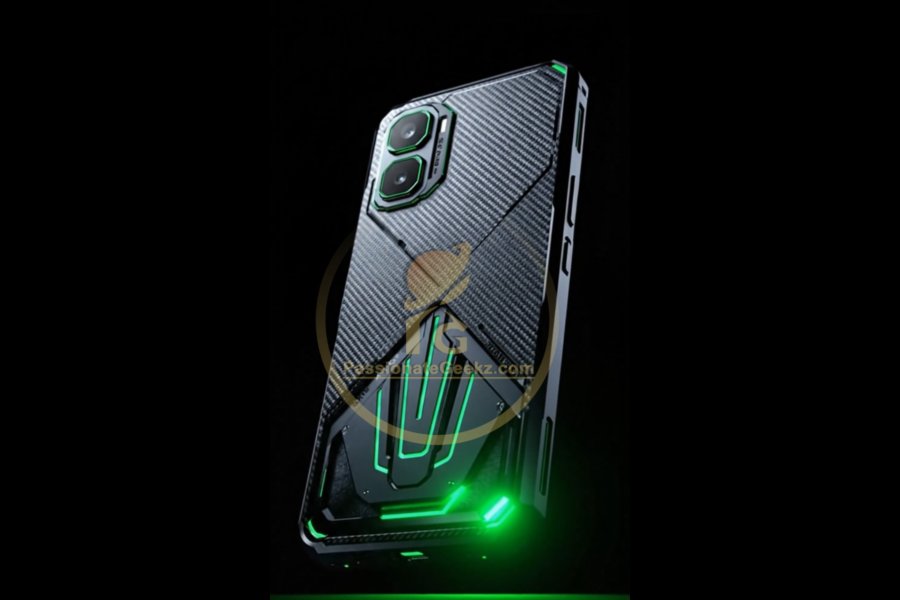
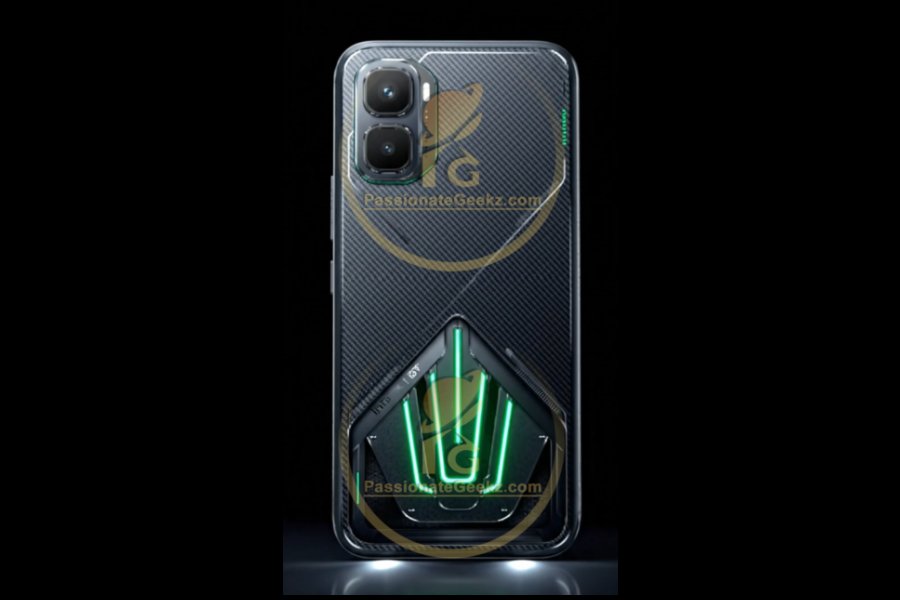
Since Infinix’s GT line focuses on a gaming-inspired design, the GT 50 Pro follows the same trend. The back panel uses a diagonal weave pattern reminiscent of carbon fiber and features green LED “claws” at the bottom.

The front is built around a 6.78-inch AMOLED display with a 1.5K resolution. The screen is tipped to offer a 144Hz refresh rate and slim bezels all around.

Powering the device is said to be the MediaTek Dimensity 8400 Ultimate chipset. It may be paired with 12GB of RAM and come in 256GB and 512GB storage options. 

The GT 50 Pro made its Geekbench run with the same setup, scoring 1,612 points in the single-core test and 6,686 points in the multi-core test.

On the camera side, the phone is rumored to include a quad-camera system. The primary is a 50-megapixel sensor with optical image stabilization and a 0.8µm pixel size. It’s expected to be accompanied by an 8MP ultra-wide lens and another 8MP sensor, along with dual flash modules. For selfies and video calls, the Infinix GT Pro could come with a 13MP front-facing camera.

As for the battery, the GT 50 Pro is tipped to either pack a 6,500mAh single-cell battery or a 6,150mAh dual-cell setup. Charging specs will include 45W wired fast charging, 30W wireless charging, 10W wired reverse charging, and 5W wireless reverse charging. 

Infinix is yet to reveal anything about the GT 50 Pro. However, now that major details are out on the web, we can expect an announcement soon.

For more daily updates, please visit our News Section.

Stay ahead in tech! Join our Telegram community and sign up for our daily newsletter of top stories.

(Source)

The post Infinix GT 50 Pro design, display, processor, camera, and battery details leak appeared first on Gizmochina.

How phone makers are fitting 8,000mAh batteries in a 7mm body

TECNO POVA Curve 2 5G

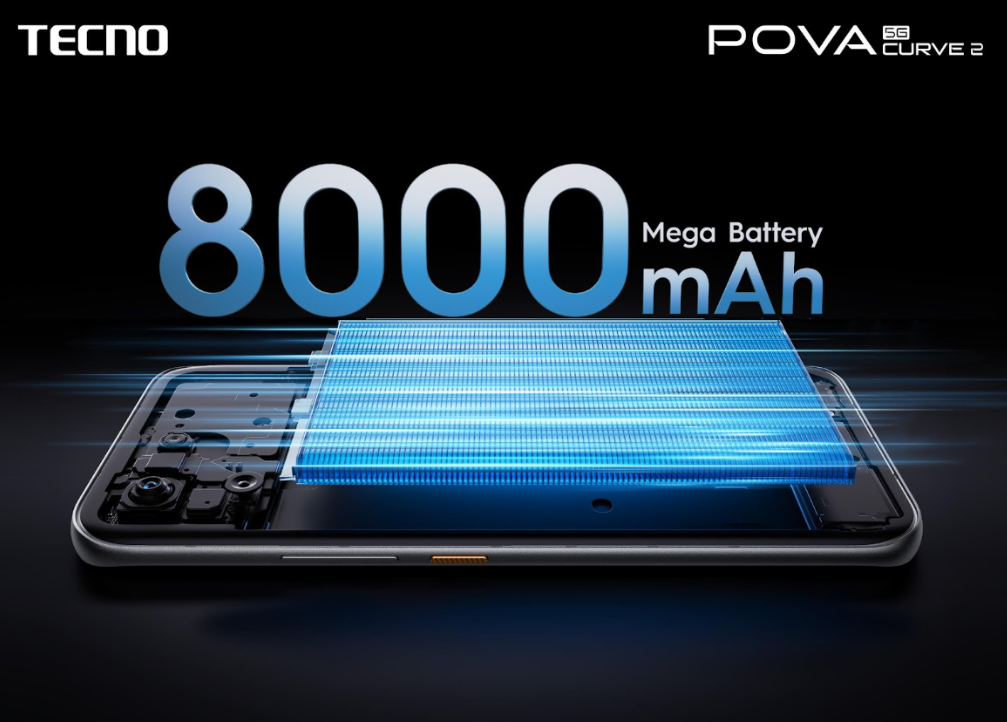
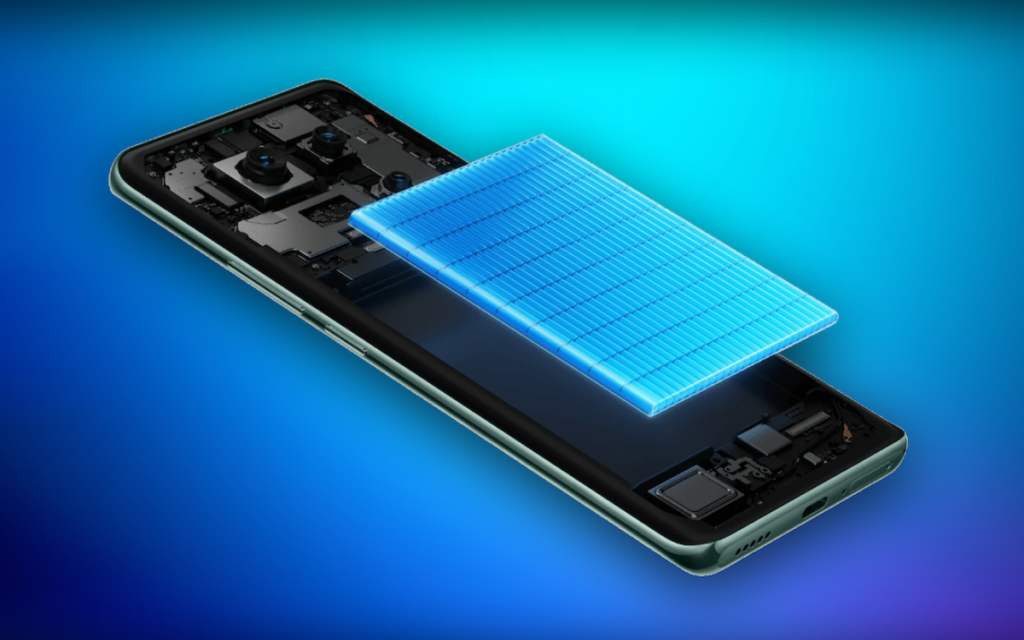
Not long ago, a smartphone with a 5000mAh battery meant a thick body that wasn’t very ergonomic in the hand. Fast forward to 2026, and we now have phones like the Tecno Pova Curve 2, which packs an 8000mAh battery into a slim 7mm body.

On paper, these numbers don’t seem like they belong together. But this is increasingly the direction parts of the smartphone industry are heading, especially among Chinese manufacturers willing to experiment with new battery chemistries.

Here’s how phones like the Pova Curve 2 fit a big battery into a compact body, and where Apple and Samsung stand among them.

From Graphite to Silicon-Carbon

Most smartphones today still use lithium-ion batteries with graphite anodes. (FYI, the anode is where lithium ions sit when the battery is charged.) Its long-standing use already shows how well graphite has worked for us. It’s stable, relatively inexpensive, and doesn’t expand much during charging. Meaning it’s safe for rigorous daily use.

However, graphite has its own limits. You can only store so much energy in it before you run out of room.

Enter silicon.

In theory, silicon can store nearly 10 times as much lithium per gram as graphite. That doesn’t mean your battery suddenly becomes ten times bigger, but it does allow manufacturers to increase energy density, i.e., more power in the same physical space.

The problem is that silicon expands dramatically when it absorbs lithium. In lab conditions, it can swell up to 300% (via Neware). So, no prize for guessing, silicon alone is not a good anode for a battery. 

That’s when companies began blending silicon with carbon, creating what we now know as a silicon-carbon (Si-C) anode.

Carbon acts as a stabilizing framework. It holds the silicon particles in place and absorbs some of the stress caused by expansion. The result is a battery that offers higher capacity than traditional graphite-based cells while remaining structurally stable enough for daily use.

It’s not perfect. Silicon-carbon batteries can degrade faster than pure graphite if not carefully managed. But the trade-offs are increasingly worth it for brands chasing bigger numbers without thicker designs.

Managing battery expansion

The expansion issue is the core engineering challenge here.

When lithium ions move into the anode during charging, the material swells. With graphite, this swelling is modest. With silicon, it’s much more dramatic. Over repeated charge cycles, the expansion and contraction can crack materials and reduce battery lifespan.

To deal with that, manufacturers use a few strategies:

  • They break silicon into nano-sized particles, which handle expansion better than larger chunks.
  • They embed those particles in a carbon matrix to distribute stress.
  • They blend silicon with graphite rather than eliminating graphite.

The result is incremental improvement rather than a radical redesign. But incremental is enough when the goal is to squeeze extra capacity into the same space. That’s how phones are now crossing 7,000mAh and 8,000mAh thresholds without pushing past 8mm thickness.

The Timeline of Si/C batteries

Silicon-carbon batteries didn’t suddenly appear in 2026. The transition has been gradual.

Around 2023, some manufacturers began experimenting with small percentages of silicon in their battery anodes, often in the 5 to 10 percent range. The gains were modest but noticeable. Phones could squeeze in slightly larger batteries without adding thickness.

By 2024 and 2025, the technology became more common, particularly among Chinese brands. Silicon content increased incrementally. Energy density improved. And instead of seeing 5,000mAh as the upper boundary for slim phones, we started seeing 6,000mAh and beyond.

Now, 8,000mAh devices are entering the conversation without looking like rugged bricks.

And, it’s not just one company

Tecno isn’t alone in this race. The Honor Power, launched last year, features an 8000mAh cell in a body under 8mm thick. Likewise, the iQOO Z11 Turbo has a 7600mAh battery while measuring 8.1mm. 

The foldables like Honor Magic V5 also use a silicon-carbon battery, fitting over 6,000mAh into a thin foldable chassis. That’s significant because foldables have even less internal space to work with.

The common thread isn’t just capacity. It’s energy density. Companies are packing more watt-hours per cubic millimeter than before. That’s what makes these numbers possible without turning phones into thick slabs.

Why Apple and Samsung are late in this

If you’re wondering why the iPhone or Galaxy line hasn’t jumped to 8,000mAh yet, there are a few likely reasons.

A part of that is philosophical. Both Apple and Samsung prioritize battery longevity and long-term stability above everything else. Meanwhile, silicon-carbon batteries, while promising, are still relatively new at scale. 

Managing swelling, maintaining cycle life, and ensuring safety across millions of units isn’t trivial for these brands. This could be the reason why the two giants are moving conservatively with battery chemistry changes.

Regulation and logistics may play a role here. Shipping high-capacity lithium batteries across global markets involves strict certification standards. Some manufacturers are more aggressive in pushing the envelope within certain regions first.

That doesn’t mean Apple or Samsung can’t adopt silicon-carbon batteries. It just means they’re unlikely to lead the first wave.

What comes next

If silicon-carbon tech keeps improving, it’s not long before phones with 10,000mAh or larger batteries become common in the industry. In fact, Honor and Realme have already launched their 10,000mAh phones. 

Higher silicon percentages, improved anode structures, and better thermal management could push energy density even further without the bulk that older battery tech required. However, as inspiring as it looks, there are a few looming questions around silicon-carbon batteries, like:

  • Battery life over years of use
  • Heat management during fast charging
  • Costs of advanced battery materials

These will shape how quickly the industry moves and which brands adopt the new tech first.

Don’t miss a thing! Join our Telegram community for instant updates and grab our free daily newsletter for the best tech stories!

For more daily updates, please visit our News Section.

The post How phone makers are fitting 8,000mAh batteries in a 7mm body appeared first on Gizmochina.

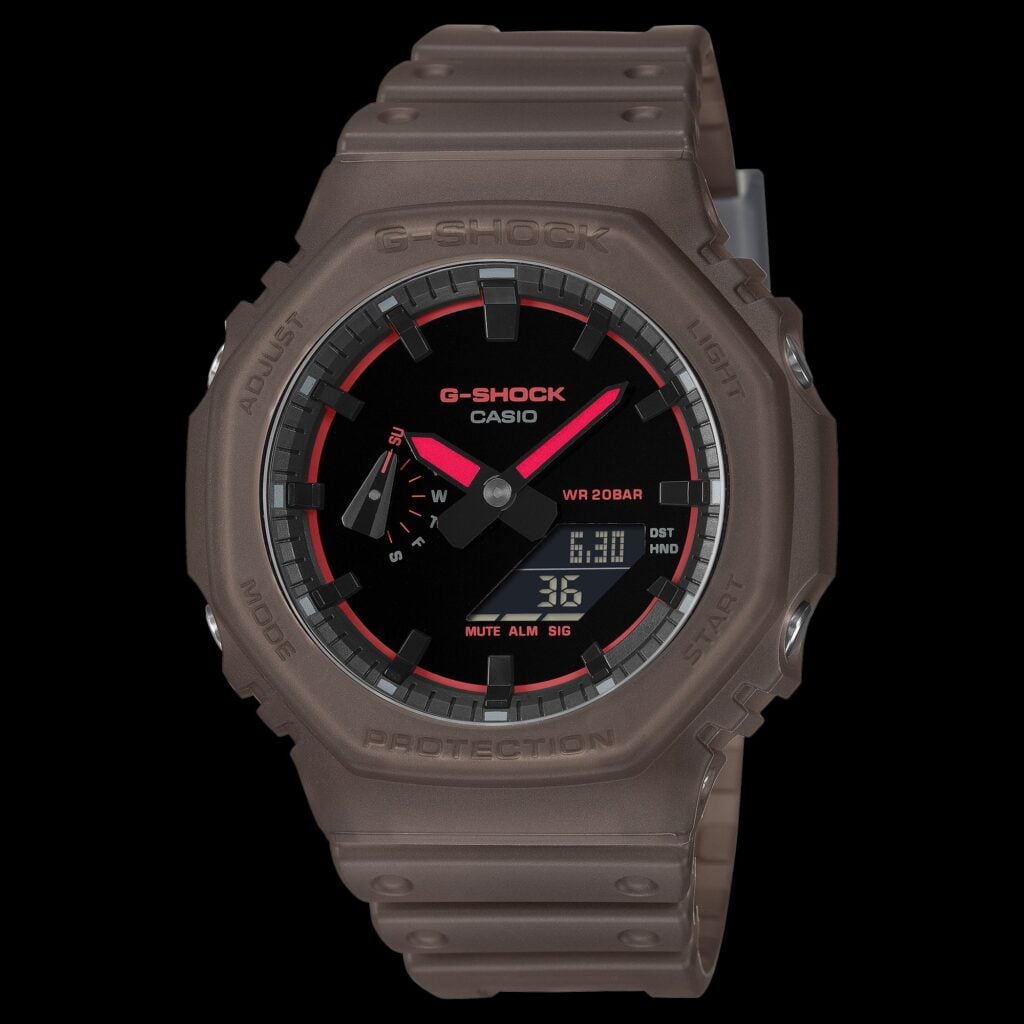
Casio’s G-Shock Smoke Dial watches expand across Europe with club-inspired looks

Casio is taking its smoky, club-inspired take on the classic G‑Shock to more wrists across Europe. After a quiet debut in the UK and the US, the new GA-2100 Smoke Dial models are now landing in several EU markets, including the Netherlands, Spain, and Germany.

The new lineup includes three watches — GA-2100K-1A, GA-2100K-2A, and GA-2100K-5A. And as you might expect, all watches bear the familiar GA-2100 design, i.e., a slim, octagonal case with both analog hands and a small digital display. 

The distinguishing theme, however, is their nightlife aesthetic. Casio says the design takes cues from electronic music scenes, with translucent cases and glossy dials that look like they belong under club lights rather than office fluorescents.

Casio brings its nightlife-inspired G-Shock GA-2100 watches to EU countries

Each model uses a transparent resin and carbon case paired with a matching strap. At just over 48mm tall and weighing about 51 grams, the watches keep the lightweight feel the GA-2100 series is known for. They also retain the tough reputation of the line, thanks to Casio’s Carbon Core Guard structure and 200-meter water resistance.

The differences mostly come down to color. The GA-2100K-1A arrives in smoky gray with subtle green highlights on the dial. The GA-2100K-2A uses a frosty blue case with bright orange accents, while the GA-2100K-5A goes for a warmer amber-brown tone paired with red details.

Despite the flashy styling, the feature set remains classic G-Shock. You get world time across 31 time zones, a stopwatch, a countdown timer, five alarms, and an automatic calendar that runs through 2099. There’s also a dual-LED backlight system for both the analog face and the digital display.

In most EU markets, the three models are priced at €129 each, with standard shipping and no obvious supply limits at launch.

For more daily updates, please visit our News Section.

Stay ahead in tech! Join our Telegram community and sign up for our daily newsletter of top stories! 💡

The post Casio’s G-Shock Smoke Dial watches expand across Europe with club-inspired looks appeared first on Gizmochina.

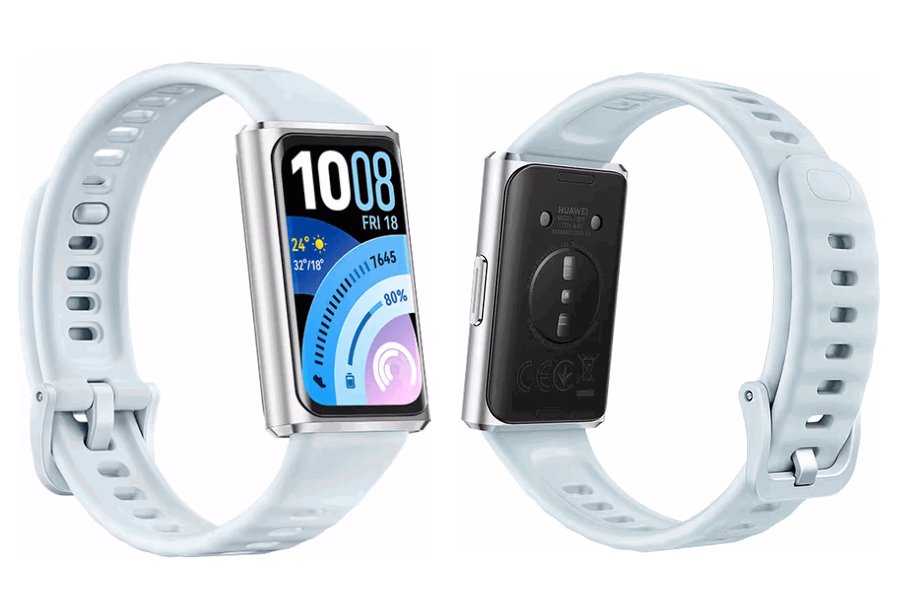
Huawei Band 11 Pro full specs revealed: Titanium body, 3000 nits display, and up to 14 days battery life

Huawei-Band-11-Pro-Specs-Price-Leak

It’s only been a few days since the Huawei Band 11 Pro first surfaced online. Now, a new report from WinFuture has filled in most of the blanks with a full spec sheet and additional images of Huawei’s upcoming fitness tracker.

The earlier leak showed the Band 11 Pro in only green and blue. The latest report, however, adds a third option—black. 

Alongside the colors, users might also get a choice of casing, as it is said to come in both aluminum and a mix of titanium-aluminum alloy. Huawei will also promise water resistance up to 50 meters, along with IP67 certification.

Huawei Band 11 Pro Specifications 

As for the specs, the Band 11 Pro will feature a vertical 1.62-inch AMOLED panel with a resolution of 482 × 286 pixels. The screen can reportedly reach up to 2,000 nits of brightness.

The Band 11 Pro is lightweight at just 14 grams (without the strap), even with a 300mAh battery. It should offer up to 14 days of battery life in power-saving mode. Under typical conditions, however, users can expect around 10 days per charge.

There’s also a standard Huawei Band 11 model, which could share much of the same technology but uses a smaller 180mAh battery.

The Pro model also includes built-in GPS, an accelerometer, gyroscope, magnetometer, optical heart rate sensor, and ambient light sensor. As a result, you can expect wellness features like step tracking, heart rate monitoring, blood oxygen tracking, and stress monitoring. 

The band is also said to have guided breathing exercises built in, and users can read notifications, check SMS messages, and even answer calls directly from the band. 

All health data syncs with the Huawei Health app, which remains central to Huawei’s ecosystem.

Huawei is expected to launch the Band 11 Pro in Germany in early March. It could launch between €50 and €70, depending on the version.

For more daily updates, please visit our News Section.

Stay ahead in tech! Join our Telegram community and sign up for our daily newsletter of top stories! 💡

(Source)

The post Huawei Band 11 Pro full specs revealed: Titanium body, 3000 nits display, and up to 14 days battery life appeared first on Gizmochina.

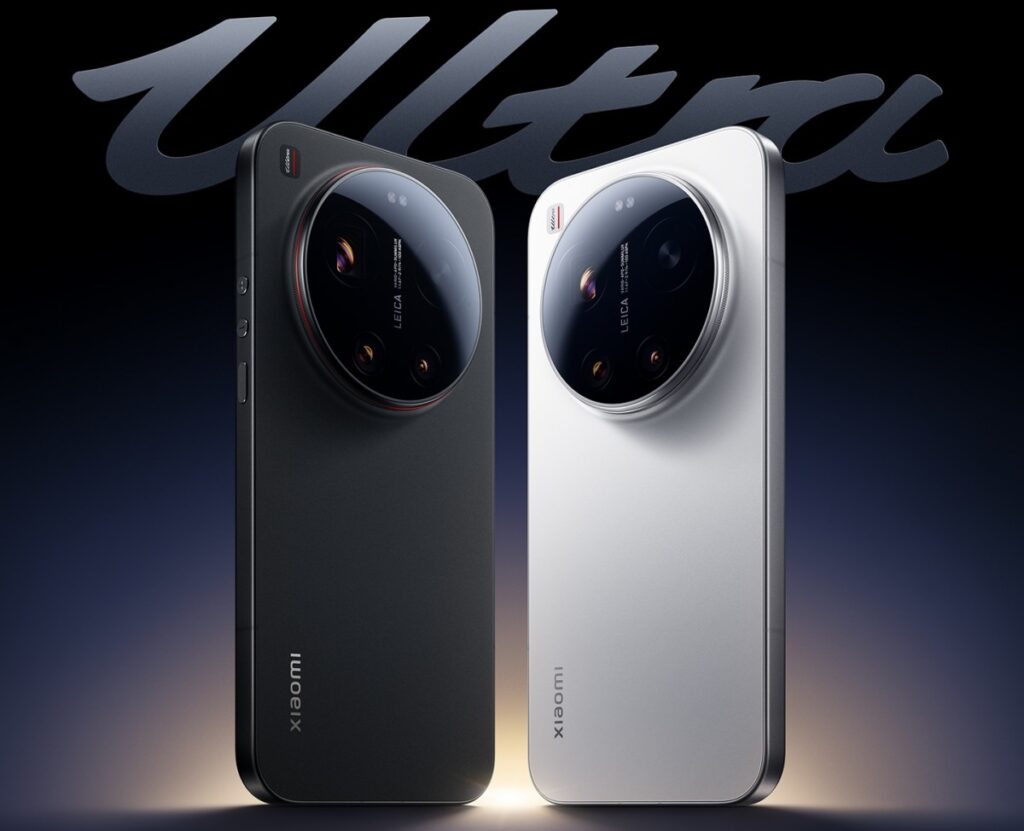
Xiaomi 17 and 17 Ultra global prices leak: no hike, launch set for February

Xiaomi 17 Ultra

Just a few days after a report suggested that Xiaomi could bring the Xiaomi 17 series to India with a price hike of more than 20 percent, a new leak tells a very different story for the rest of the world. According to Dealabs, the upcoming Xiaomi 17 and Xiaomi 17 Ultra will launch globally without any price hike.

Dealabs reports that Xiaomi is keeping prices in Europe identical to those of the Xiaomi 15 series. That’s notable given that the new phones bring meaningful upgrades, particularly in battery capacity and efficiency. 

Xiaomi 17 and Xiaomi 17 Ultra Price in Europe and Launch

Here’s how much it will cost in Europe:

Xiaomi 17

  • 12GB / 256GB: €999
  • 12GB / 512GB: €1099
  • Colors: Black, Green, Blue, Pink

Xiaomi 17 Ultra

  • 16GB / 512GB: €1499
  • 16GB / 1TB: €1699
  • Colors: Black, White, Green

Fortunately, the report also reveals the launch date. According to it, the Xiaomi 17 lineup will debut globally on February 28, 2026, just ahead of Mobile World Congress 2026 in Barcelona. 

Xiaomi has often used the days leading into MWC to secure attention before the show floor gets crowded with competing announcements, and this year appears no different.

Xiaomi 17 and Ultra Specifications 

As for the specs, the Xiaomi 17 features a 6.3-inch LTPO AMOLED, Snapdragon 8 Elite Gen 5 chipset, up to 1TB storage, and a triple 50MP camera setup with Leica lenses. Battery life is solid at 7000 mAh with 100W wired and 50W wireless charging.

Xiaomi 17 Ultra

The 17 Ultra ups the ante with a 6.9-inch LTPO AMOLED, a 200MP periscope telephoto, 1TB storage, and a 6800 mAh battery supporting 90W wired and 50W wireless charging. Both run Android 16 with HyperOS 3 and offer IP68 protection, stereo speakers, and high-res audio support.

For more daily updates, please visit our News Section.

Tech enthusiast? Get the latest news first! Follow our Telegram channel and subscribe to our free newsletter for your daily tech fix! ⚡

(Source)

The post Xiaomi 17 and 17 Ultra global prices leak: no hike, launch set for February appeared first on Gizmochina.

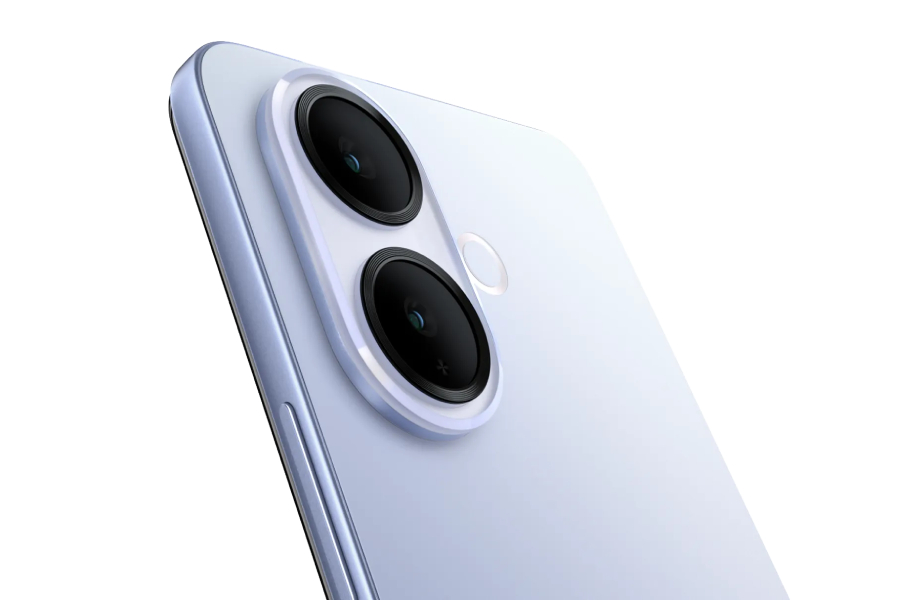
New Vivo V60 Lite launches as the first smartphone with Snapdragon 6s 4G Gen 2

Vivo-V60-Lite-Snapdragon-6s-4G-Gen-2-launch-specs-price

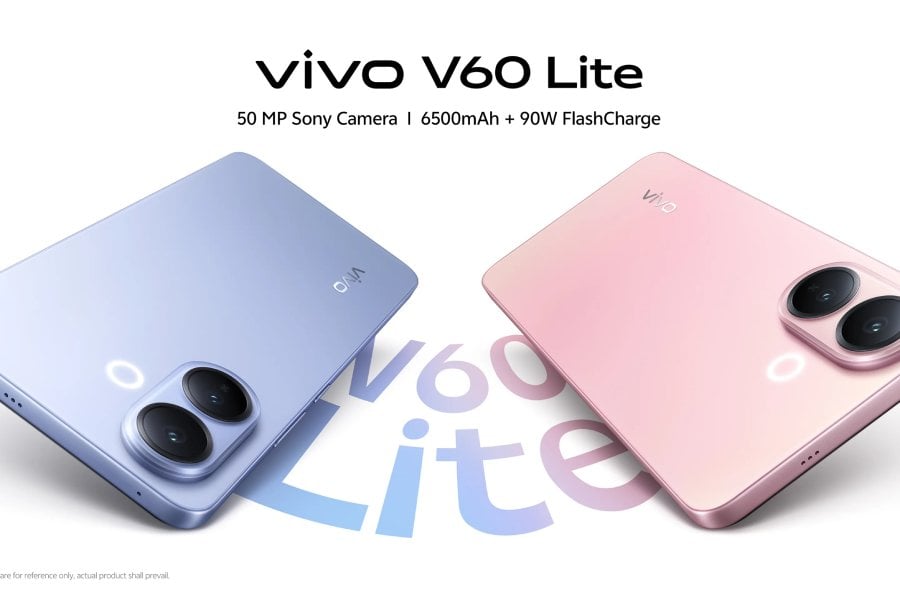
Vivo is adding another entry to its V60 lineup, but the new Vivo V60 Lite feels very familiar. That’s because this isn’t an entirely new device. The phone was first launched back in September last year. Now, it’s back with a small change.

Vivo has quietly listed a refreshed version of the V60 Lite in Panama, and at first glance, it looks almost identical to the original model. The biggest difference, however, is inside. 

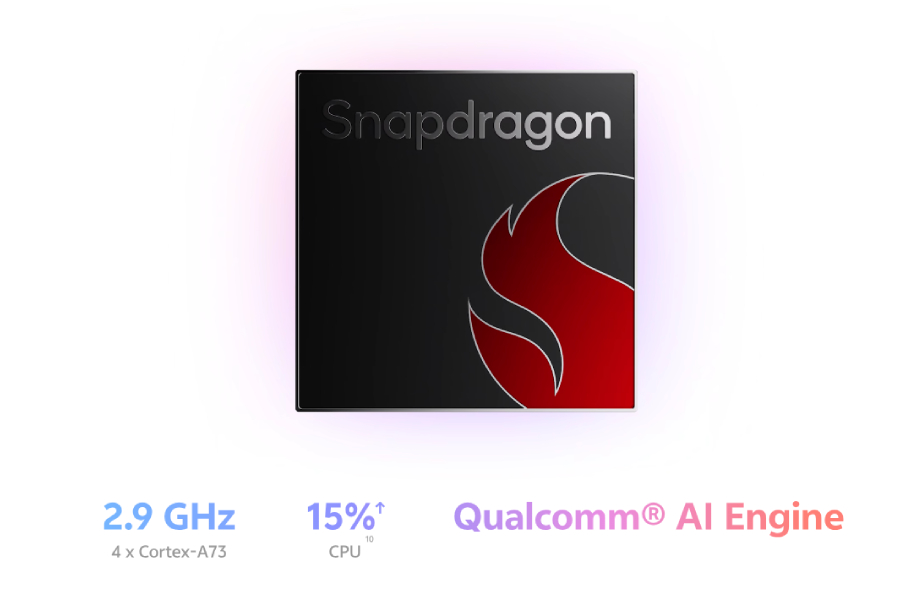
The new Vivo V60 Lite (model V2549) is the first device to ship with Qualcomm’s new Snapdragon 6s 4G Gen 2 processor. It replaces the older Snapdragon 685 found in the previous 4G edition.

Everything else appears largely unchanged. 

Vivo V60 Lite with Snapdragon 6s 4G Gen 2 Specifications

The V60 Lite continues to feature a 6.77-inch AMOLED display with FHD+ resolution and a 120Hz refresh rate. Vivo is keeping the optical in-display fingerprint scanner and the 32-megapixel front camera intact. Around the back, there’s the same dual-camera setup: a 50-megapixel main sensor paired with an 8-megapixel ultrawide lens.

The device packs a 6,500mAh battery with support for 90W wired fast charging. Vivo claims the phone can go from nearly empty to fully charged in under an hour. There’s also 6W reverse wired charging, allowing the phone to top up smaller devices if needed.

On the software side, the phone runs Funtouch OS 15 based on Android 15. It carries IP65 certification for dust and water resistance, along with MIL-STD-810H durability compliance.

For context, the earlier V60 Lite 4G variant launched in Turkey shortly after the V60 Lite 5G debuted in Taiwan. That version used the Snapdragon 685 chipset and came with 8GB of RAM (plus virtual RAM expansion) and 256GB of internal storage, without a microSD slot.

The Panama listing confirms black and blue color options for the refreshed model, though pricing details haven’t been disclosed yet.

For more daily updates, please visit our News Section.

Stay ahead in tech! Join our Telegram community and sign up for our daily newsletter of top stories!

The post New Vivo V60 Lite launches as the first smartphone with Snapdragon 6s 4G Gen 2 appeared first on Gizmochina.

Samsung Galaxy Buds 4 and Buds 4 Pro surfaces early on the web, revealing key details

Samsung’s next set of premium earbuds has surfaced early on the web. An image shared by Mohammed Khatri on X shows both the Samsung Galaxy Buds 4 and Samsung Galaxy Buds 4 Pro from all angles in the black color option.

The biggest visual change is the stems. Both models feature redesigned stems with a flat outer edge. Samsung also seems to be changing how the earbuds sit inside the case. Instead of being placed vertically like the Samsung Galaxy Buds 3 generation, the new Buds 4 series rests horizontally in the charging case.

While it’s not a big deal for users, Samsung must have needed to rework the internal layout to accommodate the design change. The case itself has a transparent finish, offering a partial view of the earbuds inside.

Samsung Galaxy Buds 4 versus Buds 4 Pro

As before, Samsung is keeping a clear distinction between the standard and Pro models. The regular Galaxy Buds 4 do not include silicone ear tips, similar to their predecessor. The Galaxy Buds 4 Pro, on the other hand, retains silicone tips for a tighter seal and potentially better noise isolation.

Samsung Galaxy Buds 3 Pro

The leaked images also show what buyers can expect in the box. Both models appear to include a USB charging cable. The Pro version will additionally ship with extra silicone ear tips, which are standard for earbuds designed to offer a more customizable fit.

Beyond design, the Galaxy Buds 4 series is expected to bring new software features. According to a previous report, both earbuds will support head gestures, find-your-phone functionality, and improvements to Samsung’s Interpreter mode.

There’s no official word yet from Samsung on pricing or the exact launch timing. But with images already circulating online, it may not be long before the company makes everything official.

For more daily updates, please visit our News Section.

Stay ahead in tech! Join our Telegram community and sign up for our daily newsletter of top stories.

(Source)

The post Samsung Galaxy Buds 4 and Buds 4 Pro surfaces early on the web, revealing key details appeared first on Gizmochina.

❌