
 Login
Login
How the Record-Breaking Surge of Chinese Tourists During Lunar New Year Boosted Retail and Hospitality Sectors in Seoul, Jeju Island, and Lotte Department Stores – Here’s Everything You Need to Know About the Impact on South Korea’s Tourism
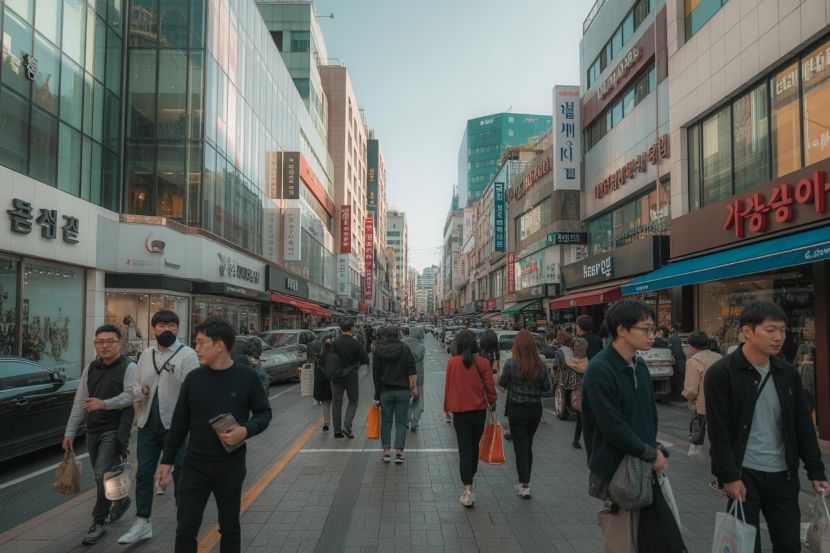
The Lunar New Year holiday in China this year has brought a record-breaking wave of visitors from Greater China, significantly benefiting South Korea’s retail and hospitality industries. This nine-day holiday, an extended break for many Chinese tourists, has propelled the tourism sector in South Korea to new heights. During this period, major retail stores like Lotte Department Store and hotels on Jeju Island have experienced unprecedented sales growth and nearly full occupancy rates, thanks to the influx of visitors from China, Taiwan, and other parts of Greater China.
This remarkable surge in tourism underscores the rising demand for travel to Korea, driven largely by the global appeal of K-culture and the vibrant holiday shopping scene. Tourists from Greater China are not only visiting iconic shopping districts in Seoul but also flocking to Jeju Island, a favorite destination among Chinese tourists, for a seamless combination of shopping, luxury, and natural beauty.
Unprecedented Growth in Retail Sales
From February 13 to 18, during the peak of the Lunar New Year festivities, Lotte Department Store recorded a remarkable 120% increase in sales compared to the previous year. The figures were even more striking when focusing on the Greater China demographic, with a 260% increase in sales from tourists hailing from China, Hong Kong, and Taiwan. This marked the highest growth ever seen during the Lunar New Year shopping period.
The sales boom was not confined to one particular category but spanned across the store. Items in the beauty sector saw a significant rise of 80% in sales among foreign customers, with sports and outdoor products seeing a staggering 255% growth. The heightened demand is indicative of tourists’ growing interest in South Korea’s popular beauty brands and high-end outdoor gear, which aligns with the increased interest in K-culture and adventure tourism.
At Lotte World Mall and Lotte Town Jamsil, food and beverage sales rose by 85%, reflecting the significant impact of the influx of foreign visitors on local economies. Furthermore, Lotte Duty Free also witnessed impressive growth, with foreign sales rising 69% over the previous year. The surge in independent travelers and package tours highlights the diverse nature of the tourists visiting South Korea.
Hotels in Jeju See Full Occupancy Rates
While Seoul’s retail stores have enjoyed significant benefits from the tourist influx, Jeju Island, a key destination for Chinese tourists, has also seen an upsurge in bookings. At the Grand Hyatt Jeju located inside the Jeju Dream Tower integrated resort, 1,590 out of 1,600 rooms were filled, achieving 98.1% occupancy during the Lunar New Year period. This impressive figure stands in stark contrast to last year’s occupancy rate of 72% during the same period, showing the growing attraction of Jeju among Chinese visitors looking for a luxurious getaway with stunning natural landscapes.
The accommodation boom in Jeju also extends to other luxury resorts and casinos, with an overwhelming number of Chinese tourists flocking to the island’s casinos. This growth is directly linked to the increasing appeal of Jeju as a premium destination, which has witnessed improvements in infrastructure, making it more accessible and appealing for international travelers.
Surge in Chinese Tourists Reaches Record Numbers
According to projections from the Korea Tourism Organization (KTO) and the Ministry of Culture, Sports and Tourism, up to 190,000 Chinese visitors were expected to travel to South Korea during the 2026 Lunar New Year period, representing a 44% increase from last year’s average. This surge can be attributed to several factors, including an easing of travel restrictions and the strengthening appeal of South Korea’s cultural exports, especially K-pop, K-drama, and K-beauty.
The increased accessibility to South Korea, combined with high-profile cultural exports and strategic promotions by retailers and hotels, has translated into a robust and growing tourism sector. Additionally, the launch of the Lotte Tourist Membership Card, aimed at enhancing the shopping experience for foreign visitors, has proven successful. Over 38,000 cards were issued, with nearly 3,000 new members signing up during the holiday period.
Travel Tips for Tourists Visiting South Korea
If you’re planning a trip to South Korea, here are a few tips to make your visit more enjoyable:
- Embrace K-Culture: The K-pop and K-drama phenomenon is not just for the younger crowd—it’s a huge cultural movement. Explore popular K-drama filming locations like Namsan Seoul Tower or Bukchon Hanok Village for a taste of Korea’s rich entertainment culture.
- Visit Jeju Island: If you’re looking to unwind, Jeju Island’s breathtaking volcanic landscapes and luxury resorts are perfect for a relaxing getaway. The island is known for its Jeju Olle Trails, offering scenic walking paths through the lush countryside.
- Shop Smart: For international tourists, duty-free shopping is a must. Stores like Lotte Duty Free and Shinsegae offer fantastic discounts on everything from luxury skincare products to designer fashion. Don’t forget to ask for tax refunds, a bonus for foreign shoppers!
- Time Your Visit: The Lunar New Year is an extremely busy time in South Korea, with high demand for accommodations, restaurants, and tourist attractions. It’s best to book in advance, especially if you’re aiming to stay at a luxury hotel or resort.
The Growing Impact of Tourism on Korea’s Economy
The growth of international tourism, especially from China, is becoming a key driver for South Korea’s economic recovery post-pandemic. The tourism industry contributes significantly to local employment, consumer spending, and the hospitality sector, helping to reinvigorate traditional retail and leisure industries.
As tourism from Greater China continues to rise, the demand for improved infrastructure, better services, and more tourist-friendly policies will only increase. The ongoing rise in Chinese tourist numbers is providing ample opportunities for South Korean businesses to expand their offerings and improve the experience for international travelers.
The post How the Record-Breaking Surge of Chinese Tourists During Lunar New Year Boosted Retail and Hospitality Sectors in Seoul, Jeju Island, and Lotte Department Stores – Here’s Everything You Need to Know About the Impact on South Korea’s Tourism appeared first on Travel And Tour World.