
 Login
Login
The Hidden Corridors of Mai Po: Redefining Hong Kong Ecotourism Through Enhanced Access and Conservation
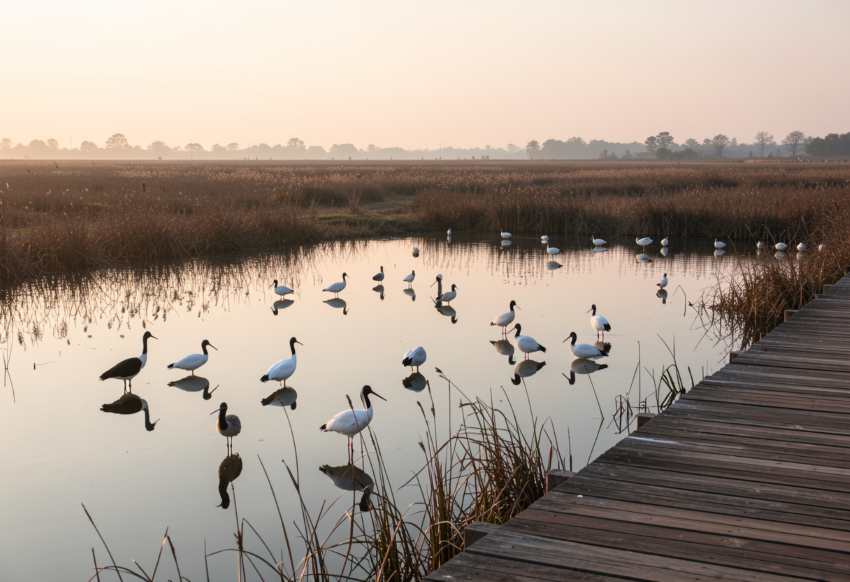
The landscape of sustainable travel in Hong Kong is set to change dramatically as plans to revitalise access to the Mai Po Nature Reserve are put into action. Fanny Yeung, Executive Director of the Travel Industry Council, stated that the partial opening of the Mai Po closed area is expected to be a powerful catalyst for the local tourism sector. However, there has been a strong emphasis on the need for authorities to maintain strict conservation safeguards and a meticulous approach to accessibility management.
Mai Po, a Ramsar Convention-listed site, is internationally recognised for its exceptional biodiversity and role as a critical sanctuary for migratory bird populations. By increasing access to this ecological jewel, a more diverse demographic of international and local tourists is expected to visit the region, cementing Hong Kong’s reputation as more than just a concrete jungle.
Simplifying the Gateway to Nature
Legislative shifts are currently being navigated to ensure that the wonders of the wetlands are more reachable for the general public. In a document submitted to the Legislative Council by the Security Bureau earlier this February, a proposal to amend the Frontier Closed Area Order was detailed. This amendment is intended to facilitate more convenient entry into Mai Po by removing traditional bureaucratic hurdles.
Under the proposed framework, the requirement for a Frontier Closed Area Permit, which is currently issued by the police, would be abolished for those visiting the designated zones. Instead, a streamlined process would be implemented where citizens are only required to obtain a Mai Po Marsh Entry Permit. This permit is managed by the Agriculture, Fisheries and Conservation Department (AFCD) in strict accordance with the Wild Animals Protection Ordinance. Such a change is viewed as a vital step in transitioning from a security-focused restriction to a conservation-led management style.
Strengthening the Image of Environmental Education
The potential for growth in specialized travel sectors is immense. It is anticipated that the opening of these restricted zones will attract a surge of ecotourism enthusiasts, dedicated bird watchers, and academic groups. Furthermore, the development of sophisticated study tours is being encouraged, as these initiatives are believed to strengthen Hong Kong’s standing as a premier hub for environmental education within the Asia-Pacific region.
By allowing visitors to witness the delicate balance of the Pearl River Delta’s ecosystem firsthand, the city can foster a deeper global understanding of wetland preservation. The educational value of Mai Po extends beyond simple sightseeing; it offers a living laboratory for students and researchers to study intertidal mudflats, mangroves, and the complex migratory patterns of rare species like the Black-faced Spoonbill.
Strategic Management and Seasonal Sensitivity
Despite the excitement surrounding increased accessibility, the importance of “quality over quantity” remains a central theme in the government’s strategy. Suggestions have been made that the total number of visitors and the duration of their stay within the restricted areas must be subject to strict controls. To ensure that the human footprint remains minimal, the arrangement of professional guides to lead visitor groups has been proposed as a mandatory or highly encouraged measure.
Ecological sensitivity is particularly heightened during specific times of the year. It has been noted that visit planning must take into careful account the nesting periods and peak migratory seasons of the avian residents. Human activity should be harmonized with the natural rhythms of the wildlife to prevent habitat fragmentation or distress to the birds. This seasonal approach to tourism ensures that the reserve remains a viable sanctuary for generations to come.
Logistical Considerations for a Fragile Environment
The physical infrastructure and transport logistics surrounding the reserve are also under review. Due to the narrow pathways and the sensitive nature of the marshes, a recommendation has been made to implement a limited quota on the number of small-to-medium-sized coaches allowed to enter the vicinity. This measure is designed to mitigate noise pollution and physical congestion, ensuring that the tranquillity of the site is preserved for both the animals and the visitors.
The Security Bureau and the AFCD are expected to work in tandem with organizations like WWF-Hong Kong, which has managed the reserve since the 1980s, to refine these operational details. The goal is to create a seamless experience that balances the public’s right to appreciate natural heritage with the undeniable duty to protect it.
Looking Towards a Sustainable Future
As Hong Kong expands its tourism offerings under the “Tourism Blueprint 2.0”, the integration of ecology and travel is a forward-thinking step. The proposed changes to the Frontier Closed Area are more than just about removing fences; they are also about raising awareness of the intrinsic value of conservation.
By making Mai Po a more accessible but strictly regulated destination, Hong Kong demonstrates that economic revitalisation and environmental stewardship are not mutually exclusive. As the legislative process progresses, both the travel industry and conservationists remain vigilant, ensuring that the primary focus remains on the “wise use” of these global wetlands.
The post The Hidden Corridors of Mai Po: Redefining Hong Kong Ecotourism Through Enhanced Access and Conservation appeared first on Travel And Tour World.