
Reading view

Batik Air, Lion Air, Garuda Indonesia, Singapore Airlines & Malaysia Airlines Face Heat After Boeing 737 Seat Row Detaches in Indonesia—Will Australia, Singapore & India Travelers Rethink Bali Trips as Marriott, Hilton & Accor Watch Closely?

Batik Air, Lion Air, Garuda Indonesia, Singapore Airlines & Malaysia Airlines Face Heat After Boeing 737 Seat Row Detaches in Indonesia—Will Australia, Singapore & India Travelers Rethink Bali Trips as Marriott, Hilton & Accor Watch Closely?
Batik Air, Lion Air and Garuda Indonesia are once again at the center of aviation chatter after a rare cabin safety incident involving a Batik Air Boeing 737 operating between Palembang and Jakarta drew regional attention, prompting fresh scrutiny across Southeast Asia’s airline and tourism sectors.

Batik Air, Lion Air and Garuda Indonesia are once again at the center of aviation chatter after a rare cabin safety incident involving a Batik Air Boeing 737 operating between Palembang and Jakarta drew regional attention, prompting fresh scrutiny across Southeast Asia’s airline and tourism sectors. During takeoff, a three-seat row reportedly detached from its floor-mounted track system, an unusual occurrence in modern commercial aviation where cabin seats are certified to withstand significant structural loads during acceleration and landing. The aircraft landed safely in Jakarta with no reported injuries, but the episode arrives at a sensitive moment for Indonesia’s booming travel industry, which recorded more than 11 million international arrivals in the first nine months of 2025, with Bali alone welcoming over 1.6 million Australian visitors and strong flows from Singapore, India, China, the United Kingdom and beyond. As Indonesia positions itself as one of Asia’s fastest-growing leisure destinations and global hotel giants like Marriott, Hilton and Accor continue expanding their footprint across Bali and Jakarta, even isolated technical incidents can ripple through booking sentiment, corporate travel policies and online search trends. The key question now is not whether Indonesia’s tourism engine will stall—it remains firmly in growth mode—but whether airline-specific perception challenges could subtly influence traveler choice in competitive corridors linking Australia, Singapore and India to Bali’s resorts and Jakarta’s business hubs.

Batik Air, Lion Air, Garuda Indonesia, Singapore Airlines & Malaysia Airlines Face Heat After Boeing 737 Seat Row Detaches in Indonesia

A rare cabin safety incident on a Batik Air Boeing 737 has triggered fresh debate across Southeast Asia’s aviation and tourism sectors. During takeoff from Sultan Mahmud Badaruddin II International Airport in Palembang to Soekarno–Hatta International Airport in Jakarta, a full three-seat row reportedly detached from its seat track system. Cabin crew responded quickly. No injuries were officially reported. The aircraft completed its journey safely. Yet the episode has sparked broader questions about airline maintenance standards, passenger confidence, and potential ripple effects across Indonesia’s booming travel economy.

Indonesia is not a marginal tourism market. It is one of Asia’s fastest-recovering leisure destinations. The country recorded more than 11 million international arrivals in the first nine months of 2025, reflecting double-digit year-on-year growth. Bali alone welcomed millions of foreign visitors in 2025, led by Australia, India, China, Singapore, and the United Kingdom. Tourism spending remains strong, with average foreign visitor expenditure exceeding US$1,200 per trip and average stays around 10 nights. That scale matters. Even minor confidence shifts can influence airline bookings, hotel occupancy, and tour operations.

The incident did not involve an emergency landing. It did not involve flight control systems. It did not lead to reported injuries. But cabin seat structures are certified components. They are designed to withstand significant forward and backward forces during takeoff, landing, and turbulence. A detachment is rare. And rare events generate headlines.

Batik Air, Lion Air, Garuda Indonesia, Singapore Airlines & Malaysia Airlines Under Spotlight as Indonesia’s Aviation Safety Narrative Tightens

Batik Air operates under Indonesia’s Lion Air Group. The group controls a large domestic and regional network using Boeing 737 and Airbus A320 family aircraft. Indonesia’s aviation market is intensely competitive. Lion Air Group, Garuda Indonesia Group, AirAsia Indonesia, and several regional operators compete across dense domestic routes and high-frequency short-haul sectors.

The Palembang–Jakarta route is part of Indonesia’s core domestic network. Jakarta’s Soekarno–Hatta International Airport is the country’s primary international hub. It handles a significant share of Indonesia’s international passenger traffic. Any safety-related narrative connected to flights involving Jakarta naturally draws attention across connecting markets.

Singapore Airlines and Malaysia Airlines are not directly linked to the incident. Yet they operate high-frequency services between Singapore, Kuala Lumpur, and Jakarta, Bali, and other Indonesian cities. When aviation headlines emerge, travelers often generalize beyond a single carrier. That psychological effect can influence booking patterns, even if operational standards differ airline by airline.

Garuda Indonesia, the country’s flag carrier, continues rebuilding international capacity. The airline focuses on premium positioning and long-haul restoration. Meanwhile, Lion Air Group emphasizes scale and connectivity. Safety perception influences both segments. Business travelers prioritize reliability and compliance. Leisure travelers focus on price and convenience, but safety headlines can change search behavior quickly.

Regulatory oversight in Indonesia falls under the Directorate General of Civil Aviation. Seat track systems are part of certified cabin structures. Airlines conduct periodic inspections under approved maintenance programs. When incidents occur, internal investigations typically review installation integrity, component wear, and compliance records. The outcome determines whether the issue was isolated or procedural.

Australia, Singapore & India Travelers Watch Closely as Bali’s Tourism Engine and Marriott, Hilton & Accor Monitor Occupancy Trends

Australia remains Bali’s largest inbound market. More than 1.6 million Australians visited Bali in 2025. The Australia–Bali corridor is one of the busiest leisure air routes in the region. Qantas, Jetstar, Virgin Australia, Garuda Indonesia, and several regional carriers operate frequent services from Sydney, Melbourne, Brisbane, Adelaide, and Perth to Denpasar’s Ngurah Rai International Airport.

Singapore is another major feeder market. Over one million Singapore residents visited Indonesia in recent annual tallies. Short flight times. Visa-free access for ASEAN travelers. Frequent weekend trips. Singapore Airlines, Scoot, Batik Air, and Garuda Indonesia all operate dense schedules between Singapore and Jakarta or Bali.

India is a rapidly expanding source market. More than 600,000 Indian visitors traveled to Indonesia in 2025, many choosing Bali for weddings, honeymoons, and luxury leisure. Direct flights operate from Delhi, Mumbai, and Bengaluru to Jakarta or Bali through carriers including Garuda Indonesia, Singapore Airlines (via Singapore), Malaysia Airlines (via Kuala Lumpur), and other regional hubs.

Hotel groups are watching carefully. Marriott International, Hilton, and Accor operate extensive portfolios across Bali and Jakarta. Bali’s luxury segment includes global brands and high-end resorts in Nusa Dua, Seminyak, Uluwatu, and Ubud. Jakarta’s hospitality sector relies heavily on business and government travel. Hotel occupancy in Indonesia’s star-rated properties hovered above 50 percent in late 2025, reflecting stable recovery.

A single airline-specific incident is unlikely to reverse Indonesia’s tourism growth trajectory. But perception drives bookings. Online travel searches can shift within days of viral headlines. If even a small percentage of travelers reconsider routes or carriers, it can affect load factors and hotel occupancy in peak seasons.

Indonesia’s Tourism Momentum Remains Strong Despite Aviation Headlines

Indonesia’s tourism recovery has been measurable and sustained. International arrivals exceeded 11 million during the first three quarters of 2025. Bali recorded strong monthly arrivals throughout the year, with December peak-season numbers exceeding half a million foreign arrivals in a single month.

Average visitor spending remains robust. With per-visitor expenditures surpassing US$1,200, the tourism economy supports airlines, hotels, restaurants, transport operators, and retail sectors. Domestic tourism also plays a stabilizing role. Tens of millions of domestic trips were recorded in late 2025, cushioning potential volatility from international markets.

Australia, Malaysia, Singapore, China, India, South Korea, the United Kingdom, France, and the United States all feature prominently among top visitor nationalities. This diversification reduces reliance on a single country. If one source market slows temporarily, others often compensate.

What Exactly Happened on the Batik Air Boeing 737 and Why Seat Tracks Matter

Aircraft seats are mounted onto floor tracks designed to distribute load forces across the cabin structure. Certification standards require seats to withstand significant stress during acceleration and deceleration. When a row detaches, it raises questions about installation integrity or hardware fatigue.

In the reported incident, the three-seat row reportedly shifted backward during takeoff roll. Cabin crew acted quickly. The passenger was reseated. The aisle remained unobstructed. The aircraft continued to Jakarta without further disruption.

There is no public confirmation of structural damage beyond the seat track area. There was no reported turbulence event or hard landing preceding the departure. Investigations typically examine maintenance logs, last inspection intervals, and seat reconfiguration history if applicable.

For travelers, the key fact is this: the aircraft completed its flight safely. But safety narratives in aviation depend not only on outcomes, but on public confidence in systems.

Flight Connectivity Between Palembang, Jakarta, Bali and Key International Markets

Jakarta’s Soekarno–Hatta International Airport serves as Indonesia’s primary gateway. It connects to Singapore in roughly 1 hour 50 minutes, Kuala Lumpur in under 2 hours, and Bali in about 1 hour 50 minutes domestically.

Bali’s Ngurah Rai International Airport handles direct services from Australia, Singapore, Malaysia, India (via connections), South Korea, Japan, and Europe through Middle Eastern hubs such as Doha and Dubai. Emirates, Qatar Airways, Singapore Airlines, Malaysia Airlines, and various regional carriers provide connecting access.

For Indian travelers, common routing includes Delhi–Singapore–Bali or Mumbai–Kuala Lumpur–Bali. For Australians, direct flights dominate. For Singapore residents, Bali is a short-haul weekend destination.

Flight frequencies remain high. The aviation network is not disrupted. There are no widespread route suspensions linked to the incident.

How Hospitality Brands Like Marriott, Hilton and Accor Assess Aviation Risk

Global hotel brands monitor airline performance closely. They analyze inbound seat capacity, load factors, and booking lead times. If airline capacity declines, hotel demand follows.

Bali’s resort inventory includes luxury villas, mid-scale resorts, and branded five-star properties. Marriott operates multiple properties across Bali and Jakarta. Hilton and Accor maintain significant footprints in Indonesia’s leisure and business segments.

Hotel occupancy is sensitive to airline connectivity. However, there is no evidence of widespread cancellations following this specific event. Travel demand remains seasonally strong.

Corporate travel managers often reassess airline policies when safety incidents gain attention. But leisure travelers typically evaluate price, schedule, and personal risk perception.

Will Australia, Singapore and India Travelers Rethink Bali Trips?

Historical data shows that isolated technical incidents rarely cause sustained demand declines unless accompanied by regulatory grounding or repeated failures. Indonesia’s tourism growth in 2025 indicates resilience.

Australia’s Bali-bound leisure segment remains robust due to cultural familiarity and short flight times. Singapore travelers benefit from flexibility and frequent alternatives. Indian travelers continue expanding outbound leisure travel as middle-class income rises.

Travel advisories from major governments have not shifted due to this event. Airline operations continue normally. That reduces the likelihood of dramatic booking declines.

Practical Travel Advice for Tourists Visiting Indonesia Now

Choose reputable airlines with transparent maintenance records. Review recent aircraft age and fleet type if concerned. Consider travel insurance that covers trip interruption and medical needs. Arrive early for flights, especially during peak holiday periods.

If seated near an exit row, ensure seat stability before takeoff. Notify cabin crew immediately if any unusual movement occurs. Cabin crew are trained to handle equipment irregularities.

Monitor official airline communications rather than relying solely on social media commentary. Aviation headlines often amplify rare events beyond operational reality.

For Bali-bound travelers, check airport transfer arrangements in advance. Traffic congestion in peak season can delay transfers between Ngurah Rai International Airport and resort areas such as Seminyak or Ubud.

Indonesia’s Broader Tourism Outlook Remains Positive

Indonesia continues targeting priority markets including Malaysia, Singapore, Australia, China, India, Japan, South Korea, the United Kingdom, Germany, France, Russia, the Netherlands, Saudi Arabia, the UAE, and the United States.

Tourism diversification strategies reduce dependence on single corridors. Bali remains dominant, but destinations such as Lombok, Labuan Bajo, and Yogyakarta are expanding visibility.

Airlines across the region are restoring and increasing frequencies. Hotel pipelines include new branded developments across resort and business hubs.

The Batik Air cabin incident is serious. It demands technical clarity. But it does not currently signal systemic collapse. Indonesia’s aviation and hospitality ecosystems are large, interconnected, and increasingly regulated.

Travelers should stay informed. They should rely on verified data. And they should understand that aviation safety systems are built to identify and correct anomalies.

Batik Air, Lion Air and Garuda Indonesia are under renewed scrutiny after a rare seat-row detachment incident on a Batik Air Boeing 737 during takeoff in Indonesia, despite the flight landing safely with no reported injuries. The episode comes as Indonesia’s tourism sector records strong double-digit recovery, raising questions about whether airline perception could influence travelers from Australia, Singapore and India heading to Bali and Jakarta.

Indonesia’s tourism machine continues moving. Airlines continue flying. Hotels continue welcoming guests. Confidence, not panic, will define what happens next.

The post Batik Air, Lion Air, Garuda Indonesia, Singapore Airlines & Malaysia Airlines Face Heat After Boeing 737 Seat Row Detaches in Indonesia—Will Australia, Singapore & India Travelers Rethink Bali Trips as Marriott, Hilton & Accor Watch Closely? appeared first on Travel And Tour World.

Thailand Joins South Korea, Singapore, Malaysia, Vietnam & Australia in Chinese Spring Festival Travel Surge as Air China, China Eastern, China Southern, Thai Airways and Singapore Airlines Ride the Boom — Marriott, Hilton, Accor and Shangri-La See Record Gains While Japan Faces a Stunning 60% Collapse

Thailand Joins South Korea, Singapore, Malaysia, Vietnam & Australia in Chinese Spring Festival Travel Surge as Air China, China Eastern, China Southern, Thai Airways and Singapore Airlines Ride the Boom — Marriott, Hilton, Accor and Shangri-La See Record Gains While Japan Faces a Stunning 60% Collapse
Thailand, South Korea and Singapore are at the center of Asia’s biggest travel comeback story of 2026, as Chinese travelers poured into short-haul destinations during the nine-day Spring Festival holiday,

Thailand, South Korea and Singapore are at the center of Asia’s biggest travel comeback story of 2026, as Chinese travelers poured into short-haul destinations during the nine-day Spring Festival holiday, reshaping airline networks and hotel performance across the region. Thailand reclaimed its position as the most popular overseas choice, welcoming an average of around 30,000 Chinese visitors per day during the holiday stretch, while South Korea projected close to 190,000 Chinese arrivals over the same period, driven by strong shopping demand and expanded flight schedules. Singapore reinforced its gateway status by adding more than 600 supplementary flights connected to Chinese cities for the festive window, underscoring how quickly carriers such as Air China, China Eastern, China Southern, Thai Airways and Singapore Airlines scaled capacity to capture the surge. Across Southeast Asia and into Australia, hotel groups including Marriott, Hilton, Accor and Shangri-La reported heightened occupancy in key leisure districts as cross-border trips climbed into the millions, reflecting renewed travel confidence and the powerful pull of visa-friendly policies and short flight times. At the same time, Japan experienced a sharp year-on-year drop in Chinese arrivals in January, creating one of the most dramatic contrasts in regional tourism performance and signaling a decisive shift in where Chinese outbound travelers are choosing to spend their holidays in 2026.

Thailand Joins South Korea, Singapore, Malaysia, Vietnam & Australia in Chinese Spring Festival Travel Surge as Air China, China Eastern, China Southern,

Asia has reclaimed its position as the heartbeat of Chinese outbound travel. During the nine-day 2026 Spring Festival holiday, millions crossed borders in a dramatic rebound that reshaped regional aviation flows and hospitality performance. Thailand led the surge. South Korea, Singapore, Malaysia, Vietnam and Australia followed closely. Airlines added capacity. Hotels filled rooms. Retail sales spiked. Meanwhile, Japan saw a sharp contraction in Chinese arrivals, creating one of the most striking travel contrasts of the year. For travelers planning their next trip, the shift signals new opportunities, better connectivity and changing value dynamics across Asia-Pacific.

Thailand, South Korea, Singapore, Malaysia, Vietnam & Australia Dominate as Air China, China Eastern and China Southern Expand Spring Festival Capacity

Short-haul convenience defined the holiday. Chinese travelers prioritized destinations within four to six hours of flight time. Thailand emerged as the most popular overseas choice. During the Spring Festival window, average daily Chinese arrivals into Thailand climbed to roughly 30,000, about double normal seasonal levels. Between January 1 and mid-February, Thailand welcomed more than five million international visitors, with China ranking as the largest source market.

Airlines responded fast. Air China, China Eastern and China Southern increased frequencies to Bangkok, Phuket, Seoul, Singapore and Kuala Lumpur. Capacity to Southeast Asia in February rose sharply compared with the same month last year, reflecting strong forward bookings. Thai Airways added services between Bangkok and major Chinese cities. Singapore Airlines and its regional partners introduced supplementary Lunar New Year flights linking Singapore with multiple mainland hubs. The result was higher seat availability, competitive fares on some routes, and strong load factors across premium leisure corridors.

South Korea also saw a surge. Authorities projected nearly 190,000 Chinese arrivals during the extended holiday period, marking a significant increase from last year. Seoul Incheon International Airport handled expanded frequencies from Chinese carriers and Korean Air. Singapore’s Changi Airport scheduled more than 600 additional flights connected to China for the festive season, strengthening its role as a regional transit hub. Vietnam benefited from capacity growth into Hanoi and Ho Chi Minh City, while Australia saw rising demand into Sydney and Melbourne, supported by increased frequencies and seasonal scheduling adjustments.

The airline story is clear. Carriers pivoted toward Southeast Asia and South Korea, where demand momentum was strongest. Routes to Japan, in contrast, recorded reduced passenger volumes and lower frequency growth during the same period. For airlines, the redistribution of capacity optimized revenue per available seat while protecting margins in high-demand markets.

Thailand, South Korea, Singapore, Malaysia, Vietnam & Australia See Marriott, Hilton, Accor and Shangri-La Capture Record Holiday Occupancy

The hospitality sector felt the ripple effect immediately. In Bangkok and Phuket, upscale hotels reported strong occupancy during the holiday stretch. International chains such as Marriott, Hilton, Accor and Shangri-La benefited from returning Chinese leisure groups and independent travelers. Demand concentrated around beach resorts, city shopping districts and family-oriented properties.

South Korea experienced a retail-fueled hospitality boost. Department store sales to Chinese customers jumped dramatically during the festival week, especially in Seoul. That spending momentum supported hotel bookings near shopping districts like Myeongdong and Gangnam. Properties under global brands saw higher average daily rates compared with last year’s holiday period.

Singapore’s hotels also enjoyed peak occupancy around Orchard Road and Marina Bay. The city-state’s visa-free arrangement for short stays, combined with reliable air connectivity, positioned it as an easy entry point. Malaysia saw stronger bookings in Kuala Lumpur and Penang, while Vietnam recorded gains in Da Nang and coastal leisure zones. Australia’s Sydney market benefited from increased long-haul leisure arrivals, particularly around iconic waterfront districts.

Meanwhile, Japan experienced a notable downturn in Chinese arrivals, with visitor numbers in January falling more than 60 percent year-on-year. The contraction affected hotel occupancy in cities that traditionally rely heavily on Chinese tour groups. Luxury retailers and duty-free operators felt the decline, creating a clear regional contrast with Southeast Asia and South Korea.

For hotel operators, the message is strategic. Markets that offered easier entry policies, competitive pricing and short flight durations captured demand. Properties that invested in Mandarin-speaking staff, digital payment compatibility and culturally tailored amenities outperformed peers.

Airlines Rebalance Networks as Japan Traffic Falls and Southeast Asia Gains

The aviation impact extends beyond a single holiday. China recorded nearly 17.8 million cross-border trips during the Spring Festival period, representing double-digit growth year-on-year. Airlines tracked real-time booking trends and adjusted aircraft deployment accordingly.

Flights between China and Thailand saw particularly strong load factors. Bangkok remained the busiest international gateway, followed by Phuket. Seoul ranked high among Northeast Asian destinations. Singapore strengthened its hub role with increased connecting flows to Australia and Southeast Asia.

By contrast, traffic on China–Japan routes dropped significantly during the early part of the year. Passenger volumes and flight operations decreased compared with last year’s levels. Airlines serving Japan routes faced weaker forward bookings and had to adjust pricing strategies. Some carriers redeployed capacity toward Southeast Asia and Australia, where yields were stronger.

For travelers, this rebalancing means more competitive fares and seat options on popular Southeast Asian routes, especially when booking in advance. Premium cabins also filled quickly during peak days, so early reservations remain essential.

Thailand Leads the Recovery as Confidence and Connectivity Return

Thailand’s rebound reflects both policy and perception shifts. Despite earlier concerns about safety narratives and currency fluctuations, the destination regained traveler confidence. Direct flights from major Chinese cities to Bangkok and Phuket operate frequently. Flight times average around three to four hours from southern China and slightly longer from northern hubs.

Bangkok offers urban culture, street food, luxury shopping and riverfront experiences. Phuket attracts families seeking beach relaxation and water activities. The diversity of experiences within a short distance makes Thailand an appealing winter escape.

Tourism authorities aim to sustain momentum by improving visitor services and infrastructure. Enhanced airport processes and digital payment acceptance add convenience. Hotels continue to upgrade facilities to meet post-pandemic expectations for cleanliness and technology integration.

For travelers, peak-season advice is simple. Book flights and accommodations early. Monitor baggage policies, as holiday routes often experience weight restrictions. Choose reputable transport services from airports. And consider travel insurance that covers delays during high-traffic periods.

South Korea Capitalizes on Retail Tourism and Cultural Appeal

South Korea’s growth during the holiday period stemmed partly from renewed consumer interest in cosmetics, fashion and entertainment culture. Seoul remains a magnet for shopping and themed attractions. Airlines such as Korean Air and major Chinese carriers increased frequencies to meet demand.

Flight durations from eastern China to Seoul average about two hours. That short travel time makes weekend extensions feasible. Hotels near major retail districts saw strong bookings. Travelers favored properties within walking distance of subway lines for convenience.

Practical tips for visitors include checking entry requirements in advance and confirming eligibility for electronic travel authorizations if applicable. Public transport in Seoul is efficient and bilingual signage is widespread. Peak shopping periods can be crowded, so plan visits during weekday mornings when possible.

Singapore Strengthens Its Role as a Seamless Gateway

Singapore’s appeal lies in efficiency and connectivity. The city-state introduced hundreds of supplementary flights for the festive period. Airlines increased direct services from Chinese secondary cities, broadening access beyond major hubs.

Changi Airport’s smooth transfer processes attract transit passengers heading to Australia or Southeast Asia. Singapore Airlines offers extensive regional networks. Flight time from Shanghai or Beijing averages about five to six hours.

Hotels across Marina Bay and Orchard Road saw robust bookings. Family-friendly attractions such as Sentosa Island and Gardens by the Bay experienced heightened footfall. For tourists, visa-free short stays simplify planning. Accommodation rates peak during holiday windows, so flexible travel dates may yield better value.

Malaysia and Vietnam Ride the Short-Haul Wave

Malaysia benefited from its mix of urban culture and island escapes. Kuala Lumpur’s shopping malls and food scene appeal to leisure travelers, while Penang offers heritage charm. Airlines such as AirAsia and China Southern maintain dense connectivity. Flight times from southern China average around four hours.

Vietnam’s rise reflects competitive pricing and expanding air links. Hanoi and Ho Chi Minh City serve as gateways to beach destinations and cultural tours. Capacity growth during the holiday period signaled confidence in demand sustainability. Travelers should review visa policies prior to departure, as regulations can evolve.

Both destinations offer favorable exchange rates compared with some Northeast Asian markets. That value proposition, combined with culinary diversity, enhances appeal for family trips.

Australia Gains from Long-Haul Leisure Interest

Australia stood out among long-haul markets. Sydney Airport handled increased frequencies from Greater China during the peak travel season. Flight times range from nine to eleven hours, depending on departure city. Carriers including Qantas and major Chinese airlines adjusted schedules to capture holiday flows.

Sydney’s waterfront landmarks and summer climate align well with the January–February holiday window. Hotels in central districts reported strong advance bookings. Travelers planning Australia trips should allow adequate time for visa processing and consider booking internal flights early, as domestic sectors fill quickly during Australian summer holidays.

Japan Faces Headwinds as Regional Dynamics Shift

While Southeast Asia and South Korea thrived, Japan experienced a downturn in Chinese visitor numbers in January, with arrivals falling sharply year-on-year. The drop affected hospitality occupancy and retail revenues in cities historically reliant on Chinese tour groups.

Airlines reduced some frequencies and monitored booking trends closely. For travelers considering Japan, this shift may translate into competitive hotel pricing in certain cities. However, it also underscores how quickly geopolitical or perception factors can influence travel patterns.

What This Means for Airlines and Hotels in 2026

The 2026 Spring Festival period confirms a structural shift toward short-haul, visa-friendly and culturally diverse destinations. Airlines that respond rapidly to demand signals gain revenue advantages. Hospitality brands that adapt services to Chinese traveler preferences see stronger occupancy and ancillary spending.

Marriott, Hilton, Accor and Shangri-La strengthened their regional portfolios during the surge. Properties that integrated mobile check-in, Mandarin-language concierge services and familiar dining options reported strong guest satisfaction scores.

Airlines focused on operational reliability during peak days. On-time performance becomes critical when millions travel within compressed windows. Carriers that managed schedules efficiently preserved brand loyalty.

Travel Planning Tips for the Next Peak Season

Book flights at least two to three months ahead for Spring Festival travel. Compare direct and one-stop options for better pricing. Monitor baggage rules and seat selection fees. Choose hotels near transit links to reduce commute times. Verify entry requirements directly with official authorities before departure. Purchase travel insurance covering trip interruptions. And consider traveling just before or after the main holiday window to secure better rates.

Thailand, South Korea and Singapore have emerged as the biggest winners of the 2026 Spring Festival travel surge, as Chinese outbound trips climbed sharply and airlines added hundreds of extra flights across Asia-Pacific.

With Thailand welcoming roughly 30,000 Chinese visitors per day during the holiday and regional carriers expanding capacity, Southeast Asia and Australia are riding a powerful tourism rebound while Japan faces a steep year-on-year decline.

Asia’s rebound story is not just about numbers. It reflects renewed confidence. It shows how connectivity, policy and perception shape travel flows. Thailand leads the wave. South Korea, Singapore, Malaysia, Vietnam and Australia ride it strongly. Airlines optimize routes. Hotels capture demand. Japan navigates a temporary contraction. For travelers, the landscape is dynamic and full of choice. The 2026 Spring Festival surge marks not just a seasonal spike, but a powerful signal of where Chinese outbound tourism is headed next.

The post Thailand Joins South Korea, Singapore, Malaysia, Vietnam & Australia in Chinese Spring Festival Travel Surge as Air China, China Eastern, China Southern, Thai Airways and Singapore Airlines Ride the Boom — Marriott, Hilton, Accor and Shangri-La See Record Gains While Japan Faces a Stunning 60% Collapse appeared first on Travel And Tour World.

Canada Joins Australia, New Zealand, United States, Norway, Sweden, Finland and Japan: Air Canada, Qantas, Air New Zealand & Delta Fuel an Indigenous Tourism Boom—While Marriott, Hilton, Hyatt and Accor Race to Cash In, Here’s What Travelers Need to Know

Canada Joins Australia, New Zealand, United States, Norway, Sweden, Finland and Japan: Air Canada, Qantas, Air New Zealand & Delta Fuel an Indigenous Tourism Boom—While Marriott, Hilton, Hyatt and Accor Race to Cash In, Here’s What Travelers Need to Know
Canada, Australia and New Zealand are no longer treating Indigenous tourism as a niche offering—it is fast becoming a defining force in their national travel strategies, backed by measurable economic impact and expanding global air connectivity.

Canada, Australia and New Zealand are no longer treating Indigenous tourism as a niche offering—it is fast becoming a defining force in their national travel strategies, backed by measurable economic impact and expanding global air connectivity. In Canada alone, Indigenous tourism generated approximately $3.7 billion in revenue in 2023 and supported more than 54,000 jobs, with the country publicly setting a goal to become the world leader in Indigenous tourism by 2030. Australia continues to elevate Aboriginal and Torres Strait Islander experiences as a core part of its international branding, while New Zealand’s Māori-led tourism remains central to its visitor economy. At the same time, international arrivals to Canada have shown strong year-on-year growth in key overseas markets such as the United Kingdom, France, Germany, India and Japan, with the vast majority arriving by air—strengthening the role of long-haul carriers like Air Canada, Qantas, Air New Zealand and Delta in connecting culturally curious travelers to remote communities and heritage-rich regions. Major hotel groups including Marriott, Hilton, Hyatt and Accor are expanding their presence in gateway cities and experiential destinations, recognizing that travelers are spending more on meaningful, community-led experiences. This convergence of rising demand, expanding airline networks and hospitality investment signals a structural shift in global tourism—one where Indigenous voices, ownership and storytelling are not peripheral, but central to the future of travel.

Canada Joins Australia, New Zealand, United States, Norway, Sweden, Finland and Japan: Air Canada, Qantas, Air New Zealand & Delta Fuel an Indigenous Tourism Boom

Indigenous tourism is no longer a niche segment. It is becoming a central pillar of global travel strategy. Canada is positioning itself as a world leader in Indigenous tourism by 2030, while Australia, New Zealand, the United States, Norway, Sweden, Finland and Japan are investing in Indigenous-led cultural experiences. Airlines are expanding long-haul connectivity. Major hotel brands are aligning with cultural travel demand. And travelers are actively seeking authentic, community-led experiences that go beyond sightseeing.

Canada’s recent hosting of the 13th International Indigenous Tourism Conference in Edmonton signaled that the movement is both global and commercially significant. More than 1,000 delegates from multiple countries gathered to discuss economic growth, cultural sustainability and tourism development. The message was clear: Indigenous tourism is now an economic driver with measurable impact.

Canada’s Indigenous tourism sector generated approximately $3.7 billion in revenue in 2023 and supported more than 54,000 jobs nationwide. Government tax contributions exceeded $1 billion. These are not symbolic numbers. They represent an established industry expanding in scale and influence.

Canada, Australia, New Zealand, United States Lead Indigenous Tourism Expansion

Canada is actively developing Indigenous tourism across provinces, particularly in British Columbia, Alberta, Ontario and Quebec. Many Indigenous tourism businesses operate in rural and remote regions, ensuring revenue distribution beyond urban centers. This supports community employment and cultural preservation.

Australia has long integrated Aboriginal and Torres Strait Islander experiences into its tourism narrative. Tourism Australia actively promotes Indigenous cultural tours in the Northern Territory and Western Australia. New Zealand continues to position Māori tourism as a core attraction in Rotorua, Auckland and the South Island.

The United States supports Native American tourism initiatives across states such as Arizona, New Mexico, South Dakota and Alaska. Norway, Sweden and Finland are expanding Sámi cultural tourism experiences in Arctic regions. Japan is promoting Ainu cultural heritage in Hokkaido.

These countries share a common strategy. They integrate Indigenous-led experiences into mainstream tourism infrastructure rather than isolating them. The model focuses on authenticity, ownership and long-term economic sustainability.

Air Canada, Qantas, Air New Zealand & Delta Expand Routes as Indigenous Tourism Demand Rises

Air connectivity plays a decisive role in cultural tourism growth. Statistics Canada reported that overseas arrivals to Canada rose significantly in late 2025, with more than 500,000 overseas visitors recorded in December alone. Over 90 percent of overseas travelers arrived by air. India, China, Brazil, Japan and European markets all showed double-digit growth compared to the previous year.

Air Canada continues to expand long-haul routes connecting Toronto and Vancouver with London, Paris, Frankfurt, Delhi, Tokyo and Sydney. Qantas operates direct routes between Australia and North America, including Sydney to Vancouver and Sydney to Dallas, enabling seamless connections into Canada and the United States. Air New Zealand links Auckland to Vancouver and major US gateways. Delta maintains strong transpacific and transatlantic networks connecting to Canada through US hubs.

More routes mean shorter travel times and competitive fares. They also mean more culturally curious travelers entering Indigenous tourism regions. Airlines are marketing experiential travel packages that include community-led tours and remote destinations.

Travelers from the United Kingdom, France, Germany, India, Japan and Australia are among the top overseas visitors to Canada. Growth from India exceeded 50 percent year-on-year in recent monthly data. China and Brazil also posted strong gains. This trend directly benefits airlines operating these routes.

For travelers, this translates into more non-stop options, better seasonal connectivity and improved fare competition.

Marriott, Hilton, Hyatt and Accor Strengthen Presence in Cultural Destinations

Global hospitality brands are not ignoring this shift. Marriott International, Hilton, Hyatt and Accor are expanding footprints in regions that serve as gateways to Indigenous tourism experiences.

In Canada, Marriott and Hilton properties operate in Vancouver, Calgary, Edmonton and Toronto, offering access to nearby Indigenous cultural tours. Accor’s Fairmont portfolio includes properties near heritage-rich destinations such as Banff and Lake Louise. Hyatt continues to expand lifestyle brands that align with experiential travel.

Hotels increasingly collaborate with local Indigenous operators. Some properties feature Indigenous art installations, curated culinary offerings and partnerships with community guides.

In Australia, Accor and Marriott operate near Uluru and Northern Territory cultural experiences. In New Zealand, Hilton and Marriott properties serve Rotorua and Queenstown, connecting guests with Māori cultural performances and eco-tours.

Hospitality brands recognize that experiential travel drives higher room rates and longer stays. Cultural tourism travelers typically spend more on guided tours, specialty dining and locally crafted goods. This increases average daily rate performance for hotels in these regions.

United Kingdom, France, Germany, India, Japan and Australia Among Top Markets Visiting Canada

Recent official data shows strong visitation from the United Kingdom and France, each sending tens of thousands of visitors monthly. Germany, Australia, India and Japan also rank among key overseas markets.

India has emerged as one of the fastest-growing outbound markets to Canada. Improved air connectivity and diaspora ties support this trend. Japan’s outbound travelers continue to seek nature and cultural authenticity. Germany and France show consistent demand for heritage and eco-based travel.

For these countries, Indigenous tourism offers differentiation. It provides unique storytelling and meaningful cultural interaction not easily replicated elsewhere.

Airlines benefit from increased premium cabin bookings and long-haul demand. Hotels benefit from multi-night stays near heritage destinations.

Norway, Sweden and Finland Expand Arctic Indigenous Tourism

Northern Europe is also expanding Indigenous-led tourism. Norway, Sweden and Finland are developing Sámi cultural tourism experiences in Arctic regions.

These include reindeer herding experiences, storytelling sessions and cultural immersion programs. Scandinavian carriers such as SAS and Finnair connect Arctic cities to major European hubs, allowing global visitors to access remote Indigenous destinations.

Canada’s Arctic regions are observing similar interest. Nunavut and Northern Territories promote Indigenous cultural tours during Northern Lights seasons. Airlines and hotels are carefully expanding infrastructure to meet growing demand without compromising sustainability.

Japan and Ainu Cultural Tourism Growth

Japan is investing in Ainu heritage promotion in Hokkaido. Cultural museums and immersive experiences attract domestic and international travelers. Japan Airlines and ANA connect Tokyo to global markets, facilitating inbound tourism flows.

As Japan strengthens Indigenous heritage promotion, outbound Japanese travelers also show increased interest in Indigenous tourism abroad, including Canada and Australia.

Economic Impact on Airlines and Hospitality

Indigenous tourism’s economic footprint is significant. In Canada alone, the sector supports tens of thousands of jobs. Over 60 percent of Indigenous tourism businesses operate in rural and remote communities.

Airlines benefit through increased long-haul demand. International leisure travelers often combine city stays with remote cultural experiences. This increases connecting flight segments and overall ticket yield.

Hotels benefit through higher occupancy during conference periods, such as the International Indigenous Tourism Conference in Edmonton, which brought over 1,000 delegates. Conferences drive immediate room-night demand and long-term tour packaging opportunities.

Restaurant and local supplier spending increases during such events. Artisans and cultural performers receive direct revenue.

Travel Tips for Experiencing Indigenous Tourism

Book directly with Indigenous-owned operators whenever possible. Look for certifications and recognized Indigenous tourism associations.

Plan travel around seasonal experiences. Arctic regions offer winter Northern Lights programs. Summer provides land-based storytelling tours and outdoor immersion.

Allow extra travel time for remote destinations. Flights to smaller communities may operate seasonally or require connections through major hubs such as Vancouver, Calgary or Edmonton.

Stay in gateway cities with strong air connectivity. Toronto, Vancouver and Calgary provide frequent international connections.

Engage respectfully. Follow cultural protocols shared by guides. Photography rules may vary.

Consider shoulder seasons. Spring and autumn often provide fewer crowds and better hotel rates.

Flight Details Travelers Should Know

Air Canada connects major European capitals and Asia-Pacific hubs to Toronto and Vancouver year-round. Qantas operates direct services linking Australia and North America, including Vancouver during peak seasons. Air New Zealand operates Auckland–Vancouver seasonal routes and maintains strong US gateway connectivity. Delta provides connections through Seattle, Minneapolis and Detroit into Canada.

Finnair and SAS connect Nordic markets to North America via Helsinki and Copenhagen. Lufthansa provides strong Germany–Canada links. Japan Airlines and ANA operate direct Tokyo services to Canadian gateways.

Seasonal pricing varies significantly. Summer remains peak travel for Canada and Nordic destinations. Winter sees increased demand for Northern Lights and Arctic cultural tours.

Why This Movement Matters Now

Travelers increasingly prioritize meaningful experiences. Cultural authenticity ranks high in post-pandemic travel surveys across global markets.

Indigenous tourism delivers economic sovereignty. It channels revenue directly to communities. It revitalizes language and tradition. It fosters youth employment.

For airlines, it represents high-yield experiential travel. For hotels, it creates differentiated guest experiences.

Canada’s ambition to become the world leader in Indigenous tourism by 2030 aligns with similar global efforts in Australia and New Zealand. Nordic countries are leveraging Arctic cultural assets. Japan is elevating Ainu heritage.

This is not a passing trend. It is a structural shift in how destinations define value.

What Travelers Need to Know Before Booking

Research operators carefully. Confirm Indigenous ownership or partnership.

Plan early for summer and Arctic winter seasons.

Use major airlines for flexibility and reliability. Monitor fare sales during shoulder seasons.

Stay in properties that support community partnerships. Ask hotels about cultural collaborations.

Respect cultural guidelines. Listen more than you speak.

Support local artisans. Purchase directly when possible.

Travel insurance is essential for remote destinations.

Indigenous tourism is transforming global travel landscapes. Canada is leading the charge, supported by strong airline networks and major hospitality brands adapting quickly.

Canada, Australia and New Zealand are driving a powerful surge in Indigenous tourism, backed by billions in economic impact and rapidly expanding global air connectivity. As international arrivals rise and airlines and hotel giants scale up, culturally led travel is becoming one of the fastest-growing forces shaping the future of global tourism.

The result is a powerful alignment of culture, commerce and connectivity. For travelers seeking deeper meaning in their journeys, this is the moment to engage.

The post Canada Joins Australia, New Zealand, United States, Norway, Sweden, Finland and Japan: Air Canada, Qantas, Air New Zealand & Delta Fuel an Indigenous Tourism Boom—While Marriott, Hilton, Hyatt and Accor Race to Cash In, Here’s What Travelers Need to Know appeared first on Travel And Tour World.

Australia, India, China, United States & UK Travelers Face Chaos as Qantas, AirAsia, Singapore Airlines and Garuda Indonesia Flights Disrupted in Bali Flood Emergency — Marriott, Hilton and Accor Hotels Scramble Amid Tripadvisor’s ‘World’s Best Destination’ Shock

Australia, India, China, United States & UK Travelers Face Chaos as Qantas, AirAsia, Singapore Airlines and Garuda Indonesia Flights Disrupted in Bali Flood Emergency — Marriott, Hilton and Accor Hotels Scramble Amid Tripadvisor’s ‘World’s Best Destination’ Shock
Australia, India, China, United States & UK travelers arrived in Bali expecting sunshine and serenity — but instead encountered flooded streets,

Australia, India, China, United States & UK travelers arrived in Bali expecting sunshine and serenity — but instead encountered flooded streets, flight disruptions and emergency evacuations after intense monsoon rainfall swept across Denpasar, Badung, Kuta and Legian on February 23–24, 2026. Hundreds of people sought temporary safety, including dozens of foreign tourists, as waters inundated roads and public facilities, while several international flights were diverted and departures delayed at Ngurah Rai International Airport amid severe weather alerts warning of heavy rain, strong winds and high waves in southern waters. The timing stunned the global travel community: Bali had just been crowned the world’s best destination in Tripadvisor’s 2026 Travelers’ Choice Awards, and the island had recorded nearly 6.95 million direct foreign arrivals in 2025, with Australia alone contributing more than 1.6 million visitors, followed by India and China as rapidly expanding markets. Hotels in key tourist districts activated emergency protocols, relocating guests from vulnerable areas while airlines adjusted schedules to maintain safety. The episode did not result in reported fatalities, and airport operations continued despite interruptions, but it underscored a growing reality for the global tourism industry — even the most celebrated destinations are increasingly vulnerable to extreme weather events, forcing airlines, hospitality giants and millions of international travelers to rethink preparedness in an era of climate volatility.

Australia, India, China, United States & UK Travelers Face Chaos as Qantas, AirAsia, Singapore Airlines and Garuda Indonesia Flights Disrupted in Bali Flood Emergency

Bali woke up to chaos. Intense monsoon rainfall battered Indonesia’s most famous island on February 23 and 24, 2026. Streets in Denpasar, Badung, Kuta and Legian flooded quickly. Hotels faced rising water. Tourists were evacuated by rubber boats. Flights were diverted. Departures were delayed. And the shock was amplified by one fact: Bali had just been crowned the world’s best destination in Tripadvisor’s 2026 Travelers’ Choice Awards.

The contrast was stark. Paradise was underwater. Travelers from Australia, India, China, the United States and the United Kingdom found themselves in the middle of a climate reality check. Bali remains one of Asia’s strongest tourism engines. In 2025, the island recorded nearly 6.95 million direct foreign arrivals, up almost 10 percent year-on-year. December alone saw over 572,000 foreign visitors. Hotel occupancy in star-rated properties stood above 60 percent during the final month of 2025. Demand is strong. But extreme weather is growing stronger too.

This is what happened. This is what it means for airlines and hotels. And this is what travelers need to know.

Australia, India, China, United States & UK Travelers Disrupted as Qantas, AirAsia, Singapore Airlines and Garuda Indonesia Adjust Schedules Amid Bali Airport Turmoil

Ngurah Rai International Airport in Denpasar remained operational. But it did not run smoothly. Torrential rain reduced visibility. Runways remained open, yet aircraft rotations were affected. Two international flights were diverted on February 23. Several departures were delayed on February 24. Airlines made operational decisions to prioritize safety.

Indonesia AirAsia diverted a Phuket–Denpasar service to Jakarta before repositioning it later. A Cebu Pacific flight from Manila was rerouted to Makassar before continuing. Regional carriers adjusted slot timings. Ground crews worked overtime. Aircraft turnaround times increased due to weather-related congestion.

For Australian travelers, the impact was immediate. Australia is Bali’s largest source market, accounting for over 1.6 million arrivals in 2025. Carriers such as Qantas and Jetstar operate multiple daily services from Sydney, Melbourne, Brisbane and Perth. Jetstar alone maintains dense leisure frequency to Denpasar. When delays occur, ripple effects spread quickly across the network.

Indian travelers felt pressure too. India sent over 569,000 visitors to Bali in 2025. IndiGo and AirAsia serve routes into Southeast Asia hubs connecting onward to Denpasar. Even if IndiGo does not operate direct long-haul to Bali, Indian passengers rely heavily on connecting hubs like Singapore and Kuala Lumpur. Any diversion or delay in Bali affects return itineraries and onward connections.

Chinese travelers, numbering more than 537,000 last year, often use China Southern, China Eastern and connecting routes through Singapore Airlines or regional carriers. South Korea, the UK, France and the United States also send significant volumes. Singapore Airlines plays a critical role as a feeder through Changi. Delays in Bali disrupt tightly coordinated long-haul connections.

Airlines activated contingency procedures. Crews monitored weather updates from Indonesia’s meteorology agency, which issued red-level alerts warning of heavy rainfall, strong winds up to around 45 km/h and wave heights potentially reaching four meters in southern waters. Safety remained the top priority.

For travelers, the lesson is clear. Always monitor your airline app. Arrive early during heavy rain alerts. Allow extra time for ground transport in Kuta and Legian, where flooding can slow traffic dramatically.

Australia, India, China, United States & UK Tourists Relocated as Marriott, Hilton and Accor Hotels Respond to Flood Emergency in Bali’s Prime Districts

The hotel sector reacted fast. Around 350 people temporarily sought safety as floodwaters rose in parts of Denpasar and Badung. Approximately 30 foreign tourists were evacuated from flooded areas. Most returned to accommodations after water levels receded. There were no fatalities reported in this specific February event.

Global hospitality brands maintain strong footprints in Bali. Marriott International operates multiple properties including luxury and lifestyle brands across Nusa Dua, Seminyak and Ubud. Hilton has beachfront resorts and upscale urban hotels. Accor runs extensive portfolios under Sofitel, Pullman, Novotel and Mercure flags.

Flooding in low-lying coastal zones such as Legian and Kuta primarily affects ground floors, public areas and road access rather than upper-room inventory. Most international hotels are built with drainage planning. Yet extreme rainfall can overwhelm even modern infrastructure.

Hotels initiated internal emergency protocols. Staff relocated guests from ground-floor rooms. Engineering teams deployed pumps. Concierge desks coordinated transfers to alternative properties where necessary. Some guests chose to shift hotels temporarily. Others delayed excursions.

The hospitality industry in Bali is experienced in handling monsoon events. The island’s rainy season runs roughly from November to March. However, climate volatility has intensified rainfall patterns in recent years. Flash floods are becoming more frequent.

Occupancy levels remain solid. With nearly seven million foreign arrivals in 2025 and strong domestic tourism, Bali’s hotel sector continues to operate at scale. Short-term weather events cause localized cancellations. But demand tends to rebound quickly once skies clear.

For travelers, the advice is practical. Choose reputable international or established local hotels. Confirm whether your property has flood response measures. Request upper-floor rooms during heavy rain periods. Purchase flexible booking rates during monsoon months.

Airlines Face Short-Term Cost Pressures but Long-Term Bali Demand Remains Strong

Operational disruptions carry financial consequences. Diversions increase fuel burn. Ground handling fees rise. Crew duty times may extend. Airlines absorb re-accommodation costs for stranded passengers. However, these impacts are typically short-lived unless airport closure persists.

Bali remains one of the most profitable leisure routes in Asia-Pacific. Load factors from Australia consistently exceed seasonal averages. Singapore Airlines maintains steady connectivity from Europe and North America through Changi. Garuda Indonesia relies heavily on Denpasar as a tourism gateway.

Short weather events rarely dent annual traffic significantly. The 6.95 million foreign arrivals recorded in 2025 demonstrate strong post-pandemic recovery and sustained travel appetite. December’s 572,668 arrivals show year-end resilience.

Airlines continue to expand Bali connectivity. Australia, India and China remain growth markets. Indian outbound travel to Southeast Asia is increasing steadily. Chinese tourism has been recovering gradually. Australian demand remains robust due to geographic proximity and visa accessibility.

Climate risk is now embedded into airline planning. Carriers increasingly factor in seasonal variability. Schedule buffers are tighter. Weather monitoring is more advanced. Diversions, though disruptive, are part of operational resilience.

Hospitality Industry Braces for Climate Volatility While Reinforcing Infrastructure

Bali’s tourism infrastructure has improved in recent years. Investments in drainage, road upgrades and hotel resilience have increased. Yet rapid development in coastal areas places pressure on natural water flow.

International hotel chains emphasize sustainability. Many have adopted green drainage systems, water recycling and landscaping designed to manage heavy rainfall. Still, sudden extreme downpours can overwhelm systems.

Industry leaders acknowledge climate vulnerability. Flash floods in September 2025 resulted in fatalities in parts of Bali. Authorities have since increased monitoring and issued earlier alerts. February’s event was handled with faster coordination and no loss of life.

The hospitality sector must now balance growth with resilience. Bali has also faced waste management concerns and debates over beach privatization. These broader environmental issues intersect with climate risk.

For travelers, this means choosing properties that communicate sustainability and safety commitments clearly. Responsible tourism supports long-term island stability.

Which Countries Are Most Exposed and How Much Are They Affected?

Australia leads Bali’s visitor charts with over 1.63 million arrivals in 2025. A disruption during peak school holidays can affect thousands of Australians simultaneously. However, most disruptions lasted less than 24 hours in February’s case.

India, with 569,260 arrivals, represents a fast-growing wedding and leisure segment. Indian travelers often plan multi-destination Southeast Asia trips. A short Bali delay may shift itineraries but rarely cancels entire journeys.

China contributed over 537,000 visitors last year. Chinese travel remains sensitive to safety perceptions. Transparent communication by authorities is critical to maintain confidence.

South Korea, the UK, France and the United States collectively represent hundreds of thousands of long-haul arrivals. These travelers typically book longer stays. Short-term flooding affects daily activities but not entire vacations.

Malaysia, Singapore and Japan contribute strong regional traffic. Short-haul weekend travel can be postponed more easily, but volumes remain resilient.

Overall, the February flooding appears to be a temporary operational event rather than a structural tourism downturn.

Travel Tips for Tourists Planning Bali Trips During Monsoon Season

Check weather forecasts daily. Indonesia’s meteorology agency provides rainfall and wave alerts. Avoid marine excursions when wave heights approach warning thresholds.

Allow extra travel time to the airport. Flooding in Kuta and Legian can create traffic bottlenecks.

Buy travel insurance that covers weather-related disruptions.

Stay connected to airline apps for real-time flight status updates.

Book accommodations with flexible cancellation policies.

Choose higher-ground areas like Ubud or Nusa Dua if concerned about coastal flooding.

Respect local advisories and avoid flooded streets. Fast-moving water can conceal hazards.

Bali’s Tourism Future: Strong but Vulnerable

Bali remains one of the world’s most sought-after leisure destinations. Tripadvisor’s recognition reflects consistent global admiration. Nearly seven million foreign arrivals in 2025 confirm commercial strength.

Yet climate extremes are no longer abstract risks. They are operational realities. Airlines must adapt. Hotels must reinforce infrastructure. Governments must improve drainage and land planning.

The February 2026 flooding was contained quickly. No fatalities occurred. Airport operations resumed normalcy. Most tourists returned to their plans within days.

Still, the message is clear. Even the world’s best destination is not immune to climate shocks.

For Australia, India, China, the United States and the UK, Bali remains within reach. Flights continue daily. Resorts remain open. Beaches will dry. Sun will return.

But smart travel in 2026 means preparation. Monitor weather. Choose resilient operators. Build flexibility into itineraries.

Australia, India, China, United States & UK travelers expecting a dream Bali getaway instead faced flooded streets, flight diversions and hotel evacuations after intense monsoon rains struck the island on February 23–24, 2026. The disruption — hitting just weeks after Bali was named Tripadvisor’s world’s best destination and following nearly 6.95 million foreign arrivals in 2025 — exposed how even global tourism hotspots are increasingly vulnerable to extreme weather.

Paradise is still paradise. It simply requires awareness in a changing climate.

The post Australia, India, China, United States & UK Travelers Face Chaos as Qantas, AirAsia, Singapore Airlines and Garuda Indonesia Flights Disrupted in Bali Flood Emergency — Marriott, Hilton and Accor Hotels Scramble Amid Tripadvisor’s ‘World’s Best Destination’ Shock appeared first on Travel And Tour World.

Malaysia Airlines, SriLankan Airlines, Singapore Airlines & Air India Supercharge Sri Lanka, India, UK and Russia Travel Boom as Hilton, Marriott and Cinnamon Hotels Eye Surge—Is Colombo’s Aviation-Finance Revival the Region’s Next Big Story?

Malaysia Airlines, SriLankan Airlines, Singapore Airlines & Air India Supercharge Sri Lanka, India, UK and Russia Travel Boom as Hilton, Marriott and Cinnamon Hotels Eye Surge—Is Colombo’s Aviation-Finance Revival the Region’s Next Big Story?
Malaysia Airlines, SriLankan Airlines, and Singapore Airlines are converging at a pivotal moment for Sri Lanka, as rising passenger numbers, airport modernization, and financial sector consolidation reshape Colombo’s position on the regional travel map.

Malaysia Airlines, SriLankan Airlines, and Singapore Airlines are converging at a pivotal moment for Sri Lanka, as rising passenger numbers, airport modernization, and financial sector consolidation reshape Colombo’s position on the regional travel map. With Sri Lanka welcoming more than 2.36 million visitors in 2025 and recording nearly 277,000 arrivals in January 2026 alone, the island’s primary gateway, Bandaranaike International Airport, is accelerating efficiency upgrades including expanded self check-in facilities to manage growing demand. Malaysia Airlines is preparing to introduce kiosk-based check-in at the airport, joining SriLankan Airlines and Singapore Airlines in streamlining departures for key markets such as India, the United Kingdom, Russia, Germany, and China. At the same time, Nations Trust Bank’s strong annual profit growth and its acquisition of HSBC Sri Lanka’s retail operations signal renewed financial stability that underpins tourism investment and hospitality expansion. With airport capacity plans targeting 15 million passengers annually and global hotel brands scaling their presence in Colombo and along the southern coast, Sri Lanka’s aviation and finance sectors are advancing in tandem—turning what was once a recovery story into a fast-evolving growth narrative that travelers and industry leaders can no longer ignore.

Malaysia Airlines, SriLankan Airlines, Singapore Airlines & Air India Supercharge Sri Lanka, India, UK and Russia Travel Boom

Sri Lanka is moving with quiet speed. Airlines are expanding efficiency. Banks are consolidating. Hotels are preparing for stronger occupancy. At the center of this transformation stands Bandaranaike International Airport, the island’s primary gateway. The decision by Malaysia Airlines to introduce self check-in facilities here signals more than a technological upgrade. It reflects a broader reset across aviation, tourism, and finance. With visitor arrivals crossing 2.36 million in 2025 and January 2026 already showing nearly 10 percent year-on-year growth, Sri Lanka is entering a coordinated expansion phase powered by connectivity, infrastructure, and renewed investor confidence.

Malaysia Airlines, SriLankan Airlines, Singapore Airlines & Air India Expand Sri Lanka’s Aviation Efficiency at Bandaranaike International Airport

The rollout of self check-in kiosks at BIA marks a shift toward faster passenger processing. SriLankan Airlines has already expanded kiosk infrastructure through its Airport and Ground Services division, enabling passengers to print boarding passes and baggage tags independently. Singapore Airlines was among the early adopters. Malaysia Airlines is next.

Self check-in is not cosmetic. It reduces queue times during peak European and Indian departure waves. It supports faster turnaround. It improves passenger satisfaction scores. According to global aviation data trends from IATA, airports that expand kiosk penetration see measurable improvements in throughput during peak windows. For Sri Lanka, where peak seasonal demand arrives between December and March, this matters.

Malaysia Airlines, SriLankan Airlines, Singapore Airlines & Air India Strengthen Sri Lanka–India–UK–Russia Travel Corridors as Hilton, Marriott and Cinnamon Hotels Prepare for Higher Occupancy

Sri Lanka’s 2025 tourism figures confirm a strong rebound. The island recorded 2,362,521 arrivals in 2025, up more than 15 percent compared to 2024. India remained the largest source market with over 531,000 visitors. The United Kingdom followed with more than 212,000 arrivals. Russia, Germany, China, France and Australia all maintained strong positions. January 2026 alone saw more than 277,000 arrivals, showing continued momentum.

These markets align directly with the networks of Malaysia Airlines, Air India, SriLankan Airlines and Singapore Airlines. Air India connects multiple Indian metros including Delhi, Mumbai, Chennai and Bengaluru to Colombo. SriLankan Airlines operates dense frequencies from India, the UK and continental Europe. Singapore Airlines links Colombo to Southeast Asia and onward to Australia and North America. Malaysia Airlines connects Kuala Lumpur to Colombo with onward access to Europe and Australia.

This connectivity feeds the hospitality sector. International brands such as Hilton Hotels & Resorts, Marriott International, and Sri Lanka’s own Cinnamon Hotels & Resorts are positioned to benefit from longer average stays and diversified demand across leisure, business, and MICE segments.

Sri Lanka’s Airport Expansion Targets 15 Million Passengers as Aviation Infrastructure Accelerates

BIA is undergoing phased expansion with the objective of reaching 15 million passengers annually once terminal development is completed. This is not speculative planning. It is tied to projected tourism growth and long-term aviation strategy. Self check-in kiosks serve as an interim efficiency solution before full terminal expansion is commissioned.

For travelers, this translates to shorter lines, better signage, and faster baggage processing. During high season, departures to London, Moscow, Delhi and Singapore can cluster tightly. Automation reduces congestion during those windows. It also helps airlines optimize ground staffing costs while maintaining service levels.

Nations Trust Bank and HSBC Sri Lanka Deal Signals Financial Stability Supporting Tourism Growth

Parallel to aviation upgrades, Sri Lanka’s financial sector is stabilizing. Nations Trust Bank reported annual profits of 19.3 billion rupees for the financial year ending December 2025, reflecting double-digit growth despite a modest quarterly dip. The bank is moving forward with acquiring the retail operations of HSBC Sri Lanka, integrating approximately 200,000 customer accounts.

Why does this matter for travelers? Financial stability improves credit access, infrastructure funding, and investor confidence. Stronger banking consolidation supports hotel development financing, airline leasing confidence, and foreign direct investment flows. In 2025, Sri Lanka recorded more than US$1 billion in FDI, with Singapore and India among leading contributors. Tourism infrastructure, logistics, and services benefit directly from such inflows.

India, UK, Russia, Germany, China and Australia Drive Sri Lanka’s Core Tourism Growth

The data is clear. India remains the dominant source market. Proximity allows short-haul weekend trips. Visa processes remain streamlined via the electronic travel authorization system. Air India, SriLankan Airlines, and IndiGo maintain frequent services.

The UK continues to provide high-yield winter travelers seeking warm-weather escapes. British Airways and SriLankan Airlines offer connectivity via London. Russian arrivals have surged in recent years due to strong charter and scheduled traffic. Germany and France support eco-tourism and cultural tourism circuits across Kandy, Sigiriya and the southern coast. Australia connects via Singapore Airlines and Malaysia Airlines through major hubs.

Each of these markets benefits from smoother airport processing. Long-haul travelers are sensitive to arrival and departure friction. Faster check-in improves overall destination perception.

Flight Connectivity Snapshot for Travelers Planning Sri Lanka Trips in 2026

Malaysia Airlines operates regular services between Kuala Lumpur and Colombo, with onward connections to Europe and Australia through its hub. SriLankan Airlines runs direct flights to London Heathrow, Delhi, Mumbai, Chennai, Singapore, Kuala Lumpur and major Middle Eastern hubs. Singapore Airlines offers daily links via Singapore Changi with seamless onward connectivity. Air India operates multiple weekly services from major Indian metros.

Average flight duration from Delhi to Colombo is roughly 3.5 hours. London to Colombo nonstop takes approximately 10.5 hours. Kuala Lumpur to Colombo averages 3.5 hours. Singapore to Colombo is approximately 3 hours 45 minutes. These short and medium-haul durations make Sri Lanka competitive for both long holidays and short regional breaks.

Hospitality Sector Prepares for Diversified Demand Across Leisure and MICE

Leisure travel accounted for over 70 percent of arrivals in late 2025. However, MICE and business travel are rising steadily. Colombo’s hotel inventory includes luxury properties from Hilton, Marriott, Shangri-La and Cinnamon. Southern beach destinations such as Bentota and Galle are expanding boutique offerings. Wildlife lodges near Yala and cultural hotels near Sigiriya continue to attract European and Australian visitors.

Higher airport efficiency improves transfer reliability for domestic connections and chauffeur-driven tours. Hotels can schedule airport pickups with greater predictability. Conference organizers benefit from smoother group processing.

Travel Tips for Visitors Heading to Sri Lanka in 2026

Book flights early during December to March peak season. Consider mid-week departures for better fare availability. Use online or kiosk check-in when available to reduce airport waiting time. Arrive at least three hours before long-haul departures.

Verify visa requirements through official Sri Lankan immigration channels before departure. Carry printed copies of hotel bookings and return tickets. Currency exchange is available at BIA. Major hotels accept international credit cards.

Plan multi-region itineraries. Combine Colombo with cultural triangle visits to Sigiriya and Kandy. Add southern coast beaches such as Mirissa or Unawatuna. Wildlife safaris in Yala and Udawalawe remain strong draws. Domestic transport options include private car hires and domestic air transfers.

Sri Lanka’s Aviation-Finance Synchronization Strengthens Investor and Traveler Confidence

Aviation expansion alone does not create tourism booms. Financial consolidation alone does not drive arrivals. But synchronized progress across both sectors builds resilience. Airlines streamline operations. Banks improve capital structure. Investors expand hospitality inventory. Government-backed airport projects increase capacity.

Sri Lanka’s economic recovery trajectory since its crisis years has been gradual but measurable. Tourism revenue remains a critical foreign exchange contributor. Aviation upgrades at BIA align with this strategy. Financial sector consolidation enhances stability.

Why Colombo’s Aviation-Finance Revival Could Reshape South Asian Travel Patterns

South Asia is competitive. India is expanding airports rapidly. The Maldives dominates luxury island travel. Thailand attracts mass tourism. Sri Lanka positions itself between these models. It offers heritage, beaches, wildlife and tea country within compact geography.

Improved airport efficiency reduces one barrier. Stronger banking signals reduce investor risk perception. Consistent arrival growth confirms demand resilience. If BIA reaches 15 million passenger capacity within projected timelines, Colombo could become a stronger regional transit and destination hybrid.

Final Outlook for Travelers and Industry Watchers

Malaysia Airlines introducing self check-in at Bandaranaike International Airport may appear technical. It is strategic. It aligns with SriLankan Airlines and Singapore Airlines upgrades. It supports rising arrivals from India, UK, Russia and beyond. It complements financial momentum led by Nations Trust Bank’s expansion and HSBC integration.

For travelers, the message is simple. Sri Lanka is easier to access. Airport experience is improving. Hotels are expanding options. Flight networks remain robust. For industry observers, the island’s aviation-finance synergy suggests a destination rebuilding with discipline and data-backed growth.

Malaysia Airlines, SriLankan Airlines, and Singapore Airlines are riding Sri Lanka’s tourism surge as arrivals crossed 2.36 million in 2025 and airport upgrades accelerate at Bandaranaike International Airport. With self check-in expansion and strong financial consolidation led by Nations Trust Bank, Colombo’s aviation-driven comeback is gaining serious momentum.

Colombo is not chasing headlines. It is building quietly. And for airlines, hotels, investors and travelers alike, that steady momentum may be the most powerful story of all.

The post Malaysia Airlines, SriLankan Airlines, Singapore Airlines & Air India Supercharge Sri Lanka, India, UK and Russia Travel Boom as Hilton, Marriott and Cinnamon Hotels Eye Surge—Is Colombo’s Aviation-Finance Revival the Region’s Next Big Story? appeared first on Travel And Tour World.

Emirates, Air Arabia, IndiGo, Qatar Airways, Wizz Air & Aeroflot Set Sights on India, Saudi Arabia, Russia & China as Wynn, Armani, Fairmont and Saij Mountain Lodge Fuel Ras Al Khaimah’s 3.5M Visitor Dream — Can It Stay Authentic?

Emirates, Air Arabia, IndiGo, Qatar Airways, Wizz Air & Aeroflot Set Sights on India, Saudi Arabia, Russia & China as Wynn, Armani, Fairmont and Saij Mountain Lodge Fuel Ras Al Khaimah’s 3.5M Visitor Dream — Can It Stay Authentic?
Emirates, Air Arabia and IndiGo are at the center of a fast-unfolding aviation surge that is quietly reshaping Ras Al Khaimah’s tourism future, as the emirate targets 3.5 million annual visitors by 2030 after welcoming a record 1.35 million overnight guests in 2025,

Emirates, Air Arabia and IndiGo are at the center of a fast-unfolding aviation surge that is quietly reshaping Ras Al Khaimah’s tourism future, as the emirate targets 3.5 million annual visitors by 2030 after welcoming a record 1.35 million overnight guests in 2025, with tourism revenues rising 12 percent year on year. Ras Al Khaimah International Airport has already crossed the one-million passenger milestone, posting a 51 percent annual increase, while expanded connectivity from India, Saudi Arabia, Russia, China, the UK and emerging European markets is strengthening its global reach. Backed by major hospitality investments including the US$5.1 billion Wynn Al Marjan Island project scheduled for 2027 and a pipeline that aims to double hotel capacity within the decade, the emirate is positioning itself as the UAE’s next high-growth leisure hub. Yet unlike its high-rise neighbors, Ras Al Khaimah is marketing nature, mountains, beaches and heritage as its core identity — a strategy that raises a compelling question for global travelers: can an emirate triple its visitor numbers, expand airline networks and welcome world-class luxury brands while preserving the authenticity that made it appealing in the first place?

Emirates, Air Arabia, IndiGo, Qatar Airways, Wizz Air & Aeroflot Set Sights on India, Saudi Arabia, Russia & China

Ras Al Khaimah is entering its most decisive tourism chapter. The northernmost emirate of the UAE welcomed 1.35 million overnight visitors in 2025, marking its strongest performance to date. Tourism revenues rose 12 percent year on year, signaling not just volume growth but higher visitor spending. The ambition is bold. Ras Al Khaimah aims to attract 3.5 million visitors annually by 2030. That means tripling arrivals within five years. At the same time, the emirate plans to double its hotel inventory while preserving its mountains, beaches, desert landscapes, and heritage districts. The question is no longer whether Ras Al Khaimah can grow. The question is whether it can grow without losing its soul.

Emirates, Air Arabia, IndiGo, Qatar Airways, Wizz Air & Aeroflot Expand India, Saudi Arabia, Russia & China Links as Ras Al Khaimah Airport Crosses One Million Passengers

Air connectivity is the backbone of Ras Al Khaimah’s expansion strategy. Ras Al Khaimah International Airport surpassed one million passengers in 2025 for the first time in its history, recording over 1,000,000 travelers and a 51 percent year-on-year surge. Flight movements increased sharply. The airport expanded scheduled connections to 16 international destinations. This growth reflects rising demand from key source markets.

India is one of the fastest-growing inbound markets for Ras Al Khaimah, posting 14 percent growth in visitor arrivals in 2025. Airlines such as IndiGo and Air Arabia play a critical role in connecting Indian metros to the UAE. Saudi Arabia remains a vital regional source market, supported by strong air links through Emirates, Air Arabia, and Qatar Airways via Doha. Russia recorded 20 percent growth in arrivals, while China rose 19 percent, driven by resumed air traffic and pent-up leisure demand.

Aeroflot and other Russian carriers have expanded regional connectivity into the UAE, while Wizz Air and Air Arabia continue to strengthen Central and Eastern European access. British and European travelers also benefit from strong UAE hub connectivity through Emirates and Qatar Airways, enabling seamless transfers into Ras Al Khaimah via Dubai and road transport within 45 to 60 minutes.

The growth of Ras Al Khaimah’s airport reflects more than passenger numbers. It signals route confidence. Airlines are deploying capacity because they see sustained demand. For travelers, this means more direct options, competitive fares, and shorter travel times. The emirate’s accessibility is no longer secondary to Dubai. It is becoming a standalone entry point.

Wynn, Armani, Fairmont and Saij Mountain Lodge Accelerate Ras Al Khaimah’s Hospitality Boom as Hotel Keys Prepare to Double by 2030

Hospitality investment is moving at unprecedented speed. Ras Al Khaimah plans to expand its hotel capacity from roughly 8,000 keys toward 16,000 to 20,000 keys by 2030. This doubling of inventory aligns with its 3.5 million visitor target. The catalyst is clear. Wynn Al Marjan Island, a US$5.1 billion integrated resort scheduled to open in early 2027, is transforming the emirate’s global profile.

Wynn Al Marjan Island will introduce over 1,500 rooms and suites, high-end dining, entertainment, and integrated leisure facilities. It is widely viewed as the UAE’s first integrated gaming resort, marking a new tourism segment for the country. Industry analysts expect Wynn to significantly increase international arrivals, particularly from Europe, Russia, and Asia, and elevate average daily room rates across the destination.

Alongside Wynn, premium brands are entering the market. Fairmont and Armani Beach Residences Ras Al Khaimah are part of the expanding luxury portfolio on Al Marjan Island. Saij Mountain Lodge, operated by Mantis, is scheduled to open in 2026 with approximately 70 eco-focused mountain lodges near Jebel Jais. These projects diversify the offering. Coastal glamour meets mountain seclusion. Beach resorts complement eco-luxury retreats.

For travelers, this means greater choice. From five-star beachfront stays to boutique mountain escapes, Ras Al Khaimah is building layered hospitality. For investors and operators, the rapid supply increase creates competition. Properties must differentiate through design, sustainability, and authentic experiences. Growth alone will not guarantee occupancy. Storytelling and positioning will matter more than ever.

India, Saudi Arabia, Russia, China, UK, Romania, Poland and Uzbekistan Drive the Surge

Market diversification is central to Ras Al Khaimah’s strategy. Eight key markets account for the majority of tourism revenue. India grew 14 percent in 2025. China rose 19 percent. Russia increased 20 percent and remains a high-spending segment. The United Kingdom expanded 10 percent. Eastern European markets such as Romania surged 41 percent, Poland climbed 22 percent, and Uzbekistan increased 19 percent.

Saudi Arabia continues to generate strong regional leisure demand, particularly for weekend breaks and family travel. Domestic UAE tourism also rose 7 percent, proving that Ras Al Khaimah remains a preferred staycation choice for residents seeking beaches and mountain air.

For these countries, the effect is measurable. More outbound charter programs are being designed around Ras Al Khaimah. Airlines are scheduling additional frequencies during peak seasons. Travel agents are packaging Ras Al Khaimah as a standalone holiday rather than an extension of Dubai. As the hospitality portfolio grows, the emirate will attract longer stays and higher-spending segments, including weddings and conferences. MICE and wedding revenues rose 25 percent in 2025, reinforcing this shift toward premium group travel.

A Destination Built on Nature, Not Skyscrapers

Ras Al Khaimah’s differentiation lies in geography. The emirate offers 64 kilometers of coastline, expansive desert landscapes, and the Hajar Mountains crowned by Jebel Jais, the UAE’s highest peak. Jais Flight, promoted as the world’s longest zipline at 2.83 kilometers, draws adventure travelers from Europe and Asia. Hiking trails, mountain biking routes, and heritage villages create year-round appeal.

Unlike Dubai’s urban skyline, Ras Al Khaimah markets space. Lower density. Slower rhythm. Quiet luxury. This positioning appeals to travelers seeking wellness, family time, and nature immersion. With visitor numbers set to triple, environmental management becomes critical. Master planning now emphasizes green corridors, walkability, and preservation of mangroves and heritage districts.

For tourists, this balance matters. The emirate promises growth without congestion. Travelers can expect beach access, desert safaris, cultural tours, and mountain experiences within short driving distances. The airport is roughly 25 minutes from major resorts. Dubai International Airport is about an hour away by road.

Flight Details and Travel Logistics for Tourists

Traveling to Ras Al Khaimah is increasingly straightforward. Ras Al Khaimah International Airport handles direct flights from India, Saudi Arabia, Russia, and parts of Eastern Europe. Air Arabia operates multiple regional routes connecting Ras Al Khaimah to key markets. IndiGo provides strong India-UAE connectivity via nearby hubs. Emirates and Qatar Airways offer global access into Dubai and Doha, with convenient onward ground transfers.

Visa policies follow UAE federal guidelines. Many nationalities receive visa-on-arrival access, while others can apply for electronic visas. Peak travel months typically span October through April, when temperatures average between 18°C and 30°C. Summer months are warmer but offer competitive hotel rates and indoor resort activities.

Tourists should consider booking accommodations in advance during high-demand periods, especially once Wynn Al Marjan Island opens. Weekend demand from Saudi Arabia and domestic UAE travelers can push occupancy levels higher. Rental cars provide flexibility for mountain exploration, while taxis and hotel transfers are widely available.

Economic Ripple Effects Across the UAE

Ras Al Khaimah’s expansion does not operate in isolation. The UAE aviation sector benefits from increased inbound traffic. Higher passenger volumes strengthen airline load factors and support new route economics. Hotels across neighboring emirates may see spillover demand during peak events. Infrastructure projects, including road enhancements and potential maritime access, are being explored to support long-term capacity.

The construction phase of hospitality projects generates employment. Post-opening operations create long-term jobs in hospitality, retail, and transport. Tourism contributes directly to GDP and supports small enterprises in food production, cultural crafts, and tour operations.

The challenge remains sustainability. Rapid growth can strain resources. Ras Al Khaimah’s tourism leadership repeatedly emphasizes authenticity and heritage preservation. Protecting archaeological sites and traditional architecture is central to maintaining its brand identity.

Can Ras Al Khaimah Stay Authentic While Tripling Visitors?

The emirate’s ambition is clear. Three and a half million annual visitors by 2030. Double the hotel inventory. A landmark integrated resort. Expanded global air connectivity. Yet the strategic narrative consistently circles back to identity.

Ras Al Khaimah does not seek to replicate Dubai. It seeks complementarity. Where Dubai offers vertical energy, Ras Al Khaimah offers horizontal calm. Where Abu Dhabi offers cultural mega-projects, Ras Al Khaimah emphasizes mountain tribes, sea heritage, and agricultural traditions.

Tourists can expect a destination in transition. New resorts will rise. Luxury brands will expand. Flight options will multiply. But beaches will remain accessible. Mountain air will remain cool. Cultural storytelling will gain prominence.

The next five years will determine whether Ras Al Khaimah becomes the UAE’s fastest-growing tourism success story or a cautionary tale of overexpansion. For now, data supports optimism. Visitor numbers are rising. Airline partnerships are strengthening. Hospitality investment is accelerating. Infrastructure is scaling.

Travelers considering Ras Al Khaimah today are witnessing the emirate before its transformation peaks. They can explore Al Marjan Island before Wynn opens. They can hike Jebel Jais before new mountain lodges fill the slopes. They can experience quiet beaches while development remains carefully managed.

Emirates, Air Arabia and IndiGo are accelerating Ras Al Khaimah’s tourism transformation as the emirate targets 3.5 million visitors by 2030 after recording a historic 1.35 million overnight arrivals in 2025. With airport traffic crossing one million passengers and major hospitality projects like Wynn Al Marjan Island on track for 2027, the UAE’s northern emirate is expanding fast — but promising to protect its mountains, beaches and heritage.

Growth is inevitable. Authenticity is a choice. Ras Al Khaimah is betting it can achieve both. For airlines, hotels, and global travelers from India, Saudi Arabia, Russia, China, the UK, and beyond, the emirate is no longer an alternative. It is becoming a primary destination.

The post Emirates, Air Arabia, IndiGo, Qatar Airways, Wizz Air & Aeroflot Set Sights on India, Saudi Arabia, Russia & China as Wynn, Armani, Fairmont and Saij Mountain Lodge Fuel Ras Al Khaimah’s 3.5M Visitor Dream — Can It Stay Authentic? appeared first on Travel And Tour World.

Philippines, China, Singapore, United Arab Emirates & Canada Brace for Impact as Cebu Pacific, Philippine Airlines and Hilton Worldwide Stand to Gain from Travel Tax Scrapping — Here’s the Hidden Catch for CHED and NCCA

Philippines, China, Singapore, United Arab Emirates & Canada Brace for Impact as Cebu Pacific, Philippine Airlines and Hilton Worldwide Stand to Gain from Travel Tax Scrapping — Here’s the Hidden Catch for CHED and NCCA
Philippines, China, Singapore, United Arab Emirates & Canada are at the forefront of a seismic shift in global travel as the Philippine House Committee on Tourism recently approved a consolidated bill that could abolish the decades-old travel tax on outbound passengers

Philippines, China, Singapore, United Arab Emirates & Canada are at the forefront of a seismic shift in global travel as the Philippine House Committee on Tourism recently approved a consolidated bill that could abolish the decades-old travel tax on outbound passengers — a move that promises to send ripples through the airline, hospitality and tourism sectors while drawing intense public interest from travelers worldwide. This legislative momentum, backed by priority status from the Legislative-Executive Development Advisory Council and championed by key lawmakers, aims to eliminate the mandatory fee of roughly ₱1,620 to ₱2,700 that Filipinos have paid for decades when flying internationally, potentially unlocking more affordable flights on carriers like Philippine Airlines and Cebu Pacific, stimulating demand, and lowering overall travel costs. At the same time, the debate has caught the attention of global tourists and industry observers, as travel from powerhouse markets such as China and Singapore could accelerate, Middle Eastern visitors from the UAE may find richer cultural exchanges with the Philippines, and Canadians eager for tropical escapes could see more competitive fare options. However, this bold reform comes with critical concerns from institutions like the Commission on Higher Education (CHED) and the National Commission for Culture and the Arts (NCCA), which currently benefit from travel tax revenue and fear that loss of funding could impact scholarships, cultural programs, and heritage preservation unless alternative sources are secured — setting the stage for a historic crossroads between travel affordability and sustaining national programs. (gmanetwork.com)

Philippines, China, Singapore, United Arab Emirates & Canada Brace for Travel Tax Shakeup — What This Means for Airlines, Tourists and Hotels

The Philippines’ travel landscape is shifting dramatically. A consolidated bill to abolish the travel tax has moved forward in the national legislature and been approved in principle by the House tourism committee. It is now headed to the House ways and means panel for review and the crafting of alternative funding mechanisms. This legislative change has sparked deep discussion across the airline, tourism, hospitality, and travel communities. It also raises new questions for tourists planning journeys from countries like China, Singapore, the United Arab Emirates (UAE), and Canada.

This travel tax abolition bill aims to eliminate a departure levy long considered a barrier to affordable air travel. At the same time, agencies that rely on the current travel tax, such as the Commission on Higher Education (CHED) and the National Commission for Culture and the Arts (NCCA), will need stable replacement funding. The tourism sector and travelers alike are watching closely as lawmakers refine the proposals. (BusinessWorld)

In this article, we explore how this policy could reshape regional travel, impact major airlines and global hospitality brands, and offer fresh insights for tourists from key source markets. We also provide practical travel data and expert perspectives to help you plan future trips with confidence.

Philippine Travel Tax: The Basics and Why It Matters

The Philippine travel tax is a levy imposed by the government on passengers departing the country on international flights. It currently costs ₱1,620 (about $28) for economy class and ₱2,700 (about $47) for first-class passengers. The tax is applied regardless of where the airline ticket was purchased. Portions of this travel tax are allocated to tourism infrastructure projects, higher education tourism programs, and cultural arts preservation. (Tieza)

For decades, critics have argued that the travel tax discourages travel, especially for budget-conscious travelers, and places the Philippines at a competitive disadvantage relative to other Southeast Asian destinations. The proposed abolition is being touted by airline associations and tourism advocates as a way to modernize the travel ecosystem and spur inbound and outbound travel. (Travel And Tour World)

Boost for Airlines and Ticket Pricing: How Cebu Pacific and Philippine Airlines Stand to Gain

Major Philippine carriers are among the strongest supporters of the travel tax abolition. The Air Carriers Association of the Philippines (ACAP), which represents carriers such as Philippine Airlines, Cebu Pacific, and AirAsia Philippines, has argued that removing the tax would make air travel more affordable and stimulate demand. (Travel And Tour World)

With the tax scrapped, airlines could price tickets more competitively. Industry analysts estimate that international ticket prices could drop by up to 20% once the tax is fully eliminated and new fair pricing structures are in place. This is a significant incentive for price-sensitive travelers from markets such as China, Singapore, UAE, and Canada. (The Traveler)

For example, Cebu Pacific frequently offers budget fares between Manila and Singapore starting as low as $60 on sale dates. With the travel tax gone, these deals could become more frequent and accessible. Philippine Airlines also offers direct routes from Manila to Vancouver, Toronto, Dubai, Singapore, and Beijing — popular markets with expanding Filipino diaspora and tourism interest.

Lower travel taxes may encourage airlines to increase flight frequencies. For Singapore, airlines could add more Manila–Singapore–Manila flights with partners like SilkAir or Scoot, further encouraging visitors from Southeast Asia to discover the Philippines. Dubai and Abu Dhabi carriers might also consider code-shares on routes to Manila, appealing to Middle Eastern tourists seeking sun, beaches, and adventure.

Tourism Sector Outlook: Philippines’ Competitive Tourism Growth

Tourism in the Philippines has been steadily recovering after the pandemic. Foreign visitor arrivals reached nearly 6 million in 2024, with projections showing continued growth into 2025 and 2026 as global mobility rebounds. South Korea, the United States, and Japan were among the top source markets for inbound tourism, contributing significantly to visitor numbers and tourism revenue. (Wikipedia)

Despite this rebound, the Philippines lags behind some regional peers like Thailand, Malaysia, and Vietnam in tourism recovery. However, experts believe that removing travel costs, like the travel tax, could help the country close the gap and appeal more strongly to international travelers looking for diverse landscapes, island adventures, world-class diving spots, and vibrant city experiences. (Travel And Tour World)

Travel agencies and tourism boards are positioning the country for long-term growth. The Department of Tourism has identified markets like the United States, Canada, India, China, and the Middle East for targeted campaigns in 2026. These markets are expected to drive a significant portion of international visitor arrivals as economic conditions improve and travel demand rises. (Pear Anderson)

Chinese, Singaporean, and UAE Travelers: What the Travel Tax Abolition Means for You

China has historically been a strong source of visitors to the Philippines, though recent geopolitical shifts and visa policy changes have affected the pace of arrivals. Tourism stakeholders hope that cheaper travel costs could improve demand again. Singaporean travelers — with strong intra-ASEAN connectivity — could find budget travel to the Philippines more appealing as costs drop. UAE and Canadian travelers may also increase trips, especially during peak seasons and during holiday windows, as airfare becomes more competitive without the travel tax premium.

With Philippine Airlines flying direct to major Middle Eastern and North American hubs, elimination of the travel tax could reduce overall travel costs substantially. For example, a roundtrip Manila–Dubai fare could become roughly $50–$80 cheaper per passenger when travel tax savings are passed on. Similarly, Toronto–Manila flights could become more attractive for Canadian tourists interested in tropical getaways. These savings are significant for families and long-distance leisure travelers.

Hospitality Industry Dynamics: Hotels, Resorts and the Local Service Sector

Major hotel and resort brands have mixed views on the travel tax abolition. Groups such as the Philippine Hotel Owners Association (PHOA) caution that increased outbound travel by Filipinos could divert spending away from domestic tourism, potentially slowing the recovery of the hotel sector and other local tourism businesses. (BusinessMirror)

Popular international and domestic hospitality names like Hilton Worldwide, Marriott International, Accor Hotels, Shangri-La, and Discovery Shores operate major properties in the Philippines. These brands emphasize that lower departure costs may bring more international visitors, which could translate to higher occupancy rates, especially in premium destinations such as Boracay, Palawan, and Cebu. (Wikipedia)

Domestic hotel operators, meanwhile, stress that outbound travel by Filipinos should be balanced with strong inbound marketing to sustain local tourism growth. Hotels are working with travel promoters to offer staycation packages, extended stays, and bundled air-plus-hotel deals that make the Philippines more attractive compared to alternative destinations.

If more tourists arrive from China, Singapore, UAE, and Canada, hotels could see an influx of bookings during peak seasons such as December to February and the summer months of March to May. This targeted growth could help boost revenues for hotels in Cebu City, Makati, and beachfront resorts.

Tourist Travel Tips: Making the Most of Your Philippine Voyage

For travelers planning a Philippines visit once the travel tax is abolished, here are useful tips:

  • Plan Flights Early: Book major carriers like Philippine Airlines and Cebu Pacific well in advance to secure the best fares. Monitor airline flash sales as travel tax savings may reduce fares even further.
  • Explore Popular Destinations: Boracay, Palawan, Cebu, Siargao, and Bohol remain top favorites. They offer beaches, diving, eco-adventure, and cultural experiences.
  • Accommodation Deals: Check hotel rewards and package deals from Marriott Bonvoy, Hilton Honors, and Accor Live Limitless — many offer significant savings during shoulder seasons.
  • Local Culture Respect: The Philippines has rich cultural events — plan around festivals like Sinulog (January) and Ati-Atihan (January) for unique local experiences.
  • Visa Requirements: Most nationalities can enter the Philippines visa-free for short stays. Confirm current visa policies before travelling.

Economic Impact: Jobs, GDP and Future Outlook

Travel and tourism are central to the Philippine economy. Prior to the pandemic, the industry contributed nearly 12.7% to GDP. In recent years, this figure was tempered by travel restrictions but is rebounding steadily. Experts assert that cheaper travel and increased connectivity could enhance tourism’s economic contribution and create millions of jobs in hospitality, aviation, and service sectors. Bottom-line economic forecasts also project stronger tax revenue from broader economic activities if outbound travel costs decline and transit increases. (wttc.org)

Crucially, lawmakers are part of ongoing discussions about alternative funding to replace the revenue stream previously provided by the travel tax. Agencies like CHED and NCCA have expressed concern about funding shortfalls in scholarships, research, cultural programs, and heritage site preservation if replacement funds are not secured. This debate will shape the final form of the legislation and could affect how the tourism ecosystem evolves over time. (BusinessWorld)

Philippines, China, Singapore, United Arab Emirates & Canada are watching closely as lawmakers in Manila advance a landmark bill that could abolish the country’s long-standing travel tax, potentially lowering international airfares and reshaping regional travel flows.

If passed, the reform could boost airlines like Philippine Airlines and Cebu Pacific, energize hotel giants such as Hilton and Marriott, and redefine how millions of travelers plan trips to and from the Philippines.

Looking Ahead: A New Era of Philippine Travel

The travel tax abolition bill represents a major pivot in Philippine travel policy. If approved and implemented, it could markedly reshape airlines’ pricing strategies, expand affordable air access for travelers from China, Singapore, the UAE, Canada, and beyond, and redefine how the hospitality industry markets the Philippines to global tourists. It also underscores the importance of balancing tourism growth with cultural and educational funding mechanisms. The final outcome could position the Philippines as a more competitive and accessible travel destination in Southeast Asia and globally.

The post Philippines, China, Singapore, United Arab Emirates & Canada Brace for Impact as Cebu Pacific, Philippine Airlines and Hilton Worldwide Stand to Gain from Travel Tax Scrapping — Here’s the Hidden Catch for CHED and NCCA appeared first on Travel And Tour World.

Qatar Airways, Emirates, British Airways, Virgin Australia and IndiGo Keep Australia, India, UK and Germany Routes Moving as Hilton, Marriott and Accor Brace for Impact — Why Travelers Shouldn’t Panic Over US–Iran Tensions

Qatar Airways, Emirates, British Airways, Virgin Australia and IndiGo Keep Australia, India, UK and Germany Routes Moving as Hilton, Marriott and Accor Brace for Impact — Why Travelers Shouldn’t Panic Over US–Iran Tensions
Qatar Airways, Emirates and British Airways are once again at the center of a global conversation as US–Iran tensions trigger fresh airspace advisories across parts of the Middle East, but the numbers tell a far calmer story than the headlines suggest.

Qatar Airways, Emirates and British Airways are once again at the center of a global conversation as US–Iran tensions trigger fresh airspace advisories across parts of the Middle East, but the numbers tell a far calmer story than the headlines suggest. Doha’s Hamad International Airport handled record passenger volumes in 2025, including a five-million-passenger peak month, while Qatar welcomed more than five million international visitors last year with hotel occupancy averaging above 70 percent, according to official tourism data. Aviation regulators in Europe and elsewhere have issued precautionary guidance encouraging airlines to avoid certain airspace, and carriers have responded by adjusting routes rather than suspending global connectivity. Flights between London, Mumbai, Sydney and Doha continue to operate daily, sometimes with slightly longer routings, but without compromise to safety protocols. For travelers scanning dramatic news alerts and wondering whether to cancel, the evidence shows a resilient system: airlines reroute, hubs adapt, hotels adjust inventory, and global travel flows keep moving.

Qatar Airways, Emirates, British Airways, Virgin Australia and IndiGo Keep Australia, India, UK and Germany Routes Moving as Hilton, Marriott and Accor Brace for Impact —

Geopolitical headlines move fast. Airline networks move carefully. As tensions between the United States and Iran trigger airspace advisories and contingency planning across the Middle East, travelers are asking a simple question: Is it safe to fly via Doha or other Gulf hubs? The data suggests calm is justified. Airlines are rerouting when necessary. Regulators are issuing guidance. Hotels are monitoring demand. And global connectivity remains intact.

Recent performance figures from Qatar’s tourism authority show the country welcomed more than 5 million international visitors in 2025, a year-on-year increase. Over 60 percent arrived by air. Hamad International Airport handled record monthly passenger volumes in 2025, including 5 million travelers in a single peak month. This is not a fragile system. It is a high-capacity global hub built to absorb disruption.

Travelers should not panic. They should stay informed.

Qatar Airways, Emirates, British Airways, Virgin Australia and IndiGo Adjust Routes Across Australia, India, UK and Germany — Safety Protocols Come First

Airlines do not wait for crisis to act. They plan for it. When aviation safety regulators advise caution around certain airspace, carriers respond immediately. Europe’s aviation safety authority recently issued advisories recommending operators avoid Iranian airspace and prepare contingency routing. Airlines followed.

Qatar Airways, which connects more than 170 destinations through Doha, has experience managing airspace closures. During previous regional escalations, flights were diverted safely. Passenger aircraft were never placed at risk. In recent flare-ups, over 200 flights were delayed or cancelled across Gulf hubs on a single day. Tens of thousands of passengers were reaccommodated within days. Operations normalized quickly.

Emirates has also demonstrated rapid route flexibility. The airline can reroute wide-body aircraft south of restricted airspace. These adjustments may add up to an hour of flight time on Europe–Asia sectors. That affects schedules. It does not affect safety.

British Airways and Lufthansa similarly adjust Middle East routings when advisories are issued. Long-haul flights from London to Australia or India may operate slightly longer flight paths. The cost rises for airlines. Travelers remain protected.

IndiGo recently suspended selected Central Asia routes when rerouting made operations nonviable. That is not instability. That is prudence. Airlines would rather suspend than compromise margins or passenger comfort.

Virgin Australia’s partnership with Qatar Airways has expanded Australia–Doha connectivity. Reports project more than 2 million passengers annually flying between Australia and Doha by the end of 2025. This corridor remains active. Flights continue.

Safety drives every decision.

Hilton, Marriott and Accor Monitor Occupancy Across Australia, India, UK and Germany — Hospitality Stays Resilient Amid Airspace Shifts

Air travel disruptions ripple into hospitality. Hotels feel it first in stopover markets. Doha is one of them.

Qatar recorded more than 10 million hotel room nights sold in 2025. Occupancy averaged above 70 percent across the year. Average daily rates increased. RevPAR strengthened. These are not numbers from a distressed destination.

The Discover Qatar stopover programme recorded significant growth in early 2025, with more than 10,000 stopover visitors in January alone. The programme grew by more than 100 percent compared to the previous year. That demonstrates strong conversion from transit to tourism.

Hilton operates multiple properties in Doha, including luxury and business-focused brands. Marriott International manages a diverse portfolio in the city. Accor continues expansion in the region. None have announced closures linked to geopolitical tension. Instead, they focus on yield management and flexible booking policies.

During short disruptions, occupancy dips temporarily. Event-driven periods rebound quickly. When airspace reopened after a recent advisory, hotel performance stabilized within days.

Hospitality operators understand volatility. They plan for it.

Doha, London, Mumbai and Sydney Remain Connected — What Flight Data Tells Us

Connectivity is the backbone of global travel. Doha remains one of the busiest transit hubs between Europe, Asia and Australia.

Hamad International Airport processed more than 40 million passengers annually in recent reporting cycles. A single peak month surpassed 5 million travelers. More than 1 million were point-to-point visitors rather than transit passengers. That matters. Doha is not only a hub. It is a destination.

Flights from London to Doha operate multiple times daily. British Airways and Qatar Airways maintain joint services. From Doha, connections to Sydney, Melbourne and Perth operate with wide-body aircraft. Travel time from London to Sydney via Doha averages around 22 to 24 hours including connection. Rerouting around restricted airspace may extend that by 30 to 60 minutes.

From Mumbai, Qatar Airways operates multiple daily departures. India remains one of Qatar’s top source markets, with nearly 440,000 Indian visitors recorded in 2025. Saudi Arabia continues as the largest visitor market in quarterly reporting cycles. Germany, the UK and the United States also rank among top contributors.

These flows continue.

Airlines protect long-haul sectors first. Intercontinental flights generate the highest revenue. When short-haul feeder flights are cancelled, long-haul flights are prioritized. That protects travelers flying from Europe to Australia or India to North America.

The system is designed to keep you moving.

Why Geopolitical Headlines Do Not Automatically Mean Travel Chaos

Military tensions trigger precautionary airspace management. They do not mean civilian aircraft are in danger.

Civil aviation operates with layered safeguards. Airspace risk monitoring groups track missile systems, military movements and electronic interference. Airlines receive direct guidance. Aircraft can change altitude or routing in real time. Civilian planes avoid conflict zones long before escalation peaks.

In previous Middle East incidents, airspace closures were temporary. Airlines resumed normal operations within days. The industry learned from past tragedies. Precaution is now embedded.

If your flight is cancelled, international passenger rights frameworks apply depending on ticket origin and carrier. Airlines must reroute you. They must provide care during long delays. Hotel accommodation is covered when necessary.

The inconvenience is real. The risk to safety remains low.

Australia, India, UK, Germany and Saudi Arabia — How Key Travel Markets Are Affected

Australia relies heavily on Gulf hubs for Europe connectivity. The Doha–Australia corridor carries millions annually. Rerouting may lengthen travel slightly. It does not eliminate connectivity.

India depends on Gulf transit hubs for access to North America and Europe. India–Doha traffic remains strong. Nearly half a million Indian visitors traveled to Qatar in 2025. Outbound Indian travelers also use Doha as a bridge. Short disruptions may increase connection buffers. Airlines adjust schedules accordingly.

The UK maintains high-frequency flights into Doha. British Airways and Qatar Airways maintain joint ventures. UK visitor numbers to Qatar exceeded 200,000 in recent annual reporting. These routes remain active.

Germany remains a top European feeder market. Lufthansa and Qatar Airways coordinate interline and codeshare connections. German travelers continue transiting Gulf hubs.

Saudi Arabia is Qatar’s largest inbound market. Land crossings supplement air arrivals. Even if airspace tightens temporarily, land and regional flows stabilize the tourism base.

The system adapts.

Travel Tips for Tourists Flying Via Doha or Other Gulf Hubs

Book single-ticket itineraries. Avoid separate tickets. Through-tickets guarantee airline reaccommodation if disruptions occur.

Allow longer connection times. Instead of 60 minutes, consider 90 to 120 minutes in transit hubs during tense periods.

Download airline apps. Real-time notifications reduce uncertainty.

Choose flexible fare classes if budget allows. Change fees are often waived during advisory periods.

Monitor official advisories from aviation regulators rather than social media speculation.

Do not cancel prematurely. Voluntary cancellations can cost more than waiting for airline-initiated changes.

Pack essentials in carry-on baggage. In rare overnight delays, you stay prepared.

Consider travel insurance that covers delay and missed connections.

Stay calm. Most journeys proceed as scheduled.

Hospitality Impact in Doha and Beyond — Short-Term Ripples, Long-Term Stability

Hotels in transit cities like Doha may see fluctuations in occupancy during disruption periods. Stopover bookings are sensitive to headlines. However, baseline tourism strength remains intact.

Qatar’s 2025 data shows more than 42,000 hotel rooms in operation. Occupancy above 70 percent indicates strong demand resilience. Major international brands continue investing in the region.

In Australia, hotel demand linked to inbound European traffic remains steady. Sydney and Melbourne benefit from long-haul arrivals regardless of routing adjustments.

In India and Germany, outbound leisure remains strong despite global tensions. Travelers prioritize value and connectivity. Airlines continue offering competitive fares via Gulf hubs.

Hospitality markets react quickly but recover faster.

Why Panic Cancellations Could Cost You More

When geopolitical tensions rise, airfare often increases due to rerouting costs and reduced seat supply. Cancelling voluntarily may force travelers to rebook at higher fares later.

Airlines typically issue travel waivers if risk escalates. Waiting allows passengers to modify itineraries without penalty.

History shows that most Middle East airspace advisories are temporary. The aviation system absorbs shock. Flights resume normal paths.

Canceling early may create unnecessary expense.

The Bigger Picture — Aviation Is Built for Disruption

The global aviation network handles weather, strikes, volcanic ash clouds and geopolitical tension. It reroutes aircraft daily. Crews are trained for operational flexibility.

Hamad International Airport’s scale demonstrates capacity. More than 5 million passengers in a single month indicates strong infrastructure resilience. When 25,000 passengers were stranded during a recent flare-up, systems mobilized to reaccommodate them. Operations normalized quickly.

Airlines do not gamble with safety. They overcorrect.

Final Word — Calm Travel in a Noisy World

Headlines amplify fear. Aviation relies on procedure.

Qatar Airways, Emirates, British Airways, Virgin Australia and IndiGo continue operating routes connecting Australia, India, the UK and Germany. Hilton, Marriott and Accor continue welcoming guests. Passenger volumes remain high. Hotel occupancy remains strong.

Yes, routes may shift. Yes, flight times may extend slightly. Yes, connections may require patience.

But the data shows resilience.

Travelers should not panic about geopolitical tensions, flight cancellations or connection disruptions. Airlines are well equipped. Hospitality systems are prepared. With informed planning, most journeys proceed smoothly.

Stay aware. Stay flexible. Stay confident.

Qatar Airways, Emirates and British Airways continue operating key routes between Australia, India, the UK and Germany despite heightened US–Iran tensions and precautionary airspace advisories. Recent passenger and tourism data show strong volumes and stable hotel occupancy, reinforcing that global aviation systems are built to adapt — not shut down — when geopolitical risks emerge.

The skies remain open.

The post Qatar Airways, Emirates, British Airways, Virgin Australia and IndiGo Keep Australia, India, UK and Germany Routes Moving as Hilton, Marriott and Accor Brace for Impact — Why Travelers Shouldn’t Panic Over US–Iran Tensions appeared first on Travel And Tour World.

Turkish Airlines, Lufthansa, Emirates, Qatar Airways and British Airways Brace as Türkiye’s KAAN Fighter Program Enters Multi-Prototype Flight Phase — Russia, Germany, UK and US travel demand collide with Marriott, Hilton and Accor in Istanbul’s Hospitality Boom

Turkish Airlines, Lufthansa, Emirates, Qatar Airways and British Airways Brace as Türkiye’s KAAN Fighter Program Enters Multi-Prototype Flight Phase — Russia, Germany, UK and US travel demand collide with Marriott, Hilton and Accor in Istanbul’s Hospitality Boom
Turkish Airlines, Lufthansa and Emirates are watching Istanbul more closely than ever as Türkiye’s KAAN fifth-generation fighter program shifts from a single prototype to a structured multi-aircraft flight-test phase,

Turkish Airlines, Lufthansa and Emirates are watching Istanbul more closely than ever as Türkiye’s KAAN fifth-generation fighter program shifts from a single prototype to a structured multi-aircraft flight-test phase, a milestone that arrives at a moment when the country’s aviation and tourism engines are already running at record speed. In 2025 alone, Türkiye welcomed nearly 63.9 million visitors and generated more than $65 billion in tourism revenue, while its airports handled over 247 million passengers nationwide, with Istanbul Airport serving more than 84 million travelers and reinforcing its status as one of Europe’s busiest global hubs. Against this backdrop of surging connectivity and expanding airline capacity, the evolution of KAAN signals not just a defense breakthrough but a broader projection of technological confidence that strengthens business travel flows, fuels high-yield corporate traffic from Russia, Germany, the United Kingdom and the United States, and intensifies demand across Istanbul’s premium hotel landscape led by global brands such as Marriott, Hilton and Accor. As airlines expand frequencies and fleet capacity into 2026 and hospitality groups capitalize on sustained occupancy driven by both leisure and high-spending business travelers, Türkiye’s aviation narrative is no longer defined solely by beach tourism or transit traffic — it is now intertwined with sovereign aerospace ambition, global connectivity and a hospitality market positioning itself at the center of Europe-Asia travel momentum.

Turkish Airlines, Lufthansa, Emirates, Qatar Airways and British Airways Brace as Türkiye’s KAAN Fighter Program Enters Multi-Prototype Flight Phase —

Türkiye is entering a decisive phase in its aerospace journey. The KAAN fifth-generation fighter program has moved from a single prototype to a structured multi-aircraft flight-test campaign. That shift is strategic for defense. But it is also quietly reshaping aviation traffic, business travel flows, and hospitality demand in Istanbul and beyond. Airlines are watching closely. Hotels are preparing for compression periods. Travelers are feeling the ripple effect.

Türkiye closed 2025 with record-breaking tourism and aviation numbers. The country welcomed 63.92 million visitors and generated $65.23 billion in tourism income. Average visitor spending reached $1,008. Istanbul Airport handled 84.46 million passengers in 2025, while nationwide air passenger traffic crossed 247 million. These are not symbolic figures. They show capacity, scale, and global connectivity. Now, as KAAN enters its intensive prototype phase, business travel and defense diplomacy are adding a high-yield layer to an already powerful travel ecosystem.

Turkish Airlines, Lufthansa, Emirates, Qatar Airways and British Airways Position for High-Yield Business Traffic

Turkish Airlines leads the conversation. The carrier transported 7.3 million passengers in December 2025 alone. It expanded available seat kilometers by roughly 10% in January 2026 compared to the previous year. Its fleet now exceeds 520 aircraft. Istanbul Airport remains its strategic fortress hub.

Lufthansa, British Airways, Emirates, and Qatar Airways also operate dense schedules into Istanbul. These carriers connect Germany, the UK, the Gulf, and North America with Türkiye’s largest gateway. Germany sent around 6.75 million visitors to Türkiye in 2025. Russia delivered 6.9 million. The United Kingdom followed with more than 4.2 million arrivals. The United States remains a growing long-haul market.

KAAN’s transition to multiple prototypes increases official delegations, supplier visits, defense industry executives, and media presence. This is premium traffic. It books business class. It demands flexible fares. It often travels year-round, not just in peak summer. Airlines benefit from strong yields even if the passenger volume increase is modest.

For travelers, this means certain weeks in Istanbul may see higher load factors. Business cabins can sell out earlier during major defense events. Fares can climb around exhibition dates. Booking early becomes essential.

Russia, Germany, UK and US Travel Demand Meets Marriott, Hilton and Accor Capacity in Istanbul

Hospitality groups are already positioned for growth. Marriott International, Hilton, and Accor operate multiple properties across Istanbul’s European and Asian sides. From luxury brands near the Bosphorus to business hotels around Levent and Şişli, the supply base is broad. Yet demand surges during global events can tighten availability.

Türkiye hosted major defense and trade exhibitions in 2025 that attracted over 100,000 visitors. Large-scale events like these demonstrate Istanbul’s capacity as a convention powerhouse. They also reveal how quickly hotel inventory can compress when high-spending corporate travelers arrive.

Russia, Germany, and the UK dominate leisure numbers. But US and long-haul travelers contribute higher per-capita spending. Average daily tourism spending in Türkiye stands near $100, and business travelers typically exceed that figure significantly. Hotels respond by adjusting rates dynamically.

For leisure tourists, this has practical implications. If your Istanbul trip overlaps a major exhibition or aerospace milestone event, expect higher nightly rates in central districts. Consider alternative neighborhoods such as Kadıköy or Ataşehir on the Asian side for better availability. Public transport connects both sides efficiently.

Istanbul Airport Strengthens as a Global Aviation Connector

Istanbul Airport is one of the busiest airports in Europe. With more than 84 million passengers in 2025, it functions as a crossroads between Europe, Asia, Africa, and the Middle East. The airport handled more than 549,000 flights during the year. Its scale supports sudden traffic increases without operational breakdown.

Turkish Airlines offers direct connections to over 120 countries. Lufthansa links Istanbul to multiple German hubs. Emirates and Qatar Airways connect via Dubai and Doha, feeding traffic from Asia-Pacific and North America. British Airways links London Heathrow to Istanbul several times daily. These frequencies matter for business and defense traffic.

For travelers, Istanbul Airport provides efficient transfer systems and modern terminals. However, peak-hour congestion can extend security and passport processing times. Arrive at least three hours early for international departures. Allow longer connection times if traveling during large-scale events.

KAAN’s Multi-Prototype Phase Signals Long-Term Strategic Confidence

KAAN completed its maiden flight in February 2024. By early 2026, multiple prototypes are in development and preparation for flight testing. This structured progression signals industrial confidence and sustained investment.

For travel and tourism, the significance lies in perception. Sovereign aerospace capability enhances national branding. It attracts international defense cooperation. It increases diplomatic engagement. All of these generate travel flows. While the fighter program itself is not a tourist attraction, its global visibility positions Türkiye as a serious aerospace hub.

Business travel is less seasonal than beach tourism. It stabilizes hotel occupancy in winter months. It fills premium airline cabins outside holiday peaks. That consistency supports long-term aviation planning.

Antalya and Coastal Hubs Continue to Anchor Leisure Travel

While Istanbul absorbs business and diplomatic flows, Antalya remains the leisure powerhouse. Russia and Germany contribute heavily to the Mediterranean coast’s occupancy rates. Charter flights and scheduled services operate densely in summer. Airlines such as Turkish Airlines and Lufthansa expand seasonal capacity to Antalya.

The coexistence of high-volume leisure travel and high-yield business traffic strengthens Türkiye’s aviation ecosystem. One segment offsets the other during seasonal dips. For example, winter months may see fewer beach tourists but more corporate travel linked to conferences and defense events.

Travelers should note that domestic connections between Istanbul and Antalya are frequent. Turkish Airlines and Pegasus Airlines operate multiple daily flights. The journey takes around one hour. This makes dual-city itineraries easy.

Premium Cabin Demand Rises with Corporate Delegations

KAAN’s prototype expansion aligns with broader defense diplomacy. When officials, engineers, and international partners travel, they often use business class or premium economy. Airlines benefit from higher yields per seat.

Emirates and Qatar Airways connect high-income markets from the Gulf and Asia to Istanbul. Lufthansa and British Airways carry European corporate travelers. Turkish Airlines leverages its vast network to connect Africa and Asia into the hub.

For regular tourists, this premium demand can affect upgrade availability and seat selection flexibility. Consider locking preferred seats early. Use airline apps for real-time fare monitoring.

Hotel Development and Brand Expansion Accelerate

Global hospitality brands continue expanding in Istanbul. Marriott, Hilton, and Accor each operate multiple sub-brands, from luxury to midscale. Their expansion reflects confidence in sustained demand growth.

Türkiye’s tourism revenue target for 2026 stands near $68 billion. That projection indicates ongoing momentum. More visitors mean stronger occupancy rates. Strong occupancy justifies new openings.

For travelers, this translates into diverse accommodation options. Luxury travelers can choose Bosphorus-view properties. Business travelers can stay near convention centers. Budget-conscious visitors can find reliable midscale chains connected to metro lines.

Travel Tips for Tourists Visiting During High-Demand Periods

Book flights at least two to three months in advance if traveling during large trade fairs. Monitor airline loyalty programs for dynamic pricing changes. Consider midweek departures to avoid peak fare spikes.

Reserve hotels with flexible cancellation policies. If city-center rates are high, explore districts connected by the Marmaray rail line. Istanbul’s public transportation network is extensive and affordable.

Allow extra time at Istanbul Airport during major events. Use digital boarding passes to streamline check-in. If connecting, choose itineraries with at least 90 minutes transfer time.

Long-Haul Markets Expand Beyond Europe

The United States, Canada, Japan, South Korea, Spain, Italy, and Ireland are among markets expected to grow in 2026. Long-haul traffic diversifies revenue streams. It reduces reliance on any single region.

Turkish Airlines operates nonstop flights to major US cities including New York, Chicago, and Los Angeles. This connectivity supports two-way flows. American travelers are drawn by cultural tourism and competitive pricing.

Asian markets, particularly Japan and South Korea, represent strategic growth segments. Increased awareness of Türkiye’s stability and infrastructure boosts confidence.

Economic Confidence Supports Tourism Stability

Türkiye’s tourism performance in 2025 demonstrated resilience. With nearly 64 million visitors and record revenues, the country proved capable of balancing leisure, cultural, medical, and business travel.

KAAN’s structured development adds a narrative of technological advancement. International perception influences travel decisions. A nation seen as innovative and stable attracts investors and visitors alike.

Airlines Adapt with Capacity Management

Airlines are not passive observers. They adjust capacity seasonally. Turkish Airlines continues fleet expansion. European carriers maintain strong slot presence at Istanbul. Gulf carriers compete for premium passengers.

High connectivity ensures that travelers have multiple routing options. Competition helps moderate fare inflation outside peak weeks.

Hospitality Industry Benefits from Year-Round Demand

Hotels benefit from diversified segments. Leisure travelers fill summer months. Business travelers support winter occupancy. Defense exhibitions, aerospace milestones, and diplomatic visits create micro-surges.

Marriott, Hilton, and Accor leverage loyalty programs to capture repeat guests. Corporate contracts guarantee stable base occupancy.

For tourists, this balance ensures that infrastructure remains high quality year-round. Restaurants, museums, and attractions operate consistently due to steady footfall.

What It Means for Travelers Planning 2026 Trips

Expect vibrant energy in Istanbul. Expect modern aviation facilities. Expect competitive airline options. But plan strategically.

If your travel dates align with major trade exhibitions or aerospace milestones, anticipate stronger demand. Secure reservations early. Explore flexible itineraries.

Consider combining business hubs with cultural landmarks. Visit Hagia Sophia in the morning. Enjoy Bosphorus cruises at sunset. Experience Türkiye beyond headlines.

Aviation Strength, Tourism Momentum and Strategic Evolution

Türkiye’s KAAN program marks a strategic aerospace milestone. Its shift to a multi-prototype test phase demonstrates industrial maturity. That development interacts with a tourism economy already at record levels.

Airlines such as Turkish Airlines, Lufthansa, Emirates, Qatar Airways, and British Airways operate within this dynamic ecosystem. Hospitality giants including Marriott, Hilton, and Accor respond to rising demand.

Turkish Airlines, Lufthansa and Emirates are intensifying their focus on Istanbul as Türkiye’s KAAN fighter program enters a multi-prototype flight-test phase, reinforcing the country’s image as a rising aerospace power. With nearly 64 million visitors and over 247 million air passengers recorded in 2025, the shift is unfolding against a backdrop of record-breaking aviation growth and surging hotel demand.

For travelers, the message is clear. Türkiye is connected. It is prepared. It is growing. Book wisely. Travel confidently. Explore strategically.

The post Turkish Airlines, Lufthansa, Emirates, Qatar Airways and British Airways Brace as Türkiye’s KAAN Fighter Program Enters Multi-Prototype Flight Phase — Russia, Germany, UK and US travel demand collide with Marriott, Hilton and Accor in Istanbul’s Hospitality Boom appeared first on Travel And Tour World.

United States joins Japan, China, South Korea and Taiwan in Sparking Vietnam Airlines, Bamboo Airways and Cathay Pacific Growth as Marriott, Hilton and Accor Target Con Dao and Can Gio — The High-Value Coastal Strategy Powering Ho Chi Minh City’s Tourism Takeoff

United States joins Japan, China, South Korea and Taiwan in Sparking Vietnam Airlines, Bamboo Airways and Cathay Pacific Growth as Marriott, Hilton and Accor Target Con Dao and Can Gio — The High-Value Coastal Strategy Powering Ho Chi Minh City’s Tourism Takeoff
United States, Japan and China are accelerating a powerful new chapter in Vietnam’s tourism story, joining South Korea and Taiwan in driving record international arrivals that surpassed 21 million in 2025 and reinforcing Ho Chi Minh City’s position as the country’s busiest gateway.

United States, Japan and China are accelerating a powerful new chapter in Vietnam’s tourism story, joining South Korea and Taiwan in driving record international arrivals that surpassed 21 million in 2025 and reinforcing Ho Chi Minh City’s position as the country’s busiest gateway. As airlines such as Vietnam Airlines, Bamboo Airways and Cathay Pacific expand connectivity across Northeast Asia and long-haul markets, the southern metropolis is strategically pivoting beyond its urban skyline toward the protected shores of Con Dao and the mangrove-rich landscapes of Can Gio. This coastal and island push is not accidental; it aligns with official targets to welcome 11 million international visitors and generate hundreds of trillions of dong in tourism revenue in 2026. Con Dao already draws more than 600,000 visitors annually with a focus on heritage preservation and eco-luxury, while infrastructure plans like the Can Gio Bridge aim to cut travel times dramatically and unlock sustainable resort development. Together, rising demand from the United States and key Asian markets, stronger airline capacity, and growing interest from global hospitality brands signal that Ho Chi Minh City is transforming into a high-value, green tourism hub—one that blends historical depth, marine biodiversity and strategic aviation growth into a compelling new gateway for global travelers.

United States Joins Japan, China, South Korea and Taiwan in Sparking Vietnam Airlines, Bamboo Airways and Cathay Pacific Growth as Marriott, Hilton and Accor Target Con Dao and Can Gio

Ho Chi Minh City is rewriting its tourism future. The southern metropolis is no longer positioning itself as just Vietnam’s commercial capital. It is reshaping itself into a coastal and island gateway powered by Con Dao and Can Gio. The strategy is deliberate. It is data-backed. And it is attracting attention from the United States, Japan, China, South Korea and Taiwan—five of Vietnam’s most important visitor markets. Airlines are expanding. Hotel brands are watching closely. Infrastructure is accelerating. And travelers are discovering a greener, more refined side of southern Vietnam.

Vietnam closed 2025 with approximately 21.2 million international arrivals, marking a full recovery and surpassing pre-pandemic levels. China led with over 5 million visitors. South Korea followed with more than 4 million. Taiwan, the United States and Japan remained among the top contributors. Ho Chi Minh City is a primary gateway for many of these arrivals, and city authorities have set ambitious 2026 targets: 11 million international visitors, 50 million domestic tourists, and tourism revenue of around 330 trillion VND. Coastal and island tourism is central to achieving those goals.

United States, Japan, China, South Korea and Taiwan Drive Vietnam Airlines, Bamboo Airways and Cathay Pacific Momentum in Southern Vietnam

Demand from these five markets directly influences airline capacity into Ho Chi Minh City’s Tan Son Nhat International Airport. Vietnam Airlines continues to operate long-haul services to the United States via code-share and connecting partnerships, while expanding routes to Japan and South Korea—two of Vietnam’s strongest outbound and inbound corridors. Bamboo Airways and Vietjet have also strengthened regional connectivity across Northeast Asia. Cathay Pacific links Ho Chi Minh City with Hong Kong, providing onward access to North America and other global hubs.

Passenger volumes in Vietnam reached more than 83 million in 2025, up double digits year on year. International air travel was the strongest segment. That growth supports route expansion, frequency increases and aircraft upgrades. For travelers, this translates into more seat availability, competitive fares and flexible itineraries that combine Ho Chi Minh City with coastal escapes.

Con Dao Airport connects directly with Ho Chi Minh City through daily flights operated by Vietnam Airlines and other domestic carriers. Flight time is roughly one hour. Seats fill quickly during peak seasons. Early booking is recommended. The island’s appeal lies in exclusivity, nature and heritage. Limited capacity helps maintain its positioning as a high-value destination rather than a mass tourism hub.

United States, Japan, China, South Korea and Taiwan Strengthen Marriott, Hilton and Accor Expansion as Con Dao and Can Gio Emerge

International visitor growth shapes hotel strategy. Marriott, Hilton and Accor already operate extensively across Vietnam’s major cities and resort areas. As coastal infrastructure improves around Ho Chi Minh City, hospitality brands are studying opportunities in both Con Dao and the wider Can Gio region.

Con Dao is home to premium resorts known for privacy and sustainability. Occupancy rates have remained strong due to controlled supply and steady demand from international and high-spending domestic travelers. In 2025, Con Dao welcomed more than 600,000 visitors. Over 25,000 were international travelers. More than 80 percent visited historical and cultural sites. This data shows a destination anchored in heritage tourism, not only beach leisure.

Can Gio represents the next frontier. Currently, travel from central Ho Chi Minh City to Can Gio takes approximately two to two-and-a-half hours, including a ferry crossing at Binh Khanh. That limits overnight tourism and conference potential. However, the approved Can Gio Bridge project is expected to reduce travel time dramatically once completed. Plans indicate a six-lane bridge spanning more than six kilometers. Completion is targeted before 2030. When operational, it will make Can Gio accessible within an hour from downtown.

For hotel investors, improved access means viable weekend resorts, eco-lodges and coastal business retreats. For travelers, it means spontaneous trips, sunset dining and extended stays without complex transfers.

Why Con Dao Is Vietnam’s Most Strategic High-Value Island Destination

Con Dao is not just scenic. It is symbolic. The archipelago carries deep historical significance linked to Vietnam’s revolutionary past. Museums and heritage complexes draw more than 200,000 visitors annually. The island also features protected marine ecosystems, coral reefs and sea turtle nesting sites.

Authorities apply a “conservation for development” approach. Mass tourism is discouraged. Environmental campaigns promote sustainable behavior. Offerings are evolving toward eco-resorts, guided heritage tours and controlled marine experiences such as snorkeling and diving.

For travelers, this means quality over quantity. Expect smaller group tours. Expect higher accommodation rates compared to mainland destinations. Expect pristine beaches without overcrowding. Con Dao suits couples, cultural explorers and environmentally conscious visitors.

Travel tips: Fly from Ho Chi Minh City in the morning to maximize daylight. Book heritage site tours in advance. Respect conservation rules. Avoid peak public holidays if seeking quiet experiences.

Why Can Gio Could Become Ho Chi Minh City’s Eco-Coastal Playground

Can Gio is designated as a UNESCO-recognized biosphere reserve. Mangrove forests dominate the landscape. Wildlife thrives in brackish-water ecosystems. Monkey Island is a popular attraction. Traditional salt-making villages and fishing communities add cultural texture.

The city’s tourism department plans to expand river tourism routes linking central Ho Chi Minh City to Can Gio and potentially onward to Vung Tau. River cruises, speedboat transfers and eco-education tours are under discussion. Such diversification broadens the product mix beyond city sightseeing and shopping.

When infrastructure upgrades materialize, Can Gio could support sustainable beach resorts, marine sports facilities and eco-luxury properties. Unlike heavily developed beach destinations, Can Gio’s growth model emphasizes environmental integrity.

Travel tips: Visit early in the day to avoid midday heat. Wear light clothing and insect protection in mangrove areas. Combine Can Gio with a city stay for a balanced itinerary.

Airline Expansion Signals Confidence in Southern Vietnam’s Tourism Blueprint

Vietnam Airlines continues strengthening routes to Tokyo, Seoul and Taipei. Demand from South Korea alone exceeded four million arrivals nationwide in 2025. China contributed more than five million. Japan and Taiwan also remained consistent sources. The United States delivered nearly one million visitors, reflecting rising long-haul confidence in Vietnam.

More demand encourages carriers to add frequencies during peak travel periods such as Lunar New Year and summer. Ho Chi Minh City remains a critical hub for domestic connections. Travelers can combine international arrivals with same-day transfers to Phu Quoc, Da Nang or Con Dao.

For North American travelers, connections via Tokyo, Seoul or Hong Kong remain common. Flight durations from major U.S. West Coast cities average 15 to 18 hours including transfers. Premium economy cabins are increasingly popular on Asia-Pacific routes. Early seat selection ensures smoother onward domestic connections.

Hospitality Industry Prepares for Higher-Spending Coastal Travelers

Marriott, Hilton and Accor brands in Ho Chi Minh City report strong business and leisure mix performance. The coastal push could rebalance the market further toward leisure.

High-value tourism means guests who stay longer and spend more on dining, spa treatments and curated excursions. Con Dao’s model already reflects this trend. Limited room supply supports premium pricing. Eco-luxury positioning attracts affluent travelers from Japan, South Korea and the United States.

Can Gio offers expansion potential. Once access improves, midscale and upscale resorts may emerge. International chains often enter markets once connectivity barriers ease. This pattern has repeated across Southeast Asia.

Travelers should monitor opening announcements. Booking directly through reputable brand channels ensures transparency in cancellation policies and sustainability commitments.

Sustainable Tourism as a Competitive Advantage

Global travelers increasingly prioritize responsible tourism. Ho Chi Minh City’s coastal strategy aligns with this shift. Con Dao’s environmental campaigns discourage harmful practices at heritage sites. Controlled visitor numbers protect ecosystems.

Can Gio’s mangrove biosphere functions as a carbon sink and natural coastal defense. Eco-tourism education programs help visitors understand the environmental value of the area. Responsible travel choices—such as using licensed guides and minimizing waste—support long-term preservation.

For environmentally conscious travelers from the United States and Japan especially, this positioning enhances appeal.

Economic Ripple Effects Across Vietnam

Tourism contributes significantly to Vietnam’s GDP. With national targets aiming for 25 million international arrivals in 2026, gateway cities must diversify offerings. Ho Chi Minh City’s coastal expansion spreads benefits beyond the urban core.

Increased visitor flows stimulate airline revenue, hospitality employment and local supplier networks. Infrastructure investments generate construction jobs. Community-based tourism initiatives in Can Gio can create income opportunities for fishing families and artisans.

Domestic tourism remains equally important. Vietnam recorded tens of millions of internal trips annually. Improved coastal access encourages short domestic breaks, reducing seasonality gaps.

What International Travelers Need to Know Before Visiting

Visa policies vary by nationality. Many markets, including South Korea and Japan, benefit from visa exemptions for short stays. E-visa systems are available for several countries, including the United States and India. Always verify official entry requirements before travel.

Currency is the Vietnamese dong. Major hotels accept international credit cards. ATMs are widely available in Ho Chi Minh City but limited in remote island areas. Carry small denominations for local transactions in Con Dao and Can Gio.

Weather patterns differ by season. Southern Vietnam experiences a tropical climate. The dry season generally runs from December to April. The rainy season spans May to November, with short but heavy afternoon showers. Plan outdoor activities accordingly.

Book flights and accommodations early during Tet (Lunar New Year) and summer school holidays. Demand spikes significantly.

Why Ho Chi Minh City’s Coastal Strategy Signals a New Travel Era

This is not a temporary surge. It is a structural shift. The United States joins Japan, China, South Korea and Taiwan in driving sustained aviation demand. Airlines respond with route optimization and frequency adjustments. Hospitality brands prepare for higher-value guests. Infrastructure accelerates to unlock access.

Con Dao anchors the strategy with heritage and eco-luxury appeal. Can Gio represents scalable green expansion. Together, they extend Ho Chi Minh City’s identity from urban gateway to integrated coastal powerhouse.

For travelers, the opportunity is clear. Experience a dynamic city. Add a protected island. Explore a mangrove biosphere. Support responsible tourism. And witness a destination that balances growth with preservation.

United States, Japan and China are fueling Vietnam’s record-breaking tourism surge, joining South Korea and Taiwan as Ho Chi Minh City transforms Con Dao and Can Gio into high-value coastal growth engines. Backed by expanding airline capacity and rising hospitality investment, the city is positioning itself as Southeast Asia’s next sustainable island and aviation gateway.

Ho Chi Minh City is not simply growing. It is evolving strategically. And its coastal future is just beginning.

The post United States joins Japan, China, South Korea and Taiwan in Sparking Vietnam Airlines, Bamboo Airways and Cathay Pacific Growth as Marriott, Hilton and Accor Target Con Dao and Can Gio — The High-Value Coastal Strategy Powering Ho Chi Minh City’s Tourism Takeoff appeared first on Travel And Tour World.

New Zealand joins China, USA, UK and India to Drive Tourism Surge as Qantas, Singapore Airlines, Emirates and Marriott, Hilton Stand to Gain from Adelaide’s Journey Beyond SeaLink Takeover — Is This Australia’s Biggest Experiential Travel Power Move Yet?

New Zealand joins China, USA, UK and India to Drive Tourism Surge as Qantas, Singapore Airlines, Emirates and Marriott, Hilton Stand to Gain from Adelaide’s Journey Beyond SeaLink Takeover — Is This Australia’s Biggest Experiential Travel Power Move Yet?
New Zealand, China and USA are once again powering Australia’s tourism engine, joining the UK and India as the country records around 8 million international trips and more than AUD 37 billion in visitor spending in the latest annual data

New Zealand, China and USA are once again powering Australia’s tourism engine, joining the UK and India as the country records around 8 million international trips and more than AUD 37 billion in visitor spending in the latest annual data — and now Adelaide is stepping into the spotlight. With South Australia’s international visitor expenditure climbing to roughly AUD 1.6 billion and Adelaide Airport welcoming a record 9 million passengers in 2025, the timing of Journey Beyond’s agreement to acquire SeaLink’s tourism portfolio could not be more strategic. The Adelaide-headquartered operator, already known for iconic rail journeys such as The Ghan and the Indian Pacific, is expanding into a broader network of cruises, resorts and sightseeing experiences nationwide, creating seamless rail-to-coast and city-to-island itineraries that align perfectly with the growing appetite for immersive, multi-stop travel. As airlines including Qantas, Singapore Airlines and Emirates strengthen international connectivity into Australia and global hotel brands like Marriott and Hilton capture longer pre- and post-tour stays, this consolidation signals more than a business deal — it marks a pivotal shift in how international visitors experience Australia, with Adelaide emerging as a rising gateway for high-value, experience-led tourism.

New Zealand Joins China, USA, UK and India Drive Tourism to Surge as Qantas, Singapore Airlines, Emirates and Marriott, Hilton Stand to Gain from Adelaide’s Journey Beyond SeaLink Takeover —

Australia’s tourism economy is accelerating again. International arrivals reached approximately 8 million trips in the year ending September 2025, generating more than AUD 37 billion in visitor expenditure nationwide. South Australia alone recorded international visitor spending of about AUD 1.6 billion over the same period, reflecting double-digit growth year-on-year. Against this backdrop, Adelaide-based Journey Beyond has agreed to acquire SeaLink’s tourism portfolio from Kelsian Group in a deal widely reported at around AUD 161 million, subject to regulatory approvals. The move consolidates cruises, resorts, rail journeys and sightseeing tours under one operator. For travelers from New Zealand, China, the United States, the United Kingdom and India — Australia’s strongest inbound markets — the acquisition signals easier itinerary planning, deeper regional access and more premium travel combinations. Airlines such as Qantas, Singapore Airlines and Emirates, along with hospitality giants Marriott and Hilton, stand to benefit from stronger connectivity and higher-yield tourism flows.

New Zealand, China, USA, UK and India Drive Tourism Growth as Australia’s Visitor Numbers Rebound Strongly

New Zealand remains Australia’s largest source market, delivering around 1.3 million trips in the year ending September 2025. China follows with nearly 928,000 visits and leads total spending at more than AUD 10 billion. The United States, the United Kingdom and India round out the top five, contributing hundreds of thousands of arrivals and billions in visitor expenditure combined. These figures reflect renewed long-haul demand and a shift toward experience-led travel. Travelers are staying longer and spending more on immersive journeys. South Australia is benefiting from this recovery. International expenditure in the state rose by more than 20 percent year-on-year, reaching roughly AUD 1.6 billion. Adelaide Airport recorded 9 million passengers in calendar year 2025 for the first time, with international traffic increasing by over 20 percent compared with 2024. These numbers demonstrate that demand is not only returning but expanding.

Qantas, Singapore Airlines, Emirates and Marriott, Hilton Positioned to Gain as Journey Beyond Expands Nationally

Journey Beyond already operates iconic rail brands including The Ghan, Indian Pacific and Great Southern, alongside luxury lodges, touring businesses and marine experiences. SeaLink’s tourism assets add ferry-linked island escapes, sightseeing cruises, resorts and touring operations across multiple states. This vertical integration matters for airlines and hotel groups. When a traveler books a multi-stop Australian itinerary — for example, Sydney Harbour cruises, a rail journey across the Outback and a wine escape in South Australia — they generate additional flight segments and accommodation nights. Qantas connects international visitors through Sydney, Melbourne, Brisbane and Adelaide into regional hubs. Singapore Airlines operates direct services from Singapore to Adelaide, offering seamless links from Southeast Asia, India and Europe. Emirates connects the United Kingdom and Europe to Australia via Dubai, funneling premium leisure travelers into domestic networks. Higher itinerary complexity often means higher ticket yields. Premium rail journeys and resort stays align well with business class and premium economy cabins. Hotel chains such as Marriott, Hilton and IHG benefit when travelers extend city stays before or after regional tours. The acquisition therefore strengthens the entire value chain, from international gateway to regional experience.

Adelaide Emerges as a Strategic Gateway as South Australia’s Visitor Economy Nears AUD 10 Billion

South Australia’s total visitor economy reached approximately AUD 9.9 billion in the year ending June 2025. International markets accounted for nearly AUD 1.7 billion of that total. The state’s appeal lies in its compact yet diverse offering. Travelers can explore the Barossa Valley, McLaren Vale and Adelaide Hills within short driving distances from the city. Kangaroo Island provides wildlife and coastal scenery. The Murray River offers multi-day cruising. With SeaLink’s tourism portfolio integrated into Journey Beyond’s network, these experiences can be combined more efficiently with national rail routes and coastal cruises. Adelaide Airport’s international growth supports this momentum. Direct flights from Singapore, Doha and other hubs make the city accessible without backtracking through eastern capitals. For tourists, this reduces transit time and allows more time on the ground.

New Zealand and UK Travelers Gain Seamless Multi-Stop Rail-to-Resort Journeys Across Australia

Travelers from New Zealand and the United Kingdom traditionally favor longer stays in Australia. Many combine multiple states in a single trip. Journey Beyond’s expanded portfolio allows them to transition smoothly from metropolitan exploration to remote landscapes. A visitor can land in Adelaide, spend two nights in a central Marriott or Hilton property, take a guided tour to the Barossa, board The Ghan for an Outback rail journey, and then add a coastal cruise or island stay. The integration simplifies booking and customer service. It also encourages travelers to include South Australia in itineraries that previously focused on Sydney, Melbourne or Queensland. For UK travelers arriving on Emirates or Qantas via Dubai, the ability to access diverse experiences under one brand increases convenience and perceived value.

China and India Visitors Boost Premium Travel Demand Through High-Spend Experiences

Chinese travelers remain Australia’s highest spending market. Their expenditure exceeds AUD 10 billion nationwide annually. Indian arrivals have also grown strongly, reaching more than 430,000 trips in the most recent year reported. These markets show a preference for premium group tours, experiential travel and family-focused itineraries. Luxury rail journeys and curated sightseeing align well with these preferences. Direct and one-stop connections via Singapore Airlines, Emirates and Qantas provide access to Adelaide and other gateways. As Journey Beyond integrates SeaLink’s cruise and resort assets, it can tailor packages that include wine tourism, wildlife encounters and scenic cruising — all appealing to high-spend Asian markets. This strengthens occupancy rates in regional resorts and supports airline seat demand, particularly during shoulder seasons.

USA and Germany Markets Reinforce Long-Haul Tourism Resilience and Regional Dispersal

The United States contributed around 682,000 trips to Australia in the most recent reporting year, generating more than AUD 2 billion in spending. Germany and France also remain strong European contributors, especially for nature-based tourism. American and European travelers often seek rail adventures and unique landscapes. The Ghan’s north-south crossing of the continent and the Indian Pacific’s transcontinental route offer exactly that. With SeaLink’s addition, travelers can add marine cruises or island resorts without switching operators. This enhances regional dispersal, a key objective of Australian tourism policy. More visitors are likely to extend their stay into South Australia and Northern Territory regions rather than concentrating solely on east coast cities.

Air Connectivity Expands Options for Tourists Planning Adelaide-Based Itineraries

Adelaide is served by Qantas, Virgin Australia and Jetstar domestically, with connections to Sydney, Melbourne, Brisbane, Perth and Darwin. Internationally, Singapore Airlines operates direct flights between Singapore and Adelaide, providing onward links from Europe, India and Southeast Asia. Qatar Airways connects Adelaide via Doha, and Emirates connects via Dubai into major Australian gateways with domestic connections onward. These networks create flexible entry points. Travelers can arrive in Adelaide directly or connect from Sydney and Melbourne. Increased passenger volumes at Adelaide Airport indicate rising confidence among carriers. For tourists, this means competitive fares, more seat availability and smoother transit experiences.

Hospitality Industry Sees Higher Occupancy and Yield as Integrated Experiences Encourage Longer Stays

Major hotel brands in Adelaide and across Australia benefit when travelers combine rail journeys, cruises and regional touring. International visitors typically stay longer than domestic tourists. When an itinerary includes multiple components, travelers often book pre- and post-tour accommodation. Marriott, Hilton, Accor and IHG properties in central Adelaide, Sydney and Perth capture these stays. Regional resorts within SeaLink’s portfolio, such as island and coastal properties, also gain from cross-selling. Higher occupancy rates improve revenue per available room. This creates a positive cycle of reinvestment in facilities and service quality. For travelers, it translates into upgraded amenities and broader accommodation choices.

Travel Tips for Tourists Planning to Explore Australia Through Adelaide’s Expanding Tourism Network

Book early during peak seasons such as March festivals, school holidays and major sporting events. Monitor airline promotions from Qantas, Singapore Airlines and Emirates for multi-city fares. Consider open-jaw tickets, arriving in Adelaide and departing from Sydney or Melbourne. Allow buffer nights before rail departures to account for long-haul travel fatigue. Combine city stays with regional touring to maximize value. Explore wine regions through guided tours to avoid driving after tastings. Check visa requirements for Australia, including electronic travel authorizations for eligible markets. Purchase travel insurance that covers rail and cruise components.

Why Journey Beyond’s SeaLink Acquisition Signals a Broader Shift Toward Experience-Led Tourism

Global travel trends show a preference for curated, immersive experiences over simple city breaks. Australia’s vast geography makes integrated operators valuable. By bringing SeaLink’s cruises, resorts and sightseeing businesses into its fold, Journey Beyond strengthens its ability to deliver end-to-end journeys. This approach supports national forecasts projecting international arrivals of nearly 11 million and spending of around AUD 46 billion by 2030. Airlines, hotels and regional communities all gain from higher visitor dispersal and longer average stays. For tourists from New Zealand, China, the United States, the United Kingdom, India and beyond, the expanded network simplifies planning and unlocks new combinations of coast, culture and Outback adventure.

New Zealand, China and USA are leading Australia’s tourism resurgence as international arrivals reach around 8 million and spending surpasses AUD 37 billion, with South Australia alone recording more than AUD 1.6 billion in international visitor expenditure.

Now, Adelaide-based Journey Beyond’s move to acquire SeaLink’s tourism portfolio signals a powerful shift toward seamless rail, cruise and resort experiences — positioning Adelaide at the heart of Australia’s next tourism surge.

Australia’s tourism rebound is real. South Australia’s rise as a gateway is measurable. Airlines are adding capacity. Hotels are capturing longer stays. And Journey Beyond’s acquisition of SeaLink’s tourism portfolio positions Adelaide at the center of a more connected, experience-driven travel ecosystem. For travelers seeking rail-to-reef journeys, wine-to-wildlife escapes and seamless cross-country adventures, the timing could not be better.

The post New Zealand joins China, USA, UK and India to Drive Tourism Surge as Qantas, Singapore Airlines, Emirates and Marriott, Hilton Stand to Gain from Adelaide’s Journey Beyond SeaLink Takeover — Is This Australia’s Biggest Experiential Travel Power Move Yet? appeared first on Travel And Tour World.

United Kingdom joins France, India, Mexico, Germany, China, Japan, Australia — Air Canada, WestJet and Porter Could See Ottawa–Montréal Travel Rewired as Alto High-Speed Rail Sparks Vankleek Hill Farm Panic, With Marriott and Hilton Watching Closely

United Kingdom joins France, India, Mexico, Germany, China, Japan, Australia — Air Canada, WestJet and Porter Could See Ottawa–Montréal Travel Rewired as Alto High-Speed Rail Sparks Vankleek Hill Farm Panic, With Marriott and Hilton Watching Closely
United Kingdom joins France and India as part of a powerful wave of international visitors reshaping Canada’s busiest travel corridor,

United Kingdom joins France and India as part of a powerful wave of international visitors reshaping Canada’s busiest travel corridor, just as a proposed 300 km/h Alto high-speed rail link between Ottawa and Montréal ignites fierce debate in eastern Ontario and draws intense scrutiny from airlines and hotel giants alike. Canada’s tourism sector generated roughly $130 billion in visitor spending in 2024, with more than $31 billion coming from international travelers, according to official national data, and key overseas markets including Mexico, Germany, China, Japan and Australia continue to rebound strongly. At the same time, Air Canada, WestJet and Porter operate dense short-haul networks across Toronto, Ottawa and Montréal—routes that could face structural change if high-speed rail delivers competitive three-hour city-center connections, a threshold that globally has shifted traveler preference away from flights. Yet beyond the boardrooms of airlines and the expansion strategies of Marriott and Hilton, residents in communities such as Vankleek Hill are raising urgent concerns that the proposed alignment may disrupt farmland, maple syrup production and rural livelihoods. The result is a high-stakes collision of global tourism growth, aviation economics and local land anxiety—one that could redefine how millions of domestic and international travelers move through Canada’s economic and cultural heartland in the decade ahead.

United Kingdom Joins France, India, Mexico, Germany, China, Japan, Australia — Air Canada, WestJet and Porter Could See Ottawa–Montréal Travel Rewired

Canada’s proposed high-speed rail corridor between Toronto and Québec City is no longer just a transport story. It is rapidly becoming a tourism, aviation and hospitality conversation with international implications. Travelers from the United Kingdom, France, India, Mexico, Germany, China, Japan and Australia already form a strong share of Canada’s overseas arrivals, according to recent Statistics Canada data. Now, with the federal government advancing plans for the Alto high-speed rail project, capable of reaching speeds of up to 300 km/h, the way visitors move between Ottawa and Montréal could change dramatically. At the same time, residents in eastern Ontario, particularly around Vankleek Hill, are voicing serious concerns that the proposed route may cut through farmland and disrupt agricultural businesses. For tourists, airlines and hotels, the debate is about far more than rail tracks. It is about access, connectivity, competition and experience.

United Kingdom Joins France, India, Mexico, Germany, China, Japan, Australia — Why Global Visitors Matter to Canada’s Corridor

International tourism to Canada continued its recovery momentum through 2024 and 2025. Statistics Canada reported that tourism spending reached approximately $130 billion in 2024, with international visitors contributing over $31 billion in export revenue. The United States remains Canada’s largest source market, but overseas arrivals from the United Kingdom, France, India, Germany, Mexico, China, Japan and Australia have shown steady improvement year over year.

These visitors often land in Toronto Pearson International Airport or Montréal-Trudeau International Airport. Many then travel between Toronto, Ottawa and Montréal within the same trip. This corridor represents Canada’s political, financial and cultural triangle. Ottawa offers Parliament Hill and national museums. Montréal offers world-class cuisine, festivals and European-inspired streetscapes. Toronto offers urban energy and global connectivity.

Currently, travelers rely on short-haul flights, VIA Rail services, rental cars or intercity buses to move between these cities. Air Canada, WestJet and Porter Airlines operate frequent flights between Toronto and Montréal, and between Toronto and Ottawa. Flight time is about one hour. However, total door-to-door travel can stretch longer once airport security and ground transport are included.

If Alto delivers a three-hour rail journey between Toronto and Montréal, as federal announcements suggest is the target, the competitive balance could shift. In markets around the world, high-speed rail that offers city-center to city-center service in under three hours often captures significant market share from airlines. That is not speculation. It is a pattern observed in Europe and Asia.

For international visitors from the United Kingdom, France, Germany or Japan, efficient rail often feels familiar. These travelers frequently use rail at home. A high-speed option could make adding Ottawa or Québec City to a Montréal-Toronto itinerary easier. That translates into more hotel nights and broader tourism distribution.

Air Canada, WestJet and Porter Could See Ottawa–Montréal Travel Rewired — Aviation Faces a New Corridor Dynamic

Air Canada operates multiple daily flights between Toronto and Montréal, and between Toronto and Ottawa. WestJet also serves these routes, while Porter Airlines has expanded its presence significantly in Eastern Canada. Toronto Pearson and Billy Bishop Toronto City Airport both feed this short-haul market.

Flight time between Toronto and Montréal is roughly 1 hour and 15 minutes. Between Toronto and Ottawa, it is about one hour. However, passengers must factor in early arrival at airports, security checks and baggage claim. For business travelers, speed matters. For leisure travelers, cost and convenience matter.

High-speed rail, if priced competitively and scheduled frequently, could appeal to both segments. Airlines may not disappear from the route. Instead, they may reallocate capacity toward longer domestic or transborder routes. Short-haul flights could become less central to airline revenue strategies if rail proves reliable and fast.

For international travelers arriving from London, Paris, Frankfurt, Delhi or Tokyo, airlines may bundle rail connections with long-haul tickets in the future. Intermodal partnerships are common in Europe. Canada could eventually adopt similar models. That could mean landing in Montréal and boarding a high-speed train directly to Ottawa without taking a connecting flight.

For now, flights remain the primary fast link. Air Canada operates wide networks connecting London Heathrow, Paris Charles de Gaulle, Frankfurt, Delhi and Tokyo to Toronto and Montréal. WestJet has strengthened transatlantic operations from Toronto and Calgary. Porter has expanded jet services across North America. These airlines will continue to play a central role in bringing overseas tourists into Canada.

Marriott and Hilton Watching Closely — Hospitality Industry Eyes Multi-City Travel Boom

Hotel groups are watching infrastructure developments carefully. Marriott International, Hilton, Accor and Fairmont all have strong footprints across Toronto, Ottawa and Montréal. Multi-city travel increases average length of stay and total spend per visitor.

Ottawa’s hotel market includes major brands near Parliament Hill and the ByWard Market. Montréal’s hospitality sector is fueled by festivals, gastronomy and conferences. Toronto remains Canada’s largest urban tourism hub.

If rail reduces friction between cities, weekend breaks could expand. A traveler from France might spend three nights in Montréal and add two in Ottawa. A visitor from India might attend a business meeting in Toronto and take a leisure extension to Québec City.

Destination Canada has emphasized the importance of dispersing tourism benefits beyond single gateway cities. Faster rail aligns with that objective. Hotels benefit when travelers do not feel constrained by transport time.

However, the project also faces community resistance. In Vankleek Hill, farm owners fear land disruption and reduced access to forests or agricultural parcels. Their concerns are grounded in uncertainty about the final route alignment. Alto has stated that no definitive path has been selected and that consultation is ongoing. The corporation has also expressed a preference for negotiated land acquisition where possible.

From a tourism perspective, rural authenticity is part of Canada’s appeal. Maple syrup producers, organic farms and countryside experiences contribute to regional character. If infrastructure affects these landscapes, it could influence agritourism narratives.

United Kingdom, France, India, Mexico — What This Means for Global Travelers Planning Canada Trips

For travelers planning trips in 2026 and 2027, Alto remains a future project. Construction timelines suggest phased implementation in the next decade rather than immediate operation. Therefore, tourists should continue planning based on current transport realities.

Flights remain frequent and reliable. Air Canada and WestJet both operate multiple daily departures between Toronto and Montréal. Porter provides additional capacity, particularly appealing to business and short-stay travelers.

VIA Rail currently offers rail service between Toronto, Ottawa and Montréal. Travel times are longer than proposed high-speed benchmarks, but the experience is scenic and comfortable.

Travelers from Germany, Japan or Australia accustomed to high-speed rail should note that Canada’s existing rail network does not yet operate at European or Asian high-speed levels. Planning accordingly avoids disappointment.

Hotel demand in Montréal and Ottawa remains strong during festival seasons and summer months. Early booking is recommended, particularly during major events such as Montréal’s summer festival calendar.

Germany, China, Japan, Australia — Corridor Tourism Growth and Competitive Impacts

International visitors often seek seamless mobility. Statistics Canada data show steady improvement in arrivals from Germany, China and Japan compared with earlier pandemic years. Australia remains a long-haul but high-value market.

High-speed rail could strengthen Canada’s competitiveness relative to other destinations. Multi-city European itineraries are popular because transport is easy. If Canada replicates that ease in its densest corridor, it may enhance appeal for repeat visitors.

Airlines could respond strategically. Reduced short-haul demand might free aircraft for transatlantic expansion or domestic western routes. For travelers, that could translate into more direct long-haul options and potentially competitive pricing.

Hospitality operators could create rail-linked packages. Imagine a bundled Toronto-Ottawa-Montréal cultural itinerary with rail passes and hotel stays. Such products could drive incremental bookings.

Travel Tips for Tourists Navigating the Ottawa–Montréal–Toronto Corridor

Plan flights early, especially in summer. Air Canada and WestJet operate extensive networks, but peak season sees high demand. Porter offers convenient service to central Toronto via Billy Bishop Airport, reducing ground travel time.

Compare rail and air once high-speed schedules are finalized in the future. Door-to-door time often matters more than flight duration alone.

Book hotels in central districts. Proximity to major train stations or airports simplifies connections.

Monitor official government announcements about Alto timelines. The project is evolving, and route consultations continue.

Consider combining cultural city stays with rural experiences. Eastern Ontario’s farmland and maple syrup producers represent authentic regional character.

Eastern Ontario’s Farm Concerns and the Broader Tourism Equation

Residents near Vankleek Hill are not anti-tourism. Their concerns center on land, livelihood and long-term sustainability. Organic cattle, poultry, pork and maple syrup production define local identity.

Infrastructure can stimulate economic growth. It can also create anxiety when details are unclear. Balanced development requires consultation and transparency.

From a tourism industry standpoint, preserving community integrity strengthens destination appeal. Travelers increasingly value responsible travel and sustainability.

Canada’s tourism growth in 2024 and 2025 reflects renewed confidence. High-speed rail could amplify that growth. But success depends on integrating national infrastructure with local voices.

A Corridor at a Crossroads

The United Kingdom joins France, India, Mexico, Germany, China, Japan and Australia as key overseas markets watching Canada’s evolving transport landscape. Air Canada, WestJet and Porter operate the arteries that connect international arrivals to domestic experiences. Marriott, Hilton, Accor and Fairmont provide the beds that transform visits into memories.

Alto’s proposed high-speed rail promises speed, efficiency and a modern travel narrative. Yet in Vankleek Hill, farmers worry about access to forests and fields. The debate is not simply rail versus air. It is connectivity versus community impact.

For tourists, the message is clear. Canada’s Ottawa–Montréal–Toronto corridor remains vibrant and accessible today. Flights are frequent. Hotels are diverse. Experiences are rich. High-speed rail may eventually make it even easier to explore multiple cities in one seamless journey.

United Kingdom joins France and India at a pivotal moment for Canada’s tourism corridor, as the proposed 300 km/h Alto high-speed rail between Ottawa and Montréal promises to reshape travel patterns for millions of global visitors.

While airlines like Air Canada, WestJet and Porter assess competitive shifts, residents in eastern Ontario warn the project could disrupt farmland in Vankleek Hill—turning a transport upgrade into a national debate.

Until then, informed planning, early booking and awareness of evolving infrastructure will ensure a smooth Canadian adventure.

The post United Kingdom joins France, India, Mexico, Germany, China, Japan, Australia — Air Canada, WestJet and Porter Could See Ottawa–Montréal Travel Rewired as Alto High-Speed Rail Sparks Vankleek Hill Farm Panic, With Marriott and Hilton Watching Closely appeared first on Travel And Tour World.
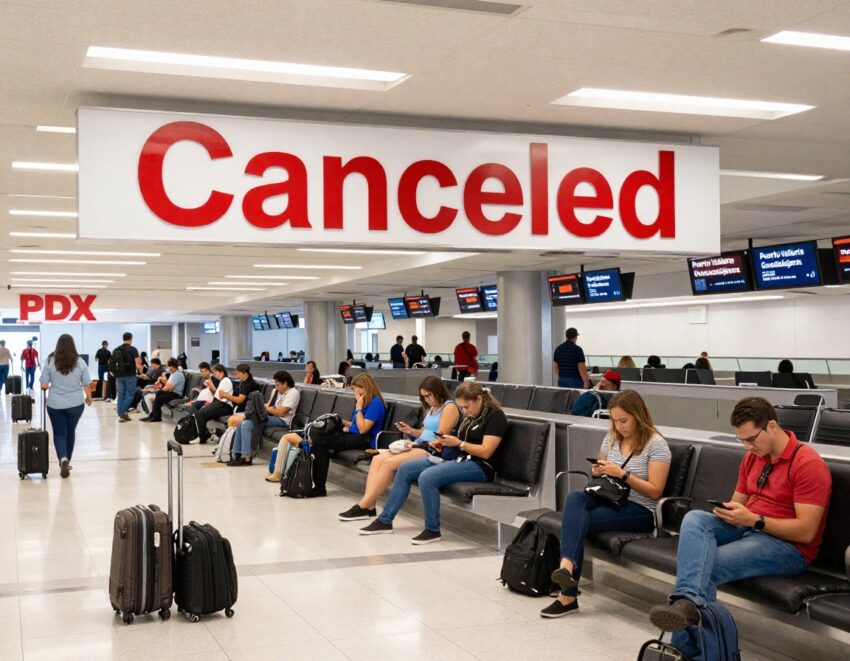
The United Kingdom joins China, Canada, India, and Germany in Driving New Missouri Healthcare Boost as British Airways, Air Canada, Lufthansa and Marriott, Hilton Watch Closely — State-Funded Rural Doctor Grant Shows Early Success That Could Reshape Travel Confidence

The United Kingdom joins China, Canada, India, and Germany in Driving New Missouri Healthcare Boost as British Airways, Air Canada, Lufthansa and Marriott, Hilton Watch Closely — State-Funded Rural Doctor Grant Shows Early Success That Could Reshape Travel Confidence
United Kingdom, China, Canada are sharpening their focus on Missouri at a time when the state is quietly strengthening one of the most overlooked pillars of travel confidence

United Kingdom, China, Canada are sharpening their focus on Missouri at a time when the state is quietly strengthening one of the most overlooked pillars of travel confidence: healthcare access. As international arrivals to Missouri are projected to reach more than 300,000 in 2025, generating hundreds of millions of dollars in visitor spending, the launch of a new state-funded rural doctor training grant is adding an unexpected but powerful dimension to the Midwest’s tourism story. Early 2026 data show participating rural clinics already handling hundreds of patient visits, signaling tangible momentum in addressing physician shortages beyond major cities. At the same time, St. Louis Lambert International Airport recorded nearly 16 million passengers in 2024—its strongest annual performance in over two decades—while British Airways prepares to launch seasonal nonstop service between St. Louis and London Heathrow in April 2026, reconnecting Missouri directly to the United Kingdom and global onward markets. With strong domestic networks from carriers like United, Delta, and Southwest feeding into both St. Louis and Kansas City, and global hotel brands such as Marriott and Hilton expanding their footprint across urban and regional markets, Missouri’s investment in rural healthcare is emerging as more than a public health measure—it is a strategic reinforcement of destination resilience that could reshape how international travelers view safety, accessibility, and long-term stability in America’s heartland.

United Kingdom Joins China, Canada, India, Germany in Driving New Missouri Healthcare Boost as British Airways, Air Canada, Lufthansa and Marriott, Hilton Watch Closely —

Missouri is making a quiet but meaningful move that could influence how international travelers view the American Midwest. A new Missouri state-funded grant is helping train doctors in rural clinics. Early results show strong patient engagement and promising outcomes. While the initiative focuses on healthcare access, the ripple effects extend into aviation, tourism, and hospitality. For global markets such as the United Kingdom, China, Canada, India, and Germany, improved healthcare infrastructure adds another layer of travel confidence. Airlines and hotel groups are watching closely as Missouri strengthens both connectivity and community health.

Missouri’s tourism economy is already substantial. According to official state data, visitor spending reached $12.5 billion in fiscal year 2024. The total economic impact rose to $20.8 billion. Tourism supports approximately 145,600 jobs statewide. State and local tax revenues generated by tourism exceeded $1.6 billion. These figures underline the scale of Missouri’s visitor economy. When healthcare access improves in rural regions, it supports the broader travel ecosystem. Travelers feel safer. Event organizers gain reassurance. Hotels and airlines operate in a more stable environment.

United Kingdom, China, Canada, India, Germany Strengthen Missouri’s Travel Ecosystem as British Airways Expands Access and Marriott, Hilton Monitor Rural Healthcare Gains

International interest in Missouri continues to grow. Forecast data for 2025 projects around 326,000 international visits to the state, generating an estimated $392 million in visitor spending. Key source markets include the United Kingdom and Ireland, China, Canada, India, and the German-speaking DACH region. Japan and Brazil are also projected to show growth. These markets represent both leisure and visiting-friends-and-relatives segments.

Air connectivity is improving at the same time. St. Louis Lambert International Airport handled nearly 15.95 million passengers in 2024, marking its highest annual total in more than two decades. Kansas City International Airport continues to report strong post-pandemic recovery, supported by its new single-terminal facility that opened in 2023 and enhances passenger experience. These infrastructure upgrades strengthen Missouri’s appeal to long-haul carriers.

One of the most significant developments is the return of nonstop transatlantic service. British Airways is launching seasonal nonstop flights between St. Louis and London Heathrow starting April 19, 2026, operating four times weekly. This route reconnects Missouri directly with the United Kingdom and Europe’s global aviation hub. For British travelers, easier access means more opportunities to explore cities like St. Louis, Kansas City, Branson, and the Ozarks.

Air Canada maintains strong connectivity between Canada and major U.S. hubs that link into Missouri via Star Alliance partners. Lufthansa connects German travelers through Frankfurt and Munich into U.S. gateways with onward service. United Airlines and Delta Air Lines provide extensive domestic connections into St. Louis and Kansas City. Southwest Airlines maintains a large presence at both airports, particularly for domestic leisure travelers.

Hotel brands are also deeply invested in Missouri. Marriott International and Hilton operate multiple properties across the state, including upscale urban hotels and select-service brands in suburban and rural communities. Hyatt and IHG also maintain footprints in key markets. As healthcare services improve in smaller communities, hotels near medical facilities and regional attractions may see increased demand from both medical visitors and leisure travelers who prioritize safety.

United Kingdom, China, Canada, India, Germany See Rural Doctor Training Grant Reinforce Missouri’s Reputation as British Airways, Delta, United and Hilton, Marriott Align with a Safer Midwest

The rural healthcare grant focuses on training resident physicians in community-based clinics. Early 2026 reports show that participating clinics have already handled hundreds of patient visits in the first weeks of operation. The goal is to address physician shortages in rural Missouri by placing doctors directly in underserved communities during their residency training. Research consistently shows that physicians are more likely to practice in areas where they train. This increases long-term retention.

For travelers, the relevance is clear. Rural Missouri includes lake destinations, outdoor recreation hubs, small towns with heritage attractions, and event-driven communities. Improved access to primary care and urgent services enhances the safety net for visitors. While no traveler chooses a destination solely based on clinic capacity, healthcare availability is an important background factor.

Medical preparedness also supports large-scale events. Missouri hosts sports tournaments, music festivals, conventions, and seasonal tourism surges in areas such as Branson and the Lake of the Ozarks. Better local healthcare staffing strengthens emergency response capacity. That indirectly supports airlines and hotels by reducing operational risks during peak travel periods.

Missouri’s position in the center of the United States makes it a crossroads for domestic travel. Road trips remain popular among American families. For international visitors arriving via major hubs, domestic connections are seamless. St. Louis and Kansas City offer efficient airports with manageable transfer times compared to larger coastal gateways.

International travelers from the United Kingdom often combine Midwest destinations with broader U.S. itineraries. Direct London-Heathrow service reduces travel time and increases convenience. Chinese travelers, who traditionally focus on coastal cities and national parks, are gradually exploring deeper regional experiences. Canada remains a consistent source of visitors due to geographic proximity and cultural ties. Indian travel to the United States has expanded significantly in recent years, supported by strong diaspora connections and business travel. German travelers often seek heritage routes, river cruises, and cultural tourism experiences.

Missouri offers diverse attractions. St. Louis features the Gateway Arch National Park. Kansas City is known for jazz heritage and culinary traditions. Branson remains a family entertainment hub. The Ozarks attract boating and outdoor enthusiasts. Improved rural healthcare supports these destinations by strengthening local infrastructure.

Airlines benefit from increased confidence in regional stability. When destinations invest in community services, they enhance long-term viability. British Airways’ return to St. Louis underscores confidence in the region’s economic fundamentals. United Airlines and Delta continue to provide connections through major hubs such as Chicago, Atlanta, and Minneapolis. Southwest Airlines remains a dominant domestic carrier, facilitating feeder traffic.

Hotels benefit from stable year-round visitation. Marriott and Hilton brands serve both business and leisure travelers. Conference planners evaluate healthcare capacity when selecting secondary markets. Improved rural clinics provide reassurance that local communities can handle emergencies and seasonal spikes.

Travelers should note practical considerations. Missouri operates in the Central Time Zone. Summers can be warm and humid, while winters can bring snow. International visitors require valid U.S. visas or ESTA authorization under the Visa Waiver Program. Major airports offer rental car services, essential for exploring rural areas.

Healthcare access remains important for travel insurance considerations. Visitors are advised to purchase comprehensive travel insurance covering medical care. While Missouri’s healthcare infrastructure is modern, U.S. medical costs can be high. The expansion of trained physicians in rural clinics improves service availability but does not change insurance requirements.

Missouri’s tourism authority continues to promote the state as a value destination. Compared to coastal U.S. cities, accommodation and dining costs are generally lower. This appeals to European and Canadian travelers seeking extended stays. Direct international flights can reduce overall travel expenses by eliminating additional domestic legs.

International visitation growth depends on multiple factors. Exchange rates influence outbound travel from Europe and Canada. Airfare competition affects route sustainability. Hotel investment reflects long-term demand. Healthcare infrastructure plays a supportive role by enhancing overall destination resilience.

The rural doctor training grant is modest in financial size. However, its symbolic value is larger. It demonstrates that state leaders recognize healthcare access as part of economic development. Tourism relies on strong communities. Airlines evaluate market stability. Hotels invest where they see sustainable growth.

Missouri’s geographic position allows easy access to neighboring states. Visitors often combine Missouri with Illinois, Arkansas, Oklahoma, or Kansas. St. Louis offers direct interstate connections. Kansas City serves as a gateway to the Great Plains. For international travelers arriving via London Heathrow, onward European connections are extensive.

Travel tips for visitors include planning airport transfers in advance. St. Louis Lambert International Airport is approximately 20 minutes from downtown St. Louis. Kansas City International Airport is about 15 to 20 minutes from central Kansas City. Public transportation options exist, but rental cars offer greater flexibility for exploring rural attractions.

Peak travel seasons include late spring through early fall. Summer sees strong leisure demand. Fall foliage attracts regional travelers. Winter tourism centers on indoor attractions and holiday events.

Hotel occupancy in Missouri has shown steady recovery in line with national trends. Urban markets benefit from business travel. Rural areas depend more on seasonal leisure. Enhanced healthcare access can help extend tourism seasons by reassuring event planners and group tour operators.

For airlines, sustained passenger growth at St. Louis and Kansas City supports network expansion. Nearly 16 million passengers at St. Louis in 2024 reflect strong demand. Kansas City’s new terminal enhances passenger satisfaction and operational efficiency.

Missouri’s rural healthcare initiative aligns with broader U.S. efforts to strengthen medical workforce pipelines. By placing residents in smaller communities, the state aims to build a sustainable future workforce. Travelers may not notice these changes directly, but the impact is meaningful over time.

For the United Kingdom, China, Canada, India, Germany, Japan, and Brazil, Missouri offers a mix of heritage, culture, and affordability. Improved infrastructure across sectors adds to the appeal. Airlines and hospitality groups monitor such developments carefully. Stable destinations attract repeat visitors.

United Kingdom, China, Canada are turning their attention to Missouri as the state strengthens rural healthcare through a new grant already showing early success. With international arrivals projected in the hundreds of thousands and direct London flights launching in 2026, improved medical access is quietly boosting travel confidence across the Midwest.

In conclusion, Missouri’s state-funded rural doctor training program represents more than a healthcare initiative. It signals long-term commitment to community strength. When combined with growing international air connectivity, strong tourism spending, and major hotel investment, the state positions itself as a reliable Midwest gateway. For travelers, the message is simple. Missouri is accessible, affordable, and increasingly resilient. Improved rural healthcare adds another layer of confidence. Airlines connect it. Hotels support it. Visitors can explore it with reassurance.

The post The United Kingdom joins China, Canada, India, and Germany in Driving New Missouri Healthcare Boost as British Airways, Air Canada, Lufthansa and Marriott, Hilton Watch Closely — State-Funded Rural Doctor Grant Shows Early Success That Could Reshape Travel Confidence appeared first on Travel And Tour World.

Qantas, Emirates, Air New Zealand, Singapore Airlines, and British Airways Are All Talking About ISG’s Game-Changing Shipping Tech — Here’s Why

Qantas, Emirates, Air New Zealand, Singapore Airlines, and British Airways Are All Talking About ISG’s Game-Changing Shipping Tech — Here’s Why
Qantas, Emirates, and Air New Zealand are operating at full throttle as Australia’s international travel sector surges back to record momentum,

Qantas, Emirates, and Air New Zealand are operating at full throttle as Australia’s international travel sector surges back to record momentum, but behind the headlines of packed flights and rising hotel occupancy lies an unexpected catalyst: advanced shipping technology reshaping the nation’s economic engine. Australia welcomed roughly eight million international visitors in the year ending 2025, with inbound travelers spending more than AUD 53 billion, according to national tourism data, while major gateways like Sydney and Melbourne have restored long-haul capacity across North America, Europe, Asia, and the Middle East. As airlines expand frequencies from London, Dubai, Singapore, Auckland, Los Angeles, and Delhi, the broader travel ecosystem is benefiting from strong export performance and infrastructure modernization. Intermodal Solutions Group (ISG), an Australian logistics innovator, has developed sealed rotating container systems that reduce dust emissions and environmental risks at export ports, supporting cleaner coastal operations and improving the sustainability profile of trade-dependent cities. That stability matters: tourism contributes over AUD 300 billion annually to Australia’s economy when direct and indirect impacts are combined, and aviation profitability is closely tied to both passenger demand and cargo strength. With global carriers rebuilding networks, hospitality giants expanding properties in Sydney, Melbourne, and Brisbane, and international visitor numbers steadily climbing from key markets like New Zealand, China, the United States, the United Kingdom, and India, Australia’s travel revival is powered not only by scenic coastlines and world-class resorts but also by the industrial systems that keep the economy resilient. This is the story of how aviation growth, sustainable port innovation, and tourism expansion are intersecting in real time—and why global airlines are paying close attention.

Qantas, Emirates, Air New Zealand, Singapore Airlines, and British Airways Are All Talking About ISG’s Game-Changing Shipping Tech — Here’s Why

Australia’s travel recovery is no longer a rebound story. It is a growth story. International arrivals reached roughly eight million trips in the year ending 2025, with visitor expenditure exceeding AUD 53 billion. Major airlines have restored and expanded long-haul routes into Sydney, Melbourne, Brisbane, and Perth. Hotel occupancy rates across key cities have strengthened. Luxury and lifestyle properties are opening at pace. Behind this momentum sits a strong national economy powered by trade stability, infrastructure upgrades, and environmental reform at ports. Intermodal Solutions Group, an Australian logistics innovator, is part of that transformation. Its sealed rotating container system reduces dust, prevents product loss, and modernises export terminals. While this may seem industrial, the effects ripple through aviation, hospitality, and tourism confidence. Airlines are paying attention because economic stability drives route expansion. Travelers benefit from better connectivity, cleaner destinations, and improved infrastructure.

Qantas, Emirates, Air New Zealand, Singapore Airlines, and British Airways Are Expanding Routes Into a Stronger Australia

Qantas continues to grow its international footprint. Direct services link Sydney and Brisbane with Los Angeles, Dallas, and New York. Perth maintains nonstop connectivity to London. Emirates operates multiple daily A380 flights between Dubai and Sydney, Melbourne, and Brisbane. Singapore Airlines offers frequent services from Changi to major Australian hubs, connecting Europe and Southeast Asia. Air New Zealand maintains dense trans-Tasman schedules linking Auckland, Wellington, and Christchurch with Sydney, Melbourne, and Brisbane. British Airways connects London to Sydney via Singapore, strengthening UK-Australia travel flows.

These expansions reflect rising demand. The United States, United Kingdom, China, New Zealand, and India remain Australia’s top inbound markets. Each market supports premium cabins, leisure travel, and business traffic. Increased frequencies improve fare competitiveness. Greater seat supply enhances flexibility for travelers. Airlines are confident because the broader economy remains resilient, supported by strong exports and modern infrastructure.

Qantas, Emirates, Air New Zealand, Singapore Airlines, and British Airways See Tourism and Trade Intersecting

Aviation depends on two engines: passenger demand and cargo revenue. Many long-haul aircraft carry freight in their belly holds. Stable export systems improve route economics. ISG’s container innovation supports cleaner and more efficient mineral exports. Reduced product loss strengthens trade reliability. Efficient ports reduce delays. Strong export performance supports national GDP. Economic confidence encourages airline investment.

Tourism contributes more than AUD 300 billion annually when direct and indirect impacts are combined. The sector supports hundreds of thousands of jobs across accommodation, food services, and transportation. Airlines expand where demand and stability align. Australia now offers both.

Airlines Benefit From Rising Visitor Numbers and Stronger Global Links

New Zealand remains Australia’s largest visitor source market, with more than 1.4 million annual arrivals. Trans-Tasman travel is short and frequent. China has regained its position as a major contributor, nearing one million annual visitors. The United States contributes over 700,000 visitors yearly, many staying longer and exploring regional destinations. The United Kingdom remains a high-spend market. India is expanding rapidly, supported by direct air services.

Direct flight times remain competitive. Los Angeles to Sydney averages about 15 hours. Dubai to Sydney takes approximately 14 hours. London to Perth operates at roughly 17 hours nonstop. Singapore to Sydney takes about eight hours. Auckland to Sydney is around three hours.

These connections create a seamless travel network. Airlines deploy modern fleets, including Airbus A380s and Boeing 787 Dreamliners, improving fuel efficiency and passenger comfort.

Hotels and Hospitality Giants Are Scaling Up for the Surge

Airline expansion fuels hotel growth. Accor operates hundreds of properties across Australia, from Sofitel to Novotel. Marriott International continues to expand luxury and lifestyle brands in Sydney and Melbourne. Hilton and IHG are adding new developments in key urban markets. Crown Resorts anchors high-end integrated resorts in Melbourne and Perth.

Occupancy levels in Sydney and Melbourne have rebounded strongly. Luxury segments show faster recovery than midscale. Event tourism and business conferences are returning. Restaurant bookings remain solid, particularly in waterfront districts and wine regions. Regional tourism hubs such as Queensland’s Gold Coast and the Great Barrier Reef benefit from international flights into Brisbane and Cairns.

Clean ports and efficient logistics also enhance cruise tourism. Sydney and Brisbane are leading cruise embarkation cities. Reduced environmental impact at ports improves coastal appeal. Travelers enjoy cleaner waterfront dining, scenic harbour cruises, and outdoor experiences.

How ISG’s Innovation Strengthens Coastal Tourism

ISG’s hermetically sealed rotating containers reduce dust emissions during bulk exports. Traditional open storage once risked contamination in some global ports. Sealed systems prevent product spillage into marine ecosystems. Cleaner port operations improve air quality near urban tourism precincts.

Many Australian ports sit close to city centers. Sydney Harbour, Fremantle, and Brisbane integrate port activity with tourism infrastructure. Environmental standards matter. Travelers increasingly prioritize sustainability when choosing destinations. Cleaner logistics strengthen Australia’s reputation as a responsible travel choice.

Chile’s automated copper terminal demonstrates how modern export systems can coexist with urban development. Automation reduces truck congestion. Less congestion enhances visitor mobility. Efficient transport systems support airport access and city exploration.

Economic Stability Drives Travel Confidence

Export industries, including mining, remain central to Australia’s economy. Strong trade performance supports government revenue. Revenue funds airport upgrades and tourism marketing campaigns. Infrastructure projects in Sydney and Western Sydney aim to expand passenger capacity. Improved terminals enhance the traveler experience.

Airlines evaluate markets on profitability and stability. Balanced inbound flows from New Zealand, China, the United States, the United Kingdom, and India create diversified demand. Diversification reduces risk. Reduced risk supports sustained route growth.

Travel Tips for International Visitors

Book flights three to five months in advance for peak summer travel from December to February. Shoulder seasons in April-May and September-October offer milder weather and competitive rates. Consider stopover options in Singapore or Dubai when flying long-haul.

Sydney offers iconic attractions such as the Opera House and Harbour Bridge. Melbourne delivers culinary depth and cultural festivals. Queensland provides reef access and tropical beaches. Western Australia offers unique landscapes and fewer crowds.

Domestic flights are frequent. Qantas and Virgin Australia operate extensive internal networks. Budget carriers provide additional options. Booking domestic segments early can reduce costs.

Australia enforces strict biosecurity regulations. Declare food and organic products upon arrival. Most travelers require an Electronic Travel Authority or eVisitor visa.

Sustainability and the Future of Travel

Airlines are investing in sustainable aviation fuel initiatives and fleet modernization. Efficient cargo systems complement these efforts. Reduced port emissions align with global environmental targets. Sustainability influences travel decisions more than ever.

Hotels are adopting energy-efficient systems and waste reduction programs. Travelers increasingly seek properties with environmental certifications. Clean logistics infrastructure reinforces this narrative.

Why Global Airlines Are Watching Closely

Qantas balances domestic leadership with growing international ambitions. Emirates benefits from strong Europe-Australia flows. Singapore Airlines leverages Southeast Asia connectivity. Air New Zealand capitalizes on regional tourism. British Airways maintains high-yield UK traffic.

Each airline thrives in stable markets. ISG’s innovation supports economic resilience. Economic resilience underpins aviation growth. Aviation growth supports tourism. Tourism drives hospitality expansion.

The Bigger Picture for Travelers

Travel is interconnected. Ports, airports, airlines, and hotels operate within one ecosystem. When infrastructure improves, the entire chain benefits. Australia’s visitor economy reflects this synergy.

International arrivals continue rising. Airline capacity is expanding. Hotel investment remains strong. Sustainable port technology reduces environmental risk. Travelers enjoy cleaner cities, efficient airports, and diverse accommodation options.

Australia stands at a point of convergence between innovation and tourism growth. Airlines are expanding because demand is strong and the economic foundation is stable. Hospitality brands are investing because occupancy is rising. ISG’s shipping technology is part of this broader transformation.

Qantas, Emirates, and Air New Zealand are expanding routes into a rapidly rebounding Australia, where international arrivals have climbed to around eight million annually and visitor spending exceeds AUD 53 billion. Behind this aviation surge lies a quieter revolution in sustainable shipping technology that is strengthening the economy and, in turn, powering tourism growth.

For travelers planning their next journey, this means more flights, more hotel choices, and a destination committed to sustainability and infrastructure excellence. The conversation among Qantas, Emirates, Air New Zealand, Singapore Airlines, and British Airways is not just about cargo containers. It is about confidence in a travel market that is thriving, connected, and ready for the future.

The post Qantas, Emirates, Air New Zealand, Singapore Airlines, and British Airways Are All Talking About ISG’s Game-Changing Shipping Tech — Here’s Why appeared first on Travel And Tour World.

Alaska Airlines, Air Canada, & Delta CANCEL Flights as Civil Unrest Rocks Mexico — What This Means for Portland Travelers

Alaska Airlines, Air Canada, & Delta CANCEL Flights as Civil Unrest Rocks Mexico — What This Means for Portland Travelers
Alaska Airlines, Air Canada, and Delta have abruptly canceled multiple flights between Mexico and Portland International Airport (PDX) after escalating civil unrest in western Mexico triggered security concerns near major airports,

Alaska Airlines, Air Canada, and Delta have abruptly canceled multiple flights between Mexico and Portland International Airport (PDX) after escalating civil unrest in western Mexico triggered security concerns near major airports, sending shockwaves through travel corridors that thousands of Pacific Northwest tourists rely on every week. The disruption follows confirmed reports from Mexican federal authorities that a high-profile cartel leader was killed in a military operation in Jalisco, an event that led to road blockades, vehicle fires, and temporary instability in cities including Guadalajara and the resort hub of Puerto Vallarta. In response, U.S. and Canadian government agencies issued updated travel advisories urging citizens in certain regions to exercise heightened caution or shelter in place, prompting airlines to prioritize operational safety and suspend service to affected airports. For Portland travelers, this means canceled departures, rebooked itineraries, and sudden uncertainty during peak winter travel to Mexico’s Pacific coast. The impact extends beyond runways. Mexico welcomed record international visitor numbers in 2025, with tens of millions of arrivals contributing significantly to airline revenue and resort occupancy, making even short-term interruptions highly consequential for carriers and hospitality operators alike. As airlines adjust schedules and hotels brace for booking volatility, travelers are left asking one urgent question: how long will the turbulence last, and what does this mean for upcoming trips to one of North America’s most popular vacation destinations?

Alaska Airlines, Air Canada, & Delta CANCEL Flights as Civil Unrest Rocks Mexico — What This Means for Portland Travelers

In recent weeks, travelers planning their flights to Mexico from Portland (PDX) have faced unexpected disruptions due to escalating civil unrest in several Mexican cities. Airlines such as Alaska Airlines, Air Canada, and Delta have canceled numerous flights to and from popular Mexican destinations, including Puerto Vallarta, Guadalajara, and Manzanillo. These cancellations have been directly linked to the violence and instability caused by the recent death of a powerful cartel leader in Mexico, which has sparked chaos across the country. As tensions continue to rise, it’s crucial for travelers to understand the broader impact of these disruptions on both airlines and the hospitality industry, as well as how they can navigate these challenges while ensuring their travel plans remain intact.

What’s Behind the Flight Cancellations: Alaska Airlines, Air Canada, and Delta Respond

The civil unrest in Mexico stems from the death of Nemesio Rubén Oseguera Cervantes, the leader of the Jalisco New Generation Cartel (CJNG), a violent and notorious criminal organization known for drug trafficking and territorial control. The cartel’s operations, including smuggling fentanyl and other illicit substances into the U.S., have long posed a significant threat to both Mexican and U.S. authorities. The military operation that resulted in Cervantes’ death has triggered violent retaliation, including roadblocks, burning vehicles, and panic in cities like Guadalajara and Puerto Vallarta. In response to the growing security concerns, multiple airlines, including Alaska Airlines, Air Canada, and Delta, made the difficult decision to cancel flights to these regions, prioritizing the safety of passengers and crew members.

For many Portland travelers, this has meant significant disruptions to their plans, as these airlines are among the top carriers serving the Portland-Mexico route. Alaska Airlines, one of the largest U.S. carriers, had to cancel numerous flights between Portland and Mexico’s popular resort areas, including Puerto Vallarta and Manzanillo. Air Canada followed suit, suspending flights to Puerto Vallarta and Guadalajara. Delta, another major player in the transcontinental market, also pulled out of affected airports, forcing many passengers to scramble for alternate arrangements.

The Ripple Effect on the Airline Industry: Cancellations and Delays

The flight cancellations have had a profound impact on the airline industry, particularly for carriers operating on the Portland-Mexico route. With these disruptions, airlines have faced both logistical and financial challenges. Cancellations and delays not only affect passengers but also place a significant strain on airline operations. In response, airlines have been working tirelessly to rebook passengers, arrange alternate routes, and offer compensation where possible. However, the sheer scale of these cancellations has left many travelers frustrated and uncertain about their travel plans.

For Alaska Airlines, a major carrier for West Coast travelers, the cancelations have been especially problematic as they navigate the complexities of rebooking thousands of affected passengers. Air Canada and Delta, which serve international travelers coming to and from Mexico, have similarly had to adjust their flight schedules, offering rerouted flights or delayed departures. While these adjustments are necessary for safety, they can also add considerable strain to the customer service experience, as travelers attempt to navigate the busy rebooking process.

The ripple effects extend beyond the airlines themselves, with increased operational costs and potential long-term consequences for air traffic management. With many travelers choosing to delay or cancel their trips to Mexico, airlines could face a slowdown in demand for flights to the region, particularly as concerns about security and safety remain top of mind.

How the Hospitality Industry Is Handling the Disruptions: Impact on Hotels and Resorts

The disruptions caused by these flight cancellations extend far beyond the airport. The hospitality industry in Mexico, which heavily relies on international travelers from the U.S. and Canada, is feeling the effects of the ongoing unrest. Cities like Puerto Vallarta, Guadalajara, and Cabo San Lucas, known for their vibrant tourist economies, are facing significant challenges as travelers postpone or cancel bookings.

Hotel and resort chains in Mexico, including those in high-demand tourist destinations, are grappling with the impact of reduced bookings. In the short term, this could lead to financial losses as cancellations pour in from travelers who are concerned about the violence. The upscale resorts in areas like Puerto Vallarta have been particularly affected, with many luxury hotels seeing a drop in occupancy rates.

In response, many hotel chains are working closely with airlines to offer flexible rebooking options for travelers who may have had their flights canceled. For example, some resorts are providing special discounts or travel credits to travelers who are forced to reschedule their trips. However, the ongoing unrest means that many travelers are hesitant to book new reservations, further exacerbating the issue for the hospitality sector.

Despite the challenges, the Mexican tourism industry is well-known for its resilience. In the longer term, tourism officials are hopeful that the situation will stabilize and that international travelers will return to Mexico’s beaches and cultural hubs. However, until that happens, hotels and resorts will continue to deal with the short-term fallout of these flight disruptions, which may include lower-than-expected revenue, staff layoffs, and a general decrease in bookings.

What Should Portland Travelers Know? Travel Tips and Flight Information

For travelers in Portland hoping to reschedule or rebook their trips to Mexico, here are a few tips to ensure a smooth experience amidst the ongoing disruptions:

  1. Stay Informed: Airlines like Alaska Airlines, Air Canada, and Delta are providing real-time updates on their websites and through customer service lines. It’s important to stay updated on flight cancellations or delays and to check your flight status regularly before heading to the airport.
  2. Book Alternative Flights: If your original flight was canceled, airlines are offering rebooking options. Make sure to explore alternative routes to major Mexican cities that may not be as affected by the unrest. For example, flights to Cancun or Mexico City may be less impacted by the disruptions, depending on the airline.
  3. Consider Travel Insurance: Given the uncertainty surrounding travel to Mexico, it’s advisable to purchase travel insurance that includes coverage for flight cancellations, medical emergencies, and trip interruptions. This will provide you with additional peace of mind during your travels.
  4. Check Hotel Policies: Many hotels and resorts in Mexico are offering flexible cancellation policies due to the unrest. Before you rebook, make sure to check if your accommodation allows for easy cancellations or changes to your reservation.
  5. Follow Safety Advice: The U.S. Department of State has issued travel warnings for certain regions of Mexico. It’s crucial to follow these guidelines and stay informed about any security threats that may arise during your trip.

What’s Next for Travel to Mexico: Impact on Tourism and Hospitality in the Long Term

While the immediate disruptions caused by civil unrest in Mexico are concerning for both airlines and the hospitality industry, the long-term effects will largely depend on how the situation unfolds. If the violence in Mexico continues or escalates, it could have lasting consequences for tourism in the region. On the other hand, if the situation stabilizes in the coming weeks or months, Mexico’s tourism industry will likely recover quickly, as the country remains one of the world’s top destinations for travelers from North America and beyond.

In the meantime, both airlines and the hospitality sector are doing everything they can to mitigate the impact on travelers. By offering flexible rebooking options, working closely with travel insurance providers, and ensuring that passengers have access to the latest safety information, these industries are striving to provide the best possible experience for travelers amidst challenging circumstances.

As for travelers in Portland, the best course of action is to remain flexible and informed. While the disruptions may cause some inconvenience in the short term, with proper planning and preparation, you can still enjoy a safe and enjoyable trip to Mexico once the situation improves.

Navigating the Challenges of Flight Cancellations and Hotel Disruptions

In conclusion, the recent flight cancellations caused by civil unrest in Mexico have raised significant concerns for travelers from Portland and beyond. Alaska Airlines, Air Canada, and Delta have all faced the difficult decision of canceling flights to affected cities like Puerto Vallarta and Guadalajara due to safety concerns. The ripple effect of these cancellations has been felt throughout the airline industry, leading to operational challenges and increased costs. Meanwhile, the hospitality industry in Mexico is grappling with reduced bookings and increased cancellations, as travelers reconsider their trips.

For travelers, it’s essential to stay informed about the latest updates, explore alternative flight options, and be proactive in securing accommodations that offer flexible cancellation policies. By following safety advice, staying up-to-date with flight statuses, and purchasing travel insurance, travelers can mitigate the challenges posed by this situation and continue to enjoy their travels to Mexico once the situation stabilizes.

Alaska Airlines, Air Canada, and Delta have canceled multiple flights between Mexico and Portland (PDX) following escalating civil unrest in key Mexican cities, disrupting travel plans for hundreds of Pacific Northwest passengers. The suspensions come after confirmed security incidents near airports in Jalisco, prompting airlines to prioritize safety and governments to issue updated travel advisories.

While the current disruptions may be frustrating, the long-term outlook for travel to Mexico remains positive, as the country’s vibrant tourism sector is known for its resilience. With the right preparation and flexibility, travelers can look forward to returning to Mexico’s beautiful destinations in the near future.

The post Alaska Airlines, Air Canada, & Delta CANCEL Flights as Civil Unrest Rocks Mexico — What This Means for Portland Travelers appeared first on Travel And Tour World.
❌