
Reading view

Air New Zealand Accelerates Toward Commercial Electric Flights by 2028 – Travel Implications Explained

Air New Zealand Accelerates Toward Commercial Electric Flights by 2028 – Travel Implications Explained

Air New Zealand is accelerating its electric aviation ambitions by conducting systematic trials of battery‑powered aircraft technology domestically, positioning itself at the forefront of sustainable flight innovation. The airline’s Next Generation Aircraft Programme involves testing the Beta Technologies Alia CX300 electric aircraft over diverse operating conditions and infrastructure environments across New Zealand, laying groundwork for potential zero‑emission operations by 2028. This strategic initiative is rooted in thorough evaluation of performance, charging logistics, safety parameters and regulatory pathways, and reflects both the airline’s and the nation’s broader commitment to environmentally responsible aviation.

Quick Summary

  • Air New Zealand is advancing towards electric flight with extensive trials of the Beta Technologies Alia CX300 electric aircraft.
  • The airline has completed more than 100 demonstration flights across New Zealand as part of its Next Generation Aircraft Programme.
  • Infrastructure testing includes charging systems capable of up to 320 kW at key airports.
  • Commercial entry into service of electric aircraft is targeted around 2028, pending certification and further evaluation.
  • The programme focuses on regional routes and cargo operations, with emphasis on technical and operational readiness.

How Air New Zealand Is Testing Electric Flight

Air New Zealand’s trial phase has included more than 100 flights of the Beta Alia CX300, a battery‑electric conventional take‑off and landing (CTOL) aircraft designed for regional missions. These demonstration flights have taken place from bases including Wellington and Hamilton and covered a broad range of operational conditions to evaluate how electric propulsion performs in real‑world settings. The aircraft was operated by pilots familiar with larger commercial jets, giving the airline critical data on handling, energy management, and integration challenges.

Infrastructure and Charging Challenges

One of the central components of Air New Zealand’s programme is assessing ground infrastructure readiness. Electric aircraft require robust charging systems that can handle high power levels far beyond typical electric vehicle charging. In response, partner airports have trialled both mobile charging units providing approximately 65 kW and plans for fixed systems capable of up to 320 kW output. These experiments help determine how rapid recharge cycles might support daily operations for electric aircraft on short regional routes.

Toward Commercial Entry by 2028

Air New Zealand has indicated that commercial service targeting an entry around 2028 remains a possibility, although final deployment depends on certification by aviation authorities such as the Federal Aviation Administration (FAA) and successful demonstration of sustained operational viability. The airline has made clear that this programme represents an exploratory and learning phase rather than a firm commitment to fleet inclusion, providing flexibility as the technology matures and regulatory frameworks evolve.

Advantages for Passengers

Enhanced Environmental Credentials
Electric flight trials signal a major shift toward zero‑emission aviation, potentially reducing carbon footprints for short domestic and regional flights, which is increasingly valued by eco‑conscious travelers.

Quieter Operations
Battery‑powered aircraft generally produce lower noise levels compared to conventional jets, improving the travel experience for passengers and communities near airports.

Improved Regional Connectivity
Development of electric aircraft suited to shorter hops could expand air service to smaller cities and towns with reduced operating costs and emissions.

Innovation Brand Advantage
Air New Zealand’s leadership in emerging technology can enhance its reputation among travelers looking for forward‑thinking airlines embracing sustainability.

Disadvantages and Considerations

Limited Range and Capacity
Current electric aircraft prototypes like the Alia CX300 are designed for shorter ranges and smaller payloads, meaning they are not yet suitable for mainstream passenger services on all routes.

Infrastructure and Investment Requirements
Significant investment in charging infrastructure and airport readiness is required before regular commercial electric operations can commence, which may take years to realize fully.

Uncertain Commercial Deployment
Despite ambitious timelines, there is no guarantee that electric aircraft will enter everyday service by 2028, as certification and cost‑benefit outcomes remain under evaluation.

Adaptation Challenges for Travelers
Passengers may face transitional phases where mixed fleets operate on some routes, potentially complicating booking expectations or cabin experiences compared to conventional aircraft.

Conclusion – What This Means for Travelers

Air New Zealand’s initiative to chart a course toward electric flight by 2028 represents a significant milestone in sustainable aviation. By rigorously testing electric aircraft technology and ground infrastructure over hundreds of trial flights, the airline sets a foundation for what could eventually become routine zero‑emission regional travel. For travelers, this signals future opportunities for cleaner, quieter, and more innovative flight experiences, even as the industry continues to refine the technical, regulatory and commercial frameworks necessary to make electric aviation a practical reality. Continuous observation and incremental implementation will remain key as the aviation landscape evolves.

The post Air New Zealand Accelerates Toward Commercial Electric Flights by 2028 – Travel Implications Explained appeared first on Travel And Tour World.
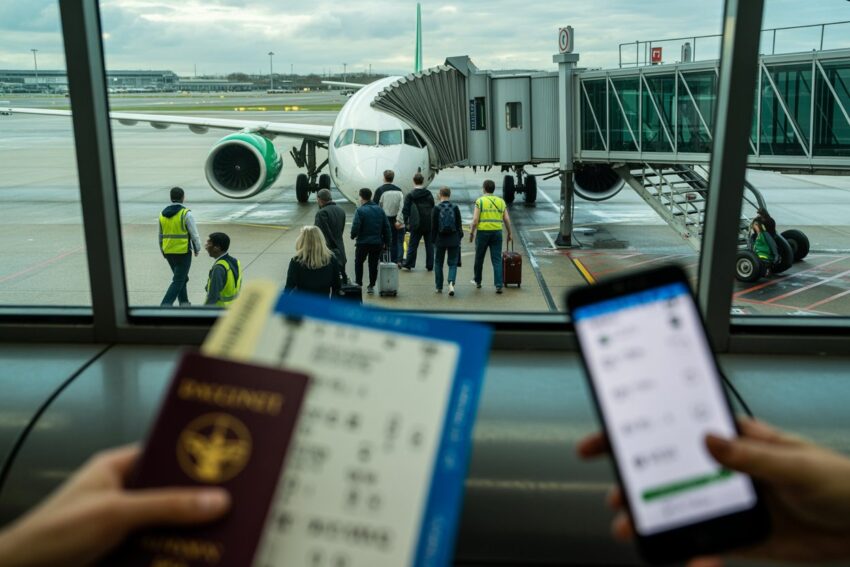
Aer Lingus Implements New Passport Requirement for UK‑Ireland Flights: Essential Information for Travelers

Aer Lingus Implements New Passport Requirement for UK‑Ireland Flights: Essential Information for Travelers

As passport requirements change for cross‑border travel within the Common Travel Area (CTA), Aer Lingus has updated its policy for passengers flying between Ireland and the United Kingdom, effective today, 25 February 2026. Under the new rule, all travellers on Aer Lingus services — including British and Irish nationalsmust present a valid passport or an Irish passport card to check in and board their flight. This represents a significant tightening of travel document requirements, replacing previous allowances that permitted a range of alternative photo IDs for this specific international route. Travellers relying on forms such as driving licences, student cards, or other photographic identification will no longer be accepted at airport checkpoints.

The requirement is intended to standardise travel documentation across Aer Lingus’ international network, ensure consistent operational procedures, and reduce boarding delays and disruptions linked to ID mismatches. While the CTA allows British and Irish citizens to move freely without routine border checks, airline policy can impose stricter ID requirements at its discretion. Aer Lingus’ change now places greater emphasis on passport‑based identification for air travel between these jurisdictions.

Quick Summary

  • From 25 February 2026, Aer Lingus now requires all passengers traveling between the Republic of Ireland and the United Kingdom to present a valid passport or an Irish passport card — no other photo ID will be accepted.
  • This rule applies to British and Irish nationals, including children and infants, on Aer Lingus and Aer Lingus Regional flights.
  • Previously accepted forms of photo identification such as driving licences, student IDs, bus passes or work IDs will no longer be sufficient for these flights.
  • Flights between Northern Ireland and the rest of the UK (e.g., Belfast to other UK airports) and certain domestic Irish routes remain unaffected by this change.
  • The rule aligns Aer Lingus with other carriers like Ryanair that have already required passports on these cross‑border routes.

What Has Changed for Travellers

Under the updated policy:

1. Passport or Passport Card Mandatory:
Travellers on Aer Lingus flights between the Republic of Ireland and the UK now must present a valid passport or an Irish passport card at check‑in and boarding. No alternative photo IDs will be accepted by the airline.

2. Applies to All Ages and Nationals:
The rule covers all passengers, including infants and children, and applies equally to Irish and British nationals.

3. Exemptions Still in Place:
Routes such as Belfast to other UK airports and domestic Irish flights (e.g., Dublin to Donegal) continue to allow other recognised identification documents. This is because such trips are purely domestic within one jurisdiction or fall under separate travel document policies.

4. Common Travel Area Distinct:
The Common Travel Area (CTA) arrangement historically permitted travel between Ireland and the UK without passport checks at borders. However, air carriers can require passports for boarding irrespective of CTA provisions, which Aer Lingus has now chosen to enforce.

Advantages

1. Greater Operational Consistency:
Standardising passport requirements across routes simplifies document checks for Aer Lingus staff and can reduce boarding delays or document disputes at airports.

2. Aligns With Industry Standards:
Many airlines, including those operating similar routes, already demand passports. This move reduces confusion for frequent flyers who use different carriers on similar itineraries.

3. Improved Security Verification:
Passports and passport cards provide a robust and internationally recognised form of traveller authentication, which can ease identity verification processes at both departures and arrivals.

Disadvantages and Concerns

1. Additional Burden for Occasional Travellers:
Passengers who previously travelled using driver’s licences or other IDs may now face passport application or renewal costs and delays if they lack the required document.

2. Potential Booking Disruptions:
Unaware travellers could arrive at the airport without acceptable ID and risk being denied check‑in or boarding, especially if they do not realise the rule has changed.

3. ETA Requirements for Non‑Nationals:
Separately, non‑British and non‑Irish travellers flying to the UK may now also need a UK Electronic Travel Authorisation (ETA) or visa, in addition to a passport, before departure — adding another layer of documentation for some passengers.

Practical Tips for Travellers

  • Check Your Passport Validity: Ensure your passport or Irish passport card is valid well ahead of your flight date, as expired documents will not be accepted for boarding.
  • Apply Early for New Passports: If you are travelling soon and don’t have a passport, start the application process immediately — passport production can take several weeks in peak seasons.
  • Verify ETA Requirements: Non‑British/Irish nationals travelling to the UK should confirm ETA or visa requirements with the UK government’s official guidance before booking.
  • Know the Exceptions: Remember that certain domestic or intra‑CTA flights may still accept alternative IDs, but always check Aer Lingus’ current policy before you travel.

What This Means for Travel Between Ireland and the UK

Aer Lingus’ new passport rule represents a significant shift in travel documentation policy for flights connecting the Republic of Ireland and the United Kingdom. While historically many travellers within the Common Travel Area could fly using various forms of photographic ID, as of 25 February 2026, passports or Irish passport cards are required on Aer Lingus services. This change brings Aer Lingus into alignment with other carriers, enhances document consistency, and modernises operational procedures — but it also creates a clear requirement that passengers must meet or risk travel disruption. Travellers should carefully review their travel documents well before departure to ensure compliance with the updated policy.

The post Aer Lingus Implements New Passport Requirement for UK‑Ireland Flights: Essential Information for Travelers appeared first on Travel And Tour World.

South Korea Becomes the Top Cruise Destination for Chinese Passengers in 2026

South Korea Becomes the Top Cruise Destination for Chinese Passengers in 2026

China’s cruise market is undergoing a significant shift as it enters a focused period known as the ‘Korea Season’, which brings about a surge in demand for cruises heading to South Korea. This seasonal boom is driven by the increasing popularity of South Korea as a key cruise destination, particularly among Chinese tourists seeking an affordable and enriching travel experience. The trend is set to shape the cruise industry in China for the next few months, as South Korea’s port cities become primary stops for cruise lines operating in the region.

Key Takeaways

  • Korea Season: China’s cruise market is seeing a focused surge in travel to South Korea, known as the ‘Korea Season’.
  • Growing demand: More Chinese tourists are choosing cruises to South Korea, making it a prime destination.
  • Port cities’ popularity: Busan, Incheon, and Seoul are seeing increased cruise traffic, attracting Chinese passengers.
  • Impact on the cruise industry: Cruise lines operating in China are adjusting their itineraries to cater to the rising interest in South Korea.

A Shift in China’s Cruise Travel Focus

The ‘Korea Season’ marks a concentrated period when South Korea becomes a major focus for China’s cruise market. Chinese travellers are increasingly opting for cruises that sail to South Korean ports like Busan and Incheon, cities that offer both rich culture and modern attractions. This surge in demand for cruises to South Korea is reflective of broader trends in the Chinese travel market, where proximity and affordability have become crucial factors in tourists’ decisions.

In the past few years, South Korea has seen a steady increase in cruise arrivals from China. This growth is expected to continue during the 2026 Korea Season, as the country’s appeal for both luxury cruises and affordable travel experiences grows. Chinese travellers, in particular, have found that South Korea’s cultural attractions, shopping districts, and scenic coastline are ideal for a leisure cruise vacation. The ‘Korea Season’ is poised to solidify South Korea as one of the top destinations for Chinese cruise passengers.

South Korea’s Appeal to Chinese Cruise Passengers

South Korea has a lot to offer cruise passengers, and its appeal to Chinese tourists is evident in the way cruise itineraries have evolved. From the bustling streets of Seoul to the serene beauty of Jeju Island, South Korea offers diverse experiences that cater to a wide range of tastes and interests. Popular attractions such as Korean cuisine, traditional markets, K-pop culture, and natural landscapes all contribute to the region’s increasing popularity among Chinese tourists.

In particular, Busan—South Korea’s second-largest city—is becoming one of the most sought-after cruise ports. Known for its gorgeous beaches, vibrant cultural scene, and seafood markets, Busan offers a rich blend of modernity and tradition that appeals to Chinese tourists. Likewise, Incheon, with its proximity to the capital city of Seoul, attracts cruise passengers who want to experience the unique blend of South Korea’s urban dynamism and natural beauty.

A Changing Cruise Industry in China

As China’s cruise market continues to mature, cruise operators are responding to shifting passenger preferences by introducing more South Korea-focused itineraries. Cruise lines have begun to prioritise Korea Season departures, offering packages that highlight the unique aspects of South Korean culture while making the most of the country’s proximity to China. This marks a change from the pre-pandemic era, when Japan and Southeast Asia were more commonly featured in itineraries.

In 2026, the number of cruise sailings to South Korea from Chinese ports is expected to rise significantly. For example, Shanghai and Shenzhen are expected to see more frequent departures to Busan, Incheon, and Jeju Island. This increase in the number of ships and routes will help cruise lines meet growing demand and offer new experiences for Chinese travellers seeking to explore South Korea in an affordable yet comfortable manner.

Impacts on Tourism and the Cruise Industry

The impact of this seasonal boom extends beyond just the cruise industry. As more Chinese tourists flock to South Korea’s port cities, local economies are seeing a boost. In Busan, for example, the rise in cruise arrivals has been linked to increased spending in tourist districts and on local goods. As these cities continue to attract more cruise passengers, local businesses, including hotels, restaurants, and tour operators, are benefiting from the increased foot traffic.

For cruise lines, the surge in interest represents a significant business opportunity. The increasing demand for South Korea cruises is likely to shape the direction of future cruise operations in China. With more passengers seeking cruises to South Korea, operators will likely adjust their offerings to ensure they can provide an enjoyable and affordable experience for these tourists.

Conclusion

China’s cruise market is witnessing a rise in demand for South Korea-bound cruises as it enters the ‘Korea Season’. With South Korea offering a unique blend of culture, history, and modern amenities, it is becoming a prime destination for Chinese tourists seeking affordable yet enriching travel experiences. For cruise lines, this is an opportunity to capitalise on the growing interest and expand their seasonal offerings to include more South Korea-focused itineraries. As the cruise market continues to evolve, South Korea’s ports will undoubtedly become more prominent players in China’s cruise scene.

The post South Korea Becomes the Top Cruise Destination for Chinese Passengers in 2026 appeared first on Travel And Tour World.
❌