Even though the Android 16 rollout hasn’t gone smoothly for Motorola devices, the company has shown clear signs it’s focusing on improving the software rollout. But I wasn’t expecting a dramatic shift this soon. The company has just announced the Android 17 beta program, becoming the first non-Google brand to do so.
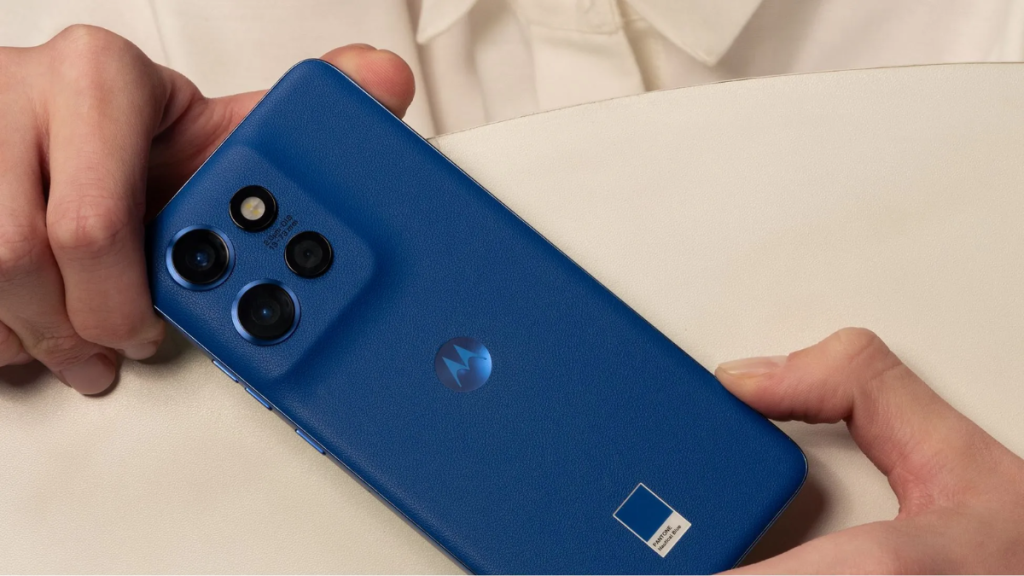
It has been just a couple of days since Google released the first Android 17 beta. We were expecting third-party manufacturers to launch the Android 17 beta program in a few weeks, as has typically been the case in the past, but Motorola had a different plan. The Android 17 beta program is live for Moto Edge 2025, Moto G57, and Moto G57 Power.
The Android 17 beta program for these Motorola smartphones is currently available in select regions, as Motorola posted on the official forum. We’ve listed the devices and supported regions below, along with the direct link to the official beta program page.
If you want to test early builds of Android 17, you can sign up for the beta program by following the steps mentioned below. Note that beta builds are prone to having bugs and errors. So, it’s best to install them on a secondary device.
It’s surprising to see Motorola launching its Android 17 beta program, starting with mid-range and budget models, not premium models like other brands do. It should expand to more devices in the coming days and weeks. We’ll keep an eye on the latest information and post them in the Motorola section.
How to sign up for Motorola’s Android 17 beta program?
Tap on the registration link for your Motorola phone.
Fill in the required details and submit your application.
Motorola may send emails containing more details about your beta application. Therefore, remember to check your inbox regularly, including the spam folder. You can also manually check for new updates via the Settings app.
Google has planned a few more betas ahead of the stable release, which is scheduled for Q3 2026. For Motorola, that’s a quick start to Android 17, but it will be exciting to see how things go forward because that’s where Motorola struggles the most. Last year, it began the Android 16 rollout earlier than most brands but struggled to deliver updates to other devices on time.
For more daily updates, please visit our News Section.
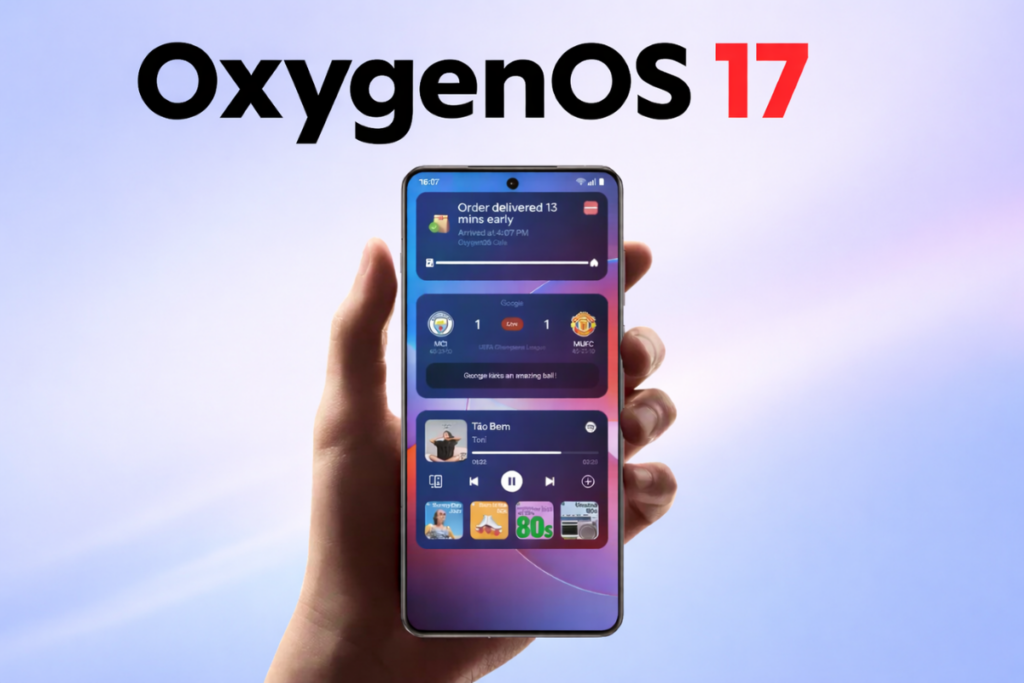
OnePlus wrapped up the OxygenOS 16 rollout earlier this month, which is based on Android 16, and we’re pretty sure the brand has already begun the development of its successor, OxygenOS 17. The upcoming software will have Android 17 at its core and will likely feature a host of new features and enhancements across the system.
While we don’t yet know the OxygenOS 17 features, we’ve curated a list of OnePlus devices eligible for the Android 17 upgrade. This is not a hypothetical list, but it is based on the existing software update policy and must therefore be accurate.
OnePlus Android 17 (OxygenOS 17) eligible devices list
OnePlus flagship phones
OnePlus Open
OnePlus 15
OnePlus 15R
OnePlus 13
OnePlus 13R
OnePlus 13s
OnePlus 13T
OnePlus 12
OnePlus 12R
OnePlus 11
OnePlus Nord series
OnePlus Nord 5
OnePlus Nord CE 5
OnePlus Nord 4
OnePlus Pad series
OnePlus Pad 3
OnePlus Pad 2
OnePlus Pad Lite
OnePlus Pad Go 2
If your OnePlus device is on the list, it’s guaranteed to receive the OxygenOS 17 update once the rollout begins. Otherwise, you’ll need to upgrade to a newer model to continue to receive the latest updates and access the latest features and major changes. You can review the list of OnePlus phones that promise up to 4 major OS upgrades here.
While OnePlus hasn’t shared any details about OxygenOS 17, Google has already released the first beta of Android 17. According to the official timeline, the OS will enter the platform stability phase next month, while the stable release is expected in Q3 2026.
Last year, OnePlus was among the earliest third-party manufacturers to offer Android 16 testing. The first beta build was offered to select OnePlus devices in April 2025. The brand is expected to follow a similar pattern with Android 17, and hence, we can expect the first beta to arrive in March or April for select devices, including the OnePlus 15.
We’ll keep an eye on the latest developments around OxygenOS 17 and post them in the OnePlus section. You can visit the page from time to time to get fresh updates. Or, you can join our Telegram channel to get real-time updates.
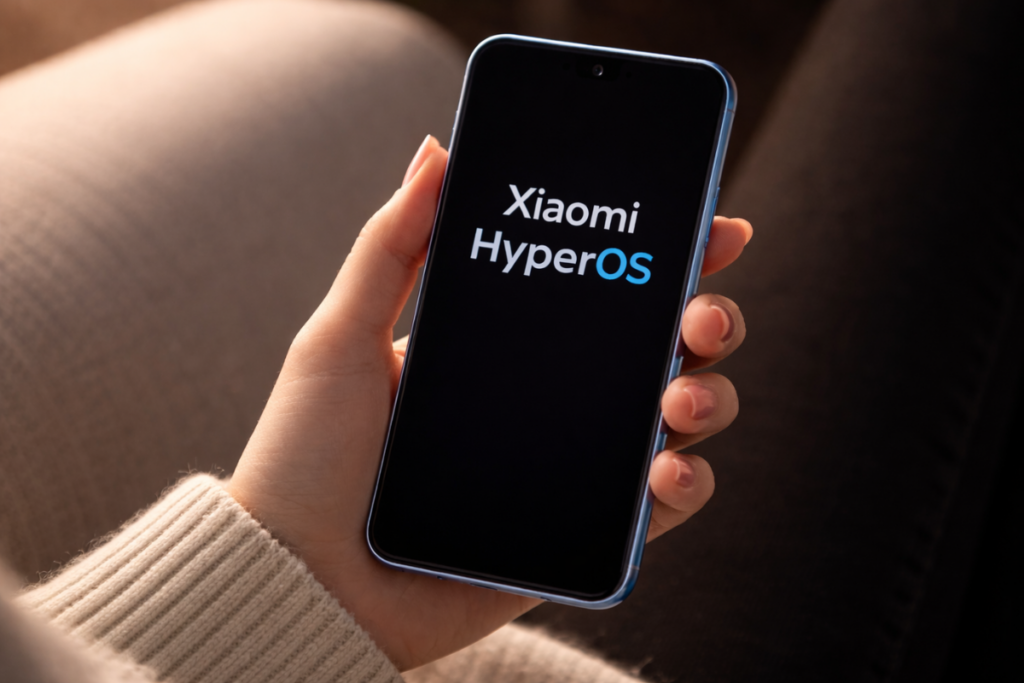
HyperOS 3, based on Android 16, has been rolling out to Xiaomi devices for a few months now. But there’s a version of HyperOS 3 based on Android 15, which will be released for select devices that aren’t eligible for Android 16. This started rolling out in China in December 2025, and now the global rollout has begun, starting with the Xiaomi 12T Pro. The Xiaomi 15 Pro, on the other hand, is receiving a new HyperOS 3.1 beta update.
Android 15-based HyperOS 3 now rolling out globally
It’s good to see Xiaomi pushing the Android 15-based HyperOS 3 update outside China. This will allow more Xiaomi users to access the latest features without upgrading to a newer model. For the Xiaomi 12T Pro, as spotted by Xiaomi Time, the HyperOS 3 update arrives with the firmware version 3.0.1.0.VLFMIXM.
It’s a major upgrade, and therefore, the download size would be a few gigabytes. It’s best to use a stable Wi-Fi connection for the purpose, and charge your battery to at least 40% for a smooth upgrade to HyperOS 3. To check for the latest update, go to Settings > My device and tap the HyperOS logo at the top.
Xiaomi 15 Pro is receiving a new HyperOS 3.1 beta update
If you’re running a HyperOS 3.1 build on your Xiaomi 15 Pro, a new beta update should be waiting for installation. The latest one, tagged with the firmware version 3.0.300.7.WOBCNXM focuses on resolving performance issues to improve the user experience. Don’t expect to see new features or major changes with the latest beta build.
The HyperOS 3.1 beta program is currently limited to China, so the latest beta build for the Xiaomi 15 Pro is also restricted to that region. We’ll let you know when the beta program expands to other regions in our Xiaomi section.
We’ll regularly update you on the latest HyperOS news on this website. Be sure to visit the website regularly for fresh details. Alternatively, you can join our Telegram channel to ensure you don’t miss out on anything.
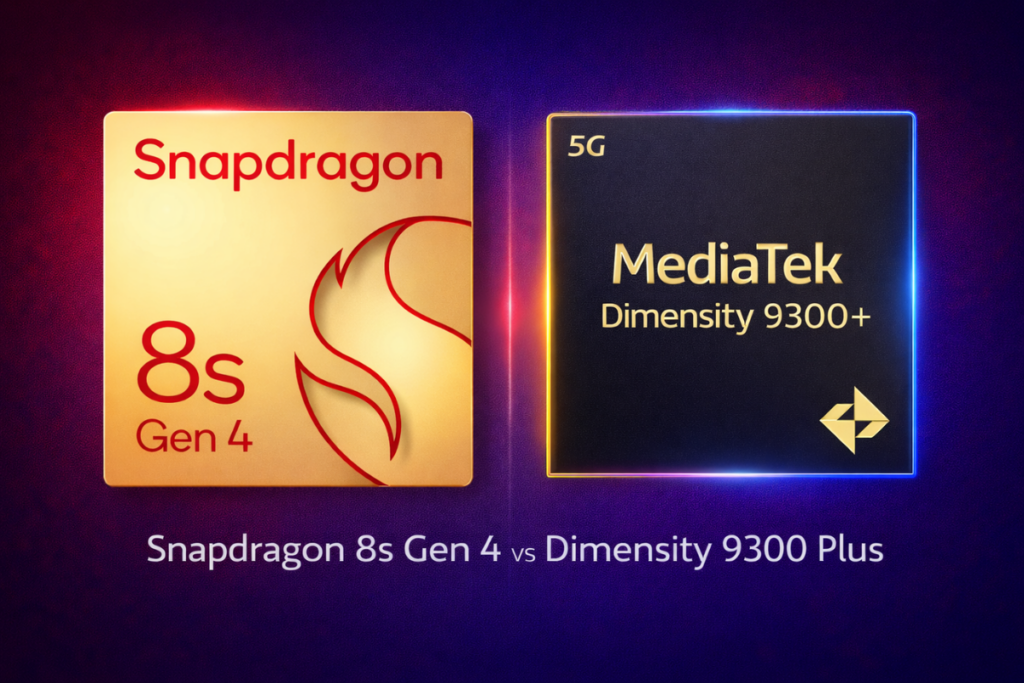
The “s” chips inside the Snapdragon 8-series have been popular for offering great performance at an affordable price, and the Snapdragon 8s Gen 4 is no different. It delivers a strong CPU performance with an all-big-core CPU design, a reliable Adreno GPU for smooth gaming, and a mature ISP.
The Dimensity 9300 Plus was announced a year before the Snapdragon 8s Gen 4, featuring an even more powerful CPU with more large cores, a capable GPU, and competitive camera and connectivity capabilities. The real question is whether the Snapdragon 8s Gen 4 truly outperforms the Dimensity 9300 Plus, or if the Dimensity 9300 Plus is too compelling to ignore? Let’s find out.
Let’s begin with the spec sheet:
Snapdragon 8s Gen 4
Dimensity 9300 Plus
Announced
April 2025
May 2025
Process node
TSMC’s 4nm (N4P)
TSMC’s 4nm (N4P)
CPU cores
8-core
8-core
CPU cores
1 x 3.21GHz — Cortex-X4 3 x 3.0GHz — Cortex-A720 2 x 2.8GHz — Cortex-A720 2 x 2.02GHz — Cortex-A720
1 x 3.4GHz — Cortex-X4 3 x 2.85GHz — Cortex-X4 4 x 2.0GHz — Cortex-A720
GPU
Adreno 825 ray tracing support Snapdragon Elite Gaming features
Mali-G720 Immortalis MP12 ray tracing support MediaTek Adaptive Gaming Technology (MAGT)
NPU
Qualcomm Hexagon NPU
MediaTek NPU 790
Memory
LPDDR5X up to 4.8GHz speed
LPDDR5X, LPDDR5T up to 4.8GHz speed
Storage
UFS 4.0
UFS 4 + MCQ
Camera
Quacomm Spectra ISP (Triple AI-ISPs, 18-bit) up to 320MP single camera up to 108MP single camera with zero shutter lag up to 36MP triple cameras with zero shutter lag real-time semantic segmentation (up to 250 layers) 4K/60fps video recording
Imagiq 990 ISP (18-bit) up to 320MP single camera AI Semantic Analysis Video Engine (up to 16 categories) up to 8K/30fps video recording
Connectivity
Snapdragon X75 5G modem (sub-6GHz) up to 4.2Gbps download speed Wi-Fi 7 (peak speed: 5.8Gbps) Bluetooth 6.0
MediaTek 5G R16 modem (mmWave, sub-6GHz) up to 7Gbps download speed Wi-Fi 7 (peak speed: 6.5Gbps) Bluetooth 5.4
Snapdragon 8s Gen 4 vs Dimensity 9300 Plus: Benchmark score
Note: The benchmark tests were performed on the POCO F7 (powered by the Snapdragon 8s Gen 4) and the Vivo X200 FE (powered by the Dimensity 9300 Plus)
Geekbench performance
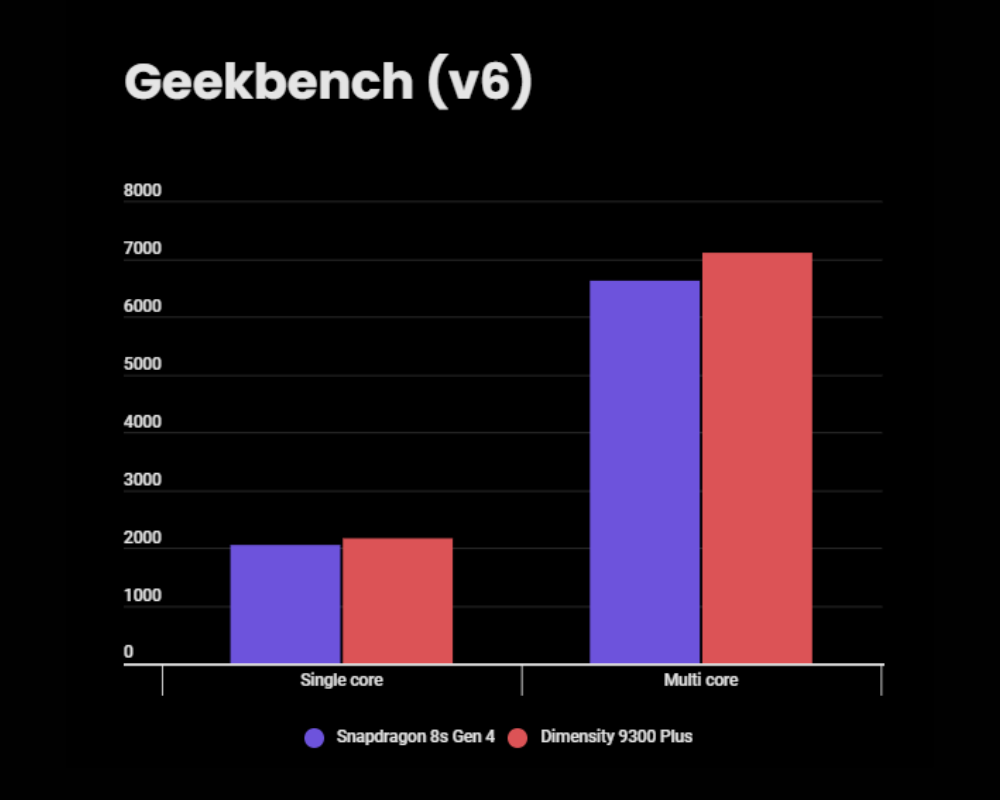
Thanks to a more performance-focused CPU configuration, the Dimensity 9300 Plus pulls higher Geekbench scores. In the single-core test, it gets about a 5.6% higher score, while the multi-core score is up by 7.3%.
Snapdragon 8s Gen 4
Dimensity 9300 Plus
Single core
2,047
2,162
Multi core
6,620
7,104
The difference isn’t significant. However, the Dimensity 9300 Plus would still benefit from peak performance. In regular everyday tasks like browsing the internet and scrolling through your social feeds, there shouldn’t be any performance difference, though.
AnTuTu performance
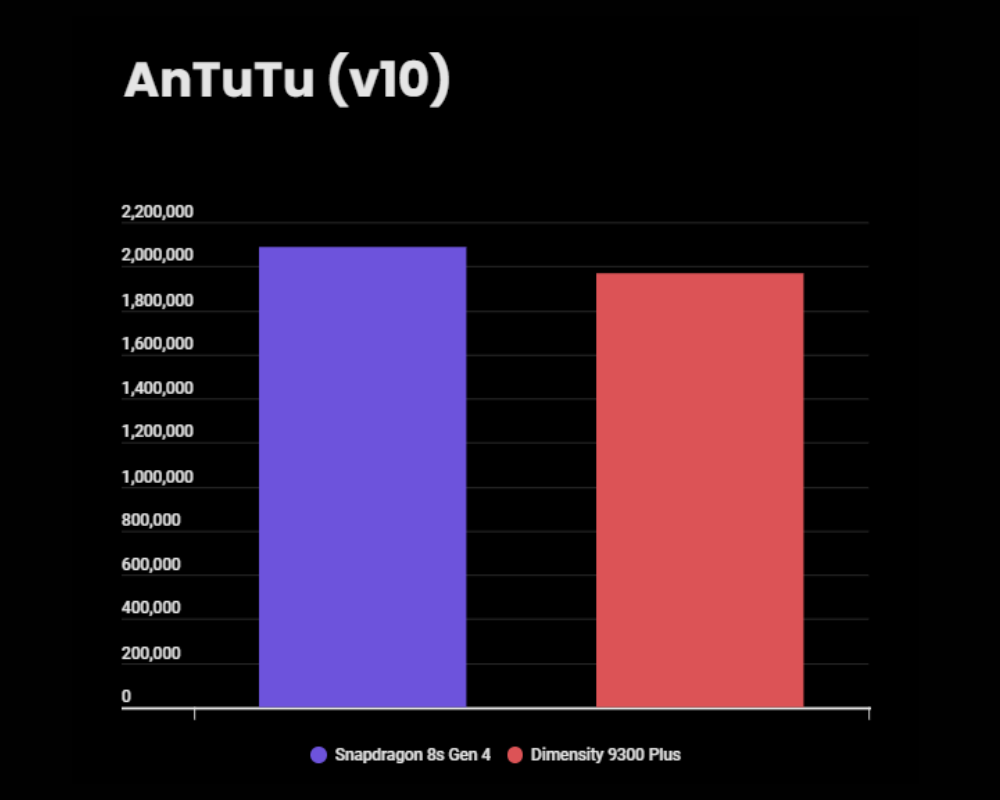
In the AnTuTu benchmark, the Snapdragon 8s Gen 4 outperforms the Dimensity 9300+ by 6% in total score. The latter still gets a slightly higher CPU score, but the Snapdragon chip makes a strong comeback in the GPU score, scoring 465K (vs. 455K on the Dimensity 9300+).
Snapdragon 8s Gen 4
Dimensity 9300 Plus
AnTuTu score
2,087,410
1,968,353
CPU
455,444
465,444
GPU
877,203
803,677
Memory
428,872
338,353
UX
325,891
360,879
The Snapdragon 8s Gen 4 also benefits from better memory performance, while the Dimensity 9300+ achieves a higher score in the user experience (UX) test.
3DMark performance
3DMark Wild Life Extreme Stress Test
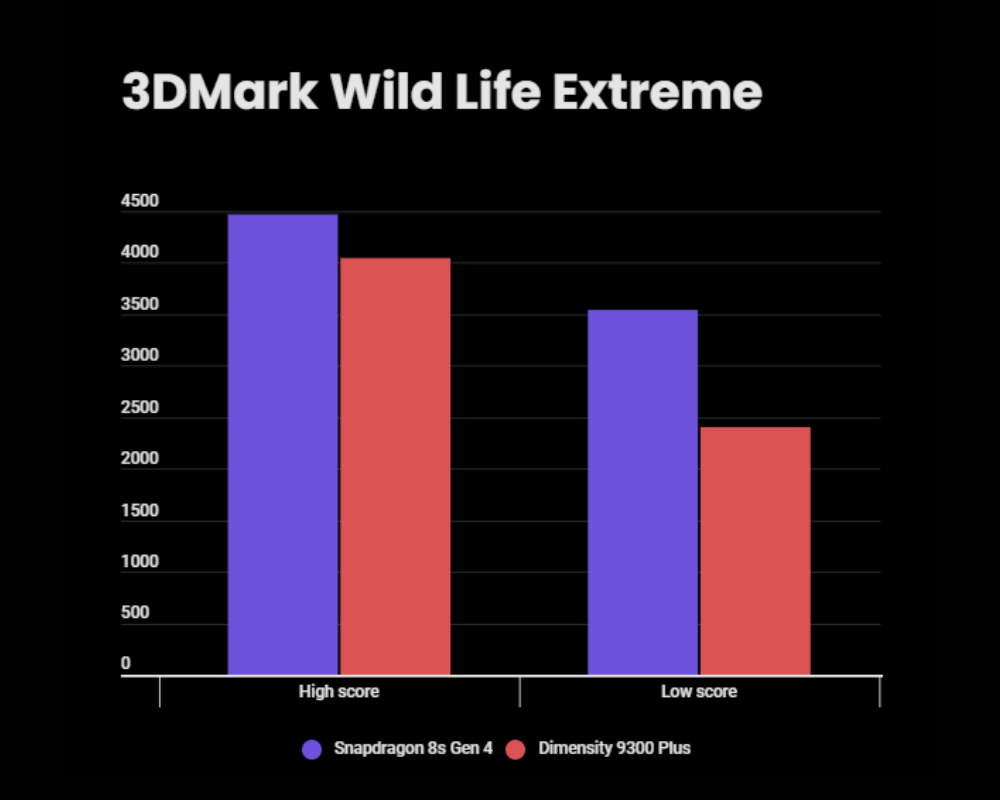
The 3DMark Wild Life Extreme Stress Test further solidifies the point that the Snapdragon 8s Gen 4 offers better gaming performance. It gets about a 10% better high score, which represents the peak performance.
Snapdragon 8s Gen 4
Dimensity 9300 Plus
High score
4,470
4,046
Low score
3,542
2,405
Stability
79.24%
59.44%
The gap widens significantly to 47% in the low-score test, indicating that the Snapdragon 8s Gen 4 chip doesn’t throttle as much as the Dimensity 9300+ during long gaming sessions. This results in much better stability on Snapdragon 8s Gen 4 devices.
Now that we know the benchmark scores, let’s examine the key differences to get a clearer picture.
Snapdragon 8s Gen 4 vs Dimensity 9300 Plus: Key differences
CPU, GPU & NPU
The CPUs of Snapdragon 8s Gen 4 and Dimensity 9300 Plus comprise Cortex-X4 and Cortex-A720 cores. The Cortex-X4 offers higher performance, while the Cortex-A720 balances power and efficiency. Since the Dimensity 9300 Plus features more Cortex-X4 cores, it is able to achieve higher peak performance in CPU tests across benchmarks. The chip also benefits from a higher CPU clock speed.
Gaming performance has always been a major strength of Qualcomm chips, thanks to highly optimized Adreno GPUs, improved driver support, and excellent sustained performance. The Snapdragon 8s Gen 4 with Adreno 825 GPU achieves a much better score and stability on gaming benchmarks than the Dimensity 9300 Plus with Mali-G720 GPU.
For on-device AI intelligence, the Snapdragon 8s Gen 4 relies on Qualcomm’s Hexagon NPU architecture. It brings generative AI capabilities and support for multimodal and multilingual AI assistants.
Qualcomm also uses AI to improve the camera output and deliver stronger connectivity. MediaTek also leverages its NPU 790 in these areas and supports a variety of popular LLMs, including Alibaba Qwen, Google Gemini nano, and Meta Llama 3.
Camera and imaging
Equipped with an 18-bit triple ISP, the Snapdragon 8s Gen 4 supports up to 320MP single camera and real-time semantic segmentation for photos and videos with up to 250 layers. Furthermore, the chip supports intelligent, real-time skin and sky tone correction and up to 4K video recording at 60fps.
The Dimensity 9300 Plus, on the other hand, features an 18-bit Imagiq 990 ISP with up to 320MP single camera, AI Semantic Analysis Video Engine with 16 categories of scene segmentation, and 8K video recording at 30fps. MediaTek highlights AI-videography and zero-latency video preview as key features.
Connectivity
The Snapdragon X75 5G modem on the Snapdragon 8s Gen 4 is a sub-6GHz-only modem with a peak download speed of 4.2Gbps. Over a Wi-Fi 7 connection, the peak speed jumps to 5.8Gbps. The modem supports Bluetooth 6.0, Bluetooth Low Energy, and XPAN, enabling earbuds/headphones to stay connected via Wi-Fi for wider-range coverage.
The Dimensity 9300+ features an integrated 5G modem supporting both mmWave and sub-6 GHz. Furthermore, it offers higher download speeds over 5G and Wi-Fi connections, but doesn’t bring support for the latest Bluetooth standard.
Snapdragon 8s Gen 4 vs Dimensity 9300 Plus: Which is a better choice?
The Snapdragon 8s Gen 4 features a more powerful Adreno 825 GPU, delivering a smooth gaming experience, even during longer sessions, with much less throttling. The positive aspects also include a high memory performance, an advanced Hexagon NPU, a mature 18-bit AI ISP, and Bluetooth 6.0 support.
The Dimensity 9300 Plus excels in peak CPU performance and supports 8K video recording. The integrated 5G modem supports both mmWave and sub-6GHz bands with faster download speeds. And the Imagiq 990 ISP features AI video enhancements and zero-latency preview.
In short, the Snapdragon 8s Gen 4 is a better choice for gaming, while the Dimensity 9300 Plus delivers higher peak CPU performance. For everyday usage, both chipsets offer a similar performance with no significant difference.

 Login
Login