Login
Login
Manila’s NAIA Revamps International Flight Operations as Airlines From China, Japan, Vietnam, Brunei, and Malaysia Shift Between Terminal 1 and Terminal 3 for Summer 2026—What Global Travelers Should Prepare For
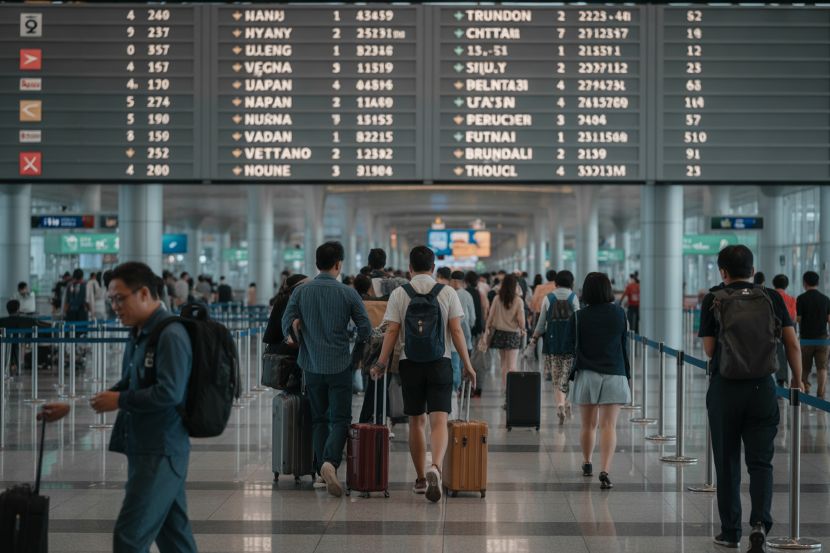
As Manila Ninoy Aquino International Airport prepares for a busy summer travel season, a significant terminal reshuffle is set to redefine the passenger experience in the Philippines’ primary gateway. Beginning March 29, 2026, and continuing through April 1, 2026, several major airlines from China, Brunei, Vietnam, Japan, and the Philippines will relocate between Terminal 1 and Terminal 3 under a coordinated move led by the New NAIA Infrastructure Corporation. This Manila Ninoy Aquino International Airport revamp is more than an operational adjustment—it directly impacts millions of travelers using the hub to connect across Asia and beyond. With carriers such as Shenzhen Airlines, Air China, China Eastern Airlines, Royal Brunei Airlines, Vietnam Airlines, AirAsia Philippines, AirAsia, and Japan Airlines involved, the changes are poised to reshape passenger flows and enhance terminal efficiency just in time for peak international demand.
A Strategic Terminal Rebalance At Manila’s Primary Gateway
Ninoy Aquino International Airport, commonly known as NAIA, serves as the Philippines’ main international aviation hub, handling tens of millions of passengers annually. With growing regional demand and the summer 2026 schedule approaching, the airport’s private operator, New NAIA Infrastructure Corporation (NNIC), has initiated a series of terminal reallocations affecting seven airlines.
Effective March 29, 2026, the following carriers will move their flight operations from Terminal 1 to Terminal 3:
- Shenzhen Airlines
- Air China
- China Eastern Airlines
- Royal Brunei Airlines
- Vietnam Airlines
Meanwhile, AirAsia Philippines and AirAsia will shift their international operations from Terminal 3 to Terminal 1 on the same date.
Shortly after, on April 1, 2026, Japan Airlines will also relocate its Manila services from Terminal 1 to Terminal 3.
These adjustments align with the global start of the IATA summer scheduling season, when airlines traditionally recalibrate routes and operations.
Why Terminal 3 Is Becoming A Growing International Hub
Terminal 3 at NAIA is the airport’s largest and most modern facility. Designed to accommodate higher passenger volumes, it features expanded check-in halls, multiple aerobridges, and broader retail and dining options compared to the older Terminal 1.
The transfer of Chinese, Vietnamese, Bruneian, and Japanese carriers into Terminal 3 suggests a strategic consolidation of full-service Asian airlines into a more spacious, internationally connected environment. This could reduce congestion in Terminal 1, which has historically handled many legacy international routes.
For travelers flying between Manila and major cities such as Beijing, Shanghai, Shenzhen, Hanoi, Ho Chi Minh City, Bandar Seri Begawan, and Tokyo, the move to Terminal 3 may offer:
- Faster immigration processing during peak hours
- Improved transfer connectivity
- Wider dining and shopping choices
- More modern passenger amenities
Given the Philippines’ strong inbound tourism rebound, particularly from East and Southeast Asia, the terminal upgrade may enhance the overall arrival experience for visitors.
What This Means For Budget And Regional Travelers
The relocation of AirAsia Philippines and AirAsia’s international services to Terminal 1 introduces a new dynamic. Terminal 1, originally opened in 1981 and refurbished over time, continues to handle a substantial share of international flights.
Low-cost carriers often optimize turnaround efficiency and gate allocation. The move may allow Terminal 3 to focus more on larger full-service international operators, while Terminal 1 absorbs more point-to-point leisure traffic.
For Filipino travelers heading to regional destinations such as Kuala Lumpur, Bangkok, or other Southeast Asian cities served by AirAsia, checking terminal assignments well in advance will now be crucial. Even seasoned travelers accustomed to departing from Terminal 3 will need to adjust.
Smart Travel Moves: Avoiding Confusion During The Transition
Double-Check Your Terminal Before Leaving Home
With changes taking effect from March 29 and April 1, passengers should:
- Verify terminal details directly through their airline’s official website
- Monitor updated boarding passes and booking confirmations
- Allow extra travel time to account for possible transitional adjustments
NAIA’s terminals are not internally connected, meaning inter-terminal transfers require road travel. Misidentifying your terminal could add 20–30 minutes or more to your journey depending on traffic conditions around Manila.
Arrive Earlier During The First Weeks Of Implementation
During the initial weeks of any airport operational reshuffle, minor adjustments in passenger flow are common. Arriving at least three hours before international departure remains advisable.
A Broader Aviation And Tourism Context
The Philippines continues to position Manila as a competitive aviation gateway in Southeast Asia. Passenger numbers have been steadily recovering in line with regional tourism demand. China, Japan, Vietnam, and Brunei are key source markets for Philippine tourism, while Filipino outbound travel to these destinations remains strong.
By reorganizing terminal allocations, NNIC appears to be optimizing capacity distribution to better manage:
- Peak-hour congestion
- Airline clustering by service model
- Passenger processing efficiency
For tourism stakeholders—hotels, tour operators, and transport providers—improved airport flow directly enhances first impressions. Terminal 3’s expanded retail and hospitality environment also supports the broader visitor economy.
Japan Airlines’ April 1 transfer is particularly noteworthy, as Japan remains one of the Philippines’ most important travel corridors for both business and leisure. Consolidating its operations into Terminal 3 aligns with other major Asian carriers and may facilitate smoother ground handling coordination.
Travel Planning Tips For Summer 2026 Visitors To Manila
If You’re Arriving In Manila
- Confirm which terminal your return flight departs from—arrival and departure terminals may differ.
- Book airport transfers in advance, especially during peak summer months.
- If connecting domestically, allocate sufficient buffer time, as NAIA’s domestic terminals are separate from its international facilities.
If You’re Departing From Manila
- Check traffic conditions around NAIA before departure.
- Consider early check-in options where available.
- Use official airport maps to familiarize yourself with your new terminal layout.
Manila’s Evolving Airport Landscape
NAIA’s infrastructure has long been under scrutiny due to congestion and capacity constraints. While large-scale airport development projects continue in the Greater Manila area, operational efficiency improvements within NAIA remain essential in the near term.
The 2026 summer reshuffle may seem administrative, but for international travelers navigating Manila, it represents a meaningful shift in airport dynamics. Better space allocation, airline clustering, and passenger flow management could significantly influence the overall travel experience.
The Takeoff Into A Rebalanced Summer Season
As Manila Ninoy Aquino International Airport transitions into its new terminal structure for summer 2026, travelers from the Philippines, China, Japan, Vietnam, and Brunei should stay informed and prepared. The coordinated relocation of major airlines across Terminal 1 and Terminal 3 reflects a strategic recalibration aimed at improving efficiency at one of Southeast Asia’s busiest gateways.
For tourists planning Philippine holidays or regional Asian getaways, awareness will be the key to a smooth journey. The terminals may change—but with the right preparation, your travel plans don’t have to.
The post Manila’s NAIA Revamps International Flight Operations as Airlines From China, Japan, Vietnam, Brunei, and Malaysia Shift Between Terminal 1 and Terminal 3 for Summer 2026—What Global Travelers Should Prepare For appeared first on Travel And Tour World.