
 Login
Login
Morocco Tourism Revenues Soar by More than Twenty Percent in January 2026, Marking a Strong Start with Strategic Initiatives for Sustainable Growth Through 2030
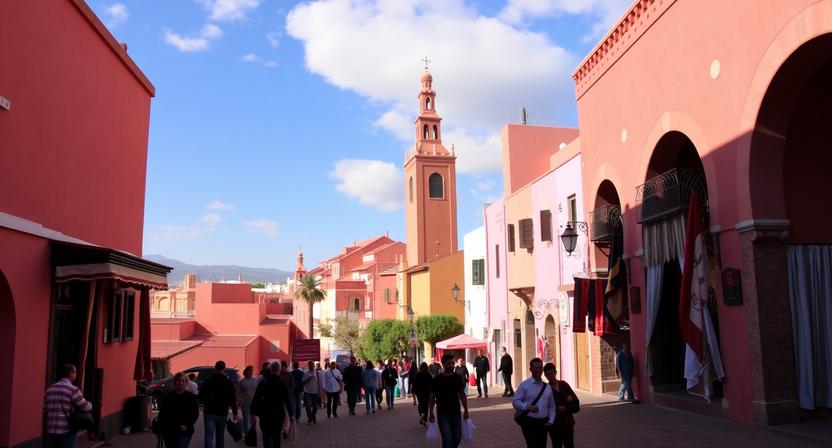
The tourism sector in Morocco is off to a flying start in 2026, with a rise of 19.3% in tourism revenues in January, indicating the increased popularity of the country as a global tourism destination. According to the latest statistics released by the Office des Changes, the tourism revenues for the month of January 2026 stood at 11.65 billion Moroccan dirhams, an increase from the revenues of 9.77 billion Moroccan dirhams received in January 2025. The increase in revenues is a continuation of the remarkable performance in 2025, when the sector received a record 138 billion Moroccan dirhams in tourism revenues.
Strategic Initiatives Driving Sustainable Tourism Growth
Morocco’s tourism growth can be attributed to several strategic initiatives aimed at boosting the country’s global appeal. These efforts include expanding international flight connections, promoting diverse destination offerings across cities, desert, coastal, and cultural circuits, and running targeted marketing campaigns. These measures have strengthened Morocco’s position as a year-round tourism destination, attracting both leisure travelers and those seeking cultural experiences and nature-based adventures.
The rise in tourism revenues has had a significant economic impact, driving job creation, investment in infrastructure, and enhancing foreign exchange earnings. The growth of safari tourism, eco-tourism, and cultural tourism is also contributing to the diversification of Morocco’s tourism economy, making it less reliant on traditional sectors and more resilient to global shifts in demand.
A Boost in Tourism Spending During Major Events
One key event that drove a sharp increase in visitor spending was the Africa Cup of Nations (AFCON) 2025. Cross-border transactions from participating countries jumped by over 190% compared to the previous year, highlighting the direct impact of sporting events on tourism spending. This surge in tourism revenue from international visitors also reinforced the idea that major events such as AFCON can serve as catalysts for tourism growth, stimulating the local economy and boosting demand for accommodation, transportation, and tourism-related services.
Morocco’s Long-Term Goals: Attracting 26 Million Visitors by 2030
Looking forward, Morocco’s Ministry of Tourism has set an ambitious target to attract 26 million visitors by 2030, focusing on both domestic and international markets. This goal aligns with the country’s broader national tourism strategy, which prioritizes sustainable tourism development and continued investment in tourism infrastructure, including airports, transportation, and accommodation facilities. The aim is to enhance visitor experiences through improvements in service quality, digital services, and more diverse tourism offerings.
By diversifying the types of tourism promoted, from eco-tourism to culinary tourism and cultural heritage tours, Morocco is positioning itself as a global tourism leader that meets the evolving preferences of today’s travelers. The growing demand for luxury, sustainable, and experiential tourism will help Morocco reach its goal of becoming a top destination in the global tourism market.
Boosting the Local Economy with Tourism Investment
Morocco’s tourism expansion also has a direct impact on local economies. As tourism continues to grow, local communities are benefiting from the job creation and business opportunities generated by the increased number of visitors. This includes growth in hospitality, tourism services, and the food industry, as well as improvements to local infrastructure. The development of new tourist attractions, such as those focused on sustainability and cultural experiences, provides significant economic benefits to regions across Morocco, particularly in more remote and underserved areas.
For example, initiatives like eco-tourism projects and the promotion of Morocco’s heritage sites attract international tourists while providing long-term economic sustainability for local communities. Tourist-driven investments, such as the development of artisan markets and cultural festivals, are also generating new economic opportunities, further supporting economic diversification in regions traditionally dependent on agriculture or other industries.
Tourism and Infrastructure Development: A Winning Combination
Infrastructure development is a major pillar of Morocco’s strategy to boost its tourism sector. Investments in airport facilities, public transport, and urban development are expected to provide more seamless travel experiences for tourists. As Morocco’s tourism market continues to grow, the infrastructure improvements will support the increasing number of international visitors and provide better services to enhance tourist satisfaction.
With enhanced flight connectivity, modern accommodation options, and tourism amenities, Morocco’s tourism infrastructure will continue to evolve, making the country an increasingly attractive destination. The government’s commitment to ensuring high-quality services and sustainable development will help ensure that Morocco’s tourism remains a key contributor to the country’s long-term economic success.
Strengthening Morocco’s Position in Global Tourism
The increasing growth in the tourism industry in Morocco is an indication of the success of the strategic plans and investment in crucial sectors such as destination marketing, sustainability, and quality services. As the earnings from the tourism industry in Morocco continue to rise, the importance of the industry to the economy, employment, and cultural heritage also increases.
By reaching the goal of 26 million tourists by the year 2030, Morocco is set to solidify its place in the global tourism industry, further enhancing its reputation for providing authentic experiences while promoting sustainable tourism. This is the significance of the tourism industry in the long-term development of the economy in Morocco.
The post Morocco Tourism Revenues Soar by More than Twenty Percent in January 2026, Marking a Strong Start with Strategic Initiatives for Sustainable Growth Through 2030 appeared first on Travel And Tour World.