
 Login
Login
Germany Overtakes Romania, Poland, Italy, United Kingdom, Spain And More, Paving The Way For Hungary’s Unmatched Tourism Growth With Over Two Million Overnight Stays And Booming January 2026 Arrivals
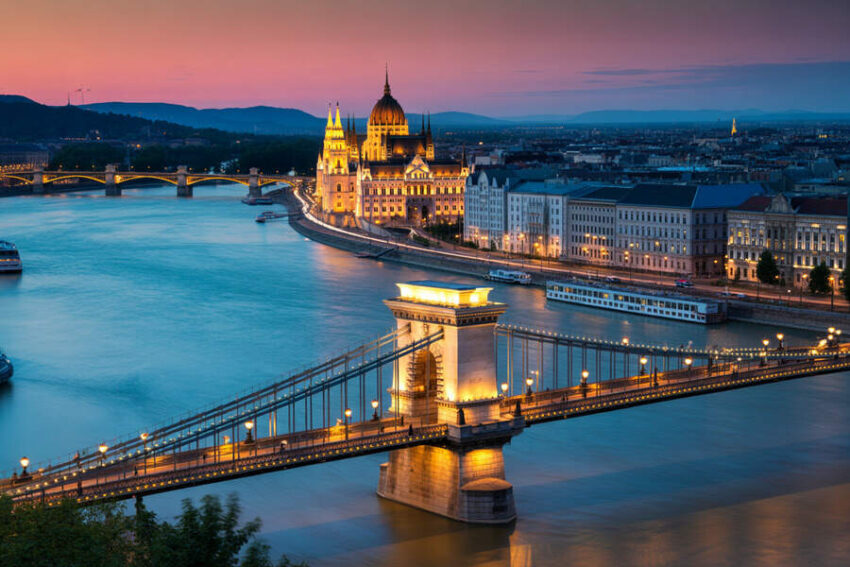
Germany Overtakes Romania, Poland, Italy, United Kingdom, Spain and More, Powering Hungary’s Tourism Surge with Over 2 Million Overnight Stays and Record Arrivals in January 2026 as the country’s tourism sector experiences unprecedented growth. This surge is driven by Germany’s newfound dominance as the top source market, surpassing traditional European leaders like Romania, Poland, and Italy. Alongside Germany, other European countries and long-haul markets continue to fuel this boom, marking Hungary as a key destination for international travellers. With impressive increases in both international arrivals and overnight stays, Hungary is solidifying its position as a vibrant cultural hub at the heart of Europe.
Hungary’s tourism sector kicked off 2026 with impressive growth, registering nearly 1.1 million guests and 2.4 million nights spent in commercial and private accommodations in January. This growth has been supported not only by strong domestic demand but also by the expanding role of international tourism, particularly from major European and global markets.
The key story, however, lies in which countries are fueling this growth and how their tourism dynamics are reshaping Hungary’s appeal as a prime European destination. Notably, Germany has surpassed several traditional top markets such as Romania, Poland, Italy, the United Kingdom, and Spain, becoming the powerhouse behind Hungary’s tourism boom.
Tourism Numbers in January 2026: A Bright Start to the Year
According to data from the Hungarian Central Statistical Office (KSH), the country saw a 5.3% increase in international arrivals compared to January 2025, alongside a 3.6% rise in overnight stays. These figures set a positive tone for the year and reaffirm Hungary’s position as a vibrant, attractive destination for both leisure and business travellers. Among the key contributors to this growth were Germany, Romania, Poland, the UK, Spain, and Italy, whose nationals played a pivotal role in Hungary’s record tourism numbers.
Domestic Tourism Growth
Domestic tourism also played a major role in January’s performance. Hungarian travellers accounted for almost half of the total visitor numbers, with 494,000 domestic arrivals and a 2.5% rise in the number of nights spent at accommodations. Budapest and Lake Balaton were particularly popular destinations, seeing increases of 11% and 3.4%, respectively, in domestic tourism. However, regions like Pécs witnessed an impressive 21% increase, underlining the growing interest in Hungary’s provincial gems.
International Visitors Contribute Strong Growth
On the international front, foreign arrivals reached 573,000, marking a 6% increase, while international tourism nights climbed 4.4% to 1.3 million. These gains were powered largely by neighbouring countries, with notable contributions from Germany, Romania, Poland, the UK, and Italy, alongside key long-haul markets.
Germany: The Dominant Force Driving Hungary’s Tourism Boom
In January 2026, Germany overtook Romania, Poland, Italy, and other European countries, becoming the largest source market for Hungary’s tourism. This shift has been gradual but steady, with Germany’s robust economic ties to Hungary and a highly connected transport network playing a critical role.
Germany’s Growing Dominance in Hungary’s Tourism Landscape
Historically, Germany has consistently ranked among the top three source countries for Hungarian tourism, but in 2026, Germany’s presence has surged ahead of its regional competitors. The primary factors behind this rise include:
- Geographic proximity: Germany shares a direct land border with Hungary, making it an easily accessible destination for German nationals, whether by car, train, or air.
- Cultural and economic ties: The strong business and cultural exchange between the two nations has fostered a consistent stream of visitors, from tourists visiting Hungary’s cultural landmarks to business travellers attending conferences and events.
- Popular destinations: Budapest, with its world-renowned architecture, thermal spas, and rich history, continues to be a favourite among German visitors. Additionally, regions like Lake Balaton have become increasingly popular for short getaways, particularly during the warmer months.
In 2025, Germany topped Hungary’s inbound tourism list, with over 2.3 million German visitors contributing to the country’s strong tourism performance. This upward trajectory is expected to continue, positioning Germany as a key player in Hungary’s tourism economy.
Romania, Poland, and Italy: Key Regional Players in Hungary’s Growth
Despite Germany’s ascendance, Romania, Poland, and Italy continue to be significant contributors to Hungary’s tourism figures. These countries share cultural and geographic proximities with Hungary, making them natural source markets for inbound travel.
Romania: A Steady Contributor to Hungary’s Tourism Growth
Romanian visitors have always made up a large share of Hungary’s inbound tourists, and this trend continued in January 2026. The proximity of Romania to Hungary, especially for Budapest-based tourism and short cultural visits, keeps this market crucial for Hungary’s tourism industry.
Romanian travellers are drawn to Hungary for its rich history, cultural landmarks, and affordable travel options. Additionally, Hungary’s well-developed transport infrastructure makes it a convenient and cost-effective destination for Romanians looking for a quick European escape. Romania’s cultural and historical ties with Hungary also make it an attractive option for those interested in cross-border tourism and cultural exploration.
Poland: Growing Affluence and Increased Travel Demand
Poland has seen significant economic growth and an expanding middle class, which has translated into a rise in outbound tourism. As more Polish nationals seek international travel experiences, Hungary has become an increasingly popular destination for Polish tourists.
With direct flights between major Polish cities like Warsaw and Kraków and Hungarian cities such as Budapest, Poland continues to be a steady source of tourists. Additionally, Polish tourists are particularly drawn to Hungary’s cultural offerings and affordable travel options.
Italy: High-Value Long-Haul Travellers
Italy has consistently been one of the leading countries sending tourists to Hungary. Italians appreciate Hungary’s proximity to Italy and the shared cultural history between the two nations. Additionally, Budapest’s art scene, opera, and architecture are major draws for Italian visitors.
Italian nationals tend to travel during major European holidays and city breaks, with a significant number of them visiting Budapest’s cultural attractions, including its famous thermal baths, UNESCO World Heritage sites, and the Danube River.
The United Kingdom and Spain: Boosting Hungary’s Tourism Appeal
Both the United Kingdom and Spain have also shown strong support for Hungary’s tourism industry. These long-haul markets continue to drive a healthy influx of international visitors, despite the geographical distance.
The United Kingdom: A Robust Contributor with Growing Interests in Budapest
The UK has long been one of Hungary’s top markets for tourism, and the trend continues in 2026. British nationals flock to Budapest for its affordable luxury, vibrant nightlife, themed tours, and music festivals. With the easing of travel restrictions post-pandemic, the UK has once again emerged as a key long-haul source market, contributing significantly to Hungary’s tourism revenues.
Spain: A Southern European Market with Expanding Presence
Spain is increasingly becoming a vital source of visitors to Hungary. While traditionally known for popular destinations like Italy, Spain’s growing interest in Central Europe has made it one of Hungary’s top international markets. Many Spanish tourists visit Hungary for its affordable accommodation and rich history, and are particularly attracted to Budapest’s cultural offerings.
The Impact of Hungary’s Regional Growth on Tourism Infrastructure
The increasing number of international arrivals has led to significant investments in Hungary’s tourism infrastructure. The country’s international airports, especially Budapest’s Liszt Ferenc International Airport, have been expanding to accommodate the rising number of international flights and connections.
At the same time, Hungary has invested heavily in the revitalisation of its rural areas, especially Lake Balaton, which has seen a marked increase in visitors from Romania, Poland, and Germany. The expansion of transport links to smaller cities and towns has also facilitated tourism growth in regions such as Pécs, Tokaj, and Nyíregyháza.
As Hungary continues to experience unprecedented growth in its tourism sector, the countries driving this surge — Germany, Romania, Poland, Italy, the United Kingdom, and Spain — all play crucial roles. While Germany leads the charge, other European markets and long-haul travellers continue to make Hungary a key tourism destination in the heart of Europe.
With a dynamic mix of regional neighbours and emerging international markets, Hungary’s tourism sector is poised for further expansion. The significant rise in overnight stays, especially from German, Romanian, Polish, Italian, and British tourists, demonstrates Hungary’s growing reputation as a premium yet affordable European destination.
Germany Overtakes Romania, Poland, Italy, United Kingdom, Spain and More in Powering Hungary’s Tourism Surge with Over 2 Million Overnight Stays and Record Arrivals in January 2026, driven by increased demand from German tourists and growing interest from other European and global markets. This surge underscores Hungary’s rising appeal as a top European destination.
As 2026 unfolds, Hungary’s rich history, cultural offerings, and modern hospitality will continue to draw tourists from all corners of the globe — cementing its position as one of Europe’s top destinations.
The post Germany Overtakes Romania, Poland, Italy, United Kingdom, Spain And More, Paving The Way For Hungary’s Unmatched Tourism Growth With Over Two Million Overnight Stays And Booming January 2026 Arrivals appeared first on Travel And Tour World.