Login
Login
Iran, Middle East: Global Impact of US and Israeli Military Strikes on Iran – What Travelers Need to Know

The world is reacting with concern after the United States and Israel carried out coordinated airstrikes on multiple cities across Iran, resulting in significant geopolitical tensions and regional instability. In the wake of the military operations, the international community has voiced condemnation, while also expressing fears about the broader impact on peace, security, and civilians in the Middle East.
As global leaders engage in diplomatic efforts, the world’s travelers are facing new uncertainties, with escalating tensions threatening travel plans across the region. For tourists and business travelers, the situation demands careful attention and preparedness for possible disruptions.
The Strikes: A Timeline of Escalating Tensions
On Saturday, US and Israeli forces launched a series of airstrikes on strategic sites across Iran, with the aim of dismantling missile capabilities and preventing the further development of nuclear weapons. US President Donald Trump referred to the operations as “major combat operations,” while Israeli officials described the strikes as a necessary preemptive measure. The moves come after weeks of mounting threats and diplomatic negotiations concerning Iran’s nuclear programme.
In response to the airstrikes, Iran’s Revolutionary Guard Corps (IRGC) launched retaliatory attacks on US bases and assets across the region as part of Operation “Truthful Promise 4.” With the Iranian Supreme Leader, Ayatollah Ali Khamenei, confirmed dead, tensions are expected to intensify, with the potential for further escalation throughout the region.
Global Reactions and Calls for De-escalation
The international community has been swift in responding to the developments. UN Secretary-General António Guterres condemned the escalation, warning that the use of force by both the US and Israel undermines international peace and security. He urged for an immediate ceasefire to prevent a wider regional conflict with devastating consequences for civilians and global stability.
The UN Security Council convened an emergency meeting to address the crisis, with US Ambassador Mike Waltz defending the strikes as targeting specific objectives related to Iran’s missile capabilities and destabilizing activities. Meanwhile, Israeli Ambassador Danny Danon emphasized the need to eliminate the existential threat posed by Iran, particularly regarding its nuclear ambitions.
In stark contrast, Russia, a key ally of Iran, condemned the strikes as “aggression” and warned that the escalation could have far-reaching consequences beyond the Middle East. Other countries, including Oman, expressed dismay, with Oman’s Foreign Minister calling the strikes detrimental to ongoing US-Iran nuclear talks.
Impact on Business and Tourism: Increased Uncertainty for Travelers
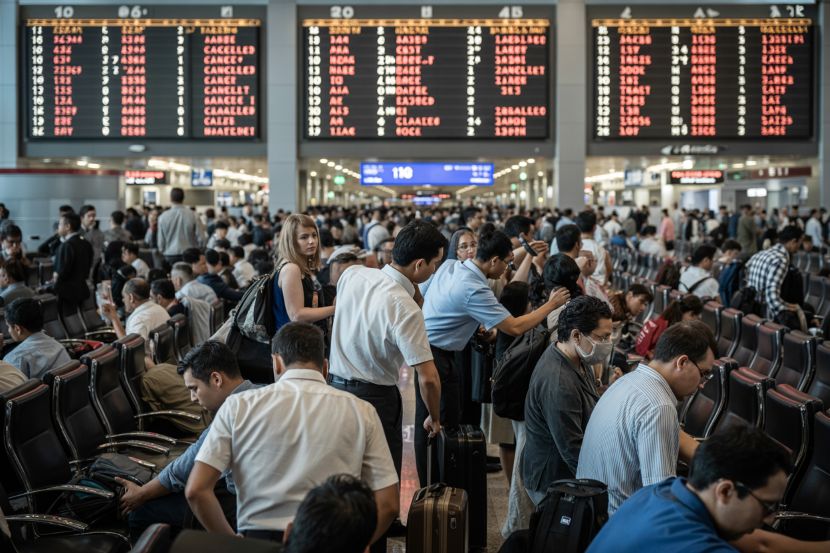
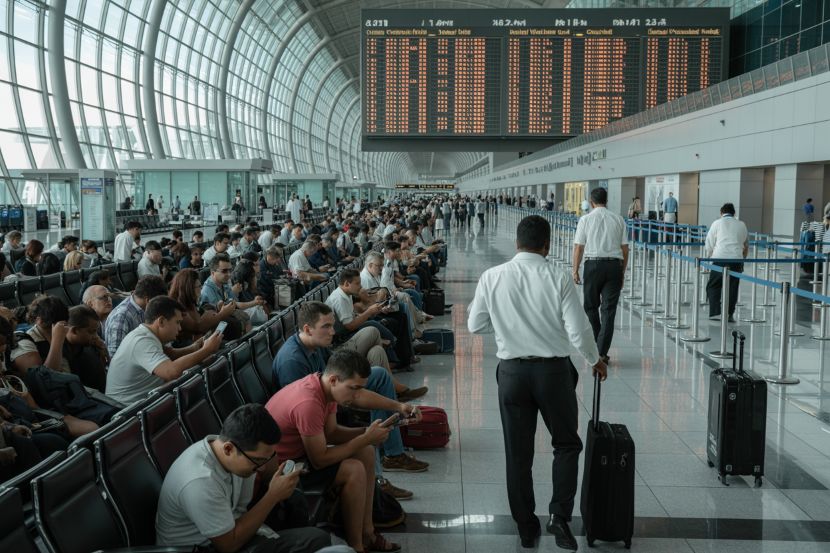
The ripple effect of these military actions is already being felt by travelers and businesses in the region. Airlines operating routes in and out of the Middle East, particularly those with stopovers in or around Iran, have been forced to adjust their schedules. Flights have been canceled or rerouted as airspace closures have compounded the disruptions.
For business travelers in the region, the uncertainty surrounding travel routes and the potential for further military action raises concerns about the stability of upcoming meetings, conferences, and events. Many business trips have already been postponed or rerouted, as companies assess the risk of operating in such an unstable environment.
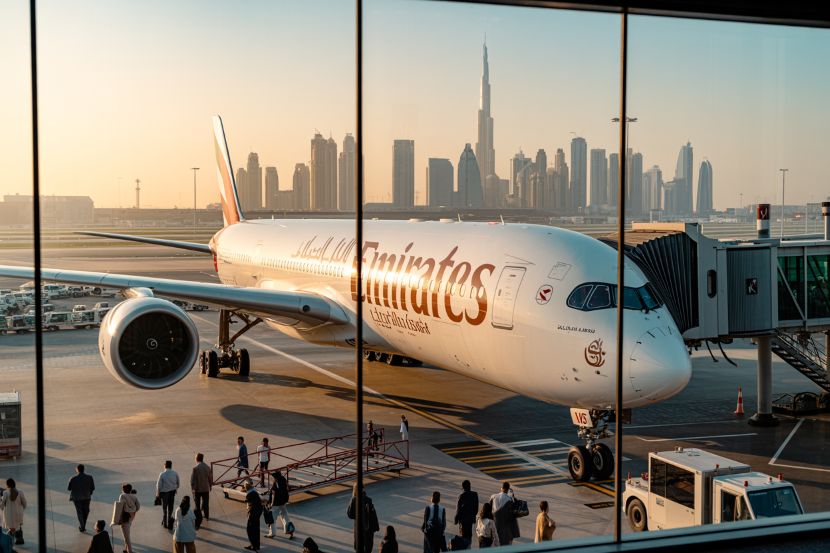
Leisure travelers planning vacations in the Middle East, including destinations like Dubai, Abu Dhabi, and other regional hotspots, may find their trips affected. Travel advisories have been issued, and some flights from the US and European destinations to the Gulf have been delayed or canceled. Even those outside of the immediate conflict zones should be mindful of potential disruptions, including the suspension of flights and delays in airport operations.
What Travelers Should Do: Stay Informed and Prepared
If you are currently in the Middle East or planning to travel to the region, here are key steps to take:
- Monitor Travel Advisories: Check official travel advisories from your country’s foreign ministry or embassy. Stay updated on the latest developments, particularly those related to flight schedules, airspace closures, and potential security risks in the region.
- Stay Flexible with Your Travel Plans: Given the unpredictability of the situation, it is important to remain flexible with your travel arrangements. If you have a planned trip to the Middle East, consider alternative routes and destinations. Rebooking flights may be necessary in response to ongoing disruptions.
- Consider Travel Insurance: For both leisure and business travelers, purchasing travel insurance that covers cancellations, delays, and medical emergencies is advisable. Ensure the policy covers travel disruptions caused by political or security-related events.
- Stay Safe and Follow Local Authorities: If you are already in the Middle East, heed the advice of local authorities and be aware of any shelter-in-place or evacuation instructions. Avoid non-essential travel in affected areas, and stay away from military or government installations.
- Prepare for Longer Stays: Depending on your travel itinerary, be prepared for potential delays or extended stays. Many hotels in the region are offering flexible cancellation policies to accommodate travelers affected by the crisis.
Key Points for Travelers in the Region:
- Stay Updated on Airspace Closures: Airspace closures have already impacted several flights, particularly those flying through or to Iran. Keep in touch with airlines for the latest information on flight statuses.
- Avoid Traveling to Conflict Zones: Travelers are advised to avoid travel to Iran, Bahrain, Qatar, and nearby regions due to ongoing military operations and security concerns.
- Remain Flexible: Flight cancellations and delays are expected to continue, so be ready to change travel plans if needed.
- Monitor Local News and Authorities: Pay close attention to local news outlets and government advisories to ensure you’re informed about any emergency measures or changes in the situation.
- Stay in Contact with Your Embassy: If you are in a region affected by the crisis, keep in touch with your home country’s embassy for updates and assistance.
Conclusion: Navigating Travel Amid Rising Tensions
The military strikes in Iran have left many travelers facing uncertainty. Whether you’re a business traveler or a tourist planning a vacation, the ongoing instability poses challenges to both personal safety and travel plans. By staying informed, maintaining flexibility, and adhering to official guidance, travelers can better navigate the challenges posed by the crisis. As the international community continues to address the situation, it remains essential for all travelers in the Middle East to remain vigilant and prepared for any changes to their travel arrangements.
The post Iran, Middle East: Global Impact of US and Israeli Military Strikes on Iran – What Travelers Need to Know appeared first on Travel And Tour World.