Login
Login
Samsung Galaxy S26 Ultra vs Vivo X300 Pro: What are the differences?
Samsung’s new Ultra and Vivo’s X300 Pro are two very different takes on what a premium Android flagship should be in 2026. The former is a polished hardware with a long software promise and feature depth. Whereas Vivo pushes more on camera sensors, battery capacity, and value-for-money.
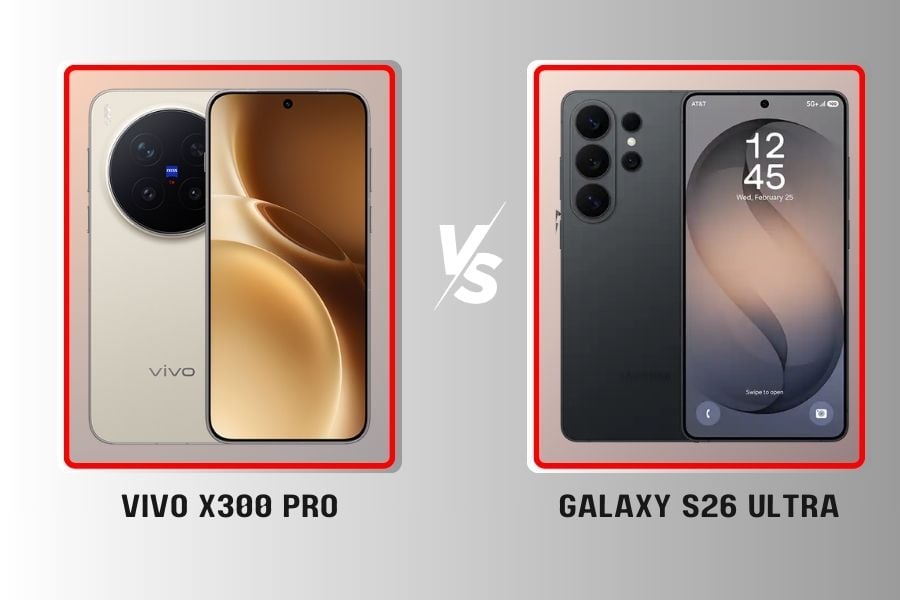
Both phones run Android 16. Both use 3nm chips. Both promise serious camera hardware. But they take very different approaches in design, display, performance, and battery life.
Here’s how they compare.
Big screens, different vibes
The S26 Ultra is unapologetically massive. It features a 6.9-inch Dynamic LTPO AMOLED 2X panel with a sharp 1440p resolution and up to 120Hz refresh rate. It’s bright up to 2,600 nits, and is layered with Gorilla Armor 2 plus an anti-reflective coating that cuts glare.
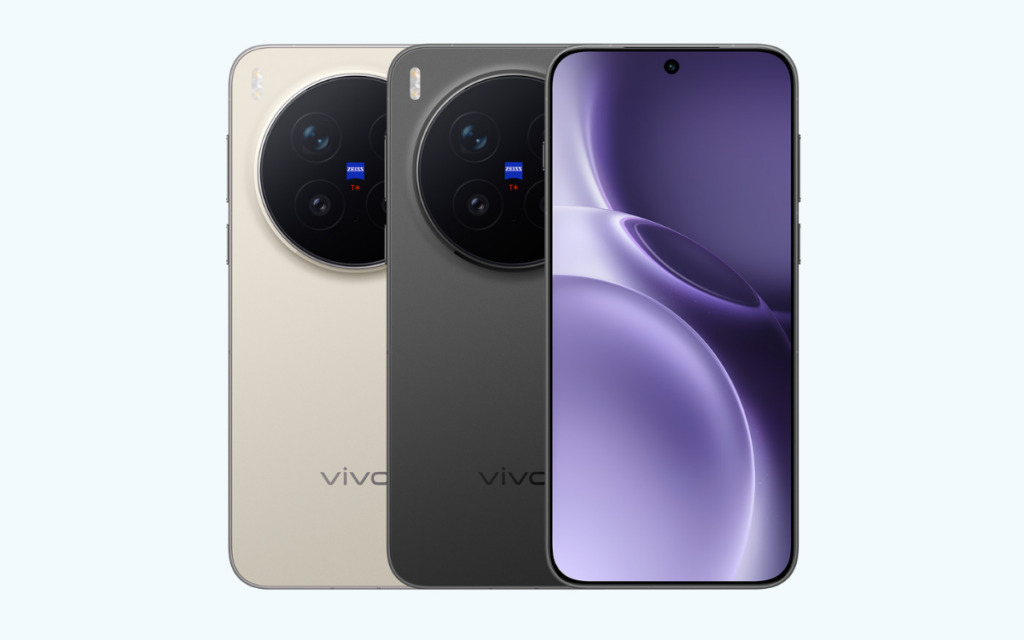
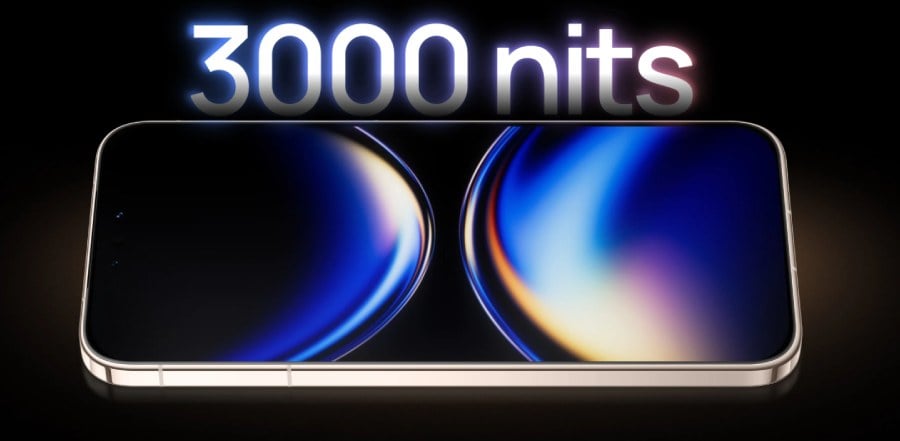
The X300 Pro is slightly smaller at 6.78 inches, but it fights back with sheer brightness numbers. Vivo claims it can reach up to 4,500 nits peak and also supports Dolby Vision, HDR Vivid, and 1 billion colors.
You shouldn’t notice that much of a difference in daily use. But something extra on Samsung is its new Privacy Display. The latter basically reduces screen visibility from side angles, so that no one can peek at your screen and see your important information.
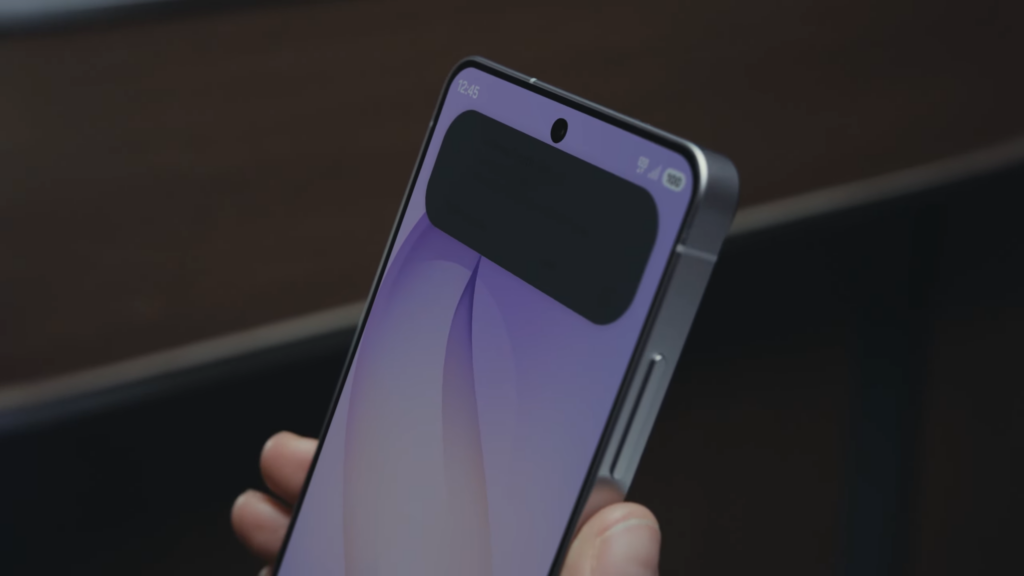
What’s amazing is that Privacy Display can be controlled from settings and can even be set for specific types of apps or notifications. Vivo lacks an in-built Privacy Display option, but you can apply a privacy screen protector for a similar result. Otherwise, both phones have a good display.
Design
The Galaxy S26 Ultra measures 163.6 x 78.1 x 7.9 mm and weighs 214 grams. It uses a glass front protected by Corning Gorilla Armor 2, a Gorilla Glass Victus 2 back, and an Armor Aluminum 2 frame. It carries an IP68 rating (submersible up to 1.5 meters for 30 minutes) and includes an integrated stylus.
The Vivo X300 Pro is slightly shorter and narrower at 161.2 x 75.5 x 8 mm but heavier at 226 grams. It uses Armor Glass on the front, an aluminum alloy frame, and a glass back. It carries IP68 and IP69 certification, meaning it’s rated not just for immersion but also for high-pressure water jets.
However, neither has a headphone jack. Both use a USB-C 3.2 port for charging. You can also use it as a DisplayPort output for Samsung DeX on the S26 Ultra.
SIM configurations differ by region. Samsung supports combinations of Nano-SIM and eSIM (maximum two active at a time), while Vivo offers dual Nano-SIM plus eSIM options internationally.
Performance
The S26 Ultra runs on the Snapdragon 8 Elite Gen 5 (3nm), paired with an Adreno 840 GPU. Its CPU configuration includes two high-performance Oryon V3 Phoenix L cores at 4.74 GHz and six Phoenix M cores at 3.62 GHz. Storage options include 256GB/12GB RAM, 512GB/12GB RAM, and 1TB/16GB RAM, using UFS 4.x storage.
The X300 Pro runs MediaTek’s Dimensity 9500 (3nm) with a tri-cluster CPU design: one C1-Ultra core at 4.21 GHz, three C1-Premium cores at 3.5 GHz, and four C1-Pro cores at 2.7 GHz, paired with an Arm G1-Ultra GPU. Storage configurations include 256GB/12GB, 512GB/16GB, and 1TB/16GB with dual UFS 4.1.
Both phones are fast, and you’re unlikely to be disappointed by performance. Software makes the opinion different here. Samsung’s One UI has a clean look, and the company also offers the industry’s highest seven major Android upgrades. Vivo promises up to five major Android upgrades with OriginOS 6.
Cameras
This is where things get interesting.
Samsung uses a quad-camera setup, including:
- 200MP main sensor
- 3x optical telephoto
- 5x periscope telephoto
- 50MP ultrawide
It supports laser autofocus, Horizon Lock, Best Face, 10-bit HDR video, HDR10+, and 8K recording at up to 30fps.
Vivo, meanwhile, goes for sensor size:
- 50MP large primary sensor
- 200MP periscope (3.7x optical)
- 50MP ultrawide
It includes Zeiss optics, Zeiss T* lens coating, a color spectrum sensor, 3D LUT import, Dolby Vision HDR recording, and 4K 120fps 10-bit Log recording.
Samsung provides two dedicated telephoto focal lengths (3x and 5x). Vivo relies on a high-resolution 200MP periscope to cover multiple zoom ranges.
There’s a difference in terms of selfie camera, too. Samsung uses a 12MP front camera with dual-pixel autofocus. Meanwhile, Vivo features a 50MP autofocus front camera. Both support 4K video recording.
Battery and charging
The X300 Pro packs a massive 6,510mAh silicon-carbon battery (in most global markets) and supports 90W wired charging plus 40W wireless. Meanwhile, the S26 Ultra sticks to 5,000mAh, but increases wired charging to 60W and offers 25W wireless with Qi2 support.
Connectivity and extras
Samsung supports Wi-Fi 7 (tri-band), Bluetooth 6.0, Ultra Wideband (UWB), Samsung DeX (wired and wireless), and a barometer sensor.
Vivo supports Wi-Fi 7 (dual-band), Bluetooth 5.4 with aptX HD and LHDC 5, NavIC satellite positioning, and optional satellite connectivity. It lacks UWB but adds an infrared port.
Both use ultrasonic in-display fingerprint sensors and include standard flagship sensors.
So which one should you buy?
If you want the safest long-term flagship, the Galaxy S26 Ultra is the smarter choice. It feels refined in a way that comes from Samsung doing this over and over again.
If you care most about camera detail, huge battery life, and fast charging, the Vivo X300 Pro might actually be more exciting. Both win, just in different competitions.
For more daily updates, please visit our News Section.
Stay ahead in tech! Join our Telegram community and sign up for our daily newsletter of top stories! 
The post Samsung Galaxy S26 Ultra vs Vivo X300 Pro: What are the differences? appeared first on Gizmochina.