
Reading view

Cyprus Joins UAE, Saudi Arabia, Bahrain, Jordan, Kuwait, Oman, And Many More Countries In Middle East In Experiencing Severe Tourism Loss, Booking Cancellations, Airline Suspensions, And MICE Event Disruptions Following US‑Israel Joint Strike On Iran

Cyprus Joins UAE, Saudi Arabia, Bahrain, Jordan, Kuwait, Oman, And Many More Countries In Middle East In Experiencing Severe Tourism Loss, Booking Cancellations, Airline Suspensions, And MICE Event Disruptions Following US‑Israel Joint Strike On Iran
Cyprus Joins UAE, Saudi Arabia, Bahrain, Jordan, Kuwait, Oman, And Many More Countries In Middle East,
Severe Tourism Loss,

Cyprus Joins UAE, Saudi Arabia, Bahrain, Jordan, Kuwait, Oman, and Many More Countries in Middle East in Facing Mass Tourism Loss, Booking Cancellations, MICE Disruptions, and Hotel Revenue Collapse Amid US‑Israel Joint Strike on Iran due to the escalating geopolitical tensions triggered by the US‑Israel military strike on Iran. This unprecedented crisis has caused widespread disruptions across the region’s tourism industry, resulting in flight cancellations, hotel booking declines, and MICE event cancellations. As major tourism hubs like Dubai, Abu Dhabi, Ayia Napa, Jeddah, and Muscat face increased security risks and reduced visitor confidence, the Middle East’s once-thriving travel sector is now grappling with the long-term economic consequences of the ongoing conflict.

The tourism industry in the Middle East has faced an unprecedented crisis in recent months. The geopolitical tensions that erupted following the US‑Israel joint strike against Iran have sent shockwaves across the region, triggering airspace closures, flight cancellations, hotel booking declines, and significant disruptions in MICE (Meetings, Incentives, Conferences, and Exhibitions) events. Countries like Cyprus, the UAE, Saudi Arabia, Bahrain, Jordan, Kuwait, Oman, and many others in the region are now grappling with the long-term effects of the escalating conflict. What was once a thriving tourism sector is now facing an economic downfall that could take years to recover from.

From the glittering skyscrapers of Dubai to the historical ruins of Petra in Jordan, tourism has long been a pillar of economic strength for the Middle East. However, with heightened security risks, mass cancellations, and disrupted flight routes, this crucial industry is now suffering from major setbacks. As tensions between the US and Iran continue to escalate, countries across the region, including Cyprus, UAE, Saudi Arabia, Bahrain, Jordan, Kuwait, Oman, and others, are feeling the effects. Let’s take a closer look at how these countries are being affected and the far-reaching consequences for their tourism sectors.

Cyprus: Caught Between Geopolitical Tensions and Tourism Woes

Cyprus, strategically located in the Eastern Mediterranean, has long been a sought-after destination for tourists. Known for its stunning beaches, rich history, and vibrant culture, Cyprus draws visitors from all over Europe and beyond. However, the missile strikes launched by Iran, which were aimed at US military installations in the region, have placed Cyprus in a precarious position. Although the missiles landed in the Eastern Mediterranean Sea and did not hit Cyprus directly, the incident has caused significant panic among potential visitors.

The British government, which has military bases in Cyprus, issued a travel advisory urging British nationals to exercise “sensible precautions” while in the country. This, combined with rising security concerns and disrupted flight schedules, has led to a decline in tourist arrivals. The country’s tourism industry, which is vital to its economy, has suffered greatly as bookings plummeted. Resorts in popular tourist destinations like Ayia Napa, a hotspot for European tourists, are witnessing low occupancy rates. Additionally, operators in the country’s vibrant MICE sector are reporting cancellations and postponed events due to safety concerns.

UAE: Dubai and Abu Dhabi’s Struggle to Maintain Their Tourism Image

The UAE, home to global tourism powerhouses such as Dubai and Abu Dhabi, has seen its once-thriving tourism industry come to a screeching halt due to the regional turmoil. Dubai, known for its futuristic skyline, luxury shopping malls, and extravagant hotels, has been severely impacted. The city had long been a safe haven for tourists from around the world, but now, with the ongoing missile threats and regional tensions, people are hesitant to visit.

Emirates, the UAE’s flagship carrier, was forced to suspend flights to various destinations, leading to a significant decrease in inbound tourism. The luxurious hotels that once boasted record-high occupancy rates now sit empty, as bookings are canceled or postponed. The UAE’s hospitality sector has seen a dramatic drop in revenue, and international tourists are turning elsewhere for their vacations. The country’s MICE sector, which hosts numerous high-profile international conferences, trade shows, and exhibitions, has also been hit hard. Many of these events have either been canceled or moved to more stable regions.

Saudi Arabia: Pilgrimage Tourism and Business Travel Disrupted

Saudi Arabia, home to two of Islam’s holiest cities, Mecca and Medina, is facing significant disruption in its tourism sector, which is heavily reliant on pilgrimage tourism. Each year, millions of Muslim tourists from around the world visit Saudi Arabia to perform Hajj and Umrah, religious pilgrimages that are central to the country’s economy. However, the growing security risks and regional instability have led to fewer international visitors booking travel to Saudi Arabia for these pilgrimages.

In addition to pilgrimage tourism, Saudi Arabia’s business tourism sector has also taken a hit. The country, which is making strides to diversify its economy and reduce its reliance on oil, had been investing heavily in attracting international conferences, exhibitions, and business events. But as the conflict intensifies, many international corporations are reconsidering their travel plans to Saudi Arabia. Riyadh and Jeddah, two of the country’s largest cities, are experiencing a decline in visitors, and hotels that depend on business and leisure travelers are now facing empty rooms and lost revenue.

Bahrain: A Small but Impacted Player in the Tourism Sector

Bahrain, while smaller in size compared to its neighbors, has long been a popular destination for regional tourism. The country’s capital, Manama, is known for its modern skyline and historic sites. Bahrain’s tourism sector, however, is now facing significant challenges due to the ongoing crisis. Travel advisories against non-essential travel to Bahrain have dampened the confidence of potential visitors. Hotels, resorts, and attractions in Manama have seen a sharp decline in bookings, with many international visitors choosing safer destinations.

Additionally, Bahrain’s MICE sector has been adversely affected. The country’s ability to host large-scale events, such as the Formula 1 Grand Prix and international conferences, has been disrupted, leading to economic losses. While Bahrain’s tourism sector is small in comparison to the UAE or Saudi Arabia, the impact of the ongoing conflict has still been significant.

Jordan: A Country Grappling with Regional Tensions

Jordan, strategically located at the crossroads of the Middle East, has long been a top destination for cultural and historical tourism. The ancient city of Petra, the Dead Sea, and the Wadi Rum desert have attracted tourists from around the world. However, as the security situation in the region deteriorates, Jordan is facing its own set of challenges.

Tourism to Jordan has significantly dropped as international visitors avoid traveling to the Middle East due to heightened security risks. The kingdom, which relies heavily on tourism for revenue, has seen its hotel occupancy rates fall, and MICE events have been either canceled or postponed. Jordan’s tourism board has been forced to reevaluate its marketing strategies in an effort to rebuild confidence in the country’s safety.

Kuwait: A Business Hub Facing Tourism Setbacks

Kuwait, often seen as a business hub in the region, has also felt the effects of the geopolitical conflict. The country’s tourism sector, although smaller than the UAE or Saudi Arabia’s, is still an important part of the economy. Kuwait’s capital, Kuwait City, has seen a sharp decline in both leisure and business tourism. The ongoing flight cancellations and airspace disruptions have made it increasingly difficult for travelers to reach Kuwait.

The MICE sector, which plays a vital role in attracting international business travelers, has also been impacted. Major conferences and exhibitions have been rescheduled or relocated to other, more stable regions. As the country faces security concerns, hotel bookings have dropped, and the tourism industry is grappling with lost revenue.

Oman: A Hidden Gem Facing the Strain of Regional Instability

Oman, once seen as a peaceful oasis in the Middle East, is also suffering from the fallout of the ongoing conflict. Known for its rugged landscapes, serene beaches, and rich cultural heritage, Oman has been an increasingly popular tourist destination in recent years. However, the country’s reliance on international tourism and regional stability has placed it in a vulnerable position.

Muscat, Oman’s capital, has experienced a decline in both leisure and business tourism. The country’s tourism infrastructure, while still growing, is now facing setbacks as travelers avoid the region. Oman’s MICE sector, which has been a focus of government investment, is now seeing fewer international delegates attending conferences and events. The country’s hospitality sector, which has been increasingly dependent on international tourists, is now struggling with reduced bookings.

The Broader Middle East Impact: A Regional Crisis

While Cyprus, the UAE, Saudi Arabia, Bahrain, Jordan, Kuwait, and Oman are some of the hardest-hit countries, the impact of the conflict is being felt across the entire Middle East region. Major tourism hubs in Egypt, Lebanon, Turkey, and even Israel are seeing declines in visitor numbers. The travel advisories and flight suspensions are causing a ripple effect across the entire region’s tourism infrastructure.

The Middle East has long been a region with significant political instability, but this latest escalation has created a perfect storm for the tourism industry. The growing security risks, combined with airspace closures, flight cancellations, and the loss of confidence from international tourists, have left many countries in the region struggling to maintain their tourism numbers.

The road to recovery for Middle Eastern tourism will not be easy. The region faces not only the immediate effects of the conflict but also the long-term consequences of a damaged reputation as a safe and stable destination. Governments in the region will need to work together to rebuild confidence among tourists, reassure international airlines, and address the ongoing security concerns.

For countries like Cyprus, the UAE, Saudi Arabia, Bahrain, Jordan, Kuwait, and Oman, the path forward will involve implementing new strategies to attract visitors once the geopolitical situation stabilizes. The resilience of the region’s tourism industry will be put to the test as it seeks to bounce back from one of the most severe disruptions it has ever faced.

Cyprus Joins UAE, Saudi Arabia, Bahrain, Jordan, Kuwait, Oman, and Many More Countries in Middle East in Facing Mass Tourism Loss, Booking Cancellations, MICE Disruptions, and Hotel Revenue Collapse Amid US‑Israel Joint Strike on Iran due to the escalating conflict, which has led to flight cancellations, heightened security risks, and a dramatic decline in visitor confidence across the region’s key tourism destinations.

In the meantime, travelers and tourists will need to stay informed, heed travel advisories, and exercise caution when planning trips to the region. The situation is still unfolding, and it remains to be seen how long it will take for the Middle East to recover from this crisis.

The post Cyprus Joins UAE, Saudi Arabia, Bahrain, Jordan, Kuwait, Oman, And Many More Countries In Middle East In Experiencing Severe Tourism Loss, Booking Cancellations, Airline Suspensions, And MICE Event Disruptions Following US‑Israel Joint Strike On Iran appeared first on Travel And Tour World.
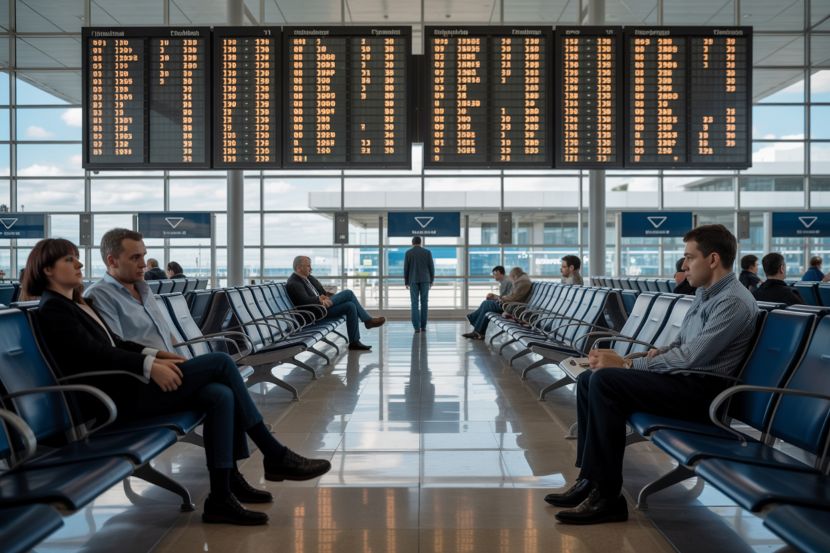
Middle East Turmoil and the Closure of Key Hubs Like Dubai, Doha, and Riyadh: How the 2026 Crisis is Shifting Southeast Asia Tourism Arrivals—What Travelers Need to Know for Their Next Trip

Middle East Turmoil and the Closure of Key Hubs Like Dubai, Doha, and Riyadh: How the 2026 Crisis is Shifting Southeast Asia Tourism Arrivals—What Travelers Need to Know for Their Next Trip
Middle East Turmoil and the Closure of Key Hubs Like Dubai, Doha, and Riyadh

The sudden disruption of major Middle Eastern hubs, including Dubai and Doha, due to escalating tensions between the United States and Iran has left a major mark on Southeast Asia tourism in 2026. The conflict, which began on February 28, 2026, with a military strike under Operation Epic Fury, has caused widespread aviation chaos, rerouting flights from Europe and the Middle East to alternative airports across the globe. The closure of vital hubs like Dubai International (DXB) and Hamad International (DOH) not only affects long-haul travelers but also triggers a domino effect in travel and tourism to destinations such as Thailand, Vietnam, and Malaysia. As these regions scramble to adjust, Southeast Asia’s tourism future hinges on how quickly these nations can adapt and reroute tourists to more accessible paths.

The Crisis: Gulf Hubs Stagnate as Operations Halt

The sudden cessation of services at some of the world’s most vital transit hubs—Dubai and Doha—has left thousands of travelers stranded and forced to find alternative routes. Qatar Airways, Emirates, and Etihad Airways were among the first to suspend flights due to the escalating conflict. For travelers heading to Southeast Asia, these hubs served as the key stopover points on their journey. Now, with routes severely disrupted, passengers face 90-minute detours, forced rerouting, or, in some cases, flights being grounded mid-route. This chaos not only results in substantial flight delays but also drives up operational costs, raising the question of how such disruptions will affect tourism arrivals to Southeast Asia.

The rerouting of flights over Saudi Arabia or northern airspace near China causes inefficiencies, increasing the operational cost for airlines and potentially threatening the flow of tourism. If these trends continue, it could affect tourist demand for Southeast Asian destinations, notably Thailand, Vietnam, and Malaysia.

The High-Value Middle Eastern Market at Risk

The Middle Eastern outbound market represents a significant source of revenue for Southeast Asian tourism, with Middle Eastern tourists being among the highest-spending global travelers. These tourists typically invest heavily in their trips, with Thailand being one of the top destinations. This crisis jeopardizes the lucrative Middle Eastern outbound market, particularly as Gulf residents face uncertainty about air travel safety and increased travel costs.

Thailand, in particular, has witnessed a decline in bookings from travelers in the region. Many Middle Eastern travelers, known for booking luxurious stays and long holidays, have shifted their focus toward alternative destinations that may offer lower-cost flights or perceived safer routes.

The Shift in Travel Trends: Safe Havens Amid Crisis

Despite the challenges faced by Thailand, Cambodia, and the Philippines, other Southeast Asian nations such as Vietnam, Malaysia, and Indonesia are beginning to see a silver lining. Vietnam, with its diversified market sources, remains resilient to the disruptions caused by the geopolitical tensions in the Gulf. The country has seen a sharp 21.4% rise in international arrivals in January 2026, reinforcing its position as a top-performing travel destination in Asia.

Similarly, Malaysia’s Visit Malaysia 2026 campaign is proving successful in attracting tourists. The country’s robust airline connectivity and its perception as a safer alternative for tourists have provided it with a significant boost. Destinations like Bali, Jakarta, and Kuala Lumpur have continued to attract travelers, while nations like Thailand and the Philippines face slow recovery.

Rethinking Travel Decisions: Adaptation to a New Reality

As the geopolitical crisis continues, travelers are shifting their mindsets from “escapism” to “safety certainty”. This new approach to travel is driven by the need for risk transparency and personalized travel experiences. Southeast Asia must adapt to these shifts by offering flexible booking options, transparent travel safety protocols, and engaging, high-quality experiences that give travelers peace of mind in uncertain times.

Travelers are increasingly seeking destinations that not only offer attractions and activities but also ensure a safe and reliable travel experience. In response, Southeast Asian tourism boards and operators must step up their communication, ensuring that their offerings reflect not just the beauty of the region but also the security and certainty of travel, even amid global disruptions.

Travel Tips: Adapting to the Shift in Tourism

As the travel landscape continues to shift, here are some tips for travelers heading to Southeast Asia:

  1. Plan for Longer Flight Routes: With airspace closures and rerouting, be prepared for longer flight durations. Ensure your travel itinerary accounts for potential delays or stopovers.
  2. Check Airline Safety Updates: Stay informed about your airline’s operations. Some flights may be canceled or rerouted, so it’s important to have flexible booking options in case of unexpected changes.
  3. Consider Alternative Southeast Asian Destinations: As some countries like Thailand and Cambodia experience a decline in arrivals, destinations such as Vietnam, Indonesia, and Malaysia may provide more reliable alternatives.

The Changing Landscape: Rerouting Tourism Traffic

As airlines shift their focus from Middle Eastern hubs, many Southeast Asian countries will benefit from the redistribution of tourism traffic. Although Thailand and the Philippines may suffer immediate declines in visitors, other regions like Vietnam and Malaysia are well-positioned to take advantage of the shift. To maintain this momentum, Southeast Asian countries must not only boost their flight connectivity with secondary hubs but also adapt to evolving traveler priorities.

By focusing on enhancing safe travel perceptions and providing destination-specific experiences, Southeast Asia can weather the geopolitical storm and continue its growth as a key player in the global travel market.

The post Middle East Turmoil and the Closure of Key Hubs Like Dubai, Doha, and Riyadh: How the 2026 Crisis is Shifting Southeast Asia Tourism Arrivals—What Travelers Need to Know for Their Next Trip appeared first on Travel And Tour World.

Middle East Tensions Disrupt Holidays: Pickyourtrail Suspends Burj Khalifa, Ferrari World and Dhow Cruise Tours as Safety Takes Priority

Middle East Tensions Disrupt Holidays: Pickyourtrail Suspends Burj Khalifa, Ferrari World and Dhow Cruise Tours as Safety Takes Priority

What began as carefully planned holidays for thousands of travellers has now shifted into a moment of uncertainty as the rapidly evolving situation in parts of the Middle East forces tour operators to reassess on-ground experiences. Pickyourtrail, a leading travel company, has confirmed temporary suspension of select city tours and attractions in affected destinations, citing safety as its immediate priority.

The announcement comes amid heightened regional tensions that have disrupted normal tourism operations across parts of the Gulf. While airports continue to function with caution and airlines review routes on a day-to-day basis, certain iconic attractions and curated city experiences have been paused as a preventive measure.

Iconic Experiences Temporarily Suspended

Among the experiences temporarily suspended are visits to the world-renowned Burj Khalifa, the globally celebrated theme park Ferrari World Abu Dhabi, and traditional Dhow cruises that offer visitors scenic views of Dubai’s illuminated skyline along its historic waterways.

These attractions typically form the centrepiece of Gulf holiday itineraries. The Burj Khalifa remains one of the most visited landmarks in the world. Ferrari World Abu Dhabi is a flagship entertainment destination drawing international families. Evening Dhow cruises represent a classic leisure highlight for travellers seeking cultural immersion.

However, evolving security assessments and local advisories have prompted operators to pause certain excursions in the interest of safety. The move is described as temporary and precautionary rather than a complete shutdown of tourism infrastructure.

CEO Statement Emphasises Traveller Safety

In an official statement, the CEO and Co-Founder of Pickyourtrail acknowledged the disruption while reaffirming the company’s responsibility toward traveller welfare.

He stated that what began as a holiday for many customers has now been affected by the rapidly changing situation in the region. He noted that airlines and local authorities are evaluating developments daily. As a result, some city tours and attraction visits have been temporarily suspended to prioritise safety.

He further emphasised that the company’s operations team is monitoring developments in real time. Updates are being proactively shared with affected travellers. Adjustments are being made wherever possible to reduce inconvenience and maintain a secure travel experience.

The message conveyed both reassurance and transparency. While memorable experiences remain central to the brand’s promise, safety now stands as the immediate focus.

Airlines and Authorities Conduct Ongoing Assessments

The wider regional environment remains fluid. Airlines are recalibrating routes and schedules. Aviation authorities are reviewing airspace protocols as precautionary measures. Although airports in major Gulf cities remain operational, travellers are advised to remain flexible and attentive to official advisories.

Local authorities in tourism hubs such as Dubai and Abu Dhabi continue to maintain essential services while reviewing large-scale public activities. The temporary suspension of select attractions aligns with broader risk management strategies being adopted across the region.

Industry analysts describe this as a protective pause rather than a structural tourism shutdown. Hotels remain open. Retail districts continue operating. However, experiential tourism components that involve high footfall or large gatherings are being reviewed cautiously.

Impact on Travellers and Itineraries

For travellers currently in the region, itinerary adjustments are being handled case by case. Alternative indoor experiences, private transfers, and schedule modifications are being arranged to minimise disruption. Travel advisors are maintaining direct communication channels with customers.

For those planning upcoming departures, flexibility has become the guiding principle. Operators are offering revised sightseeing options or rescheduling assistance where necessary. Customer support teams are managing a surge in inquiries as travellers seek clarity.

Despite uncertainty, there is no indication of long-term closures of flagship attractions. Industry experts suggest that once stability improves and safety reviews conclude, suspended experiences are likely to resume swiftly.

Tourism Sector Balances Experience with Responsibility

The Gulf tourism sector has built its global reputation on seamless hospitality, world-class infrastructure, and iconic landmarks. Situations like this test operational resilience. The decision to suspend selected tours demonstrates a shift toward proactive risk management rather than reactive crisis response.

Pickyourtrail’s statement reflects a broader industry sentiment: memorable travel must never compromise traveller security. Companies are prioritising transparent communication, contingency planning, and adaptive logistics.

The temporary halt of Burj Khalifa visits, Ferrari World access, and Dhow cruises underscores how even premier attractions are subject to real-time security evaluations during periods of geopolitical tension.

Reassurance Amid Uncertainty

While headlines may amplify concern, tourism authorities across the Gulf continue to emphasise coordination and preparedness. Security systems remain active. Emergency response mechanisms are in place. Hospitality providers are working closely with government agencies to ensure visitor welfare.

For many travellers, holidays represent long-awaited milestones. Disruptions bring disappointment. Yet, safety-first strategies aim to protect the very foundation of travel: peace of mind.

As developments continue to unfold, travel companies like Pickyourtrail are reinforcing their commitment to communication, adaptability, and customer support. The coming days will determine how quickly suspended attractions reopen.

For now, caution defines the travel landscape in parts of the Middle East. The focus remains clear. Safety comes first. Experiences will follow when conditions stabilise.

The post Middle East Tensions Disrupt Holidays: Pickyourtrail Suspends Burj Khalifa, Ferrari World and Dhow Cruise Tours as Safety Takes Priority appeared first on Travel And Tour World.
❌