
Reading view

Tokyo, San Antonio And Asheville Welcome Game-Changing Hotel Openings Why These Stunning New Stays Are Trending Among Global Travelers!

Tokyo, San Antonio And Asheville Welcome Game-Changing Hotel Openings Why These Stunning New Stays Are Trending Among Global Travelers!

Tokyo (Japan), San Antonio (United States), and Asheville (United States) are at the center of a wave of new hotel launches and hospitality developments marking a strong start for the global hotel industry in March 2026. A number of high-end urban hotels and experiential accommodations have opened their doors, while several additional luxury properties are being prepared in other major destinations including Queenstown, New Zealand, and Dubai, United Arab Emirates. Industry developments indicate that hotel brands are increasingly focusing on luxury experiences, sustainable design, and immersive stays to attract travelers. New projects in leading travel destinations combine premium amenities, distinctive architecture, and curated guest services designed to appeal to both leisure and business travelers. Below is a detailed roundup of the most significant hotel openings and announcements shaping the hospitality landscape this week.

Luxury Hospitality Expansion Begins with New Hotel in Tokyo

One of the most notable additions to the luxury hotel market is 1 Hotel Tokyo, which has officially opened inside Akasaka Trust Tower in central Tokyo, Japan. The property marks the brand’s first entry into the Japanese hospitality market, bringing its environmentally focused design and wellness-oriented approach to one of the world’s most prominent travel destinations.

Key Features of 1 Hotel Tokyo

  • 211 guest rooms and suites
  • Three dining venues
  • Full-service spa
  • Modern fitness center
  • Indoor swimming pool

The hotel has been designed with sustainability and natural materials as central elements, reflecting the brand’s commitment to environmentally conscious hospitality. Interiors incorporate organic textures and eco-friendly materials intended to create a calming urban retreat within Tokyo’s fast-paced metropolitan environment. The property’s location in the Akasaka district places guests close to several of the city’s most iconic neighborhoods. Popular areas including Ginza, Roppongi, and Shibuya are situated within a short distance, providing easy access to high-end shopping, nightlife, cultural attractions, and business centers. Starting room rates at the hotel begin around $680 per night, positioning it among the premium luxury accommodations currently available in the Japanese capital. Tokyo remains one of Asia’s most important tourism hubs, supported by strong infrastructure, international connectivity, and continued investment in hospitality and tourism facilities. According to tourism authorities in Japan, the country has been actively promoting sustainable tourism and high-quality travel experiences to attract international visitors.

Experiential Travel Drives the Launch of AutoCamp Asheville

Another major hospitality development is the opening of AutoCamp Asheville in North Carolina, United States, which introduces a different approach to accommodation focused on experiential travel and glamping. Located approximately 15 minutes from downtown Asheville, the property blends outdoor recreation with modern hospitality amenities. The development reflects the growing popularity of nature-focused travel experiences in the United States and other global destinations.

Accommodation and Amenities

AutoCamp Asheville features:

  • 67 guest accommodations
  • Airstream Suites and cabins
  • Private fire pits and grills for each unit
  • Outdoor swimming pool
  • Electric vehicle charging stations
  • On-site restaurant
  • General store for travel essentials

Each Airstream suite and cabin has been designed to combine outdoor adventure with contemporary comfort, allowing guests to experience nature while maintaining access to hotel-style services and facilities. The property operates in partnership with Hilton, allowing travelers to book stays through the Hilton Honors loyalty program. Guests can redeem points or book traditional stays depending on their membership status.

Benefits for Hilton Loyalty Members

Travelers who hold Hilton Diamond status receive several additional benefits at AutoCamp properties, including:

  • Space-available room upgrades
  • Complimentary s’mores kit per stay
  • Bundle of firewood
  • Two complimentary bottled waters

These perks are designed to enhance the outdoor experience while encouraging repeat visits from loyalty program members. Asheville itself has become a major tourism destination in the southeastern United States, attracting visitors with its mountain landscapes, arts scene, craft breweries, and proximity to the Blue Ridge Mountains. The growth of accommodations such as AutoCamp indicates a broader shift within the tourism sector toward hybrid lodging concepts that combine hotels, cabins, and outdoor recreation. Room rates at AutoCamp Asheville start at approximately $201 per night, while Hilton Honors members may redeem around 70,000 points per night depending on availability.

Historic Hospitality Expansion with The Monarch San Antonio

In San Antonio, Texas, another major hotel has opened its doors: The Monarch San Antonio, Curio Collection by Hilton. The property had been widely anticipated within the Texas hospitality sector and represents a significant addition to the city’s growing tourism and convention industry.

Property Highlights

The Monarch San Antonio includes:

  • 200 guest rooms and suites
  • Three on-site restaurants
  • Full spa and wellness facilities
  • Modern fitness center
  • Large public art installation

The hotel operates under Hilton’s Curio Collection, a brand that focuses on distinctive upscale hotels that reflect local culture and architecture. San Antonio is one of the most visited cities in Texas, supported by attractions such as the River Walk, historic landmarks, and a thriving culinary scene. The city also hosts a wide range of conventions, festivals, and cultural events each year. The introduction of The Monarch is expected to strengthen San Antonio’s position as a destination capable of hosting high-end tourism and business travel simultaneously. Public art incorporated into the hotel property highlights the city’s cultural identity while contributing to the broader urban revitalization efforts taking place in parts of San Antonio.

Luxury Development Continues in New Zealand and Dubai

Beyond the latest openings, the hospitality industry is also preparing for upcoming luxury hotel projects in other global travel hotspots.

Two destinations expected to see significant hotel launches in the near future include:

  • Queenstown, New Zealand
  • Dubai, United Arab Emirates

Queenstown: Adventure Tourism Meets Luxury Hospitality

Queenstown has become one of the world’s leading adventure tourism destinations, attracting travelers seeking skiing, hiking, and scenic landscapes. New luxury hotel projects in the region aim to capitalize on this popularity by offering high-end accommodations with direct access to outdoor activities and alpine scenery. Tourism authorities in New Zealand have emphasized the importance of sustainable development and visitor management as the country expands its tourism infrastructure.

Dubai: Continuing Growth in Ultra-Luxury Hospitality

Meanwhile, Dubai continues to expand its reputation as a global hub for luxury travel and hospitality innovation. The city already hosts many of the world’s most iconic hotels and resorts, and upcoming developments are expected to further strengthen its position as a premier destination for international tourism. New hotel projects in Dubai typically emphasize architectural innovation, luxury amenities, and large-scale entertainment experiences, reflecting the city’s strategy to attract global travelers year-round.

Trends Driving the Global Hotel Industry

The newest openings and planned projects reflect several broader trends shaping the hospitality sector worldwide.

1. Growth of Experiential Travel

Travelers increasingly seek unique experiences rather than traditional hotel stays. This trend is driving the development of properties such as glamping resorts and nature-focused accommodations.

2. Luxury Market Expansion

High-end hotels continue to grow in major global cities as travelers prioritize comfort, exclusivity, and premium services.

3. Sustainability and Wellness

Many new hotels are incorporating eco-friendly design, wellness facilities, and nature-inspired interiors to appeal to environmentally conscious guests.

4. Integration with Loyalty Programs

Major hospitality brands are integrating unique accommodation concepts into their loyalty programs, allowing members to earn or redeem points at a wider variety of properties.

Outlook for the Hospitality Sector in 2026

The first weeks of March demonstrate strong momentum for the hospitality industry as new openings, partnerships, and luxury developments continue to emerge worldwide. Cities such as Tokyo, San Antonio, and Asheville are benefiting from investment in innovative accommodations that blend modern design with distinctive local experiences. With additional hotel projects already planned for destinations including Queenstown and Dubai, the global hotel sector is expected to see continued expansion throughout 2026, driven by growing international travel demand and evolving traveler expectations. For travelers, these developments mean more diverse accommodation options, ranging from luxury urban retreats to immersive outdoor experiences. As the industry continues to evolve, hospitality brands are increasingly focusing on creating memorable stays that combine comfort, design, sustainability, and local culture a trend that is likely to shape the future of travel for years to come.

The post Tokyo, San Antonio And Asheville Welcome Game-Changing Hotel Openings Why These Stunning New Stays Are Trending Among Global Travelers! appeared first on Travel And Tour World.

San Antonio, Texas Why the Museum Reach Section of the River Walk Is Becoming the City’s Most Fascinating Hidden Attraction!

San Antonio, Texas Why the Museum Reach Section of the River Walk Is Becoming the City’s Most Fascinating Hidden Attraction!

San Antonio, Texas is globally known for its lively San Antonio River Walk, a 15-mile network of walkways that follows the San Antonio River through the heart of the city. While the downtown portion is often crowded with restaurants, shops, and entertainment venues, a lesser-known section called Museum Reach offers visitors a quieter and more culturally rich experience. According to tourism information from official city and state sources, the Museum Reach spans roughly 3.5 miles and connects several of the city’s important cultural institutions, parks, and public art installations. This stretch combines nature, heritage, and urban design, making it a popular destination for travelers seeking a more relaxed exploration of San Antonio’s iconic river corridor. The pathway is lined with native plants, scenic bridges, and striking artworks, creating an environment that reflects both the region’s natural heritage and its creative spirit.

A River Walk Experience Designed Around Culture and Nature

The Museum Reach section forms a vital extension of the larger San Antonio River Walk, designed to connect downtown with historic neighborhoods and cultural landmarks further north. Unlike the bustling commercial district in the central River Walk area, this segment provides a calmer environment where visitors can stroll, cycle, or explore museums at a leisurely pace. The trail is surrounded by landscaped riverbanks featuring native vegetation that supports the river ecosystem and highlights the natural character of South Texas. Public art is another defining feature of the Museum Reach. Large installations and sculptures are placed throughout the route, turning the river path into an open-air gallery.

Urban Segment: Connecting Downtown to the Arts District

The southern portion of the Museum Reach is known as the Urban Segment, which stretches for about 1.3 miles beginning near Lexington Avenue. One of the first landmarks along this route is the Tobin Center for the Performing Arts, a major performing arts venue that hosts concerts, theatrical productions, and cultural events throughout the year. The center plays an important role in San Antonio’s arts scene and serves as a gateway to the Museum Reach pathway. Continuing north along the river, visitors encounter the San Antonio Museum of Art, one of the region’s most prominent art institutions. The museum houses collections representing global cultures and artistic traditions, including works from Asia, Latin America, and the Mediterranean world, as well as contemporary art from Texas. The museum is particularly known for its extensive collections of ancient Mediterranean art, including artifacts from Greek, Roman, and Egyptian civilizations. These exhibits provide insight into thousands of years of cultural history while complementing the modern creative energy found elsewhere along the River Walk.

A Unique Wildlife Spectacle at the I-35 Bridge

Further along the route, the River Walk passes beneath the Interstate 35 bridge, where visitors may witness one of the city’s most fascinating natural events. Each year between approximately April and October, tens of thousands of Mexican free-tailed bats gather beneath the bridge. At sunset, the bats leave their roosts in large groups to hunt insects across the surrounding urban landscape. This nightly emergence has become a seasonal attraction for visitors and wildlife enthusiasts. The bridge area also features a striking art installation suspended overhead. The sculpture titled F.I.S.H., created by artist Donald Lipski, depicts 25 brightly colored longear sunfish measuring roughly seven feet in length. The species represented in the sculpture is native to the San Antonio River, and the artwork visually celebrates the river’s ecological heritage.

The Grotto: A Hidden Artistic Landmark

Just north of the bridge lies one of the most visually distinctive features along the Museum Reach. The installation known as The Grotto, designed by artist Carlos Cortés, rises approximately three stories along the riverbank. The structure resembles a natural rock formation but contains intricate details carved into its surfaces. Waterfalls cascade down the installation, and hidden sculpted faces are embedded within the stone-like design. Visitors often pause to explore the structure and discover these hidden elements, making it one of the most photographed art installations along the River Walk.

Pearl District: A Culinary and Cultural Hub

The Urban Segment concludes near the Pearl District, a revitalized historic area that has become one of San Antonio’s most dynamic neighborhoods. Originally home to the historic Pearl Brewery, the district has been transformed into a mixed-use community featuring restaurants, shops, markets, and cultural spaces. One of the most prominent institutions in the district is the Culinary Institute of America, which operates a campus focused on Latin American culinary traditions. The institute attracts students and chefs from across the world and contributes to San Antonio’s reputation as a growing food destination. Visitors to the Pearl District will find numerous places to enjoy local cuisine, specialty beverages, and artisanal foods, making it a natural stopping point along the Museum Reach route.

Park Segment: A Green Corridor Through Brackenridge Park

Beyond the Pearl District, the Museum Reach transitions into its second portion, the Park Segment, which begins near Josephine Street. This 2.25-mile stretch runs through the expansive Brackenridge Park, one of the largest and most historic parks in San Antonio. The park serves as a green oasis within the city, offering shaded trails, picnic areas, and access to several family-friendly attractions. Among the park’s most popular destinations is the San Antonio Zoo, which houses hundreds of animal species and is considered one of the city’s leading educational attractions. Another key institution within the park is the Witte Museum, a museum dedicated to the natural and cultural history of Texas. Exhibits at the Witte explore topics such as prehistoric life, regional ecosystems, Indigenous cultures, and the history of the cattle industry that shaped the American West. Together, these attractions make the Park Segment particularly appealing for families and travelers interested in science, nature, and regional heritage.

River Transportation and Scenic Exploration

Visitors exploring the Museum Reach can choose between walking the scenic pathways or traveling by water. A lock and dam system near Brooklyn Avenue regulates the water level along the River Walk, enabling boats to navigate between downtown and the northern sections of the river corridor. As a result, river shuttles can transport passengers between the central River Walk area and the Pearl District. This system provides an alternative way to explore the river while offering scenic views of the surrounding architecture, landscapes, and public art installations.

Seasonal Celebrations Along the River

Although the Museum Reach can be enjoyed year-round, it becomes particularly vibrant during the holiday season. During December, the river corridor hosts The River of Lights, an annual celebration in which thousands of lights illuminate trees, bridges, and riverbanks throughout the area. The festive display transforms the pathways into a glowing nighttime attraction and draws both residents and travelers. The event highlights the River Walk’s role not only as a tourism destination but also as a central gathering place for community celebrations.

A Different Side of the San Antonio River Walk

The Museum Reach offers a distinctly different perspective on the San Antonio River Walk. Instead of the busy restaurant-lined promenades typically associated with the downtown section, this stretch emphasizes art, nature, and culture.Travelers exploring this area encounter museums, historic neighborhoods, wildlife habitats, and landscaped parks all connected by scenic walkways along the river. For visitors seeking a more relaxed and immersive way to experience San Antonio, the Museum Reach reveals a side of the city where cultural institutions, environmental design, and public art come together along one of Texas’ most iconic waterways.

The post San Antonio, Texas Why the Museum Reach Section of the River Walk Is Becoming the City’s Most Fascinating Hidden Attraction! appeared first on Travel And Tour World.

Mallorca, Spain Tightens Grip on Cruise Tourism as Palma Introduces New Limits to Protect Its Historic Streets and Local Life!

Mallorca, Spain Tightens Grip on Cruise Tourism as Palma Introduces New Limits to Protect Its Historic Streets and Local Life!

Mallorca, Spain Authorities in Mallorca, one of the Mediterranean’s most visited island destinations, are preparing to introduce stricter limits on cruise tourism in the coming years. Officials in Palma, the capital of the island, have outlined a policy that will reduce the number of cruise ship passengers permitted to arrive daily during the peak summer months beginning in 2027. The move reflects growing efforts by regional and local authorities to manage tourism flows and protect the island’s historic districts and public infrastructure. The new framework focuses on regulating cruise ship arrivals at the Port of Palma, one of the busiest cruise gateways in the Balearic Islands. By lowering passenger capacity during the summer season and restricting the number of large vessels docking each day, officials aim to strike a balance between tourism revenue and the quality of life for residents.

Mallorca Introduces Seasonal Passenger Limits

Under the proposed plan, daily cruise passenger capacity in Palma, Mallorca will decrease during the summer travel period between June and September. The number of cruise passengers allowed to disembark each day will fall from 8,500 to 7,500 during these peak months once the new regulations are implemented. This seasonal reduction will apply during the busiest tourism period, when cruise ships and international visitors arrive in large numbers. Outside the summer season, the passenger limit will remain unchanged, allowing up to 8,500 cruise visitors per day. Authorities have scheduled the new restrictions to operate for several years, covering the period between 2027 and 2029. During this timeframe, port and municipal officials will monitor the effectiveness of the measures in managing visitor numbers and maintaining sustainable tourism practices.

Restrictions on the Number of Cruise Ships

In addition to reducing passenger capacity, the policy also introduces new limits on the number of cruise vessels permitted to dock in Palma on any given day. Only three cruise ships will be allowed to berth at the Port of Palma daily under the revised framework. Among these vessels, just one ship will be permitted to carry more than 5,000 passengers. This measure is designed to prevent multiple mega-cruise ships from arriving simultaneously, which can overwhelm the port area and surrounding urban spaces. By staggering arrivals and limiting the size of vessels allowed to dock, officials hope to reduce crowding in the city center and improve visitor management.

Overtourism Concerns Drive the Decision

The decision to regulate cruise arrivals comes amid growing concerns over overtourism across Mallorca and the wider Balearic Islands. Over the past several years, residents in Palma and other parts of the archipelago have increasingly voiced concerns about the impact of high visitor volumes. Issues raised include overcrowded streets, pressure on local infrastructure, rising housing costs, and strain on public services. Public demonstrations have taken place across the islands, highlighting frustration among residents who believe tourism growth has exceeded sustainable levels. Local authorities have therefore begun introducing measures designed to balance economic benefits with community wellbeing. The cruise sector has been a particular focus because large ships can deliver thousands of passengers into the city within a short period, significantly increasing congestion in historic districts and popular attractions.

Historic Center Protection Measures

One of the primary goals of the new cruise management policy is to protect the historic center of Palma, which is known for its narrow streets, cultural landmarks, and centuries-old architecture. The city’s old town is home to several important heritage sites, including the iconic Cathedral of Santa Maria of Palma, a landmark that attracts large numbers of visitors each year. Managing tourist flows in this area has become a priority for city planners and tourism authorities. By reducing the daily volume of cruise passengers during the busiest months, officials expect fewer simultaneous arrivals in the historic core. This approach is intended to help preserve the character of the city while still allowing tourism to contribute to the local economy.

Tourism Growth in the Balearic Islands

The Balearic Islands, which include Mallorca, Menorca, Ibiza, and Formentera, are among the most popular travel destinations in the Mediterranean. Recent tourism data highlights the scale of visitor demand. The archipelago welcomed approximately 18.7 million travelers in 2024, while visitor numbers surpassed 19 million the following year. In comparison, the resident population across the islands is estimated to be around 1.2 million people. This disparity between visitor numbers and local population has intensified debates about tourism management and sustainability. Many policymakers now view regulated tourism growth as essential for protecting natural landscapes, heritage sites, and community life.

Cruise Tourism’s Role in the Local Economy

Cruise tourism remains a significant economic contributor for Mallorca and the Balearic Islands. Visitors arriving by cruise ships spend money on excursions, dining, shopping, and transportation, supporting a wide network of local businesses. However, the economic benefits are often balanced against the logistical challenges created when large cruise ships dock simultaneously. High visitor volumes can place stress on transportation systems, public spaces, and essential services. By adjusting cruise arrival policies rather than eliminating them entirely, authorities are attempting to maintain the sector’s economic contribution while improving overall tourism management.

Port of Palma as a Major Mediterranean Hub

The Port of Palma has long served as a major cruise hub in the western Mediterranean. Its strategic location makes it a popular stop for itineraries connecting Spain, France, Italy, and other Mediterranean destinations. The port is equipped with multiple cruise terminals capable of accommodating large modern vessels. During peak travel periods, several ships can arrive on the same day, bringing thousands of passengers ashore. The upcoming regulations aim to better distribute cruise arrivals throughout the season and reduce peak-day congestion. Limiting the number of ships and passengers should make it easier for port authorities to manage traffic flows and ensure smoother operations.

A Wider Trend Across European Destinations

The initiative in Mallorca reflects a broader trend across European tourist destinations seeking to address overtourism. Several major destinations have already introduced policies aimed at limiting cruise tourism or controlling visitor numbers. Measures adopted in various cities include caps on daily visitors, restrictions on large ships, and new environmental regulations. In the case of Mallorca, authorities are focusing specifically on passenger limits and vessel size restrictions to ensure the island remains an attractive destination while safeguarding the wellbeing of its residents.

Looking Ahead to 2027

With the implementation timeline set to begin in 2027, local officials have several years to coordinate with cruise operators, port authorities, and tourism stakeholders. During this period, planners will continue refining operational details and monitoring tourism trends. The multi-year trial period through 2029 will allow policymakers to evaluate whether the passenger cap successfully reduces congestion and addresses community concerns. For travelers planning future Mediterranean cruises, Mallorca is expected to remain a key stop on many itineraries. However, the new regulations signal a shift toward a more carefully managed tourism model.

Conclusion

The decision by officials in Palma, Mallorca to limit cruise passenger numbers represents a significant step in the island’s evolving tourism strategy. By lowering daily passenger capacity during peak months and restricting the number of large vessels docking at the Port of Palma, authorities aim to ease pressure on historic areas and public services. As visitor numbers continue to rise across the Balearic Islands, managing tourism growth has become a central priority for local governments. The new cruise regulations are expected to play an important role in ensuring that Mallorca remains both a thriving travel destination and a livable community for residents.

The post Mallorca, Spain Tightens Grip on Cruise Tourism as Palma Introduces New Limits to Protect Its Historic Streets and Local Life! appeared first on Travel And Tour World.

Turks and Caicos Islands Signals Tough New Era in Border Control With Sweeping Digital Security Programme That Could Change the Way Visitors Arrive!

Turks and Caicos Islands Signals Tough New Era in Border Control With Sweeping Digital Security Programme That Could Change the Way Visitors Arrive!

Turks and Caicos Islands is preparing to overhaul its border management and immigration systems through a major $12 million-plus Digital Borders Programme, a government-led initiative designed to strengthen national security while improving the experience for legitimate travelers entering the territory. The Government of the Turks and Caicos Islands has announced that the programme will be implemented over approximately 18 months, introducing advanced digital technologies that will modernize border crossings, improve immigration enforcement, and help authorities better monitor population movement within the islands. The initiative forms part of a broader strategy aimed at addressing irregular migration, border security challenges, and pressures on public services while ensuring the islands remain a welcoming and efficient destination for international visitors.

Major Digital Transformation for Border Management

The new Digital Borders Programme represents one of the most significant technological investments in border infrastructure in the Turks and Caicos Islands in recent years. According to government announcements, the system will introduce secure automated entry technologies, including electronic gates and advanced biometric screening tools at ports of entry. These technologies will allow authorities to verify identities more efficiently and improve the speed at which visitors pass through immigration checkpoints. The system will also enable officials to instantly access immigration data and background information on travelers, allowing border authorities to determine a person’s legal status in the country in real time. This digital capability is expected to improve both security oversight and administrative efficiency. For travelers and tourism stakeholders, the new infrastructure is expected to reduce wait times at airports and ports, improving the arrival experience for citizens, residents, and low-risk international visitors.

Technology to Address Irregular Migration

The government has identified irregular migration as one of the most pressing national concerns facing the territory. The Digital Borders Programme is intended to create a technology-driven response to this challenge. By integrating biometric verification, automated processing systems, and centralized immigration databases, authorities will gain the ability to track and manage entries, departures, and immigration status more accurately. Officials believe the technology will help prevent fraudulent documentation, unlawful entry, and irregular settlement, issues that have raised national security concerns in recent years. The digital system will also support enforcement operations by allowing authorities to quickly identify individuals whose immigration status may require further investigation.

Protecting Public Services and National Infrastructure

Beyond security concerns, the government has emphasized that effective border management is essential for protecting national infrastructure and public services. Authorities note that unmanaged population growth can create pressure on critical sectors such as healthcare, housing, and education. By improving immigration monitoring and enforcement capabilities, the Digital Borders Programme aims to ensure that population trends remain aligned with the islands’ planning capacity. Government officials have highlighted that maintaining controlled migration policies is necessary to preserve the quality of life for residents, particularly as the territory continues to experience strong economic growth and rising global interest as a travel destination.

Integration with Broader Immigration Modernization Efforts

The Digital Borders Programme is part of a wider government strategy to digitize immigration and government services across the Turks and Caicos Islands. Authorities have already begun implementing digital tools designed to modernize immigration processes, including online application systems and electronic immigration services that reduce paperwork and streamline administrative procedures.

The broader modernization plan includes:

  • Automated border processing systems
  • Biometric identity verification
  • Centralized immigration databases
  • Online application platforms for immigration services

These initiatives form part of a long-term digital transformation agenda intended to make government services faster, more transparent, and more efficient for residents, businesses, and visitors.

Strengthening Maritime and Inland Enforcement

In addition to digital border infrastructure, the government is also expanding operational enforcement measures.

Authorities are strengthening a range of complementary initiatives, including:

  • Enhanced maritime surveillance
  • Improved intelligence cooperation
  • Expanded immigration enforcement capacity
  • More efficient deportation processes
  • Legislative reforms to close regulatory gaps

These combined efforts aim to create a comprehensive border security framework that addresses irregular migration both at sea and within communities across the islands. Recent security operations have already produced measurable results, including significant interceptions of irregular migrants in the territory’s maritime domain through joint enforcement activities and international cooperation. Officials say these improvements have allowed enforcement agencies to shift some resources toward inland investigations and compliance operations.

Balancing Tourism Growth and Border Security

The Turks and Caicos Islands remain one of the Caribbean’s fastest-growing luxury travel destinations, attracting visitors from North America, Europe, and beyond. For the tourism industry, efficient border management is critical. Long processing times at airports or security vulnerabilities can undermine the visitor experience and strain infrastructure in popular destinations such as Providenciales and Grand Turk. The Digital Borders Programme aims to strike a balance between maintaining strong border protection and facilitating legitimate travel. By automating routine immigration checks for low-risk travelers, authorities expect to focus more resources on identifying potential security risks while allowing tourists to move more quickly through ports of entry.

Data-Driven Immigration Management

A key element of the programme is the development of a comprehensive digital immigration database capable of providing real-time data to immigration authorities.

This system will allow officials to monitor:

  • Entry and exit records
  • Visa and work permit status
  • Residency documentation
  • Compliance with immigration regulations

Such data will support evidence-based policymaking, enabling the government to make informed decisions regarding population management, workforce planning, and tourism growth.

Implementation Timeline

The government expects the Digital Borders Programme to be rolled out gradually over the next 18 months.

During this period, authorities will focus on:

  1. Deploying biometric and e-gate technologies at major entry points
  2. Integrating immigration databases and digital identity verification systems
  3. Expanding training for immigration officers and border enforcement personnel
  4. Coordinating with regional and international partners on security cooperation

Once completed, the system is expected to create one of the most technologically advanced border management frameworks in the Caribbean region.

Future Outlook for the Turks and Caicos Islands

The launch of the Digital Borders Programme signals a major shift toward technology-driven governance in the Turks and Caicos Islands. As global travel continues to grow and migration dynamics evolve, the government believes that modern digital infrastructure will be essential for maintaining secure borders, efficient immigration processes, and sustainable tourism development. For travelers planning future visits, the upgrades promise faster processing times and smoother entry procedures, while residents may benefit from stronger enforcement systems designed to safeguard national resources and public services.

The post Turks and Caicos Islands Signals Tough New Era in Border Control With Sweeping Digital Security Programme That Could Change the Way Visitors Arrive! appeared first on Travel And Tour World.
Mexico Cruise Destinations And Middle East Routes Carnival Corp Warned of Slower Profit Growth as Fuel Costs Surge and Traveler Anxiety Looms!

Mexico Cruise Destinations And Middle East Routes Carnival Corp Warned of Slower Profit Growth as Fuel Costs Surge and Traveler Anxiety Looms!

Mexico and the Middle East are central to the evolving business outlook for Carnival Corp. & plc, one of the world’s largest cruise operators, as rising fuel costs and geopolitical uncertainties begin to shape expectations for the company’s financial performance. Financial analysts are increasingly cautious about the cruise giant’s earnings trajectory in 2026. A recent assessment by William Blair & Co. indicates that higher fuel prices could significantly impact Carnival Corp.’s earnings per share for the full year. Although currency fluctuations may offer a minor benefit, the projected impact of fuel costs is expected to outweigh those gains. At the same time, the company is approaching the release of its first-quarter financial results later in March, which could provide important insights into how operational costs and traveler sentiment are affecting the cruise sector. Despite these challenges, Carnival Corp. continues to report strong forward bookings for 2026, indicating sustained demand for cruise travel worldwide.

Rising Fuel Costs Could Reduce Profit Growth

One of the most significant financial pressures facing the cruise operator in 2026 is the increasing cost of marine fuel. Industry analysts estimate that higher fuel expenses could reduce Carnival Corp.’s full-year earnings per share by roughly 20 cents. While currency movements may slightly offset this impact, the overall effect could slow the company’s anticipated profit growth. Earlier forecasts had suggested that Carnival Corp. could achieve earnings growth of around 10 percent year-over-year, but rising fuel prices are now expected to dampen that outlook. A key factor influencing this situation is the company’s policy regarding fuel purchases. Carnival Corp. does not hedge its fuel costs, meaning it buys fuel at prevailing market prices rather than locking in rates through financial contracts. While this approach can benefit the company when fuel prices fall, it also exposes the business to sudden increases in global energy costs. Fuel expenses are among the largest operating costs for cruise lines because ships consume substantial amounts of marine fuel during long voyages across international waters. Fluctuations in global oil prices therefore play a major role in cruise line profitability.

First-Quarter Results Could Provide Clarity

Attention is now turning to Carnival Corp.’s upcoming first-quarter earnings report, scheduled for release later in March. The report is expected to provide early indicators of how the company is managing operational expenses, demand trends, and booking performance in the current financial year. Analysts expect the company to reaffirm guidance suggesting approximately 2.5 percent growth in cruise yields for 2026. Cruise yield is a key industry metric that reflects the revenue generated per passenger cruise day and often signals pricing power and demand strength. If the company reports stronger-than-expected results for the first quarter, that performance could help cushion potential financial pressures later in the year. A solid early-year performance would provide what analysts describe as a buffer for the full-year outlook, particularly if costs continue rising.

Strong Bookings Signal Continued Demand for Cruises

Despite concerns about operating costs, Carnival Corp. has reported encouraging booking trends. As of late December, the company revealed that nearly two-thirds of its 2026 cruise capacity had already been booked, with both ticket prices and occupancy rates reaching record highs. These strong reservations suggest that demand for cruise travel remains robust across multiple markets, even as global travel conditions fluctuate. Cruising has experienced a strong recovery in recent years following the global disruptions caused by the COVID-19 pandemic. According to international tourism and maritime industry data, the sector has benefited from pent-up travel demand, increased consumer spending on experiences, and the expansion of new ships and itineraries. For Carnival Corp., strong booking volumes also reflect the popularity of its multiple cruise brands, including AIDA Cruises, Costa Cruises, and several other regional cruise lines operating in Europe, North America, and Asia. High booking levels can help cruise operators maintain stable revenue streams even when operational costs rise, as higher ticket prices and full ships can offset some expense increases.

Middle East Conflict Influences Cruise Deployment Plans

Geopolitical developments are also shaping the company’s cruise operations. Due to ongoing instability in parts of the Middle East, Carnival Corp. had already made the decision to cancel the 2025–2026 winter cruise deployments in the region for its brands AIDA Cruises and Costa Cruises, with the exception of itineraries that include Egypt. The Middle East has grown in popularity as a cruise destination in recent years, with ports such as Dubai, Abu Dhabi, and Doha becoming key winter cruise hubs. However, regional tensions and security concerns can quickly influence cruise itineraries because passenger safety and operational reliability are top priorities for cruise companies. By proactively adjusting its deployment plans, Carnival Corp. aims to reduce operational risks while maintaining confidence among travelers.

Traveler Sentiment Could Influence Future Bookings

Another factor being closely monitored is traveler confidence. Industry observers suggest that geopolitical tensions and global uncertainty may lead to heightened traveler caution, particularly in regions perceived as less stable. This sentiment could translate into higher cancellation rates or slower last-minute bookings, especially for itineraries connected to certain destinations. In particular, analysts believe that cruise brands serving European, Atlantic, and Pacific itineraries could see some short-term booking volatility. Routes along Mexico’s Pacific coast may also experience fluctuations in demand depending on traveler perceptions of safety and stability in the region.However, such changes are expected to remain moderate rather than dramatic, given the cruise industry’s current momentum and the strong demand already recorded for future sailings.

Mexico’s Pacific Coast Cruises Under Watch

Mexico, especially destinations along the Pacific coast, remains one of the most popular cruise markets in the Americas. Ports such as Puerto Vallarta, Cabo San Lucas, and Mazatlán regularly host ships from major cruise lines, including Carnival Corp. brands. These destinations attract travelers with their beaches, cultural attractions, and proximity to major cruise departure points in California. While analysts suggest that traveler concerns could temporarily influence booking patterns, Mexico continues to be a cornerstone destination for cruise itineraries departing from the western United States. The Mexican government and tourism authorities have consistently emphasized their commitment to maintaining secure and welcoming environments for international visitors, including cruise passengers.

Cruise Industry Faces Cost Challenges but Strong Demand

The situation facing Carnival Corp. reflects broader trends across the global cruise industry. Cruise operators must constantly balance rising operational costs, including fuel, staffing, and port fees, with maintaining competitive pricing and high passenger satisfaction.

At the same time, the industry continues to benefit from several positive trends:

  • Growing global interest in experiential travel
  • Expansion of new cruise ships and innovative onboard attractions
  • Strong demand from repeat cruise travelers
  • Increasing popularity of multi-destination travel experiences

These factors have helped cruise lines maintain strong booking levels even as economic conditions shift.

Investor Outlook Remains Positive

Despite the concerns surrounding fuel costs and potential traveler hesitation, financial analysts remain broadly optimistic about Carnival Corp.’s long-term prospects. The company’s stock recently closed at approximately $27.16, slightly below the projected price target set by analysts at $28.61.

The positive outlook reflects several key factors:

  • Strong forward bookings for 2026
  • High occupancy rates across cruise fleets
  • Continued recovery in the global cruise tourism market
  • Strategic adjustments to itineraries in response to geopolitical developments

Together, these elements suggest that while the company may face short-term earnings pressure, demand for cruise travel remains resilient.

Outlook for 2026 Cruise Travel

Looking ahead, 2026 is expected to be another important year for the global cruise sector. Cruise lines are introducing new ships, expanding destinations, and investing in sustainability initiatives aimed at reducing environmental impacts. For Carnival Corp., the coming months will be critical in determining whether rising fuel prices and geopolitical uncertainties significantly affect its financial performance. The company’s upcoming earnings report will likely provide clearer signals about cost management, booking trends, and the broader health of the cruise industry. If early-year results remain strong and booking demand continues at current levels, the cruise giant may still achieve steady growth despite the headwinds created by higher fuel costs.

The post Mexico Cruise Destinations And Middle East Routes Carnival Corp Warned of Slower Profit Growth as Fuel Costs Surge and Traveler Anxiety Looms! appeared first on Travel And Tour World.

Mexico Riviera Maya, Los Cabos And Tulum Still Open Breaking Down the Geography Behind the Latest Travel Advisory Confusion!

Mexico Riviera Maya, Los Cabos And Tulum Still Open Breaking Down the Geography Behind the Latest Travel Advisory Confusion!

Mexico’s most popular beach destinations Cancun, Riviera Maya, Tulum, Los Cabos and Puerto Vallarta remain open and operational as spring break approaches, but recent security developments in parts of the country have prompted increased inquiries from travelers reviewing official U.S. government advisories. According to information published by the U.S. Department of State, travel guidance for Mexico is issued on a state-by-state basis, rather than as a blanket national advisory. This distinction has become particularly important following recent security operations in western Mexico that led to temporary disruptions in select areas. While headlines referencing unrest in specific regions have raised concerns among spring break travelers, official advisories indicate that many of Mexico’s most visited resort destinations remain under Level 2: Exercise Increased Caution, a classification that does not prohibit or discourage travel, but encourages heightened awareness.

How the U.S. Travel Advisory System Works

The U.S. Department of State maintains a four-tier advisory system:

  • Level 1 – Exercise Normal Precautions
  • Level 2 – Exercise Increased Caution
  • Level 3 – Reconsider Travel
  • Level 4 – Do Not Travel

Mexico’s advisory status varies depending on the individual state. The federal structure of Mexico means each state is evaluated independently based on current security assessments. Most major beach destinations popular with U.S. travelers including Cancun, Riviera Maya, Tulum, and Los Cabos are currently classified as Level 2. Under this designation, the U.S. government advises travelers to remain alert and informed but does not recommend canceling or postponing trips solely on the basis of the advisory.

Recent Developments in Western Mexico

Security operations targeting organized crime figures in western Mexico led to several days of unrest in certain areas. As a precaution, temporary flight disruptions were reported, and U.S. government personnel in cities including Puerto Vallarta and Guadalajara were advised to shelter in place. Updates from the U.S. Embassy in Mexico indicated that the temporary shelter-in-place guidance affecting Puerto Vallarta was subsequently lifted. Airport operations resumed, and no broader change was made to advisory levels for major tourism regions on the Caribbean coast. These developments underscore the importance of distinguishing between isolated regional incidents and nationwide conditions.

Geography Matters: Understanding Regional Differences

One of the most significant sources of confusion among travelers has been geography. For example, Puerto Vallarta, located on Mexico’s Pacific coast in the state of Jalisco, is approximately 1,300 miles from Cancun and the Riviera Maya, which are situated in the state of Quintana Roo along the Caribbean coastline. The distance between these areas is comparable to the span between major U.S. cities separated by more than a thousand miles. Because advisories are assigned by state, events in Jalisco do not automatically alter advisory levels in Quintana Roo or Baja California Sur. As of the latest official updates, the advisory level for Quintana Roo remains unchanged at Level 2, and U.S. embassy notices indicate that airports, hotels, and tourism infrastructure in the state are functioning normally.

Status of Key Spring Break Destinations

Cancun & Riviera Maya (Quintana Roo)

The Caribbean resort corridor, including Cancun, Riviera Maya, and Tulum, continues operating without interruption. Government updates confirm that tourism services, including airport operations and hospitality facilities, are functioning as usual.

Tulum (Quintana Roo)

Tulum remains under the same advisory designation as the rest of Quintana Roo. There have been no changes to its classification following recent events in other regions.

Los Cabos (Baja California Sur)

Los Cabos, located on the southern tip of the Baja California peninsula, also maintains a Level 2 advisory. No special alerts or operational disruptions have been issued for the destination.

Puerto Vallarta (Jalisco)

Following temporary precautionary measures, airport services resumed, and the shelter-in-place advisory for U.S. personnel was lifted. Travelers are encouraged to monitor official updates, but no blanket travel restrictions have been imposed.

Why Advisory Levels Differ Across Mexico

Mexico is a federal republic comprised of 31 states and Mexico City. The U.S. advisory system reflects this structure, assessing risk independently in each state. Some Mexican states carry higher advisory levels Level 3 or Level 4 based on security assessments. However, these classifications are geographically specific and do not apply to the country as a whole. By contrast, several tourism-heavy states remain at Level 2, and certain areas elsewhere in Mexico hold Level 1 designations. Travelers are encouraged to consult the official Mexico travel advisory page maintained by the U.S. Department of State to verify the current status of their intended destination.

Spring Break Travel Decisions: What Officials Recommend

U.S. government guidance emphasizes informed decision-making based on official, up-to-date information.

Travelers heading to Mexico this spring are advised to:

  • Review the advisory level assigned to their specific destination
  • Monitor updates from the U.S. Department of State
  • Enroll in the Smart Traveler Enrollment Program (STEP)

The Smart Traveler Enrollment Program, managed by the U.S. Department of State, allows American citizens to receive real-time security notifications and enables U.S. officials to contact them in case of emergency. Officials review advisories regularly and update them as conditions evolve.

How Headlines Can Influence Travel Patterns

Travel advisors report that major news events can temporarily shift booking behavior, particularly when national headlines do not clearly distinguish between regions. However, travel patterns often stabilize once official information clarifies the geographic scope of incidents. Because advisories are determined regionally, developments in one state do not automatically signal broader instability in other tourism areas hundreds or thousands of miles away.

Operational Status of Airports and Tourism Services

According to official embassy notices:

  • Airports in Quintana Roo are operating normally
  • Hotels and tourism services remain open
  • No statewide advisory upgrades have been announced for major Caribbean destinations

Travelers are encouraged to verify flight status directly with airlines and consult airport authorities for real-time operational updates.

Balancing Awareness and Perspective

The State Department’s Level 2 advisory urges travelers to remain aware of their surroundings and follow common-sense safety precautions. It does not advise against travel. Level 3 and Level 4 advisories carry stronger language recommending reconsideration of travel or advising against travel altogether. These higher-level designations apply only to certain Mexican states, not to the primary spring break destinations on the Caribbean and Baja coasts. As spring break approaches, official guidance suggests evaluating travel plans based on the advisory for the specific state being visited rather than reacting to nationwide perceptions.

The Bottom Line for Spring Break 2026

For travelers planning trips to Cancun, Riviera Maya, Tulum, Los Cabos, or Puerto Vallarta, current U.S. government advisories indicate:

  • Most major resort areas remain at Level 2
  • Tourism infrastructure is operating normally in Quintana Roo
  • Temporary precautionary measures in Puerto Vallarta have been lifted
  • Advisory levels vary by state, not by country

Travel decisions ultimately depend on individual comfort levels, but official guidance underscores the importance of reviewing state-specific advisories and monitoring updates directly from government sources. As with any international trip, staying informed through official channels remains the most reliable strategy for navigating evolving conditions.

The post Mexico Riviera Maya, Los Cabos And Tulum Still Open Breaking Down the Geography Behind the Latest Travel Advisory Confusion! appeared first on Travel And Tour World.

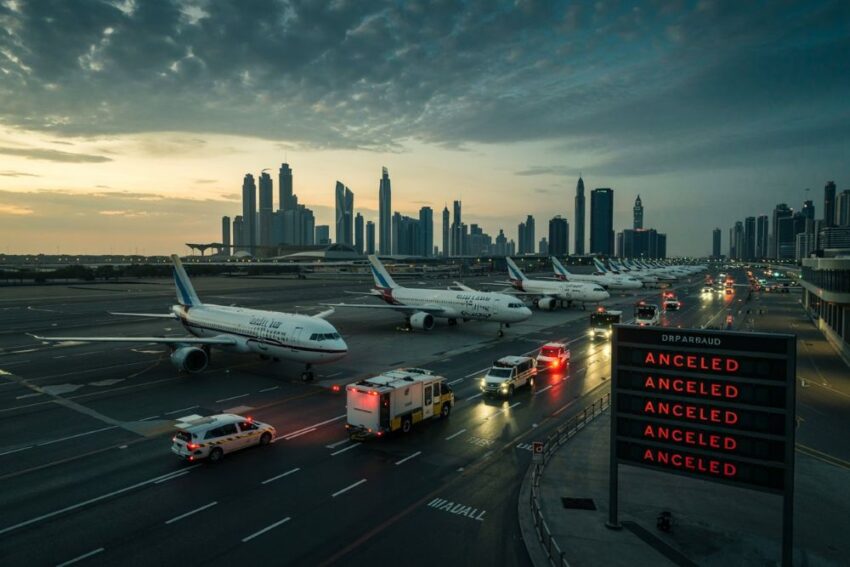
Qatar, Bahrain And Kuwait Airspace Closed Dubai International and Riyadh Airports Manage Limited Flights Amid Gulf Crisis!

Qatar, Bahrain And Kuwait Airspace Closed Dubai International and Riyadh Airports Manage Limited Flights Amid Gulf Crisis!

Travel across the Gulf Cooperation Council (GCC) region remains severely disrupted as the fifth consecutive day of regional hostilities has triggered widespread airspace closures, cruise cancellations, and large-scale repatriation efforts. Major aviation hubs including Dubai, Doha, Abu Dhabi, and Riyadh are operating under emergency protocols, while governments are coordinating commercial flights, charter services, and land evacuations to assist stranded travelers. According to updates issued by aviation authorities and foreign ministries across the region, airspace over Qatar, Bahrain, and Kuwait remains closed until further notice, while the United Arab Emirates and Saudi Arabia are operating under controlled and reduced capacity conditions. Meanwhile, cruise operators have suspended sailings from Gulf ports, marking a significant escalation in travel disruption.

Airspace Closures and Limited Flight Operations Across GCC

Major international hubs such as Dubai International Airport and Hamad International Airport in Doha continue to experience operational limitations. Authorities in the United Arab Emirates confirmed that controlled flight movements are being coordinated through emergency air corridors to gradually restore connectivity across Abu Dhabi, Dubai, Sharjah, and Fujairah. The UAE General Civil Aviation Authority (GCAA) has implemented a contingency air traffic plan allowing up to 48 aircraft movements per hour through designated corridors. The move is designed to manage essential traffic while maintaining aviation safety standards amid regional tensions. While Saudi Arabia and Oman have kept airports operational, neighboring states including Qatar, Bahrain, and Kuwait continue to enforce temporary airspace closures. These restrictions have caused cascading delays and cancellations affecting thousands of transit passengers.

Cruise Lines Suspend Gulf Sailings

Maritime tourism has also been impacted. Both Celestyal Cruises and MSC Cruises, which were operating Arabian Gulf itineraries, have cancelled their remaining March departures from Doha and Dubai. Celestyal Cruises confirmed that passengers booked on affected sailings will receive either a full refund or future cruise credit. The decision effectively ends the remainder of the Gulf cruise season for the company. Industry observers note that the cancellations reflect broader concerns about regional maritime safety and port accessibility. Cruise vessels previously operating from Doha Port and Port Rashid in Dubai are now adjusting itineraries or redeploying ships outside the region.

Governments Launch Repatriation Operations

With commercial air travel disrupted, multiple governments have activated evacuation and repatriation protocols.

United States Advisory

On 3 March, the US Department of State issued a regional advisory instructing American citizens to depart 14 Middle Eastern countries using available commercial options. The advisory covers Bahrain, Egypt, Iran, Iraq, Jordan, Israel, Kuwait, Lebanon, Oman, Qatar, Yemen, Syria, Saudi Arabia, and the United Arab Emirates.

Additionally, the US Embassy in Abu Dhabi and the US Consulate in Dubai suspended operations following a drone-related security incident near the Dubai consulate. These closures follow earlier suspensions at US diplomatic missions in Saudi Arabia and Kuwait, which were affected by similar incidents. American citizens in the region have been advised through official embassy channels to monitor alerts and register their presence.

United Kingdom Travel Measures

The UK Foreign, Commonwealth & Development Office (FCDO) has instructed British nationals in affected GCC countries to register their location and avoid proximity to military or strategic sites.

Limited commercial departures from the United Arab Emirates and Oman remain available for those seeking to return to the UK. Additionally, Visa Application Centres (VACs) in the UAE resumed services from 4 March, according to official UK government updates.

A UK-chartered evacuation flight departed Oman on 4 March to assist British nationals unable to secure commercial options.

Singapore Evacuation Coordination

The Singapore Embassy announced contingency land evacuation planning for citizens stranded in Qatar. The proposal involves organized bus transfers either to Riyadh, approximately seven hours by road, or to Jeddah, a journey of roughly 17 hours, for onward international travel. Singapore authorities have requested nationals to formally register interest via an official government portal to assess capacity requirements.

Saudi Arabia Assistance for GCC Nationals

Authorities in Saudi Arabia confirmed that stranded GCC citizens at Saudi airports may contact the dedicated assistance hotline 992 or visit the Airports Passports Department for travel support and documentation guidance. Airports in Riyadh, Jeddah, and Dammam continue operating under normal conditions, positioning the Kingdom as a critical transit hub amid regional airspace closures.

Land Routes and Cross-Border Transport Surge

As flight options remain limited, overland travel is emerging as a key alternative. In Saudi Arabia, land borders with Qatar and Kuwait remain open. However, the King Fahd Causeway linking Saudi Arabia and Bahrain has been temporarily closed. In the United Arab Emirates, Dubai-based transport operator GH Trips has introduced daily bus services for Saudi nationals traveling to Riyadh, Jeddah, Makkah, Madinah, Dammam, and Khobar. Meanwhile, Omani carriers SalamAir and Oman Air are jointly facilitating shuttle bus services between Sharjah and Muscat International Airport from 3 to 5 March to support passengers seeking international departures from Omani airspace.

Etihad Rail Conducts Passenger Trial Amid Crisis

In a significant development for regional ground transport, Etihad Rail conducted its first passenger trial operation. The service transported more than 350 UAE citizens and residents across three journeys between Al Ghuwaifat, near the Saudi border, and Al Faya in Abu Dhabi. While primarily a pilot program, the trial underscores the growing strategic role of rail infrastructure in crisis response scenarios. Authorities have indicated that further assessments will determine potential expansion of passenger services if needed.

Airlines Resume Select Routes

Despite disruptions, some airlines have cautiously resumed limited operations. Virgin Atlantic restarted select services from London Heathrow to Dubai and Riyadh, operating under adjusted flight paths and regulatory approvals. Aviation authorities continue to emphasize that schedules remain fluid and subject to rapid change based on security assessments.

Travel Industry Braces for Prolonged Impact

The cumulative effect of airspace restrictions, cruise cancellations, diplomatic mission closures, and emergency evacuations has created one of the most complex travel disruptions in the GCC in recent years. Airlines are recalibrating routes to avoid restricted zones. Cruise operators are redeploying vessels. Governments are expanding coordination through aviation regulators, embassies, and border authorities. Travelers in Dubai, Doha, Abu Dhabi, Riyadh, Muscat, and neighboring capitals are advised to rely exclusively on official government and airline channels for updates.

Key Developments at a Glance

  • Airspace over Qatar, Bahrain and Kuwait remains closed.
  • UAE operating 48 flights per hour via emergency corridors.
  • Celestyal Cruises and MSC Cruises cancel remaining Gulf sailings.
  • US issues departure advisory for 14 Middle Eastern nations.
  • UK charters flight from Oman; VACs resume in UAE.
  • Singapore proposes land evacuation via Riyadh or Jeddah.
  • Etihad Rail completes first passenger evacuation trial.
  • King Fahd Causeway temporarily closed.

Overview

While some airports in Saudi Arabia and Oman continue operating normally, uncertainty remains across the broader GCC region. Aviation regulators are reviewing conditions daily, and maritime operators are assessing future Gulf deployments. For now, the Gulf travel landscape is defined by controlled reopening, structured evacuation, and evolving contingency planning. Authorities across Dubai, Doha, Abu Dhabi, and Riyadh continue to prioritize citizen safety and transportation continuity as the situation develops.

The post Qatar, Bahrain And Kuwait Airspace Closed Dubai International and Riyadh Airports Manage Limited Flights Amid Gulf Crisis! appeared first on Travel And Tour World.

Paris, France A Defining Moment for Luxury Dining as Hôtel de Crillon Entrusts Alan Taudon with Its Sweeping Culinary Rebirth!

Paris, France A Defining Moment for Luxury Dining as Hôtel de Crillon Entrusts Alan Taudon with Its Sweeping Culinary Rebirth!

Paris, France In a development poised to reshape the city’s ultra-luxury dining landscape, Hôtel de Crillon, A Rosewood Hotel has appointed Alan Taudon as executive chef, effective June 1, 2026. The move brings one of France’s most respected fine-dining talents to one of the capital’s most storied addresses and signals a sweeping transformation ahead of the hotel’s major gastronomic relaunch in early 2027. The appointment is being closely followed across the hospitality world, particularly given Taudon’s current role at the two-Michelin-starred L’Orangerie at Four Seasons Hotel George V, another of Paris’ most prestigious establishments. Both properties carry the coveted “Palace” distinction an elite classification awarded by the French government to hotels that exceed five-star standards in heritage, service, and excellence. With Taudon assuming responsibility for all dining venues at Hôtel de Crillon, including its flagship gastronomic restaurant, bar, in-room dining, pastry operations, and high-profile event catering, the appointment marks not just a staffing change but a comprehensive culinary reset at one of the city’s grandest institutions.

A Chef From One Palace to Another

The transition of Alan Taudon from Four Seasons Hotel George V to Hôtel de Crillon represents a rare exchange of talent between two officially designated Palace hotels in France. According to the French government’s Atout France tourism authority, the Palace distinction is reserved for properties that demonstrate exceptional historical, architectural, and service excellence, setting them apart from conventional five-star hotels. Both the Hôtel de Crillon and the Four Seasons Hotel George V hold this elevated classification, placing them among a small, exclusive group of Parisian hotels recognized at the highest level of luxury hospitality. Taudon’s tenure at L’Orangerie has been marked by consistent critical acclaim and the maintenance of two Michelin stars, reinforcing his reputation as a chef capable of balancing refined technique with modern culinary vision. His move to Hôtel de Crillon is widely seen as a strategic step that aligns a rising gastronomic force with a historic property preparing for reinvention.

Leadership Across All Culinary Venues

Effective June 1, 2026, Alan Taudon will oversee every food and beverage outlet within Hôtel de Crillon, consolidating culinary direction under a single vision. His responsibilities will include:

  • The hotel’s gastronomic restaurant
  • Jardin d’Hiver, the winter garden dining space
  • Bar Les Ambassadeurs, one of Paris’ most elegant historic bars
  • In-room dining services
  • Pastry and dessert programs
  • Banqueting and events hosted in the hotel’s Historic Salons

This broad remit signals a unified culinary philosophy across the property rather than isolated concepts for each outlet. Industry observers note that consolidating leadership at this level often precedes a repositioning strategy designed to elevate brand identity and guest experience. For a property such as Hôtel de Crillon, which has long been associated with ceremonial grandeur and Parisian heritage, the appointment of a chef with strong contemporary credentials suggests a deliberate blending of tradition with forward-thinking gastronomy.

A Gastronomic Restaurant Under Transformation

One of the most closely watched elements of this transition is the hotel’s main gastronomic restaurant, which is currently closed for a full-scale redevelopment. The reopening, scheduled for early 2027, will introduce:

  • New branding
  • Redesigned interiors
  • An entirely reimagined culinary philosophy

While specific details remain under development, the overhaul indicates that the relaunch will go beyond cosmetic changes. A shift in culinary identity, particularly under the direction of Alan Taudon, suggests a repositioning that may recalibrate the restaurant’s standing within Paris’ competitive fine-dining ecosystem. Paris remains one of the world’s most influential gastronomic capitals, and any major reopening at a Palace hotel attracts global attention from culinary travelers, critics, and luxury hospitality analysts alike.

The Significance of the Palace Distinction

The importance of this appointment is heightened by the status of both properties involved. The Palace distinction, administered by Atout France on behalf of the French government, is granted to a limited number of hotels that meet rigorous criteria, including architectural significance, cultural contribution, exceptional service, and international influence. By moving from one Palace hotel to another, Alan Taudon remains within the uppermost tier of French hospitality. The distinction reinforces the broader narrative that this is not simply a staffing change but a strategic move within the highest echelon of the country’s luxury sector. In Paris, where heritage properties often compete not only on service but also on culinary prestige, the alignment of a two-Michelin-star chef with a historic landmark hotel has symbolic weight. It underscores the central role gastronomy continues to play in defining French luxury tourism.

Reinforcing Paris as a Global Culinary Capital

The appointment also highlights Paris, France as a city where hotel gastronomy is as central to the destination experience as museums, fashion, and historic landmarks. Palace hotels in particular serve as culinary ambassadors, frequently housing Michelin-starred restaurants that draw international visitors. With Hôtel de Crillon undergoing transformation and Alan Taudon preparing to shape its next chapter, the development reinforces the capital’s commitment to innovation within tradition. Luxury hotels in Paris are increasingly evolving their culinary programs to appeal to a new generation of global travelers who seek experiential dining rooted in authenticity and creativity. As France continues to promote high-end tourism through official channels and classifications, high-profile chef appointments serve as tangible examples of the country’s ongoing investment in gastronomic excellence.

A Strategic Timeline Toward 2027

The timing of the appointment is particularly strategic. With Taudon taking up his role in June 2026 and the gastronomic restaurant reopening slated for early 2027, the hotel has positioned itself for a deliberate transition period. This allows for:

  • Concept development and menu innovation
  • Interior redesign coordination
  • Recruitment and training of culinary teams
  • Alignment of brand messaging

Such phased transformations are common among ultra-luxury properties seeking to ensure consistency and operational readiness before a major relaunch. For Hôtel de Crillon, which already enjoys global recognition as one of Paris’ most iconic addresses, the relaunch offers an opportunity to redefine its gastronomic narrative while preserving its architectural and cultural legacy.

Looking Ahead: A Defining Chapter for Hôtel de Crillon

The appointment of Alan Taudon as executive chef marks the beginning of a defining chapter for Hôtel de Crillon, A Rosewood Hotel. By entrusting its entire culinary program to a chef with proven Michelin-starred credentials and Palace hotel experience, the property signals its intent to compete at the very highest level of global gastronomy. As early 2027 approaches, industry stakeholders will be watching closely to see how the new branding, redesigned interiors, and evolved culinary philosophy come together. The transformation represents more than renovation; it is a statement of ambition within a city where culinary prestige is both heritage and currency. For Paris, France, the development reinforces its enduring reputation as a destination where hospitality, history, and haute cuisine converge at the highest standard. For gastronomic travelers worldwide, the reopening of Hôtel de Crillon under the leadership of Alan Taudon is set to become one of the most anticipated luxury hospitality events on the European calendar.

The post Paris, France A Defining Moment for Luxury Dining as Hôtel de Crillon Entrusts Alan Taudon with Its Sweeping Culinary Rebirth! appeared first on Travel And Tour World.

A Quiet Deal in Alaska Could Redefine Cruise Sales Worldwide as Princess Cruises and The Travel Institute Roll Out Powerful Advisor Perks!

A Quiet Deal in Alaska Could Redefine Cruise Sales Worldwide as Princess Cruises and The Travel Institute Roll Out Powerful Advisor Perks!

Alaska and key global cruise markets are at the forefront of a newly announced year-long strategic partnership between Princess Cruises and The Travel Institute. The collaboration, introduced in early March 2026, is structured to expand professional education, increase access to certification programs and strengthen long-term career pathways for travel advisors worldwide. The agreement runs for an initial 12-month term and is built around scholarships, destination-specific training, continuing education credits and booking incentives. Both organizations have aligned their resources to reinforce professional standards in a sector experiencing sustained demand growth and evolving client expectations. The initiative reflects a broader movement within the cruise industry, where suppliers are placing renewed emphasis on well-trained advisors capable of navigating increasingly complex itineraries, regulatory frameworks and destination-specific logistics.

A Structured Investment in Advisor Education

At the core of the alliance is a comprehensive financial commitment to professional development. Princess Cruises will fund scholarships supporting The Travel Institute’s TRIPKIT program, an entry-level curriculum designed to introduce new entrants to the business fundamentals of selling travel. By underwriting this program, the cruise line aims to reduce cost barriers that may deter aspiring advisors from pursuing formal education. In addition to foundational training, the partnership extends to advanced professional designations administered by The Travel Institute. Scholarship support will also be directed toward the organization’s three-tier certification track, which includes the Certified Travel Associate, Certified Travel Counselor and Certified Travel Industry Executive credentials. These designations are widely regarded within the industry as benchmarks of competency and professional achievement.n

By supporting both introductory and advanced education pathways, Princess Cruises is positioning advisor training as a continuous progression rather than a one-time milestone. The structure encourages travel professionals to pursue incremental skill development throughout their careers, reinforcing expertise in product knowledge, client service and strategic sales planning. Industry observers note that as cruise products diversify and itineraries expand across regions and themes, advisors with formal credentials are increasingly viewed as trusted intermediaries between suppliers and consumers.

Alaska Destination Specialist Course Timed to Star Princess Debut

A prominent feature of the partnership is the development of a dedicated Alaska Destination Specialist Course. The program is being jointly created by curriculum designers at The Travel Institute and destination experts from Princess Cruises. Its launch is scheduled for the second quarter of 2026, coinciding with the introduction of Star Princess into Alaska sailings. The new course will provide structured guidance on Alaska cruise planning, including itinerary variations, seasonal differences, shore excursion planning, wildlife viewing opportunities and land-based extensions. Alaska remains one of the most sought-after cruise destinations for North American travelers, and demand has remained strong as the broader cruise sector continues its post-pandemic recovery.

Aligning the specialist training with the launch of Star Princess represents a coordinated strategy. As the vessel enters the Alaska market with updated onboard features and itineraries, advisors who complete the course are expected to be better equipped to present the product accurately and capitalize on heightened consumer interest. The initiative underscores how destination-focused expertise is becoming a differentiating factor in cruise sales. Advisors who can clearly articulate environmental conditions, travel logistics and experiential highlights are better positioned to match clients with suitable voyages and manage expectations effectively.

Continuing Education and Certification Maintenance

The partnership also addresses ongoing professional requirements. Certified graduates of The Travel Institute who complete the Princess Commodore Program will earn 10 continuing education units applicable toward maintaining active certification status. Continuing education is a standard requirement for professionals who wish to retain recognized designations over time.

By linking continuing education credits with supplier-specific training, the collaboration integrates product familiarity with broader professional standards. Advisors can simultaneously deepen brand knowledge and fulfill formal credential maintenance requirements. In addition to educational incentives, the agreement introduces an opt-in booking incentive for certified alumni holding recognized credentials such as Certified Travel Associate, Certified Travel Counselor and Certified Travel Industry Executive. While commercial terms remain managed directly between Princess Cruises and participating agencies, the incentive framework connects higher qualification levels with tangible business opportunities. Industry analysts observe that this approach sends a clear message: formal education and certification are increasingly tied to commercial engagement and preferred supplier relationships.

Expanding the Talent Pipeline Through Webinars

Beyond structured coursework and scholarships, Princess Cruises will sponsor The Travel Institute’s “New to the Travel Industry” webinar series. These sessions are designed to introduce prospective and early-career advisors to the operational structure of the travel sector, including agency models, host networks, consortia relationships and core sales practices. The webinars aim to provide realistic insights into career pathways while directing participants toward formal training programs such as TRIPKIT and advanced certifications. The initiative arrives at a time when many agencies report recruitment challenges and an aging workforce.

By investing in introductory programming and outreach, Princess Cruises is contributing to long-term talent development within the distribution channel. Strengthening the advisor pipeline is viewed as critical to sustaining cruise growth, particularly as itineraries become more specialized and customer expectations more sophisticated. Both organizations are expected to promote the value of certified travel professionals through trade communications, industry events and advisor-facing marketing throughout the year-long agreement. The advocacy component reinforces the role of trained advisors in enhancing customer satisfaction, mitigating travel risks and managing complex itineraries.

Strategic Implications for the Cruise Sector

The alliance between Princess Cruises and The Travel Institute reflects a broader shift toward structured collaboration between suppliers and educational institutions. As cruise products become more differentiated, brands are seeking systematic ways to ensure that frontline sellers can accurately communicate value propositions and navigate an increasingly competitive marketplace. The emphasis on Alaska is particularly significant. The region consistently ranks among top cruise destinations, driven by its scenic landscapes, wildlife experiences and seasonal sailings. By integrating Alaska-focused curriculum with the introduction of Star Princess, the partnership aligns educational investment with clear consumer demand drivers.

At a macro level, the initiative illustrates how cruise lines are leveraging education not only as a support function but as a strategic growth tool. Advisors who pursue scholarship-backed certification and specialized training may gain enhanced credibility with clients, potentially leading to stronger booking performance and higher retention rates. If the collaboration proves effective, it may serve as a template for future agreements linking curriculum development, financial support, continuing education and sales incentives. Such models could become increasingly common as suppliers recognize that knowledgeable advisors remain central to distributing complex travel products.

Reinforcing Professional Standards in a Growing Market

As cruise demand continues to expand across established and emerging markets, the role of the travel advisor is evolving. Clients are seeking personalized recommendations, clarity around regulations and reassurance when planning high-value vacations. In this environment, structured learning and recognized credentials are becoming essential tools rather than optional enhancements. Through scholarships, destination specialization, continuing education credits and incentive alignment, Princess Cruises and The Travel Institute have created a framework that integrates professional development with commercial engagement. The year-long partnership represents a coordinated effort to elevate standards while strengthening the distribution network that supports cruise growth worldwide. For travel advisors considering their next career step, the message emerging from Alaska and global cruise markets is increasingly clear: sustained education and formal certification are becoming integral to long-term success in the modern travel industry.

The post A Quiet Deal in Alaska Could Redefine Cruise Sales Worldwide as Princess Cruises and The Travel Institute Roll Out Powerful Advisor Perks! appeared first on Travel And Tour World.
❌