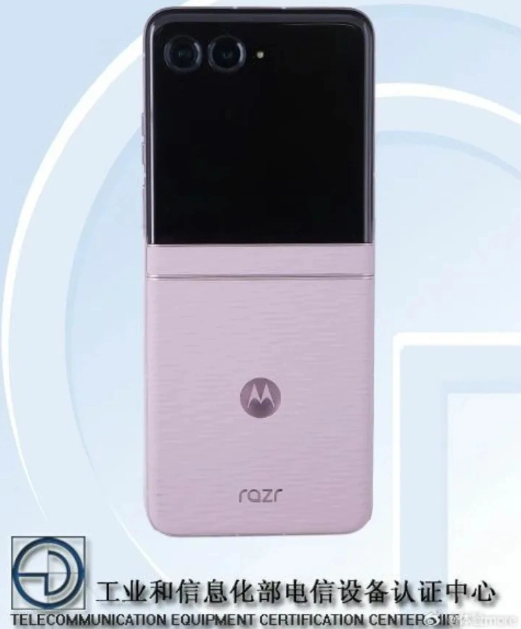
The upcoming Motorola Razr 70 foldable smartphone is expected to launch in Q2 2026, most likely in April or May. According to reports from YtechB published on April 1, the device has also appeared on certification platforms. It was earlier listed on China’s Ministry of Industry and Information Technology on March 10, confirming that the launch is getting closer. These listings usually indicate that the phone has entered its final testing phase.
Design and Color Options
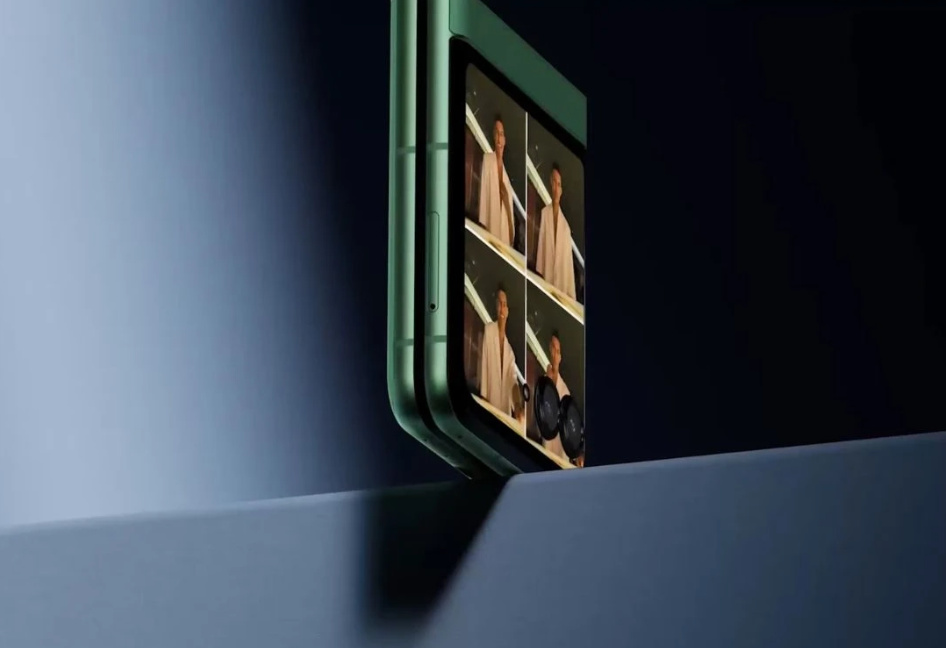
The Razr 70 is expected to continue Motorola’s sleek foldable design with a slim and lightweight body. It measures 171.3 × 73.9 × 7.2 mm and weighs around 188 grams. The phone will reportedly be available in three unique finishes: African Violet, Shining Green with a carbon fiber texture, and Iron Black featuring a fabric-like finish. These options suggest a strong focus on premium styling and a modern look.
Performance and Storage
Under the hood, the device is said to feature an octa-core processor with a maximum clock speed of 2.75GHz, although the exact chipset has not been revealed yet. The Razr 70 could come in multiple configurations, including 8GB, 12GB, and 16GB RAM, with a top variant going up to 18GB. Storage options may range from 256GB to 1TB, offering flexibility for different users.
Camera and Battery
For photography, the phone is expected to include a dual 50MP rear camera setup and a 32MP front camera for selfies. It may also pack a 4500mAh dual-cell battery, which should provide solid daily usage for a foldable device.
Motorola Razr 70 – Leaked Specs:
Category
Details
Launch
Q2 2026 (April–May expected)
Model
XT2657-8
Display
6.9-inch OLED (FHD+), 3.63-inch cover display
Processor
Octa-core, up to 2.75GHz
RAM
8GB / 12GB / 16GB / up to 18GB
Storage
256GB / 512GB / up to 1TB
Rear Camera
Dual 50MP
Front Camera
32MP
Battery
4500mAh
Charging
33W (expected)
Design
Flip foldable, slim build
Dimensions
171.3 × 73.9 × 7.2 mm
Weight
188g
Colors
African Violet, Shining Green, Iron Black
Disclaimer: These specifications are based on leaks and certifications and may change before the official launch.
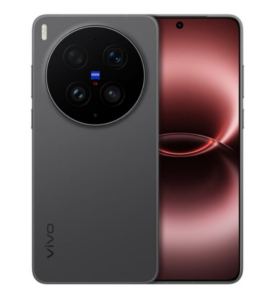
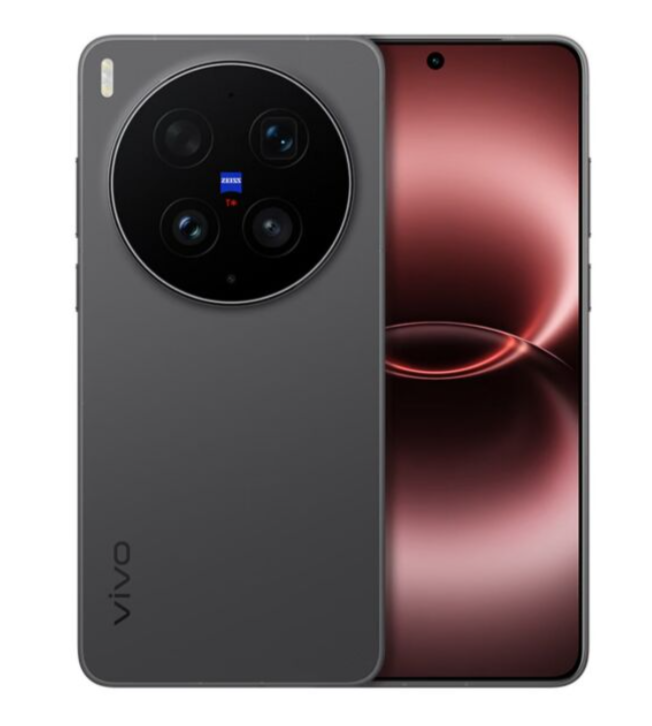
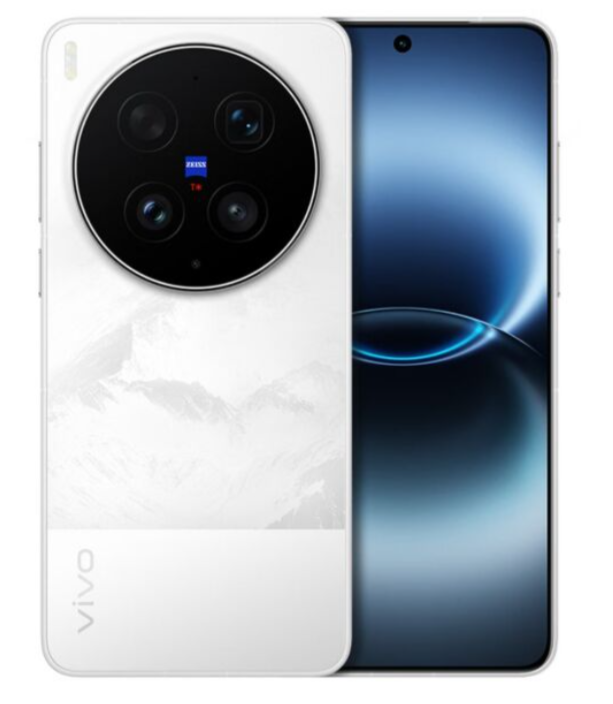
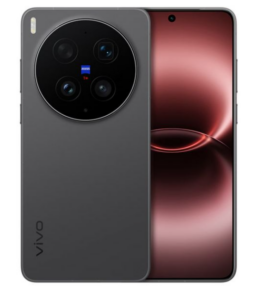
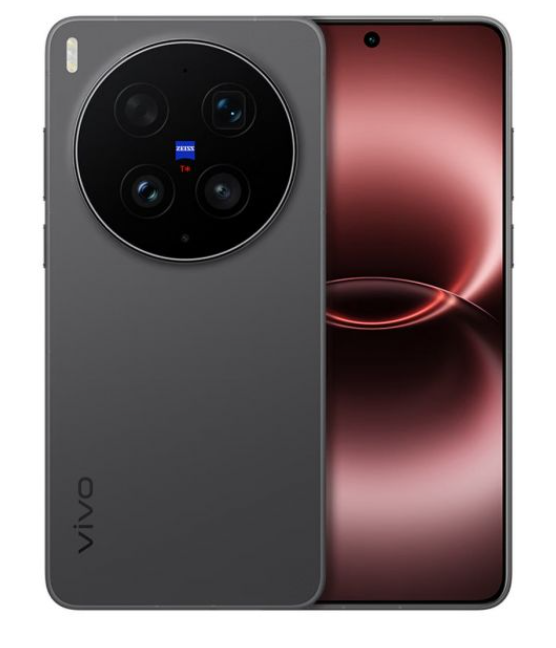
Vivo X300 Ultra is now available for global customers via Giztop, starting at $1199. With international shipping and an exclusive $30 discount using the coupon code V3U30, this flagship becomes even more appealing for buyers worldwide.
A Next-Gen Flagship Experience
What makes the Vivo X300 Ultra truly special is that it feels like one of the first phones to push every major spec to an extreme level at once. It features a large 6.82-inch BOE Q10+ AMOLED display with 2K resolution and a smooth 144Hz refresh rate, delivering a very sharp and fluid experience. Powered by the new Snapdragon 8 Elite Gen 5 chipset, it offers top-tier performance for gaming, multitasking, and heavy usage.
Breakthrough Camera System
The biggest highlight here is the camera setup. The phone combines a 200MP Sony main sensor and a 200MP periscope lens, which is rare and almost industry-first at this level. With ZEISS T* coating and telephoto macro support, it is built for users who want DSLR-like versatility directly from their phone. The 50MP ultra-wide and 50MP front camera further complete a very powerful imaging system.
Massive Battery with Ultra-Fast Charging
Another standout feature is the huge 6600mAh battery paired with 100W fast charging. It can reach 50% in just 10 minutes and fully charge in around 30 minutes, making it ideal for heavy users.
Deal & Availability
Vivo X300 Ultra is currently in stock on Giztop with global shipping. Use coupon code V3U30 to get $30 off, making this ultra-premium flagship slightly more affordable.
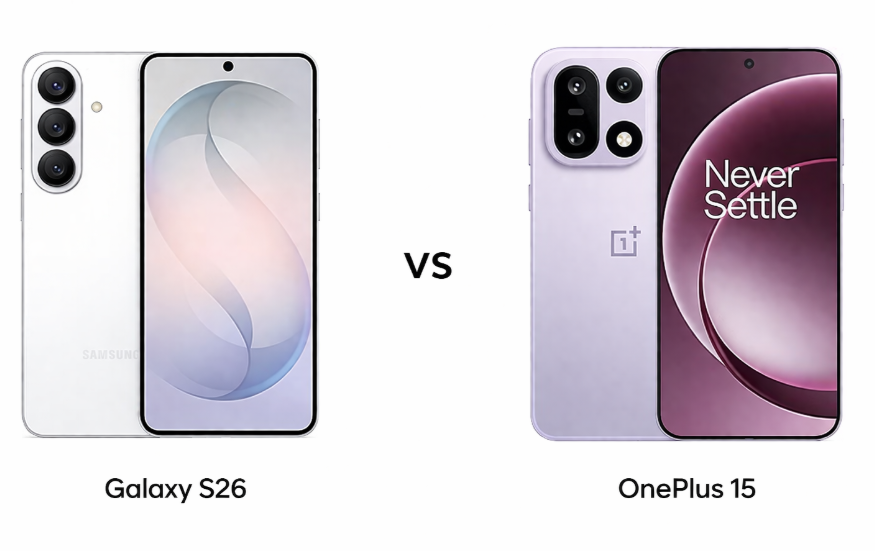
Choosing between the Samsung Galaxy S26 and OnePlus 15 isn’t just about specs; it’s about what kind of flagship experience feels right. One focuses on refined balance and long-term reliability, while the other pushes aggressive performance and next-gen hardware. With both targeting premium buyers at different price points, this comparison highlights where each truly stands and which one delivers better real-world value.
Please Note: When you buy something using the links in our articles, we may earn a small commission at no cost to you.
Design and Display
Build and Feel
The Samsung Galaxy S26 focuses on a compact, refined flagship feel with Gorilla Glass Victus 2 and Armor Aluminum 2, delivering a premium yet practical design. It feels clean, minimal, and engineered for everyday comfort, especially for users who prefer a smaller flagship. The OnePlus 15, in contrast, leans toward a bold and more rugged presence with IP68/IP69K protection and multiple back finishes. It feels more experimental and performance-oriented, which suits power users who like standout hardware.
Display Quality
Samsung offers a 120Hz Dynamic LTPO AMOLED panel with higher peak brightness, giving it an edge in outdoor visibility and HDR consistency. OnePlus counters with a 165Hz LTPO AMOLED display, Dolby Vision, and richer color handling, making it smoother and more immersive for gaming and media. The higher refresh rate feels noticeably fluid in fast interactions.
Verdict
Samsung delivers a more polished and balanced flagship design, while OnePlus feels more aggressive and feature-packed. Those prioritizing comfort and brightness may lean toward Samsung, while display enthusiasts and gamers will likely prefer OnePlus.
Specifications Including Battery
Performance
Both phones run on Snapdragon 8 Elite Gen 5 (in most regions), delivering top-tier flagship performance. Samsung adds long-term optimization with One UI and promises up to 7 Android updates, making it more future-proof. OnePlus, however, pushes raw performance slightly further with higher RAM options and faster storage, which translates to smoother heavy multitasking and sustained gaming performance. It feels more tuned for speed, while Samsung feels tuned for consistency.
Battery and Charging
This is where the difference becomes dramatic. Samsung sticks with a modest battery and slower charging, focusing on stability and battery health. OnePlus, on the other hand, dominates with a massive battery and extremely fast wired and wireless charging. It changes usage habits entirely, as charging becomes almost negligible in daily routine.
Verdict
Samsung is reliable and long-term focused, but OnePlus clearly wins in performance headroom and battery innovation, offering a more future-ready hardware experience.
Camera
Main and Secondary Lenses
Samsung maintains a proven triple-camera setup with reliable color science, strong HDR, and consistent results across scenarios. Its telephoto system delivers stable 3x zoom with refined processing, making it dependable for everyday photography. OnePlus takes a more aggressive approach with three 50MP sensors, including a periscope lens, offering better detail and flexibility. It feels more versatile, especially for zoom and ultra-wide shots, and its tuning leans slightly toward dramatic output.
Selfie Camera
Samsung keeps things simple with a well-optimized 12MP sensor that focuses on natural tones and stability. OnePlus upgrades significantly with a higher-resolution sensor and autofocus, resulting in sharper and more detailed selfies, especially in varied lighting. It feels more modern and content-creator-friendly.
Verdict
Samsung delivers consistency and reliability, while OnePlus offers more hardware power and versatility. Those who prefer predictable results may choose Samsung, but OnePlus clearly appeals to users wanting sharper and more flexible photography.
Pricing
The Samsung Galaxy S26 is priced at around $900 (₹88,000), positioning it firmly as a premium compact flagship. The OnePlus 15 comes in lower at about $800 (₹73,000), while offering more aggressive hardware, especially in battery, charging, and camera specifications. The price gap makes the comparison more interesting than expected.
Is the Price Justified?
Samsung justifies its higher price with long software support, brand value, and a refined user experience that feels stable over time. OnePlus, however, delivers stronger hardware value for the money, packing features that typically belong in higher-priced ultra-flagships. It feels like a performance-focused bargain rather than a traditional premium device.
Verdict
Samsung is priced for reliability and longevity, while OnePlus offers better raw value. For most users, OnePlus feels like the smarter buy unless long-term updates are the top priority.
Disclaimer: Prices are approximate and may vary based on country, region, and applicable taxes.
Conclusion
Samsung stands out with features like DeX, deep ecosystem integration, and long-term software support, making it ideal for productivity-focused users. It feels like a complete, mature flagship experience. OnePlus, meanwhile, pushes boundaries with ultra-fast charging, a massive battery, a higher refresh rate display, and more aggressive camera hardware. It feels built for users who want cutting-edge performance and less compromise in day-to-day usage.
Verdict
Samsung Galaxy S26 is the safer, more refined flagship with long-term value and polished software. The OnePlus 15, however, is the more exciting and value-driven device, offering superior battery, charging, and overall hardware advantage. For most users, OnePlus emerges as the better all-rounder, while Samsung remains the choice for those prioritizing longevity and ecosystem stability.
Disclaimer: This comparison is based on the specifications provided and is intended for general informational purposes. Actual performance, camera results, battery life, and overall experience may vary depending on real-world usage, software updates, and individual preferences.
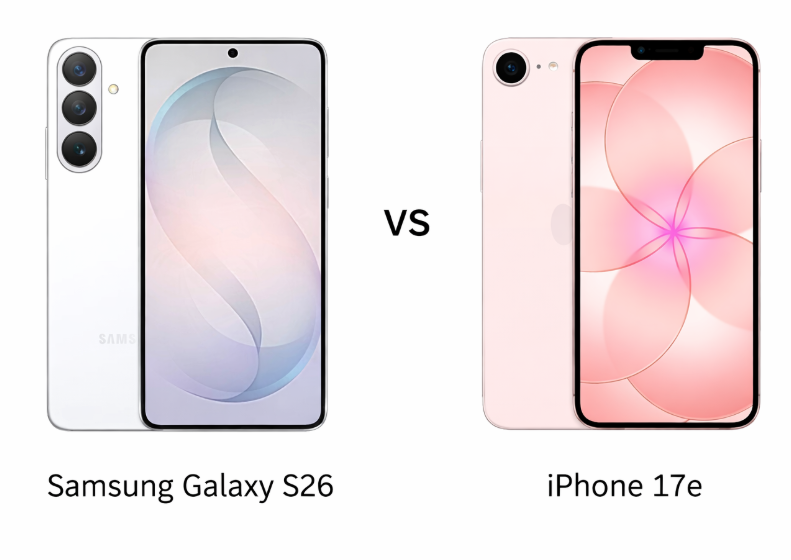
Choosing between the Samsung Galaxy S26 and the iPhone 17e isn’t just about Android vs iOS anymore; it’s about how much flagship experience you actually need. One pushes boundaries with cutting-edge hardware and features, while the other focuses on delivering a clean, reliable experience at a much lower price. For buyers deciding whether to spend big or stay smart with their budget, this comparison highlights what truly changes, and what doesn’t, when you move up the price ladder.
Major Features:
Features
Samsung Galaxy S26
iPhone 17e
Trade-Off: What It Means
Display
120Hz, much brighter
Standard refresh, lower brightness
Samsung feels smoother & more premium
Camera Setup
Triple camera + zoom
Single 48MP camera
Samsung = versatility, Apple = simplicity
Performance
12GB RAM, raw power focus
8GB RAM, highly optimized
Samsung is more future-ready, Apple stays consistent
Features
DeX, reverse wireless, more extras
Minimal extra features
Samsung offers more flexibility
Battery & Charging
Bigger battery + reverse charging
Efficient but simpler setup
Samsung gives more options
Software Experience
Feature-rich One UI
Clean, smooth iOS
Samsung = control, Apple = ease
Pricing
Premium (~₹88K)
More affordable (~₹65K)
Big price gap changes expectations
Overall Trade-Off
More power, more features
Less cost, less complexity
Depends on what you value more
The best overall phone → Galaxy S26 The smartest buy for the price → iPhone 17e Disclaimer: Specs are based on available data. Actual performance may vary. Verify details from official sources before buying.
Design and Display
Build and Feel
Samsung Galaxy S26 leans into a premium yet practical design with Gorilla Glass Victus 2 on both sides and an Armor Aluminum 2 frame. It feels refined but also engineered for durability, especially with Samsung’s focus on long-term usability. iPhone 17e, on the other hand, uses Ceramic Shield 2 and aluminum, delivering that signature Apple minimalism. It feels slightly more polished in hand, but Samsung’s finish comes across as more rugged and purpose-driven.
Display Quality
Samsung clearly dominates here with a 120Hz LTPO AMOLED panel pushing up to 2600 nits. The brightness and smoothness make everyday use and outdoor visibility noticeably better. The iPhone 17e’s OLED panel is sharp and color-accurate, but the lack of a high refresh rate makes it feel less fluid in comparison. Apple’s tuning is excellent, but Samsung’s display feels more modern and immersive.
Verdict
Galaxy S26 wins for offering a more advanced, smoother, and brighter display, while still maintaining a solid premium build.
Specifications Including Battery
Performance
The Galaxy S26 packs either Snapdragon 8 Elite Gen 5 or Exynos 2600, both cutting-edge chips with strong multi-core performance and GPU capabilities. It’s clearly built for heavy multitasking and gaming. The iPhone 17e’s A19 chip is highly optimized and efficient, delivering smooth real-world performance, but with only 8GB RAM, it feels slightly less future-proof compared to Samsung’s 12GB setup.
Battery and Charging
Samsung offers a 4300mAh battery with 25W wired charging and reverse wireless support, making it more versatile for daily use. The iPhone 17e’s 4005mAh battery is efficient thanks to iOS, but charging speeds remain average. Apple focuses more on consistency than speed, while Samsung pushes flexibility.
Verdict
Galaxy S26 takes the lead with better raw performance, more RAM, and greater charging versatility, making it feel more future-ready.
Camera
Main and Secondary Lenses
Samsung delivers a versatile triple-camera setup with a 50MP main sensor, 3x telephoto, and ultrawide lens. This flexibility makes it more capable across different scenarios, especially zoom and wide shots. The iPhone 17e sticks to a single 48MP camera, which performs excellently in most conditions but lacks the versatility of multiple lenses. Apple’s image processing is refined, but hardware limitations are noticeable.
Selfie Camera
Both phones feature 12MP front cameras with strong video capabilities. Apple adds Face ID and spatial features, making it slightly more advanced for biometrics and video recording. Samsung’s selfie camera is consistent and sharp, but less feature-packed.
Verdict
Galaxy S26 wins for versatility and overall camera system depth, while iPhone 17e remains strong for consistent point-and-shoot photography.
Pricing
The Galaxy S26 is priced around $900 (₹88,000), while the iPhone 17e comes in significantly lower at $600 (₹65,000). This creates a clear gap in positioning. Samsung targets the premium flagship segment, while Apple focuses on delivering a more affordable entry into its ecosystem.
Is the Price Justified?
Samsung justifies its higher price with a better display, more powerful hardware, additional cameras, and extra features like DeX and reverse charging. It feels like a full flagship experience. The iPhone 17e, however, offers strong value for those who want Apple performance and software at a lower cost, even if it compromises on hardware.
Verdict
iPhone 17e wins on value for money, but Galaxy S26 justifies its price with a more complete flagship package.
Disclaimer: Prices are approximate and may vary based on country, region, and applicable taxes.
Conclusion
The Galaxy S26 stands out with features like Samsung DeX, a high-refresh-rate display, a triple-camera system, and longer software support. It feels designed for power users who want flexibility and cutting-edge hardware. The iPhone 17e focuses on simplicity, offering a clean iOS experience, reliable performance, and ecosystem advantages like Face ID and satellite features.
Verdict
Galaxy S26 is the better overall smartphone for those seeking top-tier specs, versatility, and future-proofing. However, the iPhone 17e remains a smart pick for users who prioritize value, smooth software, and a straightforward flagship experience without paying premium prices.
Disclaimer: This comparison is based on the specifications provided and is intended for general informational purposes. Actual performance, camera results, battery life, and overall experience may vary depending on real-world usage, software updates, and individual preferences.
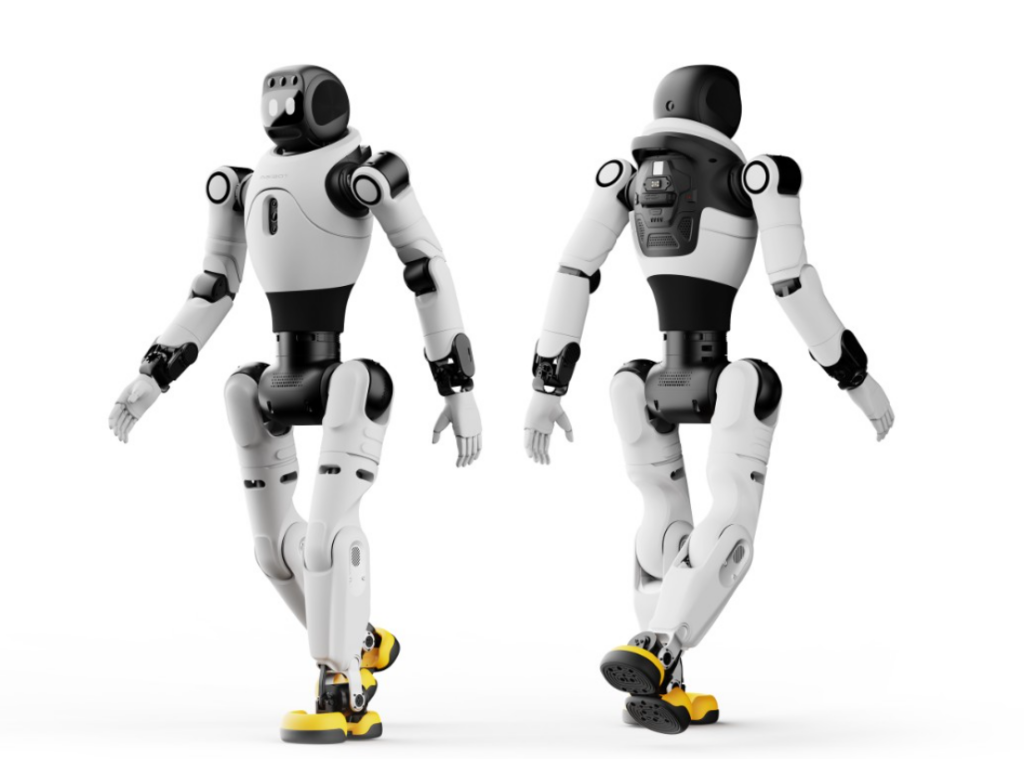
AGIBOT has announced a major achievement, rolling out its 10,000th humanoid robot on March 30, 2026, in Shanghai. This makes it one of the first robotics companies in the world to reach such a scale. The milestone reflects a clear shift in the industry, from early-stage testing to large-scale real-world deployment. It also signals that humanoid robots are no longer limited to labs or experiments but are becoming part of everyday business environments.
From Experiment to Real-World Use
This achievement is not just about production numbers. It highlights AGIBOT’s ability to deploy robots at scale across different industries. The company is moving beyond niche use cases and entering mainstream commercial adoption. This marks an important transition where the focus is no longer just on whether the technology works, but on how it delivers real business value. It also shows that embodied AI is becoming practical and usable in real-world settings.
Rapid Production Growth
AGIBOT’s growth has accelerated significantly over time. It took nearly two years to produce its first 1,000 robots. The jump from 1,000 to 5,000 units took about a year. However, scaling from 5,000 to 10,000 units happened in just three months. This fourfold increase in speed highlights major improvements in manufacturing efficiency and supply chain maturity. It also reflects rising demand for humanoid robots across industries.
According to Peng Zhihui, this rapid scaling is the result of a mature supply chain and standardized manufacturing processes. He emphasized that demand for large-scale commercial robotics solutions is increasing quickly. The company is focused on expanding the adoption of embodied AI systems and making them more accessible to businesses worldwide.
Expanding Real-World Applications
A large number of AGIBOT’s robots are already deployed in real-world environments. They are being used in logistics, retail navigation, hospitality services, and education. The company is also expanding into industrial applications, including production line support and manufacturing operations. This shows a clear shift toward practical, day-to-day use of humanoid robots.
Global Reach and Industry Impact
AGIBOT is also seeing strong international demand, with deployments across Europe, North America, Japan, South Korea, Southeast Asia, and the Middle East. The focus is moving from pilot projects to repeat large-scale rollouts. This milestone confirms that humanoid robots are now scalable, commercially viable, and ready to be integrated into everyday business operations, positioning AGIBOT as a leader in the global robotics industry.
What Is AGIBOT?
AGIBOT is a Shanghai-based robotics company focused on humanoid robots powered by embodied AI for industrial and service use. Founded in 2023, it has quickly scaled from prototypes to mass production, crossing 10,000 robots and becoming one of the first to deploy humanoids at this level. Its systems are already used in logistics, retail, hospitality, and manufacturing environments. With rapid production growth and expanding global deployments, AGIBOT is now focused on scaling real-world adoption and making general-purpose robots more practical across industries.
Vivo X300 Ultra is now available for global customers through Geekwills, making this powerful flagship accessible beyond China. It brings top-tier performance, advanced cameras, and premium features for users who want the latest tech without limits. With a starting price of $1199, the phones come in multiple configurations, including 12GB and 16GB RAM options with storage up to 1TB, giving users flexibility based on their needs and budget.
Performance and Power
The Vivo X300 Ultra is built for users who want top-level speed and smooth performance. It runs on the latest Qualcomm Snapdragon 8 Elite Gen 5 processor based on a 3nm design, which means faster performance and better efficiency. With up to 16GB LPDDR5X RAM and UFS 4.1 storage, apps open quickly, and multitasking feels effortless. Whether you’re gaming or switching between apps, the experience stays smooth and lag-free.
Display and Design
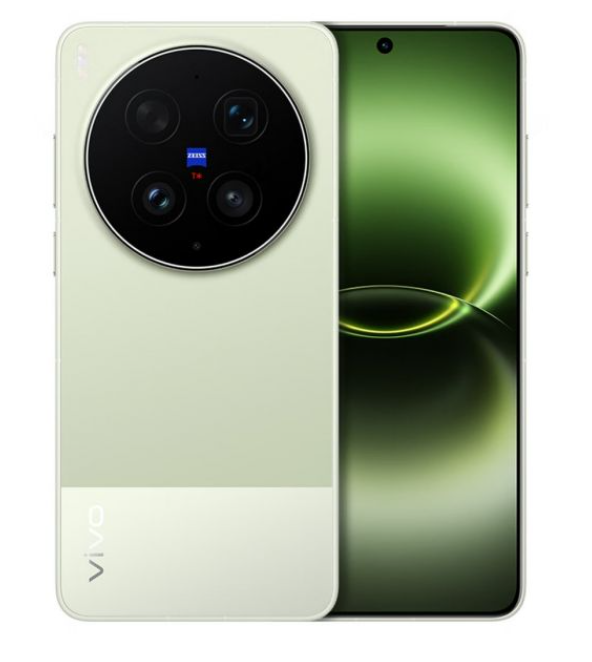
This phone features a large 6.82-inch 2K AMOLED LTPO display with a 144Hz refresh rate. Everything looks sharp, colorful, and fluid. The display also supports up to 3000 nits peak brightness, making it easy to use even outdoors. With premium color options like Black, Silver, and Green, the phone offers both style and a flagship feel.
Camera and Photography
The Vivo X300 Ultra stands out with its powerful triple camera setup. It includes two 200MP sensors and one 50MP ultra-wide lens. The main camera uses a Sony LYTIA sensor for detailed shots, while the telephoto lens offers strong zoom capabilities. A 50MP front camera ensures sharp selfies and clear video calls. This setup is designed for users who love photography and want high-quality results.
Battery and Charging
With a large 6600mAh battery, the phone easily lasts through a full day of heavy use. It supports 100W fast wired charging and 40W wireless charging, so you can quickly power up and get back to using your phone.
Software and Features
Running on OriginOS 6 based on Android 16, the phone offers a clean and customizable experience. It also supports 5G, Wi-Fi 7, Bluetooth 5.4, and NFC for fast connectivity and modern features.

 Login
Login