
 Login
Login
Motorola Edge 70 Fusion vs Redmi Note 15 Pro: One Is Smarter, One Is Stronger , Which Wins?
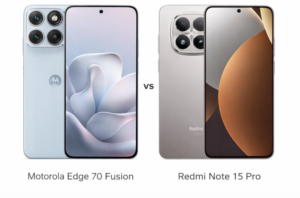
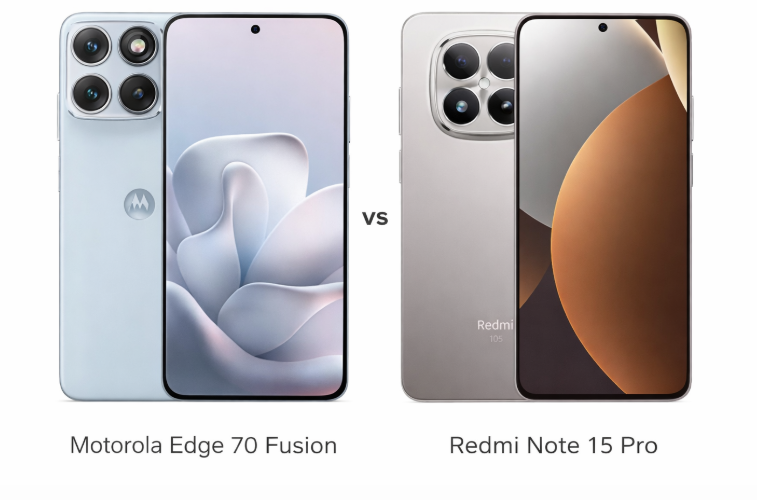
Motorola Edge 70 Fusion and Redmi Note 15 Pro redefine what mid-range phones can offer in 2026, blending premium features with aggressive pricing. While one leans toward smooth performance and balanced usability, the other pushes standout specs like a 200MP camera and advanced display tech. This comparison is important for buyers who care about real-world experience over spec sheets, as both devices take very different paths to deliver value in the same price segment.
| Preview | Product | |
|---|---|---|

|
REDMI Note 15 Pro 5G (Carbon Black, 8GB+256GB) | 200MasterPixel OIS Camera | Dimensity 7400-Ultra |… | Check Price on Amazon |
Please Note: When you buy something using the links in our articles, we may earn a small commission at no cost to you.
| Preview | Product | |
|---|---|---|

|
Motorola Edge 70 Fusion (Pantone Silhouette, 8GB RAM, 128GB Storage) | 6.78″ 1.5K 144Hz AMOLED… | Check Price on Amazon |
Please Note: When you buy something using the links in our articles, we may earn a small commission at no cost to you.
Design and Display
Build and Feel
The Motorola Edge 70 Fusion focuses on a slim, clean design with Gorilla Glass 7i and a lighter, more refined in-hand feel. It also brings IP68/IP69 protection with MIL-STD compliance, making it quietly durable without feeling bulky. On the other hand, the Redmi Note 15 Pro leans toward rugged confidence with stronger drop resistance and Victus 2 protection. The eco leather option adds personality, but the overall build feels more robust than sleek.
Display Quality
Motorola delivers a smoother 144Hz AMOLED with extremely high peak brightness, making it feel sharper in motion and more fluid in daily use. Redmi counters with richer visuals thanks to Dolby Vision, higher color depth, and better PWM dimming, which makes long viewing sessions more comfortable.
Verdict
Motorola feels lighter and smoother, ideal for everyday fluidity, while Redmi offers a more premium viewing experience. The choice depends on whether smoothness or cinematic quality matters more.
Specifications Including Battery
Performance
The Motorola Edge 70 Fusion uses Snapdragon 7s Gen 3/4, delivering balanced performance with better efficiency and stability. It feels more optimized for sustained usage and cleaner thermal control. The Redmi Note 15 Pro’s Dimensity 7400 Ultra brings solid power, but its architecture leans more toward burst performance rather than long-term consistency. In real-world use, Motorola tends to feel slightly more refined.
Battery and Charging
Motorola offers flexibility with 5200mAh or 7000mAh variants and faster 68W charging, making it more convenient for quick top-ups. Redmi pushes endurance with a large 6580mAh battery and adds reverse charging, which is useful in practical scenarios. However, its 45W charging feels slower in comparison.
Verdict
Motorola edges ahead with better efficiency and faster charging, while Redmi stands out for battery longevity. Fast-paced users may prefer Motorola, while heavy users may lean toward Redmi.
Camera
Main and Secondary Lenses
Motorola keeps things balanced with a 50MP main sensor and a more capable 13MP ultrawide that includes autofocus, making it versatile for everyday photography. Redmi takes a bold approach with a 200MP primary sensor, delivering higher detail and better cropping flexibility. However, its 8MP ultrawide feels more limited, reducing versatility.
Selfie Camera
Motorola clearly leads with a 32MP front camera capable of 4K video, offering sharper selfies and better video quality. Redmi’s 20MP selfie camera is decent but lacks 4K support, making it feel slightly behind for content creation.
Verdict
Redmi wins on raw detail with its 200MP sensor, but Motorola delivers a more balanced and practical camera system overall. It feels more consistent across all lenses.
Pricing
The Motorola Edge 70 Fusion is priced around $250 (₹27,000), while the Redmi Note 15 Pro comes in higher at $350 (₹30,000). The price gap is noticeable, especially considering that both target the same mid-range segment.
Is the Price Justified?
Motorola offers strong value with a smoother display, faster charging, and a more balanced camera setup at a lower price. It feels like a well-optimized package without unnecessary cost inflation. Redmi justifies its higher price with a 200MP camera, premium display features like Dolby Vision, and a larger battery. However, some trade-offs like slower charging and weaker ultrawide slightly reduce its value edge.
Verdict
Motorola delivers better overall value for money, while Redmi focuses on standout features. The extra cost only makes sense if those specific upgrades matter.
Disclaimer:
Prices are approximate and may vary based on country, region, and applicable taxes.
Conclusion
Motorola stands out with its ultra-smooth 144Hz display, faster charging, and a cleaner, more balanced user experience. The inclusion of newer Android support and Snapdragon optimization makes it feel reliable long-term. Redmi counters with a flagship-style 200MP camera, Dolby Vision display, and a bigger battery, giving it a more feature-packed appeal on paper.
Verdict
Motorola Edge 70 Fusion feels like the smarter all-rounder with better pricing, smoother performance, and practical usability. The Redmi Note 15 Pro is more about standout specs and visual appeal, but it sacrifices some balance. For most users, Motorola offers a more complete experience, while Redmi suits those who prioritize camera resolution and display richness above everything else.
Disclaimer: This comparison is based on the specifications provided and is intended for general informational purposes. Actual performance, camera results, battery life, and overall experience may vary depending on real-world usage, software updates, and individual preferences.
Read More:
- Nothing Phone (4a) vs (4a) Pro: What Actually Changed?
- Samsung Galaxy S26+ vs Xiaomi 17 Pro: Is Samsung Still Worth Double the Price?
- iPhone 17e vs 16e: Same Phone or Worth the Upgrade?
The post Motorola Edge 70 Fusion vs Redmi Note 15 Pro: One Is Smarter, One Is Stronger , Which Wins? appeared first on Gizmochina.
