Huawei has officially launched the Huawei Vision Smart Screen 6 SE, a new smart TV aimed at delivering a premium viewing and connected home experience. The device went on sale on April 7 at 14:08 China time, with a starting price of 3899 Yuan (approximately $540 USD). It is available through Huawei Mall, authorized e-commerce platforms, and offline experience stores.
The Smart Screen 6 SE features a sixth-generation Super Mini LED LCD panel with 4K Ultra HD resolution. A key highlight is its 288Hz refresh rate, which ensures ultra-smooth motion, especially beneficial for fast-moving content and gaming. The display also offers a wide 178-degree viewing angle, along with improved brightness and contrast, with peak brightness increased by around 50% for more detailed visuals.
Powering the device is Huawei’s self-developed Honghu chipset, built on a dual-core A73 and dual-core A53 architecture. It comes with 3GB RAM, expandable with an additional 1GB of virtual memory, and 64GB of internal storage. Huawei claims the new model delivers about 15% better responsiveness than its predecessor.
In terms of connectivity, the TV includes dual HDMI 2.1 ports, enabling support for high-bandwidth gaming and smooth 4K content playback. It runs on HarmonyOS, allowing seamless integration with Huawei’s ecosystem. The built-in AI camera supports video calls, home monitoring, and fitness tracking.
Additional features include AI-powered picture enhancement, eye protection mode, children mode, and cross-device interaction, making it a well-rounded smart TV available in 55, 65, 75, and 85-inch variants.
Backed by Jeff Bezos, Prometheus aims to build real-world industrial AI
Former xAI co-founder Kyle Kosic joins to lead infrastructure
Plans to raise billions and invest in AI-disrupted industries
AI-generated image for representation only
A new and highly secretive AI startup, Project Prometheus, is quietly emerging as one of the most ambitious bets in the artificial intelligence race. Backed by Amazon founder Jeff Bezos and co-led by former Google executive Vikram Bajaj, the company was founded in 2025 with a bold goal: to take AI beyond chatbots and into the physical world.
Unlike tools such as ChatGPT or Claude Code, Prometheus is focused on building systems that understand real-world environments. Its AI models are being designed to work in industries like aviation, engineering, and architecture, using domain-specific data such as jet engine design.
A major boost to the company comes from the hiring of Kyle Kosic, a co-founder of xAI. Kosic, who previously worked with Elon Musk and helped build the Colossus supercomputer, will now lead Prometheus’ AI infrastructure efforts.
The startup is also part of a growing “talent war” in AI, where top engineers are being aggressively recruited with massive offers. Notably, all 11 co-founders of xAI have now exited, highlighting rising tensions in the industry.
Prometheus is expanding fast, with offices in San Francisco, London, and Zurich, and hundreds of employees already hired. Its long-term plan includes raising tens of billions of dollars and building a Berkshire Hathaway-style investment model, acquiring stakes in companies, and using their data to train smarter AI.
Despite its rapid growth, Prometheus remains highly secretive, with no official public statements yet.
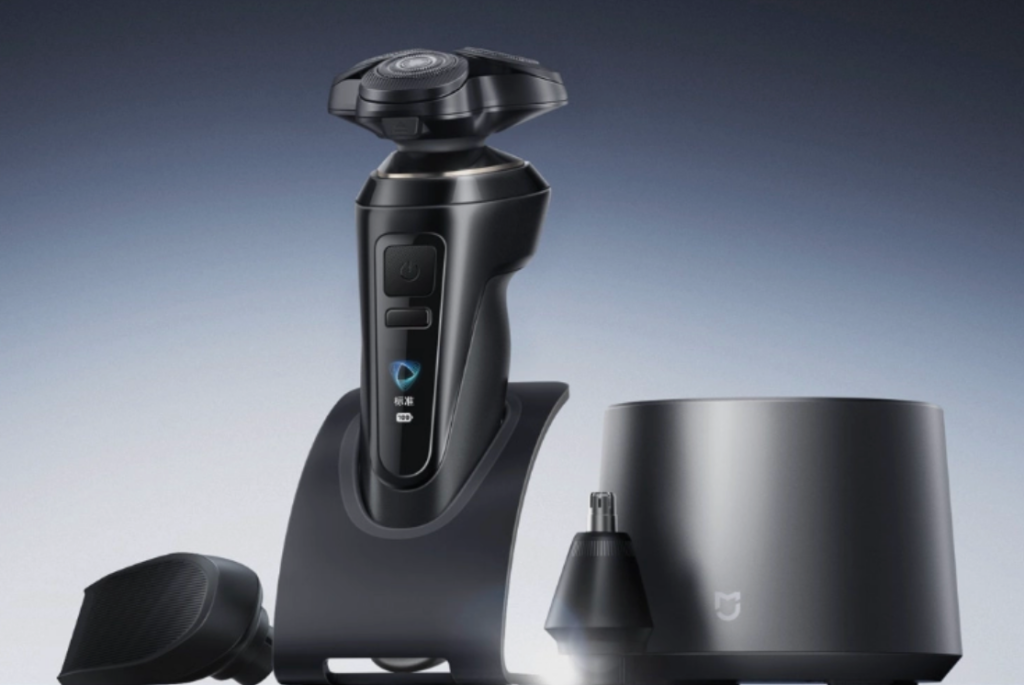
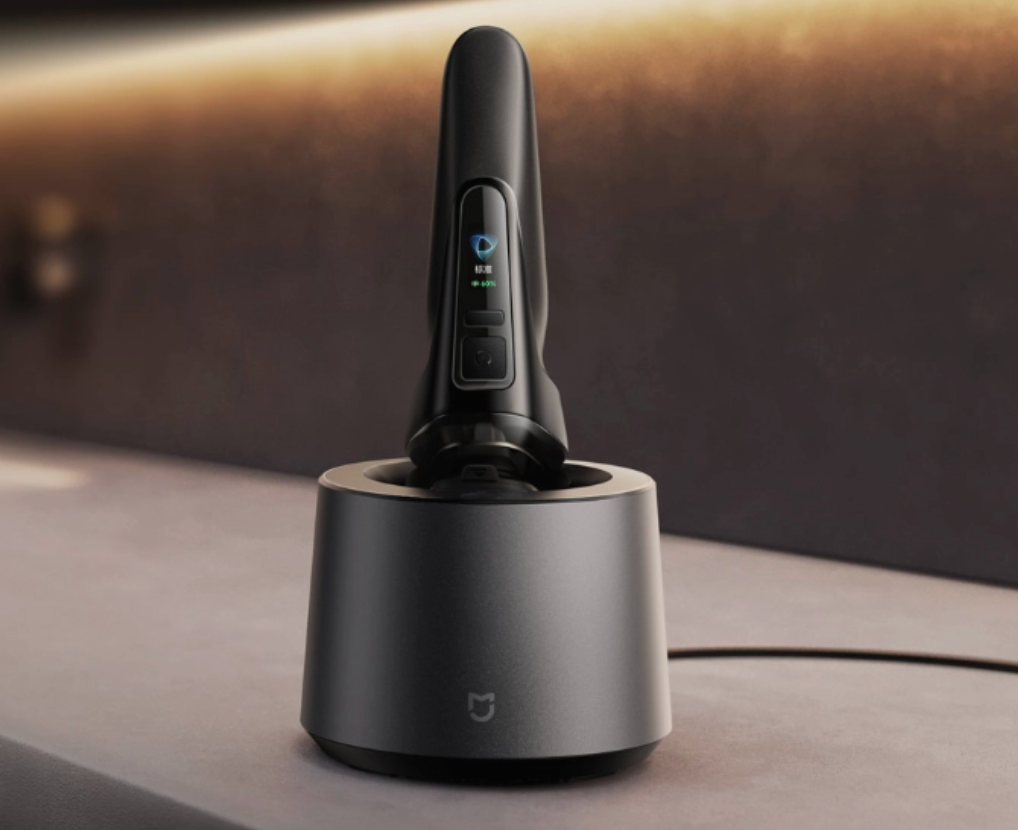
Xiaomi Mijia Electric Shaver Pro Set is available for purchase on the Chinese Platform Youpin for 699 yuan (approximately $95–$100 USD). It is offered as a premium gift box package that includes multiple grooming attachments for everyday use.
Cons: Slightly premium pricing, may feel complex for basic users, limited global availability
What You Get & How It’s Used
This set includes an electric shaver, a multi-functional wireless charging base, a sideburn trimmer, and a nose hair trimmer. It’s ideal for users who want a single device for full face grooming. The charging base is a key highlight; it doesn’t just charge the shaver but also sterilizes and air-dries it automatically when placed on the dock. This makes daily maintenance effortless and hygienic.
Performance & Shaving Technology
The shaver uses a double-ring corrugated blade net, which covers more surface area compared to traditional designs. Combined with stainless steel blades and a cross + reciprocating cutting system, it delivers faster and cleaner shaves. The high-speed motor performs around 5 million cuts per minute, while a smart chip adjusts power based on beard thickness.
Comfort & Smart Protection
For sensitive skin, the silicon-based microbead coating reduces friction and gives a smoother glide. The built-in pressure sensor prevents you from pressing too hard, reducing irritation and skin damage.
Battery & Usability
With Type-C charging and up to 95 days of battery life, it’s highly convenient. The color display shows battery, mode, and travel lock status clearly.
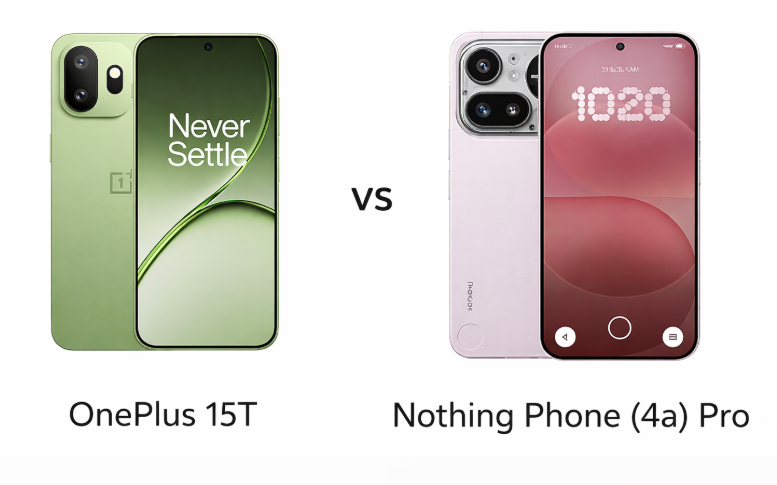
Choosing between the OnePlus 15T and the Nothing Phone (4a) Pro highlights a classic dilemma: raw flagship power vs balanced value with standout design. One targets performance-focused users who want top-tier specs and battery life, while the other appeals to those who prioritize aesthetics, camera versatility, and price. This comparison matters because both phones sit in competitive segments, making it important to understand which one actually delivers the better overall experience for your needs.
Please Note: When you buy something using the links in our articles, we may earn a small commission at no cost to you.
Major Features:
Feature
OnePlus
Nothing
Winner
Build & Protection
IP68/IP69K, glass front, alloy frame, reinforced back
IP65, aluminum unibody, LED back
OnePlus – stronger protection
Display
6.32″ AMOLED, 165Hz, Dolby Vision, 3600 nits peak
6.83″ AMOLED, 144Hz, 5000 nits peak
Tie – OnePlus smoother, Nothing brighter
Chipset
Snapdragon 8 Elite Gen 5 (3nm)
Snapdragon 7 Gen 4 (4nm)
OnePlus – flagship vs midrange
GPU
Adreno 840
Adreno 722
OnePlus – much more powerful
Storage Type
UFS 4.1
UFS 3.1
OnePlus – faster storage
Max RAM/Storage
16GB / 1TB
12GB / 256GB
OnePlus – higher ceiling
Main Camera
50MP + 50MP (telephoto)
50MP + 50MP (periscope) + 8MP UW
Nothing – more versatile
Zoom
3.5x telephoto
3.5x periscope
Nothing – periscope advantage
Selfie Camera
16MP
32MP
Nothing – higher resolution
Video
8K, 4K@120fps
4K@30fps
OnePlus – higher capability
Battery
7500mAh
5400mAh (India)
OnePlus – much larger
Charging
100W wired, 50W wireless
50W wired
OnePlus – faster + wireless
Wireless Charging
Yes (50W)
No
OnePlus – clear win
Connectivity
Wi-Fi 7, Bluetooth 6.0
Wi-Fi 6, Bluetooth 5.4
OnePlus – newer tech
Price
₹58,000
₹40,000
Nothing – cheaper
Disclaimer: Specs are based on available data. Actual performance may vary. Verify details from official sources before buying.
Design and Display
Build and Feel
The OnePlus 15T focuses on durability with IP68/IP69K protection and a clean, performance-first design. The glass-fiber back keeps things practical while still feeling premium enough. In contrast, the Nothing Phone (4a) Pro leans heavily into visual identity with its transparent-style back and signature LED lighting system. The aluminum unibody adds a more industrial, standout look. It feels more expressive, while the OnePlus stays minimal and serious.
Display Quality
OnePlus pushes a 165Hz AMOLED panel with Dolby Vision and extreme brightness control, making it smoother and more consistent for gaming and HDR content. Nothing counters with a larger 144Hz AMOLED panel and a much higher peak brightness, which helps outdoors and gives it a more immersive feel. However, the refresh rate edge and better PWM dimming on OnePlus subtly improve long-term comfort.
Verdict
Nothing wins on uniqueness and visual appeal, but OnePlus feels more refined and premium overall. For everyday usability and smoother visuals, OnePlus has the edge.
Specifications Including Battery
Performance
The OnePlus 15T runs on the Snapdragon 8 Elite Gen 5, which sits firmly in flagship territory. It delivers significantly better raw power, GPU performance, and long-term stability. The Nothing Phone (4a) Pro, powered by Snapdragon 7 Gen 4, handles daily tasks well but lacks the headroom for heavy gaming or sustained performance. The gap is noticeable, especially for power users.
Battery and Charging
OnePlus takes a massive lead with a 7500mAh battery, paired with 100W wired and 50W wireless charging. It’s built for heavy usage with minimal downtime. Nothing offers a respectable 5400mAh battery (India) with 50W charging, which is decent but not exceptional in this segment. The difference becomes clear during long gaming or travel days.
Verdict
This section clearly favors OnePlus. It feels like a performance beast with unmatched battery endurance, while Nothing remains more balanced but less ambitious.
Camera
Main and Secondary Lenses
OnePlus keeps things simple with a dual 50MP setup, focusing on consistency and strong telephoto performance with 3.5x optical zoom. Image processing is reliable, and video capabilities go up to 8K, which adds flexibility. Nothing, however, brings a more versatile triple camera system, including an ultrawide lens alongside its 50MP main and periscope zoom. This gives it more shooting options, especially for landscapes and creative framing.
Selfie Camera
Nothing takes a clear lead with a 32MP front camera, producing sharper and more detailed selfies. OnePlus sticks to a 16MP sensor, which is usable but less impressive in comparison, especially in social media scenarios.
Verdict
Nothing wins for versatility and selfie quality, while OnePlus holds an edge in video capabilities. For most users, Nothing feels more complete in the camera department.
Pricing
The OnePlus 15T is priced at around ₹58,000, positioning it in the flagship killer category. Meanwhile, the Nothing Phone (4a) Pro comes in at approximately ₹40,000, making it significantly more affordable. The price gap of nearly ₹18,000 changes the conversation entirely.
Is the Price Justified?
OnePlus justifies its price with flagship-level performance, a massive battery, and premium durability. It’s clearly built for users who prioritize power and longevity. Nothing, on the other hand, offers strong value with a unique design, capable cameras, and a solid everyday experience at a much lower price. It feels like a smarter buy for most casual and mid-level users.
Verdict
Nothing delivers better value for money, while OnePlus targets those willing to pay extra for top-tier performance and battery.
Disclaimer: Prices are approximate and may vary based on country, region, and applicable taxes.
Conclusion
OnePlus 15T stands out with its flagship chipset, massive 7500mAh battery, ultra-fast charging, and superior durability ratings. It feels engineered for performance-heavy users who want reliability over flair. The Nothing Phone (4a) Pro differentiates itself with its iconic LED back design, larger immersive display, and a more versatile camera setup. It leans into personality and balance rather than raw power.
Verdict
The choice depends heavily on priorities. OnePlus 15T is the clear winner for performance, battery life, and long-term usage. Nothing Phone (4a) Pro makes more sense for users who value design, camera flexibility, and affordability. Overall, OnePlus feels like the more powerful device, but Nothing offers the smarter value proposition for the majority.
Disclaimer: This comparison is based on the specifications provided and is intended for general informational purposes. Actual performance, camera results, battery life, and overall experience may vary depending on real-world usage, software updates, and individual preferences.
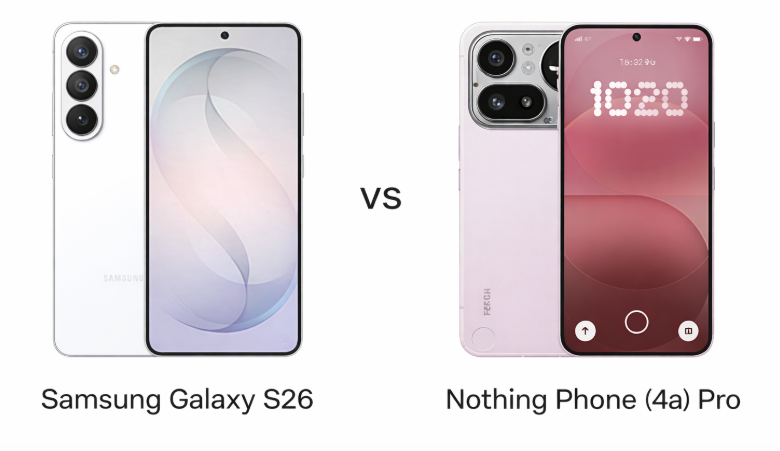
When two phones target completely different price segments yet overlap in features, the comparison becomes more interesting than expected. Samsung Galaxy S26 represents a polished flagship experience focused on performance, longevity, and ecosystem benefits, while Nothing Phone (4a) Pro pushes aggressive hardware and standout design at a more accessible price. For buyers deciding between long-term reliability and feature-packed value, this comparison highlights where each device truly stands and which one makes more sense depending on priorities.
Major Features:
Feature
Samsung Galaxy S26
Nothing Phone (4a) Pro
Winner
Build & Protection
Gorilla Glass Victus 2, Armor Aluminum 2, IP68
Gorilla Glass 7i, Aluminum, IP65
Galaxy S26 – Better durability & water resistance
Display
LTPO AMOLED, 120Hz, 2600 nits
AMOLED, 144Hz, up to 5000 nits
Nothing 4a Pro – Higher refresh rate & brightness
Resolution & Sharpness
FHD+ (~411 ppi)
1260p (~440 ppi)
Nothing 4a Pro – Sharper panel
Chipset
Snapdragon 8 Elite Gen 5 / Exynos 2600
Snapdragon 7 Gen 4
Galaxy S26 – Flagship-level performance
GPU
Adreno 840 / Xclipse 960
Adreno 722
Galaxy S26 – Much more powerful graphics
RAM & Storage
Up to 12GB + UFS 4.X
Up to 12GB + UFS 3.1
Galaxy S26 – Faster storage
Main Camera
50MP (OIS)
50MP (OIS)
Tie – Similar primary sensor
Telephoto
10MP 3x OIS
50MP periscope 3.5x OIS
Nothing 4a Pro – Better zoom hardware
Ultrawide
12MP
8MP
Galaxy S26 – Better secondary lens
Video Recording
8K, 4K60, HDR10+
4K30, Dolby Vision
Galaxy S26 – More advanced video
Selfie Camera
12MP, 4K
32MP, 1080p
Galaxy S26 – Better video & autofocus
Battery
4300 mAh
5080 / 5400 mAh
Nothing 4a Pro – Larger battery
Charging Speed
25W wired, wireless + reverse wireless
50W wired, reverse wired
Nothing 4a Pro – Faster charging
Wireless Charging
Yes
No
Galaxy S26 – Premium feature
Connectivity
Wi-Fi 7, USB 3.2, DeX
Wi-Fi 6, USB 2.0
Galaxy S26 – More advanced connectivity
Software Support
7 years updates
3 years updates
Galaxy S26 – Much longer support
Price
₹88,000 (~$900)
Much cheaper
Nothing 4a Pro – Better affordability
Disclaimer: Specs are based on available data. Actual performance may vary. Verify details from official sources before buying.
Design and Display
Build and Feel
Samsung Galaxy S26 brings a refined flagship feel with Gorilla Glass Victus 2 on both sides and an Armor Aluminum 2 frame. The IP68 rating adds strong durability, making it more reliable for long-term use. In contrast, Nothing Phone (4a) Pro leans toward a bold, expressive design with its aluminum unibody and signature mini-LED Glyph interface. However, IP65 protection feels slightly less reassuring. The Nothing device stands out visually, but Samsung feels more premium and durable in hand, especially for users who prioritize longevity over aesthetics.
Display Quality
The Galaxy S26 uses a Dynamic LTPO AMOLED panel with HDR10+ and strong brightness, delivering consistent colors and efficiency. The Nothing Phone (4a) Pro counters with a larger AMOLED display, a higher 144Hz refresh rate, and extremely high peak brightness. It feels more immersive and smoother, especially for content consumption and scrolling. However, Samsung’s tuning often appears more balanced and natural in real-world use.
Verdict
Nothing wins on visual flair and refresh rate, but Samsung offers a more premium build and reliable display tuning.
Specifications Including Battery
Performance
The Galaxy S26 is in a completely different league with Snapdragon 8 Elite Gen 5 / Exynos 2600 chips, delivering flagship-level speed, better AI handling, and long-term performance stability. The Nothing Phone (4a) Pro uses Snapdragon 7 Gen 4, which is solid for daily tasks but lacks the raw power for heavy gaming or future-proofing. Over time, Samsung’s performance advantage will feel more noticeable, especially with demanding apps.
Battery and Charging
Nothing Phone (4a) Pro clearly focuses on endurance, offering a larger battery (especially in India) and faster 50W charging. It feels more convenient for heavy users who need quick top-ups. Samsung’s battery is smaller with slower 25W charging, but its efficiency and wireless charging support add flexibility. Reverse wireless charging is also a premium touch missing on Nothing.
Verdict
Samsung dominates performance, while Nothing wins on battery size and charging speed. Overall, Samsung feels more future-proof.
Camera
Main and Secondary Lenses
Samsung Galaxy S26 delivers a well-balanced triple camera setup with a reliable 50MP main sensor, a dedicated telephoto lens with OIS, and an ultrawide with strong stabilization. It also supports 8K video and advanced HDR formats, making it more versatile for serious photography and videography. Nothing Phone (4a) Pro impresses with a 50MP periscope lens offering 3.5x zoom, which is rare in this segment, but its ultrawide sensor is weaker and video capabilities are more limited. Samsung’s consistency across lenses feels more polished.
Selfie Camera
Nothing offers a higher-resolution 32MP front camera, which may appeal to selfie-focused users. However, Samsung’s 12MP sensor with autofocus and 4K recording delivers more reliable results, especially in video and low light. It feels more tuned for real-world usage rather than just numbers.
Verdict
Nothing stands out with Periscope Zoom, but Samsung wins overall with better balance, video, and consistency.
Pricing
Samsung Galaxy S26 is priced around ₹88,000 (~$900), clearly targeting the premium flagship segment. Nothing Phone (4a) Pro comes significantly cheaper, making it a more accessible option for mid-range buyers. The price gap is substantial and immediately shapes the buying decision.
Value for Money
Samsung justifies its price with top-tier performance, longer software support (up to 7 years), better durability, and flagship-grade cameras. It feels like a long-term investment. Nothing Phone (4a) Pro, on the other hand, offers strong features like a periscope camera, a large battery, and a unique design at a lower cost, making it an excellent value for budget-conscious users. However, the shorter software support and weaker chipset slightly reduce long-term value.
Verdict
Nothing wins on affordability and value, but Samsung justifies its premium with longevity and flagship experience.
Disclaimer: Prices are approximate and may vary based on country, region, and applicable taxes.
Conclusion
Samsung Galaxy S26 stands out with Samsung DeX, wireless DeX, flagship chipset, advanced camera system, and long-term software support. It feels like a complete premium ecosystem device. Nothing Phone (4a) Pro differentiates itself with its Glyph lighting system, bold design, larger battery, and periscope zoom, features rarely seen at its price point. It feels more experimental and visually unique.
Verdict
Samsung Galaxy S26 is the better choice for users seeking performance, longevity, and a true flagship experience. Nothing Phone (4a) Pro is ideal for those who want a standout design, strong battery life, and good features at a lower price. The decision ultimately comes down to budget versus long-term value, but Samsung clearly leads in overall refinement and future-proofing.
Disclaimer: This comparison is based on the specifications provided and is intended for general informational purposes. Actual performance, camera results, battery life, and overall experience may vary depending on real-world usage, software updates, and individual preferences.
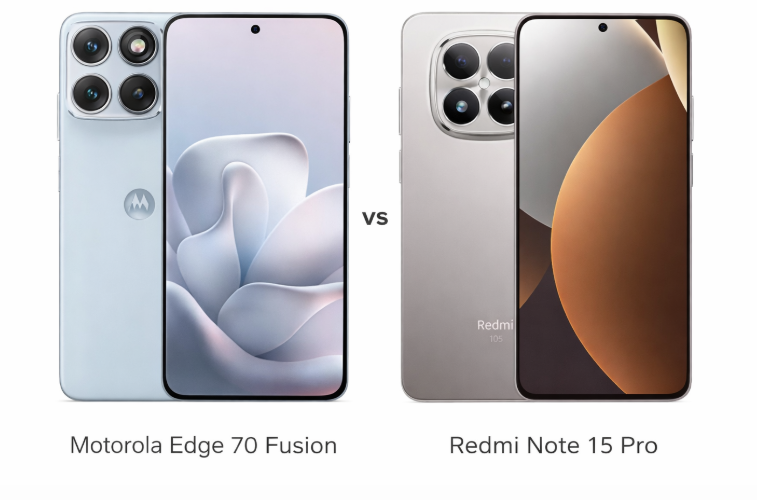
Motorola Edge 70 Fusion and Redmi Note 15 Pro redefine what mid-range phones can offer in 2026, blending premium features with aggressive pricing. While one leans toward smooth performance and balanced usability, the other pushes standout specs like a 200MP camera and advanced display tech. This comparison is important for buyers who care about real-world experience over spec sheets, as both devices take very different paths to deliver value in the same price segment.
Please Note: When you buy something using the links in our articles, we may earn a small commission at no cost to you.
Design and Display
Build and Feel
The Motorola Edge 70 Fusion focuses on a slim, clean design with Gorilla Glass 7i and a lighter, more refined in-hand feel. It also brings IP68/IP69 protection with MIL-STD compliance, making it quietly durable without feeling bulky. On the other hand, the Redmi Note 15 Pro leans toward rugged confidence with stronger drop resistance and Victus 2 protection. The eco leather option adds personality, but the overall build feels more robust than sleek.
Display Quality
Motorola delivers a smoother 144Hz AMOLED with extremely high peak brightness, making it feel sharper in motion and more fluid in daily use. Redmi counters with richer visuals thanks to Dolby Vision, higher color depth, and better PWM dimming, which makes long viewing sessions more comfortable.
Verdict
Motorola feels lighter and smoother, ideal for everyday fluidity, while Redmi offers a more premium viewing experience. The choice depends on whether smoothness or cinematic quality matters more.
Specifications Including Battery
Performance
The Motorola Edge 70 Fusion uses Snapdragon 7s Gen 3/4, delivering balanced performance with better efficiency and stability. It feels more optimized for sustained usage and cleaner thermal control. The Redmi Note 15 Pro’s Dimensity 7400 Ultra brings solid power, but its architecture leans more toward burst performance rather than long-term consistency. In real-world use, Motorola tends to feel slightly more refined.
Battery and Charging
Motorola offers flexibility with 5200mAh or 7000mAh variants and faster 68W charging, making it more convenient for quick top-ups. Redmi pushes endurance with a large 6580mAh battery and adds reverse charging, which is useful in practical scenarios. However, its 45W charging feels slower in comparison.
Verdict
Motorola edges ahead with better efficiency and faster charging, while Redmi stands out for battery longevity. Fast-paced users may prefer Motorola, while heavy users may lean toward Redmi.
Camera
Main and Secondary Lenses
Motorola keeps things balanced with a 50MP main sensor and a more capable 13MP ultrawide that includes autofocus, making it versatile for everyday photography. Redmi takes a bold approach with a 200MP primary sensor, delivering higher detail and better cropping flexibility. However, its 8MP ultrawide feels more limited, reducing versatility.
Selfie Camera
Motorola clearly leads with a 32MP front camera capable of 4K video, offering sharper selfies and better video quality. Redmi’s 20MP selfie camera is decent but lacks 4K support, making it feel slightly behind for content creation.
Verdict
Redmi wins on raw detail with its 200MP sensor, but Motorola delivers a more balanced and practical camera system overall. It feels more consistent across all lenses.
Pricing
The Motorola Edge 70 Fusion is priced around $250 (₹27,000), while the Redmi Note 15 Pro comes in higher at $350 (₹30,000). The price gap is noticeable, especially considering that both target the same mid-range segment.
Is the Price Justified?
Motorola offers strong value with a smoother display, faster charging, and a more balanced camera setup at a lower price. It feels like a well-optimized package without unnecessary cost inflation. Redmi justifies its higher price with a 200MP camera, premium display features like Dolby Vision, and a larger battery. However, some trade-offs like slower charging and weaker ultrawide slightly reduce its value edge.
Verdict
Motorola delivers better overall value for money, while Redmi focuses on standout features. The extra cost only makes sense if those specific upgrades matter.
Disclaimer: Prices are approximate and may vary based on country, region, and applicable taxes.
Conclusion
Motorola stands out with its ultra-smooth 144Hz display, faster charging, and a cleaner, more balanced user experience. The inclusion of newer Android support and Snapdragon optimization makes it feel reliable long-term. Redmi counters with a flagship-style 200MP camera, Dolby Vision display, and a bigger battery, giving it a more feature-packed appeal on paper.
Verdict
Motorola Edge 70 Fusion feels like the smarter all-rounder with better pricing, smoother performance, and practical usability. The Redmi Note 15 Pro is more about standout specs and visual appeal, but it sacrifices some balance. For most users, Motorola offers a more complete experience, while Redmi suits those who prioritize camera resolution and display richness above everything else.
Disclaimer: This comparison is based on the specifications provided and is intended for general informational purposes. Actual performance, camera results, battery life, and overall experience may vary depending on real-world usage, software updates, and individual preferences.
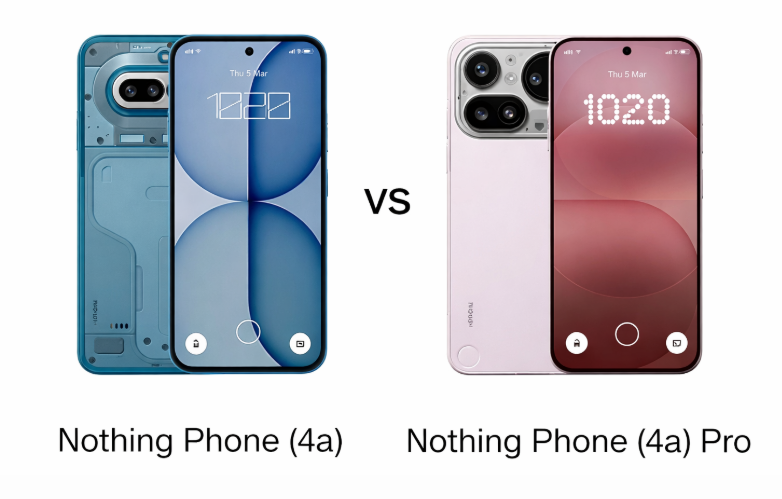
Upgrades don’t always mean dramatic changes; sometimes, they’re about refining what already works. That’s exactly the case with the Nothing Phone (4a) and Nothing Phone (4a) Pro. At first glance, both devices look familiar, but the real story lies in the subtle improvements. From build materials to display smoothness and chipset tweaks, the Pro version builds on the same foundation rather than redefining it. This comparison focuses on what actually changes, and whether those upgrades feel meaningful in everyday use.
Please Note: When you buy something using the links in our articles, we may earn a small commission at no cost to you.
Design and Display
Build and Feel
The Nothing Phone (4a) features a glass back with a plastic frame and 63 LED glyphs, maintaining the brand’s signature look. The Nothing Phone (4a) Pro introduces a clear upgrade with an aluminum unibody and aluminum back, along with 137 LEDs. This shift highlights a move toward a more premium construction and enhanced glyph customization. The change is less about redesign and more about refinement and material improvement.
Display Quality
The standard model offers a 120Hz AMOLED panel with strong brightness and HDR support. The Pro upgrades this to a 144Hz panel with higher peak brightness and a more immersive screen experience. Resolution is also slightly improved. The differences focus on smoother visuals and enhanced outdoor visibility rather than a completely new display approach.
Verdict
The Pro introduces material and display upgrades, focusing on refinement rather than a dramatic shift in design philosophy.
Specifications Including Battery
Performance
The Nothing Phone (4a) runs on Snapdragon 7s Gen 4, while the Pro upgrades to Snapdragon 7 Gen 4. The improvement lies in better CPU structure and a stronger GPU, enabling smoother multitasking and improved sustained performance. The upgrade reflects a step forward in efficiency and power, rather than a jump to flagship-level performance.
Battery and Charging
Both devices retain identical battery capacities and charging speeds. There are no upgrades here, with both offering consistent all-day battery life and the same 50W charging experience. This suggests a focus on maintaining reliability rather than introducing changes.
Verdict
The Pro focuses on chipset improvements, while battery and charging remain unchanged across both models.
Camera
Main and Secondary Lenses
Both phones share a similar triple-camera setup, including a periscope telephoto lens. The Pro upgrades the main sensor slightly with dual-pixel autofocus, improving focus speed and consistency. The rest of the setup remains largely unchanged, indicating optimization rather than hardware overhaul.
Selfie Camera
The selfie camera remains identical on both devices, with no upgrades in hardware or video capabilities. Performance is consistent, maintaining the same output quality across both models.
Verdict
Camera differences are subtle, with the Pro offering minor refinements rather than major hardware changes.
Pricing
The Nothing Phone (4a) is priced at around $450 (₹32,000), while the Nothing Phone (4a) Pro is priced at about $500 (₹40,000). The price increase reflects the added materials, display improvements, and chipset upgrade.
Value for Money
The pricing difference aligns with the upgrades offered. The Pro positions itself as an enhanced version rather than a completely different segment device. The added cost mainly covers refinement in experience rather than new core features.
Verdict
The price gap directly reflects incremental upgrades, making the Pro a step-up option rather than a separate category.
Disclaimer: Prices are approximate and may vary based on country, region, and applicable taxes.
Conclusion
Both devices retain core Nothing features like glyph lighting and Nothing OS 4.1. The Pro expands on this with more LEDs and improved customization. Across the board, the changes focus on enhancing existing strengths rather than introducing entirely new features.
Verdict
Nothing Phone (4a) Pro is clearly an evolution, not a reinvention. Every upgrade, from aluminum build to 144Hz display and stronger chip, feels like a direct enhancement of the same foundation. There are no drastic changes, just smarter refinements that make the Pro feel like a polished version of the standard model rather than a completely different device.
Disclaimer: This comparison is based on the specifications provided and is intended for general informational purposes. Actual performance, camera results, battery life, and overall experience may vary depending on real-world usage, software updates, and individual preferences.
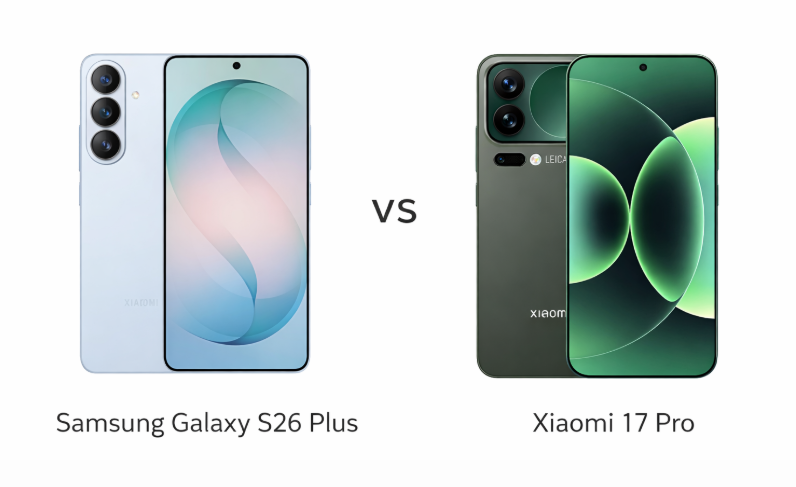
Flagship smartphones in 2026 are no longer just about premium branding; they’re about how much value and innovation you actually get for the price. The Samsung Galaxy S26+ and Xiaomi 17 Pro take two very different approaches: one focuses on refinement, long-term reliability, and ecosystem strength, while the other pushes aggressive hardware upgrades at a far lower price. For buyers deciding between a safe premium experience and a feature-packed powerhouse, this comparison highlights where each device truly stands and which one makes more sense depending on usage priorities.
The Samsung Galaxy S26+ follows Samsung’s refined flagship design with Gorilla Glass Victus 2 on both sides and an Armor Aluminum 2 frame, giving it a polished and durable feel. It also offers broader SIM flexibility and DeX support, adding a productivity edge. Meanwhile, the Xiaomi 17 Pro introduces a more experimental approach with Dragon Crystal Glass and a secondary rear display, making it stand out instantly. It feels more futuristic, especially for users who enjoy unique hardware touches.
Display Quality
Samsung delivers a sharper 1440p LTPO AMOLED panel with excellent brightness and color tuning, making it ideal for content consumption. Xiaomi counters with a brighter panel, Dolby Vision support, and extremely high PWM dimming, which is easier on the eyes. The secondary display also adds functional versatility, especially for quick tasks and camera previews.
Verdict
Samsung feels more premium and balanced, but Xiaomi brings innovation and eye comfort. The better choice depends on whether consistency or creativity matters more.
Specifications Including Battery
Performance
Both devices are powered by the Snapdragon 8 Elite Gen 5 in key markets, delivering flagship-level speed and efficiency. Samsung’s optimization with One UI and longer software support gives it an edge in longevity and stability. Xiaomi, however, offers slightly higher RAM options and faster storage, which can feel snappier in heavy multitasking and gaming scenarios.
Battery and Charging
This is where Xiaomi clearly pulls ahead. A massive 6300 mAh battery paired with 100W wired and 50W wireless charging makes it one of the fastest and longest-lasting flagships. Samsung’s 4900 mAh battery is reliable but feels conservative, especially with 45W charging. Daily users may notice the difference quickly.
Verdict
Samsung wins in software polish and long-term updates, but Xiaomi dominates raw battery and charging performance. Power users will naturally lean toward Xiaomi.
Camera
Main and Secondary Lenses
Samsung sticks with a proven triple-camera setup, delivering consistent results with strong HDR, stable video, and reliable 3x zoom. It excels in color accuracy and video features like HDR10+ and stabilization. Xiaomi pushes boundaries with a 50MP triple system, including a 5x periscope zoom and Leica tuning. The larger sensors and advanced video modes give it a clear advantage in versatility and detail.
Selfie Camera
Samsung’s 12MP selfie camera focuses on natural tones and consistency, while Xiaomi’s 50MP front camera delivers sharper and more detailed selfies. Xiaomi also supports more advanced video features on the front camera, which content creators may appreciate.
Verdict
Samsung is more consistent and predictable, especially for video, but Xiaomi offers superior hardware and flexibility. Those who enjoy experimenting with photography will likely prefer Xiaomi.
Pricing
The Samsung Galaxy S26+ is priced around $1100 / ₹120,000, placing it firmly in the ultra-premium category. In contrast, the Xiaomi 17 Pro comes in at approximately $700 / ₹62,000, making it significantly more affordable despite offering higher-end hardware in several areas.
Is the Price Justified?
Samsung justifies its price with long-term software support, brand reliability, and ecosystem features like DeX and UWB integration. However, Xiaomi delivers exceptional value by offering better battery, faster charging, stronger camera hardware, and more RAM at a much lower price. The gap feels difficult to ignore.
Verdict
Samsung is a safe premium investment, but Xiaomi clearly wins on value for money. The pricing difference alone makes Xiaomi a very compelling choice.
Disclaimer: Prices are approximate and may vary based on country, region, and applicable taxes.
Conclusion
Samsung stands out with its polished ecosystem, extended software support, and productivity-focused features like DeX. It feels like a complete, mature flagship designed for long-term use. Xiaomi, on the other hand, pushes hardware innovation with a secondary display, massive battery, ultra-fast charging, and a more ambitious camera system. It feels more exciting and future-forward.
Verdict
Samsung Galaxy S26+ is ideal for users who prioritize reliability, software longevity, and a refined experience. Xiaomi 17 Pro is the better pick for those who want maximum hardware value, faster charging, and cutting-edge features at a lower price. Overall, Xiaomi offers the more aggressive and value-driven package, while Samsung remains the safer flagship choice.
Disclaimer: This comparison is based on the specifications provided and is intended for general informational purposes. Actual performance, camera results, battery life, and overall experience may vary depending on real-world usage, software updates, and individual preferences.
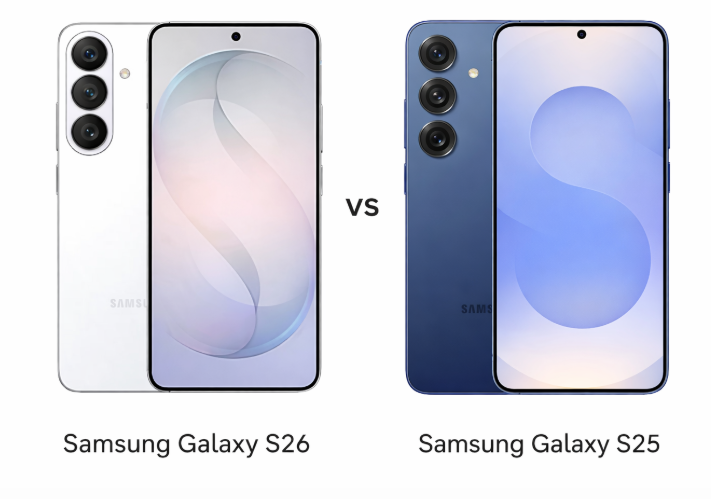
The shift from the Samsung Galaxy S25 to the Samsung Galaxy S26 isn’t about dramatic changes, but meaningful refinements in performance, efficiency, and everyday experience. With a newer chipset, slightly larger battery, and updated software, the S26 aims to feel more future-ready, while the S25 continues to hold strong as a well-balanced flagship, making this comparison important for buyers deciding if the upgrade is truly worth it.
Please Note: When you buy something using the links in our articles, we may earn a small commission at no cost to you.
Design and Display
Build and Feel
The Samsung Galaxy S26 keeps a familiar flagship design but refines durability with Armor Aluminum 2 and the same Gorilla Glass Victus 2 protection. The overall in-hand feel remains premium and compact, closely resembling the Samsung Galaxy S25. However, subtle refinements in finish and symmetry make the newer model feel slightly more polished. It’s not a dramatic redesign, but it leans toward a more mature flagship identity.
Display Quality
Both phones offer nearly identical AMOLED panels with a 120Hz refresh rate and 2600 nits peak brightness. The S26 slightly increases screen size, making content feel a bit more immersive without changing resolution. Color tuning and brightness remain top-tier, though improvements here feel iterative rather than transformative.
Verdict
The S26 delivers refinement rather than reinvention. The slightly larger display and improved finish give it a more complete feel, but the S25 still holds up extremely well visually.
Specifications Including Battery
Performance
The biggest upgrade comes with the new Snapdragon 8 Elite Gen 5 / Exynos 2600 on the S26, delivering noticeable gains in CPU and GPU performance. Compared to the S25’s Snapdragon 8 Elite, multitasking feels smoother, and sustained performance should improve, especially in gaming. The shift toward newer architectures also hints at better efficiency and longevity.
Battery and Charging
Battery capacity increases to 4300mAh on the S26, a meaningful bump over 4000mAh. Charging speeds remain unchanged, which feels conservative, but the efficiency improvements from the new chip should translate into longer real-world usage. Wireless and reverse charging stay identical.
Verdict
The S26 clearly wins in performance and battery life. While charging speeds remain unchanged, the overall experience feels more future-proof and efficient.
Camera
Main and Secondary Lenses
On paper, both phones share identical camera hardware, including the 50MP main, 3x telephoto, and ultrawide lenses. However, the S26 introduces new software features like Horizon Lock, which improves video stability and usability. Image processing is also expected to be more refined thanks to the newer chipset, delivering better dynamic range and consistency.
Selfie Camera
The front camera remains largely unchanged at 12MP, but slight adjustments in focal length and processing can improve framing and skin tones. Video capabilities stay strong with 4K support and HDR enhancements.
Verdict
The upgrade is subtle but meaningful. Hardware remains the same, but smarter processing and new video features give the S26 a slight edge, especially for content creators.
Pricing
The Samsung Galaxy S26 is priced around $900 / ₹88,000, while the Samsung Galaxy S25 sits lower at $800 / ₹75,000. This creates a noticeable price gap for what appears to be incremental upgrades on paper.
Is the price justified?
The S26 justifies its price mainly through performance gains, improved efficiency, and slightly better battery life. However, since design and camera hardware remain similar, the upgrade may feel less compelling for casual users. The S25 still offers flagship-level value at a lower cost, making it a strong alternative.
Verdict
The S26 is worth it for those seeking peak performance and longevity. The S25, however, remains the better value pick for most buyers.
Disclaimer: Prices are approximate and may vary based on country, region, and applicable taxes.
Conclusion
The S26 focuses on refinement, a new chipset, better efficiency, a slightly larger display, and enhanced video features like Horizon Lock. It also launches with Android 16 and newer One UI, giving it a longer software runway. Meanwhile, the S25 still delivers a balanced flagship experience with minimal compromises.
Verdict
The S26 feels like a “performance-first” upgrade rather than a complete overhaul. It is better suited for power users and long-term buyers who value future-proofing. The S25, however, remains a smart and practical choice, especially for those upgrading from older devices.
Disclaimer: This comparison is based on the specifications provided and is intended for general informational purposes. Actual performance, camera results, battery life, and overall experience may vary depending on real-world usage, software updates, and individual preferences.
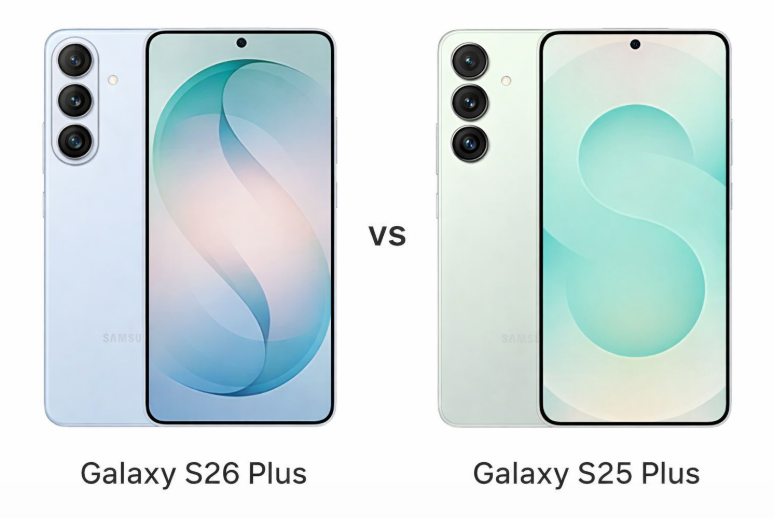
Samsung Galaxy S26 Plus arrives as a refinement-focused upgrade over the Samsung Galaxy S25 Plus, bringing improvements that are subtle on paper but impactful in daily use. While both devices share a similar design and core hardware, the newer model introduces better performance, improved efficiency, and smarter processing. This comparison breaks down the key differences and upgrades that actually matter, helping buyers understand whether the latest generation is worth the extra investment.
Please Note: When you buy something using the links in our articles, we may earn a small commission at no cost to you.
Design and Display
Build and Feel
The design language remains largely unchanged, but the Samsung Galaxy S26 Plus brings subtle refinements in finish and frame durability. The upgraded Armor Aluminum 2 and improved glass treatment give it a slightly more premium and polished feel. While the Samsung Galaxy S25 Plus still feels flagship-grade, the newer model comes across as more refined in hand, even if the visual differences are minimal.
Display Quality
Both devices share the same core display specs, but the S26 Plus introduces better panel tuning and slightly higher pixel density. Colors appear more vibrant, and brightness handling feels more controlled in extreme lighting. The improvement isn’t drastic, but side-by-side usage reveals a cleaner, more refined viewing experience on the newer model.
Verdict
No major overhaul, but the S26 Plus delivers small refinements that make the display and build feel more premium overall.
Specifications Including Battery
Performance
This is where the biggest upgrade lies. The S26 Plus moves to Snapdragon 8 Elite Gen 5 / Exynos 2600, offering a clear jump in performance over the previous generation chip in the S25 Plus. Expect faster app launches, smoother multitasking, and improved gaming stability. The difference feels noticeable, especially under heavy usage, making the newer model more future-proof.
Battery and Charging
Battery capacity stays the same, but efficiency improves on the S26 Plus thanks to the newer chipset. Wireless charging also gets a bump (20W vs 15W), which adds real convenience. Daily usage feels slightly longer-lasting, even without a capacity increase.
Verdict
Performance and efficiency upgrades make the S26 Plus a meaningful step forward over the S25 Plus.
Camera
Main and Secondary Lenses
Hardware remains identical, but the S26 Plus benefits from improved image processing and new features like Horizon Lock. Photos show better dynamic range and more consistent HDR, especially in tricky lighting. Video stabilization also feels more refined, making footage look smoother.
Selfie Camera
The front camera is mostly unchanged, but software tuning improves color accuracy and HDR handling on the S26 Plus. The difference is subtle but noticeable in portraits and social media shots.
Verdict
No hardware changes, but smarter processing gives the S26 Plus a clear edge in real-world photography.
Pricing
The Samsung Galaxy S26 Plus comes in at around $1100 (₹120,000), while the Samsung Galaxy S25 Plus is priced closer to $1000 (₹100,000). The gap reflects the generational upgrade rather than a complete redesign.
Value for Money
The S25 Plus offers excellent value since most core features remain similar. However, the S26 Plus justifies its higher price with meaningful upgrades in performance, efficiency, and software processing. It feels like a smarter long-term investment rather than just a yearly refresh.
Verdict
S25 Plus wins on value, but S26 Plus is better suited for those wanting the latest performance gains.
Disclaimer: Prices are approximate and may vary based on country, region, and applicable taxes.
Conclusion
The S26 Plus stands out mainly through its new chipset, improved efficiency, faster wireless charging, and enhanced camera processing. These upgrades may seem incremental on paper, but they translate into smoother daily usage and better longevity. The S25 Plus, meanwhile, still delivers a flagship experience with fewer compromises.
Verdict
The S26 Plus is a refinement-focused upgrade, not a redesign. It’s the better choice for performance-focused users, while the S25 Plus remains a strong alternative for those prioritizing value over incremental improvements.
Disclaimer: This comparison is based on the specifications provided and is intended for general informational purposes. Actual performance, camera results, battery life, and overall experience may vary depending on real-world usage, software updates, and individual preferences.

 Login
Login








 Aluminum build on Pro
 No change