Reading view

Top 5 alternatives to Vivo X300: More value for the same price
Vivo X300 alternatives

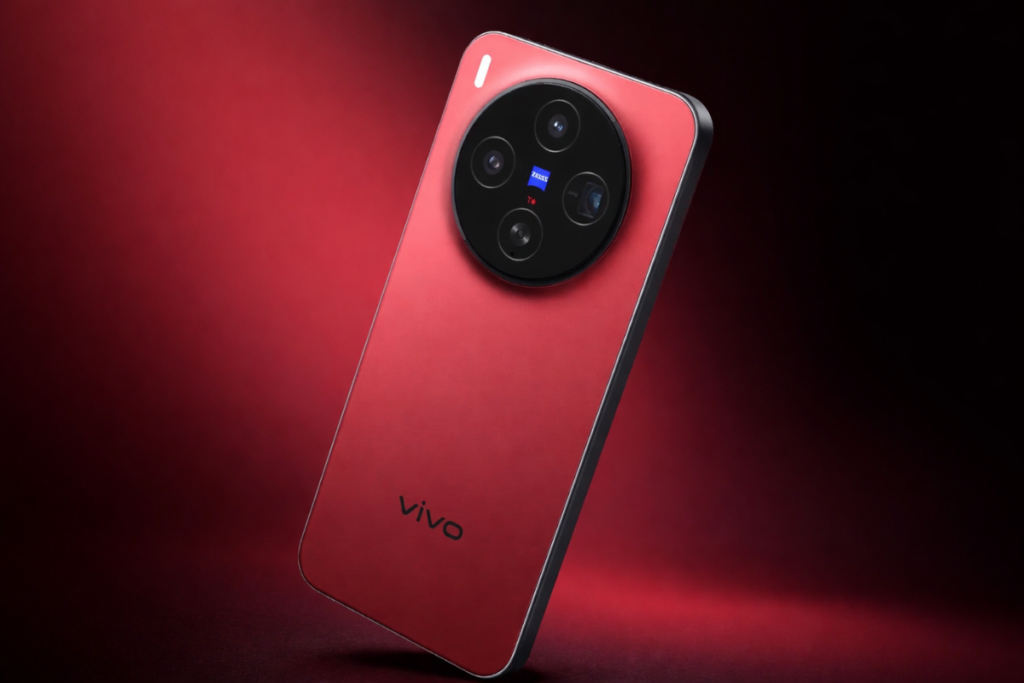
The Vivo X300 (review) is a highly rated flagship smartphone that promises excellent performance and top-tier camera capabilities. It quickly became one of the most demanding flagship smartphones after its release in December 2025. However, it’s not the only showstopper in the price segment the device falls in. There exist some great alternatives that give the Vivo X300 a serious run for its money.

Here are the 5 best alternatives to Vivo X300.

5 phones you can buy instead of Vivo X300

1. Oppo Find X9

The Oppo Find X9 (review) is the closest competitor to the Vivo X300, offering a similar flagship experience but scaling up in important aspects. It offers a 6.59-inch AMOLED screen, which is larger than Vivo X300’s for media consumption but not unwieldy as “Ultra” phones.

Both smartphones feature competitive camera performance, but the Hasselblad colour tuning on the Find X9 should yield more natural skin tones. Plus, the Oppo phone offers a 16% higher battery capacity and faster wireless charging.

Oppo Find X9 specs:

  • Display: 6.59″ AMOLED, 1256 x 2760 pixels, 120Hz refresh rate, HDR10+, Dolby Vision, HDR Vivid, 3600nits (peak)
  • Processor: MediaTek Dimensity 9500 (3 nm)
  • Software: Android 16, up to four major Android upgrades
  • Rear camera: 50MP (wide) + 50MP (periscope telephoto, 3x optical zoom) + 50MP (120˚ ultrawide) + 2MP (monochrome)
  • Selfie camera: 32MP
  • Battery & charging: 7025mAh; 80W (wired), 50W (wireless)
  • Connectivity: Wi-Fi 7, Bluetooth 6.0, NFC  

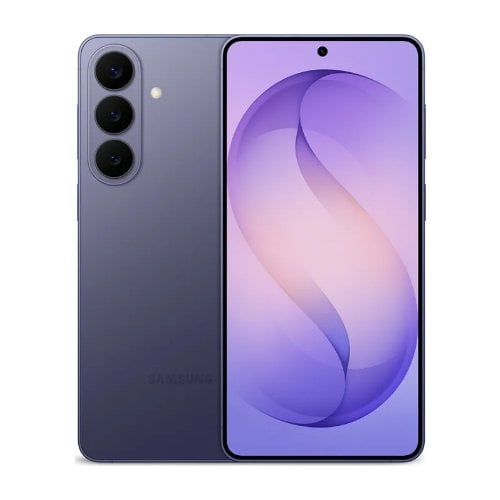
2. Samsung Galaxy S26

The Galaxy S26 doesn’t outshine the Vivo X300 on the spec sheet, but it’s a reliable choice for people looking for a compact flagship phone with longer software support. Also, it’s the only non-Chinese alternative on this list.

While the screen sizes are almost identical, the Galaxy S26 features tougher Gorilla Glass Victus 2 protection on both sides. The Galaxy device also offers a tougher Armour aluminium 2 frame than the standard aluminium frame on the Vivo X300.

The Galaxy S26 ships with Snapdragon 8 Elite Gen 5 in the US, Canada, China, and Japan, which offers better performance than the Dimensity 9500 inside the Vivo X300. But the rest of the world gets the Exynos 2600, which is slightly weaker compared to the Dimensity 9500.

Samsung phones win big when it comes to software support, and the Galaxy S26 is no different. It promises Android updates up to seven generations, while the Vivo X300 only promises four major Android updates.

Samsung Galaxy S26 specs:

  • Display: 6.3″ Dynamic LTPO AMOLED 2X, 1080 x 2340 pixels, 120Hz refresh rate, HDR10+, 2600nits (peak)
  • Processor:
    • Qualcomm Snapdragon 8 Elite Gen 5 (3 nm) – the US, Canada, China, Japan
    • Samsung Exynos 2600 (2 nm) – rest of the world
  • Software: Android 16, up to seven major Android upgrades
  • Rear camera: 50MP (wide) + 10MP (telephoto, 3x optical zoom) + 12MP (120˚ ultrawide)
  • Selfie camera: 12MP
  • Battery & charging: 4300mAh; 25W (wired), 15W (wireless)
  • Connectivity: Wi-Fi 7, Bluetooth 5.4, NFC

3. OnePlus 15

The OnePlus 15 is a solid choice here, with several key upgrades, including a more powerful Snapdragon 8 Elite Gen 5 chipset and a larger 6.78-inch screen with tougher Gorilla Glass Victus 2 protection.

OnePlus 15 also outperforms the Vivo X300 in battery capacity and charging speeds. The former has a 7,300mAh battery with 120W wired charging support, while the latter has a smaller 6,040mAh battery with 90W wired charging support. The OnePlus phone also offers faster wireless charging.

OnePlus 15 specs:

  • Display: 6.78″ LTPO AMOLED, 1272 x 2772 pixels, 165Hz refresh rate, HDR10+, Dolby Vision, HDR Vivid, 1800nits (HBM)
  • Processor: Qualcomm Snapdragon 8 Elite Gen 5 (3 nm)
  • Software: Android 16, up to four major Android upgrades
  • Rear camera: 50MP (wide) + 50MP (periscope telephoto, 3.5x optical zoom) + 50MP (116˚ ultrawide)
  • Selfie camera: 32MP
  • Battery & charging: 7300mAh; 120W (wired), 50W (wireless)
  • Connectivity: Wi-Fi 7, Bluetooth 6.0, NFC

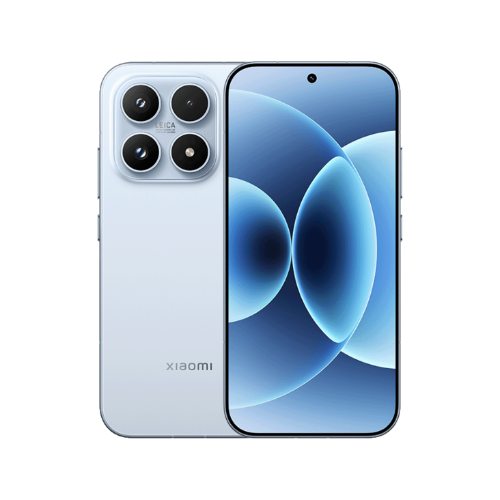
4. Xiaomi 17

Xiaomi’s high-end phones offer robust hardware, and Xiaomi 17 is no different. The smartphone ships with the Snapdragon 8 Elite Gen 5 chipset, which is faster and more efficient than the Dimensity 9500 inside the Vivo X300.

The Xiaomi 17 (review) packs a bigger 6,330mAh battery (versus 6,040mAh on Vivo X300) and offers faster wired and wireless charging.

Xiaomi 17 specs:

  • Display: 6.3″ LTPO AMOLED, 1220 x 2656 pixels, 120Hz refresh rate, HDR10+, Dolby Vision, HDR Vivid, 3500nits (peak)
  • Processor: Qualcomm Snapdragon 8 Elite Gen 5 (3 nm)
  • Software: Android 16, up to five major Android upgrades
  • Rear camera: 50MP (wide) + 50MP (telephoto, 2.6x optical zoom) + 50MP (102˚ ultrawide)
  • Selfie camera: 50MP
  • Battery & charging: 6330mAh; 100W (wired), 50W (wireless)
  • Connectivity: Wi-Fi 7, Bluetooth 5.4, NFC

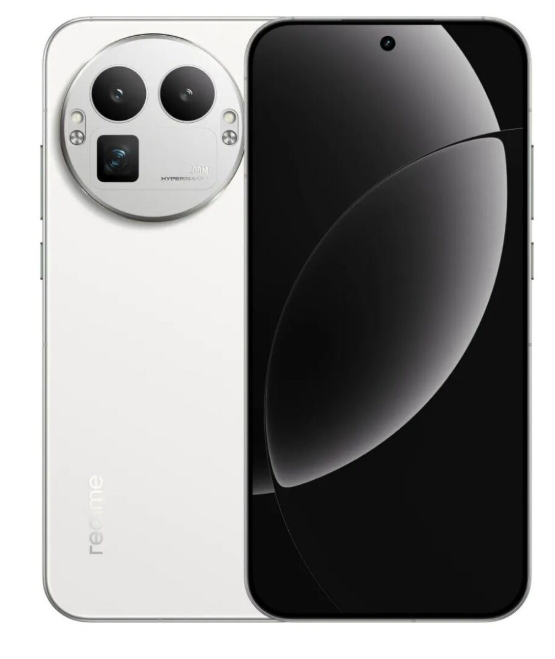
5. Realme GT 8 Pro

The Realme GT 8 Pro features a larger 6.79-inch AMOLED screen with a higher resolution and a 144Hz refresh rate. The peak brightness of 7,000 nits is also much higher than the 4,500 nits on the Vivo X300. The Realme smartphone also delivers better performance and efficiency, thanks to the Snapdragon 8 Elite Gen 5 processor.

The GT 8 Pro’s camera specs are competitive with the Vivo X300, but it outperforms the Vivo phone in battery capacity and charging speeds.

Realme GT 8 Pro specs:

  • Display: 6.79″ AMOLED, 1440 x 3136 pixels, 144Hz refresh rate, HDR10+, Dolby Vision, HDR Vivid, 7000nits (peak)
  • Processor: Qualcomm Snapdragon 8 Elite Gen 5 (3 nm)
  • Software: Android 16, up to four major Android upgrades
  • Rear camera: 50MP (wide) + 200MP (periscope telephoto, 3x optical zoom) + 50MP (116˚ ultrawide)
  • Selfie camera: 32MP
  • Battery & charging: 7000mAh; 120W (wired), 50W (wireless)
  • Connectivity: Wi-Fi 7, Bluetooth 6.0, NFC (360˚)

The post Top 5 alternatives to Vivo X300: More value for the same price appeared first on Gizmochina.
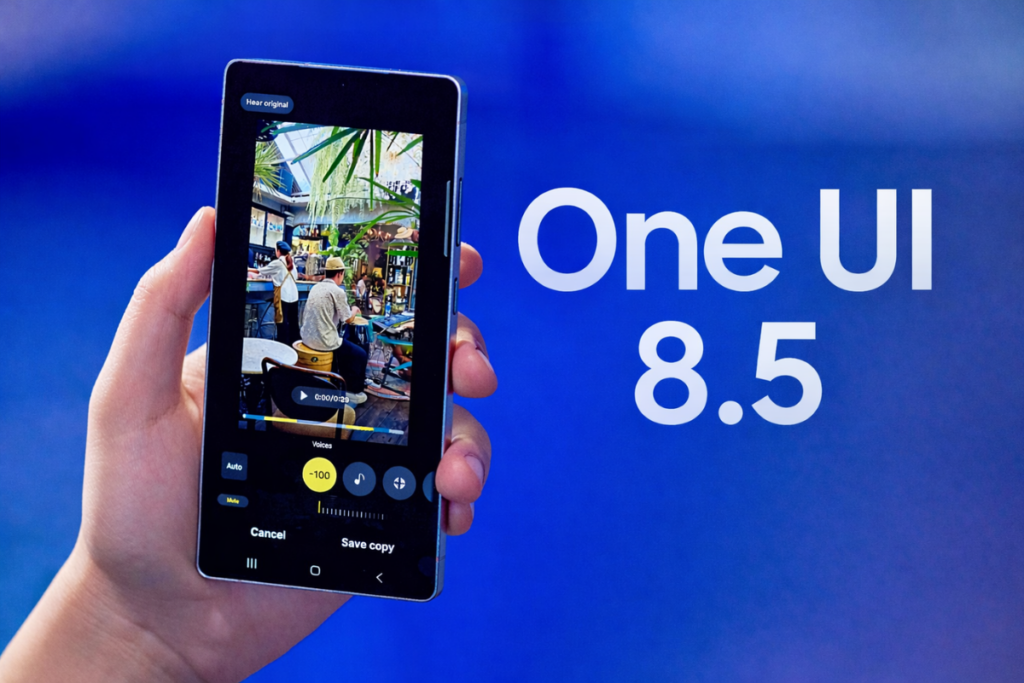
One UI 8.5 beta is now Samsung’s biggest beta program, and also the longest one

Samsung One UI 8.5 beta program

Samsung has stretched the One UI 8.5 beta program long enough to make it the longest One UI beta program in the company’s history. While that can be frustrating, it has allowed the brand to release the One UI 8.5 beta to a larger number of Galaxy devices, thus becoming the company’s biggest beta program to date.

The beta program went live in early December 2025, starting with the Galaxy S25 series, and it didn’t expand to other devices for the next three months. That long gap led to rumors that the beta program might remain exclusive to the Galaxy S25 series. But Samsung had other plans.

In mid-March 2026, the One UI 8.5 beta expanded to Galaxy Z Fold 7 and Galaxy Z Flip 7 for the first time. The beta rollout has since expanded to over a dozen Galaxy devices. What surprised us the most is the inclusion of Galaxy A-series phones, which typically don’t receive minor One UI releases. The list also includes three generations of FE phones, for the first time.

As of writing this post, the One UI 8.5 beta program is available for a total of 21 Galaxy devices. Here’s the complete list:

  • Galaxy S25 series, S24 series, S23 series
  • Galaxy S25 FE, S24 FE, S23 FE
  • Galaxy Z Fold 7, Fold 6, Fold 5
  • Galaxy Z Flip 6, Flip 6, Flip 5
  • Galaxy Tab S11, Tab S11 Ultra
  • Galaxy A55, A36, A35

That’s 21 devices in total, more than the total number of Galaxy devices that participated in previous One UI beta programs. The One UI 8.0 beta had about 18 eligible devices, while the One UI 7 beta had only 12. The One UI 6.1 and One UI 6.1.1 beta programs had fewer than 15 eligible devices each.

While it’s good to see Samsung doing the hard work to bring the One UI 8.5 beta to a larger user base, there’s still room for improvement. Samsung could’ve done a better job of expanding the beta, particularly in the first few months. And for the Galaxy S25 series, Samsung appears to be prolonging the beta program, given that recent beta builds have had no critical bugs. It has already received nine One UI 8.5 betas, which is already the biggest any Galaxy device has received so far. Still, looking at new features and upgrades in One UI 8.5, the wait is worth it.

Be sure to visit the Samsung section on this website regularly for the latest One UI updates. Alternatively, you can join our Telegram channel to get instant notifications about the latest software updates and breaking tech news.

The post One UI 8.5 beta is now Samsung’s biggest beta program, and also the longest one appeared first on Gizmochina.

TSMC hits 5GHz speeds on smartphone processors, leaving Huawei generations behind

TSMC 2nm reaches 5.0GHz speed

TSMC would hit another major milestone this year as its advanced nodes would allow smartphone chipsets to reach clock speeds up to 5GHz. Companies like Qualcomm, MediaTek, and Apple have already been greatly benefiting from TSMC’s cutting-edge technologies, and later this year, we’ll witness new chips reaching up to 5GHz of peak clock speeds for the first time in history, and that only makes it worse for Huawei to compete with.

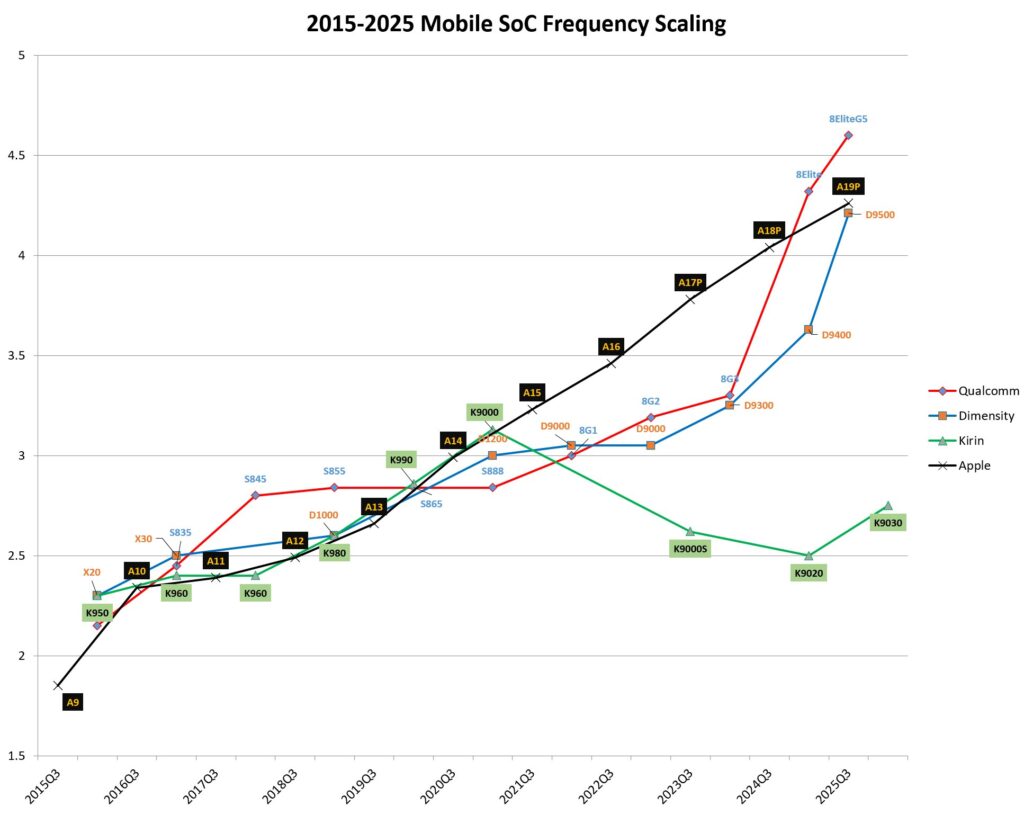
Over the years, Qualcomm, MediaTek, and Apple have grown strongly to offer powerful chips with excellent performance and efficiency, and TSMC has been at the center of it. The chart below (shared by Kurnal) shows how these companies have gradually increased peak clock speeds, now pushing toward the 5.0GHz mark.

Qualcomm, MediaTek, Apple Huawei frequency scaling

The latest flagship from Qualcomm, the Snapdragon 8 Elite Gen 5, can already reach a peak speed of 4.61GHz, and the upcoming Snapdragon 8 Elite Gen 6 Pro is said to reach 5.0GHz. MediaTek’s Dimensity 9600 Pro will reportedly achieve a similar feat, following the Dimensity 9500’s 4.21GHz peak clock speed. This increase enables SoCs to offer major improvements in both single-threaded and multi-threaded workloads.

Huawei’s Kirin chipsets, on the other hand, are nowhere near the performance and efficiency offered by Qualcomm, MediaTek, and Apple. Its downtrend on the above graph is due to U.S. trade sanctions that banned the company from doing business with TSMC. Huawei had no other option but to use China’s SMIC facility, which is still generations behind TSMC. Even today, SMIC is limited to the 5nm process because it’s restricted from using the most advanced EUV (Extreme Ultraviolet) lithography machines.

Huawei’s latest chip, Kirin 9030 Pro, hasn’t crossed the 3.0GHz mark. As things stand today, Huawei is still a long way behind Qualcomm, MediaTek, and Apple to even compete with them, and the difference is a foundry partner.

source/via: wccftech

For more daily updates, please visit our News Section.

Stay ahead in tech! Join our Telegram community and sign up for our daily newsletter of top stories

The post TSMC hits 5GHz speeds on smartphone processors, leaving Huawei generations behind appeared first on Gizmochina.

HyperOS 4 leak reveals massive UI overhaul and Leica Color integration

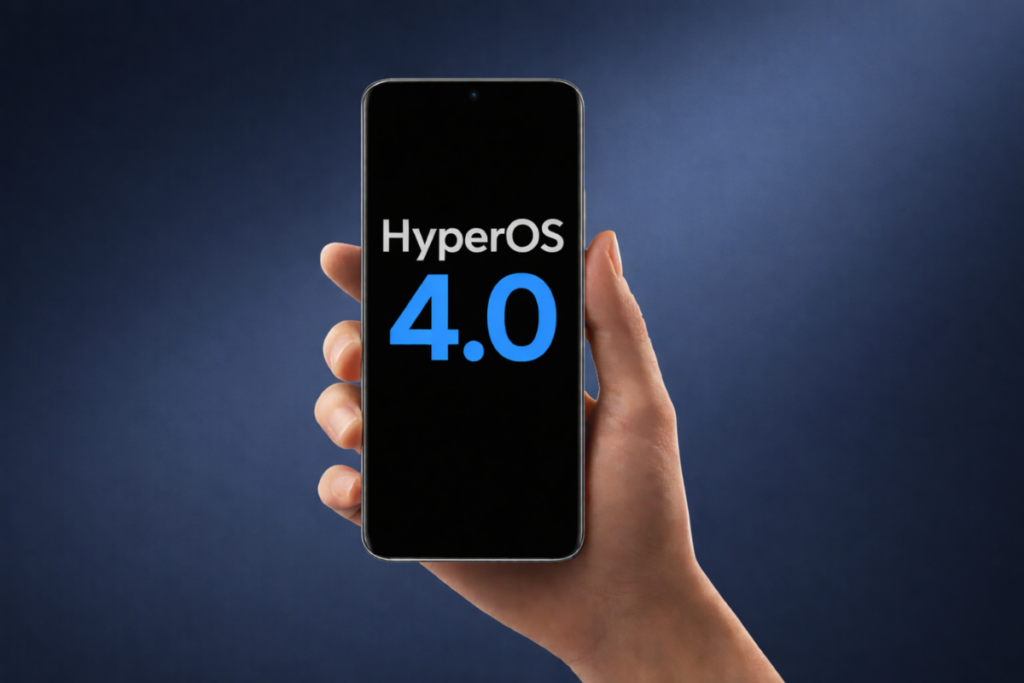
Xiaomi HyperOS 4.0
Xiaomi HyperOS 4.0

Xiaomi may already be developing HyperOS 4, as leaks have begun surfacing online, revealing key elements. A fresh leak suggests that HyperOS 4 won’t be just another upgrade, but a major one with significant visual changes and premium Leica color palette integration.

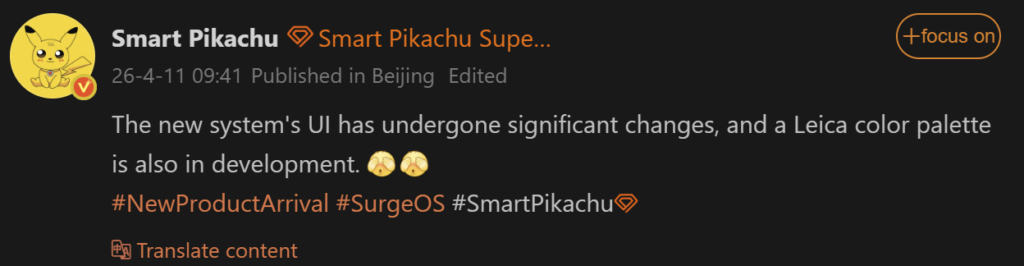
The latest information comes from a Chinese tipster, Smart Pikachu, via a Chinese microblogging site Weibo. He claims that the upcoming HyperOS 4 will feature significant changes to the core user interface. While the leak doesn’t go into detail, it suggests the company might be switching from its familiar design language to a highly modernized, cohesive look for its next-generation OS.

HyperOS 4 leak screenshot

The leakster also claims Xiaomi is developing a Leica color palette to integrate into the upcoming major HyperOS release. Again, no specific details were provided, but it likely points to a premium, high-contrast aesthetic for the system UI, which was previously reserved for the camera application.

While we are yet to see these changes in action, they sound exciting. Xiaomi’s software team appears to be working hard in the background to ensure HyperOS 4 feels more premium and feature-rich. According to Ximitime’s industry sources, changes in HyperOS 4 go much deeper than just a superficial visual refresh.

Xiaomi may also be working on a deeper, bigger change that most people wouldn’t even notice. According to past leaks, the company is removing remnants of the legacy MIUI framework. The core system applications for HyperOS 4 will reportedly be rewritten using the RUST programming language, offering better system fluidity and security.

While Xiaomi hasn’t officially revealed anything about HyperOS 4, reports say it could debut alongside the upcoming Xiaomi 18 series in Q3 2026, with beta testing beginning in August.

Related: Xiaomi HyperOS 4 to adopt self-developed architecture while retaining native Android services

We’ll keep tracking the latest HyperOS developments and post the same in the Xiaomi section on this website. Remember to visit it every few days to get fresh details. Or, you can join our Telegram channel to get instant notifications when we publish new stories.

The post HyperOS 4 leak reveals massive UI overhaul and Leica Color integration appeared first on Gizmochina.

❌