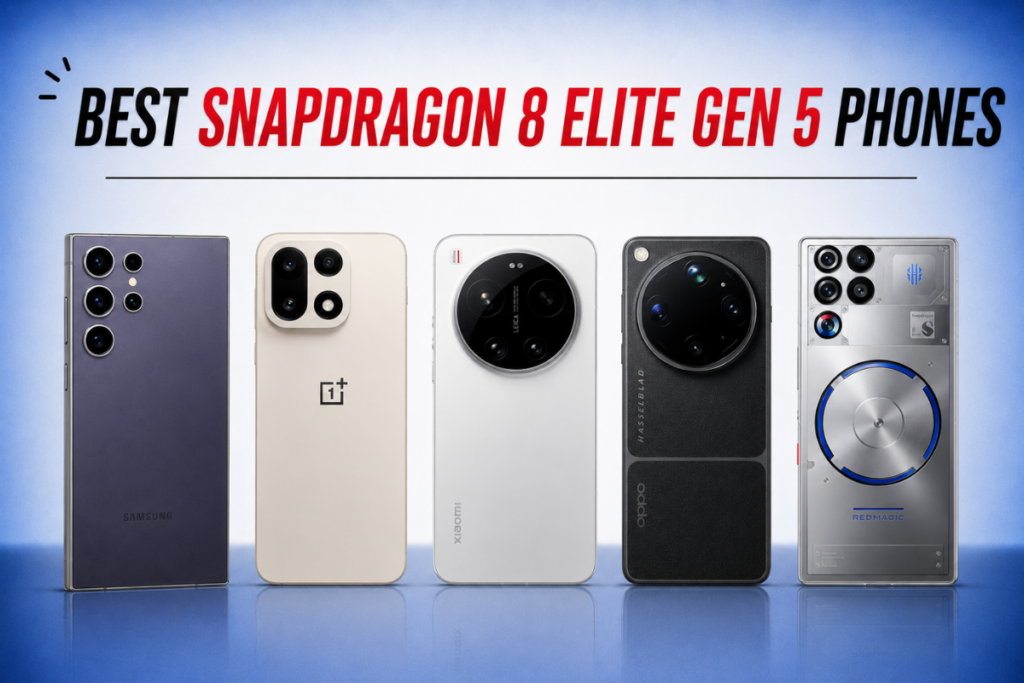
❌

Normal view

Yesterday β€” 3 July 2026Main stream

Motorola Edge 70 Pro+ vs OnePlus 15: Is the OnePlus Worth the Extra Price?

2 July 2026 at 16:21
motorola vs oneplus

At first glance, comparing the Motorola Edge 70 Pro+ and the OnePlus 15 may seem unusual because they sit in very different price segments. However, this comparison matters because both target buyers are looking for flagship-level features, and many shoppers wonder whether paying more delivers a noticeably better everyday experience or whether Motorola already offers enough premium hardware for significantly less.


Major Features:

CategoryMotorola Edge 70 Pro+OnePlus 15
BuildGlass front (Gorilla Glass 7i), plastic frame, eco-leather back, IP68/IP69, MIL-STD-810HGorilla Glass Victus 2 front, aluminum frame, Gorilla Glass 7i/Crystal Shield Glass back, IP68/IP69K
Display6.78-inch AMOLED, 1272 Γ— 2772, 144Hz, HDR10+, 5,200 nits peak6.78-inch LTPO AMOLED, 1272 Γ— 2772, 165Hz, Dolby Vision, HDR10+, HDR Vivid
ProcessorMediaTek Dimensity 8500 Extreme (4nm)Snapdragon 8 Elite Gen 5 (3nm)
GPUMali-G720 MC8Adreno 840
RAM & Storage12GB RAM + 256GB UFS 4.112GB/16GB RAM, 256GB/512GB/1TB UFS 4.1
Rear Cameras50MP Wide + 50MP Periscope (3.5x) + 50MP Ultrawide50MP Wide + 50MP Periscope (3.5x) + 50MP Ultrawide
Rear VideoUp to 4K@120fps, HDR10+Up to 8K@30fps, 4K@120fps, Dolby Vision
Front Camera50MP AF, 4K@30fps32MP AF, 4K@60fps
Battery6,500mAh7,300mAh
Charging90W wired, 15W wireless, 10W reverse wireless, 5W reverse wired120W wired, 50W wireless, 10W reverse wireless, 5W reverse wired, bypass charging
ConnectivityWi-Fi 7, Bluetooth 5.4, USB Type-C 2.0Wi-Fi 7, Bluetooth 6.0, USB Type-C 3.2, Infrared port
SoftwareAndroid 16, up to 3 major Android upgradesAndroid 16 with OxygenOS 16 (Global) / ColorOS 16 (China)
SecurityOptical in-display fingerprint sensorUltrasonic in-display fingerprint sensor
PricePriced around $570 / β‚Ή48,000Priced around $800 / β‚Ή73,000
Disclaimer: Specs are based on available data. Actual performance may vary. Verify details from official sources before buying.

Design and Display

Build and Feel

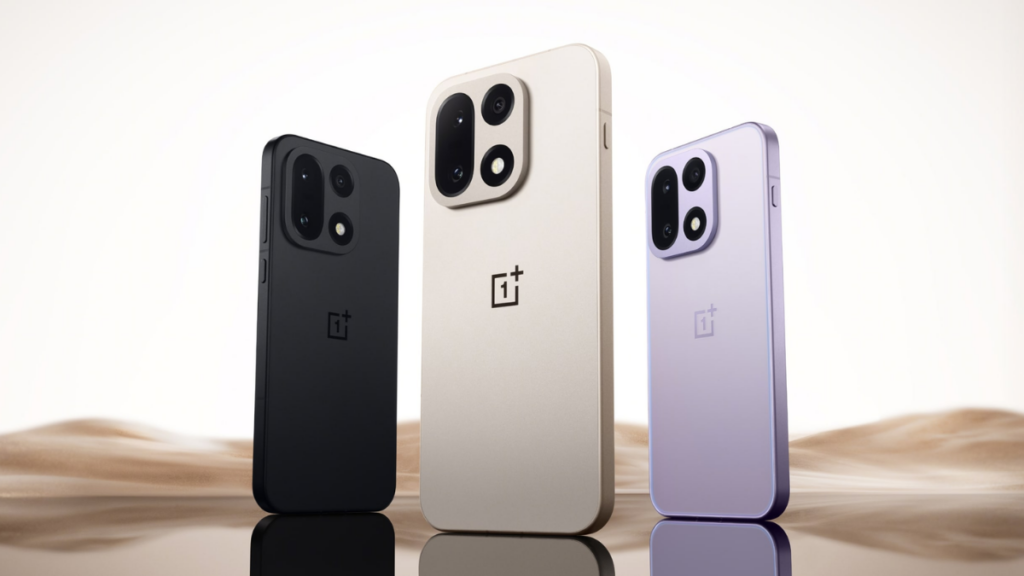
The Motorola Edge 70 Pro+ delivers a premium feel despite its lower price, thanks to its eco-leather back, Gorilla Glass 7i protection, IP68/IP69 water resistance, and MIL-STD-810H certification. The textured finish offers excellent grip and gives the phone a distinctive look. The OnePlus 15 raises the bar with an aluminum frame, Gorilla Glass Victus 2 protection, premium glass finishes, and IP68/IP69K certification. It simply feels closer to an ultra-premium flagship, especially for buyers who appreciate refined materials and stronger durability.

Display Quality

Both phones feature a sharp 6.78-inch AMOLED panel with identical resolution and support for one billion colors. Motorola impresses with an extremely bright 5,200-nit peak brightness and a smooth 144Hz refresh rate. However, the OnePlus 15 gains an edge through LTPO technology, a faster 165Hz refresh rate, Dolby Vision, HDR Vivid, and Ultra HDR support. The adaptive refresh rate also helps improve efficiency without sacrificing smoothness.

Verdict

The Motorola Edge 70 Pro+ delivers an excellent flagship-style display considering its price, but the OnePlus 15 offers a more complete premium viewing experience with superior display technologies and higher-quality construction.

Specifications Including Battery

Performance

The Motorola Edge 70 Pro+ runs on the MediaTek Dimensity 8500 Extreme, paired with fast UFS 4.1 storage and 12GB RAM. Every day, performance remains smooth, gaming is reliable, and Android 16 runs efficiently. The OnePlus 15 steps into true flagship territory with Qualcomm’s Snapdragon 8 Elite Gen 5 processor, significantly faster CPU and GPU performance, and storage options reaching 1TB with up to 16GB RAM. Heavy multitasking, demanding games, and AI-powered features benefit greatly from the extra processing power. The performance difference becomes more noticeable during intensive workloads than during basic daily use.

Battery and Charging

Motorola includes a large 6,500mAh battery with 90W wired and 15W wireless charging, providing excellent endurance. The OnePlus 15 goes even further with a massive 7,300mAh battery, ultra-fast 120W wired charging, 50W wireless charging, bypass charging, and broader charging protocol support. Faster charging and larger capacity make it a stronger choice for power users.

Verdict

The OnePlus 15 clearly wins on raw performance and battery technology, while the Motorola Edge 70 Pro+ still delivers outstanding speed and endurance for considerably less money.

Camera

Main and Secondary Lenses

Both smartphones feature an impressive triple 50MP camera setup consisting of a wide, periscope telephoto with 3.5x optical zoom, and an ultrawide camera. Motorola focuses on Pantone-validated colors and natural-looking skin tones, producing vibrant yet realistic photos. The OnePlus 15 adds laser autofocus, a color spectrum sensor, LUT preview, and far more advanced video recording, including 8K capture and Dolby Vision. Photography quality should remain competitive between the two, but videographers gain noticeably more flexibility on the OnePlus.

Selfie Camera

Motorola offers a high-resolution 50MP autofocus front camera capable of recording 4K video, making it attractive for selfies and content creation. The OnePlus uses a 32MP autofocus camera that still delivers excellent detail while supporting smoother video stabilization and 4K at up to 60fps. Motorola has the specification advantage, while OnePlus focuses more on polished video output.

Verdict

Motorola delivers exceptional camera hardware for its price, especially for selfies, but the OnePlus 15 offers a more complete flagship camera system thanks to stronger video capabilities and additional imaging features.

Pricing

The Motorola Edge 70 Pro+ is priced around $570 (β‚Ή48,000), making it one of the most competitively priced premium smartphones in its category. The OnePlus 15 is priced around $800 (β‚Ή73,000), placing it firmly in flagship territory. The price difference of approximately $230 (β‚Ή25,000) is significant, so buyers should carefully consider whether they truly need the additional performance, premium materials, and charging technologies offered by OnePlus.Β 

For many users, both phones can comfortably handle daily tasks, photography, entertainment, and gaming.

Is the Price Justified?

The OnePlus 15 justifies its premium status through its flagship chipset, LTPO display, superior charging, premium build, and advanced camera features. However, Motorola delivers remarkably similar day-to-day functionality while costing substantially less, making it an outstanding value purchase.

Verdict

Those seeking the best value should choose the Motorola Edge 70 Pro+. Buyers wanting uncompromising flagship hardware and willing to pay extra will find the OnePlus 15 worth the premium.


Disclaimer:
Prices are approximate and may vary based on country, region, launch timing, and applicable taxes. Always check whether the listed price is for a China unit or a global/international variant when purchasing.

Conclusion

The Motorola Edge 70 Pro+ stands out with its Pantone-validated cameras, eco-leather design, 50MP selfie camera, rugged certification, and excellent overall value. It successfully delivers many flagship experiences without entering flagship pricing. The OnePlus 15 counters with Snapdragon 8 Elite Gen 5 performance, LTPO AMOLED technology, 7,300mAh battery, extremely fast wired and wireless charging, USB 3.2 connectivity, Bluetooth 6.0, infrared support, and advanced video recording features. These additions create a more future-ready flagship for demanding users.

Verdict

The Motorola Edge 70 Pro+ is the smarter purchase for buyers focused on value, offering premium features at a much lower price. The OnePlus 15 is the better overall smartphone with stronger performance, display technology, battery, charging, and multimedia capabilities. The decision ultimately depends on whether those flagship refinements are worth spending an additional $230 (β‚Ή25,000).

Disclaimer: This comparison is based on the specifications provided and is intended for general informational purposes. Actual performance, camera results, battery life, and overall experience may vary depending on real-world usage, software updates, and individual preferences.

Read More:

The post Motorola Edge 70 Pro+ vs OnePlus 15: Is the OnePlus Worth the Extra Price? appeared first on Gizmochina.

5 Best alternatives to Vivo X300 Pro

2 July 2026 at 15:53
Vivo X300 Pro 5G

Vivo X300 Pro is an absolute beast. Launched in 2025, this premium smartphone features a high-quality AMOLED display, a powerful Dimensity 9500 processor, and a high-end triple camera setup. The device also packs a large battery with fast charging support and a buttery smooth software experience. However, the competition isn’t sitting still.

There are some excellent alternatives from its rivals that might offer more value at a similar price. Some of them offer higher performance, while some bring better cameras. So, here are the 5 compelling alternatives that might just steal your attention.

5 excellent alternatives to Vivo X300 Pro

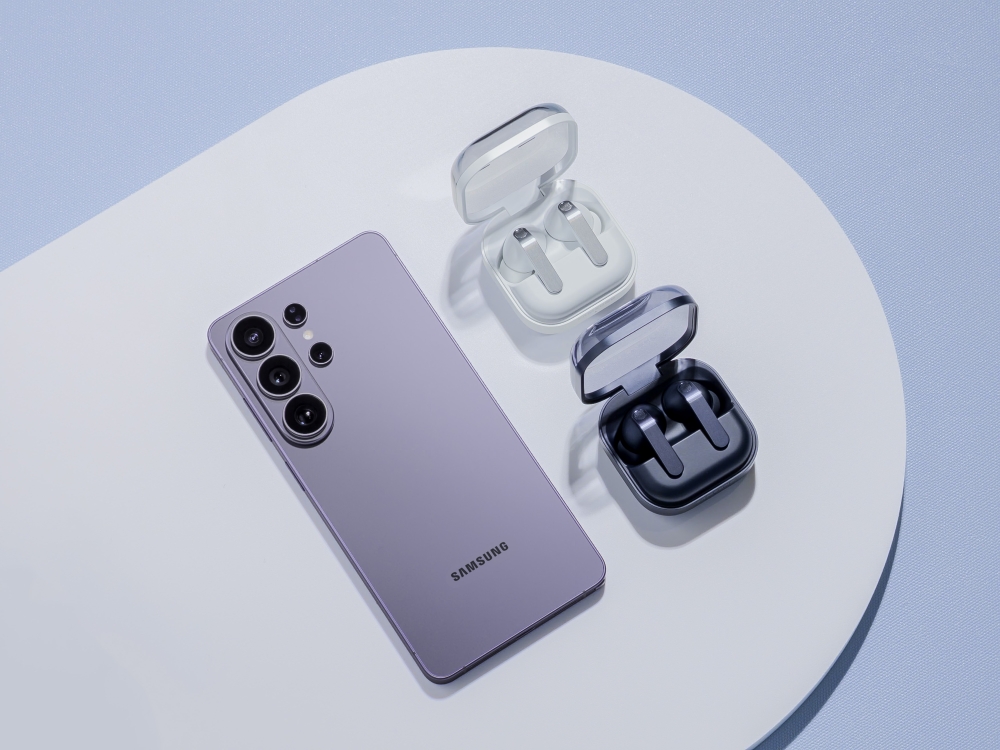
1. Samsung Galaxy S26 Ultra

The Galaxy S26 Ultra is Samsung’s most powerful and one of the best Android phones in the market. While it’s a little costlier than the Vivo X300 Pro, the pricing gap narrows with bank discounts and other offers clubbed together.

The Galaxy S26 Ultra comes with a larger 6.9-inch LTPO screen and the newly introduced Privacy Display feature, which allows users to keep their screen content visible only to them while obscuring it from others. The device is protected by Gorilla Glass Victus 2 on both sides.

The Samsung phone is powered by the Snapdragon 8 Elite Gen 5 processor, which delivers better gaming performance and stability than the Dimensity 9500 on the Vivo X300 Pro. Furthermore, it also provides two additional major OS updates.

Around the back, the S26 Ultra has a superior quad-camera setup, led by a 200MP primary sensor. Other sensors include a 10MP telephoto lens with 3x optical zoom, a 50MP telephoto lens with 5x optical zoom, and a 50MP ultrawide unit. It has a 12MP front-facing camera.

The 5,000mAh battery and 60W wired/25W wireless charging support are weak links here compared to the Vivo X300 Pro, but the Samsung phone easily lasts a day, and a full charge takes about an hour.

Samsung Galaxy S26 Ultra specs:

Display6.9β€³ Dynamic LTPO AMOLED 2X
1440 x 3120 pixels resolution
120Hz, HDR10+, 2600nits (peak)
ProcessorQualcomm Snapdragon 8 Elite Gen 5 (3 nm)
SoftwareAndroid 16, up to 7 major Android upgrades
Rear camera200MP (wide)
10MP (telephoto), 3x optical zoom
50MP (periscope telephoto), 5x optical zoom
50MP (ultrawide), 120˚ field of view
Front camera12MP
Battery5000mAh
Charging60W (wired)
25W (wireless)
4.5W (reverse wireless)
ConnectivityWi-Fi 7, Bluetooth 6.0, USB Type-C 3.2, NFC

2. Google Pixel 10 Pro

If software experience, cameras, and AI features matter to you more than anything else, the Pixel 10 Pro delivers big. It offers the absolute best Android experience without the bloatware common among Chinese brands. Further, the Pixel 10 Pro promises two additional major OS upgrades and gets additional features via Pixel feature drops.

The Pixel smartphone features a high-end triple camera setup on the back, which includes a 50MP primary camera, a 48MP periscope telephoto lens with 5x optical zoom, and a 48MP ultrawide unit. The 42MP selfie camera also takes excellent shots.

While the Tensor G5 doesn’t deliver flagship-grade gaming performance, it’s more optimized towards on-device AI features and personal intelligence. The Pixel 10 Pro offers a range of AI features to automatically pull contextual details when you need them, enhance zoom shots, translate voice calls in real-time, and more features that are helpful in everyday life.

The Pixel 10 Pro features a 6.3-inch LTPO OLED screen, UWB support, and a 4870mAh battery with support for 30W wired and 15W wireless charging.

Google Pixel 10 Pro specs:

Display6.3β€³ LTPO AMOLED
1280 x 2856 pixels resolution
120Hz, HDR10+, 3300nits (peak)
ProcessorGoogle Tensor G5 (3 nm)
SoftwareAndroid 16, up to 7 major Android upgrades
Rear camera50MP (wide)
48MP (periscope telephoto), 5x optical zoom
48MP (ultrawide), 123˚ field of view
Front camera42MP
Battery4870mAh
Charging30W (wired)
15W (wireless)
Reverse wired
ConnectivityWi-Fi 7, Bluetooth 6.0, USB Type-C 3.2, NFC

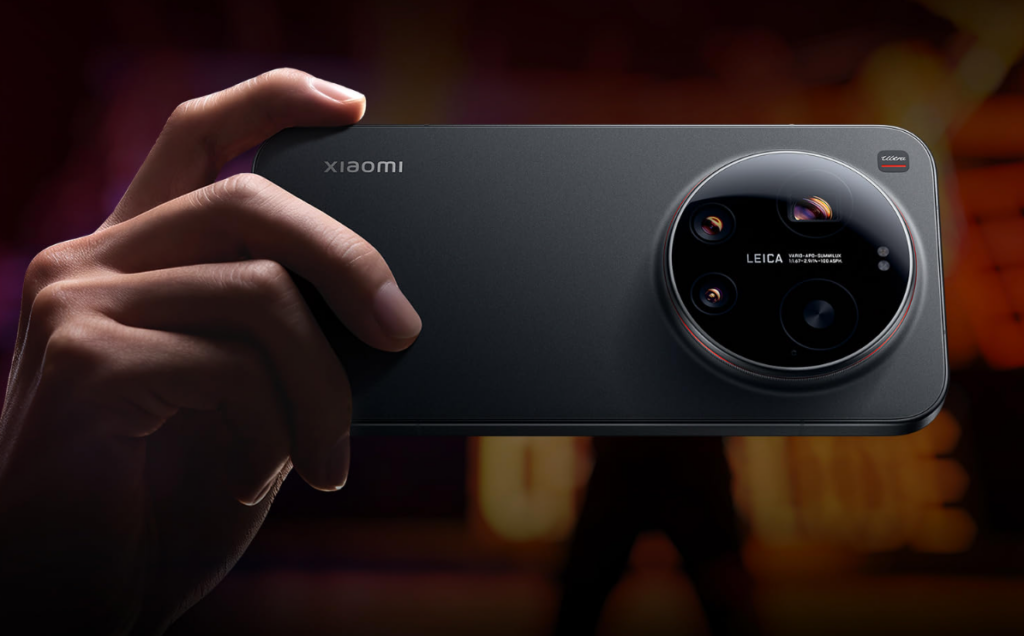
3. Xiaomi 17 Ultra

Xiaomi 17 Ultra (review) is another ultra-premium smartphone with a giant circular camera setup and excellent hardware. Compared to the Vivo X300 Pro, it has a slightly larger AMOLED screen and a more powerful Snapdragon 8 Elite Gen 5 chipset.

The triple rear camera setup includes a 50MP primary camera, a 200MP periscope telephoto lens with 4.3x continuous optical zoom, and a 50MP ultrawide camera. And, it has a 50MP selfie camera. The Xiaomi 17 Ultra packs a 6000mAh battery with support for 90W wired and 50W wireless charging. It also supports reverse wired and reverse wireless charging to power up your accessories.

Xiaomi 17 Ultra specs:

Display6.9β€³ LTPO AMOLED
1200 x 2608 pixels resolution
120Hz, HDR10+, Dolby Vision, 3500nits (peak)
ProcessorQualcomm Snapdragon 8 Elite Gen 5 (3 nm)
SoftwareAndroid 16, up to 5 major Android upgrades
Rear camera50MP (wide)
200MP (periscope telephoto), 3.2-4.3x continuous optical zoom
50MP (ultrawide), 115˚ field of view
Front camera50MP
Battery6000mAh
Charging90W (wired)
50W (wireless)
22.5W (reverse wired)
10W (reverse wireless)
ConnectivityWi-Fi 7, Bluetooth 6.0, USB Type-C 3.2 Gen 2, NFC
Oppo-Find-X9-Pro
Oppo Find X9 Pro

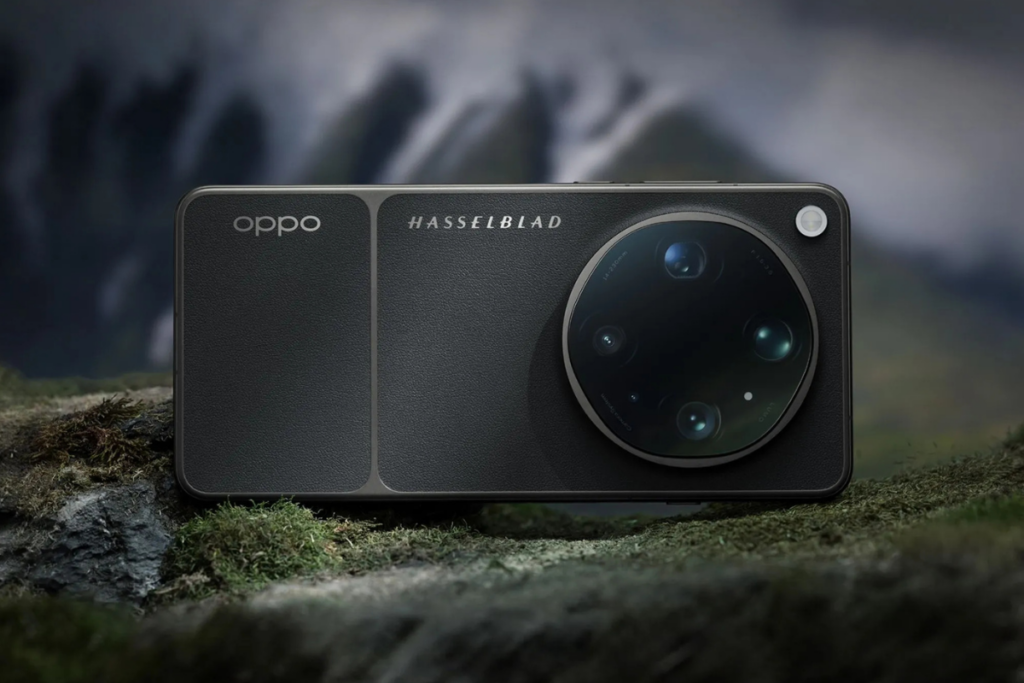
4. Oppo Find X9 Pro

The Find X9 Pro’s spec sheet closely matches the Vivo X300 Pro’s. Both have 6.78-inch LTPO AMOLED screens, Dimensity 9500 chips, and promise five major Android OS updates. The camera specs are also largely similar (50MP primary + 200MP periscope telephoto + 50MP ultrawide), except for a slightly lower optical zoom on the Find X9 Pro. The selfie camera has a 50MP resolution on both phones.

The Oppo Find X9 Pro (review) packs a larger 7500mAh battery and supports 80W wired charging, 50W wireless charging, and 10W reverse wireless charging.

Oppo Find X9 Pro specs:

Display6.78β€³ LTPO AMOLED
1272 x 2772 pixels resolution
120Hz, HDR10+, Dolby Vision, HDR Vivid, 3600nits (peak)
ProcessorMediaTek Dimensity 9500 (3 nm)
SoftwareAndroid 16, up to 5 major Android upgrades
Rear camera50MP (wide)
200MP (periscope telephoto), 3x optical zoom
50MP (ultrawide), 120˚ field of view
Front camera50MP
Battery7500mAh
Charging80W (wired)
50W (wireless)
10W (reverse wireless)
ConnectivityWi-Fi 7, Bluetooth 6.0, USB Type-C 3.2, NFC

5. OnePlus 15

The OnePlus 15 is much more affordable than the Vivo X300 Pro, but still outperforms the Vivo phone in several aspects. It’s got a more powerful Snapdragon 8 Elite Gen 5 processor, and a bigger 7300mAh battery with faster 120W wired and 50W wireless charging.

While the OnePlus 15 features the same 6.78-inch LTPO AMOLED screen, it excels by offering a higher 165Hz refresh rate. Coming to the cameras, the rear setup includes a 50MP primary camera, a 50MP periscope telephoto lens with 3.5x optical zoom, and a 50MP ultrawide shooter. There’s a 32MP front-facing camera for selfies and video calls.

OnePlus 15 specs:

Display6.78β€³ LTPO AMOLED
1272 x 2772 pixels resolution
165Hz, HDR10+, Dolby Vision, HDR Vivid, 1800nits (HBM)
ProcessorQualcomm Snapdragon 8 Elite Gen 5 (3 nm)
SoftwareAndroid 16, up to 4 major Android upgrades
Rear camera50MP (wide)
50MP (periscope telephoto), 3.5x optical zoom
50MP (ultrawide), 116˚ field of view
Front camera32MP
Battery7300mAh
Charging120W (wired)
50W (wireless)
10W (reverse wireless)
5W (reverse wired)
ConnectivityWi-Fi 7, Bluetooth 6.0, USB Type-C 3.2, NFC

The post 5 Best alternatives to Vivo X300 Pro appeared first on Gizmochina.

❌
❌