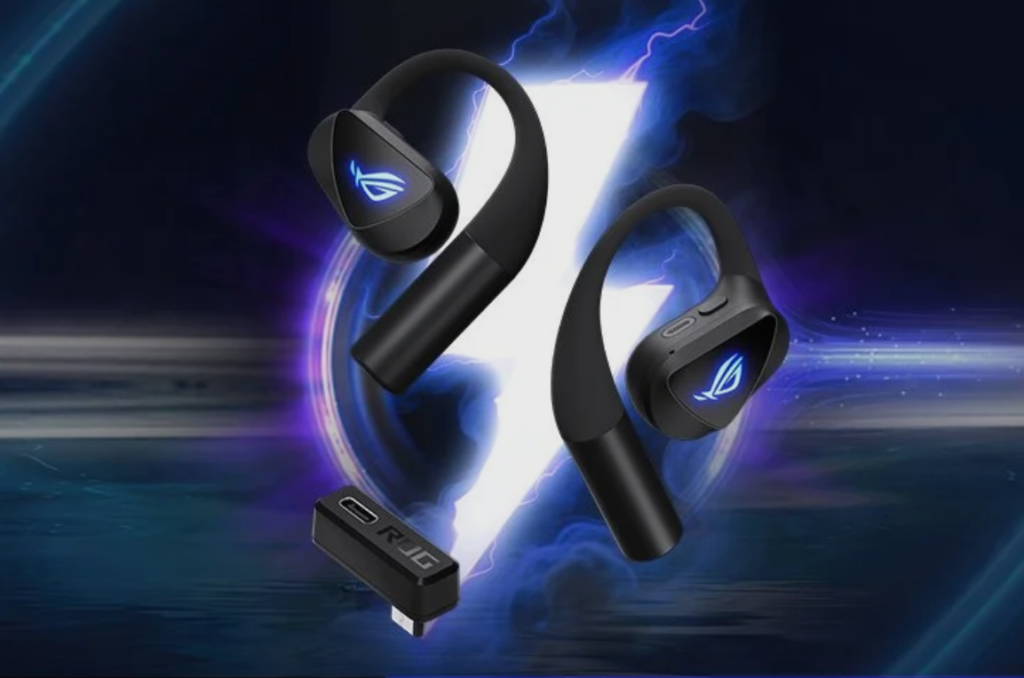
ASUS has introduced the ROG Open Wireless (OWS) gaming earbuds, designed to balance comfort, low-latency performance, and everyday usability. These earbuds feature an open-ear design, allowing users to stay aware of their surroundings while listening, making them suitable for both gaming and daily use. The ergonomic ear-hook structure ensures a secure fit without putting pressure on the ear canal, enabling longer usage sessions without fatigue.
Launch and Availability
The ROG Open Wireless (OWS) earbuds have been introduced in China and are currently available via JD.com. They are priced at 1399 yuan, with an introductory launch price of 1199 yuan. ASUS is expected to expand availability to more regions through its official retail channels in the coming months.
Connectivity and Gaming Performance
The earbuds support dual-mode connectivity, including Bluetooth and 2.4GHz wireless via a USB-C dongle. This allows seamless switching between devices and even simultaneous dual-device connections. ASUS has integrated its SpeedNova wireless technology, delivering ultra-low latency, up to six times lower than standard Bluetooth. This ensures faster audio transmission and better synchronization, helping users react quickly in competitive gaming scenarios with accurate positional sound.
Audio and Microphone System
Equipped with a 14.2mm diamond-like carbon-coated driver, the earbuds deliver clear highs, deep bass, and low distortion. Multiple sound modes, including bass enhancement and immersive modes, allow users to customize audio based on their preferences. The quad-microphone array with AI noise cancellation enhances voice clarity, improving both call quality and in-game communication.
Battery, Durability, and Additional Features
The earbuds offer up to 16 hours of usage on a single charge, with total battery life extending up to 48–64 hours with the charging case. Fast charging support provides around three hours of playback with just 15 minutes of charging. With an IPX5 rating, the earbuds are resistant to sweat and light splashes. Additional features such as USB-C pass-through charging and an extended connector design improve convenience, especially for users using devices with thicker protective cases.
Samsung Display is facing a significant supply disruption in China this April, according to recent industry reports. All display orders scheduled for the month have reportedly been cancelled, with no fresh stock available for shipment. Distributors are currently relying only on existing inventory, indicating a sudden halt in supply flow.
Sources suggest that there has been internal confirmation of zero stock availability for the April dispatch. While early signs of disruption appeared as shipment delays at the beginning of the month, the situation quickly escalated into complete order cancellations. This specifically affects Distributor Purchase (DP) orders across the region.
AI-generated image for representation only
The impact is being felt widely among offline distributors, many of whom have been formally notified about the lack of stock. Major distribution partners, including Hanlinhui and Samsung Pengtai, are among those affected. As a result, distributors have entered an inventory depletion phase, with no new stock being added to the supply chain.
Pricing has also started to shift due to tightening supply. Hanlinhui reportedly resumed limited shipping on April 13, but without subsidies. This has led to an approximate price increase of ¥100 (~$15), signaling rising costs and constrained availability.
Samsung Pengtai continues to supply products to JD.com, but it is operating solely on remaining inventory and is unable to secure new stock at this time.
The disruption points to a short-term supply crunch in China’s display market. It may lead to broader price increases and could reflect underlying production or logistics challenges within Samsung Display’s operations.
A growing number of Samsung Galaxy Watch users are reporting unusual battery drain across several models. The issue appears to have started after recent software updates. Many users say their smartwatch battery is draining much faster than usual, even though their daily usage habits have not changed.
The problem has been reported on multiple devices, including the Samsung Galaxy Watch6, Samsung Galaxy Watch7, Samsung Galaxy Watch8, and the Samsung Galaxy Watch Ultra. Some users claim their battery life has dropped from around four days to just two days after the update.
Suspected Cause
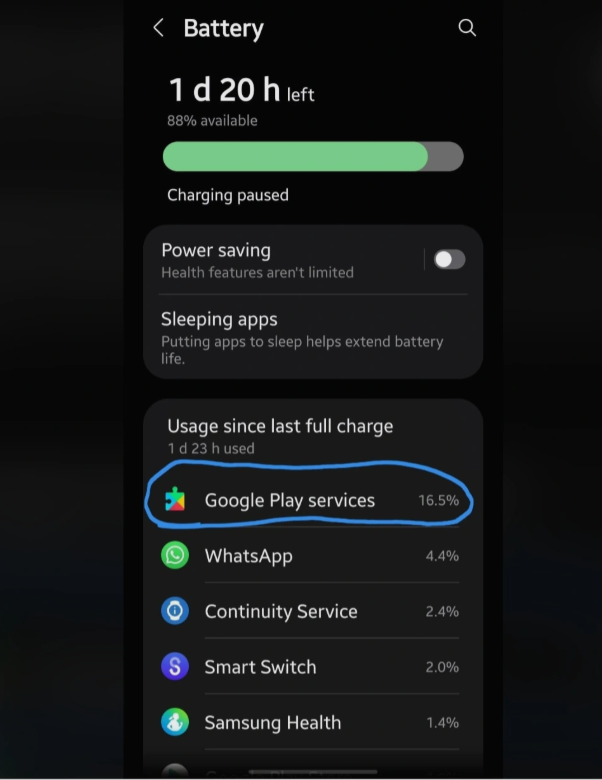
The issue is widely believed to be linked to Google Play Services. This system service handles important tasks such as app syncing, location tracking, and background processes. Reports suggest it may be running abnormally in the background, causing frequent CPU wake-ups and increased power consumption.
User Reports and Behavior
Users on forums like Reddit have described the battery drain as sudden and severe. In some cases, Google Play Services alone is said to consume more than 10% of the battery. Restarting the watch may temporarily reduce this usage, but the problem often returns. Some users have also noticed missing or inaccurate battery usage stats.
Temporary Fixes and Current Status
Basic troubleshooting steps like restarting the watch, clearing the cache, or performing a full reset have been tried by many users. However, these fixes only provide temporary relief and are not reliable.
As of now, there has been no official response from Samsung or Google. The exact cause remains unclear, and users may need to wait for a future software update to fully resolve the issue.
OPPO has officially launched the OPPO A6s Pro in China, expanding its A-series lineup with a strong focus on battery life, durability, and smooth display performance. The smartphone is already available for pre-order and will go on sale starting April 17. With a large battery, modern design, and solid mid-range specs, it targets users who want long-lasting performance without compromising on features.
Launch & Availability
The OPPO A6s Pro has debuted in China and is currently open for pre-orders via the brand’s official website. The first sale is scheduled for April 17. Reports suggest the device may launch in India soon under a different name, likely as the OPPO F33 Pro.
Pricing Details
The smartphone is available in multiple configurations:
8GB + 128GB – CNY 2,199 (~₹30,000)
8GB + 256GB – CNY 2,399 (~₹33,000)
12GB + 256GB – CNY 2,699 (~₹37,000)
12GB + 512GB – CNY 2,999 (~₹41,000)
Special flash sale pricing is expected to start around 1999 yuan, with subsidized offers dropping it further.
Display
OPPO has equipped the A6s Pro with a 6.57-inch Full HD+ AMOLED display that delivers a smooth and vibrant viewing experience. The 120Hz refresh rate ensures fluid scrolling and gaming, while the peak brightness of 1400 nits helps in outdoor visibility. It also supports 100% DCI-P3 color gamut and 10-bit color depth, making visuals richer and more accurate. The 2160Hz PWM dimming reduces eye strain during extended use.
Performance
The device is powered by the MediaTek Dimensity 6360 Max chipset built on a 6nm process. It features a combination of performance and efficiency cores, making it suitable for daily tasks, multitasking, and moderate gaming. A large 4300mm² vapor chamber cooling system helps maintain stable performance during heavy usage.
Memory & Storage
The OPPO A6s Pro comes with up to 12GB of LPDDR4X RAM and up to 512GB of UFS 2.2 storage. This setup ensures smooth app performance and enough space for media, apps, and files.
Camera
The smartphone features a dual rear camera setup with a 50MP primary sensor and a 2MP secondary sensor for depth or monochrome shots. It supports up to 10x digital zoom and can record videos at 1080p 60fps. On the front, there is a 16MP selfie camera designed for clear photos and video calls.
Battery & Charging
One of the biggest highlights is the massive 7000mAh battery, which is designed to easily last more than a full day of heavy usage. It supports 80W Super Flash charging, allowing users to quickly recharge despite the large battery size.
Build & Durability
The phone focuses heavily on durability. It features OPPO Crystal Shield glass and meets military-grade MIL-STD-810H certification. It also offers top-tier water and dust resistance with IP66, IP68, and IP69 ratings. This means it can handle extreme conditions, including high-pressure water jets and exposure to heat.
Design & Colors
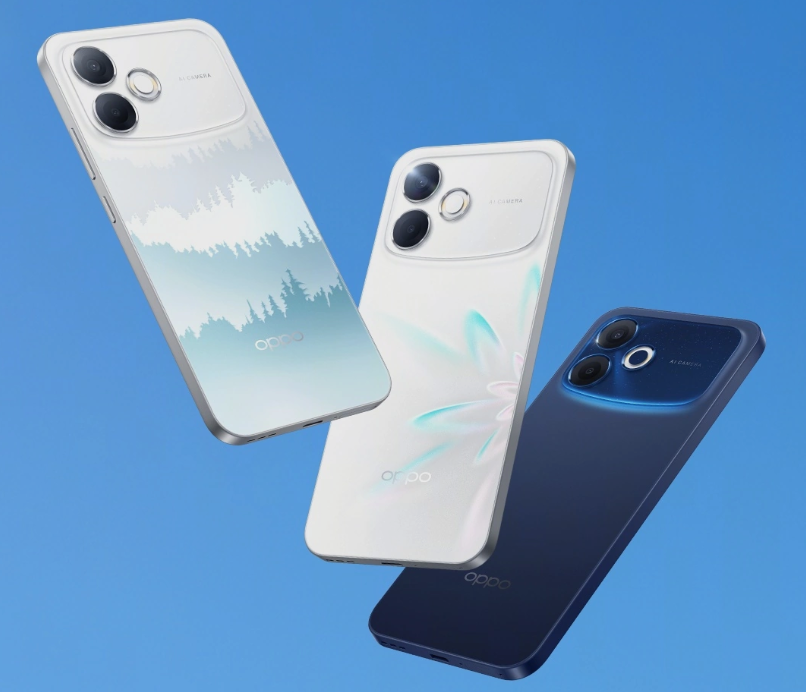
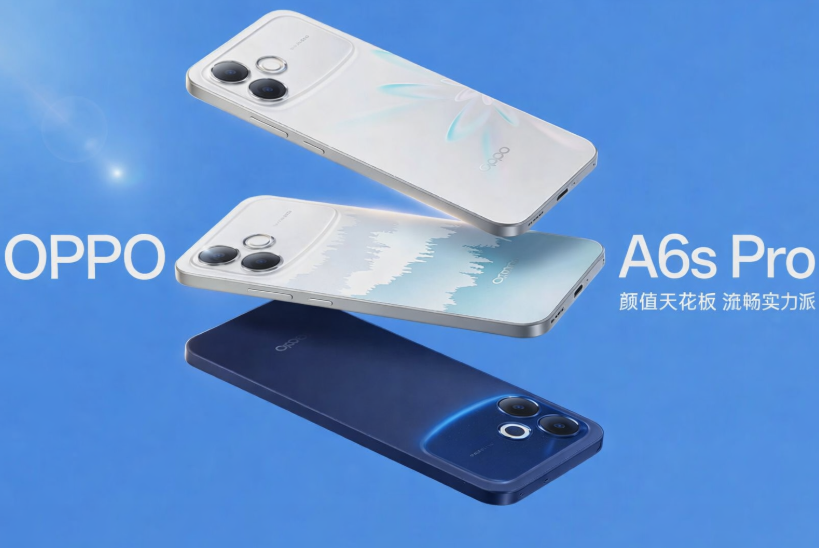
OPPO has added stylish finishes to the A6s Pro with unique visual effects. Color options include:
White
Blue
Silver
The design includes light-reflective patterns inspired by nature and light effects, giving the phone a premium look.
Features & Audio
The smartphone includes an in-display fingerprint sensor for security. It also features stereo speakers with Hi-Res audio support, enhancing the multimedia experience. An IR sensor is included for added utility.
Connectivity
The device supports a wide range of connectivity options, including 5G, dual 4G VoLTE, Wi-Fi (dual-band), Bluetooth 5.4, GPS, GLONASS, Beidou, NFC, and USB Type-C.
Software
The OPPO A6s Pro runs on Android 16 with ColorOS 16 on top, offering a smooth and feature-rich user experience with customization options.
Full Specifications:
Display
6.57-inch AMOLED, FHD+ (2372 × 1080)
120Hz refresh rate
240Hz touch sampling rate
1400 nits peak brightness
100% DCI-P3, 10-bit colors
Processor
MediaTek Dimensity 6360 Max (6nm)
Octa-core (2× Cortex-A76 + 6× Cortex-A55)
Mali-G57 MC2 GPU
RAM & Storage
8GB / 12GB LPDDR4X RAM
128GB / 256GB / 512GB UFS 2.2
Camera
Rear: 50MP (f/1.8) + 2MP
Front: 16MP (f/2.4)
Video: 1080p @ 60fps
Battery
7000mAh
80W fast charging
Build & Protection
Crystal Shield glass
MIL-STD-810H certified
IP66 + IP68 + IP69 / IP69K
Software
Android 16
ColorOS 16
Connectivity
5G, 4G LTE
Wi-Fi (dual-band)
Bluetooth 5.4
NFC, USB Type-C
GPS, GLONASS, Galileo, Beidou, QZSS
Sensors
In-display fingerprint
Proximity, ambient light
Gyroscope, accelerometer
Compass, color temperature sensor
Dimensions & Weight
Thickness: 8.29mm
Weight: 194g
Note on 4G / 5G Variants:
It’s worth noting that you may see different specs and chipset details for the OPPO A6s Pro across various sources. This is because the phone is launched in multiple variants for different markets. Some regions may get a 4G version powered by the MediaTek Helio G100 MAX, while the China variant is positioned as a 5G model using a Dimensity 6300/6360 series chipset. So, the exact processor and some other specs may vary depending on the region and final model launched.
Disclaimer: Some details may vary by region and model. Please check official listings for final specifications before buying.
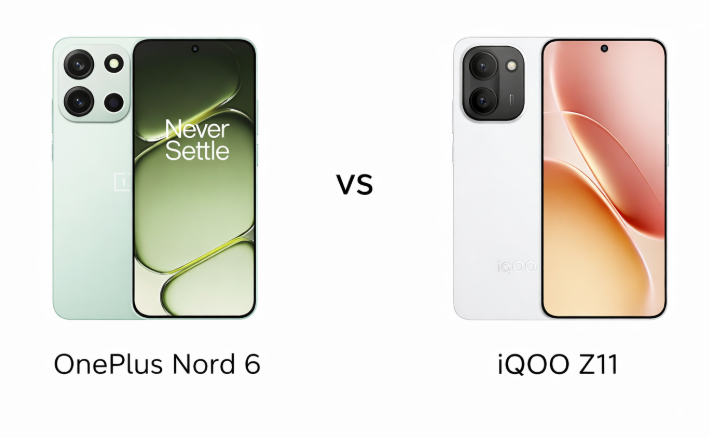
A premium all-rounder meets a value-driven powerhouse in this head-to-head. The OnePlus Nord 6 pushes toward flagship territory with refined performance and features, while the iQOO Z11 takes a bold approach with massive battery life and aggressive pricing. This comparison breaks down where each phone excels, helping clarify whether a polished experience or maximum value delivers the smarter upgrade.
Please Note: When you buy something using the links in our articles, we may earn a small commission at no cost to you.
Design and Display
Build and Feel
Both phones use a glass front with a plastic frame and back, but the OnePlus Nord 6 feels slightly more refined due to its Crystal Guard protection and cleaner finish. It also adds MIL-grade certification alongside IP68/IP69K, giving it a more rugged, confidence-inspiring appeal. The iQOO Z11 is still solid and durable, but it leans more toward a practical build rather than a premium-feel focus. Subtle design polish on the Nord 6 makes it feel a bit more flagship-like in daily use.
Display Quality
Both devices offer AMOLED panels with a 165Hz refresh rate, making scrolling and gaming extremely smooth. The iQOO Z11 pushes ahead in peak brightness with up to 5000 nits, making it better suited for harsh outdoor usage. However, the Nord 6 counters with better HDR tuning, higher PWM dimming, and slightly more balanced color output. The viewing experience feels more consistent and less aggressive on the eyes over long usage.
Verdict
The iQOO Z11 wins on raw brightness, but the Nord 6 delivers a more polished and comfortable display experience overall.
Specifications Including Battery
Performance
The OnePlus Nord 6 clearly leads with the Snapdragon 8s Gen 4, which is closer to flagship-level performance. It handles gaming, multitasking, and heavy workloads more effortlessly. The iQOO Z11’s Dimensity 8500 is powerful for its segment, but it doesn’t match the sustained performance or GPU strength of the Nord 6. Over time, the Nord 6 feels more future-proof and stable under load.
Battery and Charging
This is where the iQOO Z11 shines. With a massive 9020 mAh battery and faster 90W charging, it is built for endurance. The Nord 6 still impresses, especially in India, with its 9000 mAh battery, but its 80W charging is slightly slower. The Nord adds bypass charging, which gamers may appreciate, but the Z11’s sheer capacity makes it a battery monster.
Verdict
Nord 6 wins in performance, while iQOO Z11 dominates battery life. The better choice depends on whether power or endurance matters more.
Camera
Main and Secondary Lenses
Both phones feature a 50 MP main sensor with OIS, delivering similar baseline image quality in good lighting. However, the Nord 6 includes an 8 MP ultrawide lens, making it more versatile for landscapes and group shots. The iQOO Z11 lacks a proper ultrawide, which limits flexibility. Image processing on the Nord 6 also feels slightly more refined, with better color consistency and HDR balance.
Selfie Camera
The Nord 6 takes a clear lead with a 32 MP selfie camera that supports 4K video recording. It captures sharper images and offers better detail for video calls and content creation. The iQOO Z11’s 16 MP front camera is decent but feels more basic, especially with limited video capability. The difference becomes noticeable for social media users.
Verdict
The Nord 6 is the clear winner in cameras thanks to better versatility and a stronger selfie setup.
Pricing
The OnePlus Nord 6 is priced around ₹39,000, while the iQOO Z11 comes in significantly lower at about ₹31,000. This creates a noticeable ₹8,000 gap, placing them in slightly different value brackets. The Nord 6 positions itself as a near-flagship experience, while the Z11 focuses on aggressive pricing with strong core specs.
Is the Price Justified?
The Nord 6 justifies its higher price with a better chipset, stronger cameras, a cleaner UI experience, and more premium tuning overall. It feels like a long-term investment. On the other hand, the iQOO Z11 offers exceptional value for money, especially with its massive battery and capable performance. It delivers more hardware per rupee, even if some features are trimmed.
Verdict
For value seekers, the iQOO Z11 is hard to beat. For a more complete and premium experience, the Nord 6 justifies its higher price.
Conclusion
The OnePlus Nord 6 stands out with its Snapdragon 8s Gen 4 chip, better camera system, higher-end display tuning, and features like bypass charging and advanced connectivity options. It feels more balanced and flagship-inspired.
The iQOO Z11, meanwhile, focuses on delivering maximum battery capacity and strong performance at a lower price. Its brightness levels and large battery make it ideal for heavy users who prioritize endurance above everything else.
Verdict
The OnePlus Nord 6 is the better all-rounder with stronger performance, cameras, and polish. The iQOO Z11 is the smarter budget pick with unmatched battery life and solid everyday performance. The final choice depends on whether a premium experience or maximum value matters more.
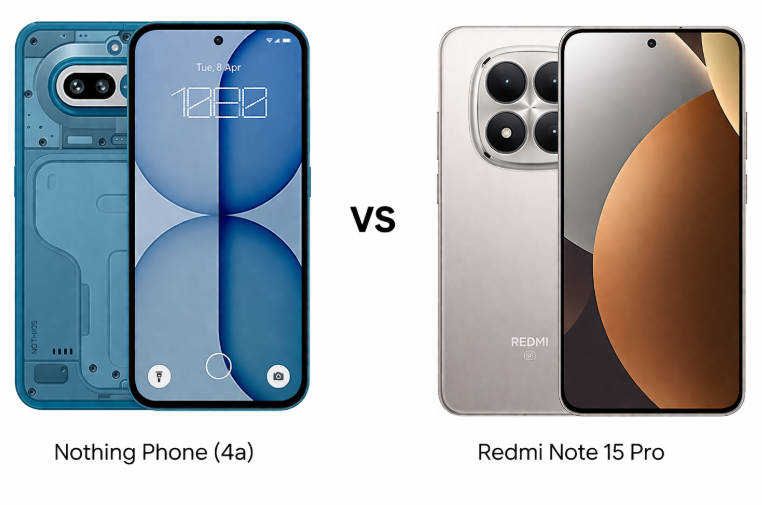
Two very different philosophies collide in the mid-range segment with the Nothing Phone (4a) and Redmi Note 15 Pro. One focuses on clean software, unique design, and a more refined everyday experience, while the other pushes aggressive specs, a bigger battery, and stronger durability at a lower price. This comparison matters for buyers who want more than just numbers, because the real difference shows up in daily use. The decision ultimately comes down to whether refinement or raw value fits better into your lifestyle.
Please Note: When you buy something using the links in our articles, we may earn a small commission at no cost to you.
Design and Display
Build and Feel
Nothing Phone (4a) brings a more distinctive design with its transparent back and mini-LED glyph lighting, giving it a unique identity in a crowded segment. The glass back and front feel premium, though the IP64 rating limits serious water exposure. Redmi Note 15 Pro, on the other hand, focuses on durability with stronger protection, better water resistance, and even drop resistance. It feels more rugged and practical, especially for long-term use. The eco-leather option also adds a slightly more refined grip and finish.
Display Quality
Both phones feature AMOLED panels with 120Hz refresh rates, but the Redmi pushes brightness and color depth further. Its higher peak brightness and Dolby Vision support make it better suited for outdoor use and HDR content. The Nothing display is still sharp and vibrant, with excellent HDR10+ tuning and smoother PWM dimming that may feel easier on the eyes.
Verdict
Nothing Phone (4a) wins in design personality, while Redmi Note 15 Pro clearly leads in durability and display performance.
Specifications Including Battery
Performance
Nothing Phone (4a) uses the Snapdragon 7s Gen 4, offering balanced performance with strong efficiency and reliable GPU output. It feels smoother in UI transitions and sustained usage, especially with Nothing OS optimization. Redmi Note 15 Pro’s Dimensity 7400 Ultra is capable but leans more toward raw CPU bursts than consistent performance. In daily use, both handle multitasking well, but the Nothing phone feels slightly more refined overall.
Battery and Charging
Redmi takes a big lead with its massive battery, easily lasting longer across heavy usage. It is built for endurance, making it ideal for gamers or power users. However, Nothing Phone (4a) counters with faster charging speeds, reaching full charge quicker and offering better convenience for busy routines. Reverse charging is present on both, but Redmi offers more flexibility.
Verdict
Nothing Phone (4a) feels smoother and more optimized, while Redmi Note 15 Pro dominates battery life with sheer capacity.
Camera
Main and Secondary Lenses
Nothing Phone (4a) delivers a more versatile camera setup with a dedicated periscope telephoto lens, enabling true optical zoom. This adds real-world flexibility for portraits and distant shots. Its primary sensor also produces balanced, natural-looking images. Redmi Note 15 Pro focuses on a high-resolution 200MP sensor, which captures impressive detail but relies heavily on processing rather than lens variety. The lack of a telephoto lens limits its flexibility despite the megapixel advantage.
Selfie Camera
Nothing again holds an edge with a higher-resolution front camera, producing sharper selfies with better detail retention. Redmi’s selfie camera is decent for social media but doesn’t stand out in clarity or dynamic range.
Verdict
Nothing Phone (4a) clearly wins for camera versatility and overall consistency, while Redmi focuses more on raw resolution than practical usage.
Pricing
Nothing Phone (4a) is priced around ₹32,000, while Redmi Note 15 Pro comes in at approximately ₹27,000. The price gap is noticeable, placing Redmi in a more aggressive value segment.
Value for Money
Redmi Note 15 Pro offers strong value with its durable build, massive battery, and high-end display features at a lower price. It is clearly aimed at buyers who want maximum hardware for less money. Nothing Phone (4a), while more expensive, justifies its pricing through a cleaner software experience, better camera system, and unique design approach. It feels more polished rather than purely spec-driven.
Verdict
Redmi Note 15 Pro is the better deal for budget-focused buyers, while Nothing Phone (4a) justifies its higher price with a more premium and balanced experience.
Disclaimer: Prices are approximate and may vary based on country, region, and applicable taxes.
Conclusion
Nothing Phone (4a) stands out with its glyph interface, cleaner UI, and telephoto camera, features that enhance daily usability rather than just numbers on paper. Redmi Note 15 Pro focuses on practicality with its massive battery, stronger durability, and brighter display, making it more of a powerhouse device.
Verdict
If only one has to be chosen, the Nothing Phone (4a) is the better overall pick. It delivers a smoother, more refined experience with cleaner software, a more versatile camera system, and a premium design that feels distinct in daily use. While the Redmi Note 15 Pro offers better battery life and stronger value for money, it leans more on raw specs than real-world polish. For a balanced, long-term experience, Nothing Phone (4a) is the smarter choice.
Disclaimer: This comparison is based on the specifications provided and is intended for general informational purposes. Actual performance, camera results, battery life, and overall experience may vary depending on real-world usage, software updates, and individual preferences.
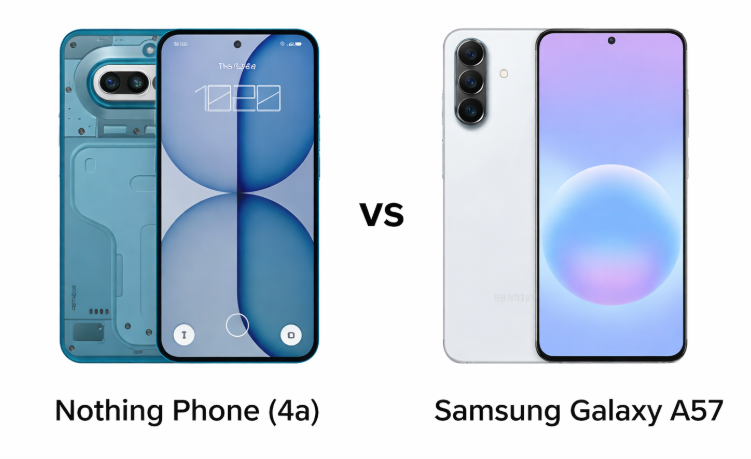
Two very different philosophies collide in the mid-range segment with the Nothing Phone (4a) and Samsung Galaxy A57. One leans into bold design, experimental features, and aggressive pricing, while the other refines the formula with durability, long-term software support, and a polished user experience. This comparison matters because both target users who want near-flagship performance without stepping into ultra-premium pricing. The real question isn’t just about specs, it’s about which approach delivers a better everyday experience and stronger long-term value.
Please Note: When you buy something using the links in our articles, we may earn a small commission at no cost to you.
Design and Display
Build and Feel
Nothing Phone (4a) brings a distinctive transparent-style design with mini-LED Glyph lighting, giving it a futuristic personality that stands out instantly. The glass back and IP64 rating feel decent, but the plastic frame slightly reduces the premium touch. In contrast, Samsung Galaxy A57 leans toward a cleaner, more refined flagship-like aesthetic with Gorilla Glass Victus+ on both sides and an aluminum frame. The IP68 rating adds a layer of durability that feels more reliable in daily use. Samsung’s design feels more mature, while Nothing focuses on visual flair and uniqueness.
Display Quality
Nothing Phone (4a) offers a sharper AMOLED panel with higher resolution and extreme peak brightness, making it excellent for HDR and outdoor visibility. The colors feel vibrant and punchy, with strong contrast. Galaxy A57’s Super AMOLED+ panel is slightly less sharp but still delivers consistent brightness and balanced colors. Samsung’s tuning feels more natural, while Nothing’s display feels more dramatic and eye-catching.
Verdict
Samsung wins on durability and premium feel, but Nothing edges ahead in display sharpness and visual excitement.
Specifications Including Battery
Performance
Nothing Phone (4a) runs on the Snapdragon 7s Gen 4, delivering efficient and stable performance for gaming and multitasking. It handles sustained loads well, making it feel smooth over longer sessions. Galaxy A57 uses the Exynos 1680, which is slightly more powerful on paper, especially in CPU-heavy tasks. However, Exynos chips can sometimes feel less consistent under prolonged stress. Nothing feels more optimized, while Samsung feels more powerful in bursts.
Battery and Charging
Nothing Phone (4a) packs a larger battery (especially in India) and supports faster 50W charging, reaching 50% quickly. It also includes reverse wired charging, adding extra utility. Galaxy A57 sticks with a 5000mAh battery and 45W charging, which is reliable but not class-leading. Samsung focuses more on efficiency, while Nothing prioritizes speed and flexibility.
Verdict
Nothing Phone (4a) wins for better battery versatility and stable performance, though Samsung has a slight edge in raw power.
Camera
Main and Secondary Lenses
Nothing Phone (4a) stands out with its versatile triple setup, including a 50MP main sensor and a 3.5x periscope telephoto lens. This adds real zoom capability, which is rare at this price. The ultrawide is decent but not exceptional. Galaxy A57 offers a strong 50MP main sensor with consistent results and a better ultrawide camera, but it lacks a telephoto lens. Samsung focuses on reliability, while Nothing adds flexibility and creativity.
Selfie Camera
Nothing includes a higher-resolution 32MP selfie camera, producing sharper images in good lighting. Samsung’s 12MP front camera, however, supports 4K video and better HDR processing, making it more versatile for video content. Samsung feels more polished for creators, while Nothing leans toward detail.
Verdict
Nothing wins for zoom and versatility, but Samsung delivers more consistent overall camera performance and better video capabilities.
Pricing
Nothing Phone (4a) is priced around ₹32,000 ($450), while the Samsung Galaxy A57 comes in significantly higher at around ₹57,000 ($550). This creates a large gap that immediately affects value perception. Nothing undercuts Samsung heavily while still offering competitive hardware, especially in display, battery, and camera versatility.
Value for Money
Nothing Phone (4a) feels aggressively priced, offering flagship-like features such as a periscope camera and ultra-bright display at a mid-range cost. Galaxy A57 justifies its higher price with better build quality, longer software support, and a more polished overall experience. However, the price difference makes it slightly harder to recommend Samsung unless those extras are essential.
Verdict
Nothing Phone (4a) clearly wins on value, while Samsung Galaxy A57 targets users willing to pay more for refinement and longevity.
Conclusion
Nothing Phone (4a) stands out with its Glyph interface, periscope zoom camera, and ultra-bright display, giving it a bold, feature-rich identity. It feels like a device built to impress and differentiate. Samsung Galaxy A57 focuses on durability, longer software support (up to 6 updates), and a balanced user experience. It feels more dependable and polished over time.
Verdict
Nothing Phone (4a) is the smarter buy for most users due to its aggressive pricing and standout features. Samsung Galaxy A57 suits those who prioritize premium build, software longevity, and consistency. The choice ultimately comes down to excitement versus reliability, and Nothing currently delivers more for the money.
China is exploring nuclear energy to power its fast-growing AI infrastructure
“Linglong One” SMR is nearing completion and could start operations this year
A “nuclear + computing” industrial park is planned to build zero-carbon AI systems
AI-generated image for representation only
China is looking at nuclear power as a solution to one of AI’s biggest challenges: electricity. As artificial intelligence systems grow, they require huge amounts of energy to process data. Industry leaders, including Jensen Huang, have described AI tokens as the “new commodity,” highlighting how computing demand is rapidly increasing.
To meet this demand, China is focusing on Small Modular Reactors (SMRs), which are smaller, flexible nuclear units that can be built closer to data centers. These reactors are easier to deploy than traditional nuclear plants and can provide steady, 24/7 power, something AI systems need.
A major project in this space is the Linglong One reactor, developed by China National Nuclear Corporation. It is the world’s first onshore commercial SMR and is already about 90% complete. Once operational, it is expected to generate around 1 billion kWh of electricity annually while significantly reducing carbon emissions.
China is also planning a “nuclear + computing power” industrial park in Hainan, aiming to create a clean, zero-carbon AI ecosystem. The project has been prioritized in the country’s 2026 government plans.
Globally, nuclear energy is gaining attention as a reliable, low-carbon solution for powering AI. With AI usage rising rapidly, especially in China, the link between computing power and electricity is becoming clearer than ever.
XChat, a new messaging app from X (formerly Twitter), is set to launch on April 17 on the Apple App Store. The app will first be available on iOS, while the Android release date has not been announced yet.
Developed under Elon Musk’s direction, XChat is designed to become the main messaging platform within the X ecosystem. It is part of a larger plan to transform X into an all-in-one “super app,” similar to China’s WeChat.
The app supports one-to-one chats, group conversations, as well as voice and video calls. It also focuses heavily on privacy, offering features like end-to-end encryption, disappearing messages, screenshot blocking, and message recall. Users can edit and delete messages, and even create accounts without using a phone number.
One standout feature is the complete absence of ads, making the experience cleaner compared to other popular messaging apps.
XChat has been in development since May 2025 and entered public beta in March 2026. Built using the Rust programming language, it is supported by X’s massive user base of over 500 million monthly active users.
Overall, XChat is a key step in Musk’s plan to combine messaging, payments, and multiple digital services into a single platform.
XChat vs WeChat (Early Feature Comparison)
Feature
XChat
WeChat (China)
Winner
Messaging (1-to-1 & Group)
Yes
Yes
Tie – Both offer core messaging
Voice & Video Calls
Yes
Yes
Tie – Standard feature on both
End-to-End Encryption
Yes (claimed)
Limited
XChat – Stronger privacy focus
Phone Number Requirement
Not required
Required
XChat – More flexible signup
Disappearing Messages
Yes
Limited
XChat – More modern privacy tools
Message Editing & Recall
Yes
Yes
Tie – Both support it
Screenshot Protection
Yes
No
XChat – Extra privacy layer
Ads
No ads
Ads & promotions
XChat – Cleaner experience
Payments
Not available (yet)
Fully integrated
WeChat – Mature ecosystem
Mini Apps / Services
Not available (yet)
Extensive ecosystem
WeChat – Far more advanced
Social Integration
Integrated with X platform
Moments feature
Tie – Different approaches
AI Integration
Expected (not confirmed)
Limited
XChat – Future potential
Disclaimer:
This comparison is based on currently available information about XChat. Since the app has not fully launched and features are still evolving, some details may change over time.
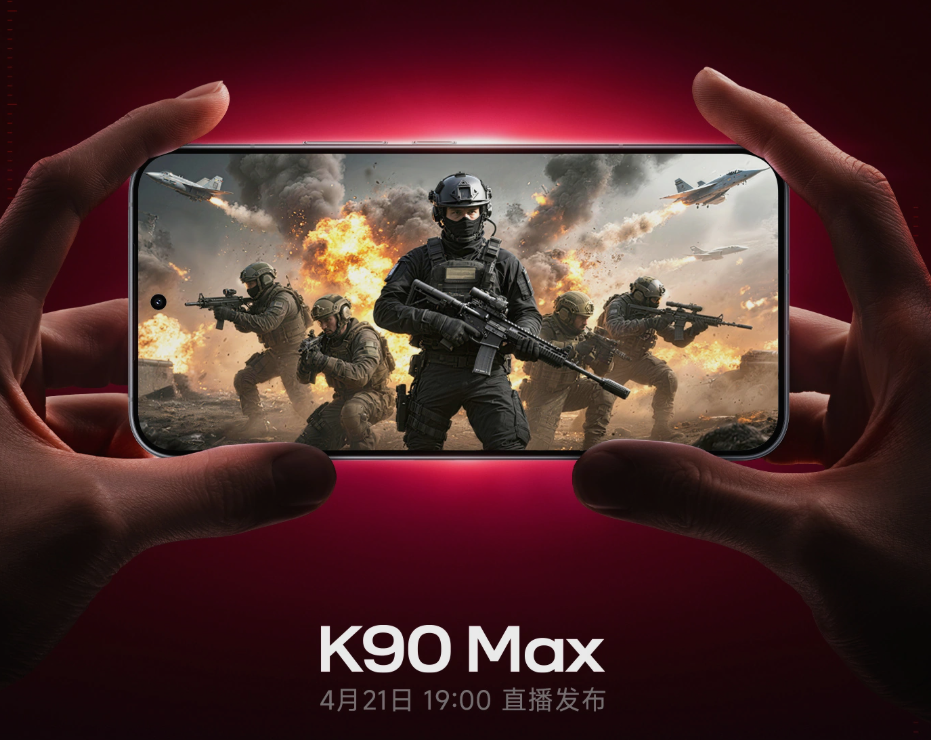
Xiaomi has confirmed that the REDMI K90 Max will launch on April 21 at 7:00 PM. The phone is being introduced as a gaming-focused flagship, clearly targeting users who want top-level performance for competitive mobile gaming. From the announcement itself, Xiaomi is highlighting speed, responsiveness, and long gaming sessions as the main focus areas.
E-Sports Touchscreen Technology
The biggest highlight of the REDMI K90 Max is its new e-sports touchscreen. It supports a 480Hz multi-finger touch reporting rate and an extremely high 3500Hz instantaneous touch sampling rate. In simple terms, this means the screen reacts almost instantly to your touch, which is very important in fast games like shooters. It also includes a 400Hz six-axis gyroscope for better motion control. Xiaomi says the display has been tested for up to 1 million continuous touches, showing strong durability along with performance.
Display and Gaming Experience
The phone features a large 6.83-inch display with a 165Hz refresh rate and up to 3500 nits peak brightness. It can run games at native 165FPS while maintaining HD graphics quality at the same time. This is still rare in smartphones and gives smoother and clearer gameplay. Xiaomi has even confirmed support for this in games like Delta Force.
Cooling and Durability
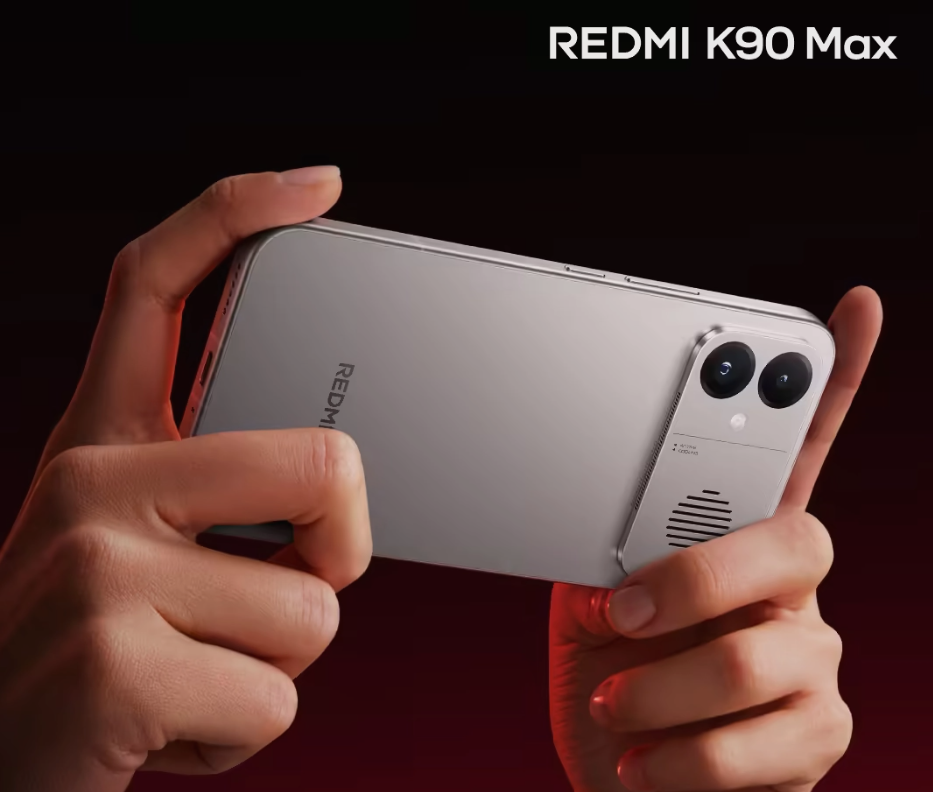
To handle long gaming sessions, the REDMI K90 Max comes with a built-in cooling fan, a first for Xiaomi phones. It uses a sealed air duct and metal structure to keep temperatures under control. The device is also highly durable with IP66, IP68, and IP69 ratings, along with a 50,000-hour aging test. The cooling fan is designed to last long, with a 6-year warranty and lifetime maintenance support.
Comparison with Other Gaming Phones
Compared to other phones in this segment, most gaming devices offer high touch sampling rates but usually in the range of 720Hz to 2000Hz. Very few combine such a high instantaneous sampling rate with advanced gyroscope performance. While brands like ASUS ROG and iQOO focus on triggers and high refresh displays, the REDMI K90 Max focuses more on touch accuracy and responsiveness. This could give it an edge for competitive gamers who rely on fast and precise inputs.
Features one of the most advanced AI projection headlight systems ever
Capable of displaying real-time road signals and alerts
Up to 750 km range (BEV) with dual-motor AWD standard
Level 4-ready tech with steer-by-wire system
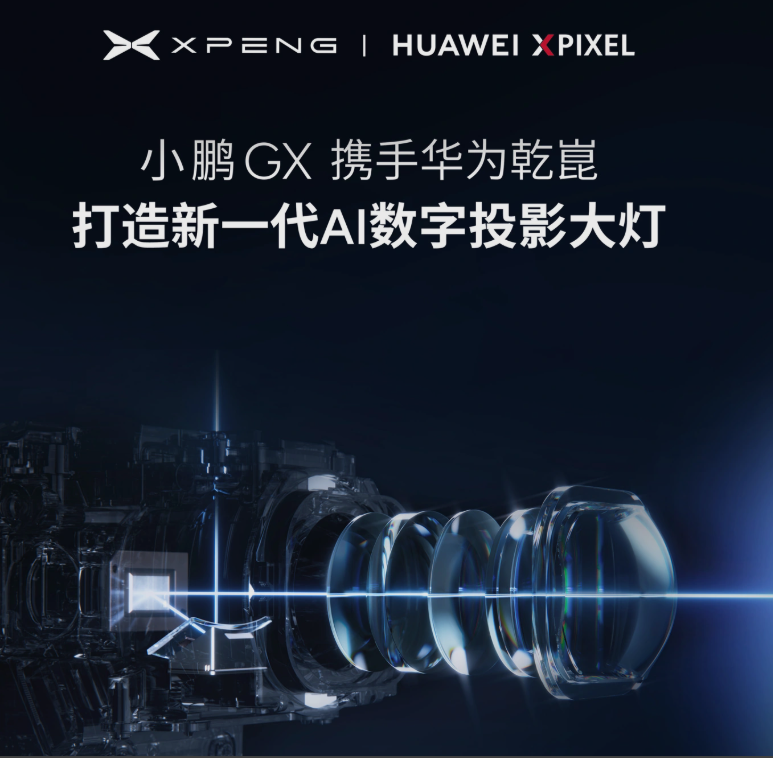
XPeng is set to officially launch its new flagship SUV, the GX, on April 15, bringing a strong focus on intelligent lighting and advanced driving technology. Developed in collaboration with Huawei Qiankun, the GX introduces a new generation of AI-powered digital projection headlights designed to transform how vehicles interact with their surroundings.
The standout feature is its advanced DLP projection lighting system. Unlike traditional headlights, the GX can project dynamic symbols directly onto the road. This includes arrows for lane guidance, “Yield to Pedestrians” alerts, and even following distance indicators. The system also supports SOS projections and personalized welcome animations, adding both safety and premium appeal. It can even project videos, turning the vehicle into a mobile outdoor cinema.
In terms of performance, the GX will be available in both all-electric (BEV) and extended-range (EREV) versions. The BEV model offers a claimed range of up to 750 km (CLTC), while the EREV delivers 320 km of pure electric driving. All variants come with dual-motor all-wheel drive and a top speed of 200 km/h.
The SUV features a large, premium six-seater layout with a length of 5265 mm and a 3115 mm wheelbase. Design highlights include a yacht-inspired body, clamshell hood, split tailgate, and a panoramic glass roof. Inside and out, the GX focuses on blending minimalism with a bold, futuristic identity.
With Level 4 autonomous driving capability support and a next-gen steer-by-wire system, the XPeng GX positions itself as a technology-first flagship in the large SUV segment.

 Login
Login