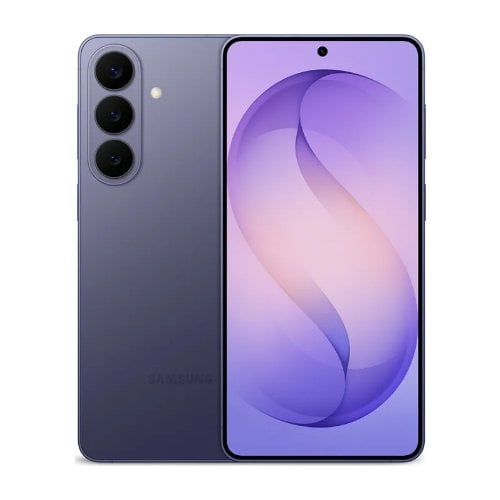
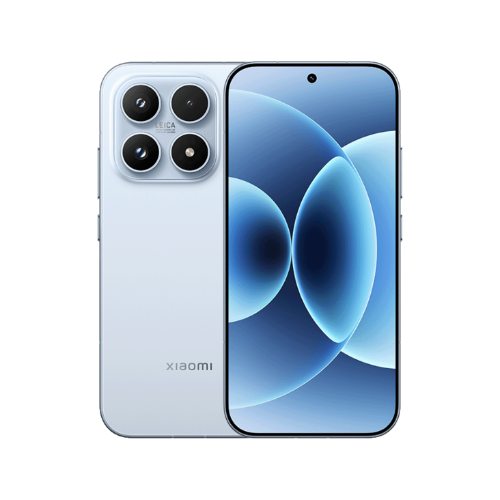
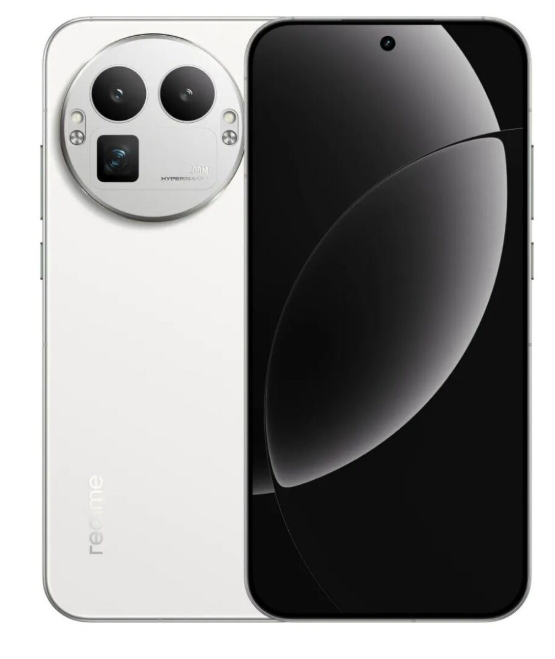
The 2nm process node is the most advanced, cutting-edge node in the industry, and it’s none other than TSMC leading the next-generation wave of advanced chips. The Taiwanese chip giant has managed to achieve yields favorable for mass-producing 2nm wafers, but unfortunately, that is not enough to meet demand for AI chips and mobile SoCs, forcing smartphone brands to opt for silicon downgrades later this year.
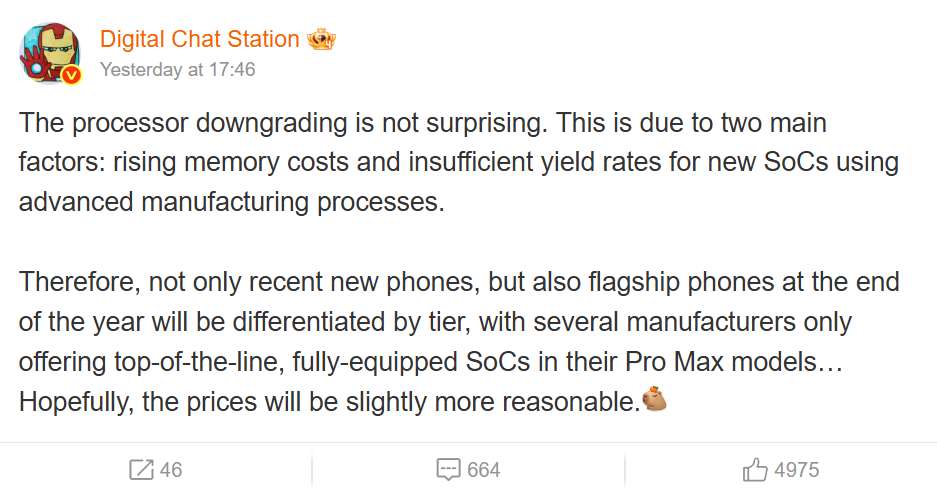
According to a reliable Chinese tipster, Digital Chat Station, multiple smartphone brands will offer fully equipped SoCs only in their top-of-the-line “Ultra” or “Pro Max” models because of rising memory costs and the chip crisis. While the tipster doesn’t explicitly mention “TSMC,” it doesn’t take long to realize where the fingers are pointing to.
While the complexities of mass-producing advanced wafers at a larger scale pose a major challenge for the Taiwanese chip giant, AI and mobile are competing for the same advanced nodes, only worsening the supply crunch. According to industry reports, much of N2 capacity through 2026 is already effectively sold out, with Apple, Qualcomm, Nvidia, and AMD locking in large allocations. Apple alone is reported to have more than half of the initial N2 capacity.
Samsung is the most prominent alternative to TSMC, but it is struggling even worse in bringing up its 2nm GAA yields. That leaves smartphone brands with limited supply, so it wouldn’t be surprising to see high-end chips being reserved for top-end models. This explains why Qualcomm is rumored to launch Snapdragon 8 Elite Gen 6 and Snapdragon 8 Elite Gen 6 Pro as part of its dual-chip launch strategy. Apple is also said to follow a similar approach with its A20 and A20 Pro.
Even MediaTek is reportedly adopting the same strategy, offering the Dimensity 9600 and Dimensity 9600 Pro. The more affordable SoC will be offered to less premium phones, and the more expensive silicon will be reserved for top-end phones. We can also expect smartphone prices to rise, with the DRAM crisis among the main culprits.
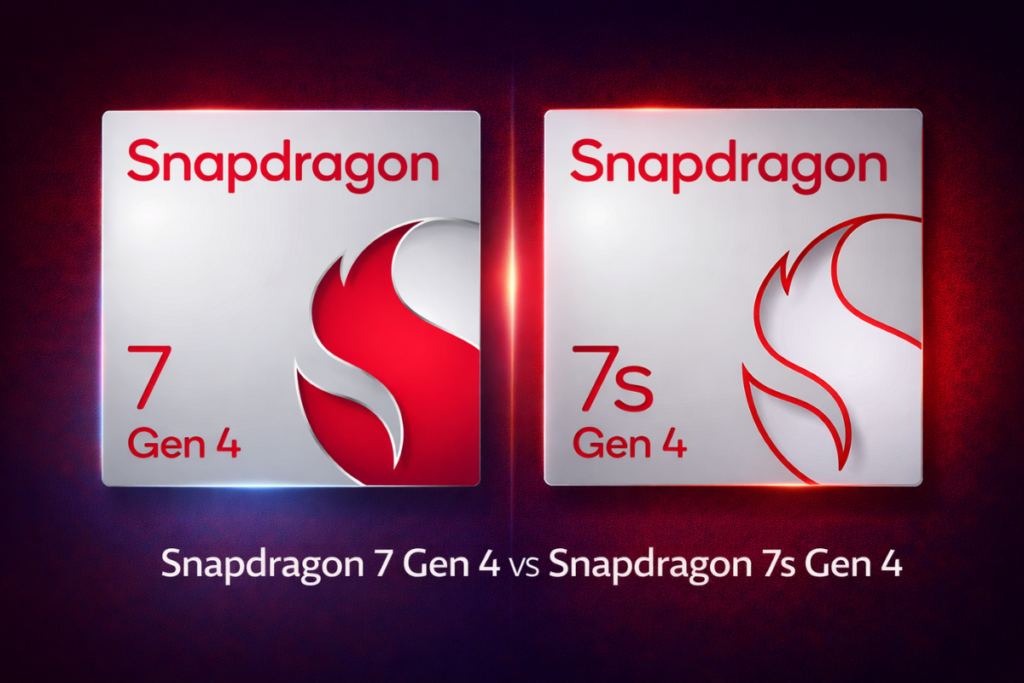
The Snapdragon 7 Gen 4 is a performance-friendly mid-range chipset, which is already powering a flurry of devices from top smartphone brands. It was announced in mid-2025, and three months later, Qualcomm announced the Snapdragon 7s Gen 4 with a similar spec sheet. However, there are still several key differences that set them apart.
In this detailed comparison, we’ll review the benchmark data and key differences to determine which Snapdragon chip delivers higher performance and, more importantly, better overall value.
Here’s the spec sheet to begin with:
Snapdragon 7 Gen 4
Snapdragon 7s Gen 4
Announced
May 2025
August 2025
Process node
4nm (TSMC)
4nm (TSMC)
CPU
1 x 2.8 GHz (Cortex-A720) 4 x 2.4 GHz (Cortex-A720) 3 x 1.84 GHz (Cortex-A520)
1 x 2.7 GHz (Cortex-A720) 3 x 2.4 GHz (Cortex-A720) 4 x 1.8 GHz (Cortex-A520)
GPU
Adreno 722 Snapdragon Elite Gaming features
Adreno 810 Snapdragon Elite Gaming features
NPU
Qualcomm Hexagon NPU
Qualcomm Hexagon NPU
Memory
LPDDR5x, up to 4.2GHz
LPDDR5, up to 3.2GHz
Storage
UFS 4.0
UFS 3.1
Camera
Qualcomm Spectra ISP (Triple AI-ISPs, 12-bit) up to 200MP single camera up to 64MP single camera with zero shutter lag up to 32+21MP dual cameras with zero shutter lag up to 21MP triple cameras with zero shutter lag up to 4K/60fps video recording
Qualcomm Spectra ISP (Triple ISPs, 12-bit) up to 200MP single camera up to 64MP single camera with zero shutter lag up to 32+21MP dual cameras with zero shutter lag up to 21MP triple cameras with zero shutter lag up to 4K/30fps video recording
Connectivity
Snapdragon 5G modem download speed: 4.2 Gbps (peak speed) Wi-Fi 7 (peak speed: 5.8 Gbps) Bluetooth 6.0, LE
Snapdragon 5G modem download speed: up to 2.9 Gbps Wi-Fi 6E (peak speed: 2.9 Gbps) Bluetooth 5.4, LE
Quick verdict:
Choose the Snapdragon 7 Gen 4 if you prioritize performance, gaming, advanced AI, and modern connectivity. Choose Snapdragon 7s Gen 4 if you’re a value-conscious buyer who prioritizes battery life and daily reliability over high-end performance.
Snapdragon 7 Gen 4 vs 7s Gen 4: Benchmark score
[Note: To obtain benchmark results, the tests were performed using the Vivo T4 Pro (powered by Snapdragon 7 Gen 4) and POCO M8 Pro (powered by Snapdragon 7s Gen 4).]
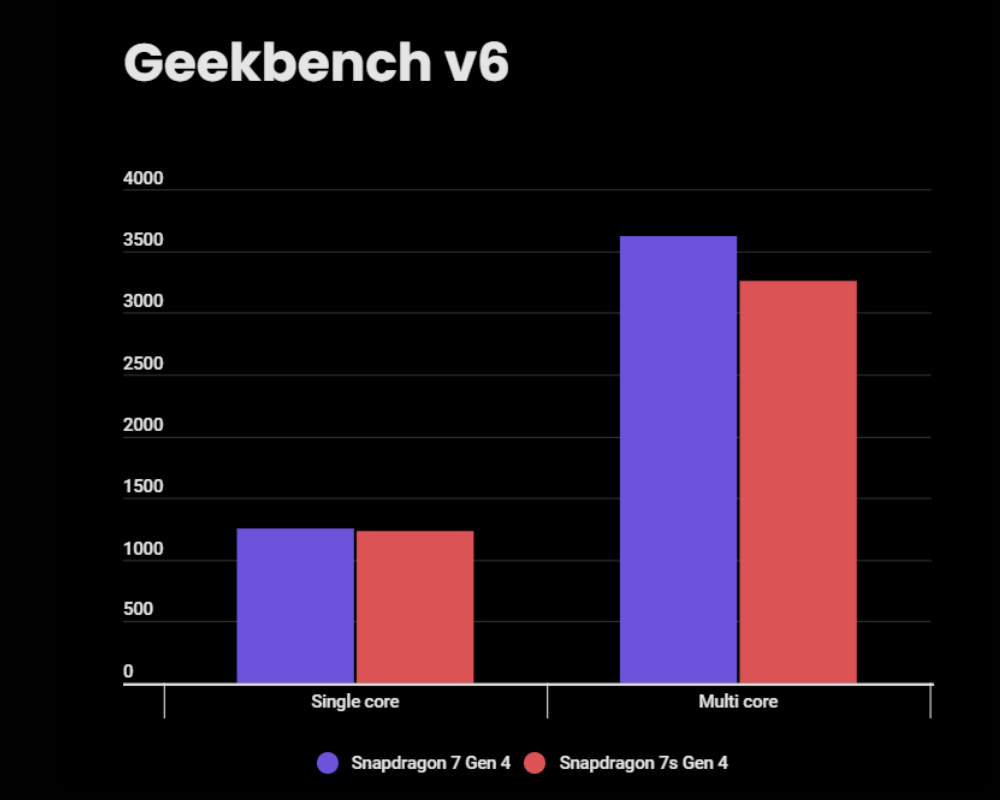
Geekbench score
On Geekbench v10, the Snapdragon 7 Gen 4 pulls just ahead in single-core performance. However, the gap widens in multi-core performance, with the Snapdragon 7 Gen 4 posting a 10% higher score. So, demanding apps that require multiple cores to work together would perform better on a device powered by Snapdragon 7 Gen 4 than on one powered by Snapdragon 7s Gen 4.
Snapdragon 7 Gen 4
Snapdragon 7s Gen 4
Single core
1,252
1,231
Multi core
3,620
3,257
AnTuTu score
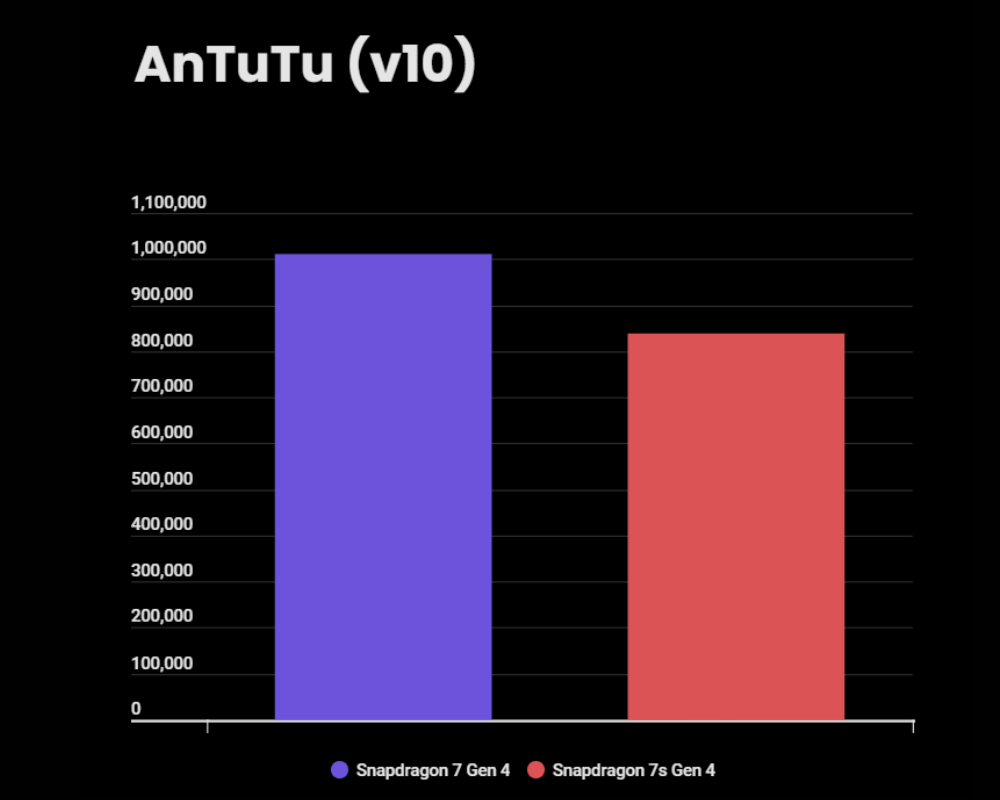
The Snapdragon 7 Gen 4 has achieved over 1 million AnTuTu points, while the Snapdragon 7s Gen 4 gets 838K points. That’s a 20% solid uplift for the 7 Gen 4, but the overall score doesn’t offer much clarity. So, we look at the breakdown of the AnTuTu score.
Snapdragon 7 Gen 4
Snapdragon 7s Gen 4
AnTuTu score
1,010,864
838,402
CPU
309,273
276,892
GPU
323,797
211,590
Memory
182,776
162,373
UX
195,019
187,547
The Snapdragon 7 Gen 4 outperforms the 7s Gen 4 in all aspects. The CPU score is up by 11%; the GPU score is up by 53%, and the memory score is up by 12%. The 7 Gen 4 also pulls ahead in the UX score, even though the difference is small.
Performance-wise, the Snapdragon 7 Gen 4 looks promising, but we must also review other key aspects, such as camera capabilities and connectivity features, to pick the right one. (more on that below)
Snapdragon 7 Gen 4 vs 7s Gen 4: Key differences that matter
Performance
CPU
The Snapdragon 7 Gen 4 prioritizes raw power by using five performance cores (1 prime + 4 performance), whereas the Snapdragon 7s Gen 4 uses a traditional four-performance core setup (1 prime + 3 performance), leaning more on its efficiency cores for battery savings.
The Snapdragon 7 Gen 4 also benefits from a higher peak clock speed of 2.8 GHz compared to the 2.7 GHz on the 7s Gen 4, offering additional performance advantage to the standard 7 Gen 4 SoC.
GPU
For graphics rendering, the 7 Gen 4 relies on the Adreno 722 GPU, which may seem weaker than the Adreno 810 GPU on the 7s Gen 4 at first sight, but it’s actually more powerful. It has a higher frequency, shading units, and FLOPS, resulting in consistent frame rates and reliable gaming performance. The 7 Gen 4 also features advanced Snapdragon Elite Gaming features to deliver smoother gaming with reduced stutter.
AI & NPU
Coming to the AI part, both Snapdragon chips have Hexagon NPUs, but the one on the Snapdragon 7 Gen 4 is significantly more powerful than the NPU on the Snapdragon 7s Gen 4. Qualcomm claims a 65% higher AI performance than the 7 Gen 3, but the 7s Gen 3 is only described generically as an updated Hexagon NPU with “better AI performance” than the 7s Gen 3.
The 7 Gen 4 supports on-device generative AI assistants and large language models (LLMs) for the first time in the Snapdragon 7-series. Also, the first-in-series to run models like Stable Diffusion 1.5 locally on-device. In short, the 7 Gen 4 features a significant upgrade to generative AI, while the 7s Gen 4 hasn’t received a major NPU upgrade.
Camera
While both Snapdragon SoCs use the same 12-bit Spectra ISPs, there are still crucial differences that can significantly affect output quality. This includes the hardware-enabled Electronic Image Stabilization (EIS) support on the Snapdragon 7 Gen 4 for the first time in the Snapdragon 7-series.
The Snapdragon 7 Gen 4 leverages AI-powered autofocus, auto white balance, and auto exposure, now baked into the ISP hardware. The Real-time Video Super Resolution is also AI-assisted, enhancing detail while also reducing noise. In contrast, the 7s Gen 4 features modest AI features such as Snapdragon Low Light Vision and AI Remosaic.
The 7 Gen 4 also excels in video recording, supporting 4K HDR videos at 60fps, while the 7s Gen 4 supports 4K HDR recording at 30fps.
Connectivity
The Snapdragon 7 Gen 4 features more modern, high-end connectivity, which includes Wi-Fi 7 and Bluetooth 6.0. In contrast, the 7s Gen 4 has Wi-Fi 6E and Bluetooth 5.4.
The 7 Gen 4 also excels in connectivity speeds, supporting up to 4.2 Gbps on a 5G connection and up to 5.8 Gbps on a Wi-Fi connection, while the 7s Gen 4 can reach just 2.9 Gbps on both cellular and Wi-Fi connections.
Snapdragon 7 Gen 4 vs 7s Gen 4: Conclusion
The Snapdragon 7 Gen 4 is a premium mid-range chipset, featuring a performance-focused CPU, a superior GPU, and robust connectivity. The Snapdragon 7s Gen 4 sits below it, prioritizing balanced performance and power efficiency.
If you prioritize gaming, AI features, and modern connectivity, the Snapdragon 7 Gen 4 is the better choice. For those looking for reliable daily performance at a lower cost, the Snapdragon 7s Gen 4 is a good fit.
The Vivo X300 (review) is a highly rated flagship smartphone that promises excellent performance and top-tier camera capabilities. It quickly became one of the most demanding flagship smartphones after its release in December 2025. However, it’s not the only showstopper in the price segment the device falls in. There exist some great alternatives that give the Vivo X300 a serious run for its money.
The Oppo Find X9 (review) is the closest competitor to the Vivo X300, offering a similar flagship experience but scaling up in important aspects. It offers a 6.59-inch AMOLED screen, which is larger than Vivo X300’s for media consumption but not unwieldy as “Ultra” phones.
Both smartphones feature competitive camera performance, but the Hasselblad colour tuning on the Find X9 should yield more natural skin tones. Plus, the Oppo phone offers a 16% higher battery capacity and faster wireless charging.
The Galaxy S26 doesn’t outshine the Vivo X300 on the spec sheet, but it’s a reliable choice for people looking for a compact flagship phone with longer software support. Also, it’s the only non-Chinese alternative on this list.
While the screen sizes are almost identical, the Galaxy S26 features tougher Gorilla Glass Victus 2 protection on both sides. The Galaxy device also offers a tougher Armour aluminium 2 frame than the standard aluminium frame on the Vivo X300.
The Galaxy S26 ships with Snapdragon 8 Elite Gen 5 in the US, Canada, China, and Japan, which offers better performance than the Dimensity 9500 inside the Vivo X300. But the rest of the world gets the Exynos 2600, which is slightly weaker compared to the Dimensity 9500.
Samsung phones win big when it comes to software support, and the Galaxy S26 is no different. It promises Android updates up to seven generations, while the Vivo X300 only promises four major Android updates.
The OnePlus 15 is a solid choice here, with several key upgrades, including a more powerful Snapdragon 8 Elite Gen 5 chipset and a larger 6.78-inch screen with tougher Gorilla Glass Victus 2 protection.
OnePlus 15 also outperforms the Vivo X300 in battery capacity and charging speeds. The former has a 7,300mAh battery with 120W wired charging support, while the latter has a smaller 6,040mAh battery with 90W wired charging support. The OnePlus phone also offers faster wireless charging.
Xiaomi’s high-end phones offer robust hardware, and Xiaomi 17 is no different. The smartphone ships with the Snapdragon 8 Elite Gen 5 chipset, which is faster and more efficient than the Dimensity 9500 inside the Vivo X300.
The Xiaomi 17 (review) packs a bigger 6,330mAh battery (versus 6,040mAh on Vivo X300) and offers faster wired and wireless charging.
The Realme GT 8 Pro features a larger 6.79-inch AMOLED screen with a higher resolution and a 144Hz refresh rate. The peak brightness of 7,000 nits is also much higher than the 4,500 nits on the Vivo X300. The Realme smartphone also delivers better performance and efficiency, thanks to the Snapdragon 8 Elite Gen 5 processor.
The GT 8 Pro’s camera specs are competitive with the Vivo X300, but it outperforms the Vivo phone in battery capacity and charging speeds.
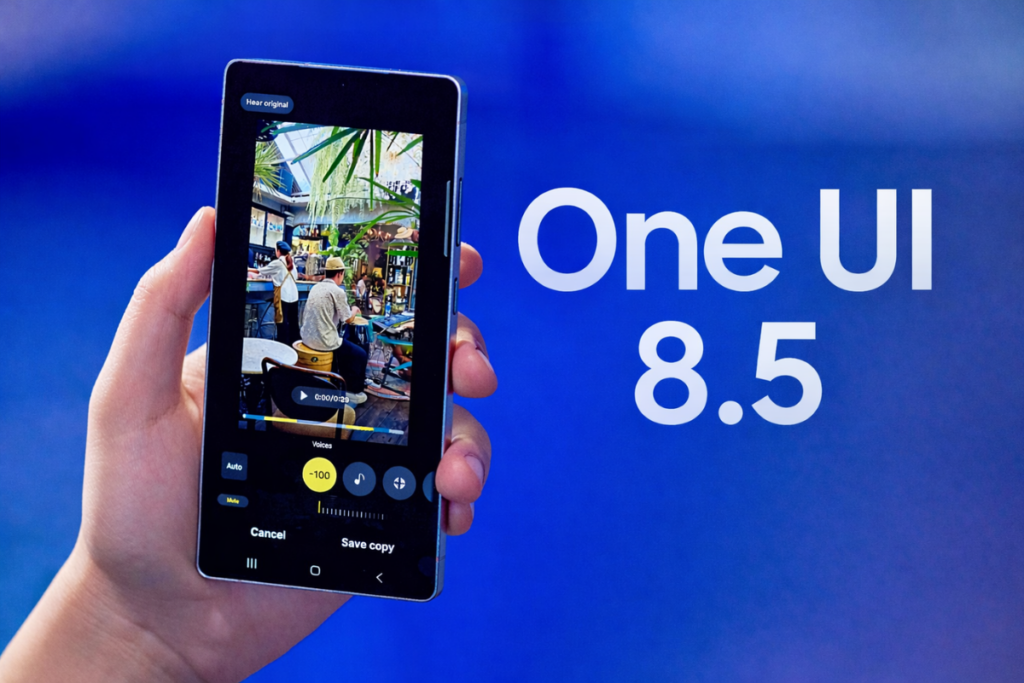
Samsung has stretched the One UI 8.5 beta program long enough to make it the longest One UI beta program in the company’s history. While that can be frustrating, it has allowed the brand to release the One UI 8.5 beta to a larger number of Galaxy devices, thus becoming the company’s biggest beta program to date.
The beta program went live in early December 2025, starting with the Galaxy S25 series, and it didn’t expand to other devices for the next three months. That long gap led to rumors that the beta program might remain exclusive to the Galaxy S25 series. But Samsung had other plans.
In mid-March 2026, the One UI 8.5 beta expanded to Galaxy Z Fold 7 and Galaxy Z Flip 7 for the first time. The beta rollout has since expanded to over a dozen Galaxy devices. What surprised us the most is the inclusion of Galaxy A-series phones, which typically don’t receive minor One UI releases. The list also includes three generations of FE phones, for the first time.
As of writing this post, the One UI 8.5 beta program is available for a total of 21 Galaxy devices. Here’s the complete list:
Galaxy S25 series, S24 series, S23 series
Galaxy S25 FE, S24 FE, S23 FE
Galaxy Z Fold 7, Fold 6, Fold 5
Galaxy Z Flip 6, Flip 6, Flip 5
Galaxy Tab S11, Tab S11 Ultra
Galaxy A55, A36, A35
That’s 21 devices in total, more than the total number of Galaxy devices that participated in previous One UI beta programs. The One UI 8.0 beta had about 18 eligible devices, while the One UI 7 beta had only 12. The One UI 6.1 and One UI 6.1.1 beta programs had fewer than 15 eligible devices each.
While it’s good to see Samsung doing the hard work to bring the One UI 8.5 beta to a larger user base, there’s still room for improvement. Samsung could’ve done a better job of expanding the beta, particularly in the first few months. And for the Galaxy S25 series, Samsung appears to be prolonging the beta program, given that recent beta builds have had no critical bugs. It has already received nine One UI 8.5 betas, which is already the biggest any Galaxy device has received so far. Still, looking at new features and upgrades in One UI 8.5, the wait is worth it.
Be sure to visit the Samsung section on this website regularly for the latest One UI updates. Alternatively, you can join our Telegram channel to get instant notifications about the latest software updates and breaking tech news.

 Login
Login