Motorola recently unveiled the Motorola Edge 70 Pro in India. The Rs 38,999-priced phone packs a massive 6.8-inch AMOLED 144Hz screen, a Dimensity 8500 chip, 50-megapixel dual rear cameras, and a 6,500mAh battery. While the Edge 60 Pro from last year featured a telephoto camera, the Edge 70 Pro arrives without one.
The brand has now launched a slew of new phones for the global market, such as the Moto G37, Moto G37 Power, Moto G47, Moto G87, Razr 70, Razr 70 Plus, and Razr 70 Ultra. Alongside these devices, the Lenovo-owned brand has also unveiled the global version of the Edge 70 Pro. Here’s a look at how it differs from the Indian edition.
Global Motorola Edge 70 Pro specifications and price
Motorola Edge 70 Pro (Global)
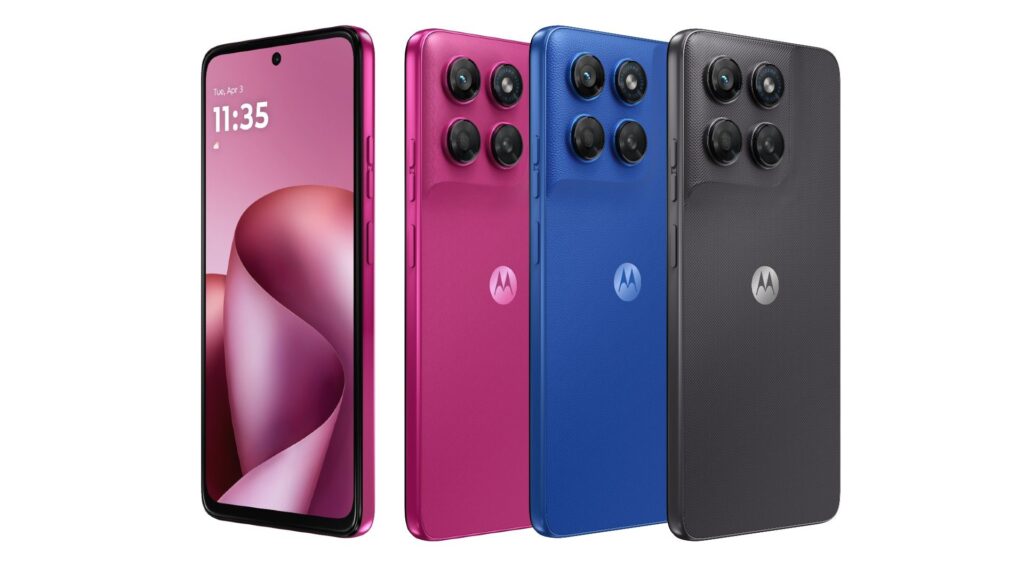
Priced at 799 euros in Europe, the global version of the Motorola Edge 70 Pro features a 6.78-inch AMOLED panel offering a 1.5K resolution and up to 5000 nits of peak brightness. Under the hood, it features the Dimensity 8500 Extreme chip, paired with 12GB of LPDDR5X RAM and 512GB of UFS 4.1 storage.
It also supports 15W wireless charging and 10W reverse wireless charging, in addition to 90W wired charging for its 6,500mAh battery. The device supports eSIM + nano SIM functionality.
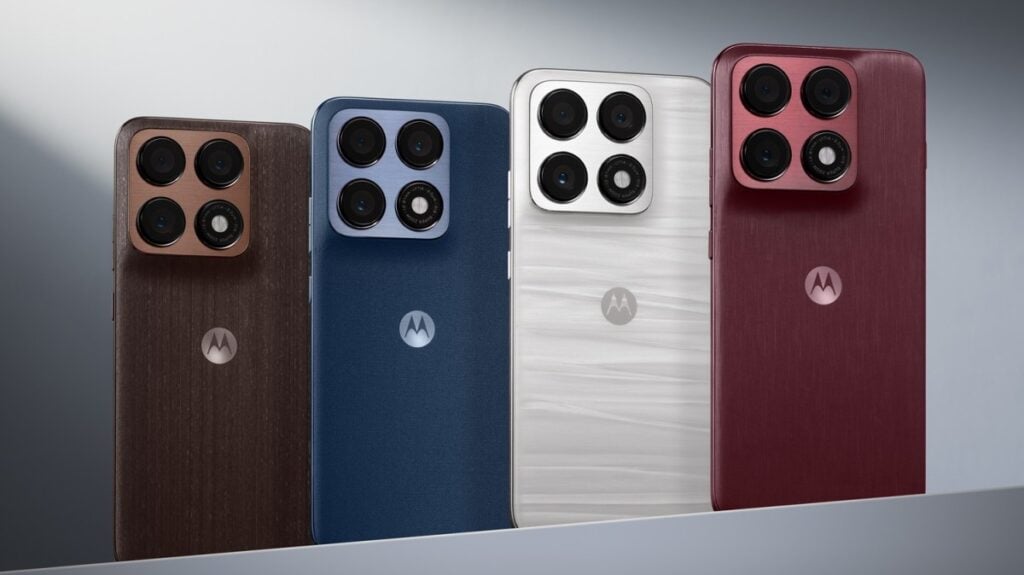
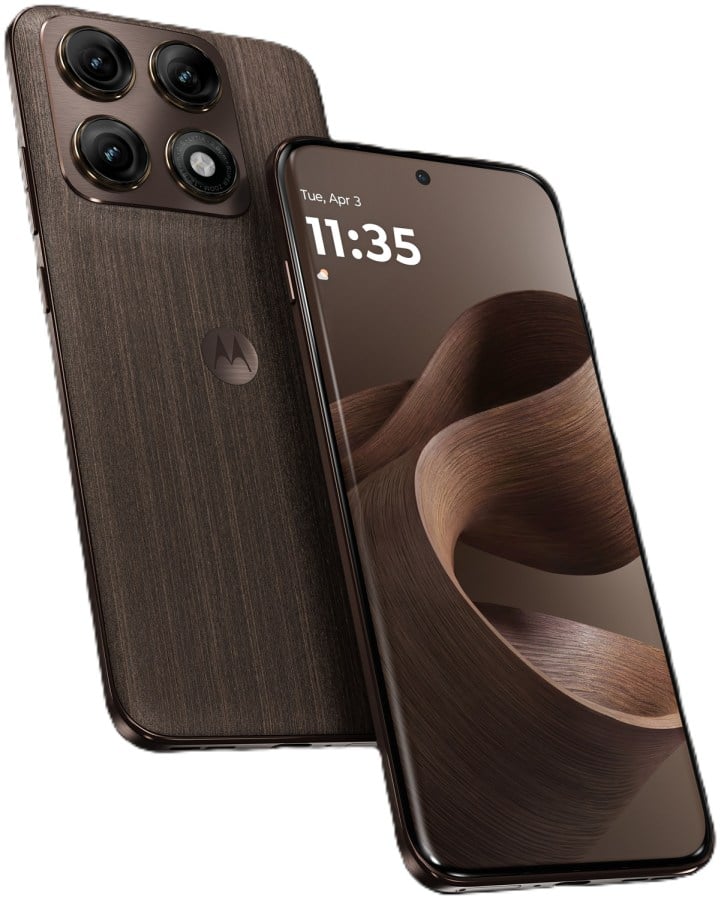
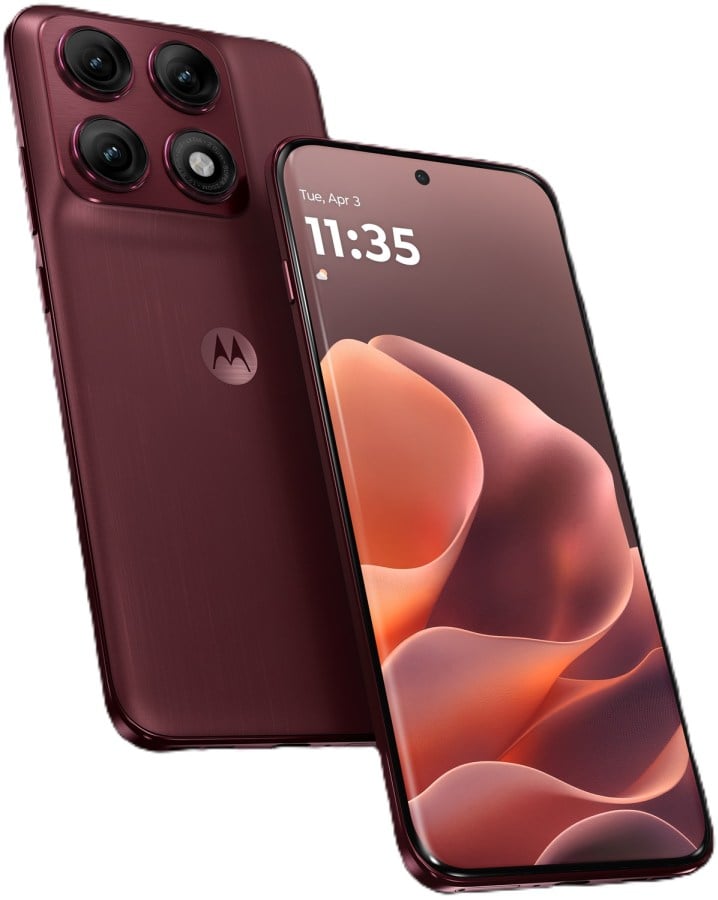
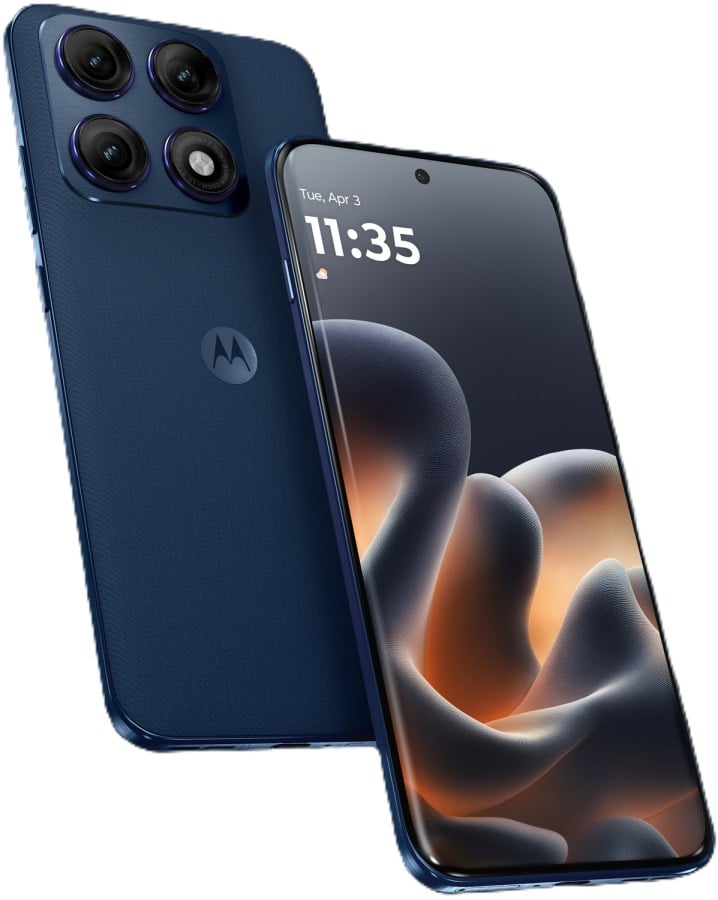
For photography, it features an additional 50-megapixel periscope telephoto camera with 3.5x optical zoom, alongside a 50-megapixel ultra-wide lens and a 50-megapixel primary camera. The global version measures 7.19mm in thickness and comes in four Pantone shades: Chicory Coffee, Zinfandel, Lily White, and Titan.
Motorola Edge 70 Pro (Global)Motorola Edge 70 Pro (Global)Motorola Edge 70 Pro (Global)Motorola Edge 70 Pro (Global)
In comparison, the Indian version of the Edge 70 Pro supports up to 5200 nits of brightness, and its display size is officially listed as 6.8 inches. It packs the same chipset and is available in 8GB and 12GB RAM variants with 256GB of internal storage. It houses the same battery but lacks wireless charging support. The Indian version also misses out on the periscope telephoto camera and eSIM support.
Motorola Edge 70 Pro Plus for the Indian market?
Recent reports have revealed that the Indian market may receive another model called the Motorola Edge 70 Pro Plus. In all likelihood, this model could be a rebranded version of the global Edge 70 Pro.
For more daily updates, please visit our News Section.
While most smartphones today can record audio and even generate AI-based transcripts, relying on a phone for long meetings or interviews is not always ideal. Notifications, incoming calls, battery drain, and limited recording flexibility can quickly become distractions. That is where the itel Zeno AI Weaver comes into play. Instead of juggling multiple apps, it combines recording, transcription, translation, and AI-generated summaries into a compact standalone gadget designed specifically for capturing conversations and turning them into organized notes.
Slim design that fits anywhere
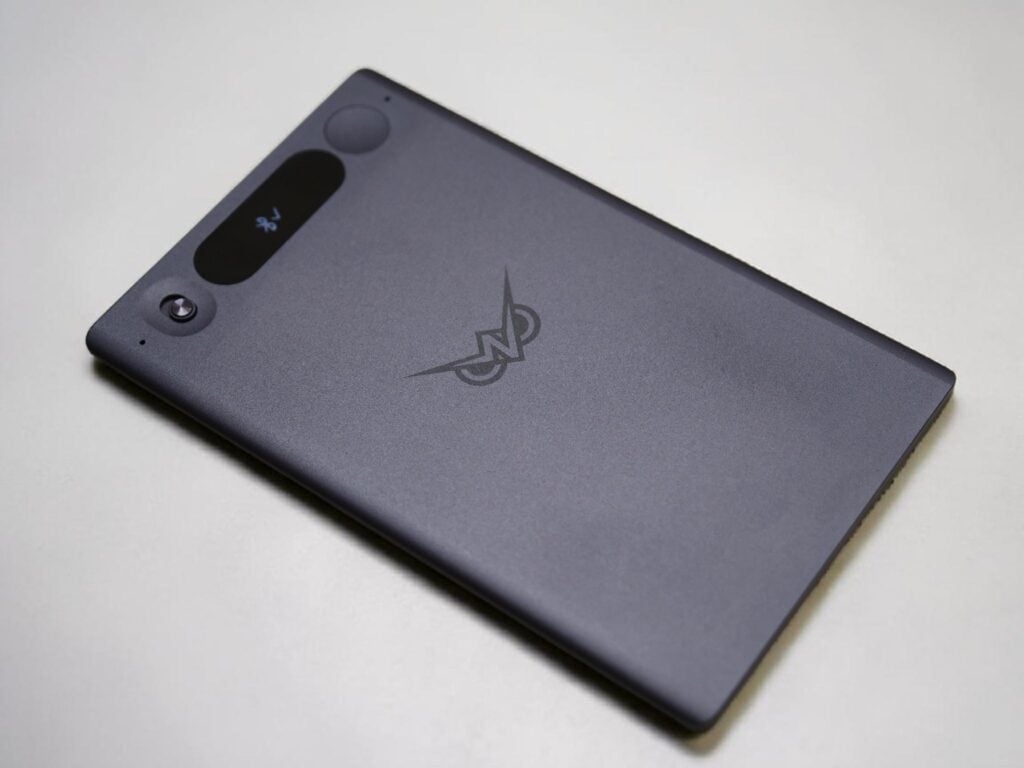
itel Zeno AI Weaver
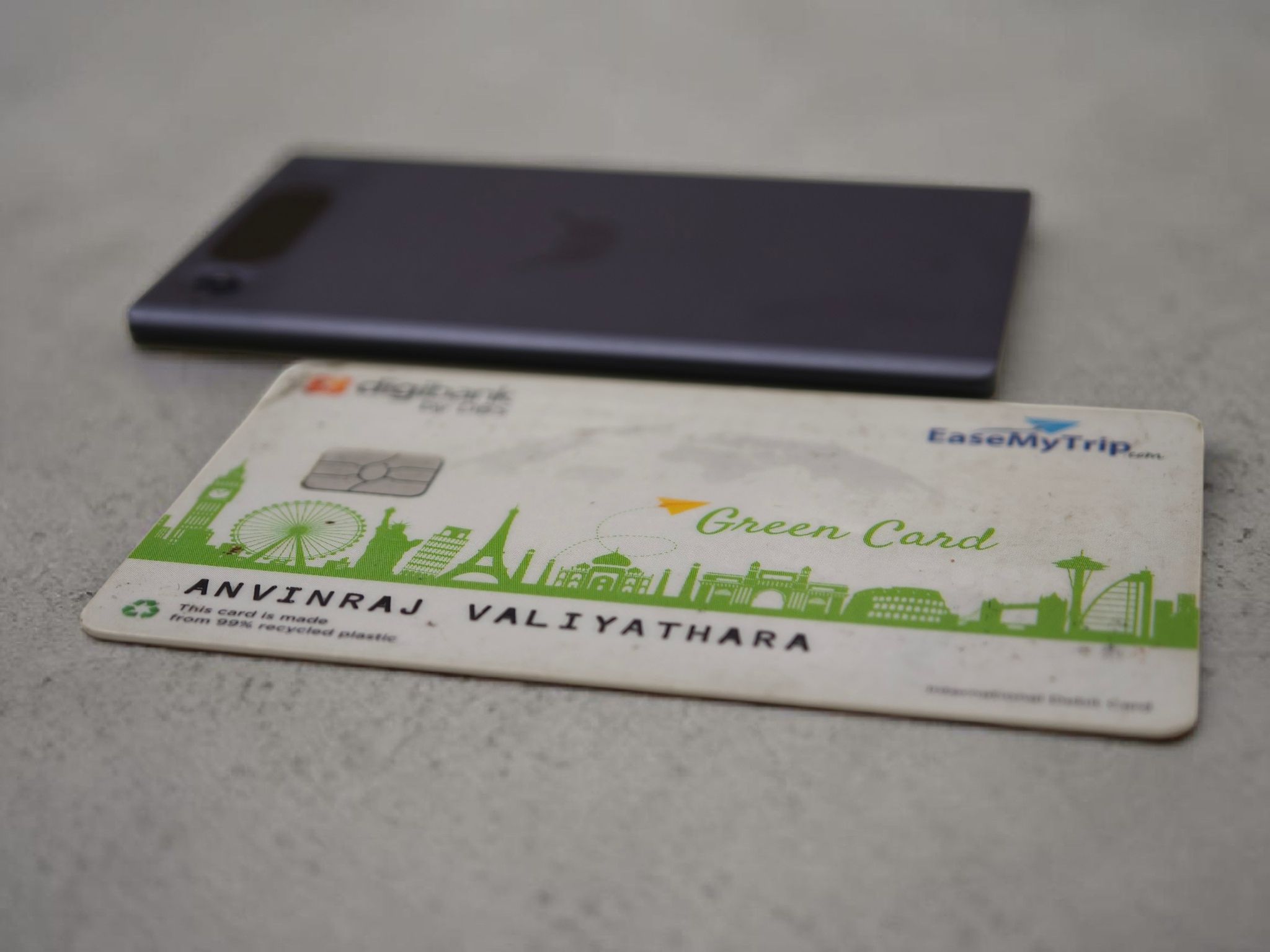
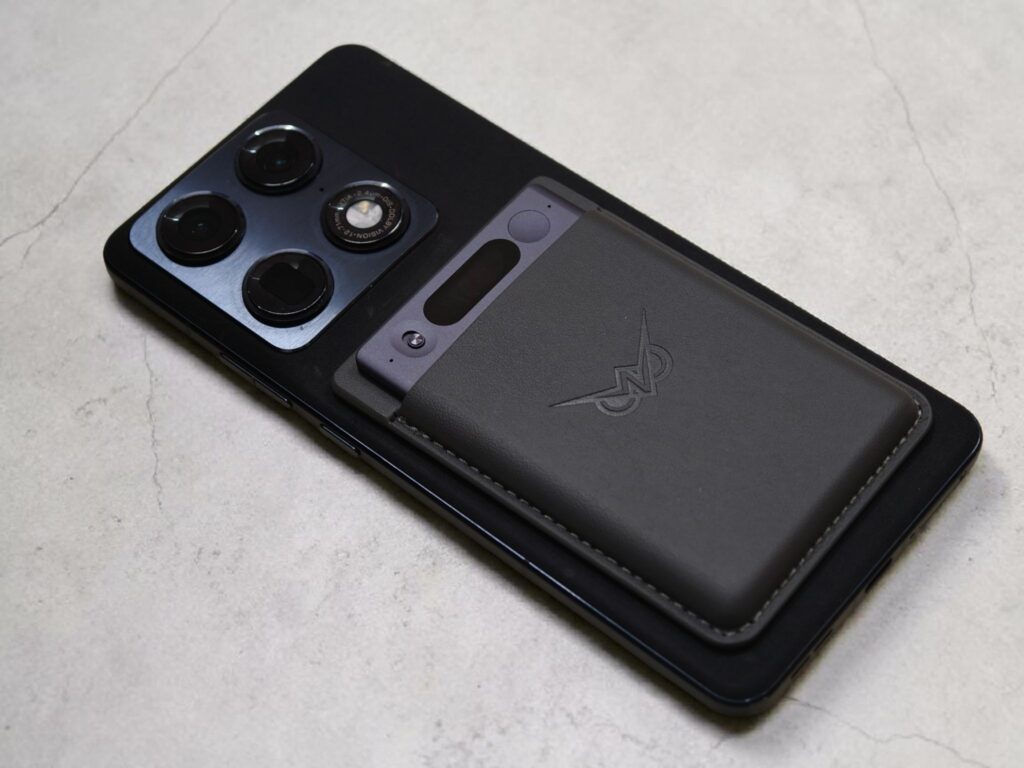
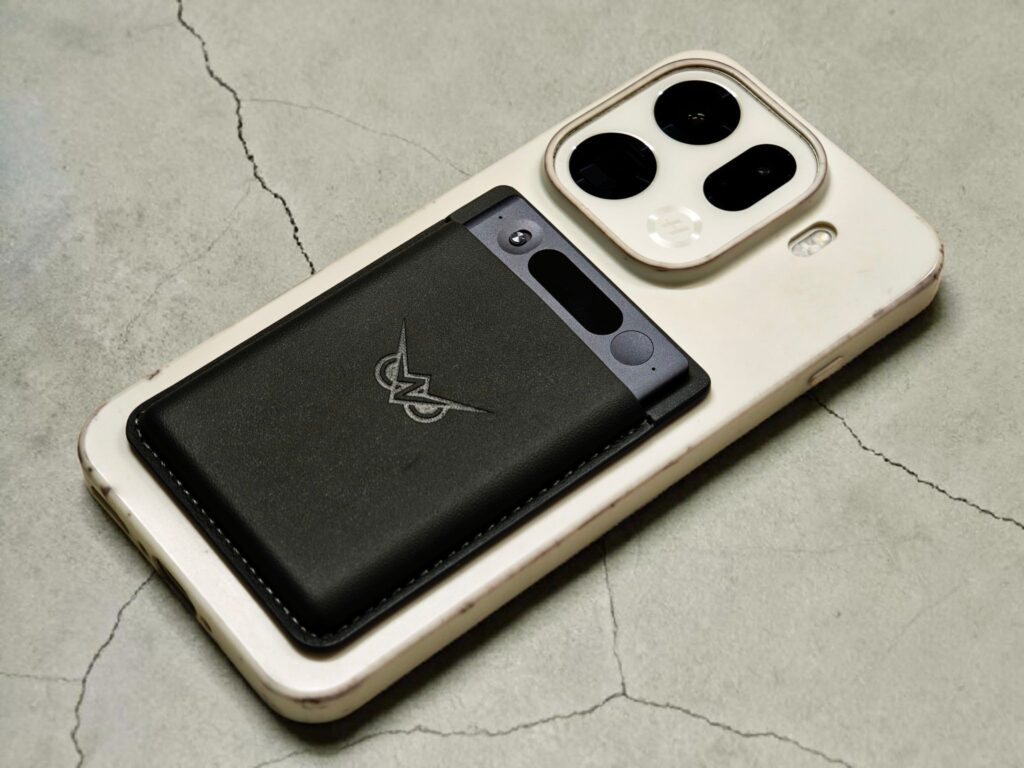
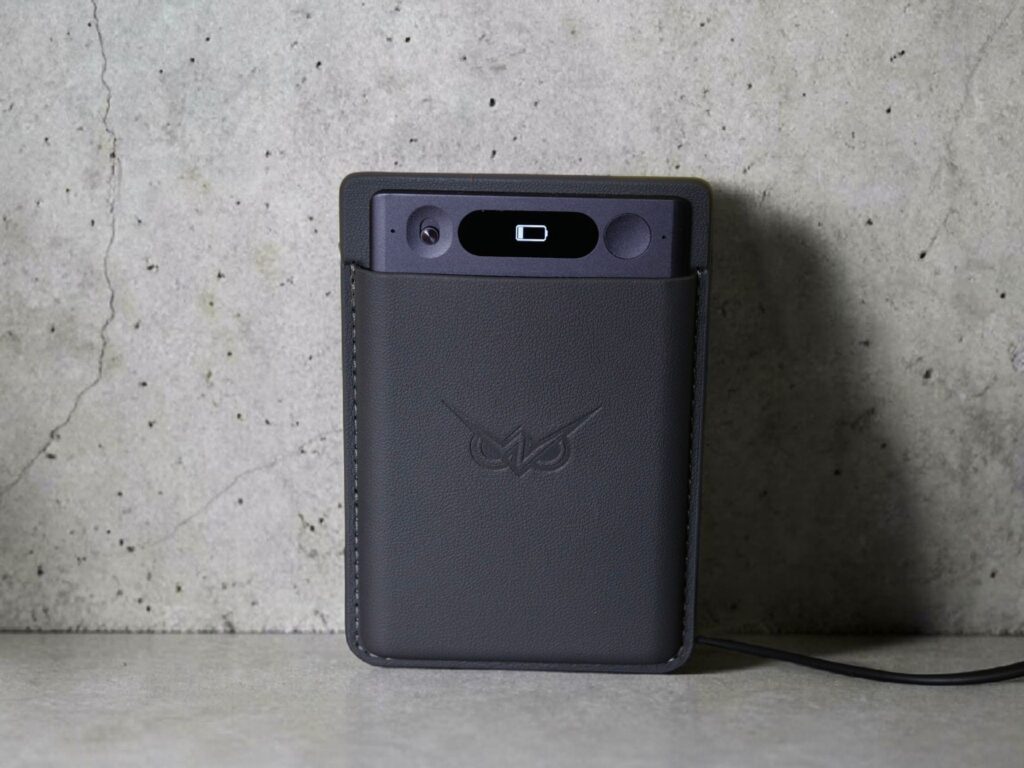
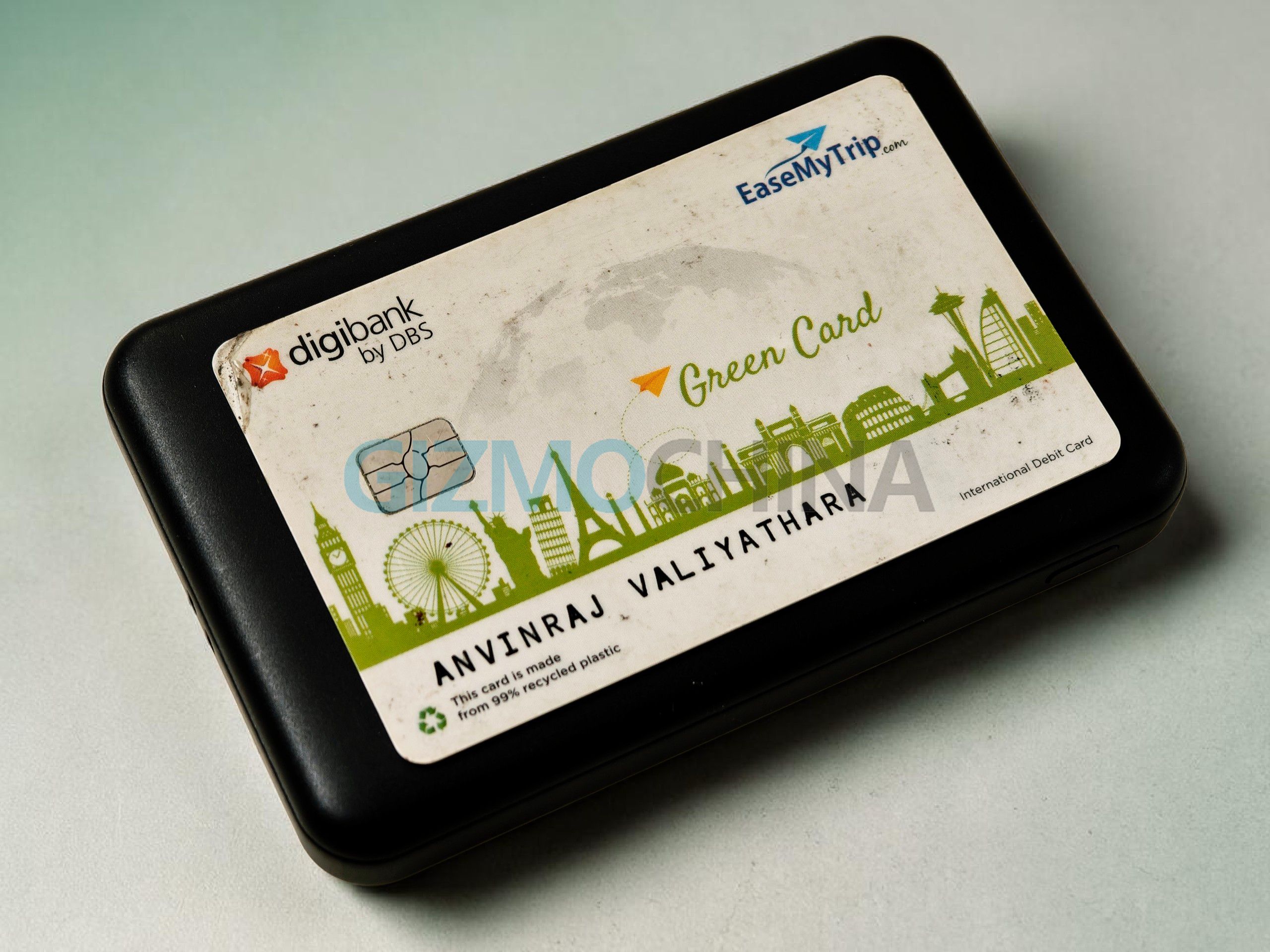
The first thing that stood out to me was the size. The recorder is the exact size of a standard debit or credit card, making it incredibly easy to carry around. It is also slim enough to slide into a pocket without adding bulk. Despite its compact form factor, the build does not come across as cheap and still feels sturdy in hand.
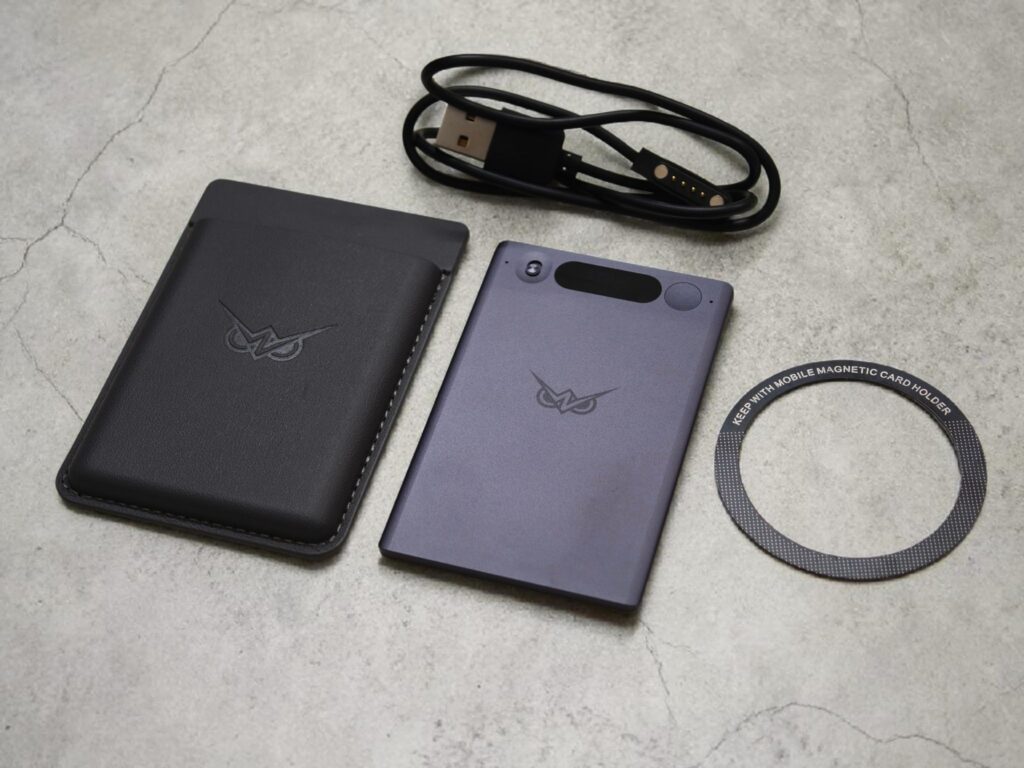
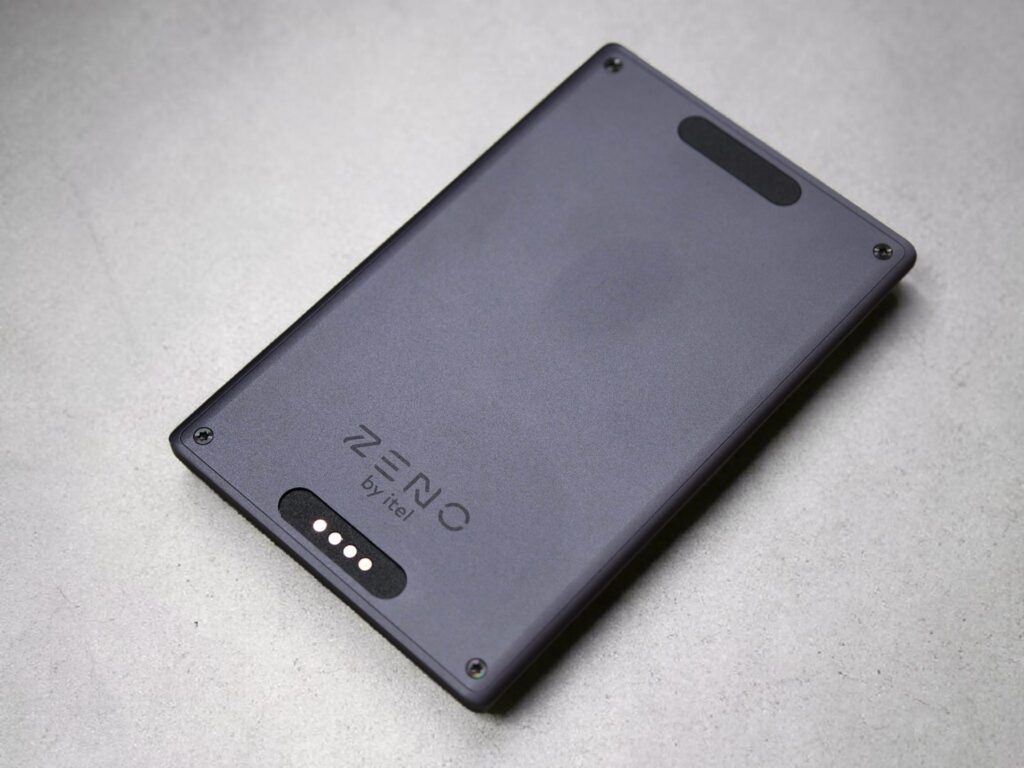
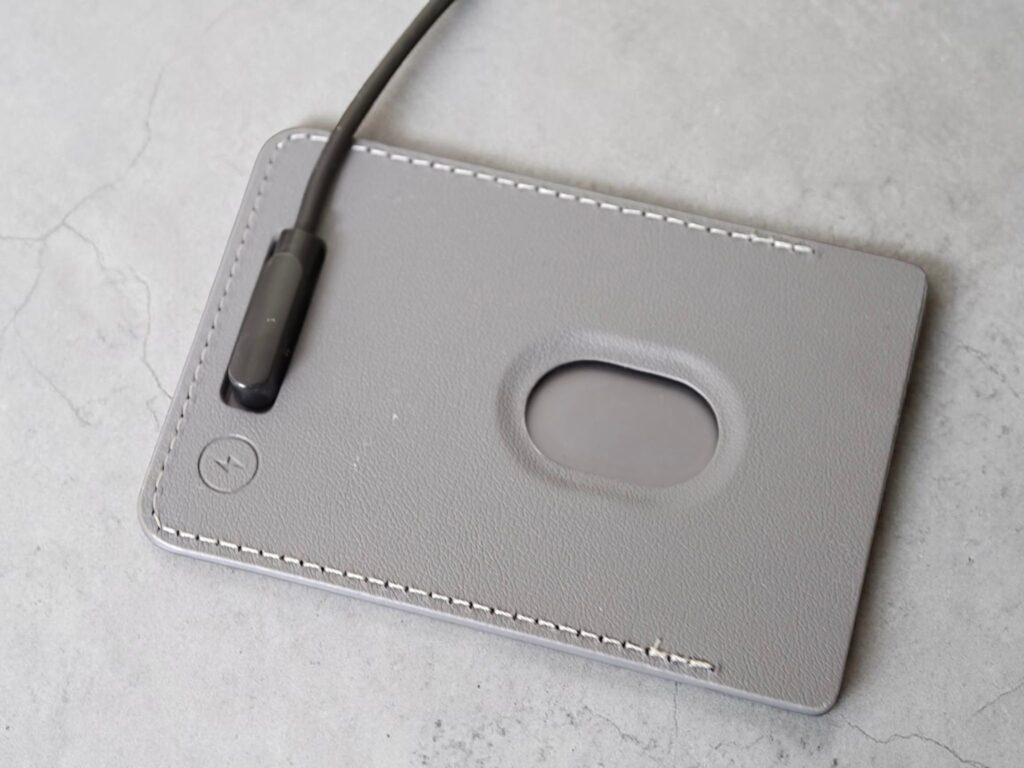
The bundled leather case adds a more premium feel while also protecting the device during daily use. It also includes a cutout at the bottom, allowing the charging connector to attach directly to the pogo pins on the recorder without removing the case.
One of the more practical additions is MagSafe compatibility. I used it attached to the back of the Motorola Signature during a couple of meetings, and it stayed securely in place. This made it easier to carry around compared to traditional bulky voice recorders.
itel Zeno AI Weaveritel Zeno AI Weaver
The front features a small display that shows the recording and battery status, with buttons positioned on either side of the device. The recessed button on the right acts as the power/function button. To power it on, you can press it once, while a long press of around seven seconds turns it off. Once the device is powered on, a long press on this button starts or stops recording, and the recorder vibrates to confirm the action. Since it is a multifunction button, you can also tap it once to check the battery and Bluetooth connection status.
Meanwhile, the switch-like button on the left is used to toggle between Call and Meeting modes. It is worth noting that switching modes while a recording is in progress automatically stops the ongoing recording. Personally, I found the Meeting mode more useful, as it recorded voices with better clarity.
Recording quality is surprisingly clear
itel Zeno AI Weaver
A voice recorder is only as good as its audio capture, and this is where the Zeno AI Weaver performed well. During testing, I used it in different environments, including a quiet room, a noisy café, and a crowded media briefing.
The multi-microphone setup with noise reduction did a good job isolating voices. Background chatter was reduced to a manageable level, making conversations easier to understand during playback. Even when multiple people spoke during meetings, voices remained reasonably clear.
The one-touch recording feature is convenient. Instead of opening an app and navigating through menus, I could simply start recording instantly. For journalists or professionals who need to capture sudden conversations quickly, this can be genuinely useful.
Battery life also turned out to be dependable. I did not need to charge it frequently during my usage period, and the claimed long standby time appears realistic for moderate users.
AI transcription makes the biggest difference
itel Zeno AI Weaver
The main reason to consider this recorder is its AI functionality. Through the companion AI Recorder app, recordings are automatically converted into text. I tested it with interviews and meeting discussions, and the transcription accuracy was fairly reliable in clear speaking conditions.
What I liked most was the flexibility of the summaries. Instead of getting only raw transcripts, the app can organize recordings into different formats such as meeting minutes, interview highlights, task lists, and structured notes.
For work-related discussions, this saved a surprising amount of time. Instead of replaying long recordings repeatedly, I could quickly scan the generated summaries and key points.
The translation support is also useful. I tested recordings containing mixed English and Hindi conversations, and the results were decent enough for reference purposes.
The app experience
itel Zeno AI Weaver
The AI Recorder app by Turing Intelligence acts as the control center for the device. Pairing was straightforward, and syncing recordings did not take long.
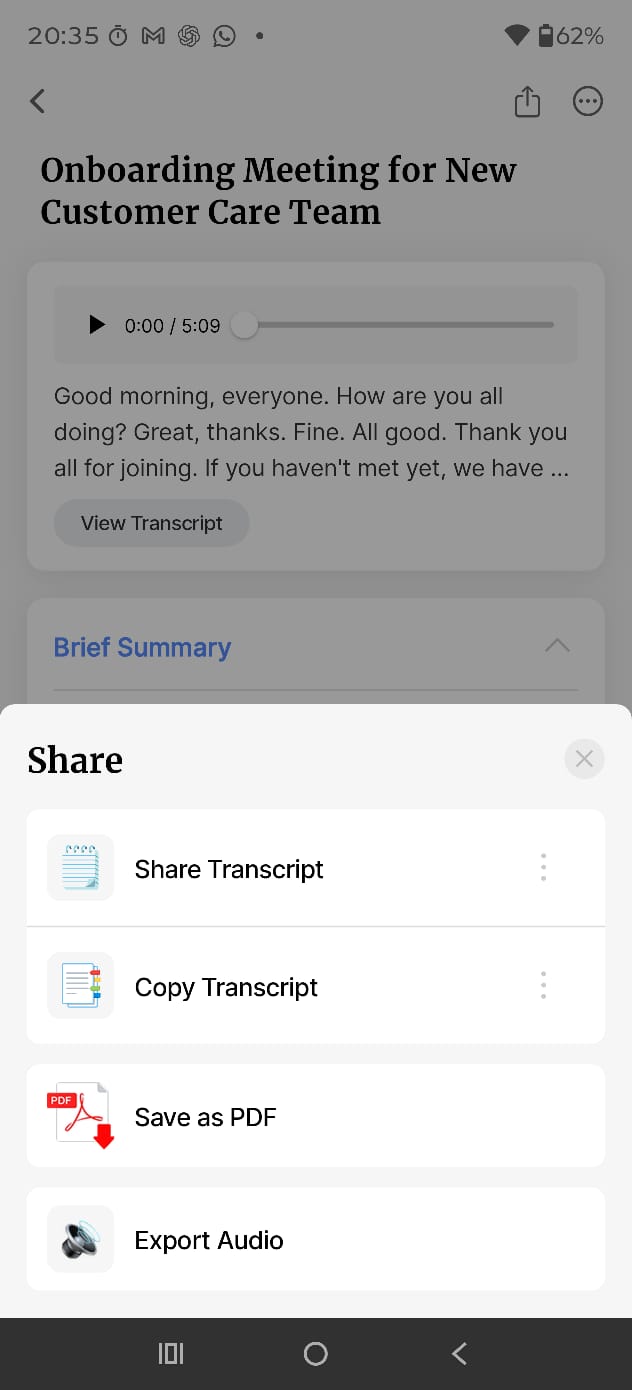
Inside the app, recordings are neatly organized with transcripts and summaries available in one place. Users can select a recording and tap on AI Templates to access options such as Brief Summary, Meeting Minutes, Bulleted Notes, Interview Notes, Follow-Up Email, Presentation, Create To-Dos, and more. Sharing files is simple, and exporting text-based summaries is useful if you need to send meeting notes quickly.
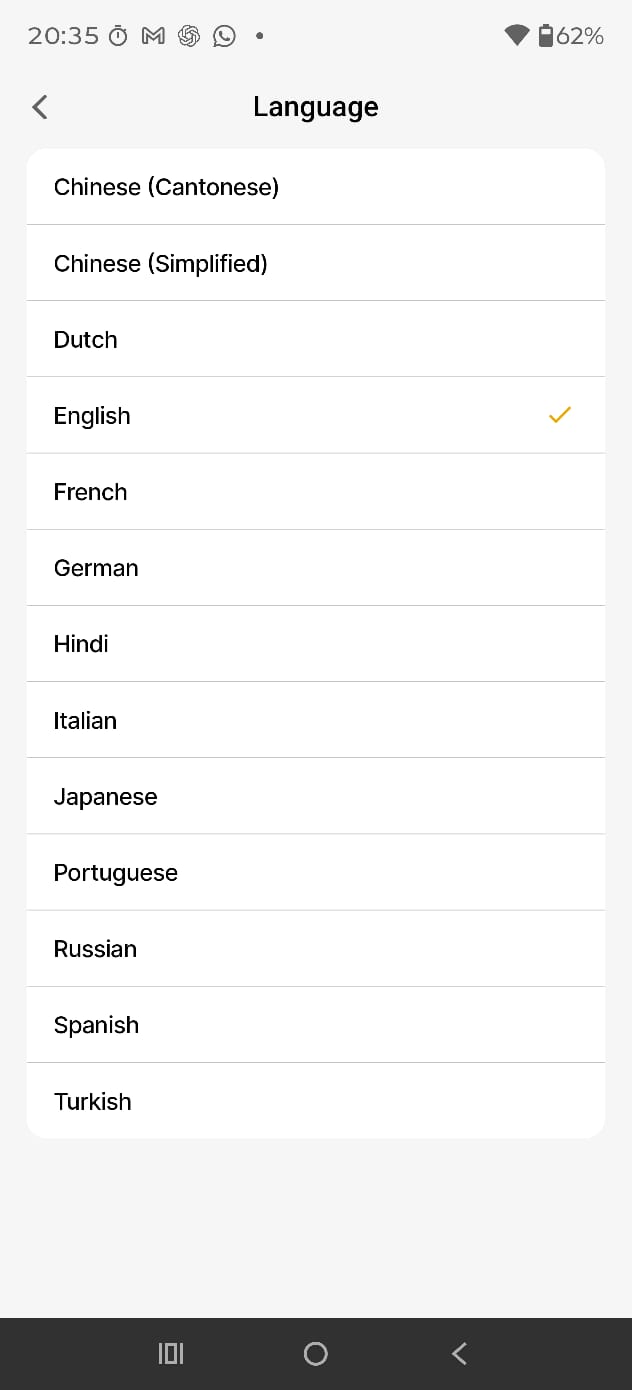
To view a translated version of a recording, users can open a recorded file, tap on View Transcript, and then select Translate from nearly 40 supported languages.
However, the biggest limitation is the subscription model. The itel Zeno AI Weaver comes with a free tier that includes up to 300 minutes of AI transcription and summaries per month, which should be enough for casual users or occasional meetings. However, users who rely heavily on transcription may need to consider the paid plans.
The Pro subscription, priced at around Rs 1,350 per month, unlocks features such as speaker identification, translation support, enhanced transcription accuracy, advanced AI summaries, and up to 1,200 transcription minutes per month. There is also an Unlimited plan priced at roughly Rs 2,050 per month that removes transcription limits altogether while adding extended cloud-based features.
As for the hardware itself, the recorder is currently available on Amazon India for around Rs 11,819. That additional subscription cost is something buyers should keep in mind before investing in the device.
Storage and usability
itel Zeno AI Weaver
The itel Zeno AI Weaver comes with 32GB of internal storage, which the company claims is enough for up to 40 hours of recordings stored directly on the device. The offline recording capability is another advantage because the recorder does not rely entirely on internet connectivity to capture audio.
I also appreciated that it works as a dedicated tool. While smartphones already offer recording and transcription features, having a separate device means fewer distractions and better focus during conversations.
Final thoughts
The itel Zeno AI Weaver feels less like a traditional recorder and more like a compact productivity assistant. Its biggest strengths are portability, clean audio capture, and AI-powered transcription tools that genuinely reduce manual work.
I would have appreciated a simpler and more direct name, such as “itel Zeno AI Recorder,” as it would immediately communicate what the product actually does. The term “Weaver” feels more abstract and may not instantly connect with users looking for an AI-powered voice recorder.
It is not a cheap purchase, especially once subscription costs are considered, but for journalists, students, researchers, and professionals who regularly deal with long conversations or meetings, it can become a useful everyday companion.
If your workflow involves constant note-taking, interviews, or discussions that need documentation, the Zeno AI Weaver offers a more efficient way to manage them without constantly staring at a notebook or phone screen.
For more daily updates, please visit our News Section.
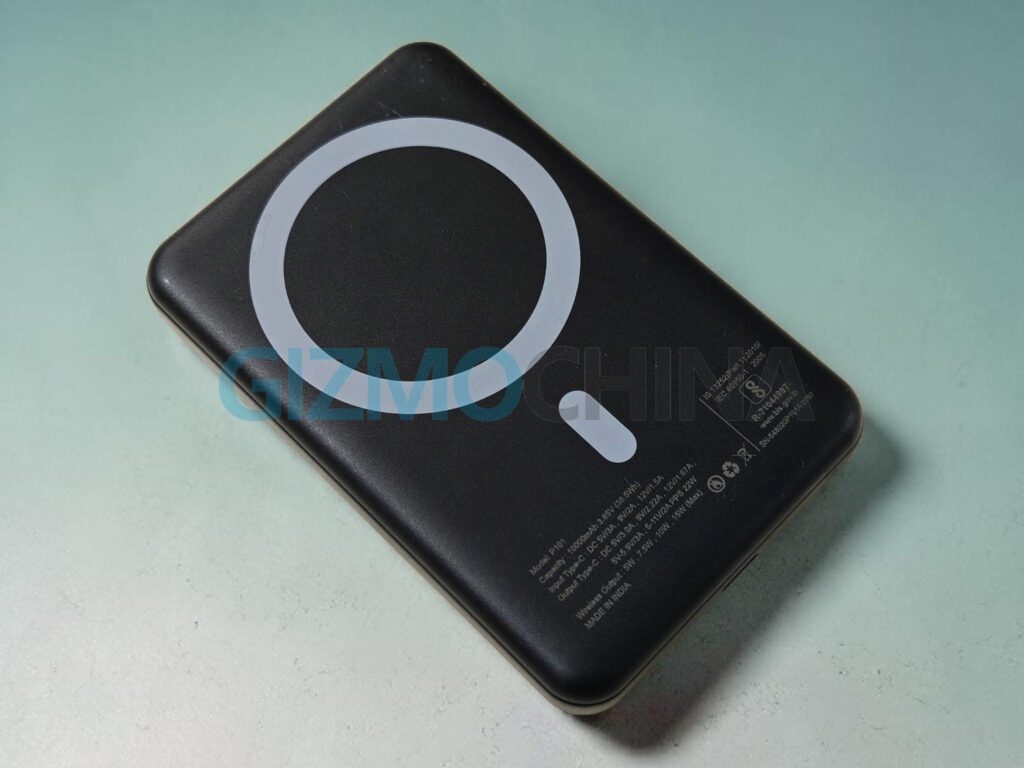
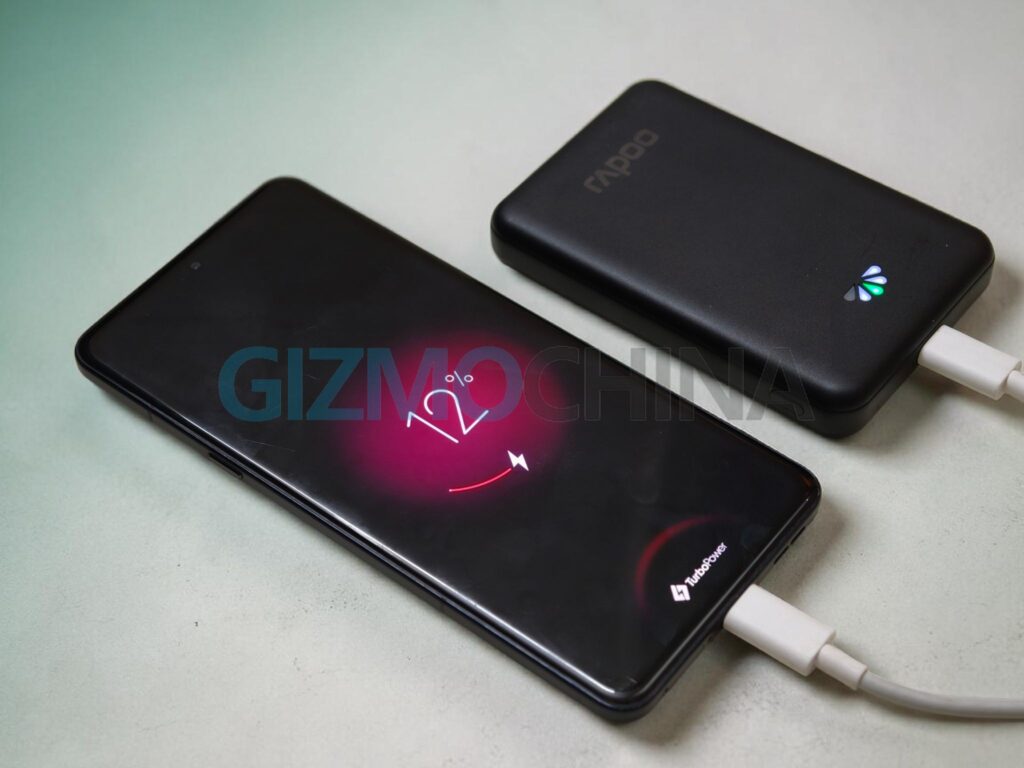
The new Rapoo P101 aims to deliver a premium-style magnetic charging experience without carrying a premium price tag. Priced at Rs 1,299 during the ongoing sale, this 10,000mAh power bank offers Qi2 wireless charging, strong magnetic alignment, and 22W wired fast charging in a compact form factor. I spent some time using it with both the iPhone 17 and the Motorola Signature, and here’s what I found.
Compact design with strong magnetic hold
Rapoo P101 Qi2 magnetic power bank
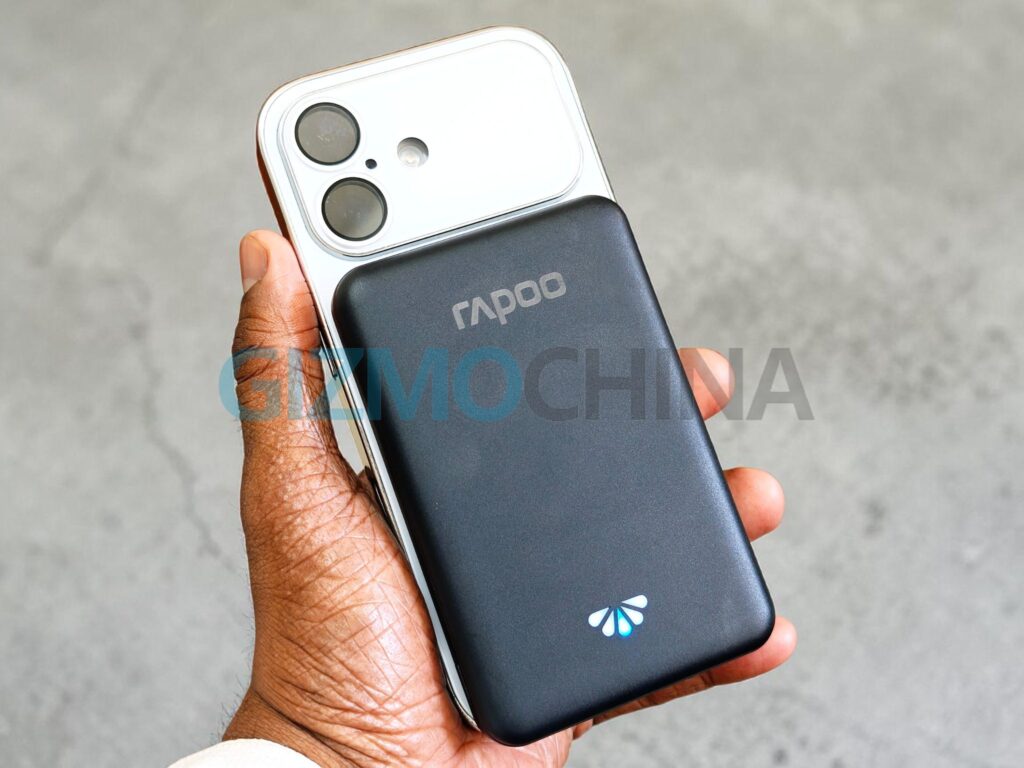
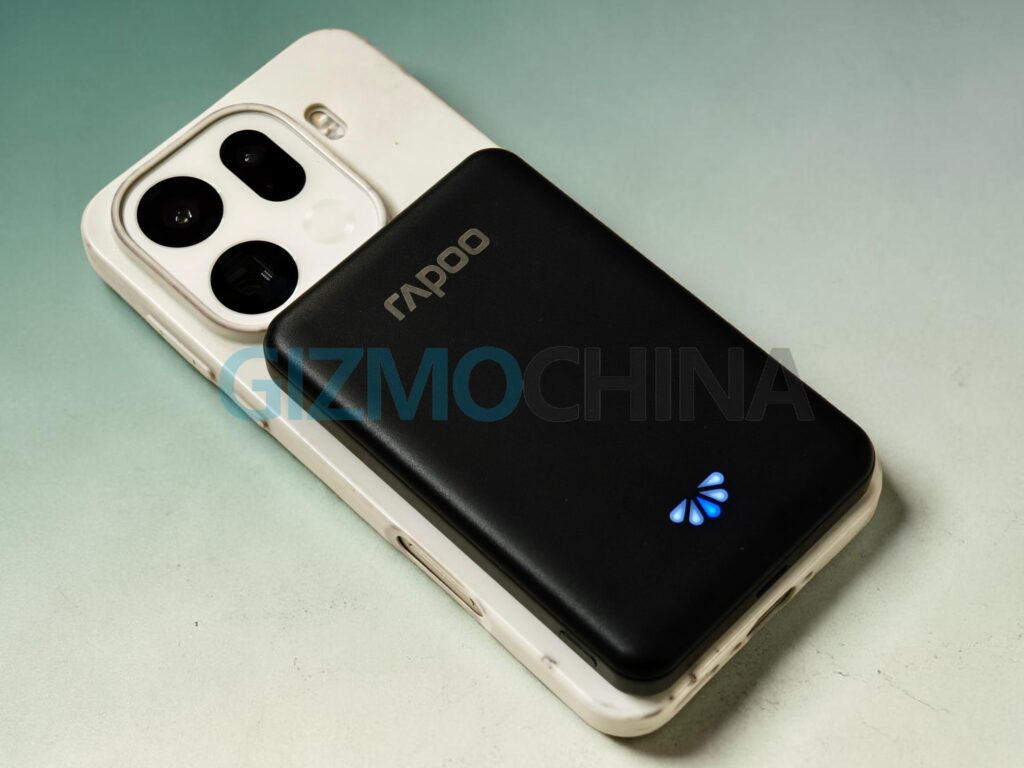
One of the first things I noticed about the P101 was its magnetic grip. Once attached to the phone, it stays in place properly without shifting around too much. That matters because weak magnetic alignment can easily interrupt wireless charging during daily use.
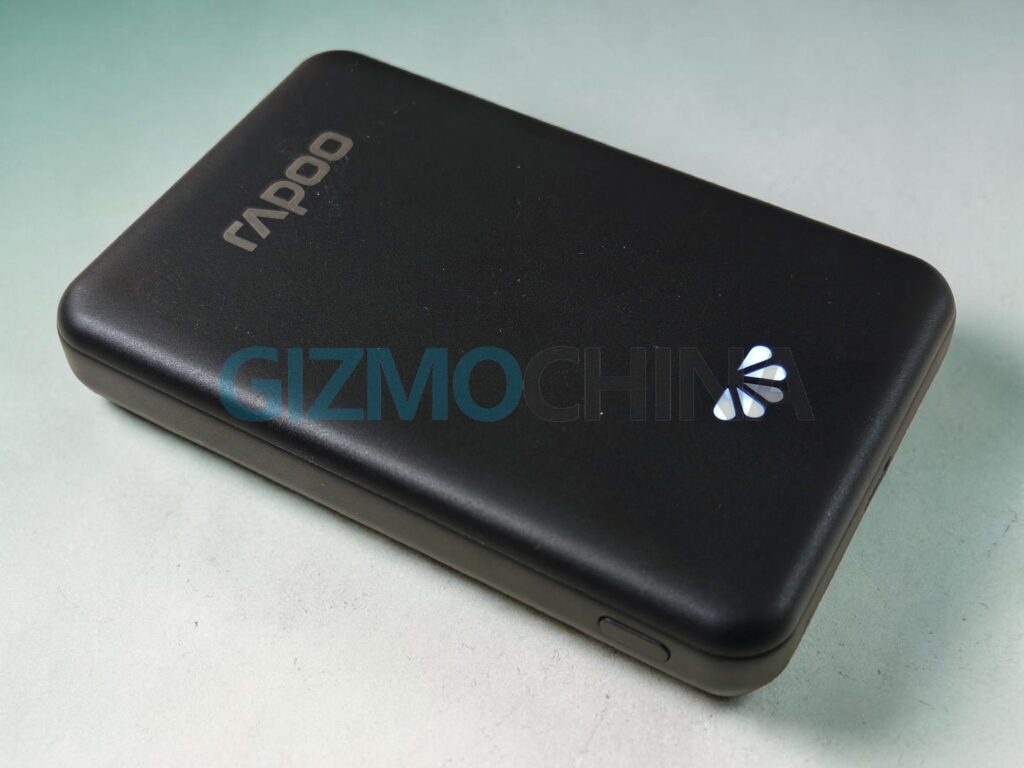
The power bank itself is fairly compact considering it packs a 10,000mAh battery. At around 189g, it does add noticeable weight to the phone, but it still feels manageable for travel or daily commuting. The rounded edges also make it easier to hold while attached to the device.
Rapoo P101 Qi2 magnetic power bank
Rapoo says it supports MagSafe and Pixelsnap compatibility, which should help it work well with a wide range of compatible devices.
Wireless charging performance
Rapoo P101 Qi2 magnetic power bank
The P101 supports up to 15W Qi2 wireless charging. During my testing with the iPhone 17, the charging speed felt fairly consistent.
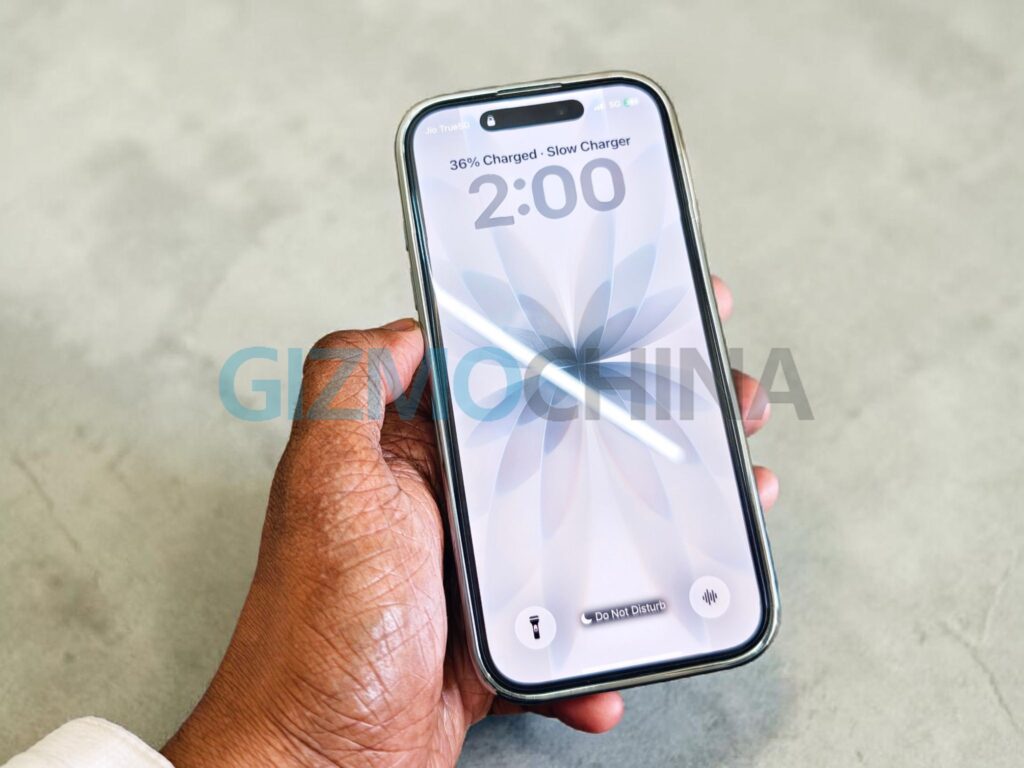
I started charging the phone at 20 percent battery, and after 15 minutes, it reached 36 percent. That works out to roughly 1 percent per minute during the test. Considering the iPhone 17 reportedly features a 3,692mAh battery, the wireless charging performance felt decent for a compact magnetic power bank.
Rapoo P101 Qi2 magnetic power bank
The charging experience was also stable. I did not notice random disconnects or interruptions while using it magnetically attached to the phone. However, as can be seen above, the iPhone 17 displayed “slow charger”, which is fairly common with wireless charging accessories and does not necessarily reflect inconsistent performance in day-to-day use.
Wired charging is noticeably faster
Rapoo P101 Qi2 magnetic power bank
Where the P101 becomes more impressive is wired charging. The USB-C port supports up to 22W output with PD and PPS support.
Using wired charging on the iPhone 17, the battery went from 36 percent to 70 percent in 20 minutes, which felt significantly quicker than the wireless mode.
I also tested it with the Motorola Signature, which packs a 5,200mAh battery. Wireless charging performance there was slower, moving from 6 percent to 11 percent in around 20 minutes. However, once again, wired charging delivered much better results, taking the phone from 51 percent to 75 percent in the same 20-minute period.
Rapoo P101 Qi2 magnetic power bank
So while the wireless charging is convenient for casual top-ups, the wired mode is clearly the better option when you need faster charging in a short amount of time.
Useful features for daily use
Rapoo P101 Qi2 magnetic power bank
The P101 also includes useful additions like multiple charging protocol support including PD3.0, PPS, QC3.0, and Apple charging standards.
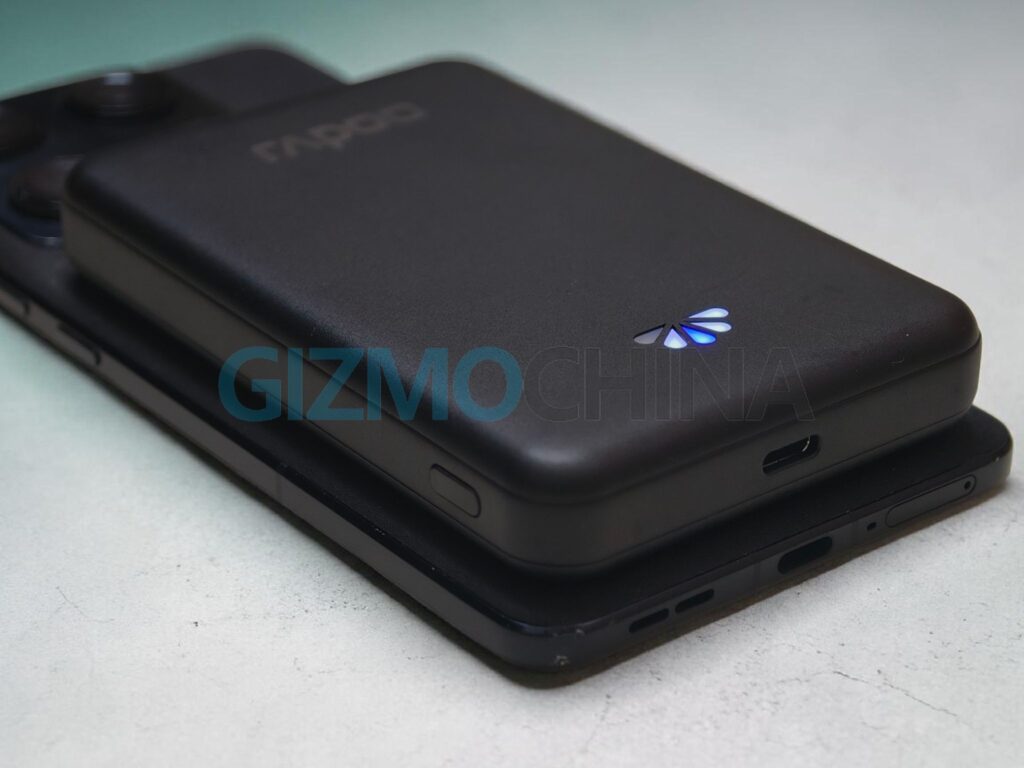
The P101 has LED indicators that make it easy to understand its charging status at a glance. During use, I noticed that the indicator glows green while charging devices through the wired connection, while a blue light appears during wireless charging
Rapoo has included several safety protections, too, including temperature control and short-circuit protection, which is reassuring for long-term use. The power bank can be charged via an 18W charger, and it takes nearly 3 hours to achieve a full charge.
Final thoughts
Rapoo P101 Qi2 magnetic power bank
For Rs 1,299, the Rapoo P101 feels like a solid value-focused magnetic power bank. The Qi2 support, reliable magnetic hold, and especially the fast wired charging performance make it practical for everyday use.
Wireless charging speeds are decent rather than exceptional, particularly on larger battery phones, but the convenience factor is strong. If you want a compact magnetic power bank that also doubles as a fast wired charger when needed, the P101 does a good job balancing both.
For more daily updates, please visit our News Section.
CMF has finally confirmed the India launch of the CMF Watch 3 Pro after teasing its arrival earlier this year. The smartwatch was originally introduced globally in July 2025, and the latest announcement suggests that its India debut is now close. The upcoming wearable is expected to strengthen CMF’s presence in the affordable smartwatch segment in the country.
CMF Watch 3 Pro specifications, expected price
CMF Watch 3 Pro
The CMF Watch 3 Pro features a 1.43-inch circular AMOLED display with a 466 x 466 resolution, 60Hz refresh rate, and brightness of up to 670 nits with automatic adjustment support. The smartwatch comes with an aluminium alloy middle frame and a liquid silicone strap. It also carries an IP68 rating for dust and water resistance.
For health tracking, the smartwatch includes a four-channel optical heart rate sensor that is said to improve accuracy by over 10 percent compared to the previous generation. It also supports continuous SpO2 monitoring, stress tracking, advanced sleep analysis with sleep zone insights, and women’s health tracking. The device supports more than 130 sports modes and includes automatic workout detection for selected activities.
CMF has also added AI-based fitness features such as a running coach, personalised recovery guidance, and workout summaries. Other features include gesture controls, voice note transcription, real-time news updates, and integration with OpenAI’s ChatGPT. Users can also access more than 120 watch faces through the Nothing X app on Android and iOS devices.
The CMF Watch 3 Pro packs a 350mAh battery. According to the company, the smartwatch can last up to 13 days under typical usage conditions. With heavier usage, the battery life is said to last around 10 to 11 days, while enabling the always-on display feature may reduce usage time to around 3.5 to 4.5 days.
The smartwatch is expected to launch in India sometime in May and will likely be available through Flipkart and offline retail stores. Pricing details have not been confirmed yet, but reports suggest it could arrive in the sub-Rs 7,000 (~$75) segment.
For more daily updates, please visit our News Section.
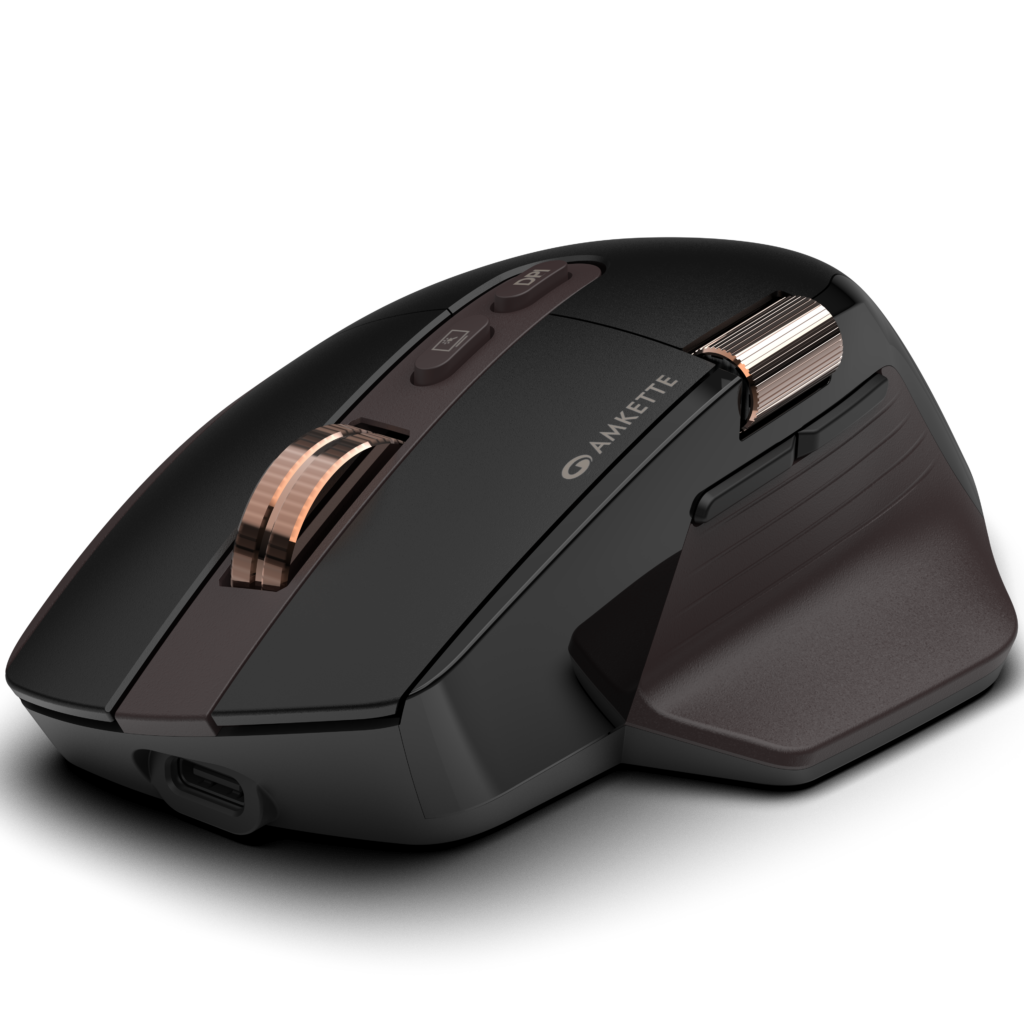
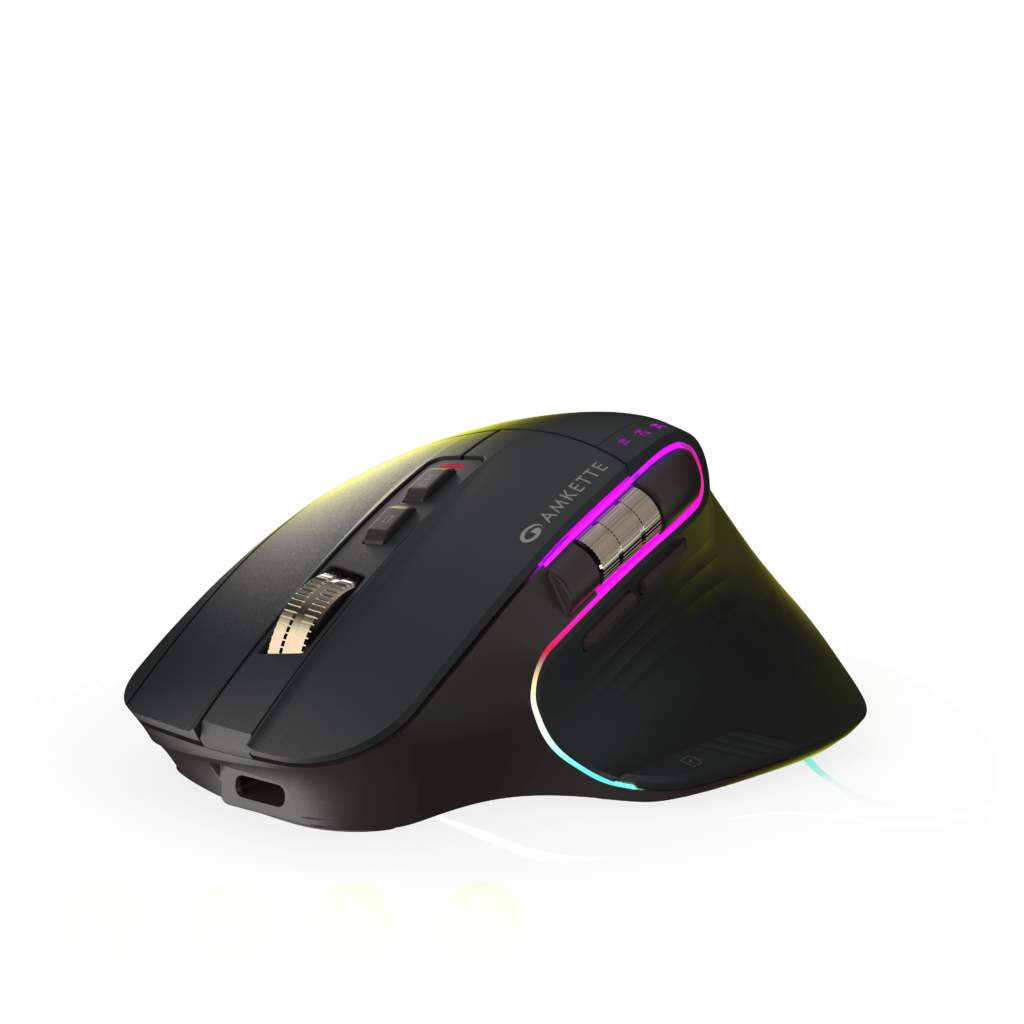
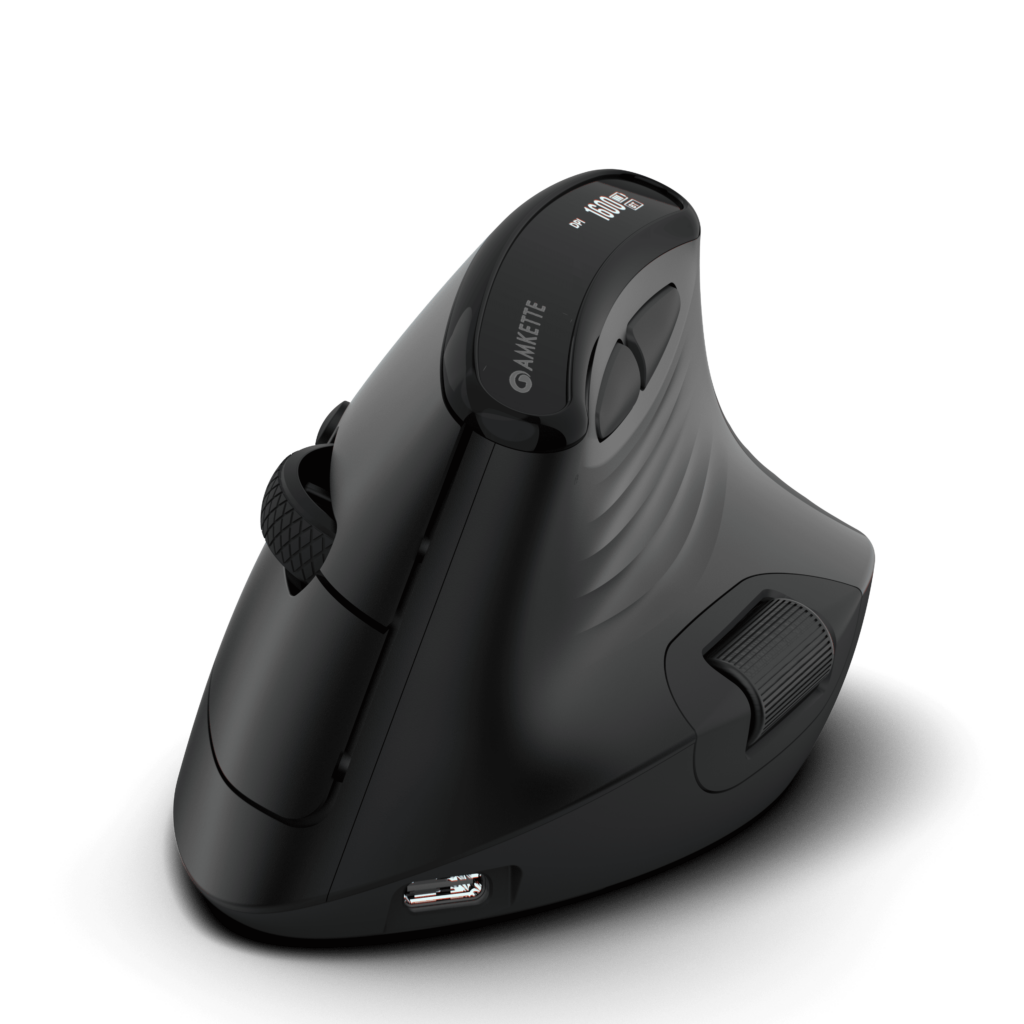
Amkette has expanded its productivity-focused XS Series lineup with the launch of the XS Flow Plus, XS Natural Plus, and XS Flow 2 Speed wireless mice. The new range targets users managing hybrid work setups and multiple devices, while bringing features usually seen in premium peripherals to a more affordable price segment. Continue reading ahead to know more about the new XS series offerings.
Amkette XS Series specifications and features
Amkette XS Flow 2 Speed
The Amkette XS Flow 2 Speed stands out with its metallic hyper-fast vertical scroll wheel designed for navigating large spreadsheets, lengthy documents, and content-heavy webpages. According to the company, the scroll wheel can move through up to 20,000 rows with a single flick.
The mouse supports tri-mode connectivity that includes 2.4GHz wireless, wired USB Type-C mode, and three Bluetooth channels for connecting with multiple devices. It also offers adjustable DPI up to 8000, horizontal scrolling, silent buttons, and a web-based control center for macros and button customization across Windows and macOS systems.
Amkette XS Flow Plus
The Amkette XS Flow Plus and Amkette XS Natural Plus focus on productivity and comfort with support for up to 6400 DPI and a 1000Hz polling rate. Both models support vertical and horizontal scrolling along with multi-device connectivity for up to four devices simultaneously.
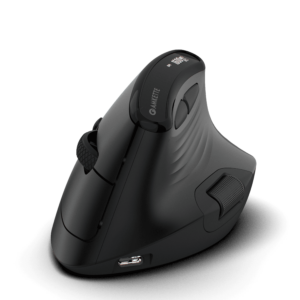
The XS Flow Plus includes dual metallic scroll wheels, RGB lighting modes, and an 800mAh rechargeable battery with Type-C fast charging. Meanwhile, the XS Natural Plus features a vertical ergonomic design and an OLED display that shows battery level, DPI, and connectivity mode information.
AmketteXS Series price and availability
Amkette XS Natural Plus
The Amkette XS Flow Plus is priced under Rs 2,299 (~$24), while the XS Natural Plus is available under Rs 2,199 (~$23). The XS Flow 2 Speed is priced at Rs 3,299 (~$35). The new wireless mice will be available through leading e-commerce platforms and retail stores across India.
For more daily updates, please visit our News Section.
Apart from unveiling the Motorola Razr 70 lineup, Motorola has also announced a few new G-series smartphones, including the Moto G37, Moto G47, and Moto G87. Among them, the Moto G47 arrives as a refreshed successor with noticeable upgrades across the display, design, battery, and camera departments. The device also introduces improved durability features and a newer chipset aimed at delivering better overall experience.
Moto G47 specifications and features
Moto G47
The Moto G47 features a 6.67-inch Full HD+ LCD display with a 120Hz refresh rate and protection from Corning Gorilla Glass 7i. Compared to its predecessor’s HD+ panel, the new display offers a sharper viewing experience.
The phone is powered by the MediaTek Dimensity 6300 chipset paired with 8GB RAM and up to 256GB of UFS 2.2 storage. Users can further expand storage by up to 1TB through a microSD card slot.
For photography, the Moto G47 includes a 108-megapixel primary rear camera with support for 3x lossless zoom, alongside a 2-megapixel macro sensor. On the front, the device comes with an 8-megapixel selfie camera placed inside the punch-hole display cutout.
Moto G47
The smartphone packs a 5,200mAh battery with support for 20W wired charging and 6W reverse wired charging. Motorola has also included stereo speakers with Dolby Atmos support, a 3.5mm headphone jack with Hi-Res Audio support, NFC, eSIM compatibility, and a side-mounted fingerprint scanner. The phone runs on Android 16-based Hello UX and carries an IP64 rating along with MIL-STD-810H certification for added protection.
Moto G47 price and availability
The Moto G47 comes in Pantone Nautical Blue, Pantone Fuchsia Red, and Pantone Impenetrable color options. Motorola says the smartphone will roll out across Europe, Asia Pacific, META regions, and select global markets in the coming weeks. The European pricing starts at €319 (~$370).
For more daily updates, please visit our News Section.
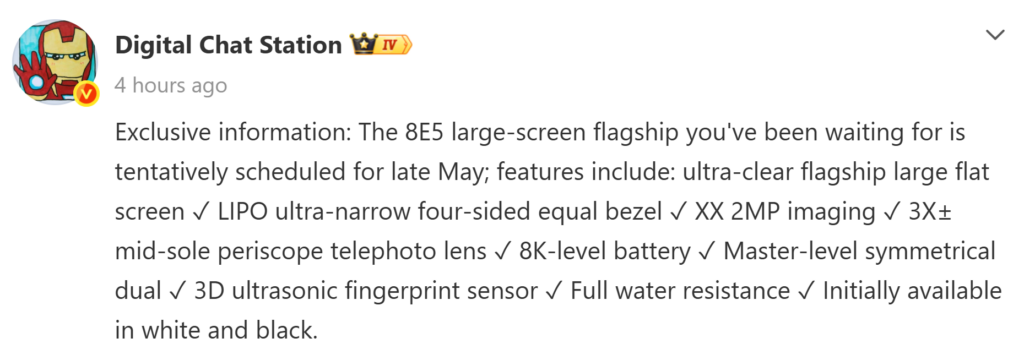
The upcoming Xiaomi 17 Max has been in rumors for quite some time, but the brand hasn’t officially confirmed it yet. Early rumors suggested that it would break cover in April, but recent reports have claimed that its arrival has been pushed to May. Now, a new leak from tipster Digital Chat Station offers a more precise timeframe for its launch. The same Weibo post also highlights some of the key specifications of the device.
Xiaomi 17 Max launch timeline (rumored)
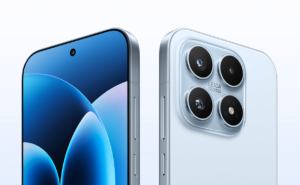
Xiaomi 17 Max launch timeframe, key specs tipped by DCS
According to the leak, the Xiaomi 17 Max is currently expected to launch in China in the second half of May. This suggests that the brand may start teasing its arrival in the first week of May. At present, there is no clarity whether it will be released in markets outside of China.
Xiaomi 17 Max key specifications (rumored)
The Xiaomi 17 Max is said to feature a large 6.9-inch flat OLED display that supports a 1.5K resolution. It may also adopt LIPO packaging technology for ultra-slim and symmetrical bezels on all four sides, giving the phone a near bezel-less appearance.
Xiaomi’s Pro models, such as the 17 Pro and 17 Pro Max have a secondary screen on the back. Being a non-Pro model, the 17 Max will not have a rear display and instead use the extra internal space for a significantly larger battery.
The phone is tipped to include to pack an 8,000mAh battery, which could make it the biggest battery ever seen on a Xiaomi-branded smartphone. Reports also suggest that the device could support 100W wired charging and 50W wireless charging.
The Xiaomi 17 Max is expected to feature Qualcomm’s Snapdragon 8 Elite Gen 5 chipset. For photography, the handset may include a 200-megapixel Samsung HPE primary camera. It is also expected to feature a 50-megapixel periscope telephoto camera with 3x optical zoom support and a 50-megapixel ultra-wide snapper.
In addition, the phone is tipped to feature an ultrasonic fingerprint scanner, advanced water and dust resistance, and symmetrical dual speakers. The device could arrive in black and white color options initially.
For more daily updates, please visit our News Section.
The first half of the year has already seen foldable phones from Honor and Oppo. The Honor Magic V6 and Oppo Find N6 are both powered by the Snapdragon 8 Elite Gen 5. Now, Vivo is expected to unveil the Vivo X Fold 6 foldable phone around June this year in China. Since the Vivo X Fold 5 featured the Snapdragon 8 Gen 3, there has been speculation that the new model would feature the Snapdragon 8 Gen 5 chipset.
A new leak that surfaced today appears to dismiss those expectations, as it points to a Dimensity chipset instead. The leak also reveals key details about the X Fold 6’s displays, cameras, and battery. Here’s a look at what to expect from Vivo’s next foldable.
Vivo X Fold 6 specifications leaked
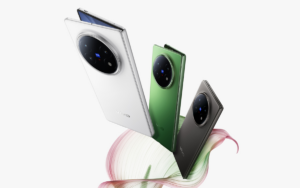
Vivo X Fold 6 specs leak by DCS
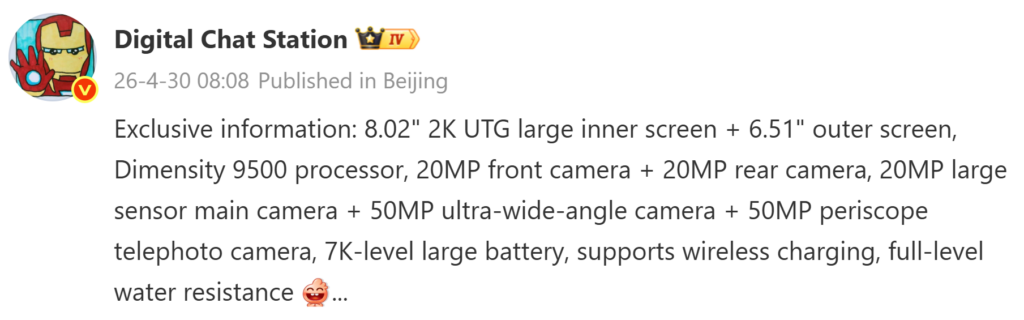
According to tipster Digital Chat Station, the Vivo X Fold 6 will feature an 8.01-inch inner foldable screen and a 6.51-inch outer display. While no additional details about the cover screen were shared, the inner display is said to support a 2K resolution and include a UTG layer.
The Vivo X Fold 6 is expected to feature the Dimensity 9500, which is currently MediaTek’s most powerful chipset. The device is also tipped to pack a battery with around 7,000mAh capacity, suggesting it could offer the largest battery seen on a foldable phone so far. It is also expected to support wireless charging.
For photography, the rear camera setup is said to include a 200-megapixel primary camera along with two 50-megapixel sensors for ultra-wide and periscope telephoto photography. The device is also expected to feature a 20-megapixel front-facing camera and another 20-megapixel camera on the inner display.
For security, the Vivo X Fold 6 is said to feature a side-mounted fingerprint sensor. The leak also claims that the device will offer high-level water resistance, suggesting it may carry an IP58/IP59 rating similar to the previous generation.
For more daily updates, please visit our News Section.
Today, Oppo released the following poster to confirm that the Reno 16 series will be announced in May in China. The lineup will arrive as the successor to the Reno 15 series, which includes multiple models such as the Reno 15, Reno 15 Pro, and Reno 15c. Several leaks have already revealed details about the Reno 16 series. Here’s a look at what to expect from the upcoming models.
Oppo Reno 16 series teaser arrives
Oppo Reno 16 series teaser
Shown above is the first teaser for the upcoming Reno 16 series for the Chinese market. The brand has already started receiving pre-orders in the country.
Global markets may have to wait longer, as the brand is currently focused on releasing the Oppo Find X9 Ultra and Find X9s in additional regions over the coming weeks. As a result, the Reno 16 lineup could debut globally around July.
Oppo Reno 16, Reno 16 Pro specifications (rumored)
According to recent reports, the Oppo Reno 16 will be a compact model featuring a 6.32-inch display. Meanwhile, the Reno 16 Pro will be a larger variant equipped with a 6.78-inch OLED LTPO screen offering a 1.5K resolution. Both phones are expected to feature flat panels with ultra-thin bezels.
The Reno 16 series is expected to run on ColorOS 16.1 based on Android 16. While the Reno 16 may feature a Dimensity 8500 chipset, the Pro variant is said to come with the Dimensity 9500s SoC. There is no information yet about the Reno 16’s battery, but the larger model is rumored to pack a battery with around 7,000mAh capacity.
The Reno 16 Pro’s camera setup may include a 200-megapixel primary camera, accompanied by an ultra-wide lens and a periscope telephoto camera. At present, there are no details about the Reno 16’s cameras, but it may offer the same camera setup as the Pro model while using different sensors.
The Reno 16 Pro is also expected to arrive in multiple configurations, including 12GB+256GB, 12GB+512GB, 16GB+256GB, 16GB+512GB, and 16GB+1TB. It may be available in white, black, purple, and green color options. There is currently no information about the Reno 16’s configurations or color variants.
For more daily updates, please visit our News Section.
For a long time, Poco has been associated with value-first smartphones—devices that make calculated compromises to deliver strong performance at aggressive prices. That identity hasn’t disappeared, but it has clearly evolved. Over the past few years, Poco has been steadily moving beyond just “budget killers” and into a space where it challenges flagship devices, albeit with a different set of priorities.
The Poco X8 Pro Max feels like the clearest example of that shift so far. Instead of trying to be a perfectly balanced all-rounder, it leans heavily into performance and battery life. After using it as my daily driver, it’s evident that this focus works—but it also comes with some noticeable trade-offs.
Design and usability: Solid, practical, slightly bulky
Poco X8 Pro Max
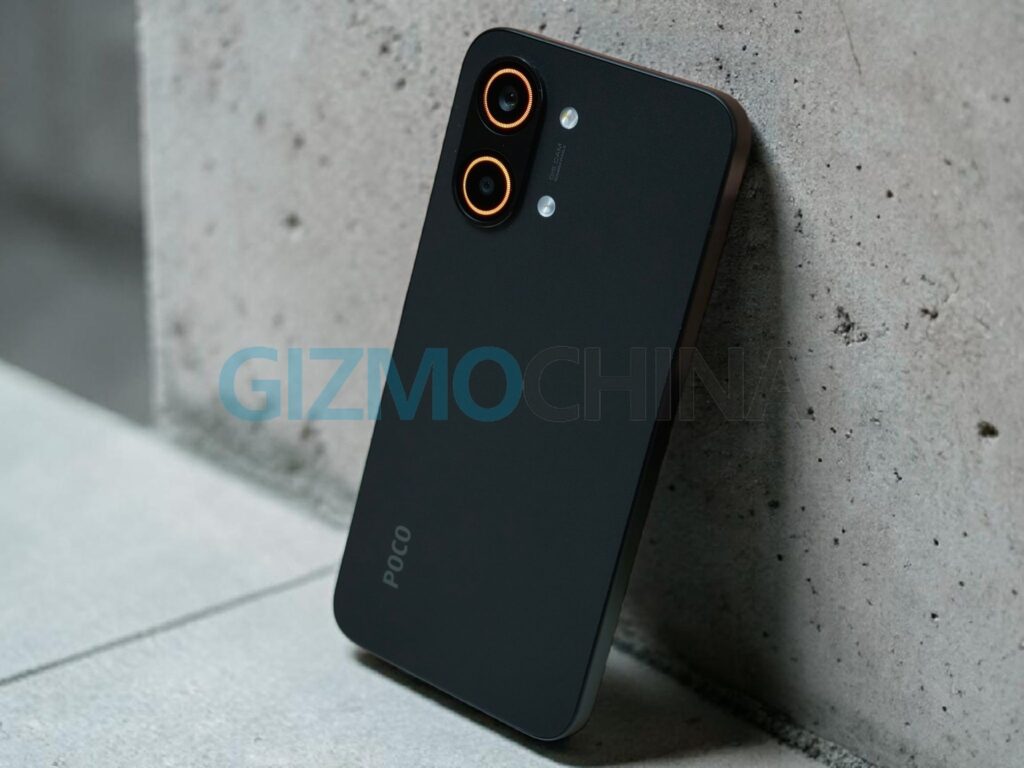
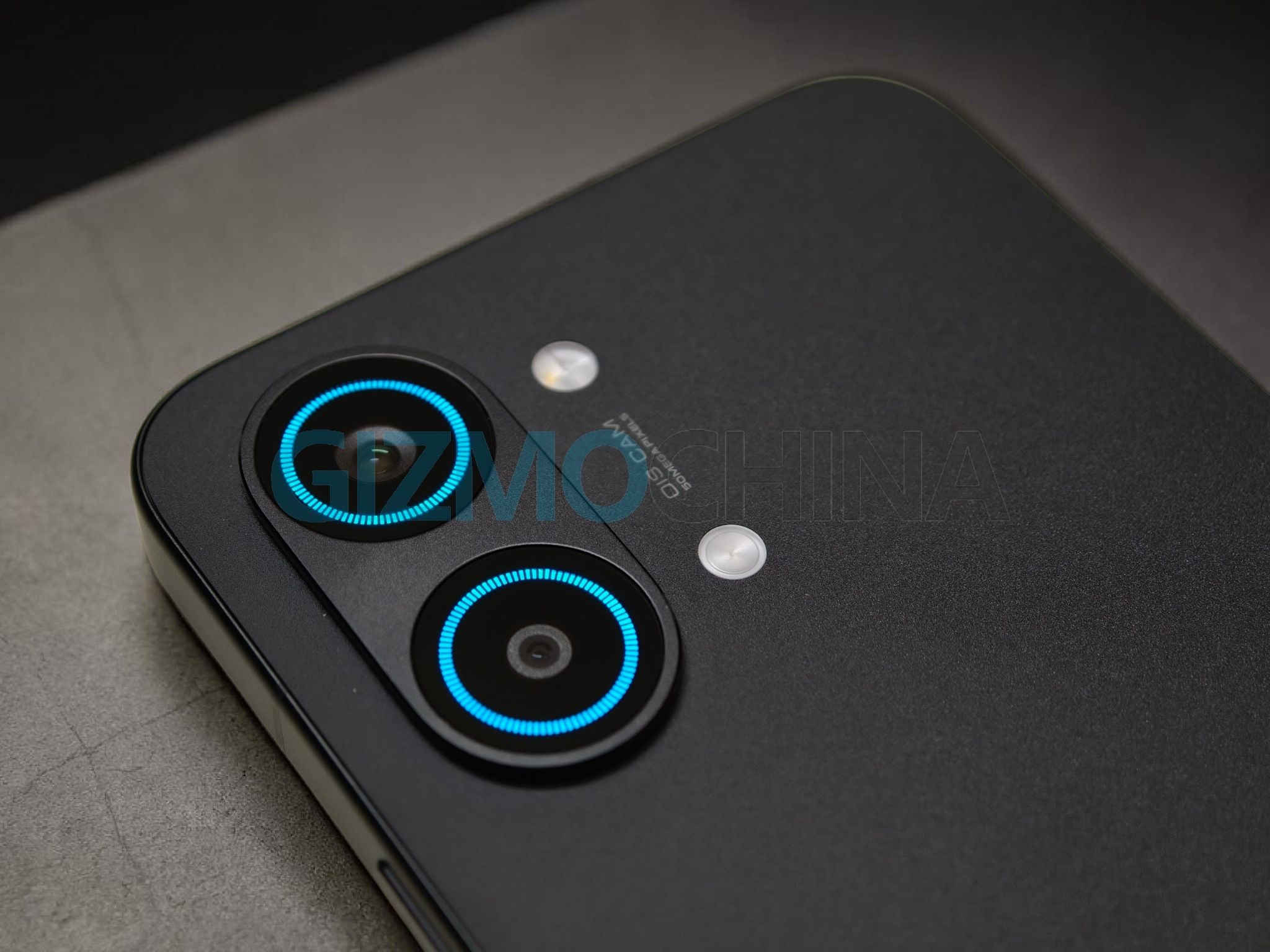
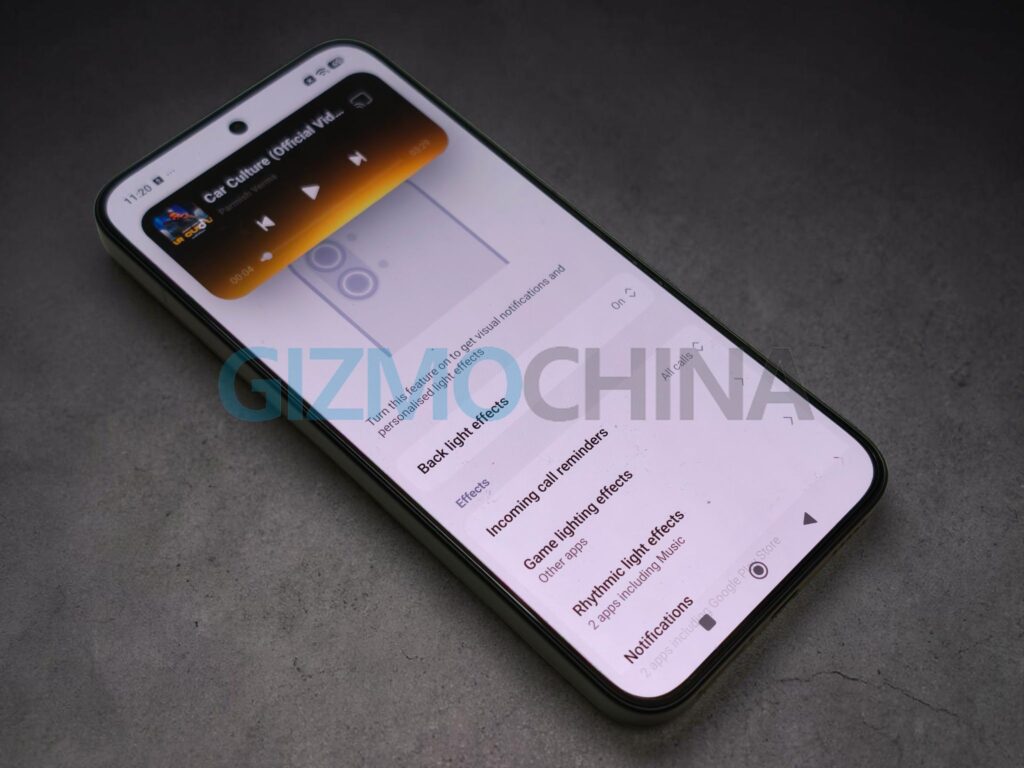
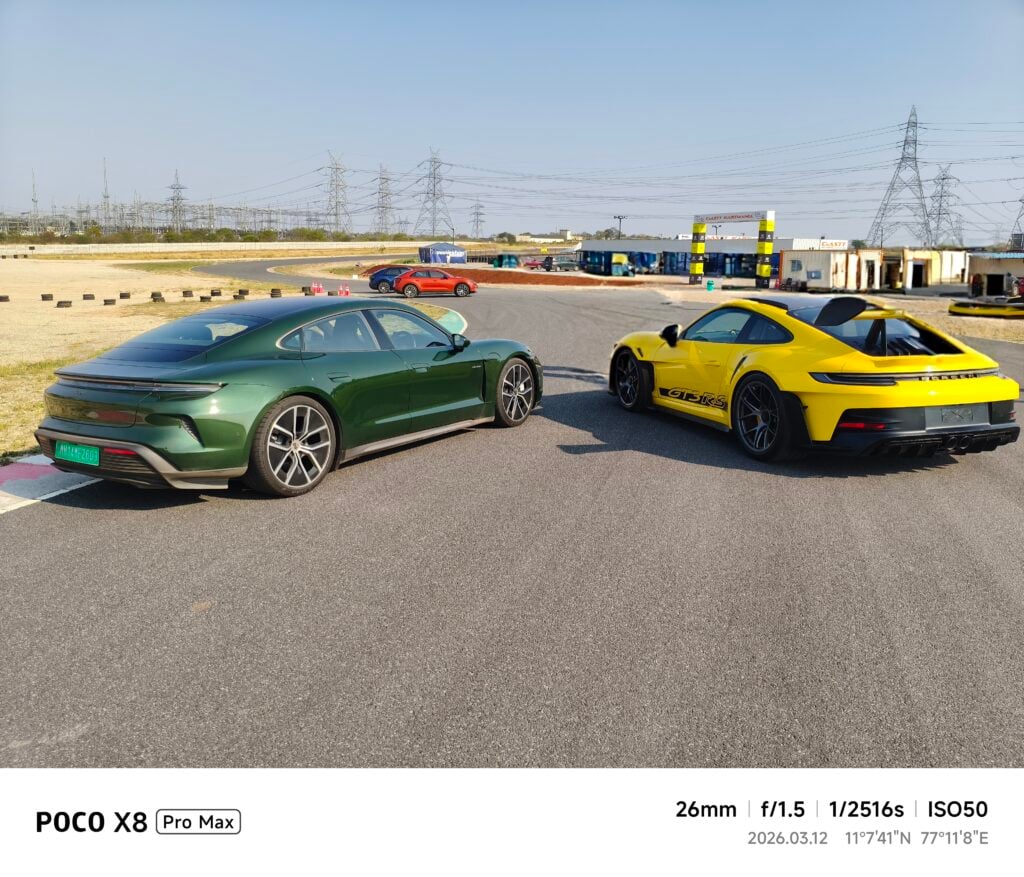
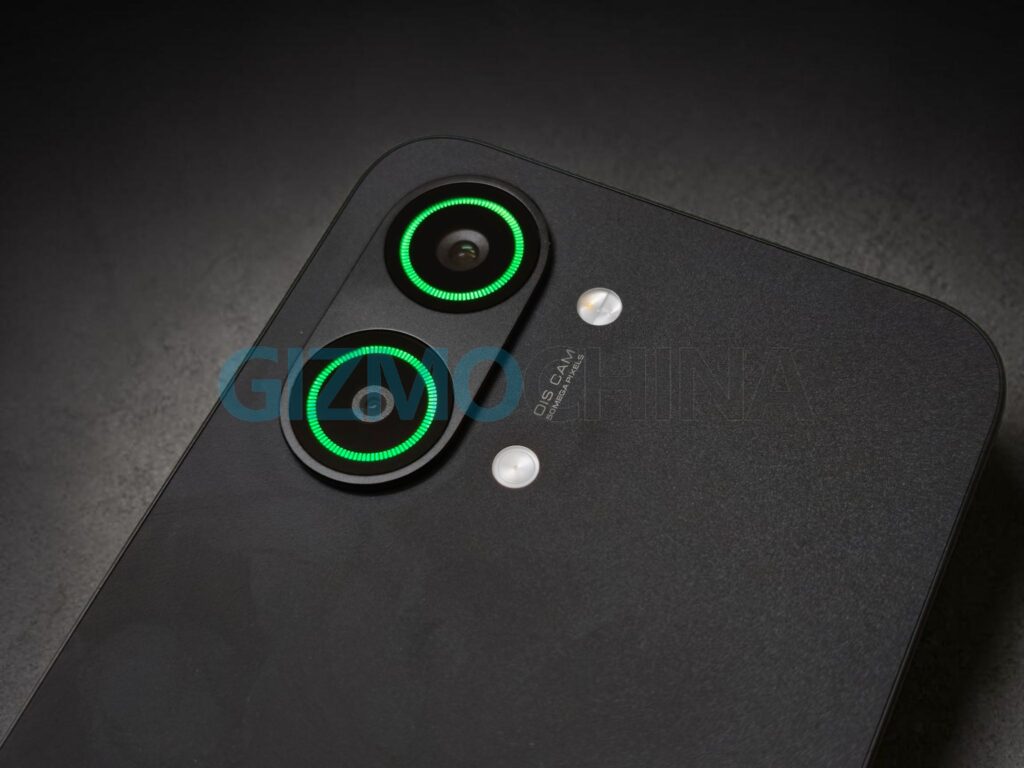
The design is clean and modern without being particularly distinctive. The flat frame and curved corners give it a familiar feel, and the overall finish is understated. The RGB lighting around the camera module adds a bit of personality, though in day-to-day use, it feels more like a novelty than a functional feature.
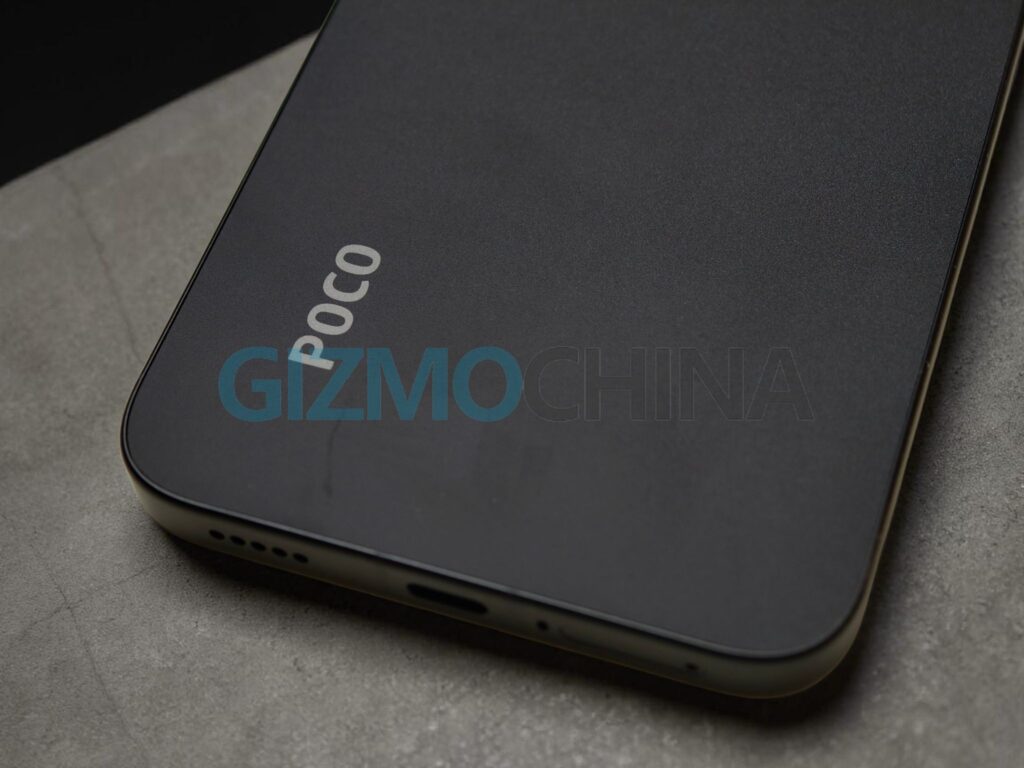
What stands out more is the build quality. The combination of a metal frame and Gorilla Glass gives the phone a sturdy, well-constructed feel. The added IP68/IP69K ratings also bring a level of durability that isn’t always guaranteed in this segment.
Poco X8 Pro Max
That said, the size and weight are hard to ignore. This is a large and relatively heavy phone, and while I got used to it after a few days, one-handed use is not comfortable. It’s clearly designed for users who prioritize screen size and battery capacity over compactness.
The ultrasonic in-display fingerprint sensor is one of the better implementations I’ve used recently. It’s quick, accurate, and works reliably even with slightly wet fingers—something optical sensors often struggle with.
Display: Consistent and easy to enjoy
Poco continues its strong track record with displays here. The 6.83-inch AMOLED panel is sharp, bright, and well-suited for both media consumption and gaming.
In everyday use, scrolling feels smooth thanks to the 120Hz refresh rate, and the brightness levels are more than adequate for outdoor visibility. Watching HDR content on platforms like Netflix or YouTube is a genuinely enjoyable experience, with good contrast and vibrant colors.
Out of the box, the color profile leans toward a more saturated look. I switched to a more natural setting, which made the display feel more balanced for regular use. It’s a minor adjustment, but one worth making depending on your preference.
For gaming, the display holds up well with responsive touch input and consistent performance. It’s not just impressive on paper—it translates into a reliable real-world experience.
Performance: Where the phone truly shines
Performance is the defining strength of the Poco X8 Pro Max. The Dimensity 9500s chipset may sit just below top-tier flagship processors, but in practical use, the difference is difficult to notice. This review unit has 12GB of LPDDR5x and 256GB of UFS 4.1 storage.
Day-to-day tasks feel fast and fluid. Apps open quickly, multitasking is smooth, and there’s enough headroom to handle heavy workloads without slowing down.
Gaming performance is particularly impressive. I spent time playing titles like BGMI and Genshin Impact, and the phone maintained stable frame rates even during extended sessions. What stood out most wasn’t just peak performance, but how well it sustained that performance over time.
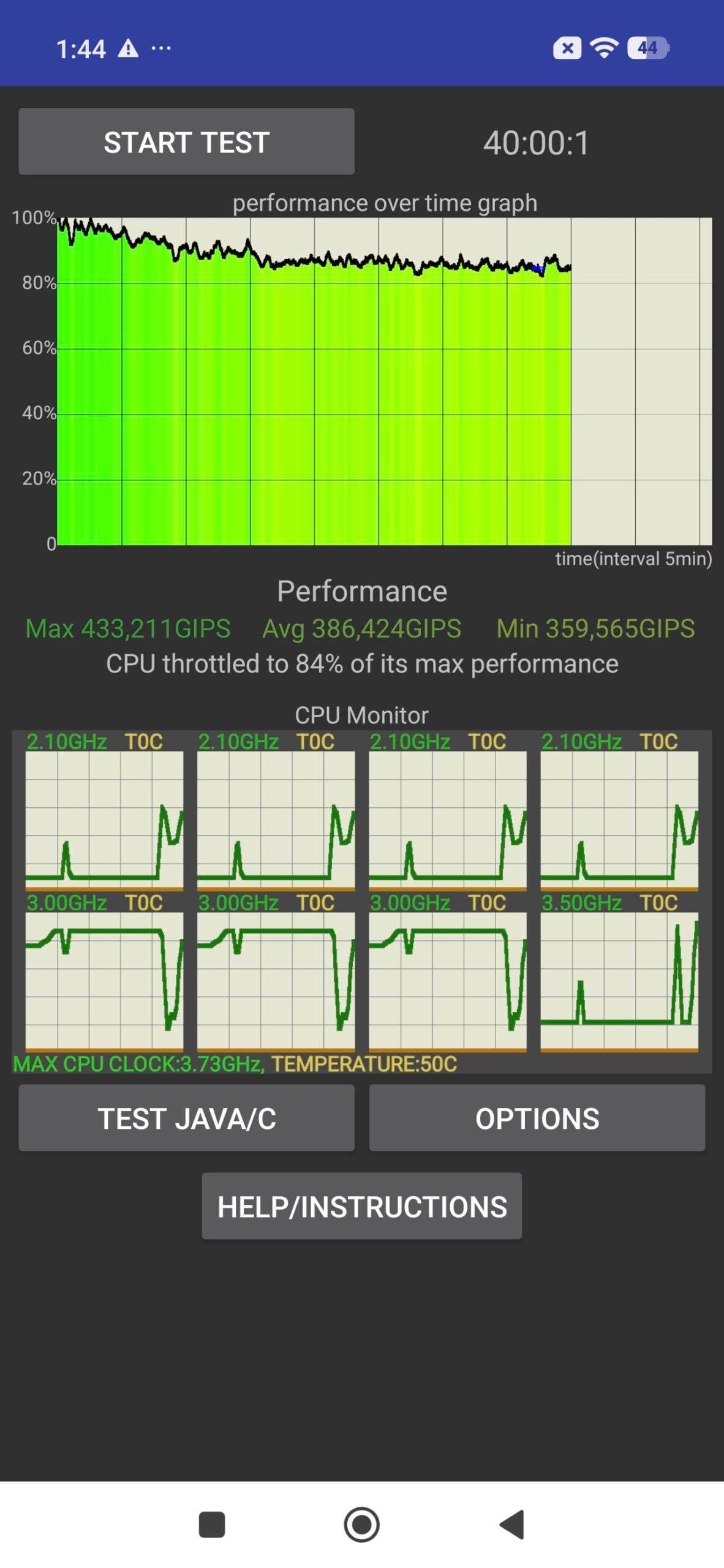
Thermals are managed reasonably well. The phone does get warm during long gaming sessions, but it doesn’t throttle aggressively or cause noticeable stutters. Instead, performance drops gradually, which makes the experience feel more consistent.
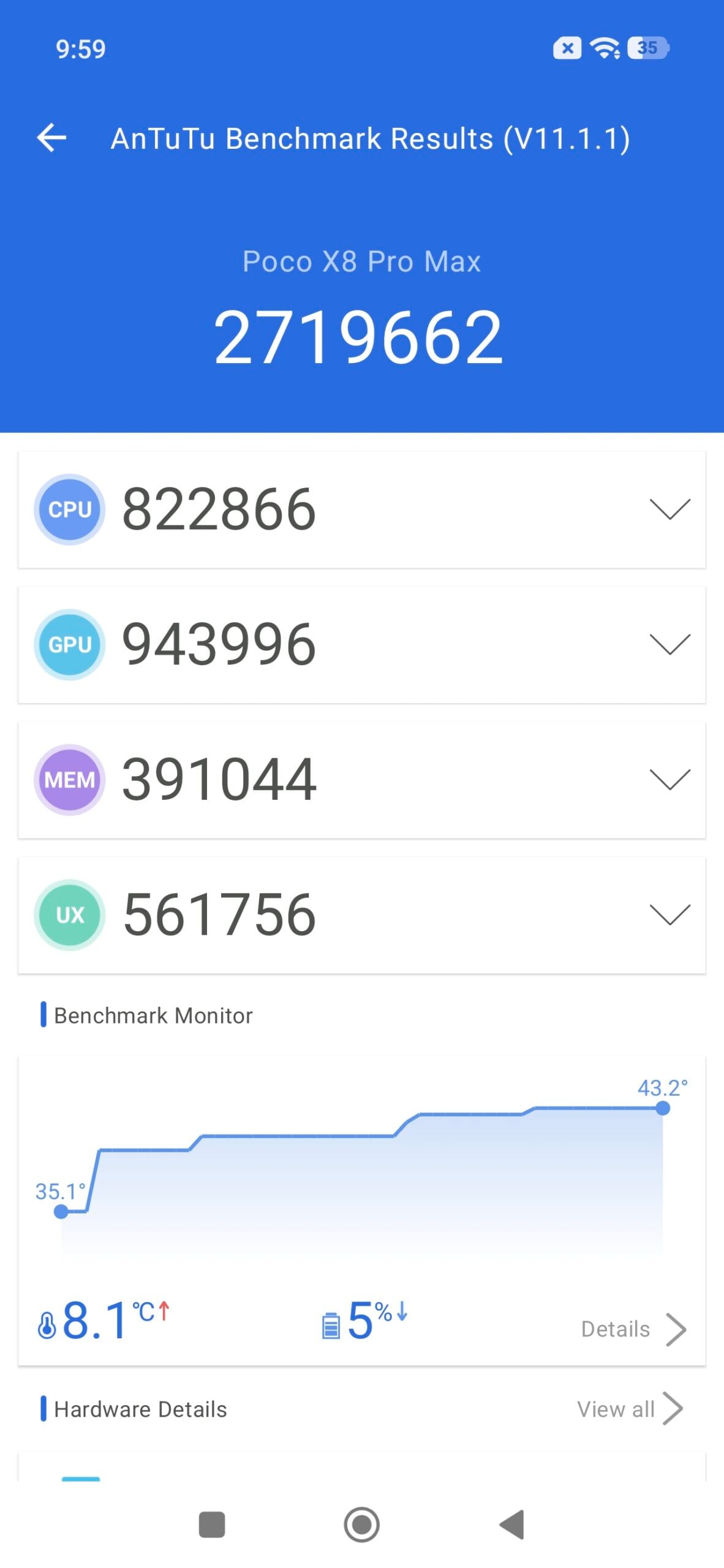
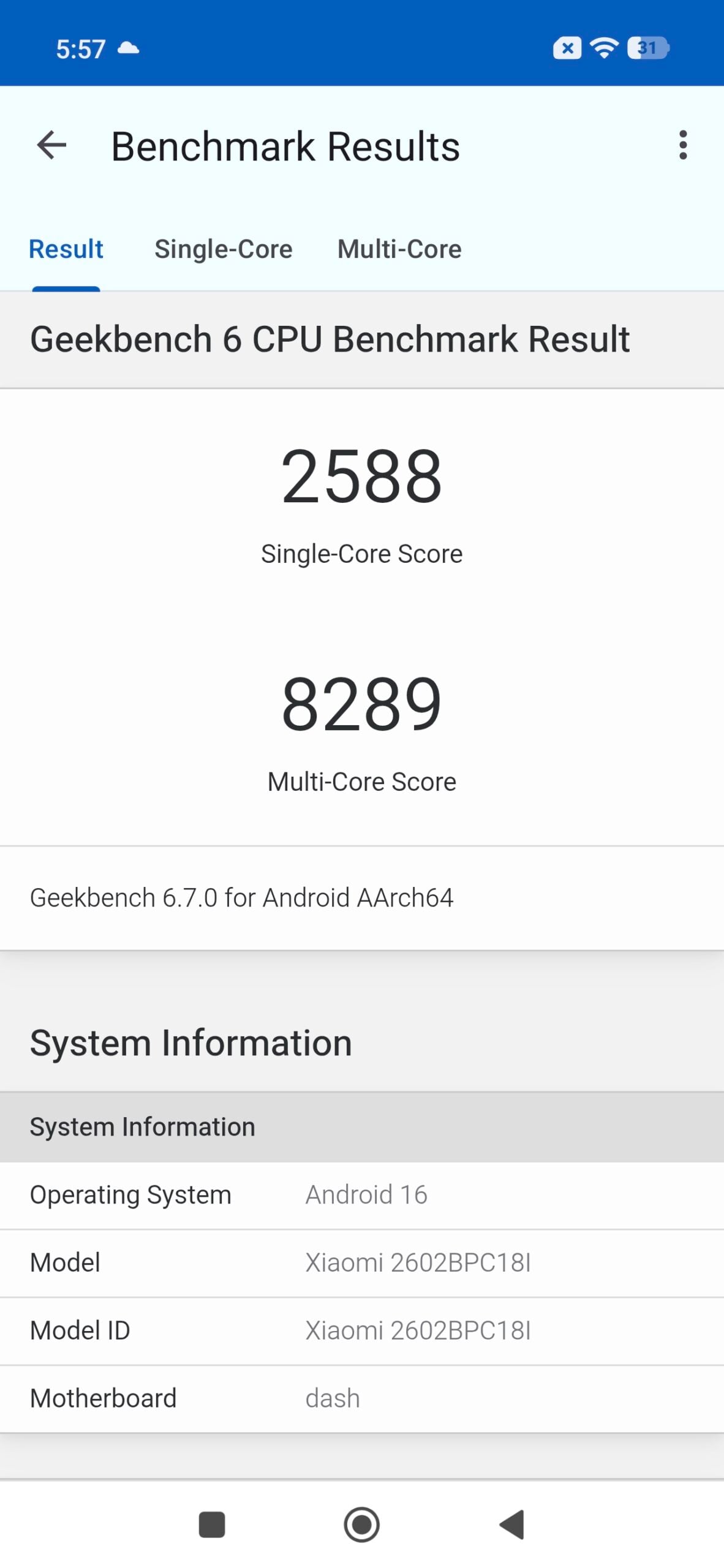
The benchmark results suggest that the Poco X8 Pro Max could deliver flagship-grade performance, backed by an impressive AnTuTu score of 2.71 million and strong Geekbench 6 scores of 2,588 in single-core and 8,289 in multi-core tests. These numbers indicate excellent processing power for gaming, multitasking, and demanding AI-driven tasks. Meanwhile, the CPU throttling test shows the device retaining around 84% of its peak performance under sustained load, suggesting decent thermal management and stable performance during extended gaming sessions.
Camera: Capable, but not a priority
The camera system reflects the phone’s overall philosophy—functional, but not the main focus.
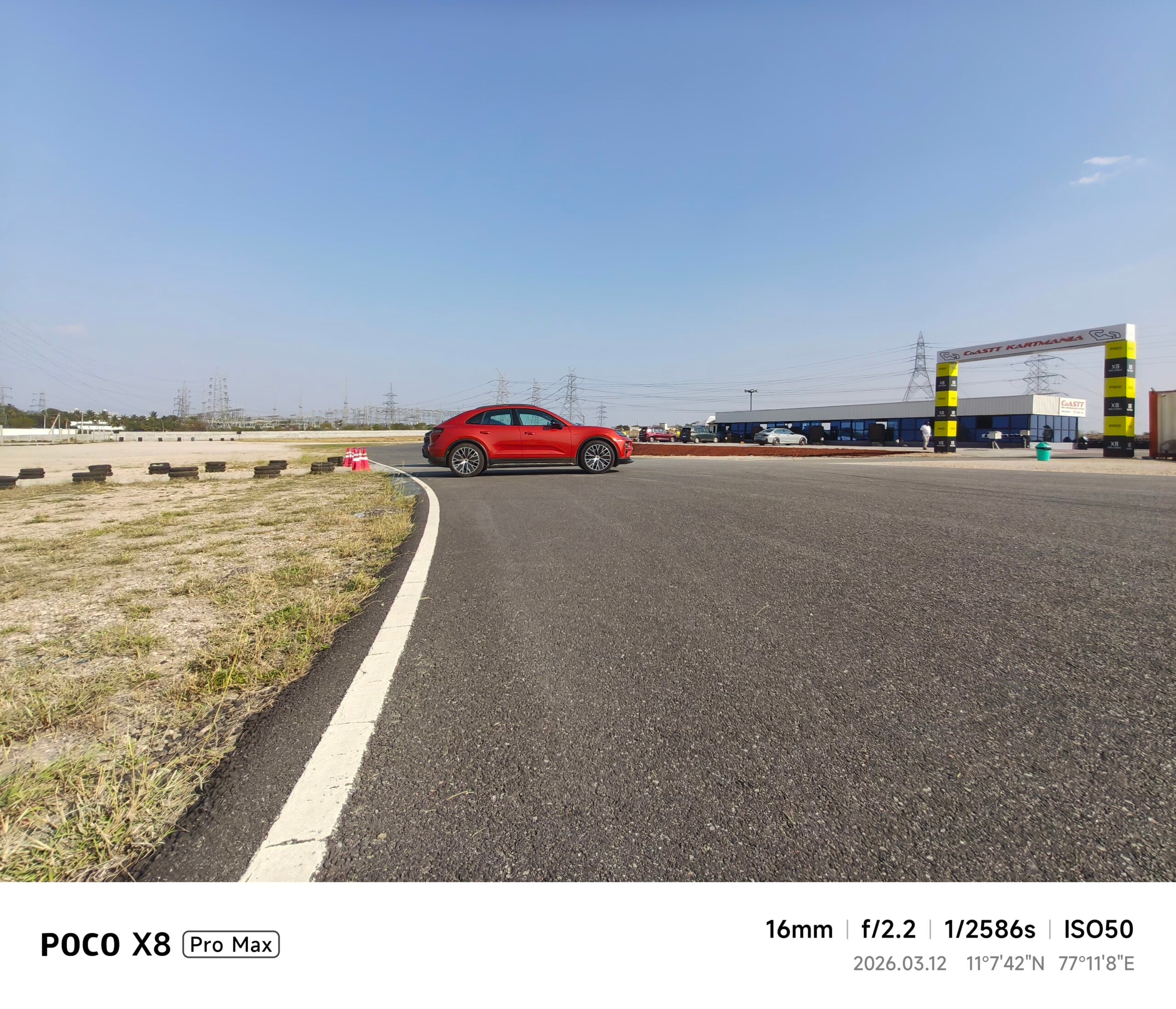
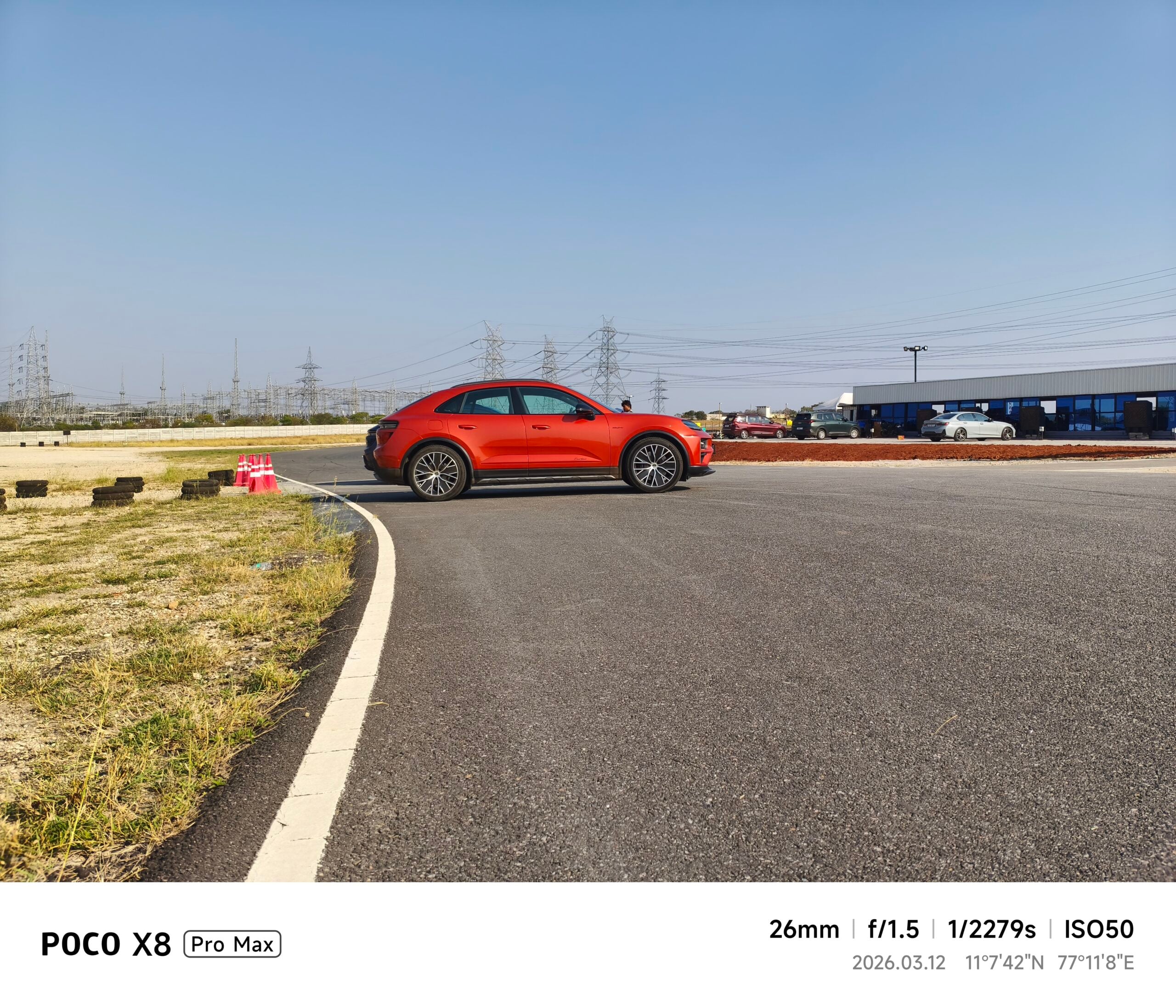
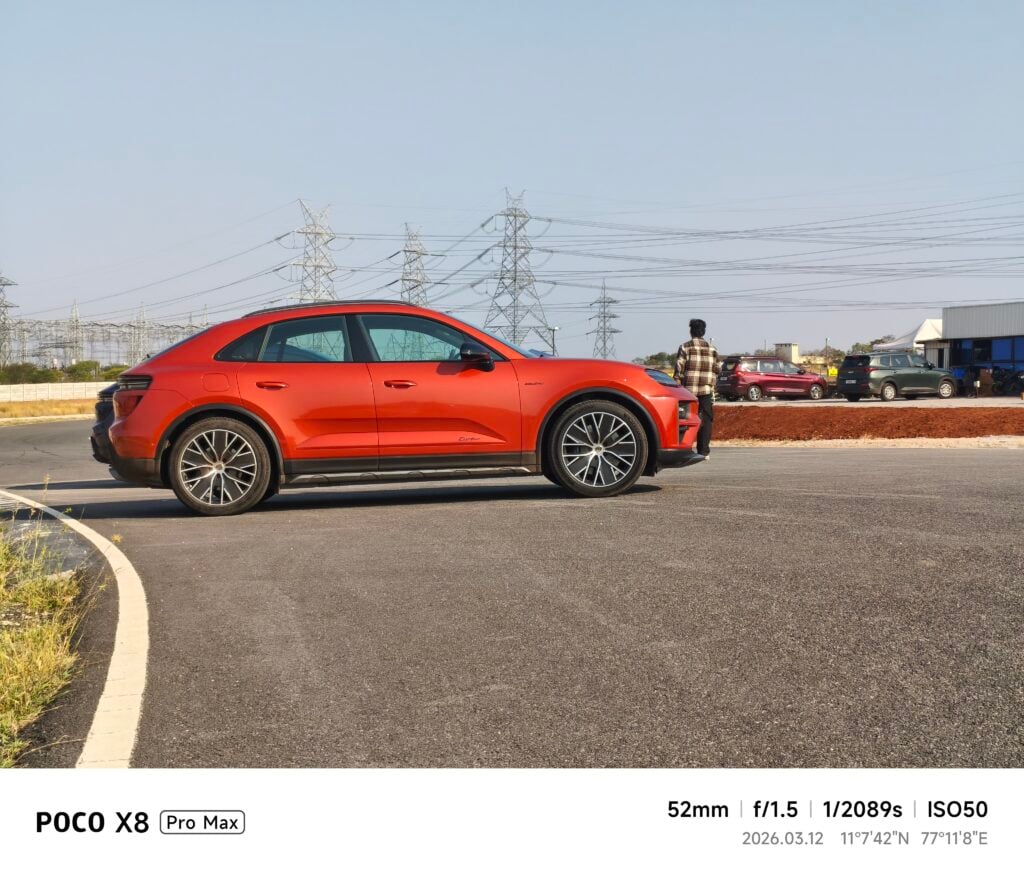
The 50MP main camera performs well in good lighting conditions. Photos have strong contrast, vibrant colors, and good detail. However, the processing can be a bit aggressive, especially with saturation, which sometimes affects color accuracy.
The 2x zoom, achieved through cropping, is surprisingly usable. It retains a decent amount of detail and works well for portraits and close-up shots.
In low light, the main camera still delivers usable results, though the images show signs of heavy processing. Noise reduction and sharpening are quite noticeable, but the overall output remains acceptable for the price range.
The ultrawide camera is the weakest link. It’s fine for occasional use in good lighting but lacks detail and consistency, especially in low-light scenarios.
Selfies are decent, with a wider field of view that’s genuinely useful, but they don’t stand out in terms of detail or accuracy.
Overall, the camera setup does the job, but it’s not competitive with the best in this segment.
Battery life and charging: A standout feature
Battery life is easily one of the biggest highlights of the Poco X8 Pro Max. With a massive capacity that goes up to 9,000mAh in some regions, this phone delivers exceptional endurance.
In my usage, which included gaming, streaming, and regular social media activity, the phone comfortably lasted a full day with plenty of charge remaining. With lighter usage, stretching it to two days is entirely realistic.
Charging such a large battery could have been a drawback, but the 100W fast charging keeps things practical. A full charge takes just over an hour, which feels reasonable given the battery size.
The addition of reverse charging is also useful. I ended up using the phone to charge smaller devices, effectively turning it into a backup power source when needed.
Software: Feature-rich, but not the cleanest
The Poco X8 Pro Max runs HyperOS 3 based on Android 16. The feature set is extensive, with customization options, AI tools, and improved ecosystem connectivity.
However, the experience isn’t as polished as it could be. The interface can feel cluttered, especially with the number of pre-installed apps and system notifications. It takes some effort to clean things up and make the experience feel streamlined.
Performance is generally smooth, but I did encounter occasional stutters and minor inconsistencies. Nothing major, but enough to notice.
This remains one of Poco’s weaker areas, particularly when compared to competitors that offer a cleaner and more refined software experience.
Final verdict: Powerful, but focused
The Poco X8 Pro Max is not trying to be everything for everyone, and that’s clear from the moment you start using it.
It excels in performance, offers excellent sustained gaming capabilities, and delivers some of the best battery life in its segment. These strengths make it a compelling choice for users who prioritize power and endurance.
At the same time, the compromises are equally clear. The camera system is average, and the software experience lacks polish.
If your priorities are gaming, performance, and long battery life, the Poco X8 Pro Max is easy to recommend. However, if you’re looking for a more balanced device with better cameras and cleaner software, you might want to consider alternatives.
Personally, I see this as a specialist device rather than a true all-rounder. It does a few things exceptionally well—and if those align with your needs, it’s absolutely worth the price. It is priced at Rs 42,999 (~450) for the 12GB+256GB variant and Rs 46,999 (~$500) for the 12GB+512GB edition.
For more daily updates, please visit our News Section.
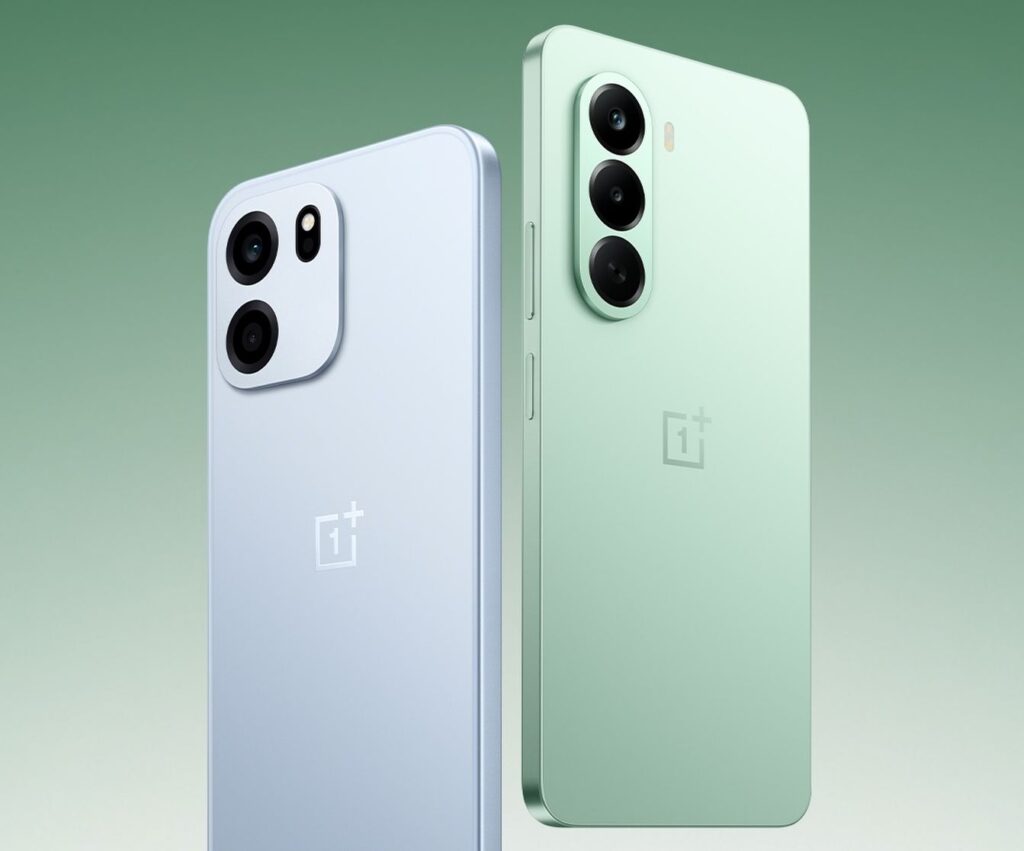
On May 7, OnePlus will announce the new Nord smartphone lineup in India with the launch of the OnePlus Nord CE 6 and OnePlus Nord CE 6 Lite. Ahead of the official unveiling, the company has now confirmed when both smartphones will go on sale, while several hardware details about the two devices have also surfaced online.
OnePlus Nord CE 6, Nord CE 6 Lite availability dates officially revealed
The OnePlus Nord CE 6 and Nord CE 6 Lite are scheduled to launch in India on May 7 at 12pm IST. Soon after the launch event, the standard Nord CE 6 will become available for purchase from May 8 at 12pm, while the Nord CE 6 Lite will go on sale starting May 12 at 12pm. Both smartphones will be sold through Amazon India, the official OnePlus India website, OnePlus Experience Stores, and offline retail outlets across the country.
OnePlus Nord CE 6, Nord CE 6 Lite specifications
The OnePlus Nord CE 6 will be powered by the Snapdragon 7s Gen 4 chipset and feature an AMOLED display with 1.5K resolution and a 144Hz refresh rate. The phone is confirmed to pack an 8,000mAh battery with support for 80W fast charging and 27W reverse charging.
It is also expected to include dual stereo speakers, a 32-megapixel front camera with autofocus support, and multiple durability certifications, including IP66, IP68, IP69, IP69K, and MIL-STD-810H compliance.
The Nord CE 6 Lite will feature the MediaTek Dimensity 7400 Apex chipset paired with UFS 3.1 storage and a large vapor chamber cooling system. It is expected to include a 6.72-inch full-HD+ display supporting up to 144Hz refresh rate in supported apps and games.
The phone will house a 7,000mAh battery with 45W charging support and feature a 50-megapixel rear camera capable of recording 4K videos.
OnePlus Nord CE 6, Nord CE 6 Lite pricing (expected)
While official pricing is still under wraps, the OnePlus Nord CE 6 is expected to launch between Rs 25,000 (~$265) and Rs 30,000 (~$315). The Nord CE 6 Lite could be priced between Rs 20,000 (~$210) and Rs 25,000 (~$265) in India. OnePlus has also confirmed the color variants for both devices.
The Nord CE 6 will arrive in Fresh Blue, Lunar Pearl, and Pitch Black shades. The Nord CE 6 Lite, on the other hand, will be introduced in Vivid Mint and Hyper Black finishes.
For more daily updates, please visit our News Section.
Dreame has unveiled the F20 air fryer in China, expanding its growing range of smart home appliances. The new model focuses on family-sized cooking and introduces features such as dual heat source cooking, a metal inner cavity, and a transparent viewing window designed to make monitoring food preparation easier.
Dreame F20 air fryer specifications and features
Dreame F20 air fryer
The Dreame F20 air fryer comes with a 6-litre cooking basket aimed at households that prepare larger portions in a single cycle. It features a 1700W heating setup with upper and lower heat sources that work together to cook food evenly. According to the company, the design allows 360-degree hot air circulation to reduce the need for manually flipping food while cooking.
The appliance also includes an 11-blade high-speed fan and a curved air duct structure to improve airflow movement inside the chamber. Dreame says this setup helps food cook evenly from multiple directions, especially for dishes such as roasted chicken and grilled snacks. The fryer supports temperatures ranging from 40 to 200 degrees Celsius, allowing it to handle baking, roasting, reheating, and air frying tasks.
Another notable addition is the all-metal inner cavity paired with a titanium ceramic non-stick coating. The company claims the coating can withstand high temperatures up to 400 degrees Celsius and is designed for improved scratch resistance.
A transparent viewing window has also been added so users can check cooking progress without opening the basket. The F20 further includes eight preset cooking modes, touchscreen controls, support for 1 to 60-minute timers, and a 45-minute automatic keep-warm function.
Dreame F20 air fryer price and availability
Dreame has launched the F20 air fryer in China at a price of 299 Yuan (~$45) and is currently listed on JD.com. The details regarding availability in other markets have not been confirmed yet.
For more daily updates, please visit our News Section.
Redmi is reportedly working on the Redmi K100 and Redmi K100 Pro Max smartphones, which are expected to debut in China in October this year. Last month, tipster Digital Chat Station claimed that the Pro Max edition would arrive with a significant price increase. Now, in a new Weibo post, the tipster has also hinted at what to expect from the Redmi K100’s pricing.
Redmi K100 chipset, price tipped
Redmi K100 price hike tipped by DCS
A couple of weeks ago, DCS claimed that the 12GB+256GB variants of the Redmi K100 Pro Max, iQOO 16, and OnePlus 16 could see a significant price hike to around 5,000 Yuan (~$730). These devices are said to feature Qualcomm’s next-generation Snapdragon 8 Elite Gen 6 chipset.
Now, the tipster has also shared details about the Redmi K100. According to DCS, the device may arrive with Qualcomm’s previous-generation flagship chip, likely the Snapdragon 8 Elite Gen 5. The tipster added that smartphones in this segment could start in the “4K” price range in China, which likely refers to around 4,000 Yuan (~$585). This price could apply to the base model, which may feature a 12GB+256GB configuration.
For comparison, the Redmi K90 launched last year at 2,599 Yuan (~$365) for the 12GB+256GB variant. If the rumored pricing turns out to be accurate, the Redmi K100 could see a price increase of nearly 54 percent compared to its predecessor. Such a jump would push the K-series further into flagship pricing territory, moving away from its traditional affordable flagship positioning.
The rest of the Redmi K100 series specifications are yet to be revealed. However, the Redmi K100 Pro Max is expected to feature a 200-megapixel primary camera, a 50-megapixel ultra-wide lens, and a 50-megapixel periscope telephoto camera, according to previous leaks. Readers are advised to wait for newer reports to learn more about these upcoming flagship phones.
Like the Redmi K90 series, the K100 lineup may remain exclusive to the Chinese market. However, rebranded versions of these devices could launch globally as the Poco F9 Pro and Poco F9 Ultra in the first quarter of 2027.
For more daily updates, please visit our News Section.

 Login
Login