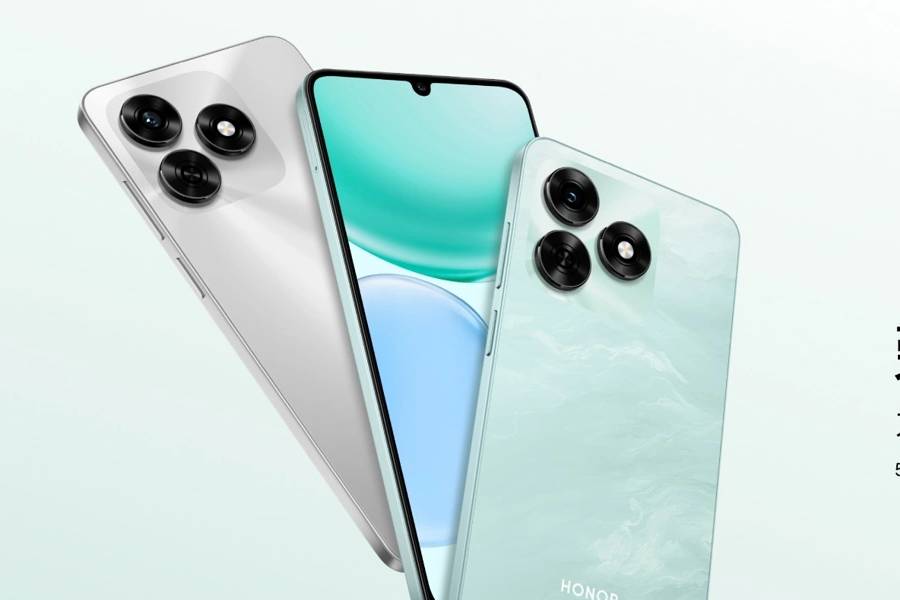
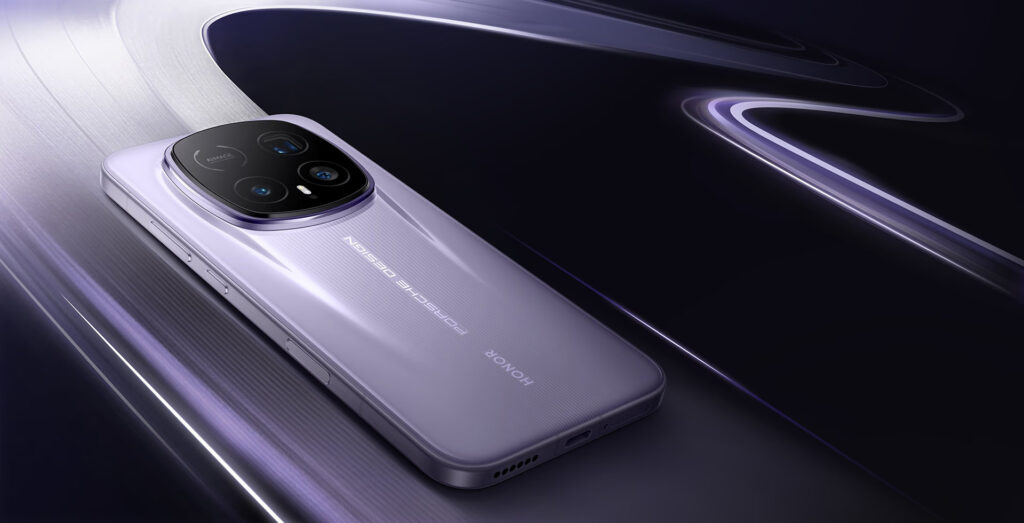
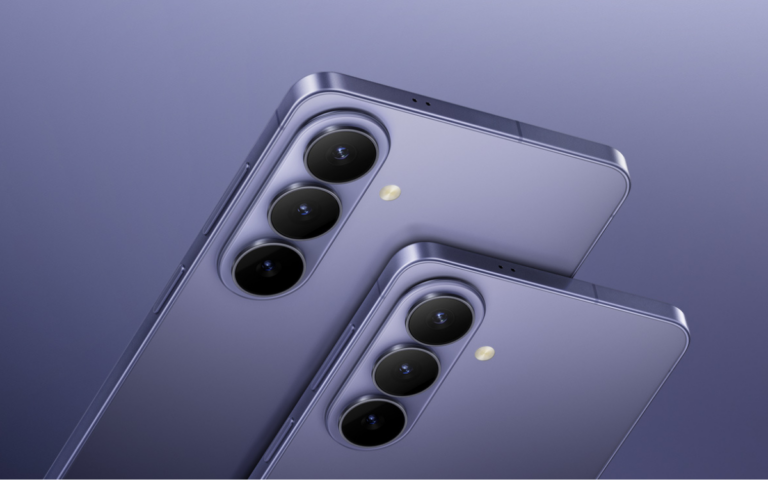
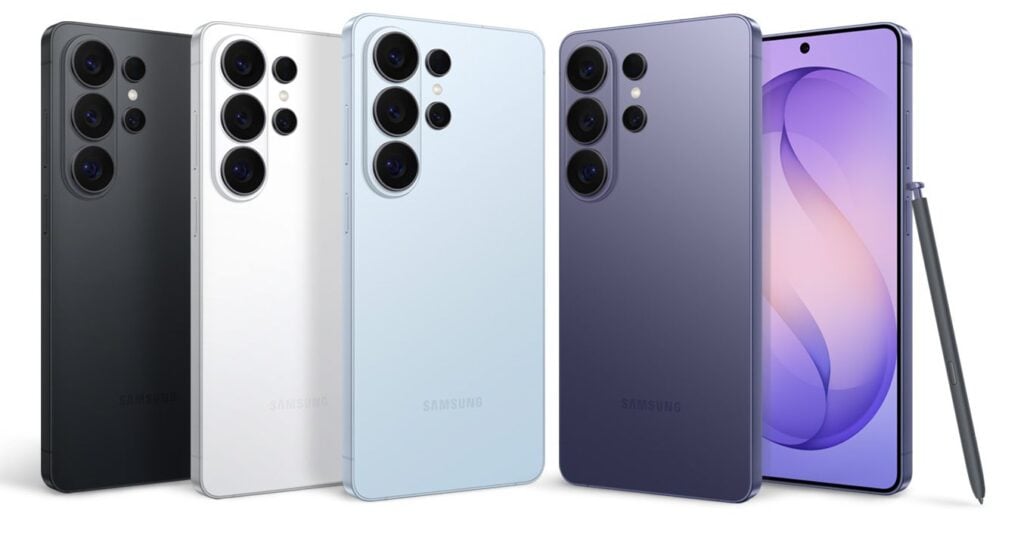
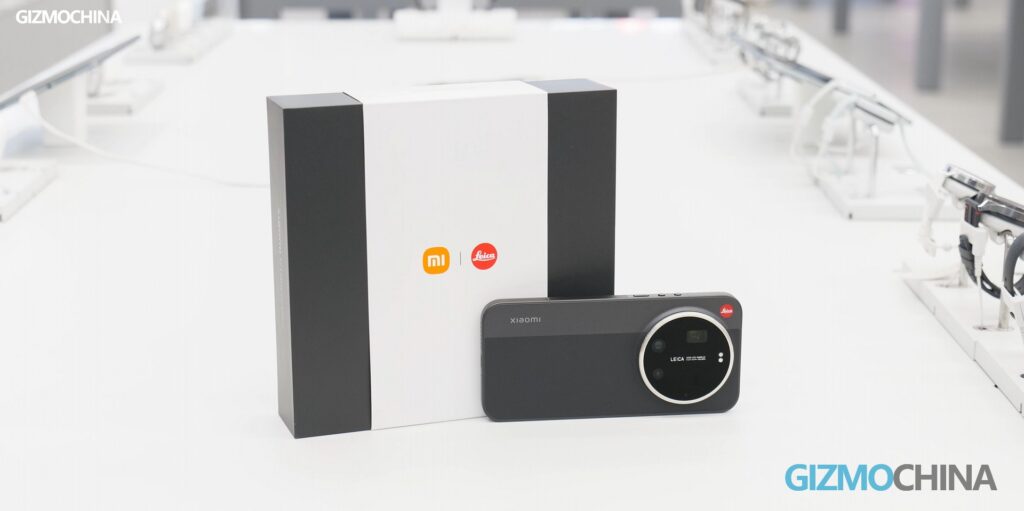
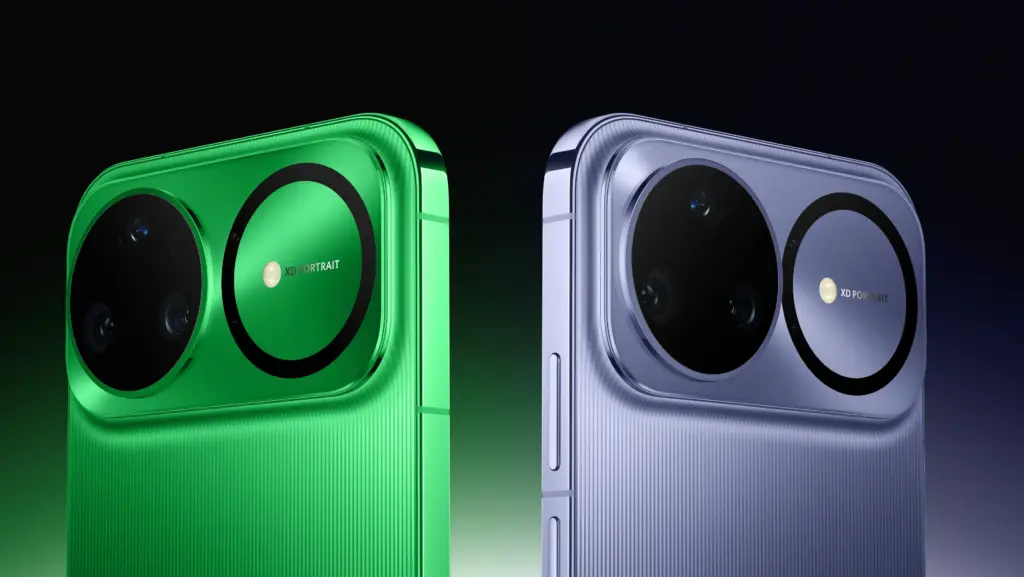
Alongside the Honor Play 80 Plus,Honor today announced another budget smartphone called the Honor Play 70C. The phone gets the basics right and targets the most entry-level segment.
The phone starts at 599 yuan (around $90) for the 4GB RAM and 64GB storage version. There are two other configurations: 4GB + 128GB at 699 yuan and 6GB + 128GB at 799 yuan.
Honor Play 70C Specifications
For the price, the Honor Play 70C features a 6.75-inch IPS LCD with a 90Hz refresh rate and a 720 × 1600 resolution. The panel includes a waterdrop notch that houses a 5MP front-facing camera, which is about what you’d expect at this price point.
On the back, the device has a single 13MP main camera capable of shooting 1080p video and supporting up to 10x digital zoom.
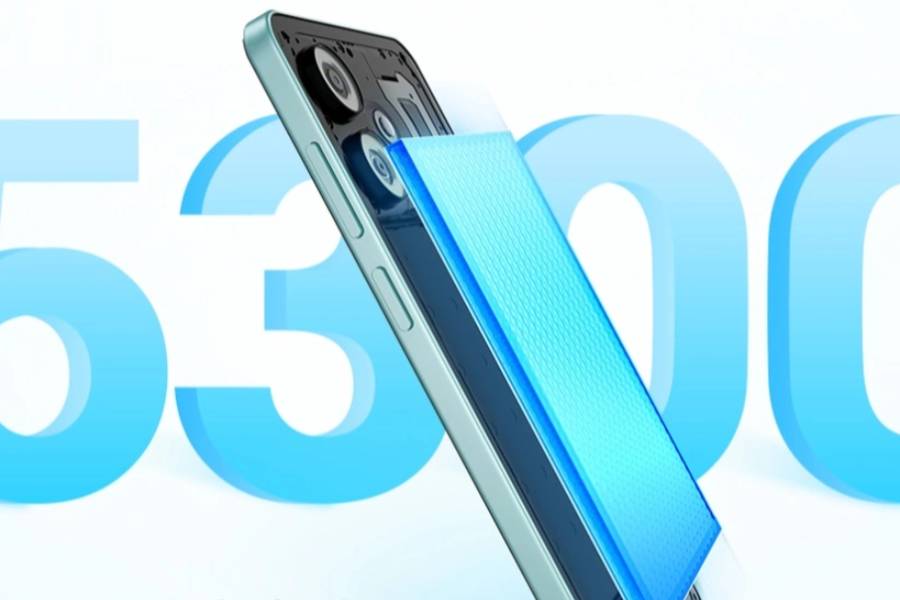
Powering the phone is the MediaTek Helio G81 Ultra chipset, paired with up to 6GB of RAM and 128GB of storage. It’s backed by a relatively large 5,300mAh battery.
The Play 70C runs Android 15 with MagicOS 9.0 out of the box. Connectivity options include dual SIM 4G, dual-band Wi-Fi, Bluetooth 5.1, GPS, and even a 3.5mm headphone jack.
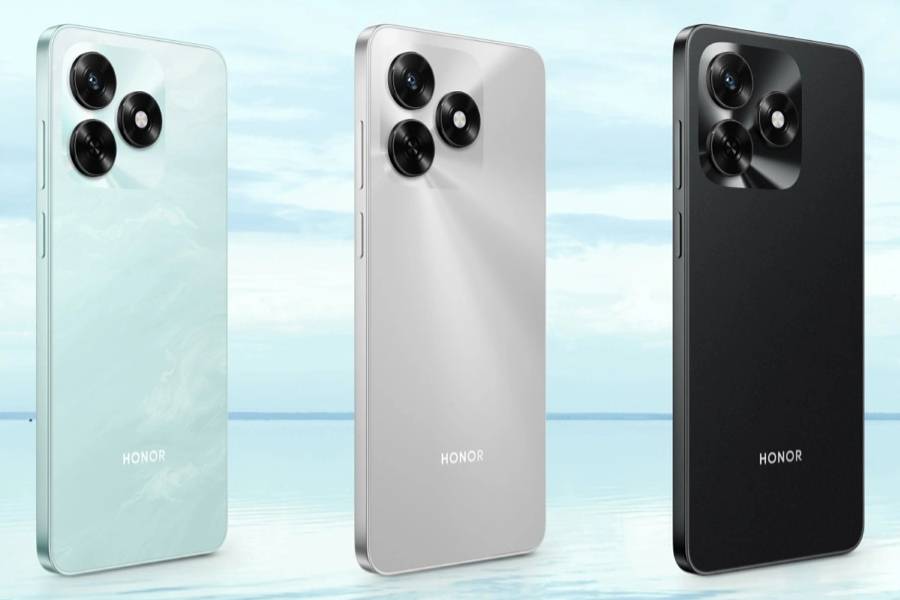
Honor is offering the phone in multiple color options, including Midnight Black, Moonlight Silver, and Ocean Blue (also referred to as Ink Rock Black, Moonlit Silver, and Lake Blue in some listings). The device itself is fairly slim at 7.89mm and weighs 186 grams.
The Honor Play 80 Plus is a better phone with a larger 7,500mAh battery and a Snapdragon 4 Gen 4 chipset. But the Play 70C sticks to the basics, a low-cost phone that focuses on battery life, modest performance, and just enough features to get by.
For more daily updates, please visit our News Section.
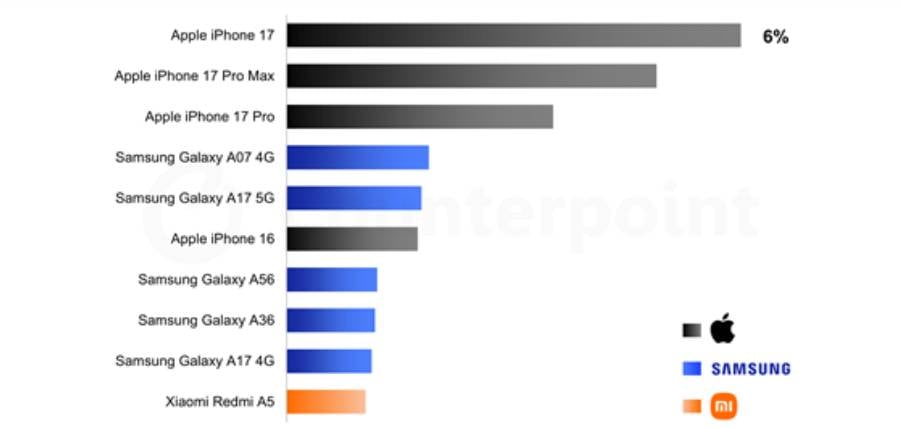
The global smartphone market in early 2026 turned out to be increasingly top-heavy. According to market research firm Counterpoint Research, the iPhone 17 was the best-selling smartphone globally in Q1 2026, grabbing 6% of all global smartphone sales on its own.
The iPhone 17 Pro Max and iPhone 17 Pro followed right behind in second and third place, meaning Apple owned the top three spots on the list entirely.
Senior analyst Harshit Rastogi says the iPhone 17 outperformed its predecessor by a clear margin. The base model got meaningful upgrades this time with more storage out of the box, a higher-resolution camera, and a faster screen refresh rate. This narrowed the gap between the standard and Pro models, which seems to have pushed more buyers toward the cheaper option.
Sales in China and the US grew by double digits year-over-year. South Korea was even better, where sales tripled compared to the previous generation.
Android’s budget segment dominates the market
On the Android side, Samsung dominated with five spots in the top ten, all from its Galaxy A budget lineup. The Galaxy A07 4G was the top-selling Android phone of the quarter, driven by demand in the Middle East, Africa, and Latin America. Samsung is now promising six years of software updates on these devices.
The Galaxy S26 Ultra didn’t crack the top ten, though Samsung says it opened stronger than the S25 Ultra did.
Redmi A5
The only Chinese brand to make the list was Xiaomi, with the Redmi A5 landing at number ten. It’s also the cheapest device on the list and has held steady demand in emerging markets since launch.
All in all, the top ten phones accounted for 25% of all global smartphone sales, the highest share ever recorded for a first quarter. Two things explain that: iPhone 17 demand stayed strong, and a memory chip shortage pushed up component costs, which squeezed Android manufacturers trying to compete at lower price points.
Counterpoint’s Karn Chauhan says the overall phone market is likely to shrink in 2026, with the budget segment taking the hardest hit. Manufacturers seem to know this already, as most are shifting resources toward higher-end products rather than racing to sell volume.
2026’s flagship race is already settled, at least on paper. The phones launched between January and April — from Samsung, Xiaomi,OPPO, Vivo, Honor, Motorola, Huawei, and iQOO — will define what a high-end Android phone looks like for the rest of the year.
New chipsets will come, but these are the devices most people will be comparing, buying, and arguing about through December. So here’s what actually shipped, and what each one is trying to do.
January
Motorola Razr Fold
Motorola introduced the Razr Fold at CES 2026 as its first book-style foldable. Unlike the Razr’s usual clamshell form, this one opens up like a tablet, with an 8.1-inch 2K LTPO inner display and a 6.6-inch cover screen. The cover screen is large enough that you can handle most everyday tasks without unfolding the device.
The camera setup is all 50-megapixel across the board: a Sony LYTIA main sensor, an ultra-wide with macro support, and a periscope telephoto with 3x optical zoom. There’s also a 32MP camera on the outer display and a 20MP shooter on the inner screen. Video recording supports Dolby Vision. The phone also supports Motorola’s Moto Pen Ultra stylus.
Honor Magic 8 RSR Porsche Design
Honor kicked things off with the Magic 8 RSR Porsche Design, which went on sale in China on January 23rd. The phone is what it sounds like: a high-end device made in collaboration with Porsche Design, with finishes called Slate Gray and Moonstone, and a back panel made of microcrystalline nano-ceramic material that Honor says has a Mohs hardness rating of 8.5.
Inside, it runs Qualcomm’s Snapdragon 8 Elite Gen 5, with configurations going up to 24GB of RAM and 1TB of storage. The camera setup includes a 50MP main sensor, a 50MP ultra-wide, and a 200MP telephoto with 3.7x optical zoom and up to 100x digital zoom. Battery is 7,200mAh with 120W wired and 80W wireless charging. It also supports satellite communication and IP68/IP69K water resistance.
Honor is also selling an optional photography kit with a magnetic grip, filter adapter, and external telephoto lens. It runs MagicOS 10 with Porsche Design-themed UI elements layered on top.
February
Samsung Galaxy S26 Series
Samsung’s February Unpacked event brought the Galaxy S26, S26+, and S26 Ultra. The base S26 has a 6.3-inch FHD+ Dynamic AMOLED 2X display, while the S26+ bumps that up to 6.7 inches at QHD+ resolution. Both have 1-120Hz adaptive refresh rates and Gorilla Glass Victus 2.
Galaxy S26 and S26 Plus
Depending on your region, these phones ship with either the Exynos 2600 or the Snapdragon 8 Elite Gen 5. The main camera across the standard models is a 50MP sensor, paired with a 12MP ultra-wide and a 10MP telephoto with 3x zoom. The S26 has a 4300mAh battery, the S26+ has a 4900mAh battery, and both support Qi2 wireless charging at 20W.
Samsung Galaxy S26 Ultra
The S26 Ultra takes a different direction. It has a 6.9-inch QHD+ display with Gorilla Armor 2, runs exclusively on the Snapdragon 8 Elite Gen 5, and includes a 200MP main camera, a 50MP ultra-wide, a 10MP telephoto at 3x, and a 50MP periscope lens at 5x zoom. Battery is 5000mAh with Super Fast Charging 3.0. The S Pen is still here. The software on all three runs One UI 8.5 on Android 16, with AI features like Photo Assist, Now Brief, and Creative Studio built in.
Xiaomi 17 Ultra
Xiaomi launched the 17 Ultra in China in February, and it arrives with one of the more interesting camera setups of the year. The main camera uses a 1-inch Light Fusion 1050L sensor co-developed with Leica, shooting at 50MP. The telephoto is a 200MP Leica-certified lens that supports lossless optical zoom between 75mm and 100mm, going up to 400mm digitally. The ultra-wide is a 50MP sensor with 115-degree FOV.
The display is a 6.9-inch OLED with up to 3,500 nits peak brightness, 1-120Hz adaptive refresh rate, and Dolby Vision support. It runs Snapdragon 8 Elite Gen 5, and Xiaomi says the phone can mirror and control Apple devices through its HyperOS 3.0 software.
The battery is 6,800mAh, the largest in any Xiaomi Ultra device. It charges at 90W wired and 50W wireless. Despite all of that, Xiaomi says the 17 Ultra is the thinnest Ultra device it has made, at 8.29mm.
iQOO 15 Ultra
The iQOO 15 Ultra is a performance-first phone, and it makes that clear from the spec sheet. The display is a 6.85-inch flat Samsung AMOLED at 2K resolution with a 144Hz refresh rate and 8,000 nits peak brightness. The touch sampling can go up to 4000Hz.
The phone runs Snapdragon 8 Elite Gen 5 alongside iQOO’s in-house Q3 esports chip, and the company claims an AnTuTu score of 4.51 million.
iQOO 15 Ultra
For cooling, it has a 59-blade fan and an 8,000mm² vapor chamber. The phone also includes pressure-sensitive shoulder triggers and a 500Hz gyroscope. Battery is 7,400mAh with 100W wired and 40W wireless charging.
On the camera side, it’s a triple 50MP system consisting of main, ultra-wide, and periscope telephoto with 3x optical zoom. Not the headline feature here, but solid. It runs OriginOS 6 on Android 16 and supports 8K video recording.
March
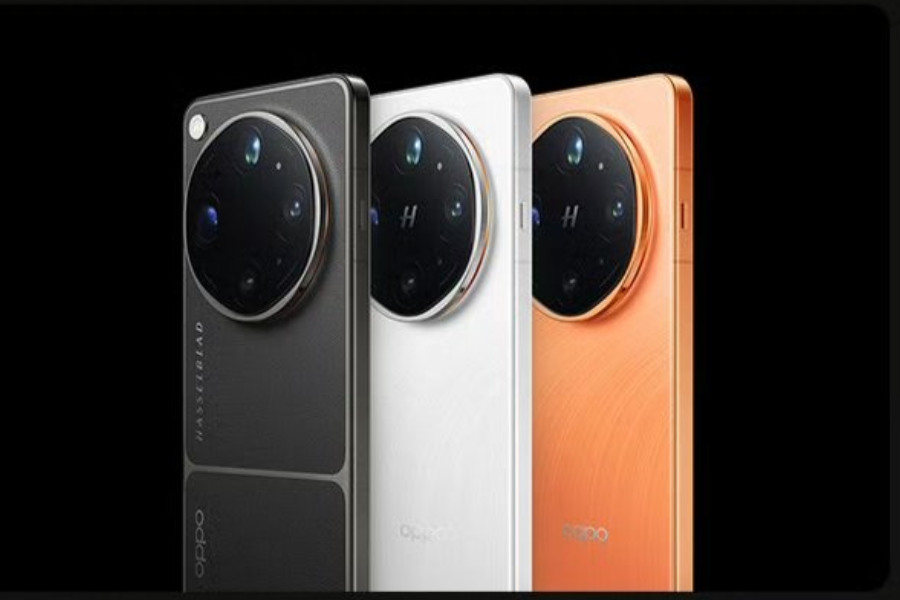
OPPO Find X9 Ultra
OPPO’s Find X9 Ultra is the most camera-forward device on this list. It’s the only 2026 flagship to use two 200MP cameras, one for main and another for 3x telephoto. Both deliver maximum detail in portrait and general photography. There’s also a dedicated 50MP 10x optical zoom telephoto and a 50MP ultra-wide.
OPPO is leaning hard on the Hasselblad partnership here. The new Hasselblad Master Mode includes features like True Detail for 8K output across six focal lengths, a full-link ProXDR pipeline, and nine film presets that try to simulate real film color behavior rather than just slapping a filter on.
Video-wise, it supports 8K at 30fps and 4K at 120fps in 10-bit Log format, along with custom 3D LUT import and an ACES color management workflow. TILTA accessories like ND filters and manual focus grips are available for it. The phone runs Snapdragon 8 Elite Gen 5 with a 144Hz 2K display, a 7,050mAh battery with 100W wired and 50W wireless charging, and IP66/IP68/IP69 water resistance.
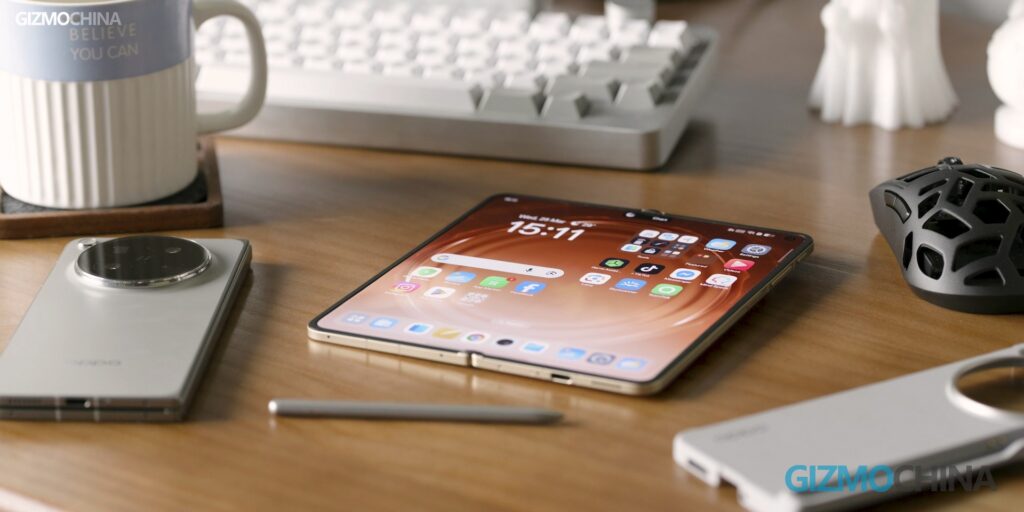
OPPO Find N6
OPPO’s Find N6 is pitching itself as the world’s flattest foldable, and the engineering behind that claim is genuinely interesting. The hinge uses a bionic four-axis structure built with chip-level polymer 3D printing, reducing surface unevenness to 0.1mm. Paired with memory glass that restores up to 99.9% flatness after folding, the crease situation is about as controlled as any foldable has managed. It’s TÜV certified for 600,000 folds.
The inner display is an 8.12-inch QXGA+ foldable OLED, and the outer cover screen is a 6.62-inch FHD+ AMOLED, both running 1-120Hz adaptive refresh with 240Hz touch sampling. The outer panel peaks at 3,600 nits.
Cameras follow the same Hasselblad-partnership playbook as the Find X9 Ultra: a 200MP main with dual-axis OIS leads, supported by a 50MP ultra-wide, a 50MP 3x telephoto, and a dedicated Danxia color calibration lens. It supports 8K stills and 4K 120fps Dolby Vision video.
The chipset is the Snapdragon 8 Elite Gen 5, paired with a 6,000mAh battery, 80W wired and 50W wireless charging. It folds to 8.93mm and weighs 225g, with IP56/IP58/IP59 ratings.
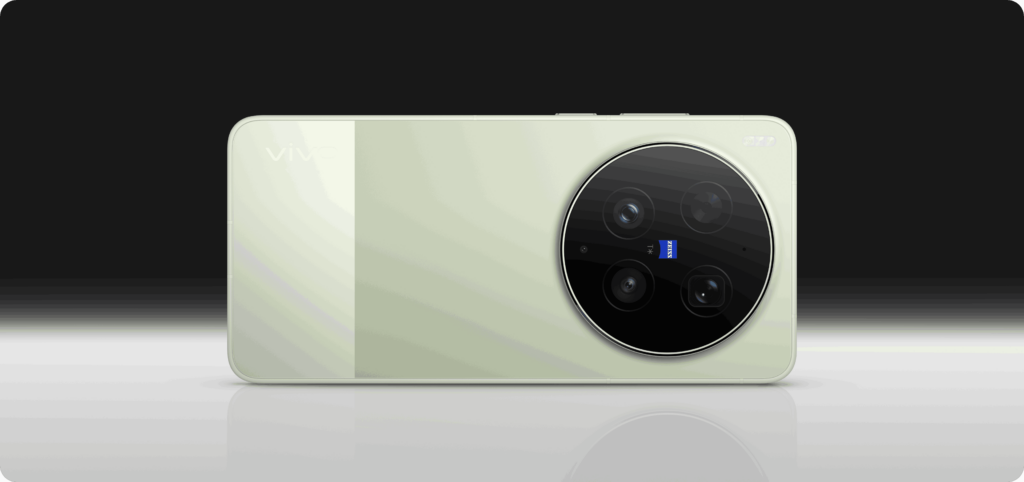
Vivo X300 Ultra
Vivo’s X300 Ultra follows a similar camera-first philosophy as the Find X9 Ultra, but leans into a Zeiss partnership instead of Hasselblad. The camera array includes a 50MP ultra-wide (Sony LYTIA 818), a 200MP main camera (Sony LYTIA 901), and a 200MP telephoto (Samsung HP0) with gimbal-level stabilization.
Vivo X300 Ultra – Victory Green
Vivo is also selling two external teleconverter modules, one for 200mm and one for 400mm. The imaging system supports 4K 120fps Dolby Vision and 4K 120fps 10-bit Log recording, along with 3D LUT imports and ACES workflows.
The display is a 6.82-inch 2K LTPO AMOLED at 144Hz. Battery is 6,600mAh with 90W wired and 40W wireless charging. It runs OriginOS 6 on Android 16 and carries IP68/IP69 ratings.
April
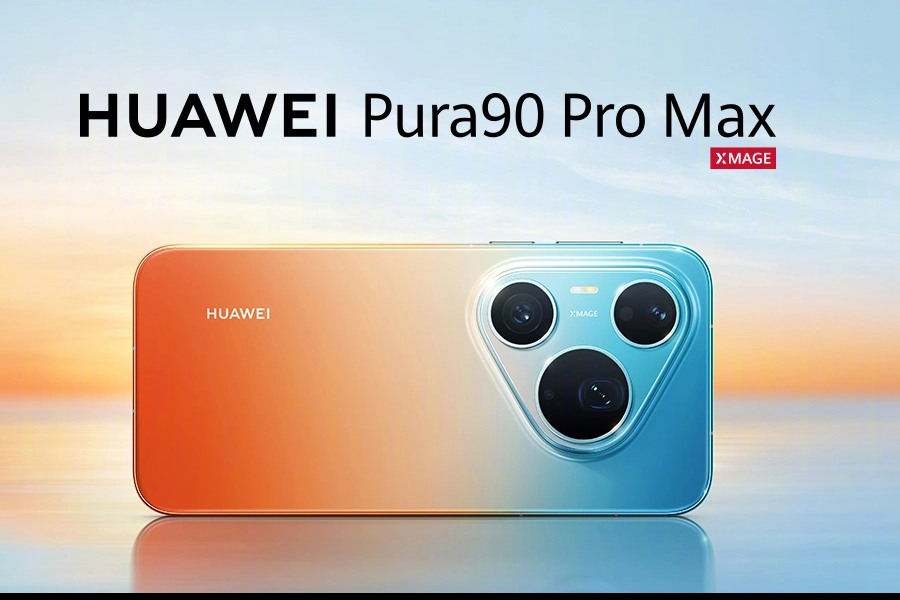
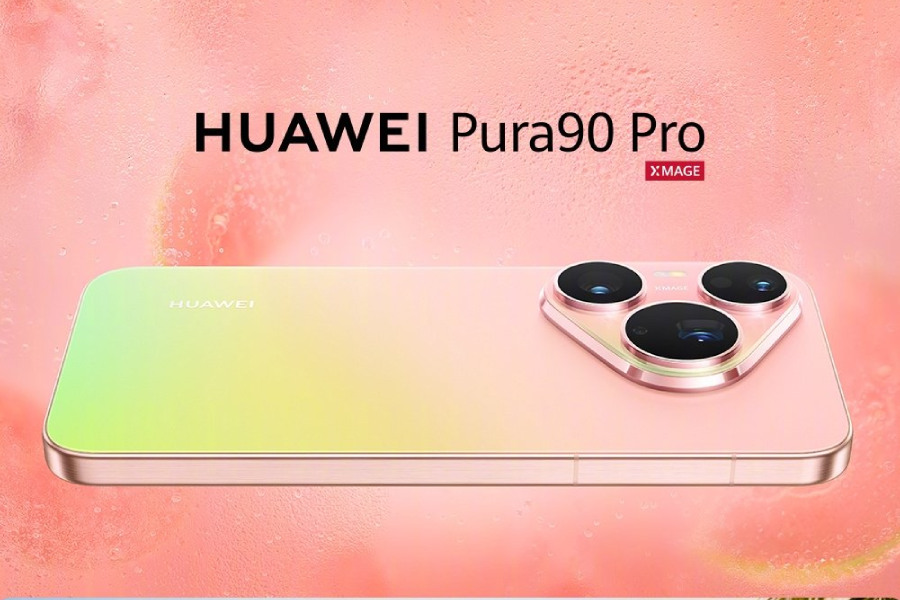
Huawei Pura 90 Pro and Pura 90 Pro Max
Both the Huawei Pura 90 Pro and 90 Pro Max share the same XMAGE imaging philosophy and a Red Maple multispectral lens, but the Pro Max gets better hardware meaningfully across the board.
The Pro Max camera system leads with a 50MP RYYB main sensor (1/1.28-inch) with OIS, LOFIC tech, and a variable aperture from f/1.4 to f/4.0. The telephoto is a 200MP RYYB periscope unit with 4x optical zoom, up to 8x optical-quality zoom, CIPA 7.0 stabilization, and what Huawei calls an industry-first three-in-one super concentrating prism. Rounding it out is a 40MP RYYB ultra-wide.
The standard Pro keeps the same main sensor and aperture setup but steps down to a 12.5MP ultra-wide and a 50MP periscope telephoto.
Both phones run on the Kirin 9030S, a step below the Kirin 9030 Pro found in the Pura X Max foldable. Huawei claims a 200 percent improvement in NPU image understanding over the previous generation, with gains in AI ISP color processing, telephoto video clarity, and stabilization accuracy. AI features are central to the software pitch — AI pose recommendations, composition assist, portrait retouching, and one-click photo creation are all present, alongside an upgraded Xiaoyi assistant with real-time pointing recognition and voiceprint detection.
The Pro Max has a 6.9-inch display; the Pro gets 6.6 inches. Both use single-punch-hole cutouts. The Pro Max also gets Kunlun glass protection, which Huawei says cuts reflections by 70 percent and improves scratch resistance up to 16 times over standard glass. Both phones run HarmonyOS 6.1.
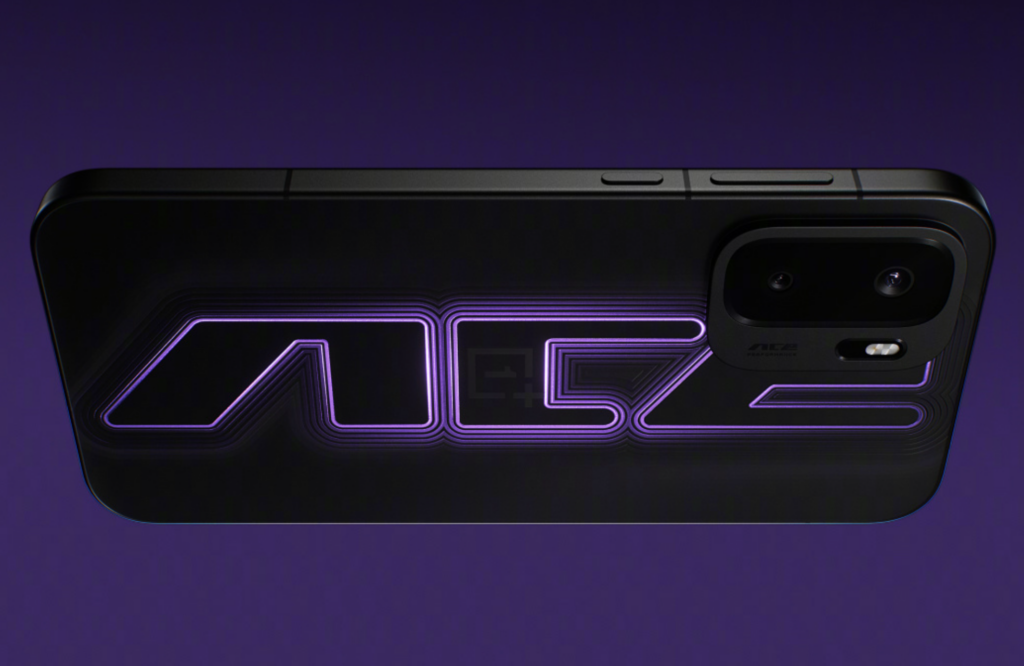
OnePlus Ace 6 Ultra
The OnePlus Ace 6 Ultra is squarely aimed at mobile gamers. It runs on the MediaTek Dimensity 9500, built on TSMC’s third-gen 3nm process, with OnePlus claiming a 32% performance uplift and 55% better power efficiency over the previous generation.
Keeping things cool is a 6,000mm² vapor chamber that sits alongside a Glacier Cooling System and a deeper integration of OnePlus’s Wind Chaser Gaming Kernel.
OnePlus Ace 6 Ultra
The headline accessory is an optional Strix Gaming Controller with a joystick-free layout, mechanical triggers rated at 1.8ms response time, a dedicated e-sports chip, and support for magnetic cooling modules. It’s the kind of peripheral ecosystem you’d more typically associate with a dedicated gaming phone brand.
The display is a 6.78-inch 1.5K LTPS OLED at 165Hz with 4,000Hz instantaneous touch sampling. As for cameras, it has a 50MP main with OIS and an 8MP ultra-wide unit. The battery is a large 8,600mAh dual-cell unit with 120W wired charging. It runs ColorOS 16 on Android 16, and carries IP66/IP68/IP69/IP69K ratings.
For more daily updates, please visit our News Section.
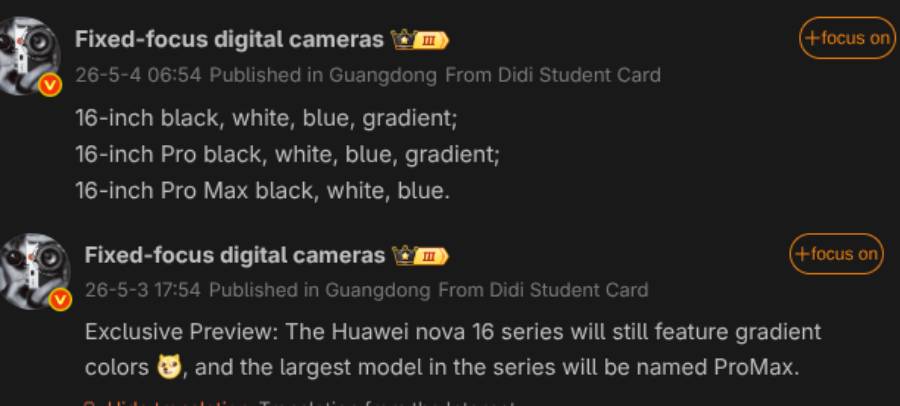
A new set of leaks has spilled the beans on what the Huawei Nova 16 series might look like. According to a post from tipster Fixed Focus Digital, the upcoming lineup could stick with some familiar colors.
The standard Nova 16 and Nova 16 Pro are said to arrive in classic black and white, along with a blue and a gradient finish. The top-end model, however, may skip the gradient look entirely with just black, white, and blue on its helm.
The top model is also where things get a bit more interesting. A newer leak suggests Huawei might call it the Huawei Pura Nova 16 Pro Max, instead of the previously expected “Ultra” branding.
Fortunately, a previous report gives us an idea of what this Ultra—or now Pro Max—model might offer.
Huawei Nova 16 Pro Max Possible Specifications
A previous report from tipster Digital Chat Station revealed a prototype device in the works with a 6.84-inch 1.5K LTPO display. It’s expected to be the top-tier model in the Nova 16 series, powered by a “9-series flagship processor,” which likely means a Kirin 9000-series chip, along with a battery that could land around 7000mAh.
As for the camera, the device is said to include a 50-megapixel main sensor in the 1/1.3-inch range, paired with a 50MP periscope telephoto lens and a multispectral sensor. Wireless charging is also reportedly part of the package.
For context, the Huawei Nova 15 series launched late last year with Kirin 8020 and 9010S chipsets, starting at 2699 yuan. The Ultra variant stood out mostly for its dual “red maple leaf” design, rather than major hardware changes.
Like most early leaks, none of this is final. Names, specs, and even the overall direction could change before Huawei makes anything official.
For more daily updates, please visit our News Section.
A recent report hinted that Xiaomi could bring back the Mix lineup with the Mix 5. The claim was based on internal database entries referencing a device codenamed “hongkong” with the model number Q5.
This detail led to speculation around a 2026 release window and a possible continuation of Xiaomi’s Mix branding, which has historically been tied to more experimental hardware.
However, a reliable Chinese tipster, Digital Chat Station, has refuted the claims, stating that there is no such product as the Mix 5 in development. According to the tipster, the Q5 model number isn’t tied to a Mix device at all, but rather to Xiaomi’s next-generation flagship, likely part of the Xiaomi 18 series.
What was rumored
The previous leak about the supposed Mix 5 hinted at an under-display camera similar to the one seen on the Xiaomi Mix 4. It was also expected to feature experimental ideas, such as a magnetic lens system for the rear camera. Xiaomi had previously teased such an accessory in 2025, and reports suggested it could be nearing mass production.
Xiaomi 18 Pro render
The rumored hardware also included Qualcomm’s next flagship chip, the Snapdragon 8 Elite Gen 6 Pro, along with HyperOS 4 out of the box. There were even hints at a broader global release, something the Mix lineup has typically avoided.
Now that the rumor has been refuted, these experimental ideas seem more likely to be reserved for the Xiaomi 18 series.
Separate leaks around that lineup describe a compact flagship with a next-generation 2nm chipset, possibly the standard Snapdragon 8 Elite Gen 6, along with dual 200-megapixel cameras and a battery capacity of around 7,000mAh. Xiaomi is also said to be working on a slimmer design with ultra-narrow bezels using LIPO packaging.
For more daily updates, please visit our News Section.
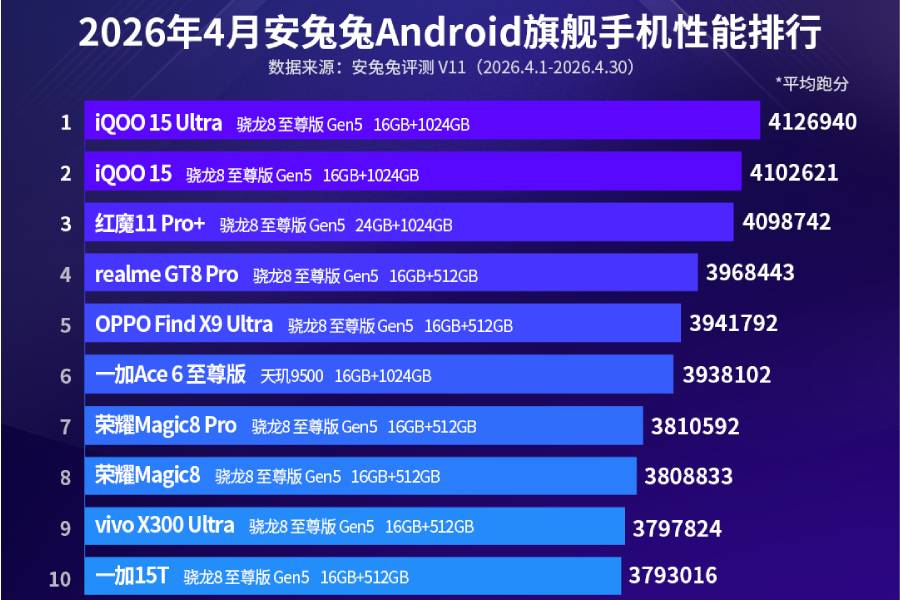
AnTuTu’s latest Android performance rankings for April are in, and not much has changed from last month. The same phones are at the top with iQOO still leading the pack with iQOO 15 Ultra.
The iQOO 15 Ultra is the best performing phone for April with a score of 4,126,940. Close behind is the iQOO 15 with 4,102,621. Both devices rely on Qualcomm’s Snapdragon 8 Elite Gen 5 chip with 16GB RAM and 1TB storage, and are tuned aggressively for performance with a good thermal management.
Right behind them is the Red Magic 11 Pro+, scoring 4,098,742. It uses the Snapdragon 8 Elite Gen 5 too, but has 24GB RAM paired with 1TB storage.
What stands out more broadly is the chipset split. Out of the top ten Android phones this month, nine are powered by the Snapdragon 8 Ultra Gen5. The only exception is the OnePlus Ace 6 Ultra, which uses MediaTek’s Dimensity 9500 and ranks sixth in the chart.
Compared to March, the overall structure hasn’t changed dramatically. The iQOO 15 Ultra was already in first place then, even posting a slightly higher score of 4,174,911. Devices like the Red Magic 11 Pro+ and iQOO 15 were also present in the upper tier, though their positions have adjusted slightly.
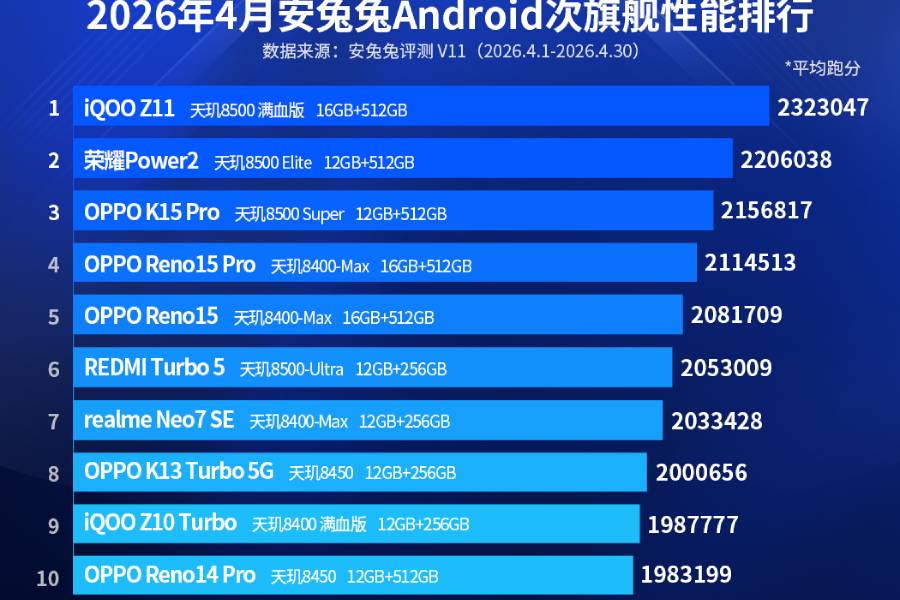
AnTuTu mid-range phones and tablets ranking for April
The mid-range, or what AnTuTu classifies as “sub-flagship,” tells a different story. Here, MediaTek has a stronger foothold. The iQOO Z11 leads this category with 2,323,047 points, powered by the Dimensity 8500. It’s followed by the Honor Power2 and Oppo K15 Pro, both also running on Dimensity chips.
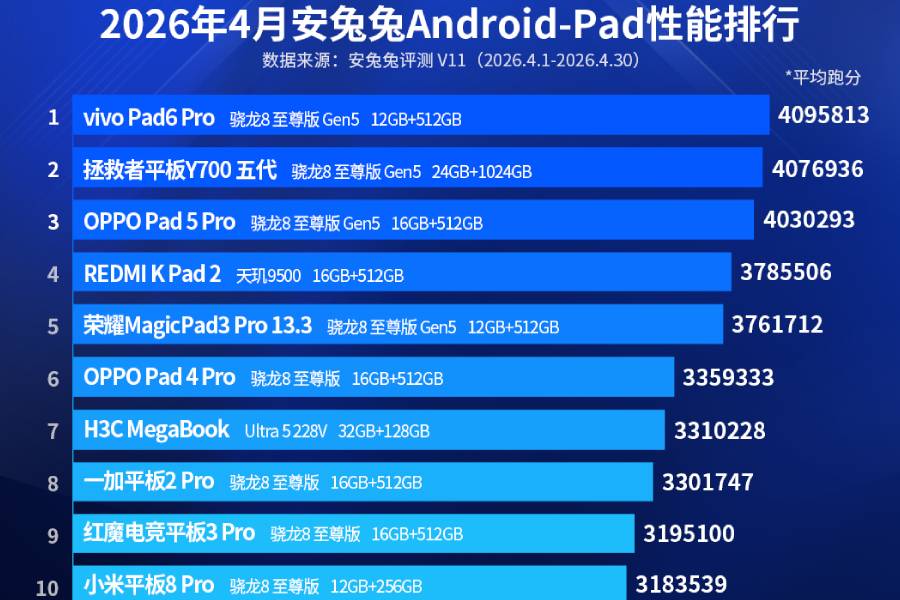
On the tablet side, performance is increasingly mirroring flagship phones. The Vivo Pad 6 Pro takes the top spot with a score of 4,095,813. It’s followed by the Legion Tablet Y700 5th Generation and the Oppo Pad 5 Pro. All three use the flagship Snapdragon 8 Elite Gen 5 chip.
Looking back at March, the tablet category has seen a small shift at the top, with Lenovo’s Legion tablet previously holding first place. Now, Vivo has moved ahead, though the overall performance range remains largely similar.
A new leak suggests Xiaomi may bring back its experimental Mix line of smartphone. According to a recent report from XiaomiTime, the rumored Xiaomi Mix 5 is already in development, and it could land later this year with some new tricks.
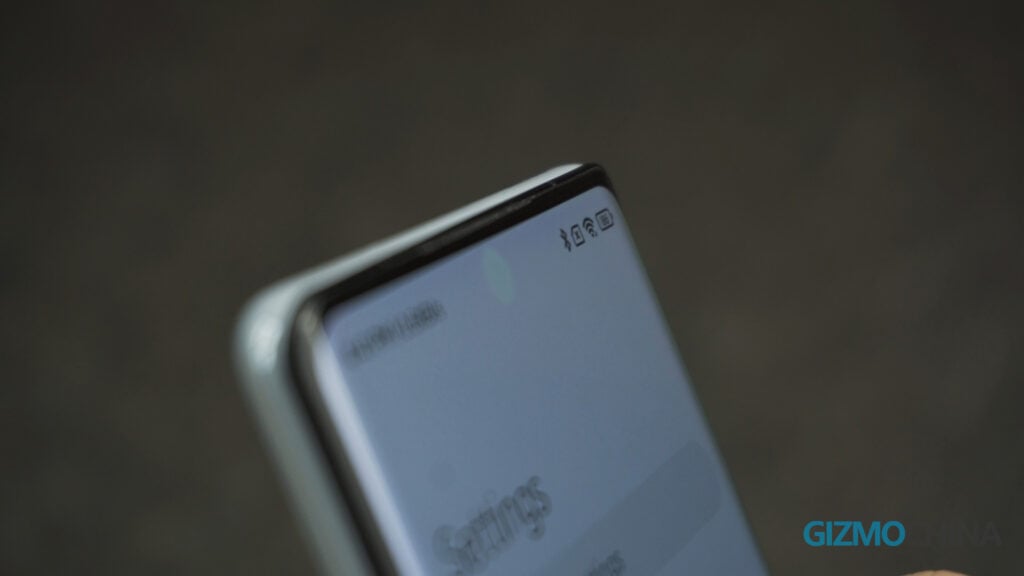
Xiaomi MIx 4 UD Camera is faintly visible from the side view
The report points to internal Xiaomi database entries that reference a device codenamed “hongkong” with the model number Q5. The source suggests that the “Q” prefix could mean a 2026 release window, while the “5” aligns closely with the Mix branding. Previous devices in the series followed similar naming pattern, E5 and E5G for Mix 3 and Mix 3 5G and K8 for Mix 4.
On the hardware side, the phone is expected to run on the upcoming Snapdragon 8 Elite Gen 6 Pro chip.
Xiaomi Mix 5 might still retain under display camera
As for the design, the Mix 5 is rumored to feature an under-display camera, like the Mix 4. The idea still hasn’t matured yet, although few niche brands like RedMagic offers their high-end gaming phones with a under-display camera. Of course, the camera performance is not as you’d expect from an over the surface camera.
There’s also talk of a new “magnetic lens” system for the rear camera. Xiaomi in fact teased the acessory back in 2025 and a previous report claimed that the lens has started mass production and could be seen as early as this year.
Software-wise, the device is expected to ship with HyperOS 4 out of the box. That would make it one of the first phones to run Xiaomi’s next-generation software platform.
Perhaps more interestingly, the Mix 5 might not be limited to China this time. The report suggests Xiaomi is planning a broader global release, excluding Japan but opening availability to other international markets.
There’s still no confirmed launch date, and Xiaomi’s evolving naming strategy leaves some room for interpretation. But taken together, the leaks suggest the company is once again use Mix series to bring its innovative experimental features to masses.
For more daily updates, please visit our News Section.
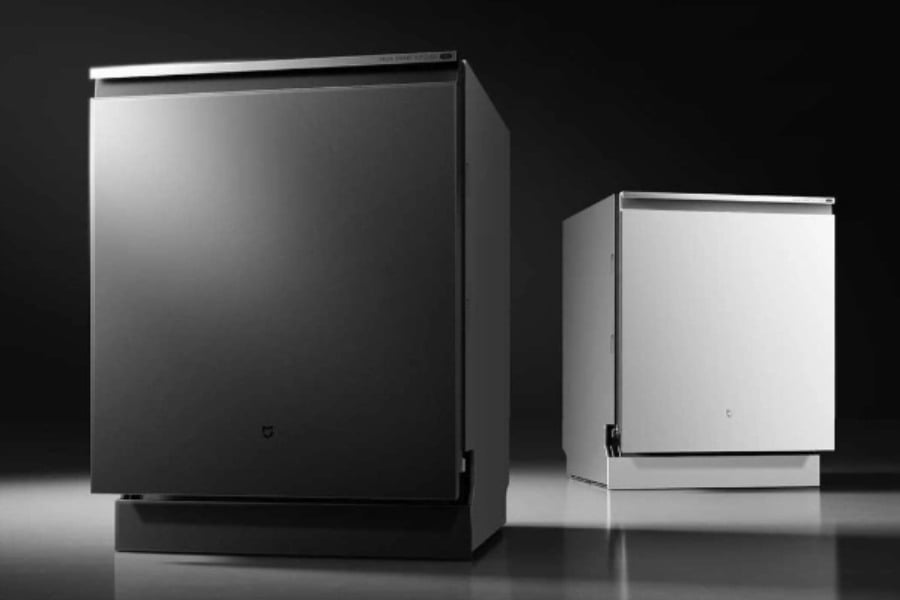
The smart home and home appliance brand of Xiaomi, called Mijia, has introduced a new Mijia Smart Dishwasher Pro Built-in 18-Set in China. Now available through Xiaomi Youpin at a listed price of 6,999 yuan (~$1,025), the dishwasher supports up to 18 place settings and claims it can clean around 130 pieces of tableware in a single cycle.
Its internal layout uses a three-layer rack system, designed in what Xiaomi calls a “Chinese-style” configuration. The dishwasher uses a triple-spray-arm system paired with a five-stage vortex wash. Xiaomi says this setup helps push water into corners and tight spaces that are usually harder to reach. There’s also a BLDC dual-frequency motor delivering up to 52,000Pa of washing pressure.
The machine includes a built-in 450ml detergent tank, and a single refill can last up to three weeks, depending on usage. One of the more noticeable features is the projected floor display. Instead of checking a panel, users can see the washing progress projected onto the ground.
Wash cycles and sterilization
Drying and sterilization are handled through a combination of high-temperature cycles and airflow. The dishwasher supports temperatures up to 135°C for internal sterilization, alongside what Xiaomi describes as a dual-duct disinfection system.
There’s also an automatic door-opening feature to speed up drying by releasing moisture after a cycle ends. For faster use cases, it has a 59-minute wash-and-dry mode.
The dishwasher supports 16+4 washing programs that cover different cleaning needs. It also integrates with Xiaomi’s ecosystem, allowing control through the Mijia app or voice commands via XiaoAI-enabled devices.
In terms of build, the unit measures 598 × 775 × 570mm and is designed for embedded installation. It weighs around 45.5kg and runs on standard 220V power. Water consumption is rated at 12.4 liters per cycle, with energy usage at about 0.835 kWh per run, aligning with China’s efficiency standards.
Vivo has quietly launched the Vivo S50t smartphone in China. It may seem like a new smartphone altogether, but it’s essentially a reworked version of the Vivo S50 launched late in 2025. The differences are small. You might even miss them.
The biggest change is under the hood. Vivo has swapped faster UFS 4.1 storage for UFS 3.1 here. That’s not the kind of downgrade you’ll notice immediately in day-to-day use. Everything else remains largely intact.
The small storage change also affects the price. The 12GB RAM and 512GB storage model starts at 3,299 yuan, though it drops to 3,199 yuan for a limited time. The 16GB + 512GB version comes in at 3,599 yuan. The Vivo S50, in comparison, costs around 100 yuan for the 12/512GB variant.
Vivo S50t Specifications
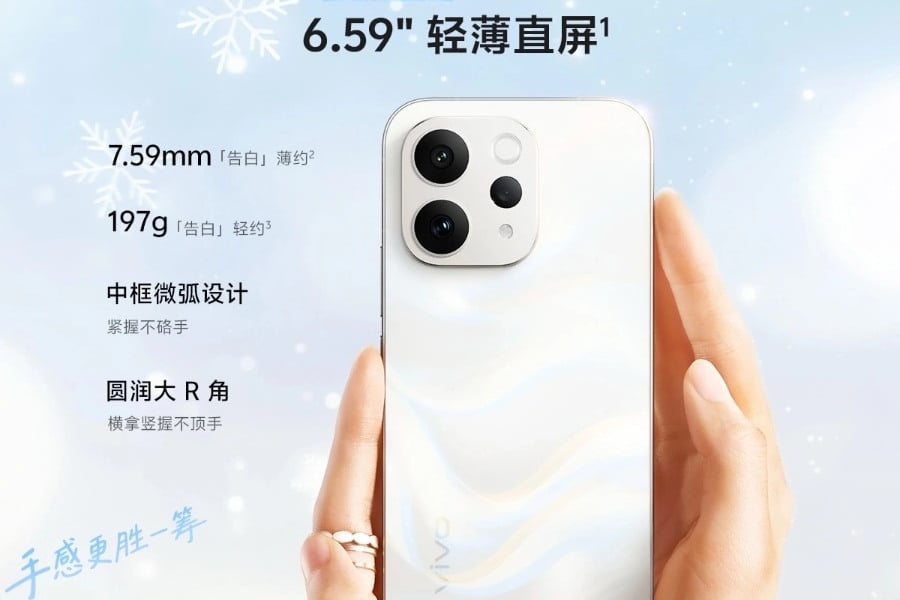
The design hasn’t changed much either. The phone keeps a slim profile, measuring as thin as 7.49mm in some color options, with a satin-finish glass back and an aluminum frame. Vivo is offering it in four finishes: Confession, Serenity Blue, Inspiration Purple, and Space Black.
The display is a 6.59-inch AMOLED panel with a 1.5K resolution and support for 120Hz refresh rate, along with HDR and a P3 color gamut. It also has some eye-comfort features, including low blue light tech and high-frequency PWM dimming.
Inside, the phone runs on the Snapdragon 8s Gen 3 chip, paired with LPDDR5X RAM. It ships with OriginOS 6 based on Android 16. There’s also a large 6,500mAh battery, while the charging is capped at 90W wired, with no wireless charging support.
As for the camera, the rear setup includes a 50MP main sensor, an 8MP ultra-wide, and a 50MP periscope telephoto lens using Sony’s IMX882 sensor. The selfie is a 50MP unit. Both the front and rear cameras include dedicated flash units.
Other features include an ultrasonic fingerprint sensor, Wi-Fi 6, NFC, Bluetooth 5.4, and a range of standard sensors. There’s also an IR blaster and an X-axis linear motor.
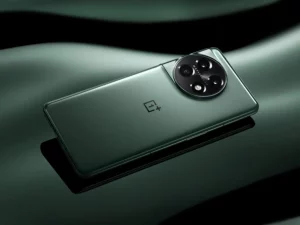
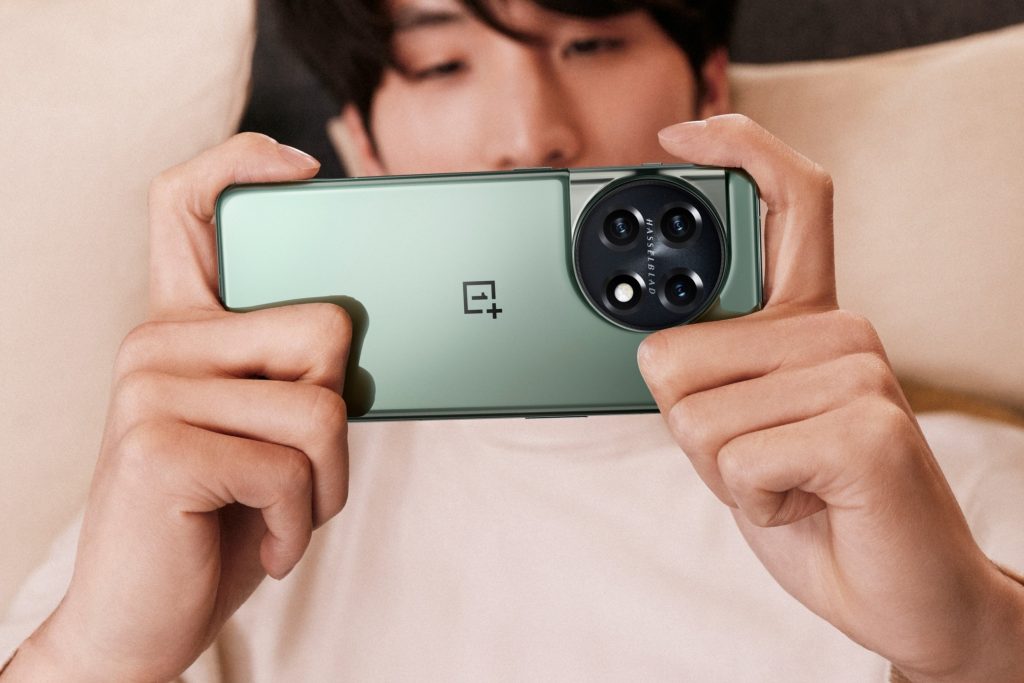
If you are still using the OnePlus 11 in 2026, it has aged well. The phone is now over 3 years old and likely still handles everyday tasks without much friction. Apps open quickly, scrolling feels smooth, and the charging speed is what you can rely on. In a lot of ways, the OnePlus 11 might not feel like a 2023 smartphone or outdated per se.
However, now is the right time to upgrade from it since it’s more about what happens next.
The upcoming OxygenOS 17 is expected to be its last major update for the OnePlus 11. That means it will no longer be moving forward with future Android versions.
At the same time, the Snapdragon 8 Gen 2 inside the OnePlus 11 is now a few generations behind. You might not feel the difference immediately, but it will start to appear in small ways, if it hasn’t. And it could be anything from slightly longer load times, less efficient battery use, or fewer performance gains in newer apps and games.
None of this makes the OnePlus 11 unusable. It just makes it easier to justify moving on.
What to look for if you’re coming from a OnePlus 11
If you’ve used a OnePlus phone for a while, your expectations are pretty clear, even if you don’t think about them directly.
You expect fast charging that actually changes how you use the phone. Plug in for a few minutes, and you’re good again. You expect performance that doesn’t need explaining. No stutters. No weird slowdowns. And you expect software that doesn’t constantly get in your way.
You might get that combination in the OnePlus ecosystem itself. Or if you want to move, we have those options too.
The List: OnePlus 15R
The OnePlus 15R could be an easy upgrade because you are sticking to the known OnePlus ecosystem. It runs on Snapdragon 8 Gen 5, which is a noticeable jump from the 8 Gen 2. Not just in peak performance, but in how stable everything feels. Its thermal management is also better if you are into gaming.
More importantly, you get a 48% bigger battery at 7400mAh.Even the charging is fast here at 120W, with 50% charging claimed in 15 min.
Moving on, the 15R also has a 165Hz AMOLED panel. In comparison, the OnePlus 11 has a 120Hz panel. While the difference may not be noticeable immediately since few apps support a 165Hz refresh rate, games like Call of Duty Mobile, Clash of Clans, Brawl Stars, and Real Racing 3 are optimized to make use of it.
Key Specs:
Snapdragon 8 Gen 5
7,400mAh battery
165Hz AMOLED display
55W fast charging
OxygenOS 16
Why OnePlus 11 users will like it: It feels familiar in the ways that matter. Fast, smooth, predictable. You don’t need to relearn anything.
Why they won’t: The cameras are fine. Not bad. But this isn’t the phone you buy if you’re obsessed with photography.
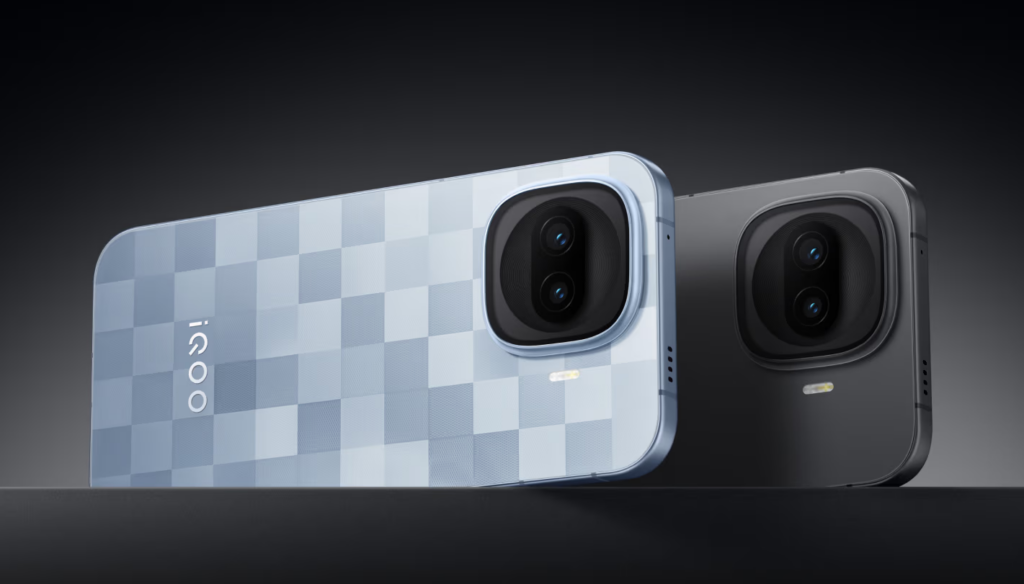
iQOO 15R
The iQOO 15R is the performance-focused alternative. Internally, it’s nearly identical to the OnePlus. Same chipset, same general performance ceiling. Even the camera setup mirrors the OnePlus. It has a 50MP main, 8MP ultrawide, and again, no telephoto. This seems to be a consistent trade-off across this segment.
The battery size is even bigger here at around 7,600mAh, and charging goes up to 100W. So just plug it in, and it fills up quickly.
The difference here is the display, which is a 144Hz AMOLED panel. Slightly lower refresh rate than the OnePlus options, but not something most people will notice.
Key Specs:
Snapdragon 8 Gen 5
~7,600mAh battery
144Hz AMOLED display
100W fast charging
Long software support window
Why OnePlus 11 users will like it: It delivers the same “fast and practical” experience, but with even bigger numbers.
Why they won’t: Software experience feels different, and the cameras are average.
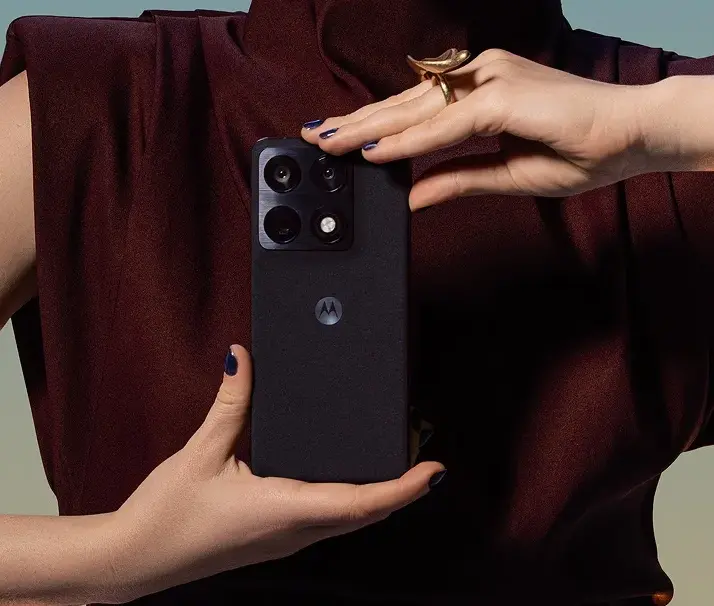
Motorola Signature
The Motorola Signature is the outlier here. It’s thinner, lighter, and more design-focused than most phones in this category.
It still runs a Snapdragon 8 Gen 5 with 16GB RAM and 512GB storage as standard. What stands out is the design. It’s thinner than most phones in this category, lighter, and still manages to include a high-brightness display and strong durability ratings.
Key Specs:
Snapdragon 8 Gen 5
16GB RAM, 512GB storage
165Hz display
IP68/IP69 rating
Premium lightweight design
Why OnePlus 11 users will like it: It keeps a relatively clean Android experience, and it feels different in a good way.
Why they won’t: It’s expensive. And it doesn’t lean into fast charging the way OnePlus does.
Realme Neo 8
The Realme Neo 8 is another phone running on the same Snapdragon platform, but it’s closer to a flagship in terms of features.
The display is a 6.78-inch AMOLED panel with a 165Hz refresh rate and an unusually high peak brightness rating of 6500 nits. More importantly, this is one of the few phones here with a proper telephoto lens.
Its 50MP periscope camera offers 3.5x optical zoom, alongside a 50MP main sensor and an 8MP ultrawide. This alone makes it more versatile than the OnePlus and iQOO options.
Its battery capacity is also larger at 8000 mAh. The charging, however, is a bit slow at 80W, but given the battery size, it’s still practical. There’s also an RGB LED on the back for some extra visual flair.
Key Specs:
Snapdragon 8 Gen 5
16GB RAM, 1TB storage
165Hz display
IP68/IP69 dust and water resistance
RGB LED design with glass back and metal frame
Why OnePlus 11 users will like it: The camera system is more versatile, especially with the periscope zoom. The battery is big, too, and the display is bright and smooth, without any inconsistency.
Why they might not: Charging is slower than that of the OnePlus 11, and the RGB lighting and overall design might feel a bit loud if you prefer something minimal.
Best overall pick for a OnePlus 11 user
For most people, the answer is the OnePlus 15R.
Not because it’s the most powerful. It isn’t. Not because it has the best camera. It doesn’t.
It’s the best because it feels like a continuation. You get a much newer chip, a significantly larger battery, and the same general experience you’re already used to. There’s no adjustment period. No trade-offs that feel surprising.
For more daily updates, please visit our News Section.
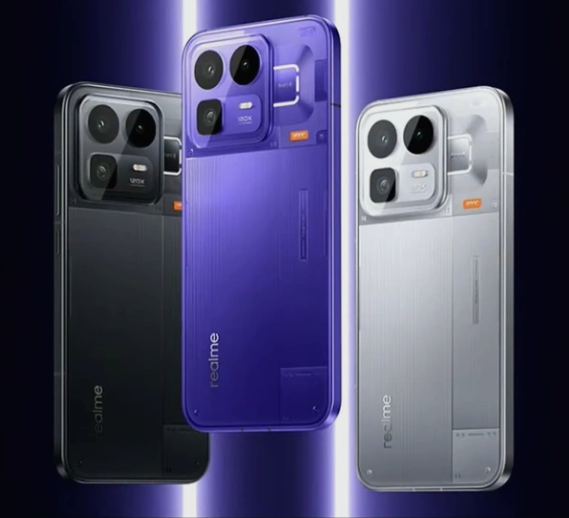
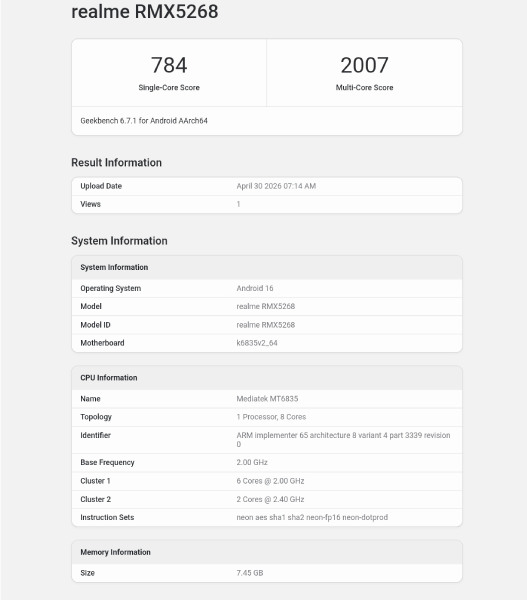
The Realme 16 series already has three members, and it’s soon set to become four. The upcoming Realme 16T has made an early appearance on Geekbench, revealing what we can expect under the hood.
According to the listing, the Realme 16T (model number RMX5268) is powered by the MediaTek Dimensity 6300. That’s actually a downgrade over last year’s Realme 15T, which uses MediaTek Dimensity 6400.
The Geekbench data shows a CPU setup with two performance cores clocked at 2.4GHz and six efficiency cores at 2.0GHz. Graphics duties are handled by the Mali-G57 MC2 GPU. The tested unit comes with 8GB of RAM and runs Android 16.
If that configuration sounds familiar, that’s because it is. The Realme 15T’s chipset, for instance, offered slightly higher clock speeds at 2.5GHz on its performance cores, alongside the same GPU. As a result, the differences here may come down to optimization rather than raw performance.
What else do we know
Outside of benchmarks, earlier leaks from tipster Abhishek Yadav point to multiple variants for the 16T. The phone is expected to ship in three configurations: 6GB RAM with 128GB storage, 8GB with 128GB, and 8GB with 256GB.
As for the design, the phone is said to come in Starlight Red, Starlight Black, and Aurora Green shades. These names don’t confirm much on their own, but they hint at glossy or gradient finishes.
Realme 16
There’s no official launch date yet; however, the phone is expected to arrive as soon as next month.
Alongside it, Realme could also announce the Realme P4R smartphone, which will come in Silver Glare, Titanium Glare, and Lavender Glare. Its base variant could start at 4GB RAM and 128GB storage, with additional options of 6GB/128GB and 6GB/256GB. We will keep you in the loop with new details.
For more daily updates, please visit our News Section.
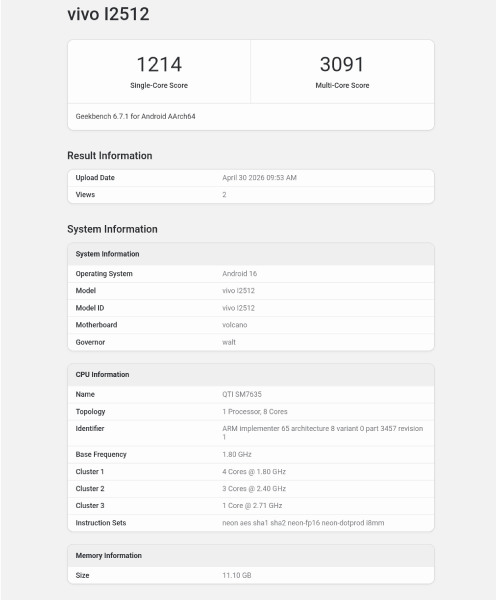
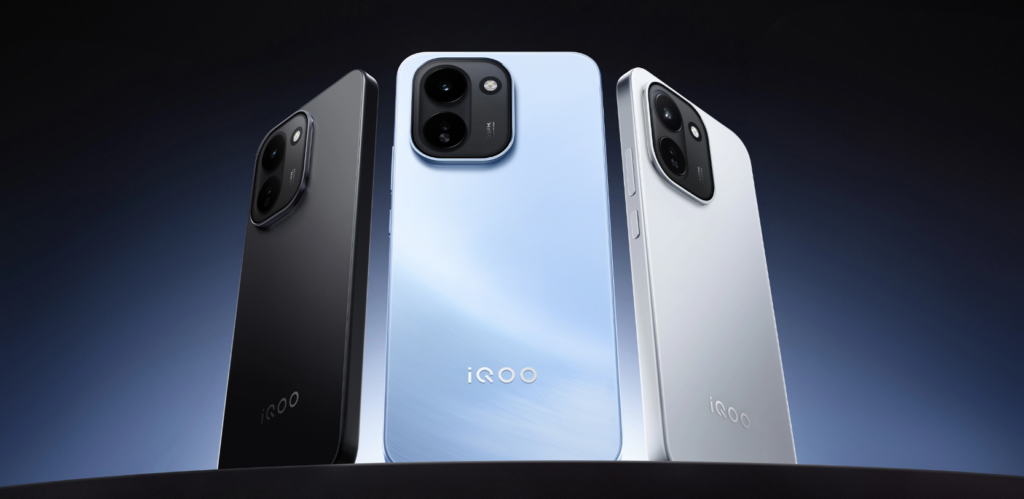
The global version of the iQOO Z11 has now surfaced on its first benchmark, and it looks a bit different from the one that launched in China.
A new Geekbench listing for the device, carrying the model number I2512, confirms that the phone will run on Qualcomm’s Snapdragon 7s Gen 4 globally. Its Chinese counterpart uses a MediaTek Dimensity 8500 chip instead.
What the Geekbench listing reveals
The listing confirms the chip identity through the CPU and GPU combo. The chipset is built around an octa-core CPU configuration consisting:
1 core clocked at 2.71GHz
3 cores at 2.40GHz
4 cores at 1.80GHz
Graphics duties are handled by the Adreno 810 GPU, paired with 12GB of RAM. The device is also listed as running Android 16.
In terms of raw numbers, the phone posts a single-core score of 1,214 and a multi-core score of 3,091 on Geekbench.
Despite the chipset, the global model may share the same battery and charging specs. The Chinese Z11 packs a massive 9,020mAh unit. It also supports 90W wired charging and includes features like reverse charging.
Certifications hint at a wider launch
The global iQOO Z11 has already appeared on multiple certification platforms, including Indonesia’s SDPPI and Thailand’s NBTC. These are usually early signs that a launch isn’t too far off.
iQOO Z11 (China)
What’s missing, at least for now, is any listing in India. That could mean a delayed rollout, or simply that iQOO is prioritizing other devices first. There’s also the possibility that the company is spacing out releases to avoid overlap with upcoming Vivo-branded phones.
Either way, the Geekbench adds another piece to the puzzle. The global iQOO Z11 is on the way. It just might not be the same phone that debuted in China.
For more daily updates, please visit our News Section.

 Login
Login