Normal view

Before yesterdayMobile

Best Smartwatches with Longest Battery Life in July 2026

15 July 2026 at 04:48

As we head into the second half of 2026, getting a smartwatch to last through a long weekend is no longer a challenge. The combination of high-density silicon-carbon batteries and more efficient processors means that multi-day battery life has simply become the baseline for most new devices.

For this list, we are focusing entirely on full-fledged smartwatches. While there are specialized, rugged watches built specifically for hikers and endurance runners that offer significantly longer battery life, they usually achieve that by stripping away everyday smart features and apps. If you are looking for a device that offers a complete wearable experience without needing a daily charge, here is a look at the most reliable options currently on the market.

Xiaomi Watch 5

Xiaomi Watch 5

This watch runs Wear OS 6, an operating system that typically drains batteries quickly due to its heavy app integration and background syncing. However, the Xiaomi Watch 5 manages to provide up to six days of battery life in standard smart mode, and up to 18 days if you switch to power-saving mode.

It achieves this by utilizing a 930mAh silicon-carbon battery, a newer battery technology that allows for higher energy density without increasing the physical size or weight of the watch.

Additionally, it uses a dual-chip setup, pairing a main Snapdragon processor with a low-power co-processor. The co-processor handles basic background tasks like step counting and notifications, which prevents the main chip from waking up unnecessarily and draining power.

This makes it a highly practical choice if you want access to the full suite of Google apps, such as Maps and Wallet, without having to charge your watch every night.

OnePlus Watch 4

Oneplus Watch 4

Another strong Wear OS 6 option, the OnePlus Watch 4 offers about five days of battery life in its standard smart mode. If you use it heavily, meaning frequent GPS tracking for outdoor runs, continuous heart rate monitoring, and streaming music offline, that battery life drops to roughly three days.

However, if you need to stretch the battery further, the watch includes a dedicated power-save mode. By disabling the main processor and full Wear OS functions, it relies on a low-power co-processor to handle basic timekeeping, step tracking, and essential notifications, which can extend the battery life up to 16 days.

It is equipped with a 646mAh battery that supports fast charging, allowing you to fully recharge the device from zero to 100% in about 75 minutes.

The watch features a titanium alloy case and a bright LTPO OLED display. The LTPO technology is particularly helpful for battery conservation, as it allows the screen’s refresh rate to drop significantly when you are not actively interacting with it.

It functions well as an everyday watch that provides premium materials and can comfortably last through a long weekend trip without needing a charger.

Huawei Watch GT Runner 2

Huawei Watch GT Runner 2

If you primarily want a smartwatch for tracking workouts and do not need access to third-party apps, the Huawei Watch GT Runner 2 (full review) is a very efficient option.

It runs proprietary HarmonyOS rather than a resource-heavy platform like Wear OS, it provides up to 14 days of battery life with light use, or about seven days under typical daily conditions.

For runners and hikers, the most relevant specification is its continuous GPS tracking capability. The watch can record up to 32 hours of continuous dual-band GPS tracking on a single charge, making it useful for marathons, ultramarathons, or multi-day hiking trips.

It also features a lightweight build at just 34.5 grams and a breathable strap, focusing entirely on comfort and detailed fitness metrics rather than smartwatch app ecosystems.

Apple Watch Ultra 3

Apple-Watch-Ultra-3

For iPhone users wanting to stay within the Apple ecosystem, the Apple Watch Ultra 3 offers up to 42 hours of normal use on a single charge. If you need to extend that, turning on Low Power Mode will give you up to 72 hours by limiting background heart rate measurements and delaying some notifications.

While it does not last as long as the dedicated fitness watches, the S10 chip and watchOS 26 optimizations make it efficient enough to prevent the need for daily charging, even with an always-on display and cellular connectivity active.

When the battery does run low, the fast-charging capability is quite useful, a 15-minute charge provides about 12 hours of standard use, which makes it relatively easy to keep the watch topped up while you take a shower or get ready for the day.

Samsung Galaxy Watch Ultra

Samsung Galaxy Watch Ultra

The current Samsung Galaxy Watch Ultra provides up to 100 hours of battery life in Power Saving mode, or 48 hours in Exercise Power Saving mode, drawing from its 590mAh battery. It runs Wear OS 6 layered with Samsung’s One UI 8 Watch interface, providing deep integration with Android smartphones.

For people already using Samsung devices, a practical detail is how the watch works alongside the Galaxy Ring. If you wear them both, they split the health-tracking workload. The ring can handle background tasks like monitoring your sleep and continuous heart rate, which lets the watch turn off those specific sensors to save battery.

This distribution of work can reduce the watch’s power consumption and extend its overall battery life by about 30%, depending on your daily usage patterns.

It is also worth noting that Samsung is expected to release the next-generation Galaxy Watch Ultra 2 later this month. According to recent hardware leaks, this upcoming model will be equipped with a larger battery capacity, which should further improve its overall longevity and reduce the frequency of required charging.

For more daily updates, please visit our News Section.

Stay ahead in tech! Join our Telegram community and sign up for our daily newsletter of top stories!

The post Best Smartwatches with Longest Battery Life in July 2026 appeared first on Gizmochina.
5 Best Snapdragon 8 Elite Gen 5 Phones (July 2026)

14 July 2026 at 11:25
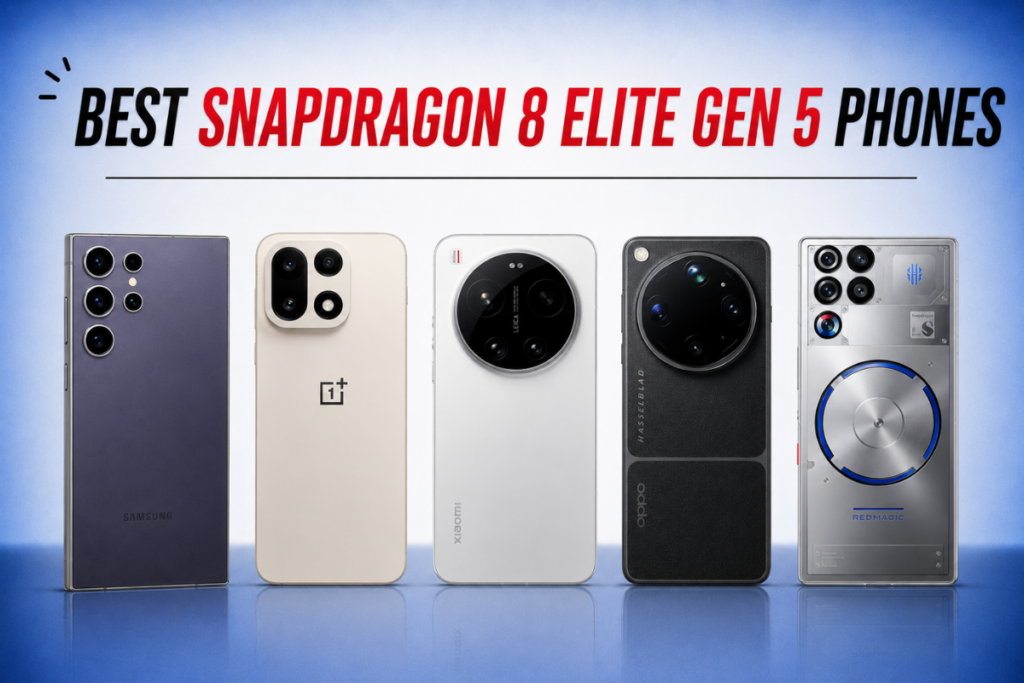
Best Snapdragon 8 Elite Gen 5 phones (July 2026)

The Snapdragon 8 Elite Gen 5 is a no-brainer pick if you want the absolute best capabilities on your next upgrade. The processor delivers top-tier performance and power efficiency, smooth gameplay at extreme graphics settings, and excellent agentic AI capabilities. However, choosing the right smartphone can be challenging.

There are over a dozen Snapdragon 8 Elite Gen 5 phones out there (check the full list here), and going through each of them will likely cost you a few hours. So we did the hard work and narrowed the list down to five. Check them out below to find your next best upgrade.

5 Best Snapdragon 8 Elite Gen 5 phones to buy in July 2026

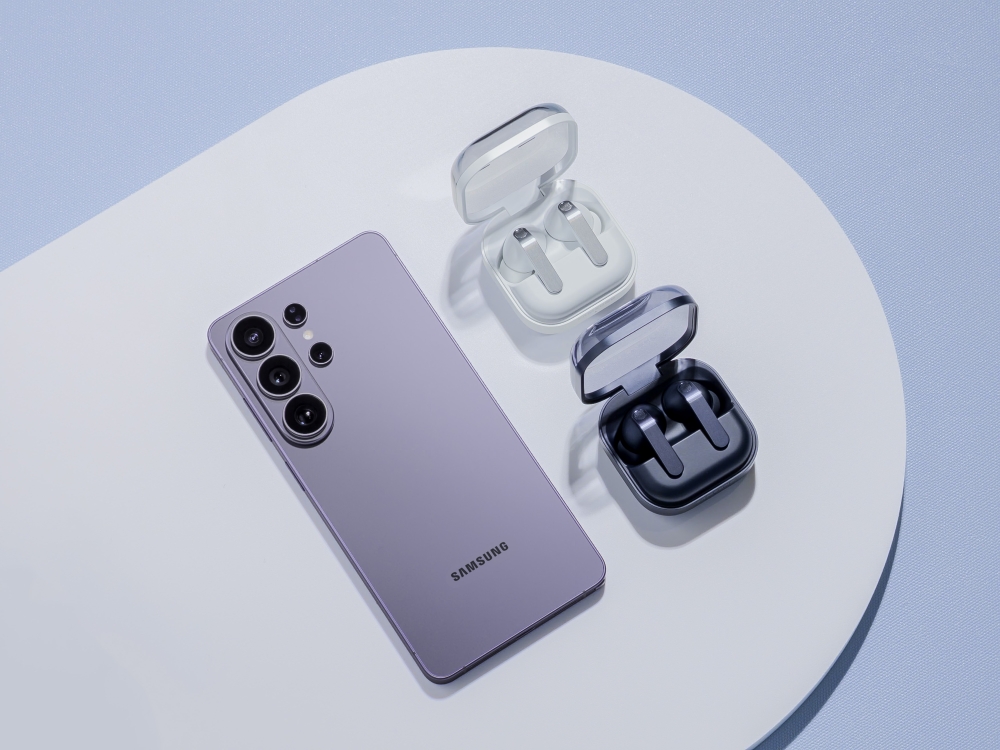
1. Samsung Galaxy S26 Ultra

The Galaxy S26 Ultra is perhaps a suitable option for most people. It’s got a high-quality, bright AMOLED screen, a 5000mAh battery lasting over a day, and robust connectivity features. The device is powered by the Snapdragon 8 Elite Gen 5 for Galaxy, which runs at a higher speed than the regular version.

The quad-camera setup on the back takes excellent photos and videos, which includes a massive 200MP main camera, two telephoto sensors (one with 3x optical zoom, another with 5x optical zoom), and a 50MP ultrawide camera. There’s a 12MP front-facing camera. The S26 Ultra comes with the best software support for seven years you can get on an Android device.

Samsung Galaxy S26 Ultra specs:

Display6.9″ Dynamic LTPO AMOLED 2X
1440 x 3120 pixels resolution
120Hz, HDR10+, 2600nits (peak)
ProcessorQualcomm Snapdragon 8 Elite Gen 5 for Galaxy (3 nm)
SoftwareAndroid 16, up to 7 major Android upgrades
Rear camera200MP (wide)
10MP (telephoto), 3x optical zoom
50MP (periscope telephoto), 5x optical zoom
50MP (ultrawide), 120˚ field of view
Front camera12MP
Battery5000mAh
Charging60W (wired)
25W (wireless)
4.5W (reverse wireless)
ConnectivityWi-Fi 7, Bluetooth 6.0, USB Type-C 3.2, NFC

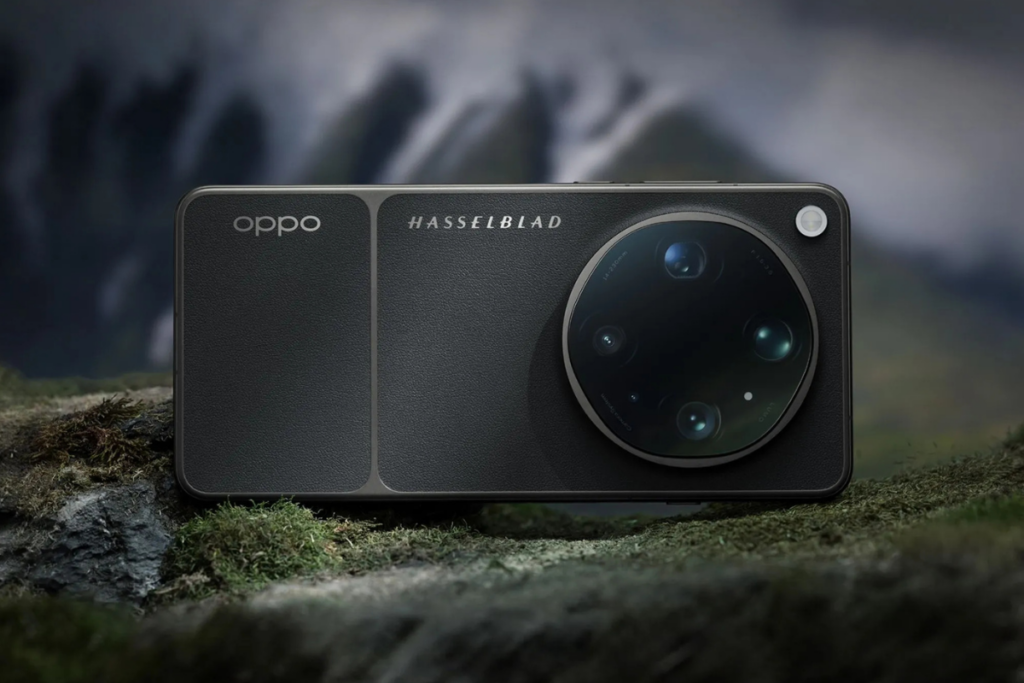
2. Oppo Find X9 Ultra

The Oppo Find X9 Ultra is a heavily spec-ed phone, featuring the powerful Snapdragon 8 Elite Gen 5 at its core. The AMOLED screen produces great colors and has excellent outdoor visibility. You may not have to charge it very often, as it packs a massive 7050mAh battery that can last up to two days on normal usage.

The Find X9 Ultra has one of the best cameras on any phone. The rear camera setup includes two massive 200MP sensors and two 50MP sensors, which take excellent photos and videos in any lighting conditions. The 50MP selfie camera also performs well.

Oppo Find X9 Ultra specs:

Display6.82″ LTPO AMOLED
1440 x 3168 pixels resolution
144Hz, HDR10+, Dolby Vision, 3600nits (peak)
ProcessorQualcomm Snapdragon 8 Elite Gen 5 (3 nm)
SoftwareAndroid 16, up to 5 major Android upgrades
Rear camera200MP (wide)
200MP (periscope telephoto), 3x optical zoom
200MP (periscope telephoto), 10x optical zoom
50MP (ultrawide), 123˚ field of view
Front camera50MP
Battery7050mAh
Charging100W (wired)
50W (wireless)
10W (reverse wireless)
reverse wired
ConnectivityWi-Fi 7, Bluetooth 6.0, USB Type-C 3.2, NFC

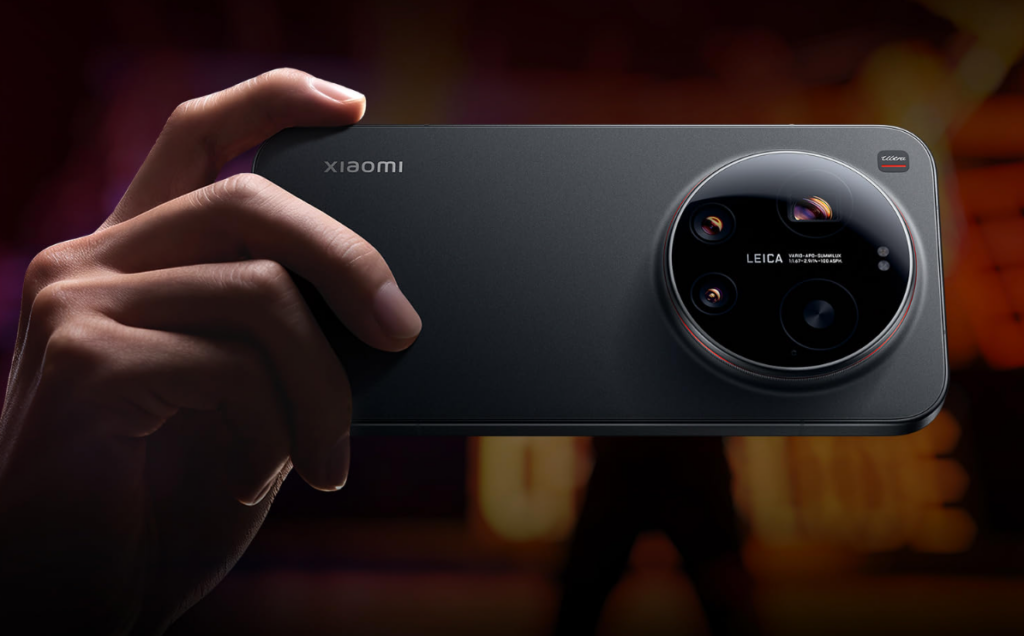
3. Xiaomi 17 Ultra

The Xiaomi 17 Ultra is also a top-tier smartphone, pushing the limits of its Ultra phones even higher. This one has a Snapdragon 8 Elite Gen 5 at its core and packs a 6000mAh battery that lasts more than a day on normal usage, with support for fast charging.

The Xiaomi phone features a high-end rear camera setup that takes photos and videos with great detail, accurate colors, and sharpness. It can record up to 8K videos, and the 50MP selfie camera supports up to 4K recording. With robust connectivity and high-quality sound, the Xiaomi 17 Ultra becomes an excellent high-end option for most people.

Xiaomi 17 Ultra specs:

Display6.9″ LTPO AMOLED
1200 x 2608 pixels resolution
120Hz, HDR10+, Dolby Vision, 3500nits (peak)
ProcessorQualcomm Snapdragon 8 Elite Gen 5 (3 nm)
SoftwareAndroid 16, up to 5 major Android upgrades
Rear camera50MP (wide)
200MP (periscope telephoto), 3.2-4.3x continuous optical zoom
50MP (ultrawide), 115˚ field of view
Front camera50MP
Battery6000mAh
Charging90W (wired)
50W (wireless)
22.5W (reverse wired)
10W (reverse wireless)
ConnectivityWi-Fi 7, Bluetooth 6.0, USB Type-C 3.2 Gen 2, NFC

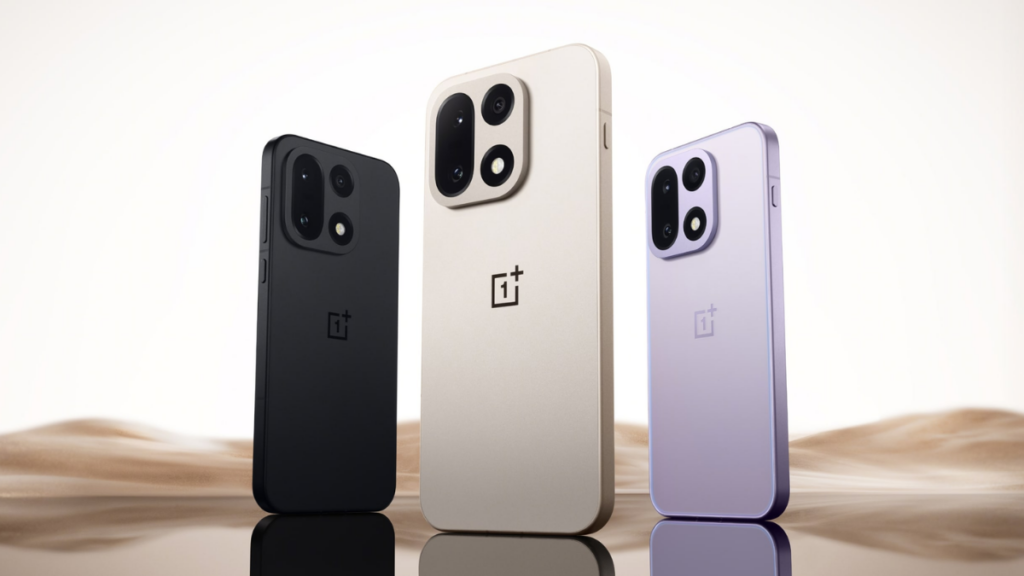
4. OnePlus 15

OnePlus 15 is one of the most affordable phones with a Snapdragon 8 Elite Gen 5 chip. It features a 6.78-inch LTPO AMOLED screen with a high refresh rate and Ultra HDR image support.

The smartphone is equipped with a high-end triple-camera setup, with all sensors featuring 50MP resolution. One of them is a wide sensor, one is a 3.5x periscope telephoto sensor, and one is an ultrawide unit. Plus, it has a 32MP selfie snapper.

The OnePlus 15 comfortably lasts more than a day and can stretch to an additional day with light usage. Plus, the charging speeds are fast enough to refill the battery in minutes.

OnePlus 15 specs:

Display6.78″ LTPO AMOLED
1272 x 2772 pixels resolution
165Hz, HDR10+, Dolby Vision, HDR Vivid, 1800nits (HBM)
ProcessorQualcomm Snapdragon 8 Elite Gen 5 (3 nm)
SoftwareAndroid 16, up to 4 major Android upgrades
Rear camera50MP (wide)
50MP (periscope telephoto), 3.5x optical zoom
50MP (ultrawide), 116˚ field of view
Front camera32MP
Battery7300mAh
Charging120W (wired)
50W (wireless)
10W (reverse wireless)
5W (reverse wired)
bypass charging
ConnectivityWi-Fi 7, Bluetooth 6.0, USB Type-C 3.2, NFC

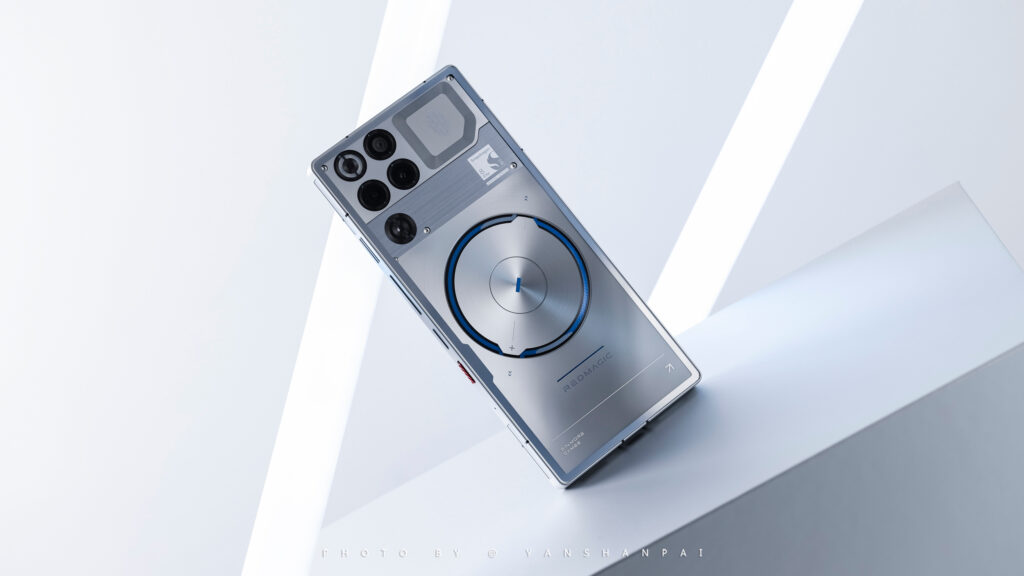
5. Nubia RedMagic 11S Pro

If gaming is your priority, the RedMagic 11S Pro delivers big. It comes with a modified Snapdragon 8 Elite Gen 5 Leading Version with higher clock speeds to unlock maximum performance. It also has a dedicated RedCore R4 Gaming chip that offloads secondary tasks such as audio processing and haptic vibration mapping, so the main Snapdragon processor can focus entirely on delivering maximum frame rates.

With maximum performance comes a great deal of heat, and to handle it, the phone has a built-in 24,000 RPM turbo fan, a liquid metal thermal interface, and a massive 13,116 sq. mm vapor chamber. It’s equipped with dual pressure-sensitive touchpads on the frame as capacitive bumpers.

The RedMagic 11S Pro has a high-resolution AMOLED screen with high refresh and touch sampling rates. The 16MP selfie camera is fitted under the screen to deliver the best gaming experience. You wouldn’t expect a flagship camera on a gaming phone, but the RedMagic 11S Pro still delivers good results where there’s enough light.

Nubia RedMagic 11S Pro specs:

Display6.85″ AMOLED
1216 x 2688 pixels resolution
144Hz, 1800nits (HBM)
ProcessorQualcomm Snapdragon 8 Elite Gen 5 Leading Version (3 nm)
SoftwareAndroid 16, up to 2 major Android upgrades
Rear camera50MP (wide)
50MP (ultrawide), 3.5x optical zoom
2MP (macro)
Front camera16MP
Battery7500mAh
Charging80W (wired)
80W (wireless)
reverse wireless
ConnectivityWi-Fi 7, Bluetooth 5.4, USB Type-C 3.2 Gen 2, NFC

The post 5 Best Snapdragon 8 Elite Gen 5 Phones (July 2026) appeared first on Gizmochina.

The 5 best portable projectors right now

13 July 2026 at 17:41
XGIMI Elfin Flip Laser

There are a lot of reasons to want a portable projector instead of just streaming on your laptop or phone: you want a movie-night image that’s actually big, you’re traveling and don’t want to lug a TV, or you just want to point something at a blank wall and have it turn into a screen in under a minute. 

We go back through this category every few months, and this stretch of July is an especially interesting time to buy. XGIMI has new hardware landing in the next few days, JMGO has recently expanded its lineup with a new 4K portable projector, and several models that were heavily discounted earlier this month have returned to their regular prices. If you’re shopping now, it’s worth focusing on long-term value rather than temporary sales.

But before buying, you should know a few basics about the projector. They have a few types: LED models are the cheapest and most common, laser models are brighter and more color-accurate but cost more, and a growing number now blend the two. Battery life, auto-keystone, and whether Google TV or Netflix is built in without a dongle matter just as much as brightness once you’re actually using one of these day-to-day. With that in mind, here’s what’s actually worth your attention this month.

XGIMI Elfin Flip 4K

XGIMI is announcing the Elfin Flip 4K on July 15th, and it’s the most ambitious projector from the brand yet.  

It’s XGIMI’s first small laser projector with native 4K support. It runs on a new RGB tri-color laser engine that XGIMI says offers color accuracy with ΔE of under 1. For those unaware, the value is closer to reference-monitor territory than portable projectors usually bother with. Color coverage is rated at 110% of BT.2020.

XGIMI Elfin Flip 4K

The body carries over the same 150-degree adjustable stand-and-handle design the Elfin Flip line has used since its debut. If that name rings a bell, we’ve previously covered the original Elfin Flip’s debut back at IFA 2024, when it launched at $399 with 400 ISO lumens and nothing close to a laser engine. Two years later, the same shell is carrying a 4K chip, which says a lot about how fast this category is moving.

It also runs Google TV out of the box, so there’s no separate streaming stick to carry, and it supports ALLM and VRR for your gaming needs.

The projector is currently on pre-order till July 14th, and if you do, you can claim 10% off for paying in full, plus a free portable screen or a set of 3D glasses depending on the model.

XGIMI Elfin Flip Laser

The Elfin Flip Laser launches the same day as its 4K sibling but sticks to 1080p — and it’s trading resolution for a claimed 1,600 ISO lumens. Everything else is the same: same stand, same Google TV software, same ALLM and VRR support if you want to plug in a Switch or a Steam Deck for something less serious than a movie. 

XGIMI Elfin Flip Laser

If the brightness number holds up, this is the one we’d point most people toward, since 1080p at this size rarely looks meaningfully worse than 4K unless you’re sitting close enough to count pixels.

JMGO N3 Ultimate

JMGO isn’t a household name in the way XGIMI or Nebula is, but the Chinese projector maker has quietly built a reputation for high-end laser projectors over the past few years.

While the company first gained traction in Asia, its recent global expansion has put models like the N1S Ultra and the new N3 Ultimate in front of a much wider audience.

JMGO N3 Ultimate

The N3 Ultimate is the company’s new flagship projector with a 4K DLP projection system and JMGO’s latest MALC 5.0 RGB triple-laser light engine. It delivers up to 5,800 ISO lumens, covers 110% of the BT.2020 color space, and supports both Dolby Vision and HDR10+ standards. 

Instead of relying entirely on digital keystone correction, JMGO offers motorized optical zoom, motorized lens shift, and a two-axis AI-powered gimbal that makes setup easier without sacrificing image quality. It runs Google TV out of the box, supports VRR for gaming, and can accept signals up to 1080p at 240Hz.

XGIMI Vibe One

The XGIMI Vibe One, which usually retails for $250, is currently available for $219, making it a great deal for the price.

XGIMI Vibe One

It’s a simple, battery-powered 1080p projector with Google TV built in, and at that price it’s hard to find anything else in the category with a proper smart TV platform baked in rather than a streaming stick taped to the side. At $219, it’s hard to find anything else in the category with Google TV actually built in

Anker Soundcore Nebula Mars 3 Air

The new XGIMI models are appealing, but the Nebula Mars 3 Air from Anker is a safe choice if the latest hardware is not what you crave. It is one of the easiest portable projectors to recommend thanks to its balance of image quality, battery life, and genuinely useful smart features.

Anker Soundcore Nebula Mars 3 Air

The Mars 3 Air uses a native 1080p DLP projection system with 400 ANSI lumens and has a built-in battery that provides up to 2.5 hours of video playback. It ships with Google TV with officially licensed Netflix support, so you can start streaming without plugging in a Fire TV Stick or Chromecast. It also includes dual 8W Dolby Audio speakers that are good enough for casual movie nights without needing external speakers.

Anker also took care of convenience with Intelligent Environment Adaptation, which automatically handles autofocus, keystone correction, screen fit, and obstacle avoidance in just a few seconds after you move the projector. It isn’t as bright as the latest laser projectors from XGIMI or JMGO, but for buyers who value portability and an all-in-one streaming experience over headline brightness figures, it’s still one of the strongest options in its class.

How I’d decide

If you’ve got two weeks of patience, wait for the Elfin Flip 4K or Laser. You’re paying full price, but you get the newest light engine on the market and the longest runway before it feels behind. That’s the right call if you’re keeping this thing for years or actually want 4K in something you can throw in a bag.

If you want something proven and cheap right now, the Vibe One or Anker are genuinely good value. They’re the smarter pick if 1080p and moderate brightness cover what you actually watch, which, for most people doing casual movie nights rather than building out a dedicated home theater, it does.

Whichever way you go, don’t get hypnotized by a big lumens number on a box. A laser-lit 1080p image will often look sharper in a dark room than a cheaper 4K unit running a weak lamp at full blast. Check whether the brightness rating was measured with the fan on full performance mode, since some of those numbers aren’t sustainable for a two-hour movie without the projector sounding like a hair dryer, and if you’re planning to use any of this outdoors, budget for a power bank or a screen on top of the sticker price.

For more daily updates, please visit our News Section.

Stay ahead in tech! Join our Telegram community and sign up for our daily newsletter of top stories.

The post The 5 best portable projectors right now appeared first on Gizmochina.

❌
❌