Normal view

Today — 30 June 2026Gizmochina

Top 5 upcoming smartphone launches in July 2026

30 June 2026 at 11:19
top 5 upcoming smartphones in July 2026

While there won’t be as many new smartphones as we are used to seeing next month due to rising memory costs and the ongoing chip crisis, there are still a few exciting launches lined up for July 2026. Oppo will unveil its Reno 16 mid-range lineup, while Nothing is preparing to launch its Phone (4b) with cut-down specifications.

Samsung could release the next-gen foldable phones next month, while Motorola is reportedly looking to bring its Razr 70 foldable phones into the Indian market in the same month.

5 Best upcoming smartphone launches: July 2026 edition

Oppo Reno 16 series AI cameras

1. Oppo Reno 16 series

Launch date: July 2, 2026 (confirmed)

Oppo is expected to unveil two phones in the Reno 16 series at the upcoming event: the Reno 16 and the Reno 16c. The former will be a compact, premium mid-range phone, while the latter will sit below it with a slightly larger form factor.

Oppo Reno 16

The Reno 16 is confirmed to have a 6.32-inch Full HD+ AMOLED screen with a 120Hz refresh rate and a peak brightness of 1800nits. It will also have a new AI Snap Key for quickly saving content to MindSpace, similar to OnePlus’s AI Plus Key.

The smartphone will offer a versatile camera setup, featuring a 50MP primary camera, a 50MP ultrawide camera, and a 50MP telephoto lens with 3.5x optical zoom. All three sensors can capture 4K video at 60 fps. The selfie camera also has a 50MP resolution.

The Reno 16 is said to be powered by the Snapdragon 7 Gen 4 chipset. It will reportedly have a 6700mAh battery with 80W fast charging support. Plus, it carries IP66, IP68, IP69, and IP69K ratings, ensuring great protection against water and dust.

Oppo Reno 16c

The Reno 16c is expected to be an affordable sibling, featuring a 6.57-inch AMOLED screen with a 120Hz refresh rate and 1400nits of peak brightness. It could be powered by the MediaTek Dimensity 7300-Energy processor.

The smartphone is said to have a 7,000mAh battery with support for 80W wired charging. Like the Reno 16, the 16c also features the AI Snap Key, an aerospace-grade aluminum frame, and IP66/IP68/IP69/IP69K ratings.

Nothing Phone 4b launch poster

2. Nothing Phone (4b)

Launch date: July 7, 2026 (confirmed)

Nothing Phone (4b) marks the debut of the company’s new “B” series. With this new product line, Nothing aims to bring its core user experience to a wider audience. The Phone (4b) will feature a compact Glyph Bar with five LED panels on the rear side.

Nothing Phone 4b rear

The phone reportedly features a 6.7-inch AMOLED screen with a 120Hz refresh rate. Official teasers confirm that it will feature dual rear cameras, including a 50MP primary camera and an 8MP ultrawide lens. It’s said to have a 32MP selfie camera.

Leaked benchmark listings have revealed that the Nothing Phone (4b) will be powered by the Snapdragon 6 Gen 4 chipset, paired with 8GB RAM and up to 256GB storage. The phone is said to house a 5,400mAh battery with 50W fast charging support.

3. Galaxy Z Fold 8 series

Launch date: July 22, 2026 (expected)

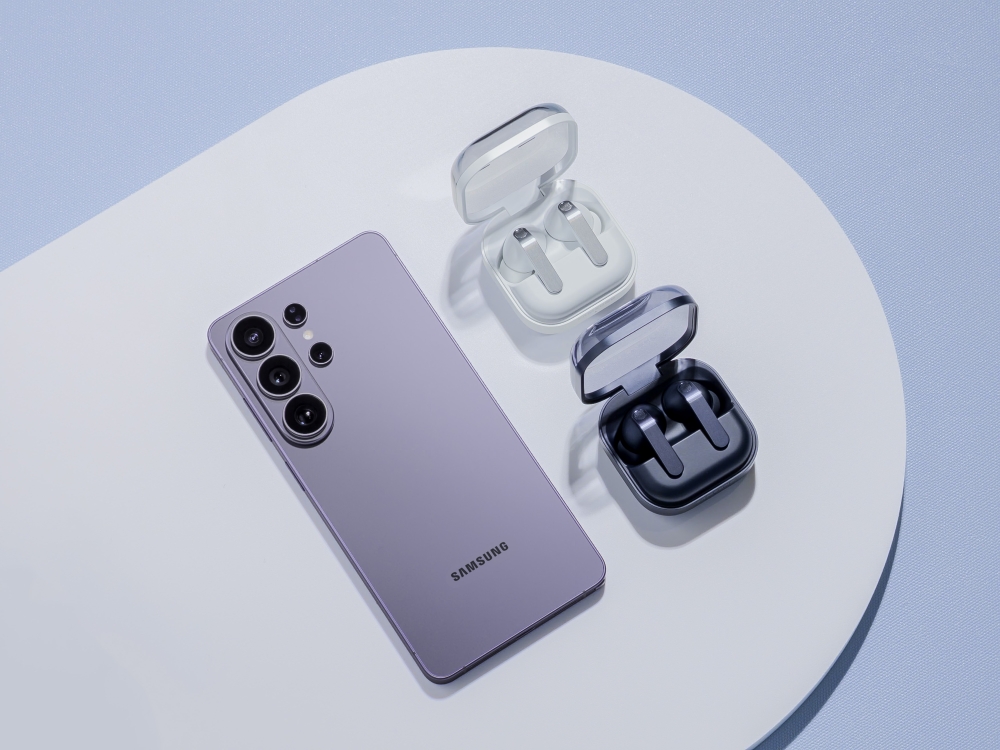
New Galaxy foldables are expected to drop next month, but this time, Samsung may also introduce an “Ultra” model of its next-gen book-style foldable. So, we’re expecting three new foldables: Galaxy Z Fold 8, Galaxy Z Fold 8 Ultra, and Galaxy Z Flip 8.

Galaxy Z Fold 8

The Galaxy Z Fold 8 may not look familiar to previous generations, as Samsung is reportedly shifting to a wider 4:3 passport-style form factor for this device. This decision is rumored to have been influenced by Apple’s decision to make its first foldable with the same form factor.

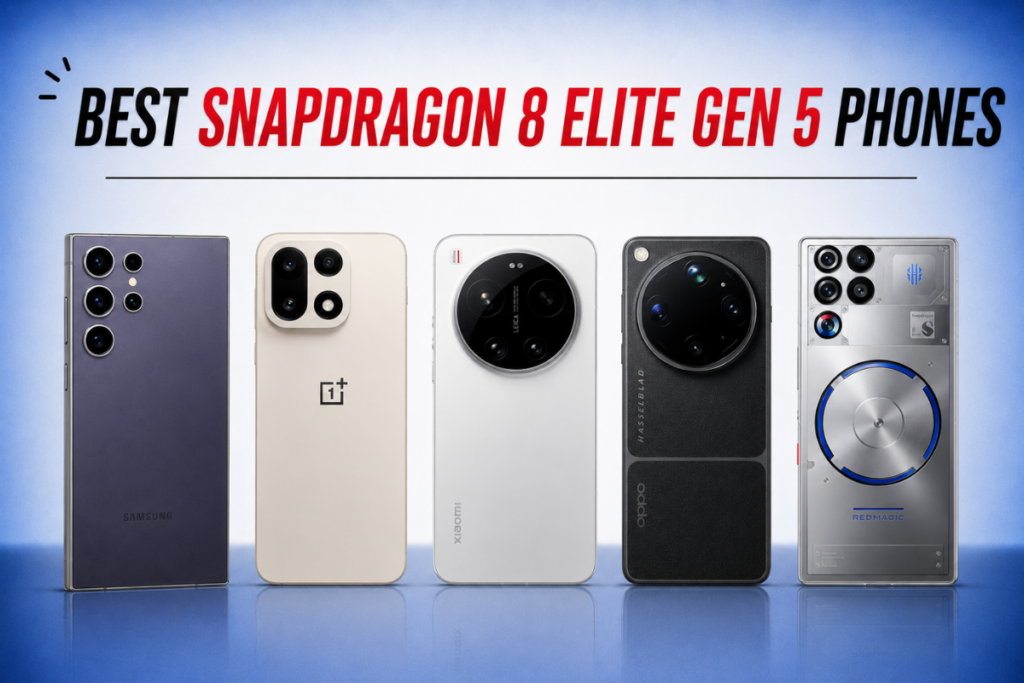
The Fold 8 is leaked to offer a 7.6-inch AMOLED screen, and the cover screen could measure 5.4 inches. It could be powered by the Snapdragon 8 Elite Gen 5, paired with up to 16GB LPDDR5X RAM and up to 1TB storage.

According to recent leaks, the Galaxy Z Fold 8 will have a dual rear camera setup, including a 50MP primary camera and a 50MP ultrawide unit. No 200MP camera this time. It may feature two 10MP selfie cameras, one on the cover screen and another on the foldable inner screen. The Fold 8 is expected to pack a 4800mAh battery with support for 45W wired and 15W wireless charging.

Galaxy Z Fold 8 Ultra

While the standard Fold 8 will have a wider form factor, the Fold 8 Ultra retains the previous-generation form factor, paired with more powerful hardware. According to leaks, the Ultra phone will have an 8-inch folding screen, a 6.5-inch cover display, and the Snapdragon 8 Elite Gen 5 for Galaxy at the helm.

The phone is said to feature a triple rear camera setup, including a 200MP main camera, a 50MP ultrawide unit, and a 10MP telephoto camera with 3x optical zoom. It will have a vapor chamber for cooling, and a 5000mAh battery with support for 45W wired charging.

4. Galaxy Z Flip 8

Launch date: July 22, 2026 (expected)

The Galaxy Z Flip 8 will launch alongside the new book-style foldable phones at the upcoming Galaxy Unpacked event. Leaks say the phone will have a 6.9-inch AMOLED main screen with reduced crease visibility, a 4.1-inch cover screen, and a 4,300mAh battery with support for 25W fast wired charging. It may also offer 15W wireless charging.

Samsung is expected to follow a dual-chip strategy for the Galaxy Z Flip 8: Snapdragon 8 Elite Gen 5 for Galaxy for the US, Canada, China, and Japan, and the Exynos 2600 for India and other markets. It will reportedly feature a dual camera setup on the back, including a 50MP primary camera and a 12MP ultrawide unit. It may have a 10MP selfie camera.

5. Motorola Razr 70 series

Launch: July 2026 (expected)

Motorola is reportedly bringing the premium Razr 70 series phones to the Indian market in July 2026. The rollout will likely include the standard Razr 70 and the premium Razr 70 Ultra.

Motorola Razr 70

The Razr 70 foldable phone has a 6.9-inch AMOLED screen with a 120Hz refresh rate, Dolby Vision, and 3000nits of peak brightness. The 3.6-inch cover screen features HDR10+ and a 90Hz refresh rate. The device is powered by the MediaTek Dimensity 7450X chipset and offers a 4800mAh battery with 30W wired and 15W wireless charging support.

The smartphone has a dual camera setup, featuring a 50MP primary camera and a 50MP ultrawide unit. It also has a 32MP selfie snapper, but you can use the rear cameras for better quality shots.

Motorola Razr 70 Ultra

The Razr 70 Ultra upgrades to a much more powerful Snapdragon 8 Elite chipset, paired with up to 16GB of RAM and up to 512GB of storage. It has a 7.0-inch main screen with a 165Hz refresh rate and 5000nits of peak brightness, and a 4-inch cover screen.

The rear camera setup includes a 50MP primary camera and a 50MP ultrawide shooter, the same as the Razr 70. However, the selfie camera resolution jumps to 50MP. The phone has a 5000mAh battery capacity and supports 68W wired and 30W wireless charging. It also supports 5W reverse-wired charging to power your accessories.

The post Top 5 upcoming smartphone launches in July 2026 appeared first on Gizmochina.

Yesterday — 29 June 2026Gizmochina

Samsung devices that won’t receive One UI 9.0 (Android 17) update

29 June 2026 at 10:44
Samsung One UI 9 not eligible devices

Stable Android 17 is out for Google Pixels, and soon other brands, including Samsung, will start rolling it out to their devices. For Galaxy devices, the update will come with a new One UI 9.0 skin on top, which is expected to be released as soon as next month.

Unfortunately, many Galaxy devices will miss out on this major upgrade, as they have already all the received OS upgrades promised at their launch. The list includes many Galaxy A-series mid-range phones, as well as some high-end phones such as the Galaxy S21 FE, Galaxy S22, and Galaxy Z Fold 4. Review the complete list below to find out if you’ll need a hardware upgrade soon.

These Galaxy devices are not eligible for the One UI 9.0 (Android 17) update

Note: Samsung doesn’t reveal which devices won’t receive the next major upgrade. This list is based on the current software update policy, and so it should be completely accurate.

High-end Galaxy devices

  • Galaxy S22
  • Galaxy S22+
  • Galaxy S22 Ultra
  • Galaxy S21 FE
  • Galaxy Z Fold 4
  • Galaxy Z Flip 4
  • Galaxy Tab S8
  • Galaxy Tab S8+
  • Galaxy Tab S8 Ultra

Mid-range Galaxy devices

  • Galaxy A73 5G
  • Galaxy A53 5G
  • Galaxy A33 5G
  • Galaxy A14 (4G/5G)
  • Galaxy A06 4G
  • Galaxy A05
  • Galaxy A05s
  • Galaxy M53 5G
  • Galaxy M33 5G
  • Galaxy M14
  • Galaxy M05
  • Galaxy F53 5G
  • Galaxy F33 5G
  • Galaxy F14
  • Galaxy F05
  • Galaxy XCover 6 Pro

To keep the list short and relevant, we only included devices that received the One UI 8.0 update but won’t receive One UI 9.0. That’s why you don’t see the Galaxy S21 on the list.

If your Samsung device is on the list, it’s unlikely to receive the Android 17 update. The device may still receive security updates for a while, but it’s best to upgrade to a newer model to keep receiving the newest features and upgrades.

Check out the list of Galaxy devices eligible for seven major OS updates or six major OS updates to find the next best upgrade for you.

Don’t miss out on the latest One UI news. Check back on our Samsung section regularly, or follow us on Telegram to get notified the second a new story drops.

The post Samsung devices that won’t receive One UI 9.0 (Android 17) update appeared first on Gizmochina.

Before yesterdayGizmochina

Nothing drops new updates for its phones: Here’s what’s new

27 June 2026 at 11:48
Latest Nothing OS update

Nothing has just started rolling out a new update for its phones, which brings depth-effect support to the lock screen, alongside many useful upgrades that we’ll cover later. The update package also includes the June 2026 security patch.

The latest Nothing OS update should roll out to all smartphones except the Nothing Phone (1), which has already reached the end of its update lifecycle. Here’s a list of devices receiving the update along with the firmware version:

Remaining devices, including the Nothing Phone (4a), Nothing Phone (4a) Pro, and Nothing Phone (2), will likely receive the update in a few days.

As always, the update should be rolling out in batches, and therefore, it can take a few days to reach all users. To check for the latest updates, go to Settings > System > System updates.

With the latest update, you can use the depth effect on the lock screen and adjust clock face sizes and alignment. The depth effect now also works with Atmosphere wallpapers.

The status bar has been upgraded to display the dedicated Nothing headphones icon when headphones are connected. The update also includes many under-the-hood changes to improve the launcher animations and overall system stability.

Nothing has also added a security reminder for the face unlock method. Plus, the update package includes the June 2026 security patch that fixes dozens of vulnerabilities found in the previous software. You can read more about the patches on this page.

While this is a minor upgrade, Nothing is already preparing for a major software upgrade, based on Android 17, which will be released later this year. We’ve published a list of devices that are eligible for this update. You can check the list here.

Remember to keep visiting the Nothing section on Gizmochina for the latest updates. Or, you can join our Telegram channel to receive instant notifications.

source: Nothing Community

The post Nothing drops new updates for its phones: Here’s what’s new appeared first on Gizmochina.

Snapdragon 8 Gen 3 vs Dimensity 8400: Benchmark score, spec sheet, and more

27 June 2026 at 09:50
Snapdragon 8 Gen 3 vs Dimensity 8400

While the Snapdragon 8 Gen 3 is almost three years old, it has gained significant popularity in recent months, and all of us are aware of the reason: the rising cost of memory and RAM, and the difficulty of securing chip production. MediaTek isn’t immune to these challenges either, but its Dimensity 8400 has fast become a strong alternative for high-end devices.

Both Snapdragon 8 Gen 3 and Dimensity 8400 deliver excellent performance and power efficiency, but there are areas where one is ahead of the other. In this post, I’ll break down the benchmark scores and key differences to help you figure out the best choice for your needs.

[Note: The Dimensity 8400 Max and Dimensity 8400 Ultra simply represent brand-specific software optimizations. They share identical hardware as the Dimensity 8400.]

Here’s the spec sheet to begin with:

Snapdragon 8 Gen 3Dimensity 8400
AnnouncedOctober 2023December 2024
Process node4nm (TSMC)4nm (TSMC)
CPU1 x 3.3 GHz (Cortex-X4)
3 x 3.15 GHz (Cortex-A720)
2 x 2.96 GHz (Cortex-A720)
2 x 2.27 GHz (Cortex-A520)
1 x 3.25 GHz (Cortex-A725)
3 x 3 GHz (Cortex-A725)
4 x 2.1 GHz (Cortex-A725)
GPUAdreno 750
ray tracing support
Snapdragon Elite Gaming features
Mali-G720 MC7
ray tracing support
MediaTek HyperEngine Adaptive Gaming Technology 3.0
NPUQualcomm Hexagon NPUMediaTek NPU 880
MemoryLPDDR5x, up to 4.8 GHzLPDDR5x, up to 4.2 GHz
StorageUFS 4.0UFS 4 + MCQ
CameraQualcomm Spectra triple AI ISP (18-bit)
up to 200MP single camera
up to 108MP single camera with zero shutter lag
up to 36MP triple cameras with zero shutter lag
real-time semantic segmentation (up to 12 layers)
up to 8K/30fps or 4K/120fps video recording
MediaTek Imagiq 1080 ISP
up to 320MP single camera
up to 32MP triple cameras at 30fps
semantic segmentation support
up to 4K/60fps video recording
ConnectivitySnapdragon X75 5G modem
download speed: up to 10 Gbps
upload speed: up to 3.5 Gbps
Wi-Fi 7 (peak speed: 5.8 Gbps)
Bluetooth 5.4
MediaTek 5G modem
download speed: up to 5.17 Gbps
Wi-Fi 6E
Bluetooth 5.4

Snapdragon 8 Gen 3 vs Dimensity 8400: Benchmark numbers

Note: The benchmark tests were performed on the iQOO 12 (powered by the Snapdragon 8 Gen 3) and the iQOO Z10 Turbo (powered by the Dimensity 8400).

Geekbench score

Snapdragon 8 Gen 3 vs Dimensity 8400 - Geekbench score

On Geekbench 6, the Snapdragon 8 Gen 3 posts a strong lead in the single-core performance, scoring 36% higher than the Dimensity 8400. That’s because of the powerful Cortex-X4 prime core.

Multi-core scores don’t have a significant difference, but the Snapdragon chip is still on the higher side.

Snapdragon 8 Gen 3Dimensity 8400
Single core22161629
Multi core67816492

AnTuTu score

Snapdragon 8 Gen 3 vs Dimensity 8400 - AnTuTu score

On AnTuTu v11, the iQOO 12, powered by the Snapdragon 8 Gen 3 SoC, achieves a total score of over 2.3 million, while the Dimensity 8400-powered iQOO Z10 Turbo posts a total score of just above 2 million. That’s a solid 14% boost for the Snapdragon chip.

But what matters more is the breakdown of the AnTuTu score, which provides a clearer picture.

Snapdragon 8 Gen 3Dimensity 8400
AnTuTu score2,332,7912,031,886
CPU643,123624,883
GPU818,651645,958
Memory348,240295,315
UX522,777465,730

The Snapdragon 8 Gen 3 leads the CPU chart, but the difference is thin. The GPU score, however, makes a significant impact here. The Snapdragon chip achieves a massive 26% lead over the Dimensity 8400.

Memory and UX performance also favor the Snapdragon chip.

From benchmark results, it’s clear that the Snapdragon 8 Gen 3 has a more powerful CPU and GPU than the Dimensity 8400. However, benchmarks leave some important aspects untouched, such as connectivity and the camera. We’ve included the important differences in the following section.

Snapdragon 8 Gen 3 vs Dimensity 8400: Key differences that matter

Performance

Both the Snapdragon 8 Gen 3 and the Dimensity 8400 use ARM-designed CPUs but have completely different core configurations. The Snapdragon chip features a ‘1+3+2+2’ core structure, while the Dimensity chip uses a ‘1+3+4’ structure.

Snapdragon 8 Gen 3Dimensity 8400
Prime core1 x Cortex-X4 at 3.3 GHz1 x Cortex-A725 at 3.25 GHz
Performance core3 x Cortex-A720 at 3.15 GHz
2 x Cortex-A720 at 2.96 GHz
3 x Cortex-A725 at 3 GHz
Efficiency core2 x Cortex-A520 at 2.27 GHz4 x Cortex-A725 at 2.1 GHz

The Dimensity 8400 has an all-big-core CPU design, featuring superior mid-level and low-level cores. However, the powerful Cortex-X4 core and higher clock speeds on the Snapdragon chip have a greater impact.

For graphics-heavy tasks, the Snapdragon 8 Gen 3 has an Adreno 750 GPU, featuring more shading units and higher FLOPS than the Mali-G720 GPU on the Dimensity 8400. When it comes to gaming, the Snapdragon chip delivers higher, more consistent performance without noticeable lag.

Both processors also have integrated NPUs for on-device AI intelligence. The Hexagon NPU on the Snapdragon 8 Gen 3 supports generative AI models with up to 10 billion parameters. It also powers the image signal processor (ISP) to improve semantic segmentation, night shots, and photo expansion.

The Dimensity 8400 features a MediaTek NPU 880, optimized to support both Generative AI and Agentic AI, allowing the device to run complex, multi-step on-device AI agents. The AI engine is tightly coupled with the ISP, enabling real-time AI image and video enhancements.

Camera

The Snapdragon 8 Gen 3 utilizes the Spectra Cognitive ISP with three 18-bit pipelines to handle simultaneous data streams. It features real-time semantic segmentation up to 12 layers and integrates advanced AI features, including Video Object Eraser, Photo Expansion, Night Vision Video, and Generative AI Editing.

The Dimensity 8400, on the other hand, features a MediaTek Imagiq 1080 ISP, optimized to deliver high dynamic range, reduce noise in low-light environments, and ensure zero shutter lag across multi-camera configurations.

The Dimensity 8400 supports up to 4K video recording, while the Snapdragon 8 Gen 3 goes further up to 8K. The latter also supports Dolby HDR photo technology and Vlogger’s View.

Connectivity

The Snapdragon 8 Gen 3 utilizes an advanced Snapdragon X75 5G modem, offering up to 10 Gbps download speed and up to 3.5 Gbps of upload speed. In contrast, the Dimensity 8400 offers a lower peak speed of 5.17 Gbps.

While both chips support sub-6GHz connectivity, the Snapdragon chip also supports mmWave, which operates on ultra-high frequency bands. The Snapdragon chip also benefits from the newer Wi-Fi 7 standard, while the Dimensity 8400 is limited to Wi-Fi 6E.

Snapdragon 8 Gen 3 vs Dimensity 8400: Which is better?

The Snapdragon 8 Gen 3 is the clear winner here. It holds a distinct edge in raw performance, thanks to its higher clock speeds, powerful prime core, and superior Adreno 750 GPU. The chipset delivers more consistent, lag-free gaming and smoother graphics-heavy performance compared to the Dimensity 8400. It also offers modern connectivity features and higher peak speeds.

However, if you aren’t a gaming-heavy user, the Dimensity 8400 could be a better choice. It delivers smooth everyday performance, excellent power efficiency, and lag-free gaming on moderate settings. The Dimensity chip also stands out for agentic AI support.

The post Snapdragon 8 Gen 3 vs Dimensity 8400: Benchmark score, spec sheet, and more appeared first on Gizmochina.

❌
❌