Reading view

Presight First AI Fund invests in six AI startups

Presight has unveiled the first six AI companies selected to receive investment through its AI Innovation Ecosystem, strengthening the pipeline of technologies designed to power next-generation intelligent systems at national and enterprise scale. 

The investments form part of the Presight–Shorooq Fund I (PSFI), a US$100 million global early-stage fund established in partnership with Shorooq.

The six companies to receive investment are located across the United States and UAE, and span sovereign AI infrastructure, vertical intelligence platforms for capital and industry, and edge-native intelligence systems. Together, these startups reflect Presight’s focus on identifying breakthrough applied intelligence systems primed for integration into complex, regulated environments where reliability, resilience, and governance are critical. 

World Model Architecture 

  • AMI-Advanced Machine Intelligence advances world model AI architectures designed to help machines understand and interact with the physical world, enabling deeper reasoning, planning, and real-world interaction beyond traditional predictive AI architectures. Founded by Turing Award winner and former Meta Chief AI Scientist Yann LeCun, AMI is developing a new class of AI systems that learn from spatial and real-world data to model cause and effect. Headquartered in Paris with offices in New York, Montreal, and Singapore, the company is initially targeting enterprise applications across manufacturing, aerospace, robotics, and biomedical industries. 

Sovereign AI Infrastructure 

  • NodeShift gives enterprises a secure, on-premises AI platform that enables users to use and deploy AI models while keeping all data within their own infrastructure. A participant in Cohort I of Presight’s AI Accelerator Program,  NodeShift has now entered into a strategic commercial agreement with Presight to scale its solutions and pursue joint go-to-market initiatives, reflecting the continued collaboration between Presight and startups participating in the program.  

Vertical Intelligence for Capital and Industry 

  • Hebbia enhances institutional research and financial workflows in regulated capital markets. 
  • Candid Intelligence applies AI to optimize procurement and bidding processes across infrastructure and public-sector environments. 
  • Crunched turns complex company/market data into faster modeling, deeper insights, and decision-grade analysis for investors and operators, using its advanced AI financial intelligence platform 

Secure, Edge-Native Systems 

  • Blue utilizes a voice-action model layer powering voice agents that can complete multi-step tasks directly on phones, avoiding APIs and integration overheads. 

A Structured Pathway from Innovation to Intelligent Systems 
Presight’s AI Innovation Ecosystem is the company’s growth engine, designed to identify, acquire, invest, accelerate and incubate the next generation of breakthrough AI intellectual property to ensure that emerging technologies are developed with deployment in mind from day one. Presight’s AI Innovation Ecosystem consists of an AI Investment Fund, an AI Accelerator Program, and Research and Development Labs. 

Through the Presight AI Accelerator Program, companies receive structured mentorship, access to world-leading compute infrastructure, fast-track commercialization pathways with enterprise and government clients within the G42 and Presight ecosystems, and technical integration support. This model ensures alignment with real operational and commercial requirements — enabling integration, contracts, and the development of defensible moats. 

Strategic capital vehicles such as PSFI strengthen this pathway by providing early-stage funding aligned to the same thesis, enabling companies to scale within sovereign and regulated environments. 

Together, incubation, capital, and deployment create a coordinated model for translating AI innovation into intelligent systems that deliver real-world impact. 

Magzhan Kenesbai, Chief Growth Officer of Presight, commented: “AI only creates lasting value when it can operate within real systems. These first investments reflect that conviction – spanning secure AI infrastructure, vertical intelligence platforms for capital and industry, and edge-native systems. Each of these companies is building technology designed for integration into complex, regulated environments. By combining operational environments, structured incubation through the Presight AI Accelerator, and strategic capital via PSFI, we are creating clear pathways from innovation to implementation – translating frontier AI into intelligent systems at scale.”  

Dr. Bilal Baloch, Partner at Shorooq, said: “When we launched this fund, our vision was to connect world-class AI innovators with the capital, regulatory support, and market access that our region offers. To have invested in six highly promising companies, after assessing over 1,000, outside our home market alongside leading peers in the US and Asia in 120 days is a marker toward that vision. We were most impressed that these founders are pushing the boundaries of what AI can do – from giving every app a voice interface to automating billion-dollar industries – and thereby allowing us to back varying theses across the AI stack. This is just the beginning; we believe the fund can be a bridge between East and West for AI, and we’re committed to accelerating more breakthroughs that will transform businesses and communities.” 


The post Presight First AI Fund invests in six AI startups appeared first on My Startup World - Everything About the World of Startups!.

Ajman NuVentures Signs MoU with DIFC Courts

Ajman NuVentures Centre Free Zone (ANCFZ) today signed a MoU with the DIFC Courts to strengthen the legal infrastructure underpinning its fast-growing business ecosystem and enhance investor confidence.

This cooperation aims to enhance value-added services for ANCFZ clients by enabling them to access a range of public services offered by DIFC, including DIFC Courts services such as the Small Claims Tribunal, Court of First Instance, Court of Appeal, Enforcement, Specialised Divisions, Probate, Hearing Room Rentals, Notary Service, Mediation Service, Wills service, Tejouri Digital Vault, Registration of Practitioners, the Pro Bono Programme (PBP), and the Volunteer Lawyer Service.

The MoU reflects ANCFZ’s forward-looking approach to building a globally competitive free zone environment supported by legal clarity, regulatory transparency, and institutional collaboration. As the Free Zone continues to scale, the partnership will enhance awareness among investors and businesses of the UAE’s internationally recognized dispute resolution mechanisms, while providing clearer pathways to trusted legal services through DIFC Courts.

Under the terms of the agreement, both entities will collaborate on joint outreach initiatives including seminars, conferences, and investor awareness programmes. The MoU also provides for the exchange of relevant legal publications, regulatory developments, and operational insights, ensuring greater alignment and knowledge-sharing between the two institutions.

The collaboration comes at a time when the UAE’s free zone ecosystem continues to play a central role in national economic diversification. The country is home to more than 40 multidisciplinary free zones offering 100% foreign ownership and tailored business services to global investors, particularly in logistics, technology, finance, and manufacturing. Industry projections indicate that free zones are expected to contribute approximately AED 257 billion to the UAE’s non-oil GDP by 2030, reinforcing their importance as drivers of foreign direct investment and international trade.

At the same time, established financial and legal hubs such as the DIFC continue to expand their global footprint, with registered firms rising nearly 40% in 2025 to over 8,800, supported by a robust legal and regulatory infrastructure that enhances investor certainty and dispute resolution reliability.

Sheikh Dr. Mohammed bin Abdullah bin Sultan Al Nuaimi, Chairman of ANCFZ, said: “As we continue to expand our investor base and global reach, strengthening the legal and regulatory ecosystem surrounding our Free Zone is essential. This partnership with the DIFC Courts reinforces our commitment to transparency, governance, and international best practices, in line with Ajman Vision 2030 and the UAE’s broader economic diversification agenda.”

H.E. Justice Omar Al Mheiri, Director of the DIFC Courts, commented: “This Memorandum of Understanding reinforces legal certainty and investor confidence across the UAE’s free zone ecosystem. By extending access to the DIFC Courts’ internationally recognised services, the partnership strengthens the legal infrastructure supporting high-growth business communities.

Aligned with the DIFC Courts’ strategic priorities of international reach, judicial excellence, and effective enforcement, this collaboration further positions DIFC Courts as a leading global hub for dispute resolution and commercial certainty.” 

Rishi Somaiya, CEO of ANCFZ, added: “Investor confidence is built on clarity, speed, and legal certainty. By formalizing cooperation with the DIFC Courts, we are enhancing the value proposition of ANCFZ and ensuring that businesses operating within our ecosystem benefit from greater awareness of robust dispute resolution frameworks available in the UAE.”

For ANCFZ, this partnership builds on a year of accelerated growth and strong investor uptake. Established in October 2024, the Free Zone has successfully registered over 6,500 companies within its first year of operation, positioning itself as one of the UAE’s fastest-growing free zones and a notable contributor to foreign direct investment inflows.

ANCFZ’s fully integrated digital platform enables entrepreneurs to obtain a business license within two hours and complete visa processing within 24 hours. Its hybrid operational model, which combines advanced digital infrastructure with dedicated client support, ensures seamless regulatory compliance and efficient business setup, allowing investors to focus on scaling their operations.


The post Ajman NuVentures Signs MoU with DIFC Courts appeared first on My Startup World - Everything About the World of Startups!.

‘Nahda Capital Partners files for registration of PE fund

Nahda Capital Partners, a newly established private equity platform headquartered in Abu Dhabi Global Market (ADGM), has filed for the registration of its inaugural private equity fund this week as it prepares to launch investment activities across the Gulf Cooperation Council (GCC).

“Nahda” in Arabic refers to a renaissance — a renewal and resurgence. The firm chose the name to reflect its long-term mission of building enduring partnerships and contributing to the development of the region’s real economy, with a particular focus on supporting local founders, families and institutions.

Nahda Capital Partners is led by Iñigo de Luna, Founder and Managing Partner, and is building a control-oriented mid-market private equity strategy focused primarily on the UAE, Saudi Arabia and wider GCC. The firm will target resilient founder-led and family-owned businesses benefiting from structural regional growth and increasing institutionalisation, particularly companies undergoing generational transition or seeking institutional capital and operational support to accelerate their next phase of expansion across the GCC.

The founding partners bring significant international experience across private equity and investment banking, with a historical track record generating approximately 36% gross IRR across multiple economic cycles.

Key highlights of the strategy include a majority-investment approach in partnership with founders and family shareholders, and an operational value-creation model focused on professionalisation, operational improvement, governance strengthening, and selective buy-and-build expansion.

Nahda expects to focus on sectors including food production and distribution, healthcare, education, and industrial technology. The firm’s investment approach is guided by principles aligned with Sharia-compliant investing, including a focus on real-economy assets, prudent use of leverage, and disciplined governance.

“Nahda Capital Partners was established to partner with high-quality mid-market businesses across the GCC that can benefit from long-term capital and hands-on operational support,” said Iñigo de Luna. “These are difficult days and the priority is safety and de-escalation. At the same time, we view this as a severe but temporary shock rather than a change in the long-term trajectory of the UAE and the region. Our conviction has not changed: the GCC is structurally strengthening as a place to build businesses and allocate long-term capital.”

Subject to regulatory approval, the firm expects to commence fundraising in the coming weeks, targeting approximately $300 million for its inaugural fund to be managed from ADGM.


The post ‘Nahda Capital Partners files for registration of PE fund appeared first on My Startup World - Everything About the World of Startups!.

Apply for Madinah Tech Cultivator till March 22

Applications for the second cohort of the Madinah Tech Cultivator will close on March 22, 2026, marking the final call for founders, innovators, and technologists looking to deploy real-world solutions in one of the world’s most historically significant and strategically evolving cities.

Launched in partnership with Madinah Amanah, the Madinah Tech Cultivator is designed to bring together global innovators to address real urban challenges facing the city today. Unlike traditional accelerators focused primarily on mentorship and investment readiness, the Cultivator is built around a different premise. Technology should be implemented, tested, and scaled within real environments where it can create meaningful impact.

Through this initiative, innovators gain the opportunity to pilot and deploy solutions directly within Madinah’s urban ecosystem, working alongside government stakeholders, infrastructure leaders, and city operators.

“As cities evolve, innovation cannot remain confined to labs or pitch decks,” said Saad Shafee, Co-Founder of Madinah Tech. “The Madinah Tech Cultivator exists to bridge that gap. Our goal is to bring global innovators into the city, connect them with the right stakeholders, and create an environment where technology can be tested, implemented, and scaled to solve real challenges that impact everyday life.”

As Saudi Arabia continues its transformation under Vision 2030, cities like Madinah are becoming critical testbeds for technologies that support sustainable growth, intelligent infrastructure, and improved quality of life for residents and visitors.

The Madinah Tech Cultivator focuses on innovations across key sectors shaping the future of urban living:

  • Sustainability and ecology
  • Smart city and urban life
  • Energy and climate technologies
  • Mobility and connectivity

Madinah Tech is operated by Gingo Foundation, whose mission is to support tech‑driven innovation ecosystems and challenge the status quo of the global startup and venture capital ecosystem by redefining how innovation is built, funded, and scaled.

“Programs like the Madinah Tech Cultivator demonstrate how cities can become living laboratories for innovation,” said Anna Shevchenko, CEO of Gingo Foundation. “Our role is to help bring the right founders, knowledge, and ecosystem connections together so solutions are not just imagined but actually implemented where they matter.”

The program offers selected startups:

  • Direct market access to pilot solutions in Madinah
  • Hands-on mentorship from global technology leaders and Saudi market experts
  • Strategic support to localize and deploy technology within the Kingdom
  • An equity-free model with no participation fees

By connecting innovators with public institutions, infrastructure leaders, and industry experts, the Cultivator aims to accelerate technologies that can serve both Madinah and other cities across Saudi Arabia and the wider region.

With the second cohort nearing capacity, organizers encourage qualified innovators from around the world to apply before the March 22 deadline.

The post Apply for Madinah Tech Cultivator till March 22 appeared first on My Startup World - Everything About the World of Startups!.

Google completes $32 billion acquisition of Wiz

Google announced the completion of its $32 billion acquisition of Wiz, a leading cloud and AI security platform headquartered in New York. Wiz will join Google Cloud and maintain its brand and commitment to securing customers across all cloud environments.

This acquisition is an investment by Google Cloud to improve cloud security and enable organizations to build fast and securely across any cloud or AI platform. In today’s AI era, more businesses and governments are migrating their most important data and systems to the cloud and turning to agile and continuous software development. As these organizations operate in a multicloud environment and adopt AI, attackers are using AI to operate with greater speed and sophistication.

Wiz delivers an easy-to-use security platform with deep expertise of cloud environments and code, connecting to all major clouds and helping prevent and respond to cybersecurity incidents. Its capabilities complement Google Cloud’s leadership in cloud infrastructure and deep AI expertise, including AI-powered threat intelligence and security operations tools.

Together, Google Cloud and Wiz will provide a unified security platform that improves the speed with which organizations can detect, prevent, and respond to threats. It will help them stay ahead of the curve by detecting emerging threats created using AI models, protecting against threats to AI models, and using AI models to help security professionals hunt for threats more effectively. The platform will also provide a consistent set of tools, processes, and policies across all major cloud environments at every layer, from code to cloud to runtime.

The combined capability will also boost the adoption of multicloud security, enhancing companies’ ability to use multiple clouds – further spurring innovation in cloud computing and AI applications. Enterprises and government agencies can vastly improve how security is designed, operated, and automated, scaling cybersecurity teams while lowering the cost of implementing and managing security controls. The combined platform will also help protect small businesses, which often do not have the expertise and resources to protect themselves, from increasingly sophisticated and destructive cyberthreats.

Consistent with Google Cloud’s commitment to openness, Wiz products will continue to work and be available across all major clouds, including Amazon Web Services, Google Cloud Platform, Microsoft Azure, and Oracle Cloud, and will be offered through an array of partner security solutions. Google Cloud will also continue to offer customers wide choice through a variety of partner security solutions available in the Google Cloud Marketplace.

Sundar Pichai, CEO, Google: “Keeping people safe online has always been part of Google’s mission. This job is increasingly important today, as more companies and governments move their work to the cloud and broadly use generative AI. By bringing Wiz and Google Cloud together, we’re making it easier for organizations to innovate with confidence.”

Thomas Kurian, CEO, Google Cloud: “We want to make security a catalyst for innovation, not a barrier. With this acquisition, we will deliver a unified security platform that simplifies the complex task of protecting multicloud environments in the AI era, making a strong security posture accessible to more companies and governments.”

Assaf Rappaport, Co-Founder & CEO, Wiz: “Joining Google Cloud allows us to scale our mission of protecting customers wherever they operate – at machine speed. We remain committed to our open approach, ensuring Wiz continues to support all major cloud and code environments. With Google’s AI leadership and resources, coupled with Wiz’s deep context and knowledge of cloud and code environments, we are in a stronger position to help our partners and customers prevent breaches before they happen.”


The post Google completes $32 billion acquisition of Wiz appeared first on My Startup World - Everything About the World of Startups!.

Armadin raises $189.9 million led by Accel

Armadin has raised an industry record $189.9 million in Seed and Series A funding. Led by Accel, with participation from Google Ventures, Kleiner Perkins, Menlo Ventures, In-Q-Tel, and follow-on investment from 8VC and Ballistic Ventures, this marks the largest combined Seed and Series A funding round in cybersecurity history. Armadin’s mission is to prepare organizations for the speed and scale of AI-driven threats.

Closing the Hyperattack Gap
The rise of AI-powered attackers has ushered in the age of Hyperattacks: sophisticated, multi-modal campaigns that move at machine-speed. Traditional human-led defenses are no longer fast enough to bridge the widening security gap, and Armadin is closing this gap by deploying a unified, scalable platform that transforms security by revolutionizing how exploitable risk is identified, proven, and remediated.

“The AI shift is changing cybersecurity more rapidly than any transition in history,” said Kevin Mandia, CEO of Armadin. “In a world of machine-speed attacks, defense must become autonomous. You cannot have a human in the loop for every defense decision and expect to win. We are building the most formidable offense to give organizations the greatest defense. It’s important to national security.”

An Agentic Attacker Swarm
Unlike tools that scan for vulnerabilities, Armadin’s platform features specialized AI agents leveraging custom models in an agentic attacker swarm. These agents continuously reason, plan, and adapt like the most advanced human threat actors and provide CEOs and Boards with decision-grade proof of what can actually be exploited.

“At Accel, we look for companies that don’t just participate in the market, but redefine it,” said Ping Li, Partner at Accel. “Armadin is the first company we’ve seen that truly weaponizes the attacker’s perspective to build a more resilient defense. By combining Kevin’s unrivaled operational experience with a generational AI engineering team, Armadin is delivering the autonomous, comprehensive system of record for an enterprise’s security posture that boards and CISOs have been demanding for years.”

“The most honest measure of security has always been the offensive lens,” said Evan Peña, Founder and Chief Offensive Security Officer. “At Armadin, we are taking decades of human-led red teaming expertise and reinforcing it into AI models. These models are learning our tactics and techniques and are outpacing our human operators at every turn.”

“Security expertise is a constrained resource that organizations never have enough of in the moments when it matters most,” added Travis Lanham, Founder and Chief Technology Officer. “Before Armadin, you could not put a nation-state level adversary inside every network 24/7. We’ve built the ultimate attacker – it doesn’t just follow a script, it reasons and learns as it swarms your defenses. We train our models and build agents to the standards of a world-class red team with safety at the foundation and unleash them to identify exploitable risk at machine speed. We believe that this is the only way to prepare for the coming wave of AI Hyperattacks.”

Armadin’s founding team is a rare fusion of elite red teaming experts and AI researchers and engineers under the leadership of Kevin Mandia, who maintains deep, trusted relationships across Fortune 100 companies, federal law enforcement agencies, and defense departments.

The post Armadin raises $189.9 million led by Accel appeared first on My Startup World - Everything About the World of Startups!.

RØDE launches Video Core and Sync for content creators

RØDE has announced the RØDECaster Video Core, a major new addition to its video production lineup, alongside a defining new integration capability that connects the console with select RØDECaster audio interfaces: RØDECaster Sync. Hot on the heels of the release of the RØDECaster Video S in November last year, the latest offering in RØDE’s growing range of all-in-one video and audio production consoles delivers the most streamlined solution yet for video podcasters, solo creators and live streamers at any professional level.

Designed specifically for creators working in modular or software-driven workflows, the RØDECaster Video Core offers the same advanced production power as the flagship RØDECaster Video. Combining advanced video switching, recording and streaming with a fully integrated professional audio mixer, it offers a flexible foundation for creating broadcast-quality content across video podcasts, live streams and studio productions in a compact desktop-friendly unit.

Launching alongside it, RØDECaster Sync is an innovative new feature that seamlessly connects the RØDECaster Video Core with the RØDECaster Pro II and RØDECaster Duo audio interfaces, creating a single unified production hub. With RØDECaster Sync, audio-first creators can expand into video with zero fuss, scaling their setup effortlessly while maintaining the studio-grade sound and intuitive control that has made RØDECaster the creative industry standard.

“The launch of the RØDECaster Video Core and RØDECaster Sync marks a pivotal moment in the evolution of content creation,” said RØDE CEO Damien Wilson. “With the RØDECaster range, every creator, no matter their skill level or workflow, is supported by a complete ecosystem that makes professional production more accessible than ever. As always, RØDE continues to set the industry benchmark for tearing down barriers to democratise content creation worldwide.”

VIDEO UNLOCKED
Designed for creators working in both software-based and modular production environments, the RØDECaster Video Core delivers a seamless new way to bring professional video into any audio-first workflow. Compact and streamlined, it offers the same octa-core processor as the flagship RØDECaster Video, making high-end switching, streaming and recording more accessible than ever.

For creators who prefer software-based control, the RØDECaster Video Core integrates seamlessly with the RØDECaster App. This free dedicated companion app provides extensive control over every aspect of production, allowing users to switch between video sources, design custom multi-camera layouts with the scene builder and mix pristine audio with the intuitive mixer. With advanced configuration available at every level, the RØDECaster App gives productions a professional polish with total flexibility.

RØDECaster Sync takes this flexibility even further, introducing an innovative new way for the RØDECaster Video Core to integrate with compatible RØDECaster audio consoles, creating one unified production setup. By simply using a USB-C cable to connect the RØDECaster Video Core with the RØDECaster Pro II or Duo, creators can manage both audio and video from a single surface, expand their inputs and outputs, enable shared mixing and recording and unlock advanced switching capabilities that scale effortlessly as their studio grows.

BROADCAST-READY OUT OF THE BOX
With its compact footprint, the RØDECaster Video Core delivers uncompromising broadcast-quality production power. It supports switching between up to four video sources with fully customisable scenes, smooth transitions, graphic overlays and multi-source layouts – providing professional results without the complexity of traditional broadcast hardware.

With three Full HD HDMI inputs featuring auto frame rate conversion, configurable HDMI output monitoring, a configurable USB-C expansion port and support for network cameras via up to four NDI inputs, the RØDECaster Video Core adapts to virtually any video setup, from podcasts to live studio productions.

In terms of audio, it brings the studio-grade sound RØDE is renowned for, featuring two Neutrik combo inputs with ultra-low-noise, high-gain Revolution Preamps™ for pristine capture from microphones, instruments or line sources. Each of the nine stereo audio channels is enhanced with world-class APHEX processing – including EQ, compression, noise gating, de-essing and legendary effects like Aural Exciter, Big Bottom and Compellor – ensuring every production sounds as polished as it looks.
ANY CREATOR, ANY SETUP
Whether live streaming or recording for post-production, the RØDECaster Video Core integrates effortlessly into any creative setup. Creators can stream directly to YouTube, Twitch and other major platforms via Ethernet, or record straight to an external USB drive or SSD, with the option to capture each video and audio source independently through isolated (ISO) recording for maximum flexibility in the edit.

With support for a wide range of modern video inputs, from HDMI cameras to network sources and USB devices, the RØDECaster Video Core is built to adapt as productions grow. It also pairs seamlessly with the free RØDE Capture app, allowing creators to turn an iPhone into a high-quality dual-camera source for wireless multi-angle streaming, perfect for podcasts, interviews and solo content creation.

Compact, powerful and designed for the realities of today’s creators, the RØDECaster Video Core delivers a complete professional production solution without the traditional barriers of broadcast complexity.

The RØDECaster Video Core will be available worldwide to pre-order for US$599.

The post RØDE launches Video Core and Sync for content creators appeared first on My Startup World - Everything About the World of Startups!.

OpenAI to acquire AI security startup Promptfoo

OpenAI has announced its plans to acquire Promptfoo, an established AI security platform widely used by enterprises to identify and remediate vulnerabilities in AI systems during development. The company confirmed that once the acquisition is finalized, Promptfoo’s technology will be integrated directly into OpenAI Frontier, the platform designed for building and operating AI coworkers. The move reflects OpenAI’s growing focus on strengthening evaluation, security, and compliance capabilities as enterprises increasingly deploy AI agents into real‑world workflows.

According to OpenAI, organizations adopting AI coworkers require systematic methods to test agent behavior, detect risks before deployment, and maintain transparent records to support oversight and governance. Promptfoo, led by co‑founders Ian Webster and Michael D’Angelo, has built a suite of tools trusted by more than a quarter of Fortune 500 companies. Its open‑source CLI and library for evaluating and red‑teaming large language model applications have become widely used across the industry. OpenAI stated that it will continue supporting the open‑source project while expanding enterprise‑grade capabilities within Frontier.

Srinivas Narayanan, CTO of B2B Applications at OpenAI, said the acquisition brings deep engineering expertise in evaluating and securing AI systems at scale. He noted that Promptfoo’s work enables businesses to deploy secure and reliable AI applications, and integrating these capabilities into Frontier will strengthen the platform’s native security features. OpenAI highlighted that the integration will introduce automated security testing and red‑teaming directly into Frontier, enabling enterprises to identify risks such as prompt injections, jailbreaks, data leaks, tool misuse, and out‑of‑policy agent behaviors.

The company also emphasized that security and evaluation will be embedded into development workflows, allowing teams to identify, investigate, and remediate risks earlier in the lifecycle. Enhanced reporting and traceability will support governance, risk management, and compliance requirements as AI oversight expectations continue to rise globally.

Promptfoo CEO Ian Webster said the company was founded to give developers practical tools to secure AI systems, noting that the increasing connectivity of AI agents to real data and systems makes validation more critical than ever. He added that joining OpenAI will accelerate efforts to deliver stronger security, safety, and governance capabilities for teams building real‑world AI applications. The acquisition remains subject to customary closing conditions.


The post OpenAI to acquire AI security startup Promptfoo appeared first on My Startup World - Everything About the World of Startups!.

Luma launches Luma Agents for creative works

Luma announced the launch of Luma Agents, a new class of AI collaborators capable of executing end-to-end creative work across text, image, video, and audio. Designed for agencies, marketing teams, studios, and enterprise organizations that aspire to scale creative output without sacrificing quality, Luma Agents maintain full context from the initial brief to final delivery – coordinating tools, models, and iterations within a single unified system.

“Creative work has never lacked ambition; it’s lacked execution capacity,” said Amit Jain, Co-Founder and CEO of Luma. “Creative teams shouldn’t have to spend their time orchestrating tools. They should spend it creating. Agents aren’t shortcuts. They’re collaborators that maintain context, coordinate execution, and advance projects so teams can focus on taste, direction, and strategy.”

For the past several years, most AI systems have been assembled by chaining together separate models for language, vision, video, and reasoning — stitching outputs together through orchestration layers. While powerful in isolation, these systems fragment context and require increasingly complex workflows to produce reliable creative results.

Luma believes intelligence should not be assembled in pieces; it should be built as one coherent system.

Creative Agents That Make You Prolific
Luma Agents replace fragmented, multi-model workflows with coordinated, execution built on unified reasoning. Instead of switching between disconnected tools and rebuilding context at every step, teams work alongside Agents that:

  • Execute projects end-to-end, from planning through production and delivery
  • Maintain shared context across text, image, video, and audio
  • Advance multiple creative directions in parallel
  • Evaluate and refine outputs instead of generating one-shot results
  • Integrate into enterprise tools and production systems via API

Agents operate inside a collaborative, multiplayer environment where humans direct creative intent and Agents handle orchestration, routing, and execution – resulting in more output, greater consistency, and higher creative velocity.

Deployed at Global Scale
Luma Agents are already embedded across global agency operations.

Publicis Groupe and Serviceplan Group are deploying Luma Agents across strategy, creative development, and production workflows to increase throughput while maintaining brand consistency across markets.

“Luma is now part of our broader House of AI ecosystem and integrated directly into our creative workflows. It allows our teams across more than 20 countries to collaborate more smoothly and develop great work faster. For our clients, that means high-quality creative output delivered with greater speed and efficiency – without compromising craft,” says Alexander Schill, Global CCO at Serviceplan Group.

Built on Unified Intelligence
Luma Agents are built on Unified Intelligence, a new model architecture designed to move beyond the industry’s prevailing approach of assembling intelligence in pieces. Instead of chaining together separate models for language, vision, and generation, Unified Intelligence trains a single multimodal reasoning system capable of understanding and generating across formats within the same architecture.

For the past several years, most AI systems have been assembled as pipelines: one model writes text, another generates images, another processes video, and orchestration layers attempt to stitch their outputs together. While effective for narrow tasks, these systems fragment reasoning, lose context between steps, and require complex workflows to produce reliable results.

Unified Intelligence takes a different approach. Instead of connecting specialized models after the fact, it trains a single multimodal reasoning system capable of understanding and generating across formats within the same architecture.

Rather than separating thinking from creation, Unified Intelligence tightly couples reasoning and rendering, allowing the system to plan, imagine, and produce as part of one coherent cognitive process.

When a human architect sketches a building, they are not simply drawing lines – they are simultaneously simulating structure, light, spatial dynamics, and lived experience. Reasoning and imagination happen together. Unified Intelligence is built on the same principle.

The first model built on this architecture is Uni-1.

Uni-1 is a decoder-only autoregressive transformer operating over a shared token space that interleaves language and image tokens, allowing both modalities to function as first-class inputs and outputs in the same sequence. This design enables the model to reason in language while imagining and rendering in pixels within the same forward pass.

Rather than generating outputs step-by-step across disconnected systems, Uni-1 can plan, visualize, and produce creative artifacts as part of a single coherent reasoning process. The result is a foundation where thinking and creation are tightly coupled, much closer to how human intelligence works.

Built on top of this unified architecture, Luma Agents can coordinate complex creative workflows that previously required multiple tools and manual orchestration. They can:

  • Coordinate across leading AI models, including Ray3.14, Veo 3, Sora 2, Kling 2.6, Nano Banana Pro, Seedream, GPT Image 1.5, and ElevenLabs
  • Automatically select and route tasks to the best model or capability for each step
  • Maintain persistent context across assets, collaborators, and creative iterations
  • Evaluate and refine outputs, improving results through iterative self-critique

Together, these capabilities allow Luma Agents to function not as isolated generation tools, but as collaborative AI creatives capable of executing end-to-end creative work.

“Intelligence shouldn’t be fragmented by modality,” added Jain. “Unified systems reason holistically. When the same model can think, imagine, and render, you move closer to intelligence that behaves coherently across the entire creative process.”

Enterprise-Ready by Design
Luma Agents are designed for enterprise environments where intellectual property protection, compliance, and operational scale are critical. Key enterprise safeguards include Full IP ownership retained by customers, automated content review to reduce copyright risk, legal trace documentation demonstrating human involvement, required human review workflows prior to public release, and cloud-based infrastructure with enterprise-grade guardrails.


The post Luma launches Luma Agents for creative works appeared first on My Startup World - Everything About the World of Startups!.

Business Line powers UAE’s e‑invoicing with SAP

As the United Arab Emirates advances its digital tax transformation agenda, organizations across the country are preparing for the introduction of mandatory e-invoicing regulations in 2026. This landmark shift is set to redefine how businesses generate, exchange, and report invoices, reinforcing transparency, compliance, and operational efficiency across the national economy.

Positioning itself at the forefront of this transition, Business Line, a SAP partner, is enabling enterprises to navigate the evolving regulatory landscape with future-ready e-invoicing solutions and integrated SAP digital transformation services. By combining deep regulatory understanding with enterprise technology expertise, the company is helping organizations align their financial processes with the UAE’s next phase of digital governance.

The UAE’s e-invoicing initiative, led by the Ministry of Finance in collaboration with the Federal Tax Authority, is designed to standardize invoice reporting, enhance tax compliance, and enable real-time data exchange between businesses and authorities. As companies prepare to adopt structured electronic invoicing frameworks, the need for seamless integration with existing enterprise systems has become a strategic priority.

Business Line is supporting this transition by enabling organizations to integrate compliant e-invoicing capabilities within their SAP environments, ensuring automated invoice generation, secure data exchange, and alignment with regulatory standards. The company’s solutions are designed to help enterprises modernize legacy processes, improve financial visibility, and ensure readiness ahead of regulatory deadlines.

“E-invoicing marks a transformative step in the UAE’s digital economy journey,” said Ali Jafri, AVP – Sales, Middle East, Business Line. “Our focus is on helping organizations not only meet compliance requirements but also leverage this shift to strengthen their digital core through SAP-enabled automation and intelligent financial processes.”

By embedding compliance directly into enterprise resource planning (ERP) systems, Business Line enables businesses to streamline operations, reduce manual effort, and enhance accuracy across financial workflows. This integrated approach ensures organizations can respond to regulatory requirements with agility while building scalable, future-ready digital infrastructures.

As the UAE continues to strengthen its position as a global hub for innovation and digital excellence, e-invoicing is expected to play a pivotal role in driving efficiency and transparency across industries. With compliance timelines approaching, early adoption is critical for organizations seeking to mitigate risk and maintain business continuity.

Business Line remains committed to supporting enterprises throughout this transition, empowering them to achieve compliance, accelerate SAP-led transformation, and unlock new opportunities for growth in an increasingly digital business environment.


The post Business Line powers UAE’s e‑invoicing with SAP appeared first on My Startup World - Everything About the World of Startups!.

Reclaim Security raises $26M led by Acrew Capital

Reclaim Security, a preemptive exposure-remediation platform, announced $26 million in total funding, including a recent $20 million Series A round led by Acrew Capital, with participation from QP Ventures and Ibex Investors. The funding will accelerate the company’s mission to eliminate what many security leaders consider cybersecurity’s most persistent gap: remediation.

As attacker breakout times have fallen to as little as 27 seconds, enterprises still require an average of 27 days to remediate critical exposures. Over the past decade, organizations have invested heavily in detection tools to identify vulnerabilities and misconfigurations, yet resolving them remains largely manual, slow, and operationally risky. The result is an expanding backlog of exposures that security teams identify but struggle to safely close.

“There is a massive ‘Remediation Mirage’ in the market right now. Vendors are slapping an AI label on what is essentially just Prioritization 2.0 or faster ticket management,” says Barak Klinghofer, CEO and Co-founder of Reclaim Security.

​​”The recent launch of Claude Code, which wiped billions from the market value of traditional security giants, is a massive wake-up call. While such tools can identify hundreds of vulnerabilities in seconds, they also hand attackers an autonomous, high-speed engine for exploit generation. We’ve seen reports of AI-orchestrated espionage campaigns where 80-90% of tactical operations were executed autonomously. In this new reality, if your ‘remediation’ strategy still ends with a human reviewing a manual Jira ticket, you aren’t just slow, you’ve lost the race.

Reclaim is the only platform providing true Agentic Remediation. Through our PIPE engine, we’ve removed the fear of ‘breaking the business,’ allowing our AI to move from discovery to resolution in seconds. While others are perfecting the recommendation, we are perfecting the execution.”

Automating Cybersecurity’s “Last Mile”
Reclaim’s platform introduces the industry’s first AI Security Engineer, an autonomous system designed not only to identify exposures, but to resolve them safely and at scale.

At the core of the platform is PIPE (Productivity Impact Prediction Engine), a simulation engine that predicts the operational and business impact of a proposed security change before it is deployed. By accurately modeling how changes impact applications, workloads, user productivity and business processes, organizations can implement remediation without risking downtime or operational disruption.

This simulation-first approach enables organizations to:

  • Prioritize exposures most likely to be exploited by attackers
  • Deploy automated or semi-automated remediations safely
  • Reduce remediation timelines from weeks to minutes
  • Eliminate manual configuration and ticket-driven workflows, allowing security teams to focus on strategic initiatives

Reclaim analyzes how real attack techniques would traverse a specific environment, evaluates how existing defenses would respond, and predicts the operational impact of remediation before changes are deployed. By combining advanced attack path modeling with business-aware remediation, the company eliminates exploitable pathways safely and at scale. This approach enables a shift away from reactive “assume breach” strategies toward proactively removing exposure without disrupting critical business operations.

Real World Impact
Early enterprise customers across financial services, healthcare, government, and critical infrastructure sectors report measurable results, including 80% increase in overall threat resilience, 75% increase in ROI from existing security stack and 90% reduction in manual effort when resolving critical exposures

“Security tools are excellent at explaining why something is risky,” said Mark Kraynak, Founding Partner at Acrew Capital. “What they don’t do is make remediation safe and practical. The real breakthrough isn’t more prioritization, it’s removing risk without breaking the business. Reclaim does exactly that, and that’s why it matters.”

The post Reclaim Security raises $26M led by Acrew Capital appeared first on My Startup World - Everything About the World of Startups!.

Immensa raises new funding to support its growth

Immensa, a Dubai-born deep-tech company transforming how industrial spare parts are managed and produced through Digital Parts Passports, digital warehousing, and distributed manufacturing which includes 3D printing, has raised new funding to support its continued growth and international expansion ahead of its planned Series B round from Dubai Future District Fund (DFDF), Global Ventures, and existing investors.

Founded in Dubai, Immensa enables industrial companies, particularly in the oil and gas and power sectors, to replace physical spare parts inventories with secure digital libraries of certified Digital Parts Passports. Parts can then be produced on demand through Immensa’s global network of qualified production partners, reducing downtime, storage costs, carbon emissions, and complex logistics.

“Immensa represents exactly the kind of advanced industrial technology that aligns with Dubai’s D33 Economic Agenda, strengthening manufacturing capabilities, enabling near-shoring of supply chains, and accelerating the adoption of Industry 4.0 technologies,” said Nader Albastaki, Managing Director of Dubai Future District Fund. “As a company built in Dubai with global ambitions, Immensa demonstrates how deep-tech innovation developed here can compete internationally across the Middle East, United States, and Europe, while supporting more resilient and sustainable industries.”

Over the course of its operations to date, Immensa has built a growing digital library of qualified spare parts and optimized designs for additive manufacturing. Today, the company operates a subscription-based digital spare parts platform that allows clients to store inventories digitally and produce only when required. The company retains its manufacturing operations in Dubai and Dammam as centers of excellence.

Noor Sweid, Founder and Managing Partner of Global Ventures, said: “Immensa is revolutionising how supply chains work by enabling on-demand production of critical spare parts at scale. By localising advanced manufacturing while remaining integrated into global supply networks, the company is addressing a core vulnerability in how industries manage inventory, cost, and disruption. As Immensa enters its next phase of growth, it is well-positioned to play a meaningful role in strengthening supply chain resilience from Dubai to the world.”

“We built Immensa to rethink how critical industrial assets are supplied and maintained,” said Fahmi Al Shawwa, Founder and CEO of Immensa. “Instead of warehouses full of rarely used parts, we enable companies to store inventory digitally and produce only what they need, when and where they need it. This investment supports our next phase of growth as we expand internationally and work with global industrial operators to modernize their supply chains.”

Immensa currently serves major industrial operators around the world, reflecting the global relevance of its technology for asset-intensive industries. The new investment will be used to further develop the company’s digital platform, expand its global production network, and support enterprise deployments with large industrial clients.


The post Immensa raises new funding to support its growth appeared first on My Startup World - Everything About the World of Startups!.

TruDoc raises $15 million in Pre-Series B

TruDoc Healthcare today announced the successful closure of a $15 million Pre-Series B funding round. The round saw significant participation from the Al Nahyan and Al-Ketbi families, alongside continued support from existing investor Pulsar Capital.

The investment reflects growing confidence in healthcare models that move beyond hospitals as physical destinations, toward systems that deliver continuous, clinical-grade care wherever patients are. TruDoc is using the capital to deepen its position as a single, accountable virtual first healthcare provider, while expanding what is already the largest at-home critical care deployment in the GCC.

TruDoc is fundamentally re-architecting the patient journey, by combining virtual-first primary care, longitudinal chronic disease management, pharmacy-at-home, diagnostics, in-home services, and the region’s largest hospital-at-home critical care program, TruDoc delivers continuous care across the full lifecycle of a patient—not just moments of illness. The result is faster intervention, fewer hospital admissions, better adherence, and a single accountable care partner for patients, payors, and providers alike.

This capital infusion signals a paradigm shift toward healthcare that follows the patient, not the facility. TruDoc is leveraging this investment to solidify its role as the GCC’s primary accountable care partner, scaling the region’s most sophisticated at-home critical care deployment.

By fusing virtual-first primary care with longitudinal disease management and hospital-grade home diagnostics, TruDoc is dismantling the region’s fragmented legacy systems. This ‘Care Operating System’ bypasses physical infrastructure bottlenecks, delivering 24/7 clinical interventions that improve adherence and keep patients out of high-cost hospital beds. From streamlining insurer costs to expanding governmental care capacity, TruDoc is turning healthcare into mission-critical virtual infrastructure that serves the UAE and Saudi Arabia at population scale.

Dr. Ahmed Mansour, CEO, Private Department of H.E. SH. Mohamed Bin Khaled Al Nahyan, said: “Healthcare systems everywhere are being asked to do more—serve more people, manage more chronic disease, and deliver better outcomes—without endlessly expanding physical infrastructure. TruDoc represents a fundamentally different approach: one that scales access and efficiency while maintaining clinical integrity. This model is well aligned with the UAE’s long-term priorities and the future of healthcare delivery across the Middle East. Believing in TruDoc model to lead this market innovation and increase the ultimate efficiency of the healthcare industry.”

Vish Narain, Executive Chairman at TruDoc, said: “For centuries, healthcare has been organised around buildings—patients moving toward facilities, systems optimised for episodic care. That architecture no longer reflects how people live, age, or manage chronic disease. What TruDoc is building is healthcare as infrastructure: continuous, accountable, and designed to operate beyond four walls, at population scale.”

Asad Khan, CEO at TruDoc, said: “The question is no longer whether high-quality care can be delivered outside hospitals—it’s how fast healthcare systems can adapt to that reality. TruDoc has shown that hospital-grade, high-acuity care can be delivered safely and effectively in homes, at scale. This capital allows us to expand that model across the GCC while staying relentlessly focused on clinical excellence and patient trust.”


The post TruDoc raises $15 million in Pre-Series B appeared first on My Startup World - Everything About the World of Startups!.

Women entrepreneurs driving the Middle East forward

International Women’s Day 2026 arrives amid a period of geopolitical tension, economic recalibration, and rapid technological transformation in the Middle East. Yet even against this backdrop, women entrepreneurs across the region are not only building companies—they are redefining leadership, challenging entrenched norms, and proving that resilience is not just a trait but a strategic advantage. Their journeys reflect a region in motion, one where opportunity is expanding but structural barriers persist. Through their voices, a powerful narrative emerges: women are not waiting for change—they are creating it.

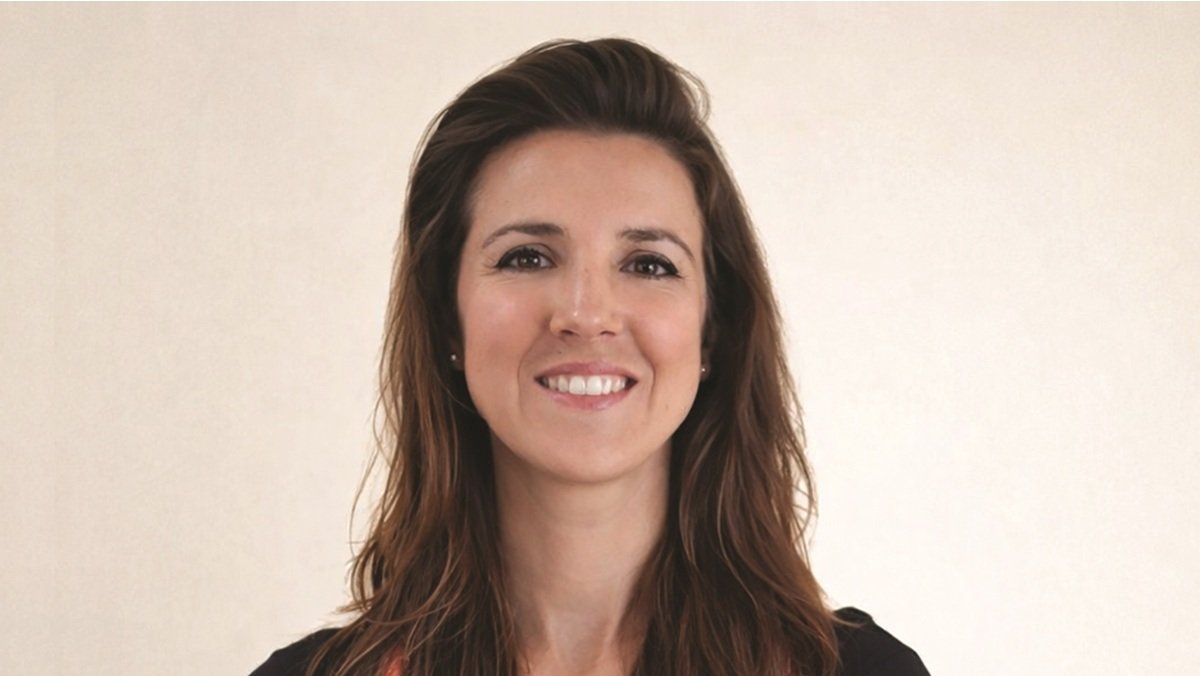
Rawan Baddour, Co-Founder of Zest

Rawan Baddour, Co‑Founder of Zest, has always believed that preparation and hard work—not gender—shape entrepreneurial success. She resists viewing her journey through a gendered lens, arguing that doing so risks limiting ambition. For her, the founders who inspire most are those who focus on what they are building and how consistently they push themselves to evolve. Yet she acknowledges that the region’s ecosystem still has structural gaps, particularly in early‑stage funding where informal networks often determine access. While regulatory progress and increased female representation in investment circles have opened new doors, she stresses that transparency in how capital moves is essential. When evaluation criteria are clear and structured, the quality of the idea—not the founder’s connections—becomes the deciding factor.

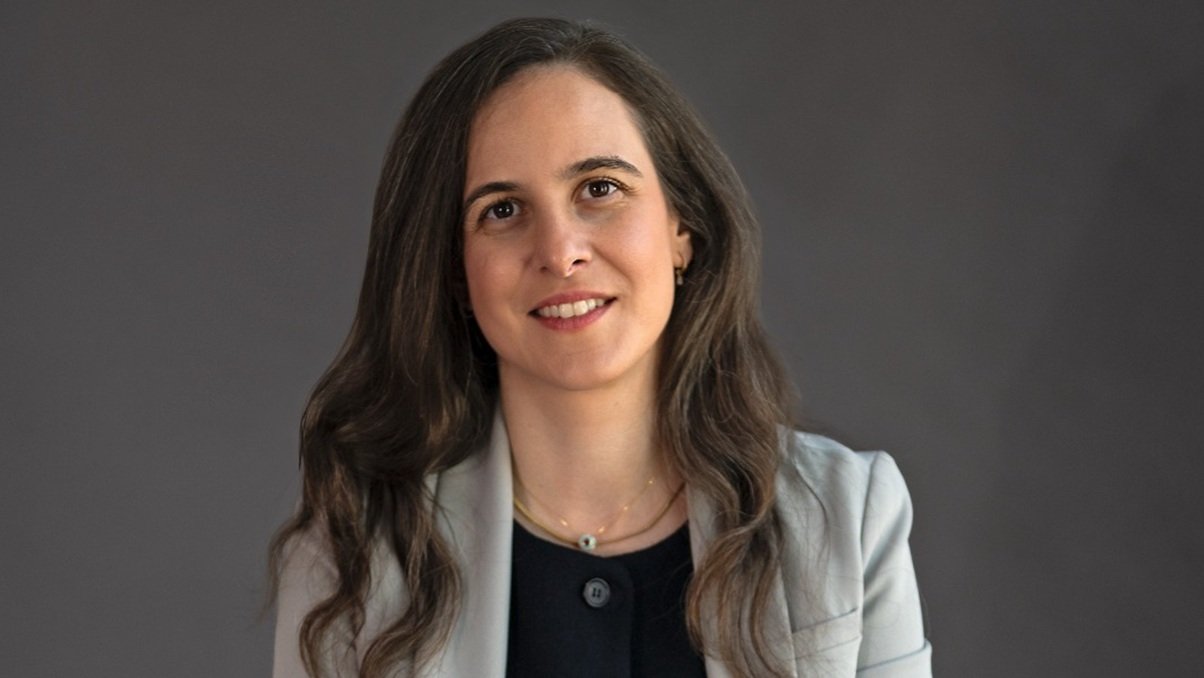
Felicia Agmyren, Founder & Managing Partner of REX Real Estate

Felicia Agmyren, Founder and Managing Partner of REX Real Estate, sees empathy, deep listening, and collaborative leadership as the strengths that have shaped her success in the UAE. These qualities have helped her understand clients deeply, build trust, and create long-term value. She notes that the region has made meaningful progress, with greater visibility for women founders, stronger institutional support, and more inclusive networks. Yet she believes funding remains uneven and senior mentorship limited, especially in high-growth sectors. For Felicia, the most impactful change would be ensuring transparent, performance-based access to capital. When evaluation criteria are consistent and merit-driven, strong businesses thrive regardless of gender—accelerating innovation and economic growth across the region.

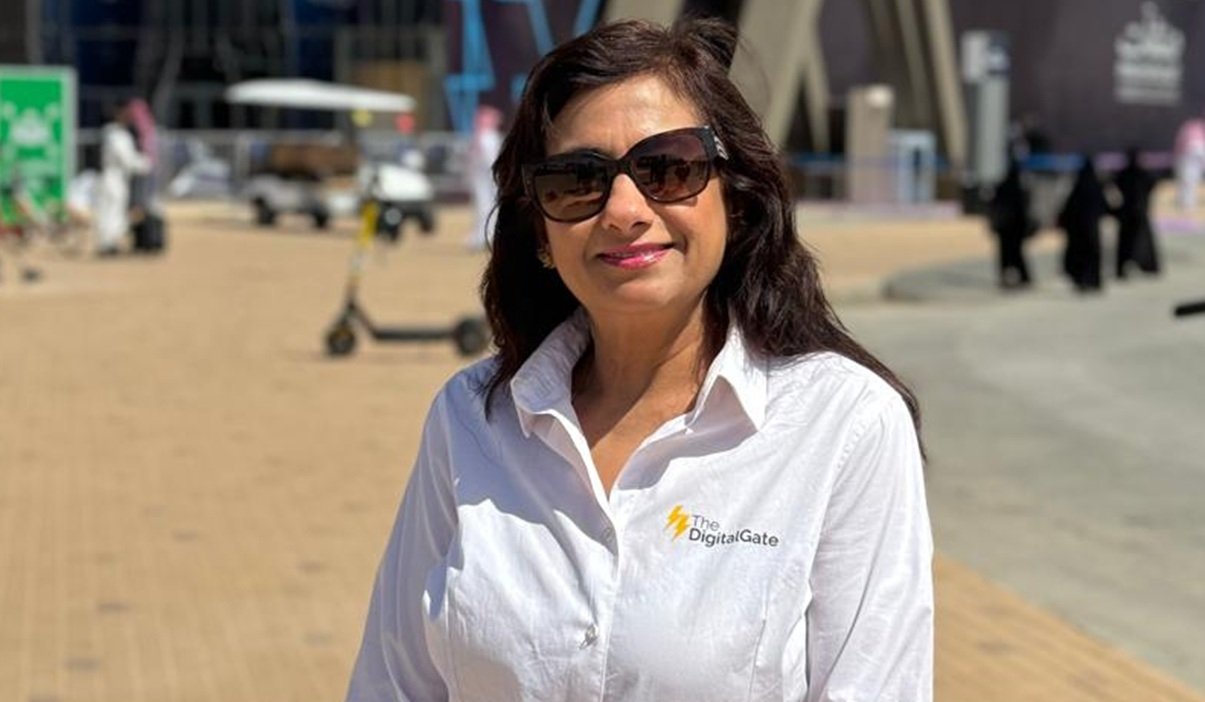
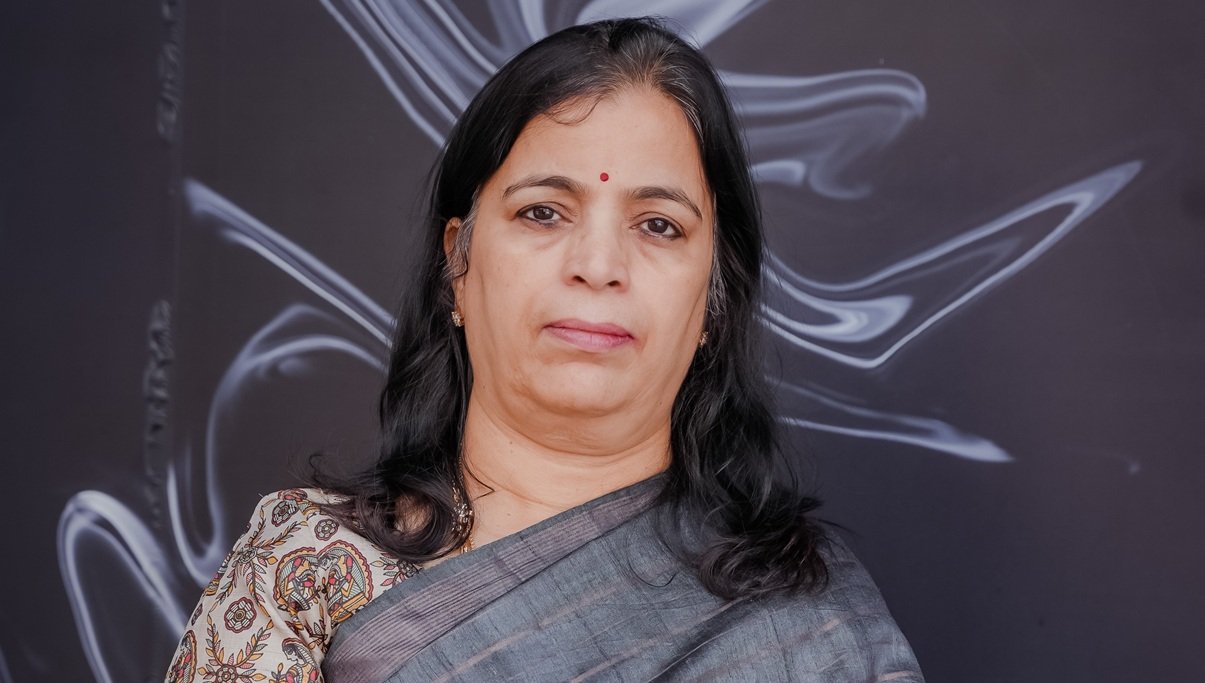
Uma Shankari, Managing Director of Luckystar Computers

For Uma Shankari, Managing Director of Luckystar Computers, entrepreneurship has been a journey defined by ambition, courage, and unwavering family support. While some viewed her decision to start a business as a challenge, she saw it as a calling. Her family’s belief in her abilities—later strengthened by her husband’s encouragement—became the foundation of her confidence. Being a woman in business has taught her resilience, emotional intelligence, and the ability to balance multiple responsibilities without losing focus. She sees the Middle East evolving rapidly, with governments championing entrepreneurship and digital transformation creating new opportunities for women. Yet she believes access to venture capital remains the biggest barrier. Equal, structured, and transparent funding processes, she argues, would unlock the full potential of women founders and accelerate the region’s economic diversification.

Ananda Shakespeare, Founder and CEO of Shakespeare Communications

Ananda Shakespeare, Founder and CEO of Shakespeare Communications, has seen firsthand how being a woman shapes the entrepreneurial journey in the Middle East. Many private workplaces in the UAE still lack women‑friendly environments, with men dominating leadership and entire teams. Finding herself as the only woman in meetings, offices, or even lifts highlighted how deeply gender imbalance persists. These experiences strengthened her resolve to build her own path—one where women are not outliers but leaders. She also believes the rise in female founders is partly driven by workplaces that don’t fully support women’s needs. While angel investing exists, structured support for expat women remains limited. If she could change one thing, it would be significantly increasing investment in female‑led startups, because targeted funding has the power to unlock growth and enable women to empower one another across the region.

Anna Skigin, Founder & CEO, Frank Porter

Anna Skigin, Founder and CEO of Frank Porter, speaks candidly about navigating a male‑dominated industry where she was often underestimated or not taken seriously. Rather than discouraging her, these moments fueled her determination to excel and prove her competence. She believes her greatest strength lies in her ability to see situations differently, make emotionally intelligent decisions, and avoid ego-driven leadership. Anna acknowledges that the region’s startup ecosystem is shifting, with more visibility for women founders and stronger support networks emerging. However, she emphasizes that access to funding—especially at later stages—remains uneven. Informal networks still tend to favor men, and representation among investors is limited. For her, improving access to capital for women-led startups would create long-term, systemic change, allowing talent—not gender—to determine opportunity.

Subela Bhatia, Founder and Managing Director at Imperium Middle East

Subela Bhatia, Founder and Managing Director at Imperium Middle East, describes her entrepreneurial journey as one built on strategic thinking, resilience, and the belief that leadership does not need to mirror traditional norms to be effective. In fields like cybersecurity, data analytics, and workforce development, she has learned that long‑term trust and relationship-building matter more than transactional wins. As a woman in tech, she has often faced perception challenges rather than capability gaps, requiring her to repeatedly prove her expertise. Subela sees significant progress driven by government initiatives, advisory networks, and women-led communities. Yet she believes deep‑tech funding, visibility beyond women-only platforms, and cultural mindset shifts in technical domains remain critical areas for improvement. Redirecting institutional capital toward performance-based investment in women-led tech companies, she argues, would unlock transformative impact across the region.

Ola Sinno, co-founder of Spill the Bean

For Ola Sinno, Co‑Founder of Spill the Bean, entrepreneurship in the Middle East has been a journey of strengthening resilience, self-belief, and the ability to hold her ground in financial and operational discussions. She believes women bring emotional intelligence, long-term thinking, and community-centered leadership—qualities that build sustainable businesses rather than short-lived ventures. Ola sees encouraging shifts in the ecosystem, with more women launching scalable companies and incubators opening their doors more widely. Yet she stresses that visibility must translate into real capital access. Women founders, she says, do not need symbolic support—they need fair evaluation and equal opportunity to scale. She believes that normalizing flexible, outcome-based work structures would significantly support women balancing entrepreneurship with family responsibilities, creating a more sustainable and inclusive ecosystem.

Cheryl King, Founder and CEO of King & Co PR

Cheryl King, Founder and CEO of King & Co PR, believes her entrepreneurial journey has been shaped more by relationships and networks than by gender. While being a woman in tech brings visibility, she credits her success to the strong connections she has built across the Middle East and the UK. Cheryl sees growing institutional support for women founders, particularly in the UAE and Saudi Arabia, where government-backed accelerators and funding initiatives are expanding opportunities. However, she notes that progress is still needed in late-stage funding and board-level representation within high-growth technology companies. For her, sustained access to capital, mentorship, and government-backed growth initiatives are essential to strengthening the region’s entrepreneurial landscape. Supporting women-led networks, she adds, is vital to ensuring that strong ideas—regardless of gender—can scale and contribute meaningfully to the region’s economic future.

Women entrepreneurs across the Middle East are building companies in a time of heightened uncertainty, yet their determination remains unwavering. Even as the region grapples with geopolitical conflict and economic volatility, these founders continue to innovate, lead, and push boundaries with remarkable clarity and courage. Their stories reveal a powerful truth: resilience is not merely a response to adversity—it is a catalyst for transformation. As the Middle East charts its path forward, women entrepreneurs are not only participating in the region’s evolution; they are shaping it. Their leadership, vision, and refusal to be limited by circumstance are driving a new era of inclusive, sustainable, and future-ready entrepreneurship.


The post Women entrepreneurs driving the Middle East forward appeared first on My Startup World - Everything About the World of Startups!.

Investcorp closes second GP staking fund at $1.1 billion

Investcorp today announced that its GP staking arm, Investcorp Strategic Capital Group (ISCG), has closed on commitments of over $1.25 billion to Investcorp Strategic Capital Partners II and associated vehicles (together, “ISCP II”), inclusive of $1.1 billion of fund commitments and an additional $155 million of committed co-investment capital.

ISCP II closed at a size more than 75% higher than that of ISCP I in a highly selective fundraising environment for private markets, underscoring the differentiated nature of ISCG’s strategy and the strength of its LP relationships. Following the ISCP II fundraise, ISCG AUM totals over $2.4 billion.

ISCP II received meaningful support from existing limited partners, with the majority of ISCP I investors increasing or maintaining their commitments. ISCG also expanded the geographic reach and diversification of its investor base across insurance companies and private wealth channels in the US, while securing new investors across Asia, Europe, Latin America and the GCC. In particular, ISCG has continued to expand its network of relationships with Wealth Managers, Registered Investment Advisors, Single and Multi-Family Offices, and High Net Worth Individuals, resulting in a deeper and broader penetration of this large and growing pool of investor capital.

Beyond fund commitments, a sub-set of investors have also committed a total of $155M for co-investments, with ISCG expecting to offer co-investment opportunities to its LPs in future ISCP II investments. Beyond direct co-investments, ISCG has also facilitated LP allocations into Partner GP funds.

“Since we launched our growth strategy ten years ago, Investcorp has proven itself as a value-added partner of choice in the middle market across asset classes and regions. Our GP staking strategy is emblematic of this approach, and we look forward to backing more talented GPs in the years ahead and expanding their reach and capabilities.” said Mohammed Alardhi, Executive Chairman of Investcorp.

“We are deeply grateful for the support and conviction of our limited partners, who believe in the platform we’ve built to support middle- arket GPs accelerate their growth and enhance longevity,” said Anthony Maniscalco, Managing Partner and Head of ISCG.

“ISCP II’s successful close reflects the strength of our strategy and the trust we have built with investors globally. The GP staking strategy has become a core component of investor allocations, and we are excited to continue as an active, hands-on partner to our portfolio.”

As one of the first active investors in middle-market GPs, ISCG seeks to deploy large-cap institutional tools and resources to assist middle-market GPs. ISCG’s approach centers on supporting GPs with fundraising in key investor channels, enhancing strategy and product development, and accelerating further development of the GP’s internal infrastructure. ISCG has built a comprehensive toolkit to support Partner GPs across key business priorities such as product development, generative AI integration, technology, operations, human capital management, succession planning, and add-on acquisitions. ISCG has also established a seven-person internal capital formation team to augment Partner GP fundraising efforts.

ISCG backs high growth private capital managers in the middle market, defined as those managing between $1 to 10 billion in assets. Since its inception in 2019, ISCG has backed over a dozen GPs that invest in private equity, private credit, real assets, infrastructure, structured capital, and secondaries. ISCP II has made three investments thus far, with a fourth set to close later this year, including Monomoy Capital Partners, MML Capital, Banner Ridge Partners and Vauban Infrastructure Partners. The combined AUM of Partner GPs across ISCP II and its predecessor exceeds $105 billion. ISCG anticipates constructing a portfolio of approximately 10 Partner GPs for ISCP II, consistent with its disciplined and diversified portfolio construction approach.

Fried, Frank, Harris, Shriver & Jacobsen LLP advised on the fund formation of ISCP II.


The post Investcorp closes second GP staking fund at $1.1 billion appeared first on My Startup World - Everything About the World of Startups!.

Rimal Semiconductors raises bridge round from Keheilan

Rimal Semiconductors, a Saudi-based chip design startup, has raised a bridge funding round from Keheilan Asset Management alongside an undisclosed regional investor, bolstering its ambitions to expand its role in the global semiconductor ecosystem.

The new capital will advance Rimal’s plan to scale as a fabless semiconductor company—focusing on chip design while relying on international foundries for manufacturing. The startup already works with partners in Taiwan, South Korea, and China, and is now in talks with US foundries to further broaden its production footprint.

Rimal frames this distributed model as a strategic response to the increasingly fragmented semiconductor landscape, where US–China tensions continue to reshape supply chains and limit market access for many firms.

By keeping its intellectual property under Saudi ownership while diversifying manufacturing across multiple geographies, the company aims to ensure its chip designs can reach global customers regardless of where fabrication takes place.

The startup is also close to finalizing a distribution agreement with a regional partner covering Turkey, Egypt, Morocco, Tunisia, and the UAE. The deal includes on‑the‑ground engineering teams to support clients in each market.

Rimal currently has six contracts in advanced stages, including one with a major Egyptian conglomerate. The projects span defence technologies, power grid systems, and data‑centre infrastructure—sectors where demand for specialized semiconductor solutions continues to accelerate.


The post Rimal Semiconductors raises bridge round from Keheilan appeared first on My Startup World - Everything About the World of Startups!.

Nano Banana 2 live on Gemini App and Google Search

Nano Banana 2, Google’s latest state-of-the-art image model, is now available in the Middle East and North Africa. The model is accessible on Google Gemini (desktop and mobile app) and Google Search via Google Lens and AI Mode. 

Nano Banana 2 brings the high-speed intelligence of Gemini Flash to visual generation, making rapid edits and iteration possible. It brings once-exclusive Pro features accessible to a wider audience, including:

  • Advanced world knowledge: The model pulls from Gemini’s real-world knowledge base, and is powered by real-time information and images from web search to more accurately render specific subjects.
  • Precision text rendering and translation: Nano Banana 2 allows users to generate accurate, legible text for marketing mockups or greeting cards. People can even translate and localize text within an image to share their ideas globally.
  • Subject consistency: Maintain character resemblance of up to five characters and the fidelity of up to 14 objects in a single workflow.
  • Production-ready specs: Make attention grabbing assets with full control of various aspect ratios and resolutions from 512px to 4K, ensuring visuals stay sharp whether they are for a vertical social post or a wide-screen backdrop.
  • Visual fidelity upgrade: The model delivers vibrant lighting and sharper details, maintaining high-quality aesthetics at the speed expected from Flash.


The post Nano Banana 2 live on Gemini App and Google Search appeared first on My Startup World - Everything About the World of Startups!.

❌