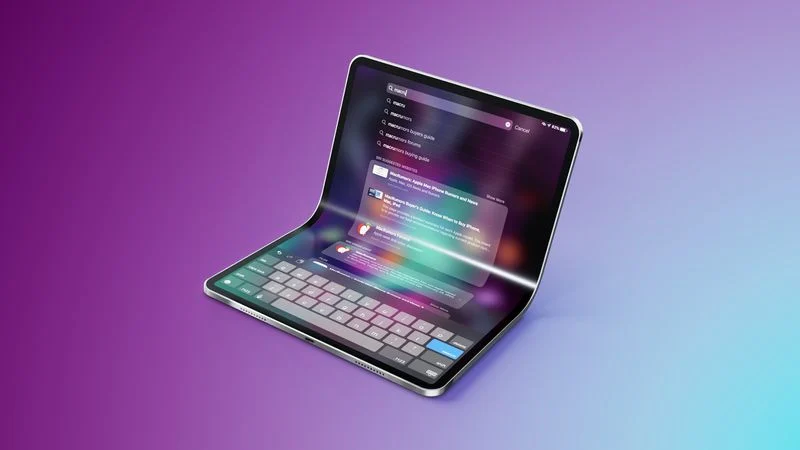
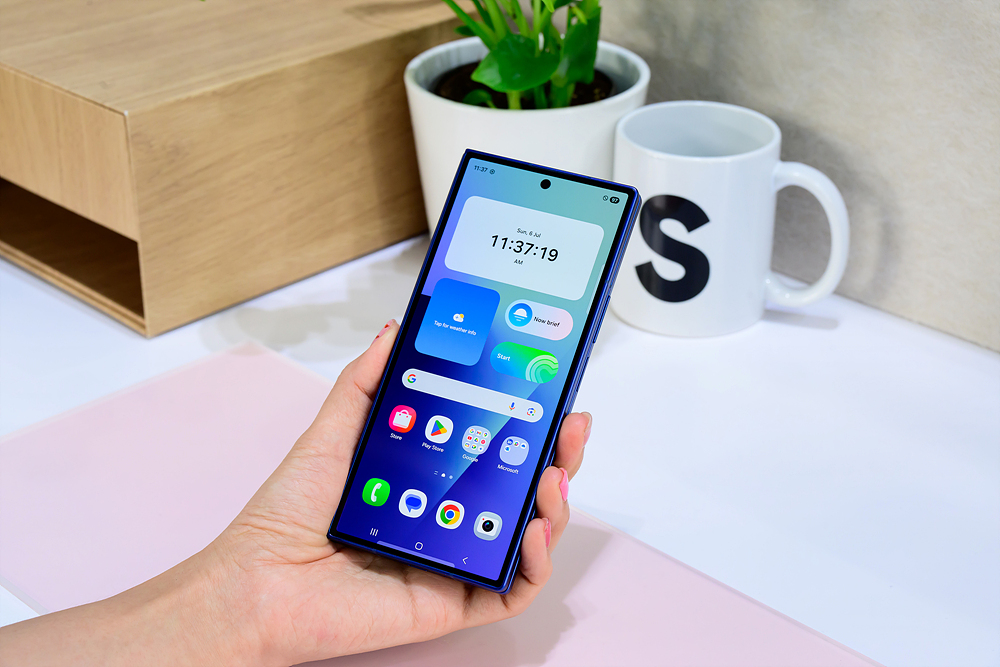
According to a new report from Counterpoint Research, global shipments of foldable smartphone panels are expected to grow 46% year-on-year in 2026. The growth will be largely driven by Apple’s entry into the foldable market, as the company begins sourcing panels for its first foldable iPhone.
Image Credit: macrumors
Apple’s move is expected to reignite interest in the foldables category. Counterpoint believes this will lead to a sharp increase in demand across the supply chain and push average selling prices higher next year. The report states that Samsung Display will be the biggest winner, with its market share projected to reach 57% in 2026.
The research firm also expects the book-style foldable design to solidify its dominance. These devices feature large, inward-folding screens and are gaining popularity among consumers who want more productivity and bigger display areas.
Samsung’s Galaxy Z Fold 7 already showed signs of this trend. During the early sales window in the second half of 2025, the Fold model outsold the clamshell-style Flip model for the first time. Counterpoint noted a similar trend in China, where consumers are now prioritizing larger foldables despite higher prices.
On the supply side, panel makers are expected to experience uneven growth. BOE could see an 8% year-on-year decline in shipment share, while Visionox is forecast to grow 8%. TCL CSOT is expected to grow 47%, and Tianma may post a 580% year-on-year surge.
Counterpoint estimates that overall foldable smartphone shipments will grow 14% in 2025 and 38% in 2026. With Apple’s foldable iPhone on the horizon, the market is set for a significant boost in both volume and innovation.
For more daily updates, please visit ourNews Section.
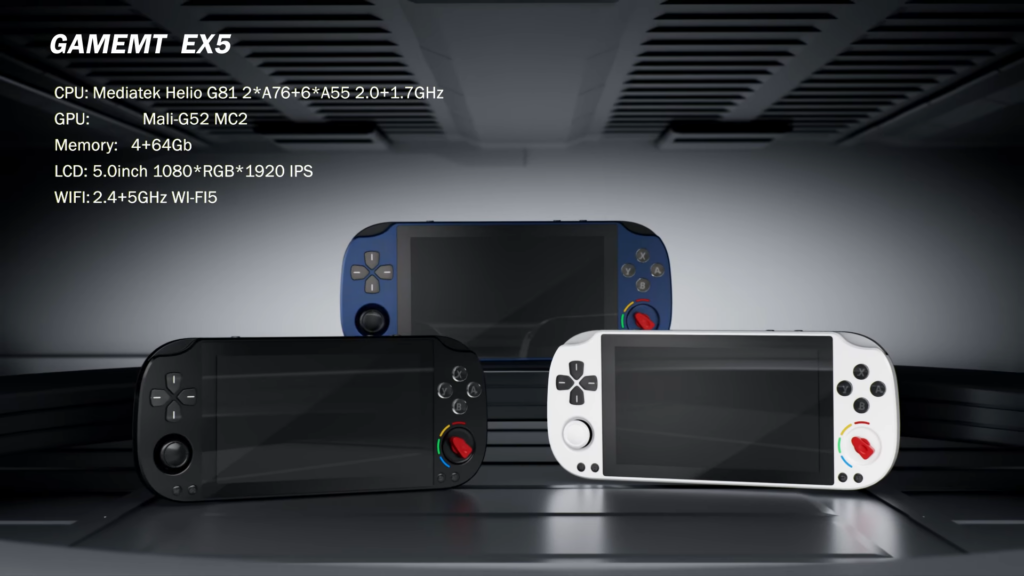
GameMT has officially teased its new budget gaming handheld, the EX5. The device features a 5-inch 1080p IPS LCD display and runs on MediaTek’s Helio G81 chipset. The company revealed the EX5 through a teaser video on the Roybeila YouTube channel, showing off a design that resembles Sony’s PlayStation Vita but introduces some unconventional elements.
The EX5 is powered by a 12nm Helio G81 processor, which includes two Cortex-A75 cores and six Cortex-A55 cores, along with a Mali-G52 MP2 GPU. GameMT pairs this chipset with 4GB of RAM and 64GB of internal storage. It also comes with a microSD card slot for expandable storage.
The EX5 handles connectivity through dual-band Wi-Fi 5, supporting both 2.4GHz and 5GHz bands. Its 5-inch display has a 1920×1080 resolution, which is relatively high for a device in this price segment. The handheld runs Android and supports a variety of gaming platforms. According to the teaser, the handheld supports cloud gaming, native Android titles, and popular emulation frontends like ES-DE and Pegasus.
In terms of design, the EX5 includes a D-pad, face buttons, shoulder triggers, and a single thumbstick on the left. Instead of placing a second thumbstick on the right, GameMT has added a physical switch that allows users to toggle between three performance profiles: Performance, Balanced, and “Pwrsave-Auto.” This switch resembles a mechanical dial, which adds a unique touch to the otherwise familiar layout.
The EX5 will be available in three color options: white, black, and dark blue. GameMT has not yet announced a specific release date or price, but the teaser confirms that the device is “coming soon.”
In related news, Ayaneo has recently introduced the Pocket DMG Silver Limited Edition powered by the Snapdragon G3x Gen 2, and also unveiled the Pocket Vert featuring a 3.5-inch LTPS LCD, a dual-mode hidden touchpad, and a 6000mAh battery.
For more daily updates, please visit ourNews Section.
As tempting as the Galaxy S25 Ultra may look on paper, all signs point to its successor, the Galaxy S26 Ultra, being the real flagship to wait for. With launch expected in February 2026, the S26 Ultra is shaping up to be Samsung’s most refined and forward-thinking phone in years. The leaks make a compelling case for patience.
Refined Design
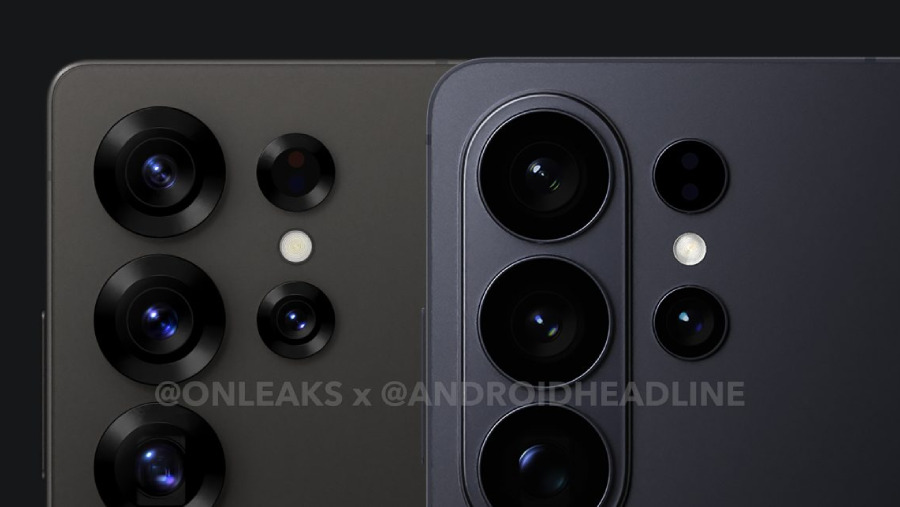
For the first time since the Galaxy S22 Ultra, Samsung is rethinking the visual identity of its top-tier phone. The Galaxy S26 Ultra may ditch the signature floating camera rings in favor of a cleaner, pill-shaped camera island. This move aligns it more with the Galaxy Fold series. It could make the S26 Ultra feel like a more cohesive and premium device in hand, especially as it also gets rounder corners and a slimmer frame at just 7.9mm thick. The rear camera bump may grow in height, but that is likely to accommodate new sensors.
Samsung is also reportedly using a next-gen Gorilla Armor glass with improved anti-reflection and durability, along with a 15% larger vapor chamber for better cooling. These tweaks might not sound revolutionary, but they point to a phone that will feel cooler, sharper, and more balanced to use, especially during long gaming or video editing sessions.
Smarter Display
Leaked details suggest the S26 Ultra’s 6.9-inch AMOLED screen will be backed by a new CoE depolarizer layer that improves brightness and efficiency by letting more light through the panel. There is also talk of AI Magic Flex Screen technology, where AI dynamically adjusts pixel angles to create built-in privacy filters. Think of it as smart screen dimming that kicks in only when needed.
And yes, the S Pen is still here, though it is now more of a writing tool than a full-blown remote. Rumors suggest this might be the last Ultra phone to feature the built-in stylus before Samsung turns it into an external accessory.
Subtle But Crucial Camera Upgrades
Samsung isn’t doing a complete camera overhaul this year. The S26 Ultra will likely retain the 200MP ISOCELL HP2 main sensor but bump the aperture from f/1.7 to f/1.4 for significantly better low-light shots. There are whispers of improved coatings on the lenses and possibly a new 12MP telephoto camera, though you should not expect a zoom revolution.
The real game-changer could be Samsung’s AI-enhanced imaging. Plus, the debut of APV Codec, a rival to Apple ProRes, could turn the Ultra into a mobile filmmaking machine.
Hardware Improvements
Unlike the S25 Ultra, which came exclusively with a Snapdragon chip, the S26 Ultra could split between the Snapdragon 8 Elite Gen 5 and Samsung’s in-house Exynos 2600 depending on the region. Early benchmarks suggest both are powerful, with Samsung’s 2nm GAA Exynos chip possibly more efficient on paper.
Paired with up to 16GB RAM (no small commitment in today’s memory market), a massive vapor cooling system, and faster storage, the S26 Ultra should feel significantly more responsive, especially with heavy multitasking and Galaxy AI features that benefit from more memory headroom.
Faster Charging
Where the S25 Ultra capped out at 45W charging, the S26 Ultra is rumored to support up to 60W or even 65W. That would be a long overdue upgrade. If the leaks are accurate, Samsung is also embracing Qi2 wireless charging, enabling MagSafe-style accessories. You may lose reverse wireless charging, but for many, the trade-off will be worth it.
So Should You Wait?
The Galaxy S25 Ultra is a great phone, but if you’re buying now, you’re likely committing to a device that could feel outdated in just a few months. With the Galaxy S26 Ultra poised to bring a sleeker body, more intelligent display, faster charging, enhanced AI software, and serious camera refinements, it makes sense to wait.
February 2026 isn’t that far away, and based on what we’ve seen so far, the wait will be worth it.
For more daily updates, please visit our News Section.
Samsung Foundry has a new thermal packaging solution called Heat Path Block (HPB), aiming to solve one of the most critical issues in advanced semiconductor design, heat buildup. The company is preparing to license this innovation to external clients, including Apple and Qualcomm, as it works to reestablish its position in the foundry market.
What is HPB and Why Does It Matter?
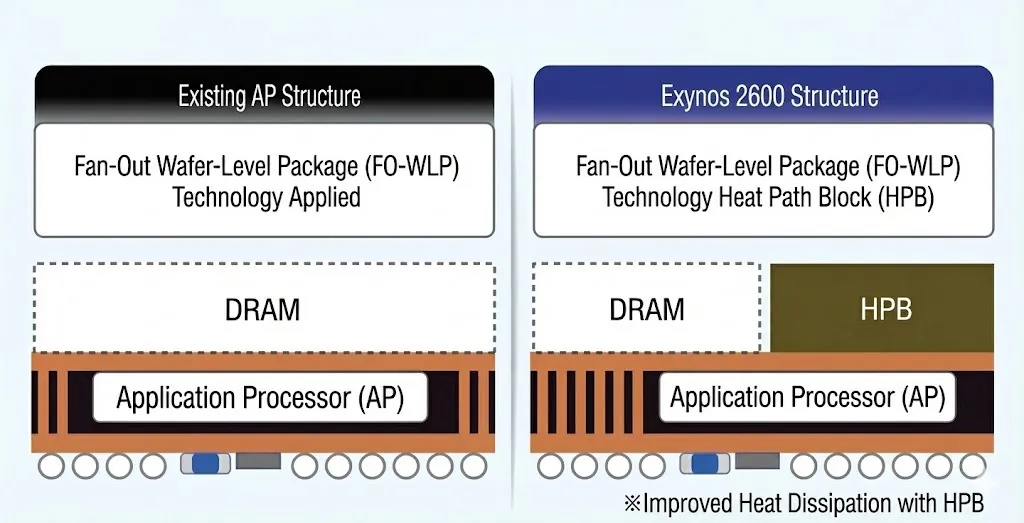
HPB is a copper-based thermal plate that sits directly above the application processor. In previous designs, Samsung placed the DRAM stack directly on top of the processor using Fan-Out Wafer-Level Packaging (FOWLP). The new Exynos 2600 design moves the DRAM to the side to make room for the HPB block, which now makes direct contact with the processor cores.
This repositioning improves heat transfer efficiency. Samsung claims a 30% reduction in average chip temperature compared to the previous generation. The thermal improvements are expected to help maintain peak performance in mobile processors during extended workloads, particularly in gaming and other intensive applications.
Rebuilding Trust with Apple and Qualcomm
Samsung plans to license HPB to potential clients, including Qualcomm and Apple. Both companies shifted major chip orders to TSMC in recent years. Qualcomm moved its Snapdragon 8 Gen 1 Plus production in 2022, and Apple made the switch with the A10 back in 2016. Samsung now sees HPB as a potential draw to win back these customers.
The timing may work in Samsung’s favor. Qualcomm’s new Snapdragon 8 Elite Gen 5 reportedly consumes 19.5W under full load, significantly more than Apple’s A19 Pro at 12.1W. This high power draw results in greater heat generation, creating demand for better cooling at the chip level. Samsung’s HPB could directly address this concern.
Samsung’s own MX division, which buys Snapdragon chips for Galaxy devices, has already requested cooling performance at HPB levels. This request signals that the market is taking the technology seriously.
Strategic Timing with 2nm and GAA
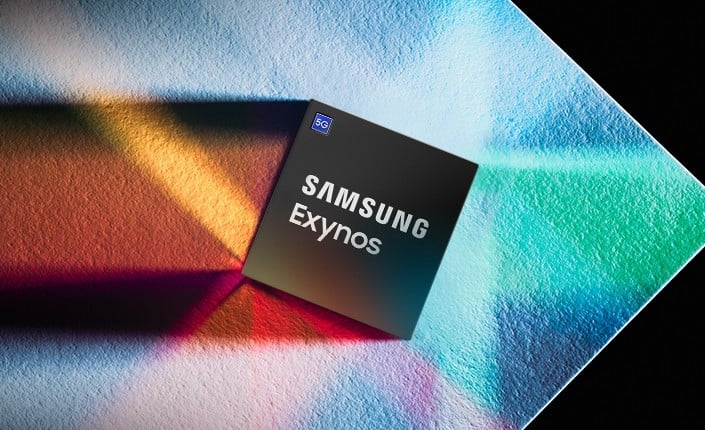
HPB will debut with the Exynos 2600, which also serves as Samsung’s proof-of-concept for its 2nm chip manufacturing process. The company has already implemented gate-all-around (GAA) transistor architecture with its 3nm node and will continue using it at 2nm. TSMC, by contrast, plans to adopt GAA starting at the 2nm node.
Reports from South Korea suggest Samsung’s 2nm yield has reached between 55% and 60%. The company expects profitability in its foundry division by 2027, once its new Taylor, Texas fab ramps up. The fab is scheduled to begin operations in 2026 and will help double Samsung’s 2nm capacity by the end of that year.
Samsung’s early use of GAA and new thermal solutions could give it an edge as more chipmakers explore alternatives to TSMC.
The Bigger Picture
Samsung is using HPB as part of a broader strategy to revive its foundry business. The company has reorganized its packaging teams under the foundry and memory divisions to focus more closely on advanced chip integration.
Samsung has also taken a more flexible pricing approach to attract new clients. TSMC’s 2nm wafers are reportedly priced 50% higher than previous generations due to strong demand from clients like Nvidia and Apple. Samsung is using competitive pricing to secure contracts with smaller AI semiconductor firms such as Charbright, Anaplash, and South Korea’s DeepX.
In July, Samsung also secured a $16.5 billion deal to manufacture Tesla’s next-generation AI6 chips. The company is producing image sensors for Apple, ASICs for Chinese mining companies, and smartphone APs for its System LSI division. These contracts signal early momentum as Samsung works to diversify its client base.
Samsung is betting that HPB, combined with its 2nm and GAA advancements, will help close the gap with TSMC and restore confidence in its advanced nodes. If the Exynos 2600 performs well, it could mark a turning point in Samsung’s efforts to regain share in the global foundry market.
For more daily updates, please visit our News Section.
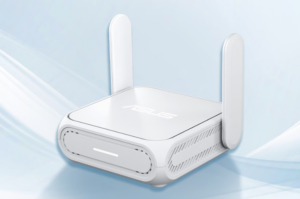
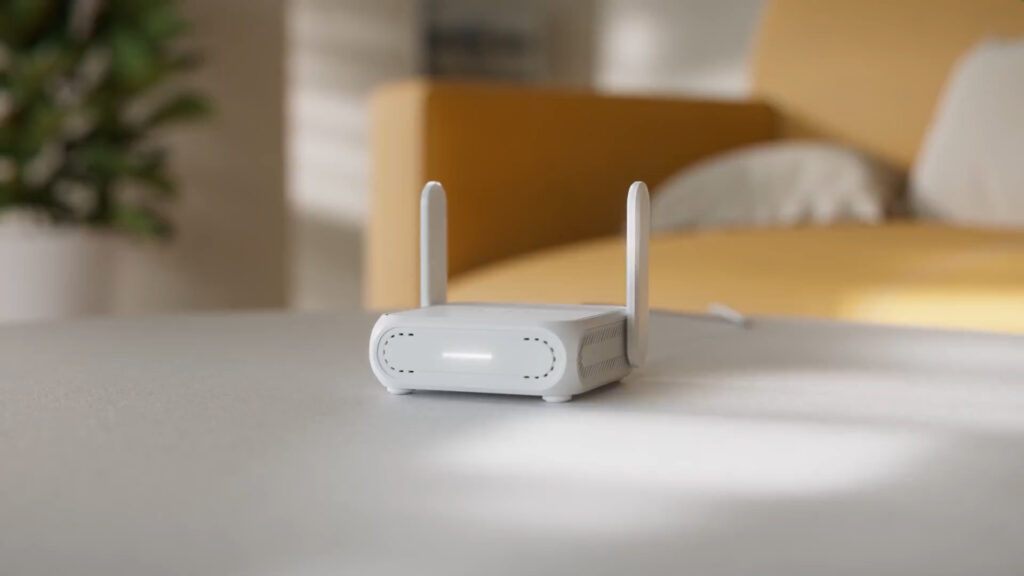
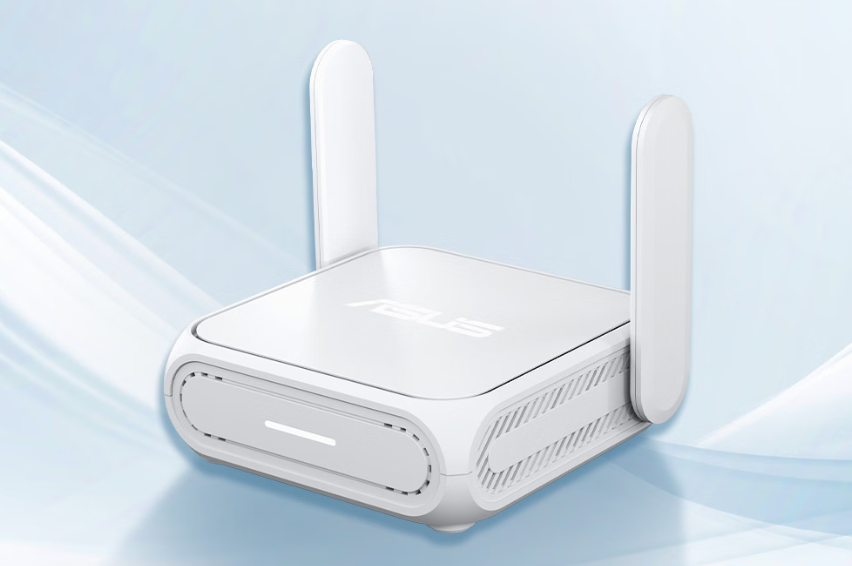
Asus has introduced the RT-BE58 Go in China, a compact WiFi 7 portable router that was announced earlier this year. The device is priced at 899 yuan ($127) and supports power bank input for on-the-go use.
Asus RT-BE58 Go Specifications
The RT BE58 Go supports dual-band WiFi 7 (802.11be) and offers a combined wireless throughput of up to 3600 Mbps. It delivers up to 2882 Mbps on the 5GHz band and 688 Mbps on the 2.4GHz band. Asus includes features like 4K QAM modulation and Multi-Link Operation to enhance speed and efficiency, especially in dense environments.
The router runs on a Broadcom 2.0GHz quad-core processor paired with 1GB DDR4 RAM and 256MB of flash storage. This hardware allows it to manage multiple devices and tasks simultaneously. It also includes two independent front-end modules (FEMs) to improve signal strength and stability.
Measuring 9.8 × 9.4 × 3.1 cm and weighing just 232 grams, the RT BE58 Go fits easily into a backpack or pouch. It includes foldable antennas and supports USB-C 18W PD input, allowing it to operate using a standard power bank. Asus says the router is ideal for outdoor work, hotel stays, road trips, and compact living spaces.
The router is equipped with multiple network access options. It includes a 2.5Gbps WAN port for wired broadband, USB tethering for 4G/5G smartphones or dongles, and a WISP mode that converts public WiFi networks into private secure hotspots. It also supports Asus AiMesh, which allows it to extend an existing mesh network using a single SSID.
For security and customization, the RT BE58 Go features AiProtection for real-time threat detection and malicious site blocking. It supports up to five guest SSIDs with branding support, as well as isolated child and IoT networks. VPN support is also built in for secure remote access.
Asus includes additional features such as smart scenario acceleration for streaming, gaming, and online meetings. The router also provides a dedicated USB-A port for mobile network tethering and a Gigabit LAN port for wired connections.
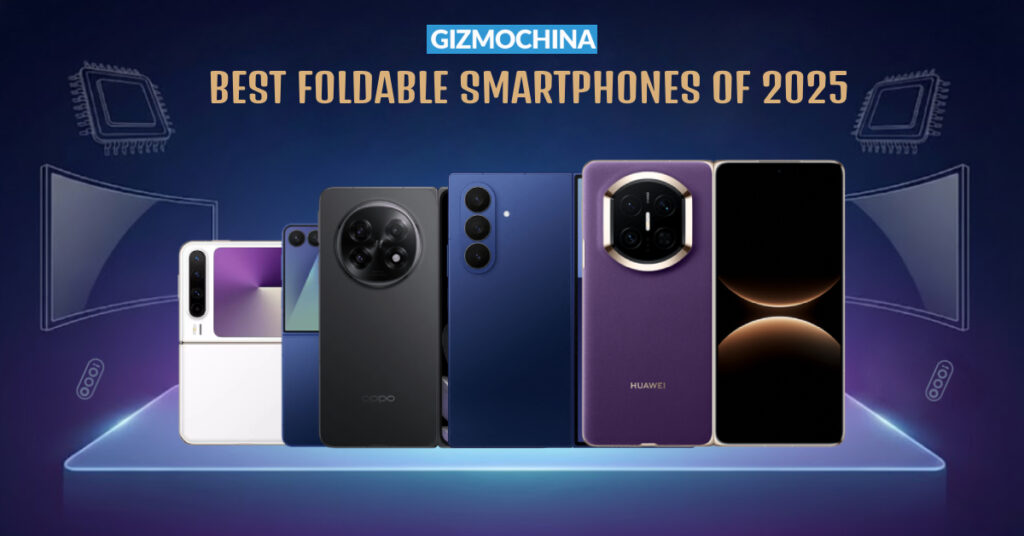
If 2024 was a year of incremental updates, 2025 was the year the foldable form factor truly matured. We moved past the era of engineering curiosity and fragility into a time where these devices stood confidently alongside and often surpassed traditional flagship phones.
From Samsung’s meticulous refinement of its ecosystem to Huawei and Oppo pushing the physical limits of camera optics and hinge mechanics, this year’s lineup proved that foldables are no longer just experiments. They are now among the very best smartphones money can buy.
Here are our picks for the best foldable smartphones of 2025.
Samsung Galaxy Z Fold 7
Samsung’s seventh-generation book-style foldable feels like the device the series was always destined to be. The Galaxy Z Fold 7 eliminates previous compromises, most notably in its weight; at just 215g, it is the lightest Fold yet, thanks to a new titanium-backed display and slimmer FlexHinge. The viewing experience has been significantly upgraded with an 8-inch main display featuring thinner bezels and the removal of the under-display camera, which has been swapped for a sharper 10MP sensor.
However, the headline feature is the camera system. For the first time, Samsung has integrated a 200MP flagship-grade sensor, allowing the Fold 7 to capture images that rival the best slab phones on the market. On the software front, the device acts as a premier mobile workstation. Running One UI 8 and Android 16, it leverages Galaxy AI for seamless multitasking, such as side-by-side editing and context-aware interactions with Gemini Live.
Please Note: When you buy something using the links in our articles, we may earn a small commission at no cost to you.
Samsung Galaxy Z Flip 7
Samsung also elevated its Flip line this year, turning the clamshell form factor into a productivity tool. The Galaxy Z Flip 7 introduced the biggest and brightest cover screen ever seen on the series, a 4.1-inch FlexWindow that genuinely feels like a standalone phone. This expanded real estate allows users to reply to messages, run full apps, or interact with Gemini Live without ever needing to unfold the device.
Beyond the screen, the Flip 7 is a powerhouse in its own right. It is the first in the series to support Samsung DeX, allowing it to double as a desktop computer, and it packs a larger 4300mAh battery despite being slimmer than ever. This combination of portability and power ensures that the Flip 7 offers a premium flagship experience that goes far beyond simple nostalgia.
Please Note: When you buy something using the links in our articles, we may earn a small commission at no cost to you.
Huawei Mate X7
While others focused on refinement, Huawei chose to experiment with aggressive hardware. The Mate X7 turned heads with its unique Yun Brocade Collector’s Edition design, but it is the camera system that truly sets it apart. It features a 50MP main sensor with a variable aperture, a 50MP telephoto lens with 3.5x optical zoom, and Huawei’s Red Maple color sensor, all of which combine to deliver stunning results in any lighting condition.
The display technology is equally impressive, with a foldable OLED screen that reaches a peak brightness of 2500 nits. Running on HarmonyOS, the device makes excellent use of this extra screen real estate with improved multitasking features and satellite messaging support. To top it off, the 5600mAh battery and titanium-reinforced body make the Mate X7 one of the most rugged and longest-lasting foldables released this year.
If Samsung and Huawei aimed for raw performance and camera versatility, the Find N5 focused on ergonomic perfection. This was arguably the most comfortable and polished foldable to hold in 2025, featuring a crease so shallow it is barely noticeable. This is made possible by an aerospace-grade titanium hinge that is both lighter and tougher than anything Oppo has shipped before.
The experience is just as premium on the inside. The 8.12-inch LTPO inner display supports stylus input, while the outer display has been upgraded for higher brightness. The Hasselblad-powered triple camera system, which includes a 50MP periscope lens and 6x optical zoom, holds its own in low-light and portrait scenarios. Furthermore, Oppo addressed battery anxiety by packing a massive 5600mAh silicon-carbon battery into the device, complete with fast wired and wireless charging, features its predecessor sorely lacked.
Huawei’s Pura X took the idea of a flip phone and flipped expectations. The device features a unique 6.3-inch inner display with a 16:10 aspect ratio, a rarity in foldables, while the 3.5-inch outer OLED is a perfect square, giving the phone a distinctive, mirror-like aesthetic. Both screens are top-tier, supporting high-frequency PWM dimming and full 120Hz LTPO refresh rates.
Unlike many flips that compromise on cameras, the Pura X is a serious imaging device. It houses a 50MP RYYB main camera, a 40MP ultra-wide, and a 3.5x telephoto lens, offering flagship versatility in a playful form factor. When you add in IPX8 water resistance, satellite communication support, and a 4720mAh battery with 66W wired charging, the Pura X stands out as a flip phone that feels like a true flagship.

 Login
Login