
Reading view

Serifos Island in Greece Proposes Sustainable Tourism Model to Preserve Cultural and Natural Heritage While Promoting Eco-Friendly Growth
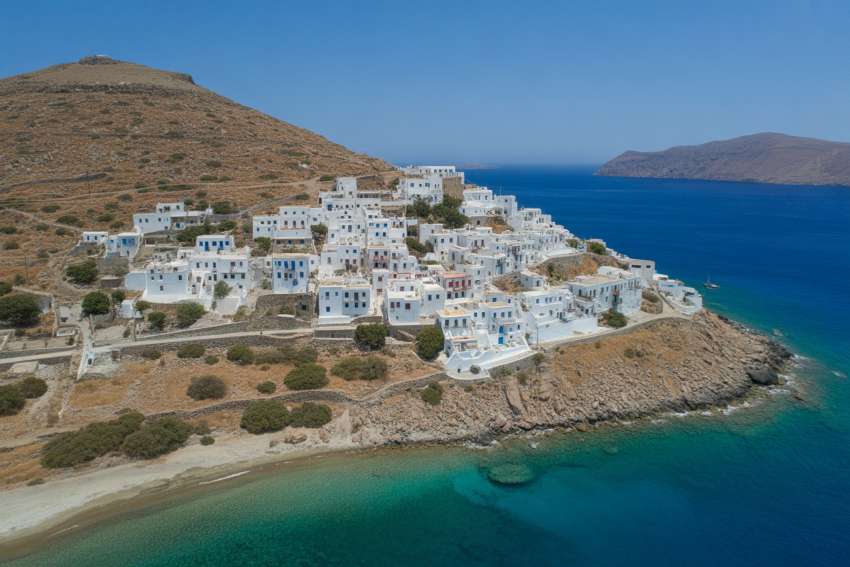
Serifos Island in Greece Proposes Sustainable Tourism Model to Preserve Cultural and Natural Heritage While Promoting Eco-Friendly Growth

Serifos Island, known for its breathtaking natural beauty and rich cultural heritage, has become the focus of a major sustainability initiative. The National Technical University of Athens (NTUA), the Hellenic Society for the Environment and Culture (ELETE), and the World Monuments Fund have joined forces to promote a tourism model that prioritises controlled growth, cultural preservation, and environmentally friendly development. This initiative aims to protect the island’s natural landscapes while providing long-term economic benefits to the local communities.

Focus on Sustainable Development

The proposal calls for a revision of the island’s Special Urban Planning Plan, recommending the exclusion of certain high-impact investments that could jeopardize the authenticity and integrity of Serifos. Specifically, the three organisations argue against projects that combine tourism with residential development. These kinds of developments, which include large-scale tourist complexes with residential units, are seen as incompatible with the island’s scale, character, and cultural values.

The focus of the proposal is on promoting a sustainable tourism model that is sensitive to Serifos’ unique heritage. This involves advocating for the implementation of the positions outlined in earlier studies by NTUA and ELETE, which aim to introduce controlled development within existing settlements. One of the main objectives is to limit the expansion of urbanization outside the designated areas and to protect the mining and cultural landscapes, especially the southwestern part of the island.

Excluding High-Impact Tourism Investments

The proposal is clear in its stance against the introduction of large-scale tourism infrastructure projects, such as cruise facilities, which are viewed as disproportionately costly and unsuitable for the island. The exclusion of these types of investments is seen as crucial for preserving the small-scale, intimate character of Serifos. Cruise tourism, while beneficial for many destinations, is considered incompatible with the island’s infrastructure, and its introduction would risk overwhelming local resources and diminishing the island’s appeal to travelers seeking authentic experiences.

Moreover, the initiative calls for the abolition of contemporary cave dwellings, which, although inspired by traditional forms of architecture, are seen as increasing the intensity of development. These new constructions, according to the proposal, could alter the natural and cultural landscape and pose a risk to archaeological and mining remains on the island.

Protecting Serifos’ Historic Mining Landscape

One of the key aspects of the proposal is the emphasis on protecting Serifos’ Historic Mining Landscape, which was recognized globally in 2025 when it was included in the World Monuments Watch programme. This recognition highlights the island’s significant cultural value and the urgent need to preserve its unique heritage. The initiative builds on this international recognition, aiming to safeguard not only the landscape but also the traditional agricultural practices and cultural features that define Serifos.

The proposal calls for a detailed framework that includes the establishment of Protection Zones A and B, which will have differentiated levels of restriction based on the importance of the area. These zones would encompass all critical archaeological, mining, and landscape resources—whether coastal, terrestrial, or underground. The aim is to prevent the spread of residential and tourism development that could undermine these irreplaceable assets.

Strategies for Gentle Development

The organisations propose several measures to ensure that development on the island remains gentle and compatible with its cultural and environmental context. One key suggestion is to provide special regulations and incentives for the adaptive reuse of traditional, abandoned buildings in rural settlements. These structures could be repurposed for residential or low-impact tourist uses, but with strict limits on the scale and scope of such projects.

The preservation of agricultural land is also a priority. The proposal calls for measures to protect these areas, ensuring that agricultural activities remain the primary use of much of the island’s land. This, in turn, can foster the development of agrotourism, which focuses on sustainable farming practices and offers tourists the chance to engage with Serifos’ rural traditions.

Economic Sustainability through Cultural Tourism

The key to Serifos’ economic future lies in its ability to develop alternative forms of tourism that emphasize authenticity and cultural value. Rather than focusing on large-scale developments, the proposal advocates for specialized and alternative tourism models that cater to international travelers seeking unique, enriching experiences. This approach ensures that each visitor contributes a higher value to the local economy, creating a sustainable tourism model that benefits the community in the long term.

Eco-friendly tourism, which respects the island’s natural and cultural heritage, is viewed as the most sustainable path forward. By focusing on smaller-scale investments and aligning tourism with the island’s capacities, the proposal ensures that the development of Serifos will not come at the expense of its authenticity or environmental integrity.

Protecting the Local Community and Heritage

The ultimate goal of this initiative is to strike a balance between tourism and preservation. The measures outlined in the proposal are designed to protect the island’s environment, culture, and way of life while offering economic opportunities that benefit local communities. The exclusion of large-scale tourism projects, such as cruise terminals and high-impact residential developments, will ensure that Serifos retains its unique charm for future generations.

Local residents stand to benefit from a tourism model that prioritizes sustainability. By focusing on small- and medium-sized projects that are in harmony with the landscape and culture, the island can avoid the pitfalls of overdevelopment and overcrowding that have plagued other destinations. In this way, Serifos can maintain its reputation as a serene, authentic destination for discerning travelers.

A Step Toward a Greener Future

Serifos’ new tourism proposal represents a watershed moment in the island’s development. The proposal offers a clear vision for a sustainable future by advocating for controlled, culturally sensitive growth while opposing large-scale developments. The emphasis on preserving the island’s distinct landscapes, archaeological sites, and agricultural heritage ensures that Serifos can continue to attract visitors while maintaining its authenticity and cultural richness. Serifos has the opportunity to set a precedent for sustainable tourism in Greece by implementing this initiative, providing a model that other islands and destinations around the world can replicate.

The proposal represents a step towards a future in which tourism not only benefits the economy but also protects and enhances the island’s cultural and natural heritage for future generations. Serifos will continue to grow while respecting its past, preserving its present, and ensuring a sustainable future for all.

The post Serifos Island in Greece Proposes Sustainable Tourism Model to Preserve Cultural and Natural Heritage While Promoting Eco-Friendly Growth appeared first on Travel And Tour World.
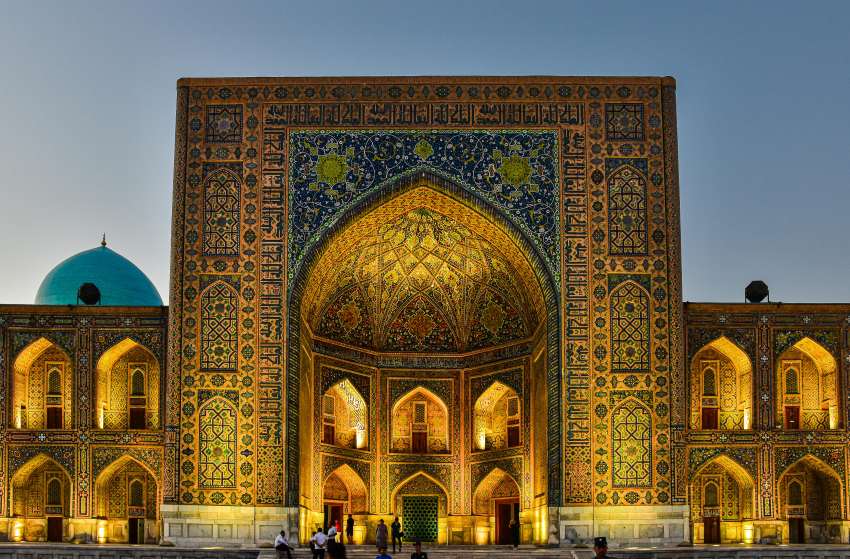


Uzbekistan’s Samarkand Targets Malaysian and Indonesian Pilgrims with ‘Umrah Plus’ Program to Boost Tourism and Sacred Site Visits

Uzbekistan’s Samarkand Targets Malaysian and Indonesian Pilgrims with ‘Umrah Plus’ Program to Boost Tourism and Sacred Site Visits

Uzbekistan’s Samarkand region is aiming to attract Malaysian and Indonesian tourists, particularly religious pilgrims. This initiative, part of the country’s larger efforts to develop pilgrimage tourism, is being driven by the “Umrah Plus” programme. This programme is intended to provide an enhanced experience for Muslim travellers by allowing them to visit sacred sites in Uzbekistan before continuing their journey to Saudi Arabia for the Umrah pilgrimage.

In a recent Zoom videoconference, key members of the Uzbekistan government, including Samarkand’s governor Adiz Boboev and the country’s ambassadors to Malaysia and Indonesia, met to discuss the programme’s details. The meeting, which included tourism consultants and representatives from various airlines and airports, aimed to capitalise on Southeast Asia’s growing demand for religious travel.

Strong Interest from Malaysia and Indonesia

Malaysia and Indonesia are home to a substantial Muslim population, with approximately seven million followers of the Naqshbandi Sufi order in these countries alone. The Naqshbandi order, one of the largest Sufi communities in the Muslim world, has a rich spiritual heritage tied to Uzbekistan. This makes Uzbekistan, particularly Samarkand, an attractive destination for pilgrims seeking to visit sacred sites associated with their faith.

One of the key attractions for these pilgrims is the mausoleum of Imam Bukhari, a revered Islamic scholar whose works significantly influenced Islamic thought. His mausoleum in Samarkand is considered one of the holiest sites for Muslims, and many pilgrims from Malaysia and Indonesia have expressed a strong desire to visit it before heading to Saudi Arabia for Umrah.

Introducing the ‘Umrah Plus’ Program

The “Umrah Plus” programme, which is at the heart of this new initiative, is aimed at offering a seamless travel experience for Muslim pilgrims. Under this programme, pilgrims would fly from Kuala Lumpur and Jakarta to Samarkand, where they would stay for two days to explore the region’s religious and cultural landmarks. After their short visit, travelers would continue their journey to Saudi Arabia for Umrah, with flights operated by Uzbekistan’s national airlines.

This program is designed to cater to the spiritual and cultural interests of Muslim travelers, offering them a deeper connection to their faith by visiting significant Islamic sites before completing the Umrah pilgrimage. By integrating religious tourism with cultural exploration, Uzbekistan is positioning itself as a key destination for Muslim travelers seeking meaningful, enriching experiences.

Building Travel Infrastructure and Expanding Connectivity

The Samarkand government and Uzbekistan’s tourism authorities have made it a priority to expand flight routes connecting Malaysia and Indonesia with Samarkand. This involves setting up direct flights from Kuala Lumpur and Jakarta, making the journey more convenient for prospective pilgrims. Once they arrive in Samarkand, the visitors will have easy access to the city’s sacred sites, local accommodations, and transportation services.

Discussions during the videoconference also covered the need for high-quality services tailored to the needs of Muslim tourists. This includes not only ensuring comfort during the stay but also providing appropriate halal food options, prayer facilities, and culturally sensitive services. As part of the broader effort to improve tourism infrastructure, the authorities also plan to work closely with local travel agencies and service providers to offer attractive and affordable travel packages that align with the needs of the pilgrims.

The Role of Uzbekistan Airlines

A significant aspect of this initiative is the involvement of Uzbekistan’s national airlines, which will operate the flights between Southeast Asia and Samarkand. By tapping into Uzbekistan’s aviation capabilities, the programme aims to streamline the travel process, ensuring that pilgrims can make the most of their time in Uzbekistan before continuing their journey to Saudi Arabia.

Uzbekistan’s airlines are expected to play a critical role in the success of the “Umrah Plus” programme, offering comfortable, reliable, and efficient services for travelers. The airlines’ role is crucial in ensuring that the pilgrims’ experience from the moment they leave Malaysia or Indonesia to their arrival in Samarkand is smooth and stress-free.

Government Support and Future Roadmap

Following the Zoom meeting, Samarkand’s governor, Adiz Boboev, instructed relevant authorities to develop a comprehensive roadmap to increase the number of tourists from Malaysia and Indonesia. This roadmap includes the expansion of flight routes, improvement of tourism services, and ongoing collaboration with the Uzbek embassies in both countries. The government is keen to work closely with the local tourism sector to ensure that the needs of the incoming pilgrims are met.

In addition to boosting the number of visitors to Samarkand, the government also plans to focus on promoting the country’s rich Islamic heritage and cultural history. The emphasis will be placed on creating a robust infrastructure that supports the growing demand for pilgrimage tourism and encourages repeat visits.

A New Chapter for Uzbekistan’s Pilgrimage Tourism

The “Umrah Plus” programme is part of Uzbekistan’s overall strategy to promote pilgrimage tourism and attract a large number of Muslim visitors from Southeast Asia. With its rich Islamic heritage, Uzbekistan is well positioned to become a popular destination for Muslim tourists looking to deepen their spiritual journeys. Uzbekistan is distinguishing itself as a top destination for Malaysian and Indonesian pilgrims by providing convenient travel options, high-quality services, and access to sacred sites.

The success of this initiative will benefit not only Samarkand’s tourism sector but also Uzbekistan’s overall economic development. As the country works to expand its tourism infrastructure, the “Umrah Plus” programme could have a significant impact on the region’s religious and cultural tourism landscape.

The post Uzbekistan’s Samarkand Targets Malaysian and Indonesian Pilgrims with ‘Umrah Plus’ Program to Boost Tourism and Sacred Site Visits appeared first on Travel And Tour World.

South Korea Tourism Boom Driven by Practical Shopping Trends and K-Beauty Products

South Korea Tourism Boom Driven by Practical Shopping Trends and K-Beauty Products

South Korea, a global hotspot for fashion, beauty, and culture, is experiencing a significant shift in how foreign tourists spend their money. Tourists are no longer interested in luxury boutiques or high-end department stores; instead, they are looking for affordable and practical items that reflect local trends and lifestyles. A report from the Korea Tourism Organisation (KTO) sheds light on this emerging trend, indicating a significant shift away from high-value purchases and towards frequent, smaller purchases.

Decline in Per-Transaction Spending

According to data from the Korea Tourism Organization’s tourism data platform, which tracked credit card transactions from 2018 to September 2025, the average per-transaction spending has seen a significant decline. In 2019, the average amount spent per transaction was 150,000 won. However, by 2025, this figure dropped to 120,000 won, highlighting a shift towards more budget-conscious spending. Despite this drop, total spending per visitor has surged by an impressive 83%, largely driven by an increase in purchase frequency.

The key takeaway from this data is the transformation in the way tourists approach shopping. While the large, one-off splurges on luxury goods have declined, tourists are making more frequent visits to stores, resulting in an overall increase in spending. This indicates a preference for small, practical purchases that align with the growing global demand for more accessible, lifestyle-driven consumption.

The Rise of K-Lifestyle Goods

A significant contributor to this shift in consumption is the popularity of “K-lifestyle goods”. These are affordable, quirky, and trendy items that reflect the unique character of South Korea’s culture. From character merchandise and accessories to quirky stationery, tourists are increasingly drawn to items that capture the essence of the local culture. The sales of these goods have shown remarkable growth, particularly in the first nine months of 2025, where transactions at “gacha” shops — arcades filled with claw machines and capsule toy dispensers — surged by 142% compared to the same period in 2024.

Stationery and bookshops have also benefited from this trend, seeing gains of 48.7% and nearly 40%, respectively. These establishments are becoming hotspots for tourists seeking to bring home a piece of the local culture without splurging on expensive souvenirs. The popularity of these goods underscores the shift from luxury shopping towards more everyday items that offer a more authentic, personalized experience.

A Surge in K-Beauty and Health Products

K-beauty, a global phenomenon, continues to be a major driver of tourism-related spending in South Korea. The demand for Korean cosmetics has grown significantly, with sales seeing a 35% increase. Alongside beauty products, there has been a noticeable surge in health-related items. For instance, purchases of red ginseng products, a staple in Korean health culture, have shot up by 75%.

Pharmacy purchases have also risen, with tourists flocking to South Korean stores to buy health supplements and other wellness products. Major chains such as Olive Young have seen sharp growth not only in traditional tourist hotspots like Myeong-dong but also in more trendy districts and outlet malls, reflecting a broader shift in where tourists are choosing to shop.

Changing Consumer Behavior and the Influence of K-Culture

The shift from high-end consumption to practical, lifestyle-driven spending reflects broader cultural trends. Korean culture and content, including K-pop, K-drama, and K-beauty, are having an increasingly significant impact on the global tourism market. The rise of K-content has made it easier for international visitors to connect with Korean culture on a personal level, leading them to seek out items that reflect their new cultural interests.

Rather than focusing on expensive luxury items, tourists are now prioritizing products that allow them to engage with Korean lifestyle trends. This change in consumer behaviour shows the growing influence of South Korea’s cultural exports, with more visitors choosing to bring home a piece of the culture in the form of everyday items, beauty products, and health supplements.

The Role of the Korea Tourism Organization in Promoting This Shift

The Korea Tourism Organization (KTO) has played a crucial role in fostering these changes by using data-driven insights to understand and promote shifting consumer behaviour. Through its tourism data platform, KTO has been able to track spending patterns and identify emerging trends in real time. By leveraging this information, KTO has worked to ensure that local retailers and businesses are well-positioned to meet the demands of the evolving tourist market.

KTO’s ongoing efforts in promoting local goods and experiences are proving successful, as tourists increasingly seek products that not only reflect local trends but also offer practical, affordable options that align with their everyday lives. This strategic approach to tourism marketing is helping South Korea maintain its status as a must-visit destination while embracing new consumer habits.

The Future of Tourism Spending in South Korea

Looking ahead, the trend of practical, experience-driven consumption is expected to continue to shape South Korea’s tourism landscape. With tourists increasingly drawn to affordable and trendy items that reflect the country’s vibrant culture, retailers and businesses must adapt to these shifting preferences.

As the popularity of K-lifestyle goods, K-beauty, and health products grows, South Korea’s tourism industry is likely to diversify in terms of the products and services available to international visitors. This shift not only opens up new opportunities for local businesses but also emphasises the importance of adapting to the changing demands of the global tourism market.

The ongoing expansion of K-culture, as well as the growing popularity of affordable, lifestyle-orientated goods, is expected to keep South Korea at the forefront of global tourism trends. Luxury shopping sprees are no longer an option for visitors looking to connect with Korean culture. Instead, the new trend focuses on practical, everyday items that provide a true taste of South Korea’s unique lifestyle.

The post South Korea Tourism Boom Driven by Practical Shopping Trends and K-Beauty Products appeared first on Travel And Tour World.

Unearth South Dakota’s Prehistoric Giants: Explore the Rich Dinosaur Legacy and Fossil Adventures in the Badlands and Beyond

Unearth South Dakota’s Prehistoric Giants: Explore the Rich Dinosaur Legacy and Fossil Adventures in the Badlands and Beyond

South Dakota is a land shaped by ancient forces, with echoes of prehistoric giants still reverberating across its rugged terrain. Some of the world’s most important dinosaur fossils are preserved beneath the rolling hills, eroded canyons, and expansive plains. For millions of years, this land was home to creatures who lived in a world vastly different from modern humans. Visitors to South Dakota can now travel back in time to discover ancient life forms that once dominated the planet.

The state’s rich fossil record has made it a hotbed for paleontological research, and its reputation as a centre for dinosaur discoveries has only grown in recent decades. With iconic formations like the Hell Creek Formation, which spans South Dakota, Montana, and Wyoming, the region has produced some of the most important dinosaur fossils ever discovered. This fossil haven is an important part of South Dakota’s appeal to visitors interested in exploring its deep prehistoric roots.

The Hell Creek Formation: A Prehistoric Time Capsule

One of the primary sources of South Dakota’s dinosaur legacy is the Hell Creek Formation, a famous geological unit that contains fossils from the Late Cretaceous period. This formation offers an unparalleled glimpse into the final years of the dinosaurs, just before the mass extinction event that wiped out much of life on Earth 66 million years ago. The Hell Creek Formation spans vast stretches of land in South Dakota, particularly in the northwest part of the state, and is renowned for its abundance of dinosaur fossils, including Tyrannosaurus rex, Triceratops, and many other species of herbivores, carnivores, and early mammals.

The sedimentary layers of the Hell Creek Formation preserve bones, teeth, and footprints from a time when towering plants and dinosaurs roamed a much warmer, more humid Earth. As the land began to shift, the bones of these prehistoric giants were entombed in layers of silt and sand, eventually forming a time capsule that modern palaeontologists are still uncovering. This extraordinary formation serves as one of the most important fossil beds in the world and continues to yield new discoveries that enhance our understanding of life during the Cretaceous period.

Iconic Dinosaur Discoveries and Fossil Finds

Over the years, South Dakota has been home to some of the most famous dinosaur fossils in history. Perhaps the most well-known of these is the Tyrannosaurus rex specimen known as Sue. Discovered in 1990 in the Hell Creek Formation near Faith, South Dakota, Sue is one of the most complete and best-preserved T. rex skeletons ever found. The fossil has been studied extensively and is now housed at the Field Museum of Natural History in Chicago. Sue’s discovery was a groundbreaking event in palaeontology, drawing global attention to South Dakota’s dinosaur-rich heritage.

In addition to Sue, South Dakota has also yielded other remarkable T. rex specimens, including one known as Stan, which was discovered in the Hell Creek Formation in 1987. Stan is one of the most complete T. rex skeletons in existence and has been extensively studied to understand more about the species’ anatomy and behaviour. These discoveries have made South Dakota one of the world’s premier destinations for dinosaur lovers and palaeontologists alike.

Museums and Exhibits: Bringing Dinosaurs to Life

While many of South Dakota’s dinosaur fossils are housed in museums across the country, the state itself offers a wealth of opportunities for visitors to learn about its ancient past. Rapid City, the state’s second-largest city, is home to the Museum of Geology at the South Dakota School of Mines & Technology. This museum is a treasure trove of prehistoric exhibits, featuring fossilized remains from dinosaurs and other ancient life forms that once inhabited the region. With a comprehensive collection of fossilized bones, teeth, and artefacts, the museum provides a fascinating look at the history of life on Earth, from the Age of Dinosaurs to the early evolution of mammals.

In addition to the Museum of Geology, Dinosaur Park in Rapid City offers visitors the chance to experience life-size dinosaur sculptures that were originally created in the 1930s. These towering sculptures serve as both an artistic and educational reminder of South Dakota’s dinosaur legacy. The park is a favourite stop for families and offers stunning views of the city and the surrounding Black Hills.

For those looking for a more hands-on experience, Paleo Adventures in Belle Fourche offers guided tours of local fossil sites. Visitors can participate in real fossil digs and unearth their own prehistoric discoveries, giving them a unique opportunity to engage directly with the state’s paleontological heritage.

The Badlands: A Natural Dinosaur Museum

One of the most striking geological features of South Dakota is the Badlands National Park, a vast expanse of eroded buttes, pinnacles, and spires. This unique landscape was once home to a variety of prehistoric creatures, and the park continues to yield fossils from the Late Cretaceous and Early Paleogene periods. The Badlands’ rock formations preserve fossils of ancient mammals, reptiles, and plants that lived alongside the dinosaurs.

The park is not only a geological wonder but also a treasure trove of paleontological significance. Fossils from species such as Pachycephalosaurus, Edmontosaurus, and Triceratops have been uncovered within the park’s layers of sediment, providing valuable insights into the diversity of life that once thrived in the area. Visitors to the Badlands can explore its stunning vistas while also learning about the ancient creatures that called this region home.

Dinosaur Experiences for the Modern Traveler

South Dakota offers more than just fossils and fossil sites; it offers an immersive experience for travelers. From guided tours to hands-on fossil digs, visitors can engage with the ancient past in a way that few other destinations can offer. Palaeontologists often lead field expeditions, taking travelers to the most famous fossil sites and explaining the processes involved in unearthing these ancient remains.

For those interested in palaeontology, the state provides an array of educational programmes and exhibits. The Journey Museum and Learning Center in Rapid City offers exhibits that explore the region’s natural and cultural history, tying together the scientific discoveries of South Dakota’s dinosaurs with the state’s Native American heritage.

A Trip Back in Time

South Dakota’s dinosaur legacy is an important part of its natural and cultural history. Whether visiting Rapid City’s museums, exploring the Badlands, or digging for fossils in the Hell Creek Formation, visitors can experience the ancient world in a way that is both educational and awe-inspiring. For palaeontologists, South Dakota remains one of the most important and exciting places to visit in the United States.

With its rich fossil heritage, breathtaking landscapes, and world-class museums, South Dakota provides a one-of-a-kind opportunity to connect with the prehistoric past and see the creatures that once roamed this ancient land.

The post Unearth South Dakota’s Prehistoric Giants: Explore the Rich Dinosaur Legacy and Fossil Adventures in the Badlands and Beyond appeared first on Travel And Tour World.
❌