
Reading view

Philippines Poised For Cruise Boom: Infrastructure And Policy Upgrades Bolster National Strategy Ahead Of Call Surge
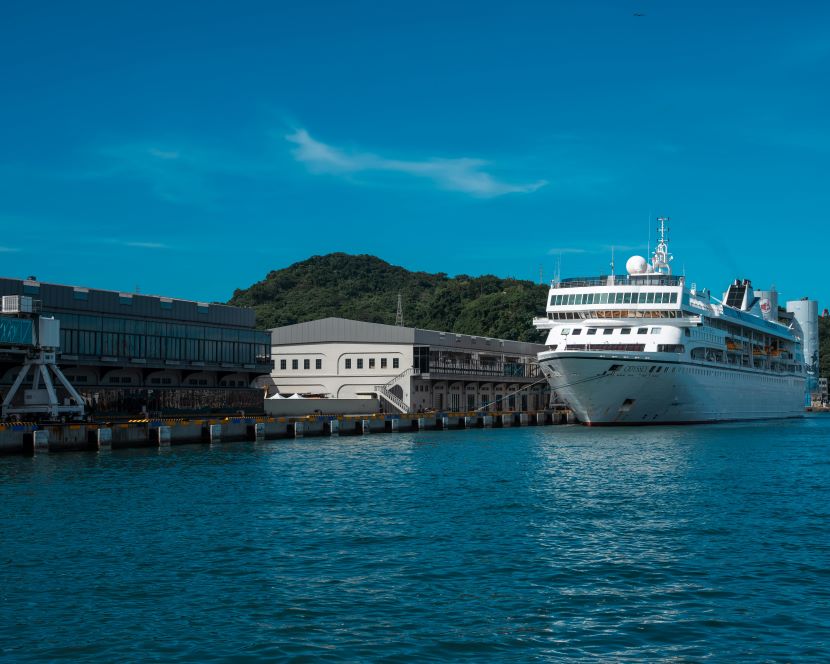
Philippines Poised For Cruise Boom: Infrastructure And Policy Upgrades Bolster National Strategy Ahead Of Call Surge
Philippines Set for Cruise Boom: 127 Calls Projected for 2026 as Infrastructure and Policy Upgrades Bolster National Strategy.

The Philippines is being positioned for significant growth within the global maritime industry, with an anticipated 127 cruise ship calls projected for the year 2026. This forward-looking figure was announced by the Department of Tourism (DOT), and it is widely interpreted as a clear indication of the confidence and continued engagement exhibited by global cruise operators towards the archipelago. The preliminary statistics reflect an ongoing effort to not only recover but substantially accelerate the growth trajectory of the tourism sector. A comprehensive strategy, driven by strengthened collaboration with vital cruise stakeholders, is currently being implemented across the nation to ensure that this expansion is managed effectively and sustainably.

The strategic importance of cruise tourism is consistently emphasized by Tourism Secretary Christina Frasco. It is maintained that the measure of success extends far beyond simple arrival numbers; rather, the focus is placed upon the creation of a holistic Philippine experience. The policy direction is centered on the tangible socioeconomic impact, specifically noting the vital role the sector plays in job creation, the sustained vitality of local businesses, and the broader empowerment of host communities throughout the country. This philosophical framework guides all infrastructural and policy developments undertaken by the government. The anticipated influx of cruise passengers is expected to contribute measurably to the nation’s overall economic development, establishing the Philippines as a premier destination within the competitive Asia Cruise Cooperation region.

The Broader Vision for Sustainable Maritime Engagement

A comprehensive approach to the development of the cruise tourism sector has been adopted, recognizing the intrinsic value of these efforts to the national economy. It is affirmed that the engagement with cruise lines is viewed as a partnership, one that facilitates the co-development of dynamic itineraries and strengthens the critical exchange of market insights. Operational best practices are consistently being reviewed and aligned to ensure a seamless and world-class visitor journey is provided across all destination points. This dedication to aligning the complete visitor experience is considered paramount to fostering repeat visitation and cementing the country’s reputation for excellence.

Analyzing Current Growth and Key Gateways

Significant momentum had already been established prior to the 2026 projections. Until the close of 2025, the Department of Tourism anticipated that a total of 136 cruise calls would have been received, successfully bringing an estimated 43,369 passengers to various Philippine shores. The current year’s performance confirms the established hierarchy of ports, with Manila continuing to be utilized as the country’s primary cruise gateway. Following closely in importance are the popular destinations of Puerto Princesa and Boracay, which consistently serve as vital secondary hubs for maritime visitors. The strategic investment in these ports is being continuously advanced to accommodate the increasing volume of large vessels and the accompanying demand for efficient passenger processing.

The performance indicators for 2025 provided essential data that informed the conservative yet ambitious projection of 127 calls for 2026. While the number of calls is slightly lower, the emphasis is being placed on attracting larger vessels and ensuring higher utilization rates, thereby maximizing the economic development impact per call. The sustained engagement by cruise operators is a direct result of the government’s proactive policy changes and its commitment to improving physical infrastructure. The data confirms that Manila’s efforts to reinforce its cruise tourism policy and infrastructure have been instrumental in maintaining its leading position among the regional destinations.

Infrastructure and Policy Milestones

Concrete actions have been taken to bolster the physical readiness of the ports and streamline the visitor experience through targeted policy amendments. As of the time of the announcement, a significant milestone was reached with the issuance of nearly 7,000 cruise visa waivers. This policy initiative was enacted specifically to ease the travel process for cruise passengers, a crucial step in reinforcing the country’s overall accessibility and appeal to the international market. Such administrative efficiencies are regarded as essential complements to the ongoing physical development projects.

Port readiness, a key component of the overall National Cruise Tourism Development Strategy, is being vigorously advanced through several concurrent projects. The completion of the state-of-the-art cruise terminal in Jubang, Dapa, Surigao del Norte, represents a major achievement in expanding the geographic reach of the sector. Simultaneously, construction activities are actively ongoing in several other strategically important locations, including Coron, Aklan, Camiguin, and Puerto Galera. Furthermore, continuous and necessary upgrades are being implemented at the established facilities of Manila South Harbor, ensuring that the primary gateway remains competitive and capable of handling modern maritime traffic. These developments are viewed as foundational investments necessary to support the long-term sustainability of the sector and to secure the Philippines’ position as a leading cruise destination in Asia.

Future Direction and Inter-Agency Coordination

Looking ahead to 2026, a crucial institutional reform is scheduled to take place. It has been confirmed that the government will formally reconstitute the Cruise Tourism Development Committee. This action is strategically aimed at strengthening the mechanism for inter-agency coordination, which is recognized as vital for the seamless execution of the sector’s expansive plans. The committee will be tasked with the overarching responsibility of overseeing and implementing the newly refined National Cruise Tourism Development Strategy. This strategy is intended to be a robust, multi-sectoral blueprint that harmonizes the efforts of various government bodies, private stakeholders, and local communities to achieve unified national goals for economic development through tourism.

The post Philippines Poised For Cruise Boom: Infrastructure And Policy Upgrades Bolster National Strategy Ahead Of Call Surge appeared first on Travel And Tour World.

Enhanced Visa Services Drive A New Era Of Accessibility, Fueling The UAE’s Surging Interest In Japan Tourism

Enhanced Visa Services Drive A New Era Of Accessibility, Fueling The UAE’s Surging Interest In Japan Tourism
UAE and Japan, symbolizing the significant surge in travel demand and the efficient role of VFS Global's expanded visa services.

The relationship between the UAE and Japan has been strengthened significantly through the realm of international travel, with a noticeable tourism boom being documented in recent periods. This heightened interest in visiting the Land of the Rising Sun by residents of the Arabian Gulf nation is being facilitated by key administrative advancements. Specifically, the expanded and optimized visa services provided by VFS Global are being credited with simplifying the necessary documentation processes, thereby making the prospect of Japanese travel far more accessible to the diverse population residing in the Emirates. A substantial increase in outbound travel has been observed, confirming the success of initiatives designed to ease the journey planning stage for travelers departing the UAE. These integrated service improvements are understood to be foundational to the continuous growth of travel statistics between the two geographically distant, yet increasingly connected, nations. The efforts undertaken by VFS Global in this sector have introduced a layer of efficiency that was previously unavailable, allowing the unique cultural and technological appeal of Japan to be fully realized by the lucrative tourism market of the UAE.

A Shift in Travel Dynamics

A distinct demographic shift in preferred long-haul destinations has been observed among residents across the UAE. For many years, traditional European and North American destinations dominated outbound tourism statistics; however, a pronounced pivot toward East Asia, and Japan in particular, has become evident. This movement is understood to be driven by a confluence of factors, including increasing economic ties, growing cultural curiosity, and the perception of a streamlined travel experience. The appeal of Japan’s unique blend of ancient tradition and futuristic innovation is being increasingly recognized and sought after by the cosmopolitan traveler base of the UAE. The accessibility of the country, coupled with the diverse array of experiences offered, from the vibrant metropolitan landscapes of Tokyo to the tranquil historic sites of Kyoto, establishes Japan as a preeminent choice.

The logistical hurdles that historically deterred some potential tourists are now being systematically dismantled. The requirement for a visa, while necessary, was previously perceived as a time-consuming administrative task that involved significant planning and potential uncertainty. With the strategic intervention of VFS Global, a specialist in technology services for governments and diplomatic missions worldwide, the entire application ecosystem has been transformed. This transformation is not merely transactional; rather, it is viewed as a structural enhancement that directly contributes to the overall travel economy. The resultant ease of application processing is recognized as a primary catalyst behind the reported surge in visitor numbers, as traveler confidence is boosted when administrative burdens are substantially reduced. The simplification of the process allows potential tourists to focus solely on the planning of their itinerary and the anticipation of their journey, rather than being preoccupied with complex documentary requirements.

The VFS Global Facilitation Mechanism

The crucial expansion of VFS Global’s operational scope within the UAE has been strategically implemented to manage the increasing volume of applications destined for Japan. New service points and greater resource allocation have been strategically deployed across major metropolitan centers, ensuring that access to application submission facilities is maximized for applicants residing throughout the Emirates. The service is characterized by a commitment to efficiency, where standardized procedures and technologically driven solutions are utilized to expedite the documentation review and submission phase. The integration of modern technology ensures that a high volume of applications can be processed with both speed and accuracy, an essential component for sustaining a tourism boom.

Economic and Cultural Implications of the Surge

The burgeoning tourism boom in travel to Japan from the UAE carries significant economic implications for both nations. For Japan, the influx of high-value tourism represents a welcome diversification of its international visitor base. Travelers originating from the Gulf region are often characterized by prolonged stays and high expenditure across various sectors, including luxury retail, hospitality, and specialized cultural experiences. These economic injections contribute directly to the Japanese travel and service industries, supporting job creation and regional development in key urban centers and regional destinations alike. The consistent flow of travelers from the UAE provides a reliable and important revenue stream for the Japanese economy.

Maintaining Momentum and Future Outlook

The current tourism boom is being carefully monitored to ensure that the infrastructure supporting the visa application process remains robust and capable of handling future escalations in demand. Continuous assessment of processing times and applicant feedback is routinely undertaken, ensuring that the high standards established by the expansion of VFS Global’s visa services are maintained. The focus is placed on a policy of sustained efficiency, anticipating that the demand for Japan travel from the UAE will continue to appreciate in the coming years as connectivity improves and cultural exposure increases. The strategic deployment of resources by VFS Global must remain adaptive to volume fluctuations.

Further technological integrations are expected to be introduced, potentially including enhanced digital submission capabilities and greater reliance on automation, ensuring that the process adapts to evolving global trends in secure travel documentation. The success witnessed in this segment is expected to serve as a model for other popular long-haul destinations seeking to attract the Gulf traveler, demonstrating how proactive administrative simplification can unlock substantial growth in international visitor numbers. The narrative of simplified travel is one that is powerfully communicated to the UAE market, further cementing the status of Japan as a premier travel destination.

The post Enhanced Visa Services Drive A New Era Of Accessibility, Fueling The UAE’s Surging Interest In Japan Tourism appeared first on Travel And Tour World.

Ranbhoomi Darshan Initiative Unlocks Historic Cho La & Dok La Passes, Integrating Strategic High-Altitude Routes Into Sikkim Tourism

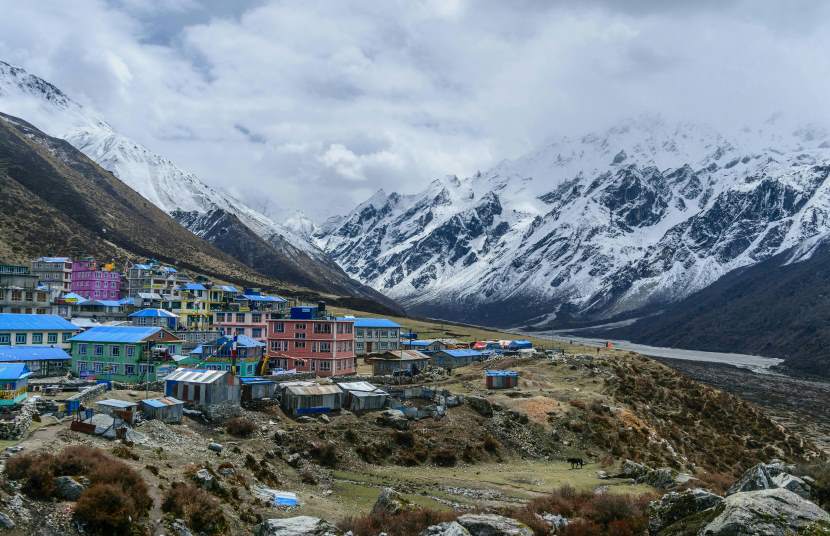
Ranbhoomi Darshan Initiative Unlocks Historic Cho La & Dok La Passes, Integrating Strategic High-Altitude Routes Into Sikkim Tourism
Sikkim's Strategic Frontiers Opened: Cho La and Dok La Passes Integrated into Heritage Tourism Under Bharat Ranbhoomi Darshan.

A pivotal moment in the nation’s strategic tourism landscape has been formally marked by the opening of the historically significant Cho La Pass and Dok La passes, both situated in the high-altitude terrain of Sikkim. This landmark development has been achieved under the overarching framework of the Bharat Ranbhoomi Darshan Initiative, a national programme meticulously designed to connect citizens with India’s rich military history and the stories etched into its border regions. The decision to open these previously restricted frontiers represents a careful and considered balance, ensuring that national security imperatives are maintained while facilitating patriotic and adventure tourism. For decades, these locations were recognized primarily within the context of defence strategy, their rugged topography and challenging elevations serving as silent sentinels along the sensitive Indo-China border. Now, they are being reimagined as destinations where history can be tangibly experienced and the immense sacrifice of the Indian Armed Forces can be solemnly commemorated.

The Strategic Vision: A New Chapter in National Heritage

The Bharat Ranbhoomi Darshan Initiative itself was conceptualized as a nationwide effort aimed at institutionalizing battlefield tourism across the country. It is understood that up to 77 strategic locations, spanning from the Galwan Valley to Longewala and Siachen, have been identified for inclusion in this grand programme. The core objective of the initiative is multifaceted: national unity is sought to be strengthened through shared historical knowledge; patriotic sentiments are intended to be deepened by proximity to sites of valour; and local economies are expected to be invigorated by the resulting influx of visitors. The inclusion of Cho La and Dok La in this list is deemed particularly important due to their location near the trijunction of India, China, and Bhutan, a region that remains one of the most geostrategically significant areas in the Himalayas.

Echoes of Conflict: The Historical Significance of the Passes

Each of the newly opened passes carries a profound and distinct historical weight, firmly establishing their place in India’s military narrative. Dok La, often referenced as Doklam or Doka-La, is intrinsically linked to the protracted and highly sensitive standoff that took place in 2017 between the Indian and Chinese forces. The area, located at an estimated altitude of approximately 14,000 feet, became the centre of international attention due to its proximity to the India–China–Bhutan trijunction. It was recognized as a crucial location, defending India’s access to the vulnerable Siliguri Corridor, often referred to as the Chicken’s Neck. The events that unfolded there demonstrated the strategic importance of this particular segment of the border. The diplomatic and military resolve exhibited during that period is now being memorialized through its designation as a site of national historical interest, allowing citizens to witness the terrain where this modern confrontation was successfully managed.

Navigating the High-Altitude Frontier: Access and Regulations

Access to these sensitive, high-altitude regions is carefully controlled and governed by a specific set of regulations, reflecting the continued strategic importance of the area. It has been mandated that only domestic tourists, identified as Indian citizens holding a valid voter ID, are permitted to visit these sites. The application process for the required permits must be facilitated exclusively through registered tour operators, thereby ensuring organized and monitored movement across the frontier zones. This stringent measure is necessary because the routes traverse areas that are under the constant operational supervision of the Indian Army and other security forces.

A key component of the travel protocol is the requirement for a mandatory one-night stay in one of the designated local villages along the Old Silk Route. These include quaint, historically significant settlements such as Kupup, Zuluk, Padamchen, and Gnathang. This requirement serves the dual purpose of visitor acclimatization to the extreme altitude and ensuring that economic benefits are directly channelled into the local communities. Furthermore, all tourist vehicles and motorcycles are subject to daily limits—for instance, 25 vehicles and 25 bikes were specified in initial planning—and all groups must be accompanied by security escorts from both the Sikkim Police and the Indian Army. The journeys are undertaken along carefully cleared routes, passing through established landmarks such as Tsomgo (Changu) Lake and the Baba Mandir, leading onward towards the strategic heights of Cho La and Dok La. The necessity of acclimatization is underscored by the terrain, which rises through mist-shrouded pine forests to barren ridges and vast panoramas, demanding respect for both the environment and the altitude.

Boosting Regional Prosperity and Sustainable Tourism

The establishment of this tourism circuit has been hailed as a significant engine for economic stimulation across the remote villages of East Sikkim. Historically, these communities have faced challenges related to limited economic opportunities, largely due to their isolated and strategically restricted location. The requirement for mandatory homestays in places like Kupup and Gnathang is expected to transform the financial landscape for local residents. New avenues for livelihood are being created, directly benefiting homestay owners, local guides, porters, and transport providers. This approach promotes a model of responsible and sustainable tourism, where the visiting fees and the revenue generated from accommodation and services are reinvested into the regional economy.

The post Ranbhoomi Darshan Initiative Unlocks Historic Cho La & Dok La Passes, Integrating Strategic High-Altitude Routes Into Sikkim Tourism appeared first on Travel And Tour World.
❌