
Reading view

Thailand and Cambodia Travel Woes Escalate as Advisory, Curfew and Border Tensions Disrupt Tourism, What You Need to Know Before Planning Your Trip
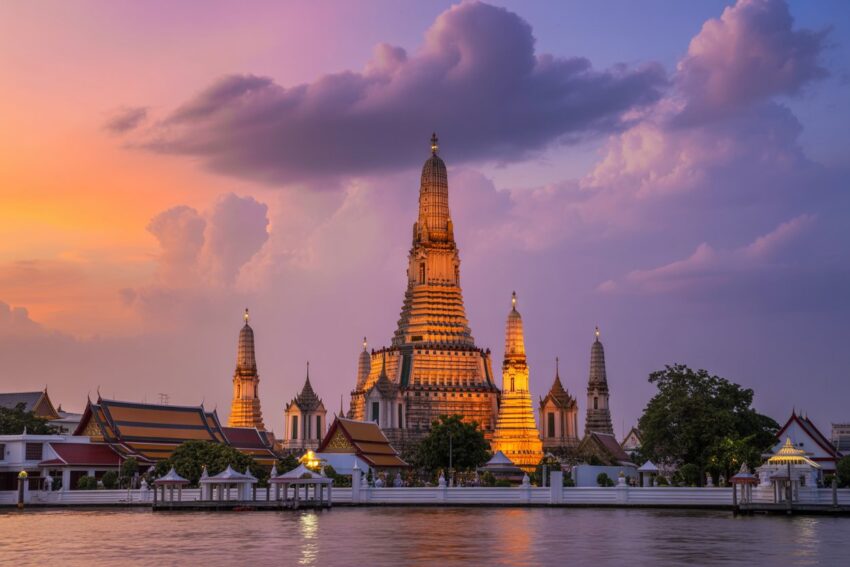
Thailand and Cambodia Travel Woes Escalate as Advisory, Curfew and Border Tensions Disrupt Tourism, What You Need to Know Before Planning Your Trip
Thailand, Cambodia,

Travel advisories, a curfew in Thailand’s Trat province, and border tensions resulting from continuous military battles are all contributing to the increasing travel disruptions in Thailand and Cambodia, which are negatively affecting tourism and making travel challenging and dangerous for visitors. Travelers are advised to stay away from affected areas, especially those close to the border, since both nations are experiencing increased security and border restrictions. Flight cancellations, delays, and major disruptions to land transport between Thailand and Cambodia have resulted from the fighting. If travelers intend to traverse the border regions, they should stay informed about the most recent cautions and think about delaying their travels. Anyone traveling to or within the region should prioritize their safety as the situation is still unstable. Travel difficulties have increased as a result of the rising war between Thailand and Cambodia, particularly in areas along their shared 817-kilometer (508-mile) border. Travelers wishing to visit these Southeast Asian locations should be aware of the changing circumstances and possible effects on their travels, as a curfew has been enforced in Thailand’s southeast Trat region and tensions are rising.

Rising Tensions and Escalating Clashes

The ongoing skirmishes between the two nations have intensified following the tragic death of a Cambodian soldier in May. What began as a border dispute has rapidly escalated, displacing hundreds of thousands of people on both sides of the border. Despite U.S. President Donald Trump’s intervention in brokering a ceasefire in October, fighting resumed earlier this month, plunging the region into chaos once again.

The Thai military has confirmed the imposition of a curfew in the Trat province, which borders Cambodia, due to the ongoing violence. As both nations exchange fire across their shared border, the Thai forces claim to have targeted military objectives in Cambodia, while Cambodia accuses Thailand of striking civilian infrastructure. This conflict has led to several casualties and severe disruption, including the displacement of over 650,000 civilians. As of December 14, at least 16 Thai soldiers and 10 civilians have been killed, with hundreds more injured.

The Impact on Tourism

With the Thai-Cambodian border becoming increasingly volatile, travel plans to both countries are being impacted. Thailand, a major Southeast Asian tourism hub, has witnessed travel disruptions with many routes being re-routed or canceled. Cambodia, known for its rich cultural heritage and iconic destinations like Angkor Wat, is also seeing a decline in tourist arrivals due to concerns over safety and ongoing military operations.

The curfew in Thailand’s Trat province has especially impacted travelers heading to popular destinations in the southeastern region. While major cities like Bangkok remain relatively unaffected, border towns and provinces like Trat and Koh Kong are experiencing heightened security measures. Tourists in these areas are advised to stay updated on local advisories and avoid non-essential travel near the border.

Official Travel Advisories

As the conflict continues, both Thailand and Cambodia have been included in travel advisories from several countries, urging caution for travelers. Here are the key advisories:

  • United States: The U.S. Department of State classifies Thailand at Level 2 – Exercise Increased Caution and advises against travel within 50 km of the Thailand-Cambodia border due to ongoing military clashes and security risks. Travel.state.gov
  • Canada: The Canadian government lists Thailand at Level 2 – Exercise Increased Caution and explicitly advises against travel within 50 km of the Thailand-Cambodia border. This includes areas like Trat and Koh Kong, which are near the conflict zones. Travel.gc.ca
  • Australia: Australia’s Smartraveller service recommends caution throughout Thailand, with a high degree of caution in border regions. The advisory also specifically mentions the risk to travelers crossing into Cambodia. Smartraveller.gov.au
  • UK Foreign Office: The UK has advised against all but essential travel to areas within 50 km of the border, including Trat and Koh Kong, and stresses the heightened risk of military actions. Thetimes.com

Cambodia’s travel advisory echoes these sentiments, with the Australian government urging visitors to exercise caution, especially near border areas, and to avoid the regions affected by the conflict. Smartraveller.gov.au

Flights and Border Crossings Affected

The escalating border tensions are also likely to disrupt flights to and from both Thailand and Cambodia. Although major international airports in cities like Bangkok (Suvarnabhumi) and Phnom Penh remain operational, there are increased security measures and potential delays.

Travelers planning to cross the border by land should be prepared for delays or even temporary shutdowns of border crossings. Border regions such as Poipet in Cambodia and Aranyaprathet in Thailand, popular entry points for travelers, could see further closures or limited access as the conflict continues.

What You Need to Know Before Planning Your Trip

  1. Monitor Travel Advisories: Both Thailand and Cambodia have issued warnings, and tourists should closely monitor their embassy’s travel advisories. Changes in security conditions can happen rapidly, especially in regions near the border.
  2. Expect Delays and Cancellations: Flights into Cambodia’s Siem Reap or Phnom Penh and Thai destinations like Trat, Pattaya, and even Bangkok could be affected due to increased military presence and restrictions. It’s advisable to check with airlines for any changes to flight schedules.
  3. Avoid Border Areas: Travelers should avoid crossing the Thailand-Cambodia border for the time being. The situation remains tense, and safety in these areas cannot be guaranteed. Use alternative routes or consider rescheduling trips to avoid the conflict zones.
  4. Prepare for Security Checks: Expect heightened security, especially in the Trat province of Thailand and along border areas. Both Thai and Cambodian authorities have ramped up their military operations, which may cause delays at checkpoints and border crossings.
  5. Keep Emergency Contacts Handy: With the curfew and unrest in the region, tourists should have emergency contacts ready, including embassy numbers and local emergency services. It’s advisable to keep a close eye on local news and follow the guidance of authorities.

2025 Tourism Impact

Thailand and Cambodia have both seen a decline in tourism due to the ongoing conflict and the resulting security concerns.

  • Thailand: Thailand welcomed approximately 30.3 million foreign tourists in 2025, a slight drop compared to pre-pandemic years, reflecting the challenges posed by the ongoing border conflict. Major source markets include Malaysia, China, India, and Russia, with cities like Bangkok and Pattaya continuing to attract visitors despite regional tensions. However, border areas like Trat have experienced a significant reduction in tourist numbers. Khaosodenglish.com
  • Cambodia: Cambodia recorded about 4.38 million international tourists in 2025, which marks a decline from the previous year. The drop in tourist arrivals is attributed to the conflict along the border, as well as concerns regarding travel safety in affected regions. Siem Reap and Phnom Penh remain the primary destinations for international travelers, but areas near the border such as Koh Kong have seen a significant decrease in visitor numbers. Nis.gov.kh

Thailand and Cambodia are facing escalating travel disruptions as travel advisories are issued, a curfew is imposed in Thailand’s Trat province, and border tensions rise due to ongoing military clashes, severely impacting tourism and making travel unsafe for tourists.

Conclusion: Stay Informed and Safe

As the situation between Thailand and Cambodia remains fluid, potential disruptions to travel are expected to continue. Tourists planning to visit these countries should take extra precautions, monitor news sources, and keep an eye on any updates regarding the border conflict. Both countries offer unique cultural experiences, but with the current volatility, it’s crucial to stay informed and flexible with your travel plans.

If you must travel, make sure your safety is the priority. By staying up-to-date with the latest developments, you can avoid the worst impacts of the ongoing tensions and enjoy a secure and enjoyable trip in the future.

The post Thailand and Cambodia Travel Woes Escalate as Advisory, Curfew and Border Tensions Disrupt Tourism, What You Need to Know Before Planning Your Trip appeared first on Travel And Tour World.
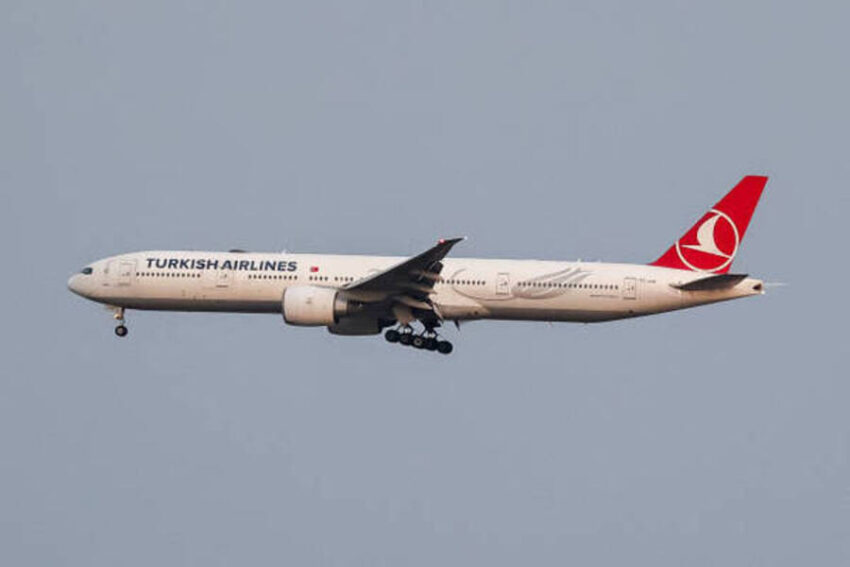

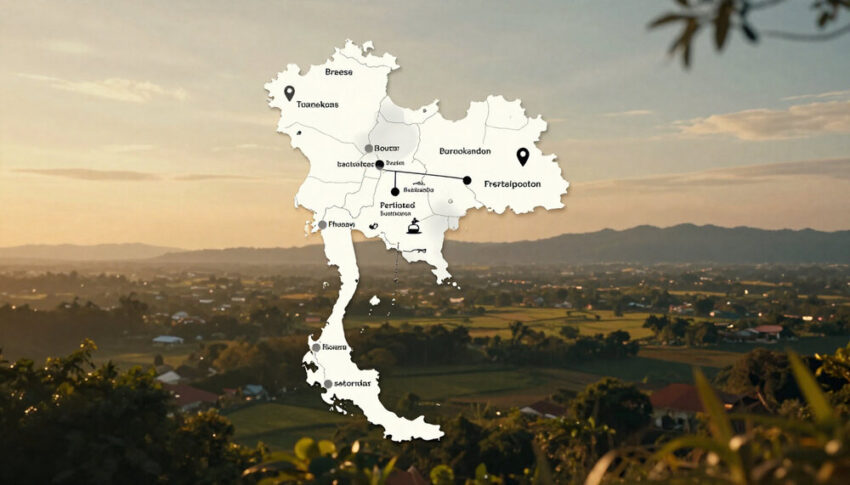
Turkish Airlines Offers Direct Flights from Istanbul to Phnom Penh Providing Affordable, Convenient Travel Between Europe and Southeast Asia

Turkish Airlines Offers Direct Flights from Istanbul to Phnom Penh Providing Affordable, Convenient Travel Between Europe and Southeast Asia

Turkish Airlines has launched direct flights connecting Istanbul and Phnom Penh, making travel between Europe and Southeast Asia more accessible and convenient than ever. The new service opens up Cambodia’s capital to international tourists, business travelers, and cultural visitors, while offering competitive fares that make the journey cost-effective. With three weekly flights operated on modern Boeing 777-300ER aircraft, the route not only strengthens commercial and tourism ties between Türkiye and Cambodia but also positions Phnom Penh as an emerging hub for trade, culture, and travel in the region.

The service operates three times weekly using Boeing 777-300ER aircraft. Departures from Istanbul Airport (IST) are scheduled on Wednesdays, Fridays, and Sundays, with return flights from Phnom Penh’s Techo International Airport (KTI) on Mondays, Thursdays, and Saturdays. The route is designed to accommodate both business and leisure travelers, offering flexible travel options and promoting stronger ties between Türkiye and Cambodia. By connecting these two regions directly, Turkish Airlines seeks to enhance trade, tourism, and cultural exchange while opening new opportunities for economic collaboration.

To mark the launch, promotional fares are available for bookings made until 10 February 2026, valid for travel through 31 October 2026. Round-trip fares start from USD 699 from Istanbul and USD 679 from Phnom Penh, presenting travelers with an attractive opportunity to explore Cambodia and connect seamlessly to Europe. These introductory offers reflect the airline’s strategy of stimulating interest in a developing market while ensuring competitive pricing for passengers.

The addition of Phnom Penh reflects Turkish Airlines’ commitment to linking Europe with emerging markets across Southeast Asia. Cambodia’s capital, known for its historical landmarks, vibrant culture, and rapid urban development, is expected to draw international tourists, business travelers, and cultural visitors alike. The new route provides direct access to iconic destinations such as the Royal Palace, Silver Pagoda, and the bustling riverside districts, while also facilitating faster and more convenient travel for Cambodian residents heading to Europe.

Beyond tourism, the new flights are expected to support regional economic development. Enhanced air connectivity encourages investment, promotes international trade, and strengthens the hospitality and service sectors. Direct routes like Istanbul–Phnom Penh play a vital role in enabling local businesses to access international markets, while also offering global travelers a reliable gateway to explore Southeast Asia.

Phnom Penh’s integration into Turkish Airlines’ network underscores the city’s growing regional significance. With steady economic growth, infrastructure expansion, and rising international interest, the capital is emerging as a key hub for both commerce and tourism. Direct flights from Istanbul provide convenient access to Cambodia’s rich history, diverse cuisine, and lively cultural scene, while simultaneously supporting business exchanges and facilitating long-term collaboration between the two countries.

The expansion is also part of Turkish Airlines’ broader strategy to strengthen its presence in high-growth global markets. The Far East network now offers travelers a wide range of destinations, connecting Europe to key cities across Asia for both business and leisure travel. The addition of Phnom Penh enhances the airline’s position as a major connector, delivering modern aircraft, competitive fares, and a high-quality passenger experience.

The new route is expected to attract a mix of travelers, including tourists eager to experience Cambodia’s cultural and natural attractions, business professionals pursuing regional opportunities, and expatriates seeking efficient connections to Europe. Turkish Airlines’ move into Phnom Penh represents a significant step toward increasing international connectivity, fostering tourism growth, and supporting sustainable economic development in the region. Passengers benefit from streamlined schedules, comfortable flights, and reliable service, further establishing the airline’s reputation as a global leader in aviation.

In conclusion, Turkish Airlines’ launch of direct flights to Phnom Penh represents a milestone in the carrier’s Southeast Asian expansion strategy. By providing seamless travel options, promoting tourism, and strengthening trade relations, the airline facilitates cultural exchange and economic growth while positioning Cambodia as a more accessible destination for international travelers. With competitive fares, frequent flights, and modern aircraft, Turkish Airlines continues to bridge Europe and Southeast Asia, offering a gateway for both leisure and business travel while supporting regional development and international engagement.

The post Turkish Airlines Offers Direct Flights from Istanbul to Phnom Penh Providing Affordable, Convenient Travel Between Europe and Southeast Asia appeared first on Travel And Tour World.
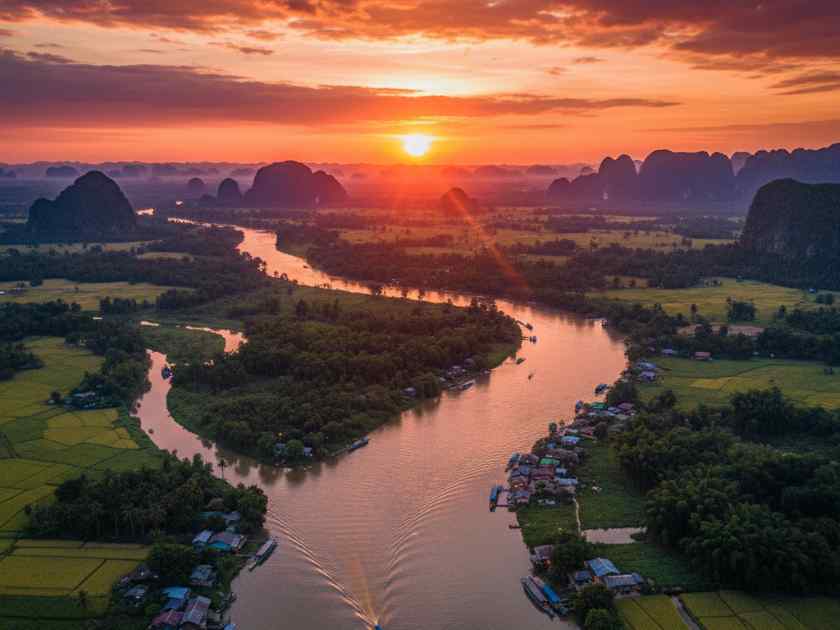
Phnom Penh Becomes Turkish Airlines’ 11th Southeast Asia City

Phnom Penh Becomes Turkish Airlines’ 11th Southeast Asia City

Turkish Airlines has added Phnom Penh to its scheduled international network, introducing direct services between Istanbul and Cambodia’s capital. With this launch, Cambodia becomes the airline’s seventh destination country in Southeast Asia and the 132nd country served globally. Phnom Penh also becomes the carrier’s 11th city in the Southeast Asian region, further extending Turkish Airlines’ Far East network to 20 cities and 21 airports.

The new route strengthens the airline’s presence in Southeast Asia while positioning Phnom Penh as a newly connected long-haul destination for international travel. The service marks a notable expansion for Turkish Airlines in the region, where network growth has continued through the addition of new cities and countries. At the time of launch, Turkish Airlines is the only European airline operating direct flights to Phnom Penh.

Flight Schedule And Aircraft Deployment On Istanbul–Phnom Penh Route

The Istanbul–Phnom Penh service is operated three times per week using a Boeing 777-300ER aircraft. Departures from Istanbul Airport are scheduled on Wednesdays, Fridays, and Sundays. Return flights from Phnom Penh operate on Mondays, Thursdays, and Saturdays, offering a consistent bi-directional travel option between Türkiye and Cambodia.

All Phnom Penh-bound and outbound services operate through the city’s new Techo International Airport. The use of widebody aircraft reflects the long-haul nature of the route and supports passenger traffic between Europe and Southeast Asia. The three-times-weekly frequency establishes a regular travel corridor between Istanbul and Phnom Penh, enabling planned connectivity for travelers moving between the two regions.

The addition of Phnom Penh contributes directly to Turkish Airlines’ Far East network expansion, increasing the total number of cities and airports served in that region. This expansion aligns with the airline’s broader global reach, which now spans 132 countries.

Tourism-Oriented Connectivity Through Direct Long-Haul Access

The launch of direct flights introduces new long-haul travel access for passengers traveling between Türkiye and Cambodia. With scheduled nonstop services in place, international travelers are provided with a more streamlined journey to Phnom Penh, reducing the need for intermediate stops. This direct access supports inbound and outbound tourism flows by offering a structured and predictable flight schedule.

Travel connectivity plays a central role in destination accessibility, and the inclusion of Phnom Penh in Turkish Airlines’ network places the city within a broader global travel system. As part of the Southeast Asian route map, the Cambodian capital becomes more directly reachable for travelers using Istanbul as a connecting hub.

By integrating Phnom Penh into its scheduled operations, Turkish Airlines enhances the overall travel framework linking Europe and Southeast Asia. The route supports tourism-related travel movements by enabling smoother long-haul itineraries within the airline’s existing network structure.

Travel Demand And Passenger Access Within Expanding Networks

The addition of a new city within an established regional network contributes to diversified travel options for passengers. Regularly scheduled flights provide consistency for travelers planning international journeys, particularly on long-haul routes that connect distant regions.

As network coverage expands, passenger access to emerging markets becomes more structured through fixed schedules and designated gateways. The Istanbul–Phnom Penh route fits into this framework by linking an established global hub with a Southeast Asian capital now integrated into a broader air travel system.

Such network additions support travel planning by aligning frequencies, aircraft deployment, and airport operations into a unified service offering. For travelers, scheduled long-haul connectivity forms the backbone of international tourism movement without introducing additional routing complexity.

Promotional Fares Supporting Scheduled Travel Periods

To coincide with the launch of the new route, promotional round-trip fares have been made available for a limited booking period. Tickets booked until 10 February 2026 are eligible for travel through 31 October 2026, providing an extended window for planned journeys.

Round-trip fares start from USD 699 for departures from Istanbul and from USD 679 for departures from Phnom Penh. These fares apply within the defined booking and travel periods and are structured to support early planning for international travel between the two cities.

The availability of promotional pricing aligns with the introduction of the scheduled service and supports passenger uptake during the initial operating phase. The defined fare structure offers clarity for travelers considering travel timelines within the stated period.

Phnom Penh Joins Turkish Airlines’ Southeast Asia Footprint

With Phnom Penh added to the route map, Turkish Airlines’ Southeast Asia presence now includes 11 cities across seven countries. The region forms part of the airline’s Far East network, which now spans 20 cities and 21 airports. This expansion reflects the airline’s continued geographic growth within Southeast Asia through scheduled services.

Phnom Penh’s inclusion also positions Cambodia within Turkish Airlines’ global country network, increasing the total number of countries served to 132. The route reinforces Istanbul’s role as a long-haul gateway connecting Europe with destinations across Asia.

As the only European airline operating direct flights to Phnom Penh, Turkish Airlines establishes a distinct operational presence on this route. The scheduled service integrates Cambodia’s capital into a wider international aviation network focused on long-haul travel connectivity.

Image Source: AI

The post Phnom Penh Becomes Turkish Airlines’ 11th Southeast Asia City appeared first on Travel And Tour World.

Urgent Travel Alert for Indian Nationals to Avoid Thailand-Cambodia Border as Explosive Clashes, Curfews, and Military Control Escalate – Stay Safe

Urgent Travel Alert for Indian Nationals to Avoid Thailand-Cambodia Border as Explosive Clashes, Curfews, and Military Control Escalate – Stay Safe
Thailand

Cambodia

Amid escalating tensions between Thailand and Cambodia, the Embassy of India in Bangkok has issued a critical travel advisory for Indian nationals.

Amid escalating tensions between Thailand and Cambodia, the Embassy of India in Bangkok has issued a critical travel advisory for Indian nationals. Travelers are urged to avoid the Thailand-Cambodia border, where explosive clashes have intensified, leading to curfews, martial law, and increased military presence. While popular tourist destinations across Thailand remain unaffected, seven border provinces are now under heightened security measures. These include curfews from 19:00 to 05:00 hrs, restricted access to key checkpoints, and temporary closures of transport services. Indian nationals planning to travel to or through these areas are advised to reconsider their plans and stay updated through official sources to ensure their safety.

The Embassy of India in Bangkok has issued a critical travel advisory for Indian nationals planning to visit areas near the Thailand-Cambodia border. This advisory follows reports of ongoing clashes between the two countries in these regions, creating an unsafe environment for travelers. Although the conflict remains confined to the border areas, authorities in Thailand have implemented additional security measures in several provinces near the border. Indian nationals are urged to avoid these regions, reconsider travel plans, and stay informed through reliable sources. While Thailand’s major tourist destinations remain unaffected, this advisory is essential for the safety of all visitors, particularly those traveling to or through the affected areas.

The advisory aims to highlight the situation along the border, provide clear guidance on areas that should be avoided, and ensure that travelers have the necessary information to make informed decisions about their safety.

Increased Security in Border Provinces

Following the escalation of tensions between Thailand and Cambodia, local authorities have dramatically increased security along the border with Cambodia. Seven provinces have been identified as high-risk zones, and the government has put various precautionary measures in place to safeguard both residents and visitors. The affected provinces include:

  • Ubon Ratchathani
  • Si Sa Ket
  • Surin
  • Buri Ram
  • Sa Kaeo
  • Chanthaburi
  • Trat

In these regions, martial law has been declared in certain districts, with military personnel deployed to maintain order. Authorities have introduced additional patrols and heightened surveillance to monitor the situation. The military presence is aimed at preventing the violence from spilling over into civilian areas and providing security to both locals and tourists.

Curfews Imposed in Certain Districts

In response to the ongoing conflict, the government has imposed curfews in some border districts. In Sa Kaeo, a curfew from 19:00 to 05:00 hrs has been in place since December 10, 2025, affecting four districts in the area. The curfew restricts movement during the night to ensure that residents and travelers remain safe while the security forces carry out necessary operations.

Travelers should respect these curfew hours, as violations could result in penalties or unwanted attention from local authorities. It is crucial to avoid traveling in areas affected by the curfew to prevent unnecessary complications.

Thailand’s National Transport Services Remain Uninterrupted

Despite the security measures in place in the border regions, Thailand’s national transport infrastructure continues to operate as usual. The country’s air, rail, bus, and marine services remain unaffected by the ongoing tensions. Popular destinations such as Bangkok, Chiang Mai, Phuket, Krabi, and Pattaya are still easily accessible and continue to welcome tourists.

For travelers planning to visit other parts of the country, it’s business as usual. Domestic flights, train services, and buses continue to operate regularly, with no significant disruptions. Travelers should not expect any delays or cancellations due to the ongoing situation, provided they are traveling outside the restricted border zones.

Transport Adjustments in Border Areas

While national transport services remain unaffected, there have been some adjustments to services in the affected border provinces. These changes are precautionary and aim to ensure the safety of passengers:

  • Rail Services: The State Railway of Thailand has temporarily suspended all services to the Ban Khlong Luek Border Checkpoint, located near the Thailand-Cambodia border. This suspension is a safety measure due to the proximity of the conflict zone and aims to prevent travel disruptions in the area.
  • Bus Services: The Kantharalak Bus Terminal in Si Sa Ket has been temporarily closed, as it is located near one of the border regions experiencing heightened tensions. In response, local authorities have arranged alternative boarding points to help passengers continue their travel to and from the area.

While these changes are minimal, travelers heading to or through the border regions should expect some disruption. It is advisable to check with local transport providers for updates and alternative routes before making any travel arrangements.

Restricted Zones and Border Closures

In addition to curfews and security reinforcements, certain zones along the Thailand-Cambodia border have been completely closed or are under strict travel restrictions. These areas should be avoided by all travelers. The following border zones and checkpoints are currently off-limits:

  • Ubon Ratchathani: Chong An Ma Checkpoint, Yod Dom Wildlife Sanctuary
  • Surin: Prasat Ta Muen Thom/Tod, Chong Chom border zones
  • Si Sa Ket: Khao Phra Wihan National Park, Chong Sa Ngam
  • Buri Ram: Ta Phraya National Park, Ban Kruat border areas
  • Sa Kaeo: Ban Khlong Luek Checkpoint, Rong Kluea Market (partial closure)
  • Chanthaburi: Ban Laem, Ban Phat Kad checkpoints
  • Trat: Ban Hat Lek, Ban Muen Dan checkpoints

Official Helplines for Assistance

For those already in Thailand or those planning to travel to the country, it is important to stay informed through official channels. The Tourism Authority of Thailand (TAT), the Embassy of India in Bangkok, and other local agencies will provide real-time updates and necessary guidance.

Travelers are encouraged to use the following helplines for assistance:

TAT Call Centre: 1672

Tourist Police Hotline: 1155

State Railway of Thailand (SRT) Hotline: 1690

Transport Company Hotline: 02-936-3660

These services will offer information on transportation, safety updates, and any changes in local policies due to the conflict. It is essential to stay connected with these sources to ensure timely and accurate information.

Adherence to Local Guidelines for Safety

As the situation remains volatile, travelers should adhere to all local guidelines to ensure their safety. Those in Thailand should follow any instructions issued by local authorities, such as avoiding certain areas and observing curfews. The situation could change quickly, and staying updated through official channels is key to ensuring a safe and enjoyable trip.

For those not currently in Thailand, it is highly recommended to avoid planning trips to the affected border regions until the situation stabilizes. Thailand remains one of the most popular tourist destinations in the world, and the security measures are a temporary response to the current situation. By following the travel advisory and adhering to safety recommendations, tourists can continue to enjoy their travels in other regions of the country without issues.

Conclusion: Stay Informed and Stay Safe

In conclusion, the safety of Indian nationals visiting Thailand remains the top priority during this period of heightened tension. While the conflict at the border should not deter travel to the rest of the country, it is essential for tourists to exercise caution and avoid the affected regions.

Indian nationals and other travelers are urged to follow the official travel advisory, stay updated with real-time information, and avoid restricted zones. Thailand’s tourism infrastructure remains robust, and the majority of the country continues to welcome tourists safely. By adhering to local guidelines, travelers can continue to enjoy Thailand’s rich cultural offerings and natural beauty, ensuring a safe and memorable experience.

The post Urgent Travel Alert for Indian Nationals to Avoid Thailand-Cambodia Border as Explosive Clashes, Curfews, and Military Control Escalate – Stay Safe appeared first on Travel And Tour World.

From Ancient Temples to Stunning Landscapes: Tourism in the Greater Mekong Subregion

From Ancient Temples to Stunning Landscapes: Tourism in the Greater Mekong Subregion

The Greater Mekong Subregion (GMS), which includes the countries of Thailand, Laos, Cambodia, Vietnam, Myanmar, and China’s Yunnan Province, is quickly becoming one of Southeast Asia’s top travel destinations. With its rich cultural heritage, diverse landscapes, and vibrant local communities, the GMS offers a wealth of experiences for travelers seeking adventure, relaxation, and immersion in history and culture.

Tourism in the GMS has seen significant growth in recent years, with each country in the region offering unique attractions. From the bustling streets of Bangkok to the tranquil waters of Halong Bay in Vietnam, the region is a mix of ancient traditions, modern cities, and untouched natural wonders, making it a must-visit destination for any traveler exploring Southeast Asia.

Thailand: A Fusion of Tradition and Modernity

Thailand, one of the most popular tourist destinations in Southeast Asia, continues to be a major draw for visitors to the GMS. The country is known for its diverse offerings, from the vibrant Bangkok to the serene beaches of Phuket and Krabi. Thailand also boasts a rich cultural heritage, with temples such as the Grand Palace, Wat Pho, and Wat Arun in Bangkok, as well as the historic city of Chiang Mai in northern Thailand, famous for its ancient temples and stunning mountain views.

Thai cuisine, globally adored for its bold flavors, adds to the country’s appeal. Tourists flock to Thailand not only for its beaches but also for its food, culture, and the unique experiences offered in both urban and rural areas. The country’s diverse landscape offers a perfect mix of cultural tourism and eco-tourism, with opportunities for trekking in the mountains, visiting elephant sanctuaries, and exploring national parks.

Vietnam: Culture and Nature in Harmony

Vietnam, another cornerstone of the Greater Mekong Subregion, offers a dynamic tourism experience, from the modernity of Hanoi to the cultural and natural beauty of Ho Chi Minh City (Saigon). The UNESCO World Heritage-listed Halong Bay, with its dramatic limestone karsts, is a major highlight, drawing tourists for cruise tours and kayaking adventures.

The Mekong Delta in southern Vietnam offers a serene experience, with boat tours that navigate its winding waterways, showcasing floating markets, traditional villages, and lush landscapes. Tourists can also explore the Cu Chi Tunnels near Ho Chi Minh City, a significant historical site from the Vietnam War, and visit the ancient town of Hoi An, famous for its well-preserved architecture and vibrant street markets.

Laos: Tranquility and Spirituality

Laos, one of the quieter destinations in the GMS, is celebrated for its peaceful landscapes and strong Buddhist traditions. The capital city, Vientiane, is home to golden temples and the Patuxai Monument, offering a calm, serene atmosphere perfect for reflective travel. The ancient city of Luang Prabang, a UNESCO World Heritage site, is known for its preserved temples, traditional wooden houses, and the daily alms-giving ceremony where tourists can observe Buddhist monks collecting offerings.

The Nam Ha National Protected Area and the Plain of Jars offer adventurous travelers opportunities for eco-tourism and cultural exploration. Laos, with its spiritual ambiance and natural beauty, remains a hidden gem for those seeking a more relaxed and immersive experience in Southeast Asia.

Cambodia: Temples and Rich History

Cambodia is best known for the stunning Angkor Wat temple complex, a UNESCO World Heritage site and one of the largest religious monuments in the world. Located near Siem Reap, Angkor Wat draws thousands of visitors each year who come to marvel at the intricate carvings and towering structures of this ancient Khmer empire capital. Cambodia’s rich cultural and historical offerings extend beyond Angkor Wat, with visitors also able to explore the Royal Palace in Phnom Penh, the Killing Fields, and the Tonle Sap Lake.

Tourists can enjoy river cruises, trekking in Cardamom Mountains, or beach vacations on islands like Koh Rong and Sihanoukville. Cambodia continues to develop its tourism infrastructure, promoting both cultural and nature-based tourism, which supports local communities and preserves the country’s heritage.

Myanmar: A Land of Ancient Temples

Myanmar, also known as Burma, offers one of the most intriguing travel experiences in the GMS. Bagan, with its thousands of ancient temples and pagodas, is a key attraction for visitors. Hot air balloon rides at sunrise provide breathtaking views of the temples against the backdrop of the Irrawaddy River. The Shwedagon Pagoda in Yangon is another must-visit, drawing tourists interested in Buddhist culture and architecture.

In addition to cultural tourism, Myanmar offers adventure travelers opportunities to explore its pristine landscapes, including trekking in the Shan Hills, visiting the Inle Lake with its floating gardens and stilted villages, and experiencing the life of tribal communities in the region.

Tourism Growth and Regional Integration

The Greater Mekong Subregion has become a focal point for regional tourism development, with efforts to improve cross-border travel and infrastructure to create a seamless experience for tourists exploring multiple countries. Initiatives like the GMS Tourism Cooperation Strategy aim to promote the region’s natural and cultural assets while ensuring sustainable development.

Tourism professionals in the region are encouraged to collaborate on multi-destination travel packages that allow visitors to experience the best of each country within the GMS. With a growing interest in cultural tourism, eco-tourism, and adventure tourism, the GMS is poised to become a leading destination in Southeast Asia.

Conclusion: The Allure of the Greater Mekong Subregion

The Greater Mekong Subregion offers a diverse range of travel experiences, from historical sites and cultural immersion to natural beauty and adventure. With each country offering its own unique charm, the region provides an exciting opportunity for travelers looking to explore Southeast Asia. Whether you’re trekking in Laos, exploring ancient temples in Cambodia, or relaxing on the beaches of Vietnam, the GMS promises unforgettable experiences for tourists seeking both adventure and relaxation in this dynamic part of the world.

The post From Ancient Temples to Stunning Landscapes: Tourism in the Greater Mekong Subregion appeared first on Travel And Tour World.
❌