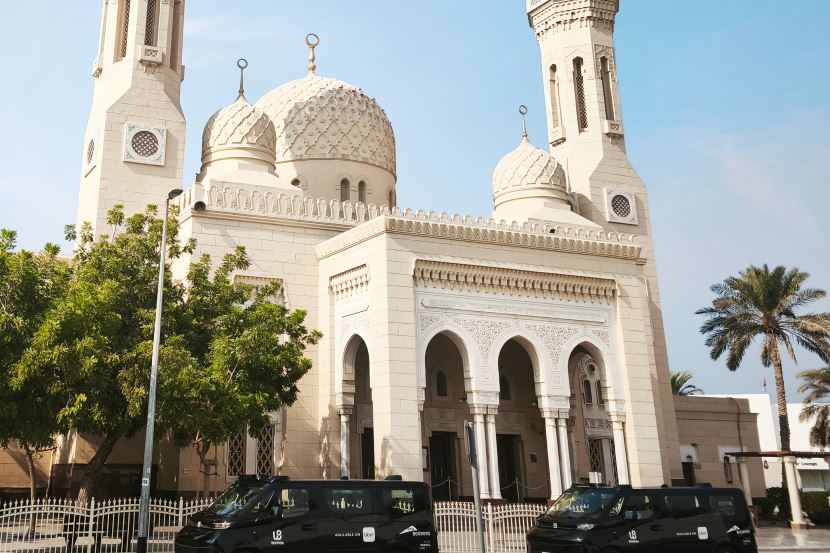
Reading view

Emirates Joins Qatar Airways, FlyDubai, Etihad, and Saudia in Facing Life-Threatening Emergency Landings Across Middle East as New Report Unveils: What You Need to Know

Emirates Joins Qatar Airways, FlyDubai, Etihad, and Saudia in Facing Life-Threatening Emergency Landings Across Middle East as New Report Unveils: What You Need to Know

Commercial aviation in the Middle East has grown rapidly over the past decade. With increasing traffic, airlines must respond quickly to mechanical faults, security alerts and medical emergencies. Although diversions are rare, when they occur the ability of local airports and authorities to accommodate unplanned arrivals is crucial. The following chronology summarises verified emergency landings in Middle Eastern cities from January 2022 to November 2025. Each case is drawn from official statements by airlines or aviation authorities and reflects how the region handled diversions across technical, security and medical scenarios.

2022 – Heart‑attack emergency on Gulf Air’s transcontinental service

On 22 November 2022 a Gulf Air Airbus A321 operating flight GF19 from Bahrain to Paris diverted to Erbil International Airport in Iraq after a member of the cabin crew suffered a heart attack while the aircraft was over the Iraq–Turkey border. Gulf Air subsequently confirmed that the flight landed safely and that local medical personnel attended to the affected crew member. The airline expressed condolences to the crew member’s family and reassured travellers that the flight later continued to Paris after refuelling and compliance checks. Gulf Air emphasised that passenger safety remains its top priority and thanked passengers for their patience during the unplanned diversion[1]. This incident marked the earliest major diversion in the period under review and illustrated how a quick, safe landing at a nearby Middle Eastern hub can save lives when onboard medical issues arise.

2023 – Medical emergencies and electrical faults

Dubai‑to‑Brussels flight diverted to Erbil

On 7 February 2023 Emirates flight EK181 departed Dubai bound for Brussels. A passenger became seriously ill during cruise over northern Iraq. An Emirates spokesperson later explained that the crew declared a medical emergency and diverted to Erbil International Airport. Upon landing, the passenger was met by local medical teams; after refuelling the aircraft resumed its journey. Emirates apologised to passengers for the delay and stressed that the safety of customers and crew is always the highest priority[2]. The swift clearance by Erbil air‑traffic control and cooperation with local medical services meant the passenger received timely care.

Technical malfunction forces Air Seychelles into Jeddah

During the evening of 28 August 2023 an Air Seychelles Airbus A320 operating flight HM022 from Mahé to Tel Aviv suffered an electrical malfunction while flying over the Red Sea. The pilot declared an emergency and diverted to King Abdulaziz International Airport in Jeddah, Saudi Arabia. Air Seychelles subsequently confirmed that the aircraft landed safely and that all 128 passengers—mostly Israeli citizens—were accommodated overnight while a replacement aircraft was dispatched. The Israeli Foreign Ministry and Prime Minister both thanked Saudi authorities for their hospitality and for facilitating the passengers’ onward travel[3]. The successful diversion not only demonstrated technical preparedness at Jeddah but also underscored how emergency cooperation can override political sensitivities between countries.

2024 – Pilot incapacitation and security alerts

Captain’s death prompts diversion to Jeddah

A tragic event occurred on 12 June 2024 when a Sky Vision Airlines Airbus A320 charter flight NE130 from Cairo to Ta’if experienced the death of its captain mid‑flight. According to Sky Vision and Egypt’s Civil Aviation Authority, the first officer declared an emergency and diverted to Jeddah’s King Abdulaziz International Airport. The airline reported that the crew informed passengers of the situation and ensured a safe landing. Sky Vision and the Egyptian Aviation Authority said they were working closely with Saudi authorities to investigate the circumstances and to review pilot health protocols[4]. The incident highlighted the need for rigorous health monitoring of flight crew and reinforced the importance of cross‑border cooperation during emergencies.

Security alert sends Riyadh–Mumbai flight to Muscat

On 16 October 2024 an IndiGo Airlines Airbus A321 operating flight 6E 74 from Riyadh to Mumbai triggered a security alert while over Oman. Oman’s Civil Aviation Authority (CAA) reported that the aircraft, carrying 192 passengers, was diverted to Muscat International Airport. The Indian carrier released a statement explaining that the flight was redirected due to a security‑related message and that all passengers were safely disembarked upon landing. The CAA coordinated with strategic partners to isolate the aircraft, conduct security checks and ensure there was no threat. The authority later confirmed that all passengers and crew were safe and commended emergency teams for their professional handling of the situation[5]. Although the alert proved unfounded, the incident demonstrated Muscat airport’s capability to handle emergency diversions and underlined the importance of rapid response protocols.

2025 – Bomb threats and cross‑border cooperation

Air India Dreamliner diversion to Riyadh

During the early hours of 21 June 2025 Air India flight AI114, a Boeing 787 Dreamliner flying from Birmingham to Delhi, received a bomb threat while traversing Middle Eastern airspace. Air India’s official statement said that the flight was consequently diverted to King Khalid International Airport in Riyadh, where it landed safely and underwent comprehensive security checks[6]. All passengers were deplaned and provided hotel accommodation while Saudi authorities and airline security teams searched the aircraft. Air India apologised for the disruption, assured travellers that alternative arrangements were being made and reaffirmed that passenger safety remains paramount. Investigators later determined the threat to be a hoax; however, the incident highlighted the seriousness with which airlines and airports treat security alerts.

Flydubai flight makes medical stop in Riyadh

On 25 September 2025 a Flydubai Boeing 737 operating flight FZ 1125 (also reported as FZ‑180) from Dubai to Tel Aviv encountered a medical emergency when an Israeli passenger suffered a stroke. The flight crew notified air‑traffic controllers and requested permission to land in Riyadh. Saudi aviation authorities authorised the unscheduled landing at King Khalid International Airport and arranged for ambulances to meet the aircraft. Flydubai later said that the passenger was immediately transferred to a local hospital and expressed gratitude to Saudi officials for their prompt cooperation[7]. Israel’s Foreign Ministry also acknowledged the assistance, noting that the incident showed humanitarian cooperation despite the absence of formal diplomatic ties. After refuelling and medical clearance, the aircraft continued to Tel Aviv the same day.

Patterns and Implications

Between January 2022 and November 2025 Middle Eastern cities handled several high‑profile emergency landings. Erbil, a regional hub in Iraq’s Kurdistan region, twice received unscheduled flights—first from Gulf Air in November 2022 due to a crew member’s heart attack and again from Emirates in February 2023 because of a passenger medical emergency. Both airlines issued statements emphasising passenger safety and thanking local authorities for assistance[1][2]. These diversions underscore Erbil’s growing strategic importance as an alternate airport for long‑haul flights over the Middle East.

Jeddah emerged as another focal point. It accommodated Air Seychelles’ A320 in August 2023 after an electrical malfunction and Sky Vision’s charter flight in June 2024 following the captain’s death. In both cases, airlines and foreign ministries publicly thanked Saudi authorities, illustrating that Jeddah’s King Abdulaziz International Airport is equipped to handle diverse emergencies and can facilitate international cooperation[3][4]. These incidents also fostered diplomatic goodwill, as seen in the cordial messages exchanged between Israel and Saudi Arabia after the Air Seychelles diversion.

Riyadh hosted two emergency landings in 2025. The city provided rapid assistance to Air India when a bomb threat forced a Dreamliner to land and later supported Flydubai when a passenger’s stroke required urgent care. Both airlines praised the hospitality and efficiency of Saudi authorities[6][7]. The incidents demonstrated that Saudi aviation infrastructure can accommodate unscheduled international flights, offer medical support and coordinate security operations.

Finally, Muscat handled a major security diversion in October 2024. The prompt coordination among the Civil Aviation Authority, airport personnel and airline staff ensured that a potential threat was contained and resolved without panic[5]. Muscat’s experience underscores the need for continuous training and investment in security infrastructure across the region.

Conclusion

While emergency landings are rare compared with the volume of flights over the Middle East, they serve as critical tests of aviation safety systems. The cases above reveal that Middle Eastern airports can handle a spectrum of emergencies—from medical crises and security threats to technical malfunctions. Official statements consistently emphasise passenger safety, transparency and cooperation with local authorities. These narratives not only reassure travellers but also highlight how unexpected events can strengthen regional coordination. As air traffic continues to increase, lessons from these diversions will inform upgrades in airport readiness, crew health monitoring and cross‑border protocols, ensuring that future emergencies are managed with similar professionalism and care.

Reference List

  1. Gulf Air A321 diversion to Erbil (Nov 22 2022) – Gulf Air’s statement confirmed that flight GF19 diverted to Erbil due to a crew member’s heart attack, that local medical services assisted the crew member, and that the flight continued to Paris after refuelling. The airline expressed condolences and reassured that passenger safety is a priority[1].
  2. Emirates flight EK181 medical diversion (Feb 7 2023) – An Emirates spokesperson told Khaleej Times that flight EK181 from Dubai to Brussels diverted to Erbil because of a passenger medical emergency; local medical staff met the passenger, the aircraft was refuelled and continued its journey, and the airline apologised for the inconvenience[2].
  3. Air Seychelles HM022 electrical malfunction (Aug 28 2023) – Air Seychelles reported that flight HM022 diverted to Jeddah after an electrical problem, that all passengers were safe and were transported to Tel Aviv on a replacement aircraft, and that Saudi authorities provided hospitality[3].
  4. Sky Vision Airlines pilot death (Jun 12 2024) – Aviation reporting noted that the captain of Sky Vision flight NE130 died mid‑flight; Sky Vision and Egypt’s Civil Aviation Authority stated that the first officer diverted to Jeddah and that they were cooperating with Saudi authorities to investigate the incident[4].
  5. IndiGo flight 6E 74 security diversion to Muscat (Oct 16 2024) – Oman’s Civil Aviation Authority and IndiGo confirmed that a Riyadh–Mumbai flight was diverted to Muscat due to a security alert, that all passengers were safely evacuated, and that emergency teams coordinated to assess the threat[5].
  6. Air India AI114 bomb threat diversion (Jun 21 2025) – Air India’s official statement described how a bomb threat forced flight AI114 to divert to Riyadh, where the aircraft landed safely, underwent security checks and passengers were accommodated in hotels[6].
  7. Flydubai FZ 1125 medical diversion to Riyadh (Sep 25 2025) – Flydubai confirmed that a passenger’s stroke prompted flight FZ 1125 to divert to Riyadh, that Saudi authorities provided medical assistance and clearance, and that the airline praised the cooperation afforded by the kingdom[7].
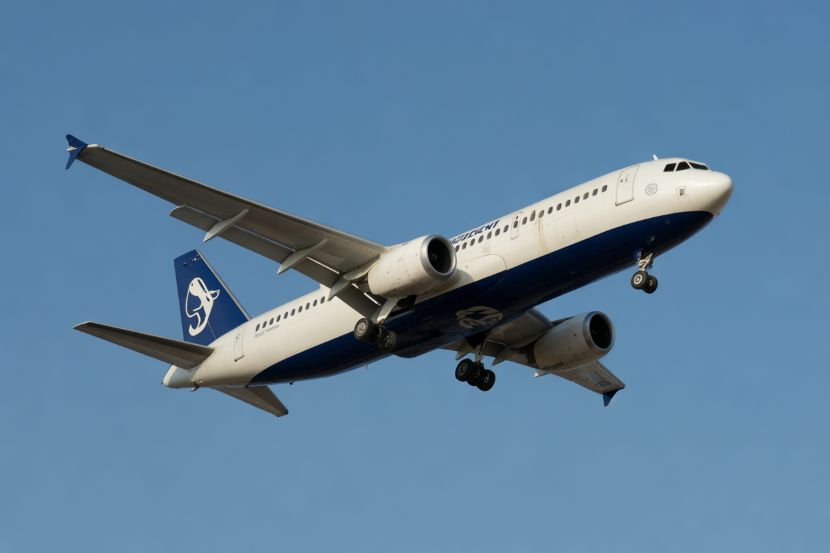
The post Emirates Joins Qatar Airways, FlyDubai, Etihad, and Saudia in Facing Life-Threatening Emergency Landings Across Middle East as New Report Unveils: What You Need to Know appeared first on Travel And Tour World.

Flydubai Expands Routes to Latvia: New Direct Flights from Dubai to Riga Set to Strengthen Tourism and Business Connections

Flydubai Expands Routes to Latvia: New Direct Flights from Dubai to Riga Set to Strengthen Tourism and Business Connections
Flydubai launches direct flights from Dubai to Riga, becoming the first UAE airline to serve Latvia’s capital. The route promises to boost tourism and trade between both regions.

In a significant move to bolster connectivity between the United Arab Emirates (UAE) and the Baltic region, Flydubai has inaugurated its three-weekly direct flights between Dubai International Airport (DXB) and Riga International Airport (RIX). The service marks a historic milestone as Flydubai becomes the first UAE carrier to offer nonstop flights to Latvia’s capital, opening up a new gateway for both tourism and business between the two countries.

The new route not only strengthens Flydubai’s extensive European network but also highlights the growing importance of Latvia as a rising destination for both leisure and corporate travelers. Flydubai’s commitment to expanding its reach in the Baltic region is evident with this new addition, joining earlier expansions to destinations like Vilnius in Lithuania.

A Bold Step for UAE–Latvia Connections

The launch of direct flights from Dubai to Riga brings together two key global hubs: Dubai, a city known for its business-friendly environment, world-class attractions, and strategic location, and Riga, a vibrant cultural and economic center in the heart of the Baltic States. Flydubai’s new route opens up possibilities for travelers seeking to explore Latvia’s rich history, scenic landscapes, and charming medieval architecture.

For tourists from the UAE and wider Gulf region, the direct flight makes it easier than ever to experience Riga’s famed Old Town, a UNESCO World Heritage site, or the stunning landscapes of Latvia’s national parks. Whether it’s a romantic city break, a cultural exploration, or a business trip, this new route caters to a growing demand for connections to the Baltic countries.

At the same time, Latvian travelers now have seamless access to Dubai’s luxury shopping, innovative experiences, and endless opportunities in trade and investment. The move is expected to foster greater collaboration in the tourism, trade, and technology sectors between the UAE and Latvia, which have been strengthening bilateral ties in recent years.

Flydubai’s Continued European Expansion

This latest launch is part of Flydubai’s broader European expansion strategy, which includes the addition of other Baltic destinations, including Vilnius, Lithuania, earlier this year. With over 35 European destinations, Flydubai’s new services are designed to cater to the increasing demand for direct flights between the Middle East and Eastern Europe.

Flydubai’s CEO, Ghaith Al Ghaith, commented on the significance of the route: “Our new service to Riga underscores Flydubai’s commitment to expanding our network to underserved destinations while strengthening the ties between the UAE and Europe. We are proud to be the first UAE carrier to connect Dubai to Latvia and look forward to supporting the growing demand for travel between both regions.”

The introduction of direct flights will also bring with it increased connectivity for travelers, with seamless codeshare options available through Flydubai’s partnership with Emirates. This means travelers flying to Riga from the Middle East can easily transfer to a wide range of destinations across the Emirates network, including popular destinations in Asia, Africa, and Australia.

Riga: The New Travel Gem for Middle Eastern Visitors

Riga, Latvia’s largest city, is a growing tourist destination known for its art nouveau architecture, rich cultural heritage, and proximity to beautiful coastal regions. In addition to its thriving tourism sector, the city also serves as a hub for international business and trade, particularly in the areas of IT, finance, and transport. Latvia has been attracting investment from global markets, with Dubai-based investors seeing increased opportunities in the Baltic region.

With the new Flydubai service, visitors to Riga can explore its historical landmarks, indulge in the vibrant food scene, and enjoy the city’s dynamic arts and culture scene. Whether it’s visiting the Riga Art Nouveau district, attending a local festival, or discovering the rich traditions of the region, there’s something for every kind of traveler in this beautiful European capital.

Impact on Tourism and Trade: What’s Next?

In terms of tourism, the new flight promises to open Latvia to a wave of Middle Eastern visitors, enhancing the region’s presence on the global tourism map. According to Latvia’s national tourism board, the Middle East market is increasingly showing interest in the Baltic States, with travel data showing rising numbers of visitors from the UAE and surrounding countries in recent years.

As more UAE travelers seek new, culturally enriching experiences in Europe, Latvia presents a unique destination combining the best of both worlds: historical significance and modern conveniences. For Latvian travelers, Dubai offers a world-class experience, from its luxury hotels and iconic landmarks like the Burj Khalifa to its vibrant dining and entertainment scene. The accessibility of Dubai’s international business community also provides further incentives for Latvian entrepreneurs and professionals looking to explore the region’s opportunities.

Moreover, the launch of Flydubai’s direct flight to Riga comes at a time when UAE–Latvia relations are growing stronger, with diplomatic, cultural, and commercial exchanges on the rise. Latvia’s Ministry of Foreign Affairs has welcomed this new connection, acknowledging the growing importance of expanding routes to Dubai for both tourism and economic collaboration.

The Flydubai Experience: Why Choose This Route?

Flydubai’s commitment to providing passengers with seamless travel experiences is evident in the airline’s service offerings. Passengers on the Dubai–Riga route will enjoy modern amenities, including spacious seating, a variety of in-flight entertainment options, and premium services for those traveling in business class.

Flydubai also offers competitive pricing, making it easier for budget-conscious travelers to visit Riga without compromising on comfort. Additionally, the airline’s extensive flight network, both within the UAE and across Europe, means that travelers can combine their Riga journey with connections to other cities, ensuring flexibility and convenience.

The Emirates codeshare partnership further enhances the travel experience, with passengers able to book connecting flights to more than 240 destinations worldwide. This opens up greater travel opportunities, not just for those flying from Dubai to Riga, but for travelers across Europe, Asia, and beyond.

Conclusion: A New Chapter in UAE-Latvia Travel Connections

Flydubai’s direct flight service to Riga is a game-changer for travelers, business professionals, and tourism stakeholders alike. By connecting Dubai to Latvia, the airline is not only enhancing travel options but also fostering closer trade ties and cultural exchange between the two regions. The new service is set to become a vital link in the growing network of air travel options between the Middle East and Eastern Europe, making Latvia’s capital city more accessible than ever before.

As Riga prepares for a surge of visitors, the Flydubai route promises to open new doors for tourism, investment, and business opportunities. For UAE travelers, it’s an exciting chance to discover a new corner of Europe, rich with history, culture, and opportunity. For Latvian visitors, Dubai beckons with its modern allure, world-class services, and vast economic potential.

The post Flydubai Expands Routes to Latvia: New Direct Flights from Dubai to Riga Set to Strengthen Tourism and Business Connections appeared first on Travel And Tour World.

Authentic Travel and Wellness Focus Define 2026 Travel Trends by Minor Hotels: All You Need To Know

Authentic Travel and Wellness Focus Define 2026 Travel Trends by Minor Hotels: All You Need To Know

As travellers look ahead to 2026, Minor Hotels has revealed an insightful new trend report focusing on a deeper, more meaningful approach to travel. According to the findings of the inaugural Traveling Deeper: A Search for Lasting Connection report, the future of tourism is evolving beyond just destinations. In 2026, travellers will prioritise emotional, relational, and spiritual connections, seeking authentic experiences that resonate on a personal level.

Despite ongoing economic uncertainties, the outlook for 2026 is optimistic. Ninety-four percent of surveyed travellers are planning to travel at least as much or more in the coming year, with 47 percent intending to increase their travel budgets. The growing desire for multi-dimensional travel experiences underlines a shift in how people engage with destinations, where quality and meaningful connections outweigh the mere act of travel.

Travelling Deeper: Seeking More Than Just Destinations

Minor Hotels’ report highlights a strong focus on deeper connections in 2026. Modern travellers are no longer content with simply ticking destinations off a list. Instead, they want to forge personal connections, immerse themselves in local cultures, and find meaning in their journeys. This shift in mentality is leading to a move away from traditional sightseeing towards experiences that offer personal fulfilment, growth, and engagement with both the destination and others.

Key to this change is the increased desire for multi-generational travel. Families and groups are looking for experiences that allow them to bond and create memories together. Over 86 percent of respondents indicated that quality time with family and friends is the most important aspect when planning leisure travel. Simple experiences such as dining together, engaging in cultural activities, and spending time relaxing are topping the list of preferred activities for travellers seeking togetherness.

Wellbeing and Solitude in Travel

While group travel remains popular, there is also a strong emphasis on individual wellbeing during trips. Many travellers are opting for experiences that allow for solitude and time to disconnect from the outside world. Seventy-one percent of those surveyed agree that taking a break from technology, social media, and work is essential to their personal wellbeing during travel. As a result, spa treatments, fitness activities, and nature-based experiences are expected to see a surge in popularity in 2026.

The rise of wellness tourism is closely linked to this shift. More than 44 percent of travellers plan to integrate wellness activities into their travels, with 73 percent of regular wellness practisers stating they are prioritising these experiences even more. Destinations that offer tranquillity, natural beauty, and wellness-centred activities will be in high demand as travellers look to recharge both physically and mentally during their vacations.

Cultural Immersion and Authenticity

Cultural immersion remains a critical component of travel for those seeking deeper connections. Food, in particular, plays a significant role in shaping travel experiences. Eighty-five percent of travellers consider local cuisine the best way to connect with a destination, with history and nature also featuring prominently in travel decision-making. The report shows that 83 percent of respondents choose destinations based on opportunities for local immersion, while 79 percent favour independent exploration over guided tours, underscoring the desire for authenticity and real connections with local cultures.

Travellers are increasingly seeking out destinations that allow them to live like locals, participating in daily activities and exploring hidden gems off the beaten path. This preference for authentic, unfiltered experiences will drive the demand for more independent, immersive travel options in 2026.

Sustainability and Responsible Hospitality Drive Loyalty

Sustainability is no longer just a buzzword; it is becoming a key driver of travel decisions. Nearly 47 percent of respondents said a hotel’s sustainability initiatives influence their decision on where to stay. With growing concerns about the environmental impact of tourism, travellers are increasingly prioritising hotels and destinations that support responsible hospitality practices. This includes sustainable practices, eco-friendly facilities, and active participation in cultural and social initiatives that contribute to local communities.

Hotels that embrace sustainability in their operations and provide guests with opportunities to engage in eco-conscious travel are gaining an edge in this competitive market. Conscious travel choices are expected to dominate the industry in the coming years, with travellers seeking brands that align with their values of social and environmental responsibility.

A New Era of Travel in 2026

As the travel industry moves into 2026, Minor Hotels’ Travel Trends Report reveals a clear shift towards deeper, more meaningful experiences. Whether it’s through quality time spent with loved ones, connecting with local cultures, or prioritising personal wellbeing, travellers are seeking a more fulfilling journey. Hotels that recognise these changing preferences and cater to the growing demand for authentic, mindful travel will be best positioned for success in the year ahead. The rise of sustainable tourism and wellness-focused offerings also presents an opportunity for the industry to meet the evolving needs of today’s conscious traveller.

In the coming years, travel will no longer be just about the destinations but about the connections made, the stories told, and the personal transformations experienced. As this trend gains momentum, destinations and hotels that offer authentic and conscious experiences will shape the future of travel.

The post Authentic Travel and Wellness Focus Define 2026 Travel Trends by Minor Hotels: All You Need To Know appeared first on Travel And Tour World.

Dubai Revolutionizes Travel with Launch of Autonomous Robotaxi Service – Uber’s First Driverless Rides in the UAE!

Dubai Revolutionizes Travel with Launch of Autonomous Robotaxi Service – Uber’s First Driverless Rides in the UAE!
Dubai

Dubai has just taken a bold step into the future of urban mobility by launching autonomous robotaxi rides available on the Uber app. This game-changing initiative allows both residents and tourists to book self-driving rides in two of Dubai’s most iconic areas: Umm Suqeim and Jumeirah. This milestone in the city’s Self-Driving Transport Strategy positions Dubai as a leading global hub for innovation and smart mobility, and it’s set to revolutionize how tourists explore the city.

A Glimpse into the Future: How Uber’s Robotaxi Service Works

Imagine hailing a ride through your Uber app, but this time, the vehicle arrives without a driver. That’s exactly what Dubai’s new autonomous robotaxi service offers. Powered by cutting-edge technology and a collaboration between WeRide and Uber, this service allows passengers to enjoy seamless, driverless travel. Whether you’re headed to Dubai’s world-famous beaches, cultural sites, or bustling shopping districts, you’ll be able to hop into an autonomous vehicle, guided entirely by AI. It’s the perfect blend of comfort and innovation for anyone visiting Dubai.

Dubai’s Self-Driving Transport Strategy: Aiming for 25% Autonomous Journeys by 2030

Dubai’s ambition to become a global leader in autonomous transport doesn’t stop at robotaxis. The city has already set its sights on making 25% of all journeys autonomous by 2030, a goal embedded in its Self-Driving Transport Strategy. This strategy includes various cutting-edge projects, with autonomous robotaxis at the forefront. As part of this long-term vision, Dubai plans to integrate a variety of autonomous vehicles across the transport ecosystem, from taxis to buses, making it easier for residents and tourists to move around the city with minimal environmental impact.

Tourism Meets Innovation: Robotaxi Rides for Dubai Visitors

Dubai is not just a futuristic city in terms of architecture and tourism—it’s now leading the way in autonomous mobility. The introduction of self-driving robotaxis caters directly to the city’s millions of annual visitors who are increasingly looking for efficient, innovative travel experiences. The pilot service, which runs between Umm Suqeim and Jumeirah, covers some of Dubai’s most popular attractions, including Jumeirah Beach, the Burj Al Arab, and Wild Wadi Waterpark. The robotaxi service offers a new dimension to tourism mobility, providing an exciting, hands-off way for tourists to explore the city.

Smooth Ride, Seamless Experience: What You Can Expect from the Pilot

So how does it work? For now, the autonomous robotaxis will feature a vehicle specialist on board who ensures the ride is safe and smooth. Passengers will still enjoy the Uber app’s familiar interface, with the only difference being that a human driver is not behind the wheel. As part of the pilot phase, the service is already operational and available for use by anyone in the selected areas of Dubai. This approach ensures that the technology can be refined and optimized before the full transition to driverless operations, which is expected by early 2026.

Dubai’s Bold Vision: Expanding Autonomous Mobility for a Greener Future

Dubai’s investment in autonomous mobility is not just about convenience; it’s about shaping the future of transport with sustainability in mind. With the launch of the autonomous robotaxi service, the city is taking a giant leap towards reducing carbon emissions and minimizing traffic congestion. Autonomous vehicles are more energy-efficient than traditional cars, making them a perfect fit for Dubai’s eco-conscious goals. As part of Dubai’s broader sustainability agenda, the robotaxi service will play a crucial role in supporting a greener, more sustainable future for the city and its residents.

Looking Ahead: The Future of Autonomous Travel in Dubai

The autonomous robotaxi service is just the beginning. With advanced AI and autonomous technologies continuing to improve, Dubai plans to expand its fleet of driverless vehicles, eventually offering fully autonomous rides throughout the city. Over the next few years, tourists and locals alike will benefit from even more efficient, environmentally friendly transport options that make it easier to navigate Dubai’s attractions. As Dubai gears up to achieve its goal of 25% autonomous journeys by 2030, this innovative project will undoubtedly shape the future of urban travel on a global scale.

A Smarter Way to Explore Dubai

For tourists seeking a unique, futuristic travel experience in one of the world’s most dynamic cities, Dubai’s autonomous robotaxi service provides a glimpse into what the future of urban travel looks like. Whether you’re heading to a glamorous hotel, a cultural landmark, or just exploring the city’s stunning landscapes, the robotaxi offers a comfortable, eco-friendly alternative to traditional transport. Dubai’s move to incorporate autonomous vehicles into the tourism sector will not only enhance the visitor experience but also play a key role in shaping the city’s smart city initiatives for years to come.

Conclusion: Dubai Leads the Way in Autonomous Travel Innovation

Dubai’s launch of the autonomous robotaxi service on the Uber app is a landmark event in the world of urban mobility. As the city continues to embrace cutting-edge technologies, this move signals Dubai’s commitment to becoming a global leader in autonomous transport, providing residents and tourists with a seamless, futuristic way to navigate the city. With the roadmap set for a fully autonomous fleet by 2026, Dubai’s Self-Driving Transport Strategy is on track to deliver an eco-friendly, efficient, and innovative transportation system for all.

Image: WeRide

The post Dubai Revolutionizes Travel with Launch of Autonomous Robotaxi Service – Uber’s First Driverless Rides in the UAE! appeared first on Travel And Tour World.

Dubai’s DoubleTree By Hilton M Square Appoints Oguzhan Isci As Director Of Sales, Driving New Growth And Guest Experience

Dubai’s DoubleTree By Hilton M Square Appoints Oguzhan Isci As Director Of Sales, Driving New Growth And Guest Experience

Dubai’s hospitality industry is alive and kicking, and at the center of it all is the DoubleTree by Hilton Dubai M Square Hotel & Residences which is now making an important leadership change that will hasten the property’s development in the main travel markets. The new sales director is Oguzhan Isci, who will be responsible for directing the commercial strategy, increasing the industry partnerships, and taking part in the upgrading of the guest experience at the hotel-residence property which is situated in the old Al Mankhool district of Dubai.

Since welcoming guests with its signature warm DoubleTree cookie, DoubleTree by Hilton Dubai M Square Hotel & Residences has established itself as a sought-after destination for both leisure and business travellers. With its industrial-chic aesthetic, modern amenities and a location within easy reach of Burjuman Shopping Mall, Dubai Frame and Bur Dubai’s cultural attractions, the hotel is well positioned for further growth under Isci’s leadership.

Strategic Leadership to Elevate Sales and Growth

With more than ten years of experience spanning markets such as the UAE, Qatar, Türkiye and Europe, Oguzhan Isci brings to the role a strong commercial acumen and a track record of driving revenue growth and market development. In his new position as Director of Sales, he will guide strategic initiatives designed to strengthen the hotel’s competitive advantage in a dynamic regional tourism market.

Industry observers noted that Isci’s regional expertise and hospitality insight are aligned with broader growth ambitions for the property, particularly as Dubai continues to entice global travellers with its blend of luxury, culture and business opportunities. In previous senior leadership roles, he was recognised for nurturing key sales segments and forging partnerships that enhanced hotel performance, skills that are expected to inform his approach in Dubai. This insight, it was suggested, will help DoubleTree by Hilton Dubai M Square refine its appeal to both traditional and emerging guest segments.

A Hospitality Hub in the Heart of Dubai

Situated in Al Mankhool, the hotel places guests near the city’s historic attractions and contemporary landmarks. DoubleTree by Hilton Dubai M Square offers a comprehensive range of amenities designed to appeal to a wide spectrum of travellers. On-site dining includes a café and restaurant where visitors can enjoy diverse menus, while wellness facilities such as a full-service spa and fitness centre provide opportunities to unwind after a day exploring the city.

The property also offers an outdoor pool, a rooftop lounge with panoramic views of the Dubai skyline and versatile meeting and event spaces including a grand ballroom suitable for business conferences and social gatherings. With flexible spaces and dedicated planning support, the hotel has become a favoured choice for corporate events and destination weddings alike.

For extended stays, the hotel’s residence suites are a key draw. These fully equipped apartments range from one- to four-bedroom options and offer sweeping views of Dubai’s iconic skyline, including the Burj Khalifa and Dubai Frame alongside full kitchen facilities that provide the comforts of home for longer visits.

Advancing Travel Experiences and Market Reach

In his leadership role, Isci is expected to play a central role in amplifying the hotel’s outreach to international travel agents, corporate bookers and tour operators. Dubai’s tourism sector continues to be one of the fastest-growing in the world, and stakeholders believe that a refined sales strategy will allow the property to tap into evolving travel patterns, including surge segments such as luxury leisure travellers, family holidaymakers and long-stay guests seeking blended work-and-travel experiences.

Industry analysts suggest that one of Isci’s key challenges and opportunities will be to balance the hotel’s appeal between business clientele attending conferences and exhibitions and leisure travellers exploring Dubai’s cultural and entertainment offerings. By strengthening partnerships with global travel platforms and regional partners, the hotel is expected to enhance booking channels and visibility in competitive markets.

Guest-Centric Enhancements on the Horizon

While guests currently enjoy a host of contemporary amenities from free Wi-Fi and concierge services to EV charging and digital key technology, the property is exploring ways to elevate the overall guest experience in line with Dubai’s reputation for hospitality excellence. While official details of forthcoming enhancements remain under wraps, insiders hint that the hotel will seek to refresh its event spaces, expand bespoke guest packages and integrate new digital engagement tools that cater to increasingly tech-savvy travellers.

Isci’s appointment is also seen as timely in light of sustained demand for travel to Dubai, particularly from Europe, the Middle East and Asia. By leveraging his deep regional networks and sales leadership experience, industry watchers believe that the hotel could achieve stronger market share and greater positioning within Hilton’s global portfolio.

Looking Ahead: Growth Rooted in Local and Global Appeal

As the hotel charts its next chapter, there is a palpable sense of anticipation among those in Dubai’s travel and hospitality community. With its blend of classic hospitality elements and contemporary offerings, including well-appointed rooms and serviced residences DoubleTree by Hilton Dubai M Square invites guests to immerse themselves in both the energy of the city and the comfort of thoughtfully curated accommodation.

The appointment of Oguzhan Isci is poised to deepen this promise, combining local insights and global strategy to enrich the travel experience for visitors from around the world. By building on the property’s strengths and exploring new avenues for engagement, the hotel aims to leave a lasting impression on guests and stakeholders alike.

The evolution of Dubai into a world-recognized travel destination opens the door for hospitality executives like Isci to not only create unforgettable moments with the help of their service but also pave the way for the good stories and bonds to be told and shared among the tourists contributing to and even spreading the city’s charm that attracts people for so long.

Image Credit: DoubleTree by Hilton Dubai

The post Dubai’s DoubleTree By Hilton M Square Appoints Oguzhan Isci As Director Of Sales, Driving New Growth And Guest Experience appeared first on Travel And Tour World.
❌