
Reading view

Hohhot Shengle International Airport Positioned As Key Node In China’s Belt And Road Initiative With Ambitious Growth Projections For 2030 And Beyond

Hohhot Shengle International Airport Positioned As Key Node In China’s Belt And Road Initiative With Ambitious Growth Projections For 2030 And Beyond
Hohhot Shengle International Airport, 
China’s

Hohhot Shengle International Airport is strategically positioned as a key node in China’s Belt and Road Initiative, enhancing the region’s connectivity with key global markets. With its modern infrastructure, the airport will facilitate the movement of passengers and business across China, Mongolia, and beyond. By 2030, it is projected to handle 28 million passengers annually, with growth expected to reach 65 million by 2050, reflecting its crucial role in supporting the Belt and Road’s ambition to connect Northern China with Europe and Eurasia. This expansion highlights the airport’s increasing importance as a major player in global trade and international aviation.

Hohhot Shengle International Airport is making significant strides as Inner Mongolia’s first 4F-class airport, marking a pivotal moment in the region’s infrastructure development. Following the successful on-site verification test flight on November 25, the airport is now transitioning from construction to its final stages of preparation. This landmark development places Shengle International Airport at the forefront of regional and international aviation, signaling Hohhot’s growing importance in the global travel and logistics network.

As a key component of the Belt and Road Initiative, the airport is poised to enhance Hohhot’s connectivity with both domestic and international markets. Its strategic location positions it as a central node in the Beijing–Tianjin–Hebei region, and its status as a Class I international aviation port allows it to cater to the world’s most advanced commercial aircraft, making it a critical hub for both air travel movement.

A Historical Crossroads with Modern Vision

Hohhot’s geographic location has long made it a key crossroads for trade and communication, dating back to ancient times. The city was strategically placed along the historic Grassland Silk Road, which connected China with Mongolia and Russia. This route played a significant role in facilitating cultural and economic exchange between the East and the West.

The historic importance of Hohhot continues to shape the region’s development today. The city’s connection to the ancient Tea Road, which spanned 13,000 kilometers and passed through Hohhot between the 17th and early 20th centuries, underscores its long-standing role in international trade. In modern times, Shengle International Airport seeks to revive this legacy by positioning itself as a critical link between China’s northern frontier and Eurasia, including Europe.

Through its Air Silk Road strategy, Shengle International Airport is effectively bridging the past with the future, making the city a central part of the ongoing integration of China with the rest of the world. As a vital part of the China–Mongolia–Russia economic corridor, the airport is expected to stimulate economic growth, enhance regional integration, and serve as a gateway for tourists, business travelers, and goods alike.

A Design Rooted in Regional Identity

The architectural design of Shengle International Airport draws inspiration from the region’s rich cultural heritage. The terminal’s distinctive saddle-shaped roof is a nod to the region’s horse-riding tradition, a central aspect of Mongolian culture. The main façade is defined by a 600-meter eave, which is inspired by the flowing khata scarf, symbolizing warmth and hospitality. This design element reflects the region’s deep cultural identity while offering a contemporary and functional space for travelers.

Inside the terminal, skylights are supported by spindle columns and cables, resembling the structure of a traditional Mongolian yurt. These design features not only enhance the passenger experience but also serve as a visual reminder of the region’s nomadic past. By blending cultural symbolism with modern infrastructure, Shengle International Airport stands as a unique and dynamic space, representing both the city’s heritage and its future aspirations.

Strategic Capacity and Growth Outlook

In the short term, Shengle International Airport is set to handle impressive passenger volumes. By 2030, the airport is projected to accommodate 28 million passengers annually . The airport’s capacity will continue to grow, with long-term projections estimating 65 million passengers annually by 2050. Additionally, the airport is expected to handle more than half a million aircraft movements annually, further establishing it as a vital hub in the region.

These ambitious capacity targets reflect the airport’s significant role in the broader Air Silk Road framework, connecting China’s northern regions with other parts of the world. This growth will not only cater to the increasing demand for travel and trade but will also bolster Hohhot’s position as a key player in global logistics and tourism.

Seamless Connectivity with Digital Infrastructure

Shengle International Airport’s digital infrastructure has been designed to support seamless connectivity for passengers and businesses. Civil communication facilities were completed ahead of the airport’s opening, ensuring that all three major telecom operators can share a jointly built network. This infrastructure will allow for uninterrupted connectivity from arrival to departure, enhancing the travel experience for both domestic and international visitors.

The airport’s focus on technology-driven solutions ensures that passengers can stay connected throughout their journey, whether for business or leisure. This emphasis on digital infrastructure aligns with the airport’s broader vision of becoming a leading gateway for international travel.

Expanding Regional and International Routes

Looking ahead, Shengle International Airport has ambitious plans to expand its route network, both domestically and internationally. The airport is set to partner with major airports in China, including Xi’an and Qingdao, to create new transfer services. These partnerships will enhance connectivity to key regions such as Japan, South Korea, Central Asia, and Southeast Asia, allowing passengers to easily transit through Hohhot to a wider array of destinations.

In addition to these international routes, Shengle International Airport will strengthen its connections to regional cities in China, as well as neighboring countries like Russia and Mongolia. These new services will foster greater economic exchange and cultural ties between the region and the world, further solidifying Shengle’s role as a critical node in China’s Air Silk Road strategy.

A New Gateway for Hohhot and Beyond

Shengle International Airport represents more than just a new infrastructure project; it is a symbol of Hohhot’s growing significance on the world stage. As a regional aviation hub and a key player in China’s Belt and Road Initiative, the airport is set to drive economic growth, enhance cultural exchange, and improve connectivity for travelers, businesses, and freight alike.

With its world-class facilities, strategic location, and long-term growth projections, Shengle International Airport is poised to play a pivotal role in shaping the future of Hohhot and the surrounding region. It is not just an airport; it is a gateway to a new era of connectivity and opportunity.

The post Hohhot Shengle International Airport Positioned As Key Node In China’s Belt And Road Initiative With Ambitious Growth Projections For 2030 And Beyond appeared first on Travel And Tour World.

China’s Bold Move to Protect Its Cultural Heritage: Is This the Future of Sustainable Tourism That Will Change Travel Forever?

China’s Bold Move to Protect Its Cultural Heritage: Is This the Future of Sustainable Tourism That Will Change Travel Forever?

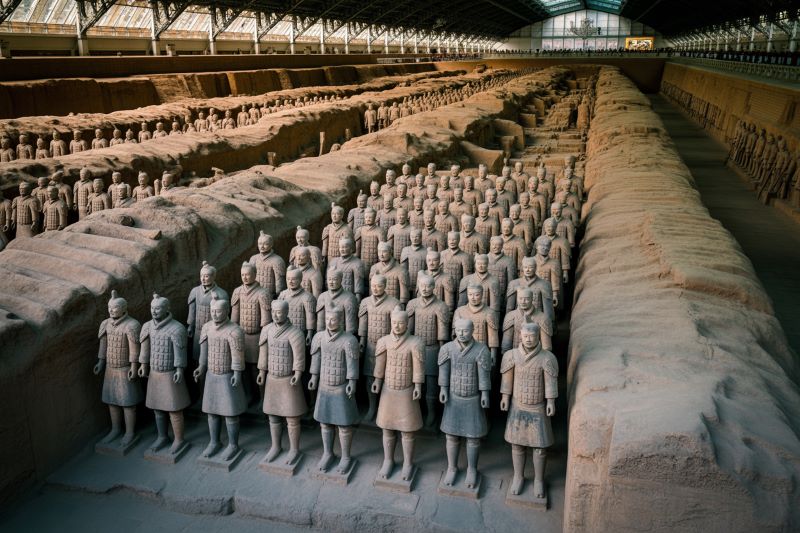
China is taking significant steps to preserve its rich cultural heritage with the launch of new government initiatives aimed at protecting its historical landmarks and heritage sites. With a history stretching back thousands of years, China is home to some of the most iconic and historically significant sites in the world, from the ancient Great Wall to the Terracotta Army in Xi’an. These sites not only represent China’s remarkable past but also attract millions of tourists each year. By enhancing cultural heritage protection, the country is ensuring that future generations will continue to experience these treasures in their original form.

In recent years, China’s tourism sector has grown exponentially, with cultural tourism becoming a key driver of the industry. As one of the world’s oldest civilizations, China’s cultural wealth is a major factor in attracting global visitors. However, with the increasing number of tourists visiting these sites, there has been growing concern about the preservation of these ancient wonders. The Chinese government’s latest moves aim to strike a balance between boosting tourism and protecting the country’s invaluable heritage.

The Government’s Initiative to Protect China’s Heritage

China’s government has recognized the urgent need to protect its cultural landmarks as they face threats from both natural erosion and human activity. As part of its commitment to heritage protection, the government has introduced new measures that focus on conservation, monitoring, and restoration. The government is also working to regulate the tourism flow at sensitive cultural sites, ensuring that the number of visitors does not exceed what these sites can safely accommodate.

According to the National Cultural Heritage Administration (NCHA), one of the key strategies is to create a sustainable tourism model that benefits both the economy and the preservation efforts. This initiative will focus on modern conservation technologies such as 3D scanning and digital preservation, which will allow for accurate restoration and virtual tourism experiences. By embracing these technologies, China is setting a global example for how tourism and heritage protection can go hand-in-hand.

Additionally, the government has pledged to allocate more resources to the maintenance of key historical sites, such as the ancient city of Dunhuang, home to the famous Mogao Caves, and the Forbidden City in Beijing. These resources will help maintain the integrity of these structures, making them safer for visitors while preventing further damage.

Impact on Tourism

The strengthened cultural heritage protection policies will undoubtedly have a positive impact on China’s tourism industry. China’s historical sites are among the most visited in the world, drawing millions of travelers from all over. The protection of these sites will not only preserve their beauty but also enhance their appeal to tourists who are increasingly seeking authentic and sustainable travel experiences.

Travelers today are becoming more aware of the environmental and cultural impact of tourism. Many now seek destinations that offer responsible and sustainable travel options. China’s efforts to protect its cultural heritage will resonate with these tourists, who are looking for meaningful travel experiences. By ensuring that these iconic sites remain well-preserved, the government is ensuring that future visitors can experience them in their full glory.

Furthermore, China’s cultural tourism will continue to be a major contributor to its economy, creating jobs and opportunities for local communities while preserving their cultural identity. The government’s support for heritage tourism will not only attract international visitors but also stimulate domestic tourism. For example, the Terracotta Army in Xi’an has long been a top destination for tourists from around the world. With new protections in place, visitors will continue to be amazed by this ancient wonder while knowing it is being carefully preserved.

Protecting China’s Heritage for the Future

The preservation of China’s cultural heritage is not just a matter of tourism—it is a matter of national pride. These historical sites tell the story of China’s rich and diverse history, reflecting the triumphs and struggles that shaped the nation. By protecting these treasures, China is also safeguarding its cultural identity for future generations.

Moreover, the global appeal of China’s cultural heritage sites continues to grow, with an increasing number of foreign tourists seeking out the nation’s ancient history. With China’s concerted efforts to protect these treasures, the country is ensuring that its tourism sector remains vibrant and sustainable. The fusion of heritage protection and tourism development will make China a top destination for travelers looking to explore a blend of the past, present, and future.

As more international visitors come to appreciate China’s cultural heritage, the government’s initiatives are expected to drive long-term economic benefits, strengthening the connection between cultural preservation and tourism growth. In turn, this will enhance the experience of all visitors, ensuring that China remains a cultural powerhouse for many years to come.

A Bright Future for Cultural Tourism

With its focus on safeguarding cultural heritage while promoting tourism, China is leading the way in sustainable tourism practices. The government’s commitment to preserving historical sites ensures that China’s rich cultural legacy will continue to be a source of pride for its people and a beacon for global travelers. By embracing new technologies and strategies, China is proving that it is possible to protect the past while looking toward the future. For travelers, this means the opportunity to explore some of the world’s greatest cultural treasures—now and in the future—while knowing that these sites are being preserved for generations to come.

The preservation of China’s cultural heritage is a win-win for both tourism and future generations, offering travelers a chance to experience the country’s ancient wonders in a sustainable way. With these initiatives in place, the future of cultural tourism in China is bright, ensuring that the nation’s historical treasures continue to inspire and educate visitors for years to come.

The post China’s Bold Move to Protect Its Cultural Heritage: Is This the Future of Sustainable Tourism That Will Change Travel Forever? appeared first on Travel And Tour World.

Flight Cancellations in Shanghai, Chengdu, Beijing, Chongqing, Nanjing and More Brings Travel Disruption across China as China Eastern Airlines Grounds 20 Flights and Delays over 200, New Update

Flight Cancellations in Shanghai, Chengdu, Beijing, Chongqing, Nanjing and More Brings Travel Disruption across China as China Eastern Airlines Grounds 20 Flights and Delays over 200, New Update

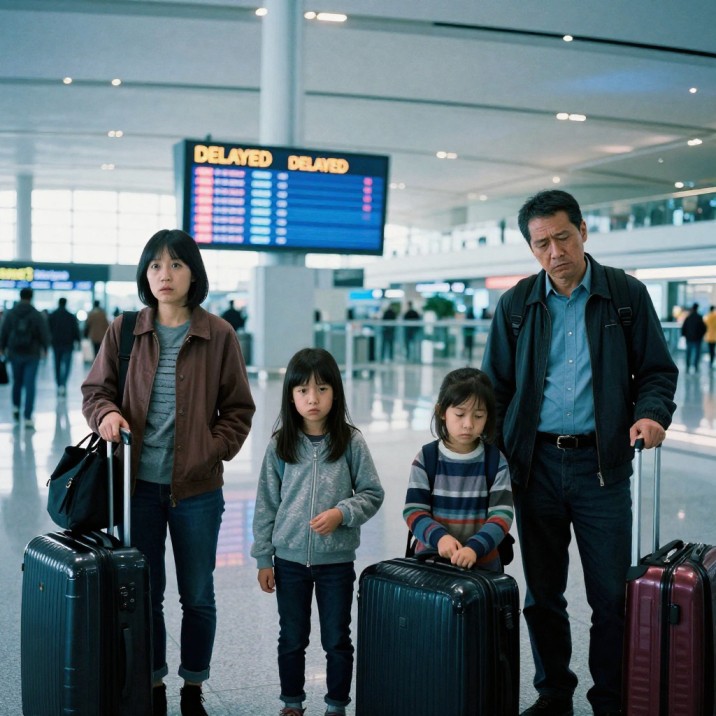
Air travelers across China faced significant upheaval starting on 14th and continuing on 15th December, 2025. China Eastern Airlines announced 20 flight cancellations and reported 295 delays, disrupting travel plans nationwide. This severe operational bottleneck immediately impacted major hubs. For instance, key services to and from Shanghai and Beijing encountered extensive problems. Similarly, the essential connections linking Chongqing and Nanjing experienced substantial irregularity.

The disruptions rapidly spread across the country. Consequently, flights serving dynamic cities like Guangzhou, Chengdu and Nanning also saw major setbacks. Moreover, regional centers felt the ripple effect too; travelers to Dalian, Haikou and Jingzhou faced unexpected wait times. The airline’s network, stretching from Xi’an to Baotou and further to Lanzhou and Taiyuan, struggled under the pressure. This widespread failure has prompted an urgent look into the causes behind China Eastern’s extensive travel disruption.

A Breakdown of the Affected Flights

The operational data reveals that both major and minor Airbus and Boeing aircraft types were impacted, demonstrating the systemic nature of the disruption within China Easterns fleet scheduling. Specifically, aircraft types including the A320, A321, A319, B735, A20N and 737 were observed on the affected routes. Flights were primarily scheduled for both Sunday and Monday, indicating a disruption that spanned across the start of a new week and impacting both leisure and business travel. For instance, the CES5156 service, operated by an A321, was scheduled to connect the capital city of Beijing with Shanghai. Similarly, critical routes involving Chengdu and Haikou were also listed, with the CES6129 and CES6130 flights both being affected. The extensive number of services impacted means a large volume of passengers were left awaiting information regarding their travel plans across various provinces of China.

FlightAircraftOriginDestinationScheduled Departure
CES2926A320Chongqing Jiangbei Int’l (CKG / ZUCK)Nanjing Lukou Int’l (NKG / ZSNJ)Sun 11:50AM CST
CES2734A321Dalian Zhoushuizi Int’l (DLC / ZYTL)Nanjing Lukou Int’l (NKG / ZSNJ)Sun 01:05PM CST
CES5156A321Beijing Capital Int’l (PEK / ZBAA)Shanghai Hongqiao Int’l (SHA / ZSSS)Sun 01:40PM CST
CES2807A321Nanjing Lukou Int’l (NKG / ZSNJ)Guangzhou Baiyun Int’l (CAN / ZGGG)Sun 02:50PM CST
CES6366A320Nanning Wuxu Int’l (NNG / ZGNN)Shanghai Pudong Int’l (PVG / ZSPD)Sun 03:40PM CST
CES6129A320Chengdu Tianfu Int’l (TFU / ZUTF)Haikou Meilan Int’l (HAK / ZJHK)Sun 05:15PM CST
CES2808A321Guangzhou Baiyun Int’l (CAN / ZGGG)Nanjing Lukou Int’l (NKG / ZSNJ)Sun 06:15PM CST
CES2536B735Jingzhou Shashi Airport (SHS / ZHJZ)Shanghai Pudong Int’l (PVG / ZSPD)Sun 06:40PM CST
CES2767A320Nanjing Lukou Int’l (NKG / ZSNJ)Xi’an Xianyang Int’l (XIY / ZLXY)Sun 06:40PM CST
CES6130A320Haikou Meilan Int’l (HAK / ZJHK)Chengdu Tianfu Int’l (TFU / ZUTF)Sun 08:45PM CST
CES2768A320Xi’an Xianyang Int’l (XIY / ZLXY)Nanjing Lukou Int’l (NKG / ZSNJ)Sun 10:05PM CST
CES6681A320Beijing Daxing International Airport (PKX / ZBAD)Chongqing Jiangbei Int’l (CKG / ZUCK)Mon 07:10AM CST
CES2871A320Nanjing Lukou Int’l (NKG / ZSNJ)Baotou (BAV / ZBOW)Mon 07:25AM CST
CES6682A320Chongqing Jiangbei Int’l (CKG / ZUCK)Beijing Daxing International Airport (PKX / ZBAD)Mon 11:25AM CST
CES2695A319Nanjing Lukou Int’l (NKG / ZSNJ)Lanzhou Zhongchuan International (LHW / ZLLL)Mon 03:45PM CST
CES2166A320Shanghai Hongqiao Int’l (SHA / ZSSS)Xi’an Xianyang Int’l (XIY / ZLXY)Mon 06:00PM CST
CES2696A319Lanzhou Zhongchuan International (LHW / ZLLL)Nanjing Lukou Int’l (NKG / ZSNJ)Mon 07:25PM CST
CES5209737Shanghai Pudong Int’l (PVG / ZSPD)Taiyuan Wusu (TYN / ZBYN)Mon 08:00PM CST
CES5431A20NShanghai Hongqiao Int’l (SHA / ZSSS)Chongqing Jiangbei Int’l (CKG / ZUCK)Mon 08:00PM CST
CES5447A321Shanghai Hongqiao Int’l (SHA / ZSSS)Chengdu Shuangliu Int’l (CTU / ZUUU)Mon 09:20PM CST

A detailed review of the scheduled services shows that the disruptions were not limited to a single geographical area but were spread across major air corridors in China. High-traffic routes connecting the eastern and southwestern parts of the country were notably present in the data. For example, connections between Chongqing and Nanjing were affected (CES2926), as were services linking Dalian and Nanjing (CES2734). The financial and commercial hubs of Shanghai were heavily featured, with flights to and from both Shanghai Hongqiao International (SHA) and Shanghai Pudong International (PVG) being compromised. Other prominent cities in the affected flight log include Guangzhou, Nanning, Jingzhou and Xi’an. Flights extending into the north and west of China, such as those involving Baotou, Lanzhou and Taiyuan, also experienced irregularities. The complexity of these interlinked routes suggests a significant bottleneck within the network of China Eastern Airlines.

Delays

The scale of flight delays, numbering 238, suggests a considerable backlog of aircraft and crews across the network. The given percentage of delays, 10%, is a clear indicator that one in ten scheduled flights experienced a setback, which is a substantial rate of operational irregularity. This figure highlights the systemic strain placed upon the airline’s infrastructure.

Affected Airports

Numerous major airports were involved in the disruption. Key hubs across China that saw affected services include:

  • Shanghai (Hongqiao and Pudong International Airports)
  • Beijing (Capital and Daxing International Airports)
  • Nanjing Lukou International Airport
  • Chongqing Jiangbei International Airport
  • Guangzhou Baiyun International Airport
  • Chengdu Tianfu International Airport

Other regional airports that were impacted, extending the geographical scope of the disruption, are those serving cities such as Dalian, Nanning, Haikou, Jingzhou, Xi’an, Baotou, Lanzhou and Taiyuan. The simultaneous impact on multiple major gateways of China suggests a far-reaching operational challenge.

Probable Impact on Local Tourism

The grounding of services and the substantial number of delays are expected to have a tangible, though currently unquantified, effect on local tourism and commerce in the affected regions. Cities like Chengdu, a popular destination known for its cultural heritage and proximity to natural sites and Haikou, a tropical gateway, rely heavily on reliable air transport for both domestic and international visitors. Disruptions to flights connecting Beijing and Shanghai to these regions interrupt the flow of tourists and business travelers alike. The cancellation of twenty flights, coupled with hundreds of delays, will directly impact hotel bookings, local transportation services and attraction attendance in destinations such as Nanjing, Xi’an and Guangzhou. The uncertainty caused by the poor reliability of flights to and from China’s major cities can dampen traveler confidence.

What Affected Passengers Can Do Now

Passengers whose flights were cancelled or delayed are advised to immediately contact China Eastern Airlines or their booking agent. Recourse options generally include being rebooked onto the next available flight to their final destination, such as Taiyuan or Lanzhou, or being provided with a full refund for the cancelled portion of their journey. Flight status should be consistently checked via official airline channels, particularly for services originating from or destined for high-traffic airports in Shanghai and Beijing. Comprehensive records of the cancelled or delayed flight, including the flight number and scheduled departure time, should be maintained, as these documents are typically required when requesting rebooking or compensation. The operational issues affecting air travel across China necessitate patience and proactive communication from all affected passengers.

-The information provided is sourced from FlightAware.

The post Flight Cancellations in Shanghai, Chengdu, Beijing, Chongqing, Nanjing and More Brings Travel Disruption across China as China Eastern Airlines Grounds 20 Flights and Delays over 200, New Update appeared first on Travel And Tour World.

World’s Longest Direct Flight from Shanghai to Buenos Aires: Connecting China, Argentina, and New Zealand- A Game Changer for Trade and Tourism

World’s Longest Direct Flight from Shanghai to Buenos Aires: Connecting China, Argentina, and New Zealand- A Game Changer for Trade and Tourism
World’s Longest Direct Flight from Shanghai to Buenos Aires

In a groundbreaking move that is set to change the dynamics of global travel and trade, China Eastern Airlines has launched the world’s longest commercial flight route, connecting Shanghai and Buenos Aires with a stop in Auckland. This direct flight marks the start of an era where long-haul journeys between the Southern Hemisphere and East Asia are no longer a distant dream. The route not only saves valuable travel time for passengers but also presents immense opportunities for business and cultural exchanges between China and Argentina, two major global economies.

Spanning approximately 20,000 kilometers, the flight is expected to facilitate smoother connections, shorten journey times, and reduce jet lag caused by multiple layovers. But beyond the operational success, it holds the key to unlocking an entirely new economic corridor. By connecting the Southern Hemisphere to East Asia, the route strengthens trade ties, boosts tourism, and enhances bilateral relations, particularly for South America and China.

A New Era of Trade and Connectivity: How This Flight Benefits Argentina

For Argentina, a country known for its agricultural exports like cherries and fresh salmon, the new Shanghai-Buenos Aires flight has opened up an invaluable opportunity to access the Chinese market more efficiently. Before the establishment of this direct connection, Argentine businesses faced lengthy delays and multiple connections to reach Chinese consumers. The direct air route, however, now enables smoother and quicker transport of goods, maintaining the quality and freshness of perishable items that are critical in international trade.

The inaugural flight, which took place on December 4, 2025, showcased a 96 percent occupancy rate, indicating high demand for this new route. Following the initial flights, the cargo volume carried by the aircraft has surged, with e-commerce goods and precision instruments making up a significant portion of the outbound cargo. This surge in goods transportation highlights the potential for e-commerce companies and high-tech industries in both regions to take advantage of more reliable and faster shipping options.

Unlocking New Business Opportunities: Argentina and China’s Growing Partnership

The flight is already yielding promising results for Argentine businesses looking to expand into the Asian market. Companies like Extraberries, a producer of premium Argentine cherries, have expressed excitement about the new route, as it allows for quicker delivery of their goods, a critical factor in maintaining freshness. This has enabled Argentine exporters to explore new retail and e-commerce avenues, ensuring that their products reach consumers in China with minimal delay.

As more businesses from South America and China establish relationships, the flight is expected to further streamline trade, particularly in sectors like agriculture, tourism, and logistics. The enhanced connectivity allows for better business cooperation and the easy flow of goods between the two regions, creating new avenues for economic growth.

Boosting Tourism: A Direct Route for Travelers and Cultural Exchange

Not just an economic booster, this new route also carries profound implications for tourism. With Argentina being a popular tourist destination in South America, especially for travelers seeking unique experiences like tango shows and cultural tours, the new flight provides easy access for tourists from China to explore the vibrant landscapes of Buenos Aires, Mendoza, and Patagonia.

The low season in the Northern Hemisphere further positions Argentina as an ideal getaway for Chinese tourists, who are now looking for distinctive destinations. With cultural experiences like tango shows and wine tasting, travelers from China will have access to an entirely new set of attractions, enhancing the overall tourism offering. Meanwhile, tourism professionals are already planning new packages and experiences to cater to the increasing number of Chinese visitors who will soon be arriving in Buenos Aires.

Tourism Tips for Travelers: Making the Most of the Shanghai-Buenos Aires Route

  • Plan your trip well: Take advantage of the convenient direct flight and explore unique South American destinations without the hassle of long layovers. Buenos Aires is a great starting point, but consider taking short domestic flights to other attractions like Bariloche or Iguazu Falls.
  • Business or leisure? Whether you’re traveling for business or leisure, make sure to book in advance to ensure you get the best rates. The flight is a perfect gateway for both entrepreneurs looking to expand their market reach and tourists eager to explore new cultures.
  • Cultural immersion: For those interested in immersing themselves in the local culture, tango shows, wine tours, and visiting historical landmarks should be on your list. Argentina offers a rich mix of European and Latin American culture, making it a fascinating destination for visitors from China.
  • Connectivity for business travelers: If you’re a business traveler looking to explore potential markets, this route provides the perfect opportunity to meet with South American entrepreneurs and attend trade fairs that were previously challenging to access.

A New Path for Multi-Sector Cooperation

As the direct flight continues to operate, China Eastern Airlines has announced plans to expand its partnership with Argentine Airlines, ensuring more seamless connections and better options for travelers. This partnership will likely lead to the introduction of more flight routes, creating a more robust network between the Southern Hemisphere and East Asia.

Moreover, professionals in the tourism and cultural sectors are anticipating a significant rise in people-to-people exchanges between the two countries. With enhanced connectivity, there is great potential for academic forums, sporting events, and cultural festivals to take place, further strengthening bilateral relations. In turn, these exchanges will promote mutual understanding, with tourists and students seeking to experience new cultures and gain insights into diverse ways of life.

A New Global Connector

This Shanghai-Buenos Aires route is more than just a flight; it’s an essential link in the growing network of global trade, tourism, and cultural exchanges. It’s an investment in the future, one that can transform the way people from China and Argentina – as well as the broader Southern Hemisphere – interact with each other. As the world continues to globalize, direct routes like these play a pivotal role in shaping the future of international commerce, tourism, and cross-cultural understanding.

This route is a clear example of how aviation can bring the world closer together, not only reducing travel times but also creating new opportunities for people-to-people interaction and business collaboration. It has set the stage for more partnerships to flourish, bringing tangible benefits to both regions while fostering a greater sense of global community.

The post World’s Longest Direct Flight from Shanghai to Buenos Aires: Connecting China, Argentina, and New Zealand- A Game Changer for Trade and Tourism appeared first on Travel And Tour World.

Scotland-China Travel Reaches New Heights with Direct Flights Connecting Cultural Heritage, Modern Innovation and Coastal Escapes

Scotland-China Travel Reaches New Heights with Direct Flights Connecting Cultural Heritage, Modern Innovation and Coastal Escapes

Scotland-China travel is entering an exciting new era as year-round direct flights from Edinburgh to Beijing make the country more accessible than ever. The route opens doors to an extraordinary blend of experiences, allowing travellers to explore China’s rich cultural heritage, witness cutting-edge technological innovation, and unwind along sun-drenched coastal retreats. From historic landmarks and bustling modern cities to serene landscapes and tropical beaches, Scottish visitors now have the opportunity to immerse themselves in a diverse range of destinations within a single journey, marking a significant milestone for tourism ties between the two countries.

The trip began in Shanghai, a city where history and technology coexist seamlessly. Towering skyscrapers line streets filled with historic architecture, while traditional neighborhoods sit alongside vibrant commercial hubs. Panoramic views from Shanghai’s iconic towers displayed a city in constant motion, yet rooted in its rich past. Streets filled with electric vehicles and advanced public transport systems demonstrated the city’s leadership in sustainable urban development.

Shanghai’s cultural vibrancy was equally striking. Visitors wandered through historic districts along the Bund, explored lantern-lit waterways, and visited tranquil temples nestled amid the city’s bustling energy. This unique blend of old and new allows travellers to experience centuries of tradition alongside the pace of modern city life.

The journey continued via high-speed rail to Hangzhou, where natural landscapes and cutting-edge technology intersect. The renowned West Lake, surrounded by temples, gardens, and mountains, offered a serene escape reminiscent of Scotland’s scenic lakes. Just beyond its peaceful shores, innovation hubs and digital corridors showcased AI technology, intelligent robotics, and smart urban planning, reflecting China’s global leadership in technology while preserving its cultural heritage.

Cultural immersion formed a core component of the visit. Delegates engaged in traditional activities such as picking Longjing tea leaves, learning ancient rice wine brewing techniques, and navigating lively markets where craftsmanship meets seamless digital payments. Food markets were particularly memorable, displaying a vibrant mix of fresh ingredients and efficient operations capable of serving large urban populations.

Beijing offered further exploration of China’s historical depth. Visits to the Great Wall and the Forbidden City highlighted the country’s architectural and cultural achievements, while interactions with local residents brought a human dimension to the journey. Visitors also noted the affordability of daily life, including low-cost metro rides and reasonably priced meals, illustrating opportunities for travel operators to design premium-feeling itineraries that remain accessible to European travellers.

The direct Edinburgh-Beijing route, operated year-round by Hainan Airlines, played a critical role in connecting Scotland with China. Beyond linking the two capitals, the service opens strategic travel opportunities across Asia, including multi-destination itineraries to other Chinese cities, Southeast Asia, and Australia. This connectivity allows Scottish tourists to combine cultural exploration with extended regional travel.

Organized by the China National Tourist Office London, the tour also paved the way for collaborative tourism initiatives. Future travel packages could combine Beijing’s historic and cultural landmarks with Hainan’s tropical beaches, luxury resorts, and duty-free shopping. The upcoming launch of independent customs operations in Hainan Free Trade Port enhances the island’s appeal for international visitors, enabling smoother travel experiences and encouraging longer stays.

China’s combination of history, innovation, affordability, and accessibility positions it as a compelling destination for Scottish travellers. Dual-destination itineraries that pair Beijing’s cultural richness with Hainan’s coastal leisure experiences offer a novel holiday concept, blending heritage exploration, relaxation, and modern conveniences in a single journey.

The visit marks a significant milestone in Scotland-China tourism, highlighting vast opportunities for cultural exchange, leisure travel, and business collaboration. With direct flights, diverse experiences, and accessible costs, China is emerging as a destination that can provide European travellers with memorable, immersive, and convenient travel options.

The post Scotland-China Travel Reaches New Heights with Direct Flights Connecting Cultural Heritage, Modern Innovation and Coastal Escapes appeared first on Travel And Tour World.

China’s Travel Advisory for Japanese Cities: Affected Areas Include Tokyo, Osaka, and Kyoto Amid Political Tensions and Natural Disasters, Everything You Need to Know About Travel Safety for Chinese Tourists

China’s Travel Advisory for Japanese Cities: Affected Areas Include Tokyo, Osaka, and Kyoto Amid Political Tensions and Natural Disasters, Everything You Need to Know About Travel Safety for Chinese Tourists
China’s Travel Advisory for Japanese Cities

In a significant move, China has issued a travel advisory for its citizens, urging them to reconsider or postpone any planned trips to Japan. This advisory comes amidst growing political tensions between the two nations, as well as escalating natural disasters in Japan. The Chinese government’s decision underscores its responsibility to safeguard the welfare of its citizens abroad, particularly in the wake of a series of devastating earthquakes and tsunamis in Japan. Travelers are advised to stay updated with emergency alerts and avoid high-risk areas. With over 100,000 individuals in Japan currently under evacuation orders, Chinese officials have reiterated the importance of personal safety during these tumultuous times. As the situation continues to unfold, Chinese citizens are urged to remain vigilant and follow all safety protocols.

Rising Tensions Between China and Japan

In recent weeks, Japan has witnessed an uptick in diplomatic tension with China, largely spurred by remarks from Japan’s Prime Minister, Sanae Takaichi, regarding Taiwan. The political discourse has contributed to an increasingly strained relationship between the two countries, leading to the Chinese government’s precautionary steps to ensure the safety of its citizens. As political rhetoric intensifies, the Chinese Ministry of Foreign Affairs has emphasized the importance of maintaining peaceful dialogue, though it remains clear that recent statements by Japan’s leadership have caused significant unrest within China.

China’s advisory also alludes to ongoing concerns over Japan’s security policies and military actions, which have further deepened the diplomatic divide. As a result, Chinese officials are closely monitoring the situation, advising travelers to stay informed and exercise caution during their time in Japan. With such political friction, the travel advisory is seen not only as a safety precaution but also as a reflection of the diplomatic strains between the two neighboring nations.

Urgent Travel Alert for Chinese Nationals

Issued by both the Chinese Ministry of Foreign Affairs and its consulates across Japan, the travel alert advises Chinese citizens to monitor emergency alerts closely, particularly for any updates related to earthquakes, tsunamis, and other secondary disasters that may occur. Japan, particularly its coastal regions, has recently experienced multiple powerful earthquakes and tsunami warnings, which have caused widespread damage and significant loss of life. As many as 100,000 people have been evacuated from various regions, while government officials warn that further seismic activity may occur in the coming days.

For travelers, the advisory emphasizes the need to stay alert and avoid high-risk zones, especially in coastal areas prone to earthquake-induced tsunamis. The advisory also strongly encourages Chinese nationals to follow local evacuation instructions immediately in case of further emergencies. Given the unpredictability of natural disasters, travelers are urged to take extra precautions for their safety and well-being while in Japan.

What Travelers Should Do: Safety Tips for Chinese Tourists in Japan

For Chinese tourists currently in Japan or planning to travel there soon, several important safety measures should be followed to ensure their well-being:

  1. Stay Informed: Ensure you are receiving the latest updates about seismic activity and natural disasters through official sources, including the Chinese consulate in Japan and Japan’s local authorities.
  2. Follow Evacuation Orders: In case of an emergency, immediately follow local evacuation instructions. Japanese authorities will issue directives on where to go and how to stay safe during natural disasters.
  3. Avoid High-Risk Areas: Stay away from coastal regions and earthquake-prone areas, which are at greater risk of tsunamis and other secondary disasters. Cities along the coast are often the most vulnerable.
  4. Emergency Kits: Carry an emergency kit with essential supplies like water, food, medications, and a flashlight. This can be crucial in the event of sudden evacuations or power outages.
  5. Stay in Contact: Regularly check in with family or friends to update them on your whereabouts, especially if you’re located in an area at risk for natural disasters.

Impacts on Tourism and Travel Industry

The Chinese government’s travel advisory is expected to have a significant impact on tourism, particularly between China and Japan. With China being one of Japan’s largest sources of international visitors, this advisory may lead to a sharp decline in Chinese tourist arrivals, affecting hotels, airlines, and other sectors reliant on international travelers. The tourism industry in Japan has been grappling with challenges related to natural disasters, and this additional political strain could further dampen the recovery efforts that have been underway since the pandemic.

Japan’s tourism industry had begun to bounce back following the easing of travel restrictions, but the combination of natural disasters and the travel advisory could slow this recovery. As Chinese tourists opt to cancel or reschedule their trips, businesses across Japan may face financial difficulties. However, it is worth noting that Japan remains a key player in East Asia’s tourism sector, with other countries and regions expected to fill some of the gaps left by Chinese travelers.

Broader Implications for International Relations

The travel advisory also highlights the broader implications for China-Japan relations. The advisory serves as a reminder of the significant role that diplomatic relations play in global travel, as political tensions often have direct effects on tourism and travel patterns. Despite the recent strains, China and Japan have historically maintained strong economic and cultural ties, with Japan being one of China’s most important trading partners. The advisory reflects not only a diplomatic tool but also an effort to protect national interests and ensure the safety of Chinese citizens abroad.

Moving Forward: A Path to Diplomacy

As the situation unfolds, the need for open dialogue between China and Japan remains critical. While the current environment is challenging, diplomatic efforts must continue to ease tensions and rebuild the trust necessary for stable and peaceful relations. Both nations are aware of the importance of maintaining regional peace and stability, and as such, it is hoped that diplomatic channels will remain open despite the current political climate.

The post China’s Travel Advisory for Japanese Cities: Affected Areas Include Tokyo, Osaka, and Kyoto Amid Political Tensions and Natural Disasters, Everything You Need to Know About Travel Safety for Chinese Tourists appeared first on Travel And Tour World.

Xizang Tourism Sector Grows with More than Fifty Tourist Resources Identified, Driving its New Sustainable Tourism Development and Rising Visitor Numbers

Xizang Tourism Sector Grows with More than Fifty Tourist Resources Identified, Driving its New Sustainable Tourism Development and Rising Visitor Numbers

The Xizang Autonomous Region, located in southwest China, has experienced considerable growth within the tourism industry due to the discovery and recognition of more than 58,000 tourist resources within the previous two years. A total of 31,000 tourist resources were discovered and recognized. The result was unveiled at a recent meeting conducted in Lhasa. The meeting brought to light the success achieved within the tourist resource survey conducted in August 2023.

A total of 74 counties and districts in Xizang were surveyed, and it unearths a treasure trove of cultural and natural tourist spots. This project marks Xizang as a destination that is developing at a rapid pace and offering opportunities for tourists who want to be a part of this untapped destination with so much on offer, ranging from eco-tourism at high-altitude destinations to exploring various cultural spots. Uncovering and promoting these tourist resources would form an integral part of developing the tourism sector in Xizang.

Tourism Resources Boost Economic Growth and Sustainable Development

The increased visibility of Xizang’s tourism resources has already started to impact the region’s economy positively. By identifying and promoting new tourist attractions, the government is fostering sustainable tourism development that balances growth with the preservation of the region’s unique landscapes and cultural heritage. The growth in tourism revenue will help support local businesses, create jobs, and contribute to economic diversification, reducing dependency on traditional industries.

This tourism-driven economic growth also aligns with China’s broader goals for sustainable development, particularly in remote regions like Xizang, where tourism offers new avenues for income and local empowerment. As the region promotes eco-tourism and cultural tourism, there is a growing opportunity to enhance the visitor experience while minimizing environmental impact, fostering a model of tourism sustainability that can be replicated in other developing regions.

Emerging Trends: Border Tourism, High-Altitude Wellness, and Cultural Exploration

Xizang’s tourism sector is experiencing a rise in niche tourism categories that are capturing global interest. The “We Bloom!” campaign, part of the government’s broader tourism push, has focused on border tourism, high-altitude health and wellness, plateau ecology, and heritage tourist routes. These specialized areas offer travelers a more personalized and meaningful experience, leading to increased interest in visiting remote areas of the region.

With growing interest in wellness tourism, especially in high-altitude environments, Xizang offers visitors a chance to experience well-being retreats in its natural surroundings. Additionally, Indigenous culture, sacred sites, and natural heritage are becoming key attractions for travelers seeking cultural tourism and eco-tourism experiences. The integration of health tourism with cultural and eco-tourism provides a diversified offering that appeals to a broad spectrum of travelers.

Increasing Visitor Numbers: The Impact on Local Communities

In 2024, Xizang welcomed nearly 63.9 million visitors—a 15.81% increase over the previous year, reflecting the growing interest in the region as a travel destination. This tourism growth has a direct impact on local communities, as visitors spend money on accommodation, transport, local dining, and tourist services. Increased tourism brings economic benefits to smaller towns and villages that are typically overlooked by mainstream travelers.

The tourism surge has also spurred improvements in infrastructure, such as the development of hotels, transportation networks, and eco-friendly tourist sites. This, in turn, provides locals with new job opportunities in sectors such as hospitality, tour guiding, and local crafts, ensuring that economic benefits from tourism are felt by communities throughout Xizang.

Sustainable Tourism: Balancing Growth with Conservation

Xizang’s tourism growth presents an opportunity to balance economic development with environmental protection. The region’s unique ecosystems and fragile habitats require careful management to prevent over-tourism and environmental degradation. To support sustainable tourism, Xizang is implementing eco-friendly practices in the construction of tourist infrastructure and promoting conservation-focused tourism activities that highlight the region’s natural beauty.

By encouraging responsible tourism, Xizang aims to protect its environmental integrity while ensuring that tourism growth benefits both local communities and the natural landscape. The success of these efforts will depend on ongoing collaboration between tourism operators, local communities, and government authorities, ensuring that the region’s growth remains sustainable and aligned with preservation goals.

Future Prospects: The Growing Role of Digital Tourism in Xizang’s Development

The identification of more than 58,000 tourist resources in Xizang also signals a shift toward digital tourism, where online platforms and mobile applications play an essential role in providing travelers with access to information about the region’s attractions. As smart tourism continues to rise globally, Xizang is set to benefit from digital tools that enhance the visitor experience by offering real-time information on accommodation, activities, and cultural events.

The region is also investing in tourism technology to create data-driven solutions that promote sustainable travel while improving the overall visitor experience. As digital tourism becomes more widespread, Xizang’s ability to attract tech-savvy travelers will further accelerate the growth of the tourism economy.

Xizang’s Bright Future in Tourism

By identifying more than 58,000 tourist resources, Xizang is clearly making efforts to build the foundation for a sustainable tourist sector. By adopting responsible and eco-friendly methods, it will be ensured that with the growth of tourist activities in the region, benefits will be provided to its people as well as will be maintained.

As an increasing number of tourists make their way to Xizang with its natural wonders and rich cultures, Xizang will have an ever more prominent position within China’s tourism industry and will offer tourists an experience immersed within one of the world’s most remote and beautiful locations. As it continues to develop and inspire tourism concepts and ideas, Xizang is on a bright future path within the global tourism scene.

The post Xizang Tourism Sector Grows with More than Fifty Tourist Resources Identified, Driving its New Sustainable Tourism Development and Rising Visitor Numbers appeared first on Travel And Tour World.

Discover the Future of Travel at Aloft Shanghai Hongqiao: A New Luxury Stay in Shanghai

Discover the Future of Travel at Aloft Shanghai Hongqiao: A New Luxury Stay in Shanghai

The opening of the Aloft Shanghai Hongqiao marks an exciting new addition to Shanghai’s West Hongqiao Business District, one of the city’s most strategic commercial zones. As part of Marriott Bonvoy’s global portfolio, Aloft Hotels introduces a vibrant, design-driven hotel that combines modern aesthetics with cutting-edge technology, providing a unique experience tailored to the needs of today’s business and leisure travelers. This new property further strengthens Marriott’s presence in Shanghai, particularly in the heart of the Hongqiao transport hub, which is known for its high connectivity and proximity to key venues like the National Exhibition and Convention Center.

A Strategic Location in Shanghai’s Dynamic Business Hub

The Aloft Shanghai Hongqiao hotel is ideally situated in one of the city’s most important commercial and transport centers. Hongqiao, already recognized as a major transportation hub, connects to Shanghai’s key infrastructure, including the Hongqiao International Airport, Hongqiao Railway Station, and the city’s extensive metro system. The hotel’s location in the West Hongqiao Business District allows guests to easily access the airport, transportation terminals, and nearby business districts, making it the perfect choice for both corporate travelers and tourists visiting the area.

As Shanghai continues to grow as a global business and cultural center, this strategic location at the intersection of transportation, business, and tourism is expected to attract a steady stream of visitors. The hotel’s proximity to the National Exhibition and Convention Center makes it a prime choice for those attending events, conferences, or trade shows in the area, offering both convenience and accessibility.

Tech-Forward Design Tailored to Modern Travelers

Aloft Shanghai Hongqiao introduces a tech-forward experience designed to meet the expectations of today’s connected travelers. The hotel’s interior design combines contemporary elements with innovative technology to create an environment that feels both stylish and functional. The guest rooms are equipped with high-tech amenities, including fast Wi-Fi, smart TVs, and USB ports, ensuring that guests stay connected and productive throughout their stay.

The lobby of the Aloft Shanghai Hongqiao offers a lively, welcoming atmosphere, with bold, modern design elements and creative use of space that aligns with the brand’s signature style. The hotel’s public spaces, including a sleek bar and a stylish lounge, provide the perfect settings for guests to unwind, socialize, or work while enjoying a vibrant ambiance. The overall design is aimed at enhancing the experience of travelers, combining comfort with a sense of energy and creativity that reflects Shanghai’s dynamic urban environment.

Unique Amenities for Business and Leisure Travelers

Aloft Shanghai Hongqiao provides a range of amenities to cater to both business and leisure travelers. The hotel’s 24-hour fitness center is equipped with state-of-the-art equipment for those looking to maintain their fitness routines while on the go. For business guests, the hotel offers flexible meeting and event spaces, complete with advanced audiovisual technology, making it an ideal venue for corporate gatherings, presentations, and small conferences.

Guests can also enjoy a variety of dining options within the hotel. The Re:fuel by Aloft café serves a range of international and local dishes, offering a casual and convenient dining experience for busy travelers. For those looking to relax after a long day, the hotel’s W XYZ Bar provides a lively atmosphere, with signature cocktails and a selection of snacks, perfect for socializing or unwinding.

The hotel’s self-check-in kiosks and mobile key feature reflect its commitment to providing guests with a seamless, tech-savvy experience. These innovations are part of the brand’s broader approach to creating a personalized and frictionless stay, enhancing convenience for guests arriving or departing at any time of day.

Cultural and Community Connections

Aloft Shanghai Hongqiao goes beyond just providing a place to stay; it actively engages with the local community and reflects Shanghai’s cultural diversity. The hotel’s design incorporates elements inspired by the city’s heritage and urban transformation, allowing guests to experience both contemporary and traditional aspects of Shanghai’s identity. Local art is also displayed throughout the hotel, highlighting the city’s vibrant artistic scene and fostering a deeper connection between guests and the city.

As part of its community engagement, the hotel hosts various events and activities designed to promote local culture and connect guests with Shanghai’s dynamic arts, food, and entertainment scenes. Aloft Hotels is known for its Live at Aloft music series, which showcases live performances by local and international artists. This series is likely to be a key feature at the Shanghai Hongqiao location, offering guests the opportunity to experience the city’s music scene while enjoying the hotel’s relaxed, stylish atmosphere.

Sustainable Hospitality Practices

In line with Marriott’s commitment to sustainability, Aloft Shanghai Hongqiao incorporates eco-friendly practices throughout the hotel. These initiatives include energy-efficient lighting, water-saving systems, and waste reduction strategies that help minimize the hotel’s environmental footprint. The hotel also participates in Marriott’s Serve 360 program, which focuses on sustainability, community engagement, and responsible business practices.

Guests at the hotel can feel confident that their stay is contributing to the sustainability efforts in the region. The hotel’s sustainable initiatives are an important part of the growing trend in the global hospitality industry, where travelers are increasingly seeking environmentally responsible options.

Conclusion: A New Era of Hospitality in Shanghai

Aloft Shanghai Hongqiao is more than just a place to stay; it is a reflection of the future of urban hospitality, combining cutting-edge technology, modern design, and exceptional service to provide a truly memorable experience. With its strategic location, luxurious amenities, and focus on sustainability, the hotel is poised to become a key player in Shanghai’s tourism and business markets.

Whether visiting for business, leisure, or a combination of both, guests at the Aloft Shanghai Hongqiao can expect a seamless, stylish, and tech-savvy stay that reflects the vibrancy of one of the world’s most exciting cities. As Shanghai continues to be a major global hub, Aloft Shanghai Hongqiao will undoubtedly play an essential role in welcoming travelers and enhancing their experience of this dynamic metropolis.

The post Discover the Future of Travel at Aloft Shanghai Hongqiao: A New Luxury Stay in Shanghai appeared first on Travel And Tour World.

International Tourists Embrace Chinese Culture Through Hanfu Experiences, Sharing New Cultural Journeys on Social Media and Showcasing Traditional Attire

International Tourists Embrace Chinese Culture Through Hanfu Experiences, Sharing New Cultural Journeys on Social Media and Showcasing Traditional Attire

As international tourists enter the ancient streets of Kunming, capital city of Yunnan Province, they find themselves transported back in time due to the traditional architectural designs seen in the city. Among these tourists who visited China and fell in love with its culture and traditions is Parn Sivlai, a blogger from Laos with more than 1.2 million fans. Sivlai was amazed at the experience store for Hanfu, traditional Chinese dresses.

The rising popularity of wearing cultural experiences, Hanfu photo shoots, is transforming China’s tourism sector. Foreign tourists are no longer interested in mere sightseeing. Rather, they want and should be offered authentic experiences that allow them to connect with China’s rich culture. By wearing Hanfu and taking part in cultural activities, tourists are making an effort to bond with China’s culture.

Boosting Tourism with Social Media and Streamlined Access

China has actively promoted cultural experiences like Hanfu photoshoots on social media platforms, driving engagement and interest from international tourists. Xitang Ancient Town is a prime example of this approach, offering online ticket purchases and group discounts that have contributed to a 40.5% rise in group visits. By simplifying access to these cultural experiences, the town has become a popular destination for both Chinese and international visitors.

Experts believe the growing popularity of photoshoots in traditional Chinese attire is partly due to improved convenience for inbound travel, with visa-free entries reaching over 7 million foreign arrivals in the third quarter of 2025. This represents a 48.3% year-on-year increase in international tourism, reflecting a shift from quick sightseeing to deeper, experiential tourism that emphasizes engagement with China’s cultural heritage.

Experiential Tourism: Connecting Through Fashion and Culture

Traditional Chinese attire like Hanfu, Qipao, and other ethnic costumes represent not just fashion, but also history, craftsmanship, philosophy, and etiquette. By donning these garments and participating in photoshoots, tourists gain a tangible cultural connection to China. Rather than simply visiting landmarks, they engage with the deeper meanings and stories embedded in the clothing, enhancing their understanding of Chinese culture.

The photos shared on social media quickly become popular “check-in routes” for others to follow, further amplifying the trend and attracting more visitors. Chinese netizens respond with warmth and inclusiveness, often leaving welcoming messages such as “Welcome back!” or “Be sure to try our local snacks!” in the comments, fostering a sense of cultural exchange and community.

The Growing Importance of Cultural Engagement for International Visitors

Experts argue that this trend signals a shift toward deeper cultural engagement by international visitors. It reflects a broader desire to experience Chinese aesthetics not just as a visual element, but as a living, breathing part of the culture. Tourists are no longer just passively observing; they are actively participating in the cultural fabric of China by engaging with its history, crafts, and traditions. This move toward experiential tourism is reshaping how international visitors experience China, moving beyond the traditional sightseeing model into more interactive, meaningful connections.

This trend also highlights that Chinese people are equally eager to share their cultural heritage with visitors. By inviting international tourists to experience the country’s traditional clothing, Chinese society is encouraging them to look beyond the pictures and connect with the everyday life and spirit of the culture.

Future Impact: A New Era of Tourism and Cultural Exchange

The rise of wearable cultural experiences like Hanfu photoshoots signals a major shift in the future of tourism. As experiential tourism continues to grow, travelers will seek authentic and interactive cultural encounters that go beyond passive consumption of tourist attractions. This trend will likely lead to further growth in cultural tourism, as destinations across China, and the world, continue to capitalize on the demand for immersive experiences.

For China, this shift could bring long-term economic benefits as the country expands its tourism offerings beyond traditional sightseeing to include cultural and aesthetic engagement. Cultural tourism tied to traditional attire, art, and history could provide sustainable growth for local economies, particularly in areas with rich cultural heritage. This is a win-win for both tourists, who seek deeper connections with the culture, and for local communities, who benefit from increased tourism and cultural pride.

A New Era of Cultural Engagement and Tourism in China

As this phenomenon continues, it becomes increasingly clear that China’s tourism sector will be thriving and capitalizing on experiential travel, with an emphasis on cultural experience and heritage. As China’s tourism industry allows tourists to enter and experience its rich historical background via fashion, it marks the beginning of a new era for global cultural interactions. The relationship with China and its tourism sector continues to develop and be based on authentic cultural experiences.

The post International Tourists Embrace Chinese Culture Through Hanfu Experiences, Sharing New Cultural Journeys on Social Media and Showcasing Traditional Attire appeared first on Travel And Tour World.
❌