Reading view

Europe’s Heart Beats Stronger: Disney Adventure World Unveils Emotional French Score, Promising Tourism Surge in Paris

Europe’s Heart Beats Stronger: Disney Adventure World Unveils Emotional French Score, Promising Tourism Surge in Paris

Every journey begins with a feeling. It starts with a spark of excitement deep inside us. This feeling grows as we plan that perfect trip. For travelers dreaming of a French escape, a new kind of magic is coming. The feeling of wonder will soon be stronger than ever. Disney Adventure World, Paris is preparing for a landmark transformation. This change promises a major boost to European tourism.

A New Era of French Grandeur for Global Travelers

The resort will introduce the world to Disney Adventure World. This reimagined second gate opens its doors on March 29, 2026. It marks an ambitious step for Europe’s premier tourist destination. The park is undergoing a multi-year, multi-billion-euro expansion plan. This investment reaffirms the resort’s role as an economic powerhouse for France. The resort alone accounts for six percent of all French tourism revenue. This new era of development is set to increase this vital contribution significantly.

The most recent announcement focuses on the park’s soundtrack. It gives us a first listen to the sweeping new music. Music is a powerful force that moves people across borders. This original score will greet guests on the new Adventure Way entrance path. It sets the emotional tone for the grand adventure ahead. This commitment to detail highlights the massive scale of the new guest experience.

The Sound of Adventure: A Parisian Touch

Disney turned to French creative talent for this key element. The composer is Philippe Rombi, nominated four times for a prestigious César Award. Rombi’s work blends grand cinematic scope with classic French musical elements. This choice is a significant nod to the host country. It grounds the universal Disney magic in a distinctly European sensibility.

The new 40-minute score was recorded in London. It used the famed Abbey Road Studios. A massive 84-musician orchestra brought the music to life this past summer. This includes lush strings, powerful horns, and an ethereal harp. The resort’s Vice President of Imagineering, Michel den Dulk, shared the team’s vision. He explained the score needed French roots but with big, emotional Hollywood magic. The composer was deeply honored by this major task. Rombi noted that entrusting original music for an entire area to a French composer is very rare. He viewed it as a true recognition of his professional work.

The composer said his inspiration came from powerful themes. These themes include adventure, travel, wonder, and distant horizons. The music will reflect the promenade’s detailed features. Subtle musical nods will accompany movie-inspired gardens. The score references classics like Peter Pan and 101 Dalmatians. It also includes the popular favorite Tangled. This thoughtful immersion begins the moment a guest arrives.

Tourism Impact: An Irresistible Destination

The expansion of Disney Adventure World is a key driver for future tourism growth. The resort already welcomes millions of visitors annually. This new development guarantees fresh appeal for repeat visitors. It also attracts new international travelers to the Paris region. The park transformation will roughly double the park’s physical footprint. It will reimagine over 90 percent of the second park’s original offerings.

The opening will feature spectacular new themed lands. These lands include the highly anticipated World of Frozen. Other new worlds will be based on The Lion King and Marvel’s Avengers. Adventure Way is the central avenue connecting these immersive worlds. The new music creates an immediate, welcoming emotional layer for the entire experience. New dining locations and a central lake, Adventure Bay, will also debut. The scale of this multi-faceted development is unprecedented in the resort’s history.

The French government has long supported the resort’s development. They recognize its profound economic importance. This strategic investment in a premier destination reinforces France’s appeal. It solidifies the country’s position as a global tourism leader. The resort is a huge employer in the Île-de-France region. Continued investment creates thousands of direct and indirect jobs. The resort’s success fuels local businesses and infrastructure growth.

This is more than just a new theme park attraction. It represents a bold new chapter for European travel. The entire region benefits from the increased visitor traffic. Travelers from across the globe will come to experience the new music and lands. They will explore new attractions and themed restaurants. This massive expansion is designed to turn a day trip into a multi-day stay. This extended visit directly boosts hotel occupancy and local spending.

Wind – Up

Ultimately, the new original score is a promise. It is the sound of a world about to open. It is the perfect emotional start to an unforgettable trip. We all seek those moments that take our breath away. This music will deliver that feeling of cinematic adventure instantly. It signals that our own great story is about to begin. Every string, every horn, and every note will pull travelers in. The magic is nearly here. We can almost hear the adventure calling us to the gates of Disney Adventure World.

The post Europe’s Heart Beats Stronger: Disney Adventure World Unveils Emotional French Score, Promising Tourism Surge in Paris appeared first on Travel And Tour World.

Lufthansa, Wizz Air, Air France, Virgin Atlantic, and More Cause Travel Chaos Across Europe as 1465 Delays and 73 Cancellations Impact France, Netherlands, UK, Finland, Belgium, and More, Affecting Geneva, Brussels, Amsterdam, Edinburgh, and Manchester

Lufthansa, Wizz Air, Air France, Virgin Atlantic, and More Cause Travel Chaos Across Europe as 1465 Delays and 73 Cancellations Impact France, Netherlands, UK, Finland, Belgium, and More, Affecting Geneva, Brussels, Amsterdam, Edinburgh, and Manchester
Lufthansa, Wizz Air, Air France, Virgin Atlantic, and More Cause Travel Chaos,
Europe,

Lufthansa, Wizz Air, Air France, Virgin Atlantic, and other major airlines have caused significant travel chaos across Europe, with 1,465 delays and 73 cancellations disrupting flights throughout France, the Netherlands, the UK, Finland, Belgium, and other countries. The widespread disruptions have severely impacted major airports such as Geneva, Brussels, Amsterdam, Edinburgh, and Manchester, leading to long waiting times, flight rebookings, and confusion for thousands of travelers. Weather conditions, staffing shortages, and operational challenges have contributed to the ongoing travel nightmare, leaving passengers stranded and uncertain about their travel plans.

Travel disruptions across Europe have reached new levels as thousands of passengers faced chaos on December 14th, 2025, due to massive delays and cancellations that affected major airports and airlines across the continent. With more than 1,400 flights delayed and dozens of others cancelled, travelers across France, the Netherlands, the UK, Finland, and Belgium faced an exhausting day of frustration and uncertainty. This extensive air travel nightmare, which also saw major airline disruptions, continues to spark concerns about the effectiveness of the current aviation network’s ability to handle peak travel periods.

Airport Chaos Across Europe

The ripple effect of flight delays and cancellations was felt throughout Europe’s busiest airports, which saw a significant number of flights cancelled and delayed. Below are the major airports impacted by the disruptions:

  • Manchester Airport (MAN):
    • Cancelled flights: 6 (2%)
    • Delayed flights: 106 (35%)
  • London Heathrow (LHR):
    • Cancelled flights: 5 (0%)
    • Delayed flights: 178 (25%)
  • London Gatwick (LGW):
    • Cancelled flights: 5 (1%)
    • Delayed flights: 78 (20%)
  • Edinburgh Airport (EDI):
    • Cancelled flights: 4 (2%)
    • Delayed flights: 37 (22%)
  • Amsterdam Schiphol (AMS):
    • Cancelled flights: 8 (1%)
    • Delayed flights: 143 (20%)
  • Charles de Gaulle/Roissy (CDG):
    • Cancelled flights: 6 (0%)
    • Delayed flights: 156 (23%)
  • Geneva Cointrin International (GVA):
    • Cancelled flights: 5 (1%)
    • Delayed flights: 37 (13%)
  • Brussels Airport (BRU):
    • Cancelled flights: 4 (1%)
    • Delayed flights: 65 (23%)

From major hubs like London Heathrow and Amsterdam Schiphol to smaller airports like Brussels and Geneva, the chaos spread like wildfire, creating significant delays and widespread inconvenience for travelers. Passengers at these airports struggled to cope with uncertainty, facing long lines at check-in counters, difficulty in finding available seats, and lack of clarity about their next steps.

Airlines Struggling to Keep Up

Airlines were also significantly impacted by the widespread travel disruptions, with some facing cancellations and delays across multiple routes. The following table shows the affected airlines, their flight cancellations, and delays:

AirlineCancelled (#)Cancelled (%)Delayed (#)Delayed (%)
easyJet331%39822%
British Airways81%16522%
Air France71%18928%
Brussels Airlines42%5729%
Braathens Regional Airways43%118%
KLM30%12018%
Emerald Airlines32%2318%
Aer Lingus UK233%233%
Finnair20%16247%
Virgin Atlantic22%1520%
German Airways25%822%
Lufthansa10%12614%
Wizz Air Malta10%6510%
Iberia10%4815%
Wizz Air10%478%

Contributing Factors

Several factors are believed to have contributed to the chaos faced by passengers across these airports:

  1. Weather Conditions: The harsh winter weather in parts of Europe made it difficult for airlines to maintain smooth operations. The sudden drop in temperature and snowstorms impacted ground handling and flight operations, especially at airports in northern Europe.
  2. Staff Shortages and Strikes: Many airports across Europe are still facing staff shortages, exacerbated by strikes or labor disputes. This created additional challenges in managing check-ins, baggage handling, and overall airport operations, contributing to longer waiting times and delays.
  3. Airline Scheduling Challenges: Several airlines, including easyJet and British Airways, faced significant delays due to congested air traffic management. With more flights being rescheduled or cancelled, managing available resources became increasingly difficult for the airline staff on the ground.
  4. Operational Overload: The holiday season is always a peak period for air travel in Europe, and airlines and airports were operating at maximum capacity, leading to overcrowding in terminals and difficulties in coordinating timely flight departures.
  5. Airline Coordination: The interconnected nature of the airline industry and the number of codeshare agreements between major carriers meant that disruptions in one airline’s schedule quickly affected others. For example, Wizz Air, British Airways, and Air France all experienced a ripple effect of delays due to shared flight routes and operational connections.

Implications for Passengers

For travelers affected by the disruptions, the consequences were both frustrating and costly. With 1,465 flights delayed across the continent and 73 cancellations, many passengers had to make last-minute arrangements for accommodations and rebooking, adding to their stress. Passengers stranded at airports had limited information regarding rescheduled flights, and those on delayed flights had to wait for hours before getting any updates.

Moreover, long queues at customer service desks, along with the general confusion about flight statuses, left many passengers feeling helpless. Some found themselves competing for the remaining available seats on flights to their destinations, while others were forced to cancel their trips altogether.

Several passengers reported issues with receiving compensation or assistance from airlines, highlighting a broader issue with customer service during large-scale disruptions.

What Travelers Can Do

For passengers affected by the disruptions, the following steps can help ease the situation:

  • Stay Informed: Check with airlines and airports for real-time updates on flight statuses. Many airlines offer apps that can push notifications to alert you about any changes to your flight.
  • Know Your Rights: Depending on the airline and country, travelers may be entitled to compensation for cancellations and long delays. Make sure to check the EU Regulation 261/2004 for applicable rules on compensation.
  • Explore Alternate Routes: In the case of cancelled flights, check if other airlines have available seats to your destination. Some airports may also assist in rebooking on other flights if your original carrier cannot accommodate you.
  • Prepare for Delays: If you know your flight is delayed, try to find a comfortable spot at the airport. Some lounges offer access for a fee, providing a more relaxing environment while you wait.
  • Stay Calm and Be Patient: While the delays and cancellations are frustrating, maintaining calm and keeping track of all relevant information will make it easier to handle the disruption.

Looking Ahead

As Europe heads into the peak holiday travel season, experts are urging airlines and airports to better prepare for the increasing demand, especially as weather conditions worsen and the number of travelers continues to grow. It is essential for airlines to streamline their operations, improve communication with passengers, and address staffing issues that could continue to affect flight reliability.

Moreover, as Europe’s aviation industry recovers from the impacts of the pandemic and strives to meet growing demand, it will need to invest in infrastructure and technology to prevent similar disruptions in the future. Better coordination between airlines and airports, more transparent communication with passengers, and investment in air traffic control systems are just a few of the steps that could reduce the likelihood of widespread disruptions.

The travel chaos of December 14th has underscored the vulnerabilities in Europe’s aviation infrastructure, which is under strain due to a combination of weather, staffing issues, and high demand. For those traveling in the coming weeks, it’s essential to be prepared for potential disruptions, stay informed, and remain patient as airports and airlines work to get travelers to their destinations. With the right planning and awareness, it’s possible to navigate through these challenges and make the most of your travels despite the setbacks.

Lufthansa, Wizz Air, Air France, Virgin Atlantic, and other major airlines have caused widespread travel chaos across Europe, with 1,465 delays and 73 cancellations impacting several countries. The disruptions, driven by weather issues, staffing shortages, and high travel demand, have severely affected airports like Geneva, Brussels, Amsterdam, Edinburgh, and Manchester.

By understanding the causes of disruptions and knowing what steps to take, passengers can reduce their frustration and continue their journeys with as little stress as possible.

The post Lufthansa, Wizz Air, Air France, Virgin Atlantic, and More Cause Travel Chaos Across Europe as 1465 Delays and 73 Cancellations Impact France, Netherlands, UK, Finland, Belgium, and More, Affecting Geneva, Brussels, Amsterdam, Edinburgh, and Manchester appeared first on Travel And Tour World.

Ryanair Unites Air France, EasyJet, Brussels Airlines, and Lufthansa in Facing Emergency Landings Across France: What New Reports Unveil

Ryanair Unites Air France, EasyJet, Brussels Airlines, and Lufthansa in Facing Emergency Landings Across France: What New Reports Unveil

France’s aviation network is one of the busiest in Europe. Between January 2022 and November 2025, airports across French territory handled a series of emergency landings that tested air‑crew discipline, ground‑control readiness and the resilience of passengers. In each case, official statements from airlines or investigative agencies reveal a transparent and safety‑driven response. The following narrative reconstructs the key incidents and the government or operator reactions, offering a chronological view of how French airports managed emergencies during this period.

Early 2022: Engine surge and flight control issues

On 21 January 2022, an Air France Airbus A318 operating flight AF7470 from Paris Orly to Perpignan experienced what the airline later described as an engine surge shortly after departure. The crew elected to return to Orly rather than continue to southern France. In a statement issued after the incident, the airline explained that the decision to return was taken following a technical problem and in accordance with manufacturer procedures. The aircraft landed safely at 9:15 p.m. local time, and passengers were looked after by Air France staff. The airline stressed that such incidents are rare and emphasised that its crews are trained to manage known and controlled situations, reiterating that health and safety are paramount[1].

Just over two months later, on 5 April 2022, Air France flight AF11 – a transatlantic Boeing 777 from New York to Paris Charles de Gaulle (CDG) – encountered unresponsive flight controls during final approach. According to an Air France spokesperson, the pilots initiated a go‑around after experiencing a technical incident. After circling, the crew landed normally, and the airline expressed regret over the discomfort experienced by passengers. France’s Bureau d’Enquêtes et d’Analyses (BEA) opened a safety investigation, underscoring the seriousness with which authorities treat flight control anomalies[2].

2023: A small plane in the suburbs

Emergency landings are not limited to commercial jets. On 4 December 2023, residents of Villejuif, a suburb south of Paris, watched a small twin‑engine aircraft perform an emergency landing on a local road. A spokesperson for the BEA explained that the pilot reported a technical problem and that investigators would examine the circumstances[3]. While details about the aircraft type and operator were not immediately released, the agency’s involvement demonstrated France’s commitment to investigating even minor incidents. Reports indicated that there were no serious injuries.

2024: Technical malfunctions and fumes

The next year saw two notable events. On 3 January 2024, a British Airways Airbus A320 en route from London to Gibraltar performed an unscheduled landing at Nantes Atlantique Airport after the crew and passengers smelled fumes in the cockpit. The airline confirmed that the flight diverted due to a technical issue, adding that the aircraft landed normally and that hotel accommodation and transport were arranged for passengers. The statement apologised for the inconvenience and emphasised that safety is always British Airways’ highest priority[4].

A few months later, on 11 May 2024, a Hop! (Air France subsidiary) Embraer ERJ‑170 operating flight AF4190 from Paris to Toulouse declared an emergency as it approached Toulouse‑Blagnac Airport. The pilots received an unsafe left main gear indication, executed a go‑around, and then landed safely. France’s BEA dispatched investigators and classified the occurrence as a serious incident[5]. The official report noted that the crew followed procedures and that there were no injuries.

Early 2025: Pressurisation issues and safety protocols

On 3 January 2025, Air France flight AF1448 from Paris to Barcelona experienced a cabin pressurisation malfunction shortly after takeoff. Oxygen masks automatically deployed, and the flight crew decided to return to Charles de Gaulle Airport. In its statement, the airline explained that the crew took the decision in accordance with manufacturer procedures and that pressurisation problems require an immediate return as a precaution. Flights were cancelled while technicians inspected the aircraft. Air France apologised for the disruption and emphasised that the safety of customers and crews is its absolute imperative[6].

On 16 August 2025, another Air France service, flight AF718 bound for Dakar, returned to Paris after a passenger reportedly attacked a purser. The airline confirmed that the flight later departed again and that the individual responsible was taken into custody[7]. Although this incident was caused by a passenger disturbance rather than a technical failure, it underscored how unruly behaviour can necessitate emergency landings and how airlines coordinate with law enforcement in such situations.

September 2025: Multiple unscheduled landings

Two separate incidents in September highlighted medical and behavioural emergencies. On 18 September 2025, Ryanair flight FR3208 from Manchester to Málaga diverted to Bordeaux‑Mérignac Airport when a passenger became seriously ill. The airline issued a statement confirming the medical diversion and said the crew contacted Bordeaux ahead of landing so paramedics could meet the aircraft. Ryanair added that passenger safety and wellbeing are always its highest priority[8]. The flight later resumed its route after the passenger was transferred to hospital.

Less than ten days later, on 26 September 2025, another Ryanair flight, FR8425 from London Luton to Alicante, was diverted to Toulouse after a small group of passengers became disruptive. A Ryanair spokesperson said the airline had a zero‑tolerance policy toward misconduct and would take decisive action to ensure a respectful environment. Passengers who behaved improperly were removed from the flight, and the service continued to its destination[9]. This event reminded travellers that unscheduled landings can result from passenger behaviour as well as mechanical issues.

The same month saw tragedy when Brussels Airlines flight SN3735 from Brussels to Málaga diverted to Toulouse because a passenger suffered a medical emergency on board. A spokesperson for the airline explained that the plane had to make a medical emergency landing, noting that cabin crew attempted resuscitation but the passenger later passed away. The incident occurred on 20 September 2025 and underscores how crews are trained to provide first aid but may need to land quickly to obtain professional medical assistance[10].

November 2025: Delta returns to Paris

On 26 November 2025, Delta Air Lines flight 153 departed Paris CDG for Minneapolis but returned to the departure airport less than twenty minutes into the flight. According to a Delta spokesperson, the Airbus A330 carrying 177 passengers turned back due to a mechanical issue involving the aircraft’s flaps. Because the wide‑body jet was heavily loaded with fuel for a transatlantic crossing, the crew declared an emergency to obtain priority landing clearance and reduce the aircraft’s weight through additional flying time. Delta said the jet landed safely and passengers were rebooked on another service[11]. This incident illustrated how even well‑maintained aircraft can develop faults that require immediate attention and how fuel weight considerations influence emergency procedures.

Analysis: Patterns and preparedness

These incidents reveal several patterns. First, technical malfunctions accounted for many emergencies, whether engine surges, pressurisation failures, landing gear anomalies or flap warnings. Airline statements consistently highlighted adherence to manufacturer and company procedures and emphasised crew training. Second, medical issues prompted several diversions, underscoring the role of cabin crews in delivering first aid and the need for rapid coordination with ground services. Third, passenger behaviour can also cause emergency landings, as shown in the Ryanair and Air France disturbances. Finally, the BEA’s involvement in both minor and serious incidents demonstrates the French government’s commitment to transparency and improvement in aviation safety.

Through every incident, airlines and authorities communicated openly, issued condolences or apologies when necessary, and reiterated that safety is the top priority. Passengers were generally accommodated with hotel stays or alternative flights, and investigations were launched to determine root causes. These events, while alarming for those involved, illustrate that emergency protocols work: crews detect problems early, controllers prioritise landings, and ground teams mobilise quickly. By studying these occurrences and learning from them, France and its partners continue to enhance the resilience of the aviation system.

Reference list

  1. Air France spokesperson describing the engine surge and return to Orly during flight AF7470 (21 January 2022)[1].
  2. Air France statement regarding the go‑around and investigation of flight AF11 (5 April 2022)[2].
  3. BEA spokesperson on technical problem causing a small plane to land in Villejuif (4 December 2023)[3].
  4. British Airways statement after fumes led to an emergency landing in Nantes (3 January 2024)[4].
  5. BEA report on Hop! flight AF4190 gear issue and classification as serious incident (11 May 2024)[5].
  6. Air France statement on cabin pressurisation problem aboard flight AF1448 (3 January 2025)[6].
  7. Summary of Air France flight AF718 disruption and return to Paris due to passenger attack (16 August 2025)[7].
  8. Ryanair statement confirming medical diversion of flight FR3208 to Bordeaux (18 September 2025)[8].
  9. Ryanair spokesperson on zero‑tolerance policy following diversion to Toulouse (26 September 2025)[9].
  10. Brussels Airlines spokesperson about medical emergency landing in Toulouse during flight SN3735 (20 September 2025)[10].
  11. Delta Air Lines spokesperson explaining flap‑related mechanical issue and emergency return to Paris (26 November 2025)[11].

The post Ryanair Unites Air France, EasyJet, Brussels Airlines, and Lufthansa in Facing Emergency Landings Across France: What New Reports Unveil appeared first on Travel And Tour World.
Europe Air Traffic Delays Surge As France Germany ATC Crisis Disrupts Tourism: All You Need to Know

Europe Air Traffic Delays Surge As France Germany ATC Crisis Disrupts Tourism: All You Need to Know
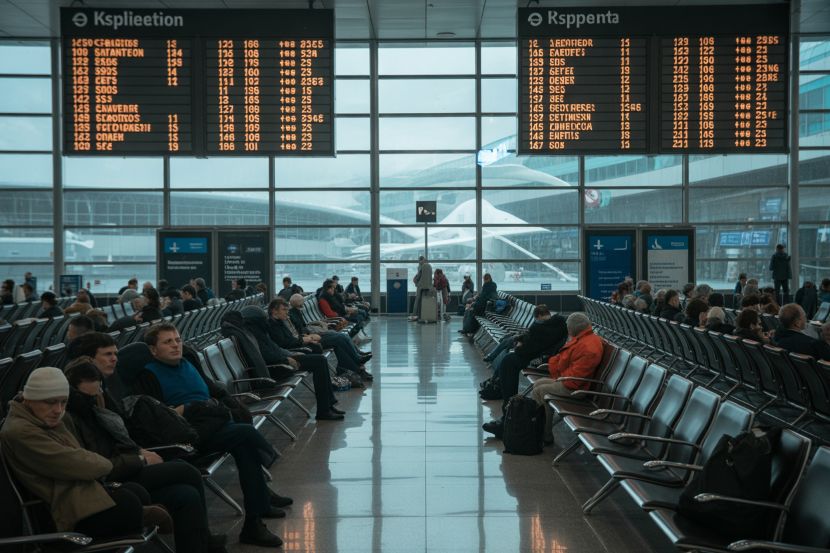
Image of a busy airport

Europe, the continent’s aviation powerhouse, faces a one hundred fourteen percent surge in Air Traffic Flow Management (ATFM) delays from 2015-2024, far outpacing 6.7 percent flight growth, severely disrupting tourismFrance and Germany air navigation service providers (ANSPs) cause over fifty percent of delays due to capacity and staffing shortages, costing airlines and passengers euro 16.1 billion. This inefficiency threatens Europe tourism reliability, deterring spontaneous trips to Paris, Berlin, and Mediterranean hotspots amid rising strikes.

ATFM Delays Explode Impacting Europe Tourism

Europe recorded 7.2 million delayed flights from 2015 to October 2025, with 6.4 million under thirty minutes and seven hundred thousand longer, excluding weather. 2024 delays totaled 30.4 million minutes, up from 14.2 million in 2015, peaking in July-August at thirty-eight percent. Staffing shortages drove eighty-seven percent of ANSP delays, rising 201.7 percent since 2015, while strikes added 9.8 million minutes or 8.8 percent. These disruptions erode Europe tourism confidence, causing cascading cancellations for beach vacations and city breaks.

France and Germany ANSPs dominate fifty percent plus of issues, unmitigated despite known problems, hindering efficient routing. Tourism suffers as unreliable schedules force buffer times, inflating costs and reducing appeal for leisure travelers.

Staffing Shortages Cripple European Aviation Tourism

Capacity limits and staff deficits explain most delays, with industrial actions surging post-pandemic. Europe‘s Single European Sky promise of efficient routes remains unfulfilled, doubling delays instead. Tourism impacts intensify as summer peaks coincide with thirty-eight percent of 2024 delays, stranding families en route to Greek islands or Spanish costas.

2025 forecasts slight improvement after dire 2024, but decade-long deterioration persists. Leisure tourism to ItalyGreece, and Spain faces risks, with airlines padding schedules that dilute connectivity.

Financial Toll Undermines Europe Tourism Economy

Euro 16.1 billion in costs since 2015, over seventy percent from capacity/staffing, burdens airlines passing expenses to passengers via higher fares. 9.8 million strike minutes compound woes, even during low-traffic pandemic years. Europe tourism loses billions in forgone revenue as delayed flights deter bookings to Rome or Amsterdam.

Unaddressed ANSP inefficiencies contrast EU261 compensation debates, prioritizing passenger payouts over root fixes. Tourism operators in France and Germany report cascading effects on hotels and tours.

France Germany Lead Europe Delay Crisis

France and Germany ANSPs shoulder fifty percent plus responsibility, with technical and staffing failures unmitigated. Strikes, now routine, amplify disruptions beyond capacity woes. Paris and Berlin tourism suffers most, with transatlantic feeders delayed, fragmenting Europe‘s hub-spoke model vital for inbound visitors.

Tourism to Eiffel Tower or Brandenburg Gate faces unreliability, pushing travelers to alternatives like Istanbul. Chronic issues demand urgent staffing and tech upgrades.

Strikes Escalate Europe Tourism Disruptions

Industrial actions account for 8.8 percent of ANSP delays, totaling 9.8 million minutes over the decade. Post-pandemic resurgence hits peak tourism seasons hardest. Europe‘s connectivity erodes, with schedules built around inefficiencies harming competitiveness against agile rivals.

Summer tourism peaks amplify pain, as thirty-eight percent of 2024 minutes cluster in July-August, idling jets and stranding sun-seekers bound for Mallorca.

2025 Outlook Offers Slim Hope for Tourism

Slight 2025 uptick expected post-2024 lows fails to reverse trends, with staffing gaps persisting. Single European Sky vision of fuel-saving routes remains distant, doubling delays instead. Europe tourism marketing strains under unreliability, as airlines warn of padded schedules inflating fares.

France and Germany must prioritize recruitment and automation to restore faith, ensuring seamless access to Alps or Riviera.

Broader Implications for Global Tourism Flows

One hundred fourteen percent delay growth versus 6.7 percent traffic rise signals systemic failure, excluding weather/strikes for stark reality. Euro 16.1 billion toll ripples to tourism supply chains, from car rentals to cruises. Europe risks ceding market share to Middle East hubs with superior ATC.

Leisure dominance in delays hits tourism hardest, with 7.2 million flights affected, curtailing weekend getaways to Venice or Vienna.

Urgent Reforms Needed for Europe Tourism Recovery

Europe must confront ANSP shortcomings in FranceGermany to salvage tourism prowess. Investments in staff, capacity, and Single Sky tech promise relief. Without action, tourism volumes stagnate, as passengers opt for predictable alternatives.

2024‘s 30.4 million minutes underscore crisis scale, demanding political will. Europe tourism hangs in balance amid aviation gridlock.

The post Europe Air Traffic Delays Surge As France Germany ATC Crisis Disrupts Tourism: All You Need to Know appeared first on Travel And Tour World.

Tourists Stunned as Paris Cancels Champs-Élysées New Year’s Eve Celebration—How This Will Impact Your Parisian Dream Vacation

Tourists Stunned as Paris Cancels Champs-Élysées New Year’s Eve Celebration—How This Will Impact Your Parisian Dream Vacation

In a shocking turn of events, Paris has officially cancelled its much-anticipated New Year’s Eve musical celebration on the iconic Champs-Élysées avenue. This beloved event, traditionally filled with music, lights, and festivity, was called off due to escalating security concerns related to illegal immigration. The decision, made by local authorities, reflects the growing challenges in maintaining safety during large public gatherings.

The Champs-Élysées is known worldwide as one of the most famous avenues, often bustling with locals and tourists alike. Each year, it serves as the heart of Paris’s New Year’s Eve celebrations, drawing thousands of visitors from across the globe. The cancellation of such an iconic event raises concerns about the city’s ability to maintain its status as a premier tourist destination.

A Heartbreaking Cancellation

The decision to cancel the celebration was made after serious discussions between city officials and security experts. According to the Paris Police Prefecture, there were increasing risks associated with large gatherings, especially with the rise in illegal immigration and the challenges of ensuring public safety. The authorities cited the potential for disturbances and the difficulty of managing such a large-scale event under these circumstances.

While Paris remains one of the most visited cities in the world, the impact of this cancellation on tourism cannot be underestimated. Many travelers plan their trips around iconic events like the Champs-Élysées New Year’s Eve celebration, and for many, this was to be the highlight of their holiday season. The decision, while made with safety in mind, leaves a deep emotional impact on those who have been planning their trip for months or even years.

Security Concerns and the Rise in Illegal Immigration

Paris, like many other European cities, has faced challenges related to illegal immigration. Over recent years, the city has struggled with increased pressure on its resources, from housing to public services, as a result of the influx of migrants. These concerns have been further compounded by security issues linked to public gatherings, which can become difficult to manage when large numbers of people converge in one area.

Authorities cited the difficulty in managing crowds amid rising security concerns. The Champs-Élysées, with its narrow streets and high concentration of people, posed particular risks. The authorities feared that illegal immigrants, already facing harsh living conditions in the city, might escalate tensions during the event. With the threat of violence or unrest on the rise, the government took decisive action to cancel the event rather than risk the safety of both Parisians and tourists.

While these concerns are valid, the cancellation has had a severe impact on Paris tourism. The city, known for its iconic landmarks and rich cultural heritage, now faces the challenge of retaining its reputation as a safe and welcoming destination. For many international tourists, Paris was the ultimate destination to ring in the new year, and the cancellation has left a significant void.

The Impact on Tourism

Paris’s tourism industry has already been struggling in the wake of global events such as the pandemic and economic downturns. The city’s hospitality sector, in particular, depends heavily on large events to draw visitors, and the Champs-Élysées celebration was one of the most anticipated. For many, it represented an opportunity to experience the magic of Paris at its finest.

The cancellation of this iconic event is expected to negatively impact tourism in Paris during the New Year’s period, particularly for those who were planning to travel for the celebration. Hotels, restaurants, and travel agencies that rely on the influx of visitors for such events will also feel the repercussions. Many tourists book months in advance, hoping to be part of the tradition. For them, this cancellation not only disrupts their plans but also tarnishes their perception of Paris as a top global destination.

The news has also sparked a broader debate on how cities like Paris can manage the growing concerns of illegal immigration while preserving their cultural and tourism-based economy. The cancellation has been seen by some as a necessary safety precaution, but by others as a loss to the city’s cultural fabric, diminishing the New Year’s Eve experience.

Paris’s Future as a Tourist Destination

This cancellation raises larger questions about the future of Paris’s tourism industry. While it remains a beautiful and historically rich city, the cancellation of high-profile events could signal a shift in how visitors experience the city. Major cities around the world are grappling with similar issues, balancing the demands of tourism with the challenges posed by urban migration and safety concerns.

However, Paris has always been resilient. The city has weathered countless challenges throughout history, from economic crises to political unrest, and it will undoubtedly continue to be a beacon for travelers. Nevertheless, the cancellation of major events like this one may lead to changes in how tourists perceive the city in the future.

A New Year’s Eve to Remember in a Different Way

The cancellation of the Champs-Élysées New Year’s Eve celebration is a sobering reminder of the complexities that modern cities face in managing tourism, security, and social issues. For those who had hoped to celebrate the new year in the heart of Paris, it is undoubtedly a disappointment. However, the decision made by local authorities was driven by the need to ensure the safety and security of all involved.

While the cancellation is a setback for tourism, Paris will continue to be a city full of history, culture, and unforgettable experiences. For travelers planning their next trip, there are still countless wonders to discover in Paris beyond the New Year’s Eve festivities. The city’s spirit of resilience, paired with its endless charm, ensures that Paris will always remain a top destination for those seeking adventure, culture, and romance.

In the future, it’s clear that Paris will need to find new ways to balance its tourism industry with the complex social issues it faces, ensuring that it can continue to offer world-class experiences for generations to come.

The post Tourists Stunned as Paris Cancels Champs-Élysées New Year’s Eve Celebration—How This Will Impact Your Parisian Dream Vacation appeared first on Travel And Tour World.

Europe Faces Travel Mayhem: EasyJet, Air France, and British Airways Disrupt 33 Flights and 201 Delays Amid Severe Weather – Passengers Left Stranded Across the UK, France, Portugal, and More, Here’s What You Need to Know

Europe Faces Travel Mayhem: EasyJet, Air France, and British Airways Disrupt 33 Flights and 201 Delays Amid Severe Weather – Passengers Left Stranded Across the UK, France, Portugal, and More, Here’s What You Need to Know
EasyJet, Air France, and British Airways Disrupt 33 Flights and 201 Delays Amid Severe Weather

In a significant disruption to the travel industry, three major European airlines—EasyJet, Air France, and British Airways—have been forced to cancel over 30 flights across multiple European destinations due to severe weather conditions. The cancellations have affected key routes, airports, and regions, leaving thousands of passengers stranded and raising questions about the readiness of airlines to handle weather-related disruptions. The most impacted countries include the UK, France, Portugal, and several other European nations, where travelers were left scrambling for alternative flights and accommodations.

Breakdown of the Flights Cancelled

Easy Jet Airlines

IdentTypeOriginDestinationScheduled Departure Time
EZY7751A320Porto / Oporto (OPO / LPPR)Madeira Int’l (Funchal) (FNC / LPMA)Sat 12:55PM WET
EZY1469A20NGeneva Cointrin Int’l (GVA / LSGG)Madeira Int’l (Funchal) (FNC / LPMA)Sat 02:05PM CET
EZY8521A320London Gatwick (LGW / EGKK)Madeira Int’l (Funchal) (FNC / LPMA)Sat 01:05PM GMT
EZY1281A20NBasle-Mulhouse (EAP / LFSB)Madeira Int’l (Funchal) (FNC / LPMA)Sat 02:45PM CET
EZY8328A319Leonardo da Vinci Int’l (Fiumicino Int’l) (FCO / LIRF)London Gatwick (LGW / EGKK)Sat 02:55PM CET
EZY7634A320Madeira Int’l (Funchal) (FNC / LPMA)General Humberto Delgado Airport (LIS / LPPT)Sat 02:30PM WET
EZY2471A320London Luton (LTN / EGGW)Madeira Int’l (Funchal) (FNC / LPMA)Sat 02:40PM GMT
EZY2877A320Bristol Int’l (BRS / EGGD)Madeira Int’l (Funchal) (FNC / LPMA)Sat 03:20PM GMT
EZY7752A320Madeira Int’l (Funchal) (FNC / LPMA)Porto / Oporto (OPO / LPPR)Sat 03:35PM WET
EZY5334A320Madeira Int’l (Funchal) (FNC / LPMA)Berlin-Brandenburg (BER / EDDB)Sat 03:45PM WET
EZY2715A320Bristol Int’l (BRS / EGGD)Malaga (AGP / LEMG)Sat 04:10PM GMT
EZY7966A320Madeira Int’l (Funchal) (FNC / LPMA)Amsterdam Schiphol (AMS / EHAM)Sat 04:25PM WET
EZY1470A20NMadeira Int’l (Funchal) (FNC / LPMA)Geneva Cointrin Int’l (GVA / LSGG)Sat 05:25PM WET
EZY8522A320Madeira Int’l (Funchal) (FNC / LPMA)London Gatwick (LGW / EGKK)Sat 05:35PM WET
EZY7755A320Porto / Oporto (OPO / LPPR)Madeira Int’l (Funchal) (FNC / LPMA)Sat 06:15PM WET
EZY1282A20NMadeira Int’l (Funchal) (FNC / LPMA)Basle-Mulhouse (EAP / LFSB)Sat 06:30PM WET
EZY2472A320Madeira Int’l (Funchal) (FNC / LPMA)London Luton (LTN / EGGW)Sat 07:20PM WET
EZY7635A320General Humberto Delgado Airport (LIS / LPPT)Madeira Int’l (Funchal) (FNC / LPMA)Sat 07:20PM WET
EZY2716A320Malaga (AGP / LEMG)Bristol Int’l (BRS / EGGD)Sat 08:30PM CET
EZY2878A320Madeira Int’l (Funchal) (FNC / LPMA)Bristol Int’l (BRS / EGGD)Sat 07:30PM WET

Air France

IdentTypeOriginDestinationScheduled Departure Time
AFR693B772Raleigh-Durham Intl (KRDU)Charles de Gaulle/Roissy (CDG / LFPG)Sat 07:05PM EST
AFR1212BCS3Charles de Gaulle/Roissy (CDG / LFPG)Linate (LIN / LIML)Sun 07:25AM CET
AFR1213BCS3Linate (LIN / LIML)Charles de Gaulle/Roissy (CDG / LFPG)Sun 09:55AM CET
AFR972A332Charles de Gaulle/Roissy (CDG / LFPG)Dr. Antonio Agostinho Neto International Airport (FNBJ)Sun 10:40AM CET

British Airways

IdentTypeOriginDestinationScheduled Departure Time
BAW178B772John F Kennedy Intl (KJFK)London Heathrow (LHR / EGLL)Sat 08:15AM EST
BAW695A320Vienna Int’l (Schwechat) (VIE / LOWW)London Heathrow (LHR / EGLL)Sat 02:45PM CET
BAW497A320Gibraltar (GIB / LXGB)London Heathrow (LHR / EGLL)Sat 03:20PM CET
BAW2159B772Hewanorra Int’l (UVF / TLPL)Point Salines Int’l (GND / TGPY)Sat 04:19PM AST
BAW133B788London Heathrow (LHR / EGLL)King Abdulaziz Int’l (JED / OEJN)Sat 08:30PM GMT
BAW2158B772Point Salines Int’l (GND / TGPY)Hewanorra Int’l (UVF / TLPL)Sat 06:53PM AST
BAW8B789Tokyo Int’l (Haneda) (HND / RJTT)London Heathrow (LHR / EGLL)Sun 09:45AM JST
BAW132B788King Abdulaziz Int’l (JED / OEJN)London Heathrow (LHR / EGLL)Sun 08:00AM +03
BAW2158B772Hewanorra Int’l (UVF / TLPL)London Gatwick (LGW / EGKK)Sun 08:45PM AST

The Airports Most Affected by the Cancellations

EasyJet

EasyJet flights have been heavily impacted, especially those flying to and from Madeira, a popular island destination. The following airports are affected:

  • Madeira International (Funchal)
  • London Gatwick
  • London Luton
  • Bristol International
  • Porto/Oporto
  • Malaga
  • Amsterdam Schiphol

Air France

Air France’s cancellations have primarily affected travelers flying from Paris, with a significant number of flights disrupted at Charles de Gaulle. The following airports were hit the hardest:

  • Charles de Gaulle (Paris)
  • Linate (Milan)
  • Dr. Antonio Agostinho Neto International Airport (Angola)

British Airways

British Airways saw a wide array of cancellations impacting both short-haul and long-haul flights. The airlines’ operations were most disrupted at the following airports:

  • London Heathrow
  • London Gatwick
  • Vienna International
  • Gibraltar
  • Hewanorra International (Saint Lucia)
  • Point Salines International (Grenada)
  • Tokyo International (Haneda)

Key Areas Affected by the Cancellations

EasyJet

  • Madeira: The entire Madeira region suffered, especially affecting tourists visiting the popular island destination. Cancellations have led to chaos at Madeira International (Funchal), a vital hub for flights between Portugal, the UK, and mainland Europe.
  • Malaga and Porto: These areas also saw severe disruptions, affecting both leisure and business travelers heading to these Mediterranean locales.

Air France

  • Paris: Being the home base for Air France, Charles de Gaulle was at the center of the storm, with numerous inbound and outbound flights canceled. Passengers traveling to and from major hubs like Milan and Angola experienced significant delays and were forced to rebook or delay their travel plans.
  • Linate and Milan: The Milan region also saw a ripple effect, with tourists headed to Italy’s fashion capital and local businesspeople experiencing the brunt of the weather disruptions.

British Airways

  • London Heathrow: Serving as one of the most important international hubs in the world, London Heathrow faced multiple flight cancellations, particularly affecting travelers bound for popular international destinations like Saudi Arabia and Tokyo.
  • Caribbean and Southern Europe: British Airways also saw major disruptions to flights heading toward the Caribbean, including Saint Lucia and Grenada, which significantly impacted tourism during peak seasons.

The Key Routes and Cities Impacted by Cancellations

EasyJet

  • Porto/Oporto to Madeira
  • London Gatwick to Madeira
  • London Luton to Madeira
  • Bristol to Madeira
  • Madeira to Lisbon
  • Madeira to Berlin
  • Madeira to Amsterdam
  • Bristol to Malaga

The cancellation of these key routes, many of which connect major European cities with popular holiday destinations, led to a massive disruption in holiday plans. Passengers were forced to either wait for alternative flights or cancel their trips altogether.

Air France

  • Paris to Milan (Linate)
  • Paris to Angola
  • Milan to Paris
  • Paris to Paris (internal domestic disruption)

These routes, especially the Paris-Milan corridor, are vital for both business and leisure travelers. The severe weather led to delays and cancellations, affecting both regional and international flights.

British Airways

  • New York (JFK) to London Heathrow
  • Vienna to London Heathrow
  • Gibraltar to London Heathrow
  • Saint Lucia to Grenada
  • London Heathrow to Jeddah
  • London Heathrow to Tokyo

The international and Caribbean routes operated by British Airways faced severe disruptions, affecting both leisure and business travelers heading to top destinations worldwide. Heathrow, as the primary hub, suffered the most, leading to delays in connecting flights.

The Ripple Effect on Travelers: Stranded and Struggling

Passengers traveling on EasyJet, Air France, and British Airways faced massive disruptions due to these cancellations. Many travelers were left stranded at airports across Europe, with limited accommodation options and few available flights to rebook. Business travelers, particularly those with tight schedules or connecting flights, were hit hard by the delays, while tourists faced ruined vacations and expensive rebooking costs.

The weather-related cancellations disrupted not only holiday plans but also impacted economic activities in various regions, especially in areas where tourism plays a crucial role in the local economy.

How Will the Industry Weather the Storm?

The cancellation of flights had far-reaching consequences for local tourism. In places like Madeira and the Caribbean, where the economy relies heavily on seasonal tourists, the immediate cancellation of flights led to empty hotels and resorts. For Madeira, this disruption was especially damaging, as it is known for attracting visitors seeking a scenic, peaceful getaway during the winter months.

Similarly, disruptions at airports in Paris, London, and Milan affected the flow of business travelers and tourists heading to key attractions in these cities. The ripple effect of cancellations led to reduced foot traffic in popular tourist destinations such as the Eiffel Tower, the Louvre, and the British Museum.

Rising from the Ashes: What Travelers Can Expect Next

Despite these disruptions, the tourism and travel industries are already looking for ways to recover from the setback. Airlines have taken immediate steps to improve passenger communication during such events and are looking into more robust contingency plans to handle future disruptions caused by extreme weather.

Additionally, airports are investing in improving their infrastructure and offering better customer service for affected passengers. The key takeaway for travelers is to stay informed and flexible with travel plans, especially during the winter months when weather-related cancellations are more frequent.

A New Dawn for European Travel: Recovery and Growth Ahead

The airline industry will learn valuable lessons from these cancellations, and with new technologies and improved communication strategies, the industry is poised to recover. Future improvements will help minimize the disruptions caused by weather-related cancellations, ensuring that passengers can enjoy smoother, more predictable travel experiences in the future.

The post Europe Faces Travel Mayhem: EasyJet, Air France, and British Airways Disrupt 33 Flights and 201 Delays Amid Severe Weather – Passengers Left Stranded Across the UK, France, Portugal, and More, Here’s What You Need to Know appeared first on Travel And Tour World.

La Réunion Joins Paris, The French Alps, Loire Valley, French Riviera, Carcassonne and Normandy as France Travel Destinations for 2026 Promising Unmatched Adventure and Culture!

La Réunion Joins Paris, The French Alps, Loire Valley, French Riviera, Carcassonne and Normandy as France Travel Destinations for 2026 Promising Unmatched Adventure and Culture!
Italy’s culinary rituals are now recognized by UNESCO as an intangible cultural heritage, inviting travelers to experience authentic food traditions across Italy’s regions.

France remains one of the most captivating destinations in the world. Its rich history, breathtaking landscapes, and vibrant culture have made it a top choice for global travelers. For 2026, certain destinations in France are emerging as must-visit locations. From iconic cities to hidden gems, this guide highlights seven remarkable spots that promise unforgettable experiences for every type of traveler.

Whether you are a history enthusiast, adventure seeker, foodie, or culture lover, these destinations cater to every taste. France is not just a place to visit; it is a country to explore, feel, and experience.

La Réunion: The Island of Adventure and Natural Wonders

La Réunion, an overseas French territory in the Indian Ocean, is an island of dramatic contrasts. Towering volcanoes, lush rainforests, and pristine beaches create an environment unlike any other.

The island is home to Piton de la Fournaise, one of the most active volcanoes in the world. Hiking trails lead adventurers through volcanic landscapes, offering panoramic views of rugged mountains and deep valleys. For those who prefer water-based activities, La Réunion offers snorkeling, surfing, and coastal exploration.

The local culture is equally captivating. Creole traditions, vibrant markets, and flavorful cuisine provide a glimpse into the island’s unique heritage. With its diverse landscapes and cultural richness, La Réunion is becoming a top choice for travelers looking for something truly extraordinary in 2026.

Paris: The Timeless City of Art, Fashion, and Cuisine

Paris continues to enchant visitors with its timeless elegance. Known as the City of Light, it is famous for its world-class museums, historic architecture, and bustling neighborhoods.

Travelers can explore iconic landmarks such as the Eiffel Tower, Louvre Museum, and Notre-Dame Cathedral. Walking along the Seine River, visiting quaint cafés, or exploring the artistic Marais district allows visitors to immerse themselves in authentic Parisian culture.

Paris is also embracing modernity. New urban spaces, rooftop gardens, and innovative cultural experiences ensure that each visit offers something fresh. With its combination of historic charm and contemporary allure, Paris remains a central highlight for global tourists in 2026.

The French Alps & Savoie: Adventure in the Mountains

The French Alps, particularly the Savoie region, offer a perfect blend of adventure and scenic beauty. Snow-covered peaks and alpine landscapes attract both winter sports enthusiasts and summer hikers.

Winter brings skiing, snowboarding, and cozy mountain resorts. Summer opens hiking trails, cycling routes, and scenic drives with breathtaking views of mountains and lakes. Villages like Chamonix, Annecy, and Val d’Isère provide a blend of outdoor adventure and charming local culture.

The French Alps also highlight regional cuisine. Hearty dishes like raclette and fondue complement the alpine experience, offering travelers a taste of traditional French mountain life. For 2026, the Alps are emerging as a premier destination for adventure lovers and culture seekers alike.

Loire Valley: Castles, Vineyards, and Romantic Landscapes

The Loire Valley is often called the Garden of France, and for good reason. Its rolling hills, majestic castles, and flourishing vineyards create a setting that feels both romantic and historic.

Visitors can explore stunning estates such as Château de Chambord and Château d’Amboise. Each castle tells a story of France’s royal past and offers insight into Renaissance architecture and history.

The region is also ideal for wine lovers. Vineyards produce world-class wines that can be enjoyed in charming tasting rooms or along scenic cycling routes. The combination of cultural richness, historic architecture, and scenic landscapes makes the Loire Valley a must-visit destination in 2026.

French Riviera: Sun, Sea, and Glamour

The French Riviera, also known as Côte d’Azur, is synonymous with sun-soaked beaches and glamorous coastal towns. Cities like Nice, Cannes, and Antibes offer a mix of vibrant nightlife, cultural events, and stunning natural beauty.

Visitors can stroll along the Promenade des Anglais in Nice, attend prestigious film festivals in Cannes, or explore the picturesque hilltop village of Èze. Sailing, beach lounging, and exploring seaside markets provide a perfect balance of relaxation and adventure.

The Riviera’s appeal is not limited to summer. Mild weather in spring and autumn ensures travelers can enjoy the coastline without the peak season crowds. This region is a perfect blend of leisure, style, and Mediterranean charm.

Carcassonne: Stepping Back in Time

Carcassonne is a medieval jewel that transports visitors to a bygone era. Its fortified city, with massive double walls and watchtowers, feels like a living history museum.

Walking through cobblestone streets, travelers can explore historic buildings, quaint shops, and traditional French eateries. The Château Comtal offers insight into the city’s rich history, while nearby rivers and canals provide scenic walks and boat trips.

Carcassonne is perfect for travelers seeking authenticity and culture beyond mainstream tourist destinations. Its medieval architecture and charm make it a unique stop for 2026 adventures.

Normandy & Mont Saint-Michel: Coastal Wonders and History

Mont Saint-Michel, rising dramatically from tidal sands on the Normandy coast, is one of France’s most iconic landmarks. The abbey and surrounding village captivate visitors with their architectural beauty and scenic location.

Normandy also offers rich historical experiences. The region is known for its World War II heritage, including the D-Day beaches, which provide insight into pivotal moments in global history. Coastal towns, charming countryside, and fresh local cuisine round out the experience.

Travelers can enjoy tidal walks, local seafood, and scenic views that combine natural beauty with cultural depth. Normandy offers a perfect balance of history, adventure, and relaxation.

Why France Should Be Your 2026 Travel Destination

A major winter festival in Dunster, UK draws crowds, boosting cultural tourism, heritage travel and seasonal economic activity through medieval-themed attractions.

France continues to be a global tourism leader because of its diversity and quality of experiences. Each destination offers something unique:

  • La Réunion for outdoor adventures and natural wonders.
  • Paris for culture, history, and modern experiences.
  • French Alps for alpine sports and scenic landscapes.
  • Loire Valley for castles, vineyards, and romantic scenery.
  • French Riviera for sun, sea, and glamour.
  • Carcassonne for medieval history and authenticity.
  • Normandy & Mont Saint-Michel for coastal beauty and historical insight.

Travelers can combine multiple destinations to create an itinerary that balances urban exploration, outdoor adventure, historical discovery, and leisure.

Practical Tips for Global Travelers

Best Time to Visit: Spring and autumn offer mild weather and fewer crowds. Summer is ideal for festivals and coastal trips. Winter is perfect for skiing in the Alps.

Transportation: France has an extensive train network connecting cities and regions. Renting a car is ideal for countryside exploration. Domestic flights connect overseas territories like La Réunion.

Cuisine & Culture: Every region offers local specialties. Try Creole dishes in La Réunion, Alpine cheeses in the French Alps, and fresh seafood in Normandy. Exploring local markets adds depth to the travel experience.

Sustainability: Many regions encourage eco-friendly tourism. Choose accommodations with green certifications and support local artisans and food producers.

Conclusion: Your 2026 French Adventure Awaits

France in 2026 promises a blend of adventure, culture, history, and natural beauty. Whether exploring volcanic landscapes in La Réunion, iconic streets of Paris, alpine peaks, or medieval towns, travelers can experience unforgettable moments at every turn.

From the glamour of the French Riviera to the romantic Loire Valley, France offers experiences for every traveler type. With careful planning and a spirit of adventure, your next trip to France can be more than a vacation—it can be a journey through history, culture, and breathtaking landscapes.

Start planning your itinerary today and ensure you include these seven incredible destinations. France is ready to welcome global travelers in 2026 for experiences they will cherish for a lifetime.

The post La Réunion Joins Paris, The French Alps, Loire Valley, French Riviera, Carcassonne and Normandy as France Travel Destinations for 2026 Promising Unmatched Adventure and Culture! appeared first on Travel And Tour World.
Germany And France Joins Finland, Italy, Malta, Denmark, Croatia, Hungary, And More As Belarus Extends Visa-Free Travel For Thirty-Eight European Nations: Latest Travel Update You Should Know

Germany And France Joins Finland, Italy, Malta, Denmark, Croatia, Hungary, And More As Belarus Extends Visa-Free Travel For Thirty-Eight European Nations: Latest Travel Update You Should Know
Germany And France Joins Finland, Italy, Malta, Denmark, Croatia, Hungary, And More,
Belarus Extends Visa-Free Travel,

Belarus has extended its visa-free travel program for 38 European countries, including Germany, France, Finland, Italy, and Malta, through 2026, to enhance tourism and strengthen ties with its European neighbors. This move simplifies travel for millions of Europeans, encouraging more visits to the country while fostering greater international cooperation. With this extension, Belarus is not only boosting its tourism sector but also aligning with broader efforts to make the country more accessible and open to international visitors, marking a significant step in its goal to increase global tourism.

In an exciting development for international travelers, Belarus has decided to extend its visa-free travel program for citizens of 38 European countries through 2026. Initially launched in July 2024, the program allowed citizens of select European nations to travel freely to Belarus without the need for a visa. This extension not only makes travel easier for Europeans but also aligns with Belarus’s growing efforts to enhance its appeal as a tourist destination.

Extended Visa-Free Travel: A Welcome Change for European Travelers

The Belarusian government’s decision to extend the visa-free travel program reflects the country’s desire to attract more international visitors and boost its tourism sector. This move also showcases Belarus’s commitment to strengthening its relations with Europe. The new extension, set to run through December 31, 2026, provides travelers with ample time to explore Belarus without the administrative burden of visa applications.

Who Can Benefit from the Visa-Free Program?

The extended visa-free program applies to the citizens of 38 European countries. Those eligible can travel to Belarus for tourism, business, or transit without needing a visa, as long as they possess a valid passport. The initiative is expected to simplify travel for millions of Europeans and encourage more tourism and cultural exchanges between Belarus and its European neighbors.

Here’s a breakdown of the key aspects of the program:

  • Eligible Countries: Citizens of 38 European countries can enter Belarus visa-free.
  • Duration of Stay: Most travelers are permitted to stay up to 30 days per visit. However, citizens from Poland, Lithuania, and Latvia (including non-citizens) can stay for up to 90 days.
  • Transit: Travelers can transit through Belarus to other destinations, as long as they are not heading to Russia.
  • Multiple Entries: The program allows unlimited entries, provided that the total stay does not exceed 90 days per calendar year.
  • Exclusions: Diplomatic or service passport holders are excluded, with exceptions for biometric diplomatic passport holders from the EU.

Boosting Belarus’s Tourism and International Appeal

The visa-free program has already proven to be a success. Since its initial launch, more than 1.2 million Europeans have visited Belarus under this scheme. Most visitors have come from neighboring countries, but the program has also attracted travelers from a diverse array of European nations.

Here’s a look at the top countries contributing to the flow of visitors to Belarus in 2024:

CountryNumber of Visitors
Latvia399,842
Lithuania658,575
Poland130,089
Other European Countries54,845

In 2025 alone, over 210,000 travelers from these 38 European countries have already visited Belarus, highlighting the program’s growing success. Belarusian authorities are hopeful that the extension will continue to draw large numbers of visitors, particularly from countries such as Germany, France, and Italy.

What’s New in 2025: Belarus’s E-Visa System

Alongside the extension of the visa-free program, Belarus has launched an e-visa system to further simplify travel for international visitors. Starting in March 2025, travelers from 67 countries worldwide can now apply for an e-visa to visit Belarus. The system has been particularly popular among travelers from the United States, Canada, Japan, and several European countries.

The Belarusian government is particularly enthusiastic about the e-visa program as it opens the country up to a broader international audience. As of mid-2025, around 1,500 e-visas have already been issued, demonstrating a solid interest in visiting Belarus beyond just European nations.

Key Countries for E-Visa Applications:

  • United States
  • Germany
  • Japan
  • Canada
  • Italy
  • France
  • Australia
  • United Kingdom
  • Spain

This dual approach—visa-free travel for certain European countries and e-visa access for others—reflects Belarus’s desire to streamline its visa processes and position itself as a more accessible destination for global tourists.

Full List of Countries Eligible for Visa-Free Travel to Belarus

The extension of the visa-free program now includes a comprehensive list of 38 European countries. Travelers from these nations can benefit from the convenience of not needing a visa to visit Belarus, with the conditions mentioned above. Here’s the complete list:

  • Andorra
  • Austria
  • Belgium
  • Bosnia and Herzegovina
  • Bulgaria
  • Croatia
  • Cyprus
  • Czech Republic
  • Denmark
  • Estonia (including stateless persons permanently residing there)
  • Finland
  • France
  • Germany
  • Greece
  • Hungary
  • Iceland
  • Ireland
  • Italy
  • Liechtenstein
  • Luxembourg
  • Malta
  • Monaco
  • North Macedonia
  • Netherlands
  • Norway
  • Portugal
  • Romania
  • San Marino
  • Slovakia
  • Slovenia
  • Spain
  • Switzerland
  • Sweden
  • United Kingdom
  • Vatican City

This comprehensive list showcases Belarus’s broad reach in attracting European travelers. By continuing to make travel easier for such a large group of countries, Belarus is positioning itself as a central destination for cultural exploration, business exchanges, and leisure tourism.

Visa-Free Travel Conditions and Exceptions

Most citizens of these 38 countries can stay in Belarus for up to 30 days without a visa. However, there are some specific exceptions:

  • Poland, Lithuania, and Latvia: Citizens from these countries (including those with Latvia’s non-citizen status) are allowed to stay up to 90 days.
  • No Limit on Entries: Travelers can enter and exit Belarus as many times as they want within the validity period, as long as their total time spent in the country does not exceed 90 days per calendar year.
  • Transit Policy: The visa-free travel also permits transit, provided the traveler is not heading to Russia.

Promoting Belarus as a Top Travel Destination

This move is part of a broader strategy by Belarus to open its doors to international travelers and showcase its rich history, vibrant culture, and welcoming environment. From its medieval castles to the untouched natural beauty of its national parks, Belarus is becoming an increasingly popular destination for both short visits and longer stays.

In addition to attracting more visitors, the government is also focusing on improving tourism infrastructure and services. New hotels, transport links, and tourist facilities are being developed, and the tourism industry is set to benefit from the growing influx of European travelers.

The Future of Travel to Belarus

As the visa-free program continues to attract large numbers of visitors, Belarus is also working to enhance its reputation as a safe and welcoming destination. With the growing popularity of Belarusian culture, food, and historical sites, the country is becoming a more prominent feature on the European travel map.

The introduction of the e-visa system complements the visa-free program by offering more flexibility for travelers from countries outside the European Union. Whether it’s a short cultural trip, a business visit, or a longer stay, Belarus is making it easier than ever for people to experience its offerings.

The extension of Belarus’s visa-free program for 38 European countries through 2026 is a significant milestone for the country’s tourism industry. It simplifies travel for millions of European travelers, offering a smooth and hassle-free way to visit Belarus. With the addition of the e-visa system for global travelers, Belarus is opening its doors to the world and making travel more accessible than ever.

Belarus has extended its visa-free travel program for 38 European countries, including Germany, France, Finland, Italy, and Malta, through 2026 to boost tourism and strengthen diplomatic ties with Europe. This move simplifies travel for millions, enhancing accessibility and fostering greater international cooperation.

For those planning to visit Belarus, it’s important to note the stay durations, the countries eligible for the program, and the requirements for transit and multiple entries. Whether you’re traveling for leisure or business, this new development is an exciting opportunity to explore Belarus without the need for a traditional visa.

The post Germany And France Joins Finland, Italy, Malta, Denmark, Croatia, Hungary, And More As Belarus Extends Visa-Free Travel For Thirty-Eight European Nations: Latest Travel Update You Should Know appeared first on Travel And Tour World.

Best European Snow and Ski Destinations for 2025 Revealed: Val Thorens, Zermatt, Chamonix, and More Await Winter Adventure Seekers

Best European Snow and Ski Destinations for 2025 Revealed: Val Thorens, Zermatt, Chamonix, and More Await Winter Adventure Seekers
Top snow and ski destinations

Europe has long been the dream destination for winter sports enthusiasts, boasting an abundance of world-renowned ski resorts, stunning landscapes, and a rich après-ski culture. As 2025 approaches, several iconic ski resorts across the continent are preparing to offer the best snow conditions, thrilling slopes, and unforgettable winter experiences. From high-altitude ski resorts to unique snowy adventures, Europe has something for everyone. In this comprehensive travel guide, we will explore some of the top snow and ski destinations in Europe, offering practical advice, suggested itineraries, and essential travel tips.

1. Val Thorens, France – Europe’s Highest Ski Resort

Overview:
Val Thorens, located in the French Alps, is widely recognized as Europe’s highest ski resort, standing at an impressive altitude of 2,300 meters. As part of Les Trois Vallées, the world’s largest interconnected ski area with over 600 kilometers of slopes, it offers a vast and diverse terrain. Known for its guaranteed snow, Val Thorens attracts skiers from around the world, with a season lasting from late November to early May. The resort is popular for its reliable snow conditions and excellent facilities, making it an ideal choice for early-season skiing.

How to Reach:
By Air: The nearest major airports are Geneva, Chambéry, Lyon, and Grenoble. From Geneva, it takes about 2.5 hours by shuttle or private transfer to reach the resort.
By Train: The closest train station is Moûtiers–Salins–Brides-les-Bains, about 35 kilometers from Val Thorens. A bus or shuttle service connects the train station to the resort. Eurostar Snow services operate during the winter, offering direct connections from London St Pancras to Moûtiers.

Suggested Itinerary:

  • Day 1: Arrive in Geneva and transfer to Val Thorens. After checking into your accommodation, explore the resort and its surroundings.
  • Day 2: Spend the day skiing across the vast Les Trois Vallées terrain. Enjoy a variety of slopes, from beginner to advanced levels.
  • Day 3: For a change of pace, try a guided off-piste tour, snowshoeing, or tobogganing, and enjoy the breathtaking mountain views.
  • Day 4: Relax at the resort’s spa or indulge in après-ski activities in the evening. End the day with a gourmet dinner at one of Val Thorens’ renowned restaurants.
  • Day 5: Depart Val Thorens via shuttle back to Geneva and take your flight home.

Highlights:
• Reliable snow conditions throughout the season.
• Après-ski culture with vibrant nightlife.
• Non-ski activities like tobogganing, snowmobiling, and snowshoeing.

Typical Costs:
• Ski packages start at £610 per person, which includes lift passes, accommodation, and equipment rental.

Top snow and ski destinations

2. Val d’Isère, France – Iconic Alpine Adventure

Overview:
Val d’Isère, part of the famous Espace Killy ski area, is one of the top ski destinations in Europe. It is linked with Tignes, creating a massive ski area that caters to all levels of skiers. Val d’Isère is well-known for its challenging terrain, glacier access, and vibrant village life. The resort combines extensive pistes with a lively après-ski scene, making it perfect for those looking for both adventure and fun.

How to Reach:
By Air: The nearest airports are Geneva, Lyon, and Grenoble, with convenient bus or shuttle transfers to the resort.
By Train: The closest train station is Bourg-Saint-Maurice, around 30 kilometers away from Val d’Isère. Regular bus services connect the station to the resort.

Suggested Itinerary:

  • Day 1: Arrive in Val d’Isère and settle into your accommodation. Take time to explore the resort and its village.
  • Day 2: Spend the day skiing on the Espace Killy slopes, known for its variety and wide range of difficulty levels.
  • Day 3: For an extra thrill, try off-piste skiing or tackle the Vallée Blanche.
  • Day 4: After skiing, enjoy après-ski activities in the village or shop for souvenirs.
  • Day 5: Depart Val d’Isère via Geneva or Lyon for your return journey.

Highlights:
• Excellent for intermediate and advanced skiers, with challenging terrain and varied slopes.
• Known for its traditional alpine charm and vibrant village atmosphere.

3. Zermatt, Switzerland – Matterhorn Majesty

Overview:
Zermatt, located at the base of the famous Matterhorn, is one of Europe’s most picturesque ski resorts. Known for its stunning scenery and year-round glacier skiing, Zermatt offers breathtaking views and a luxurious ski experience. The resort is car-free, which contributes to its exclusive atmosphere and ensures that guests can fully immerse themselves in the mountain surroundings.

How to Reach:
By Air: The nearest major airports are Zurich and Geneva, both about 3.5 hours away by train.
By Train: Zermatt is a car-free village, so visitors must travel by train. Take the Swiss Federal Railways (SBB) from Zurich or Geneva to Visp, and then a scenic train ride to Zermatt.

Suggested Itinerary:

  • Day 1: Arrive in Zermatt and explore the car-free village. Take in the stunning views of the Matterhorn.
  • Day 2: Ski on the Matterhorn Glacier and enjoy panoramic views of the Alps.
  • Day 3: Take a scenic helicopter ride around the Matterhorn or visit Gornergrat Railway for spectacular views.
  • Day 4: Relax at a luxury spa or indulge in fine dining at one of Zermatt’s Michelin-starred restaurants.
  • Day 5: Depart Zermatt for Zurich or Geneva and take a return flight home.

Highlights:
• Skiing on the Matterhorn Glacier, with panoramic views of the Alps.
• A luxurious, car-free village with a rich history and culture.

Typical Costs:
• Ski holidays in Zermatt are premium, with daily budgets ranging from 200 CHF to 400 CHF, depending on accommodation and dining.

Top snow and ski destinations

4. Chamonix, France – Alpine Adventure Base

Overview:
Chamonix is one of Europe’s oldest and most celebrated ski resorts, located at the foot of Mont Blanc. Known for its challenging off-piste terrain and mountaineering opportunities, it offers an ideal destination for adventurous skiers. The resort also boasts a rich history and diverse ski culture, making it a must-visit for those seeking more than just the standard ski experience.

How to Reach:
By Air: Geneva is the nearest airport, approximately 90 kilometers away. Transfers by shuttle or private car are available.
By Train: Chamonix is well connected by rail, with regional services linking it to nearby towns.

Suggested Itinerary:

  • Day 1: Arrive in Chamonix and explore the town’s historic streets. Settle into your accommodation.
  • Day 2: Ski on the Vallée Blanche, known for its off-piste terrain and stunning mountain views.
  • Day 3: Try ice climbing or visit the Aiguille du Midi cable car for extraordinary views of Mont Blanc.
  • Day 4: Take another ski day or enjoy a winter sightseeing tour.
  • Day 5: Depart for Geneva for your return flight.

Highlights:
• Off-piste skiing on the Vallée Blanche.
• A great destination for intermediate and expert skiers.

5. Sierra Nevada, Spain – Sunny Snow Slopes

Overview:
Located near Granada, Sierra Nevada is the southernmost major ski resort in Europe. It offers a unique skiing experience, with slopes that rise up to 3,300 meters and stunning views of the Mediterranean. Sierra Nevada’s sunny atmosphere and long ski season make it a fantastic option for those looking to combine skiing with some sunshine.

How to Reach:
By Air: Granada Airport (GRX) is the closest, with Málaga (AGP) an alternative, about 2.5 hours away by car.
By Bus: Regular bus services operate from Granada and Málaga to Sierra Nevada.

Suggested Itinerary:

  • Day 1: Arrive at Granada and transfer to Sierra Nevada. Explore the resort.
  • Day 2: Ski the slopes with views of the Mediterranean Sea.
  • Day 3: Take a day trip to Granada to visit the Alhambra or explore the Alpujarras.
  • Day 4: Ski the remaining slopes or enjoy snowshoeing in the mountains.
  • Day 5: Depart for your return flight.

Highlights:
• The southernmost ski resort in Europe, with a sunny atmosphere.
• Suitable for all levels, with family-friendly slopes.

Top snow and ski destinations

6. Lapland, Finland – Arctic Snow Experiences

Overview:
For those seeking a winter experience beyond traditional alpine skiing, Finnish Lapland offers magical landscapes and unforgettable winter activities. Known for its cross-country skiing, snowmobiling, reindeer safaris, and Northern Lights, Lapland provides a unique winter experience like no other.

How to Reach:
By Air: Rovaniemi and Kittilä are the main airports in Lapland, with direct flights from several European cities.
By Train: Trains to Kolari connect with bus or shuttle services to ski resorts.

Suggested Itinerary:

  • Day 1: Arrive in Rovaniemi, visit Santa Claus Village, and explore the town.
  • Day 2: Go on a husky sled ride or reindeer safari through snowy forests.
  • Day 3: Ski at Levi or Ylläs, or try a snowmobile tour.
  • Day 4: Watch the Northern Lights from a glass igloo hotel.
  • Day 5: Return home via Helsinki.

Highlights:
• Ideal for snow lovers seeking culture and winter activities.
• Excellent Northern Lights viewing opportunities.

Travel Tips for Skiing in Europe (2025)

  • Visas: Most travellers outside the Schengen area will need a Schengen visa for countries like France, Switzerland, and Spain. Always check with the consulate for requirements.
  • Ski Passes: Ski passes can be costly. Pre-booking lift passes online often saves money, especially multi-day passes.
  • Accommodation: Book early for peak season months, such as Christmas, New Year, and February half-term.
  • Travel Insurance: Ensure your insurance covers winter sports, including skiing, snowboarding, and off-piste activities.

Conclusion

Europe offers a wide range of ski resorts, each offering unique experiences and reliable snow conditions. From the towering peaks of Val Thorens and Zermatt to the sunny slopes of Sierra Nevada and magical adventures in Finnish Lapland, there is something for everyone in the European winter wonderland of 2025. With early planning and a little research, travellers can enjoy the best snow experiences across Europe’s premier ski destinations.

The post Best European Snow and Ski Destinations for 2025 Revealed: Val Thorens, Zermatt, Chamonix, and More Await Winter Adventure Seekers appeared first on Travel And Tour World.

Germany Joins France, Portugal, And Belgium In Air Canada’s Strategic Expansion To Europe, Unlocking New Travel Opportunities For Summer 2026

Germany Joins France, Portugal, And Belgium In Air Canada’s Strategic Expansion To Europe, Unlocking New Travel Opportunities For Summer 2026
Air Canada's, Europe

As part of Air Canada’s strategic expansion to Europe in the summer of 2026, Germany will join France, Portugal, and Belgium, opening up new travel options for Canadians. By adding nonstop flights to Berlin, Nantes, Ponta Delgada, and Brussels, this expansion broadens the airline’s European reach. By adding these new routes, Air Canada is expanding its transatlantic network, improving access to important European locations, and satisfying the increasing demand for seamless travel. As a result, both leisure and business travelers will have exciting new ways to discover Europe.

Air Canada is set to expand its trans-Atlantic network significantly for Summer 2026, introducing four new European destinations that further solidify its role as a leading player in North American aviation. This move highlights the airline’s commitment to enhancing its global connectivity, offering travelers more options and increasing its presence on the highly competitive trans-Atlantic market.

The new routes will operate from three major Canadian hubs, providing a variety of direct connections to key European cities, allowing Canadian travelers to enjoy smoother and more convenient travel options.

New Nonstop Routes from Montréal, Toronto, and Halifax

Starting Summer 2026, Air Canada will launch new nonstop flights from Montréal, Toronto, and Halifax, bringing four exciting European destinations into the airline’s growing portfolio. From Montréal, passengers will now have direct access to Berlin, Germany’s lively capital, and Nantes, a charming city in France’s Loire Valley. Both routes will be serviced three times a week during the summer season, making it easier for travelers to explore these cultural and historical hubs in Europe.

In addition, Toronto will benefit from a new connection to Ponta Delgada in the Azores, Portugal’s stunning archipelago, which has become a popular destination for nature lovers and those seeking to experience pristine landscapes. This new route complements Toronto’s extensive international network, which continues to expand as the airline focuses on offering passengers more options for European travel.

Halifax, which already boasts a popular link to London Heathrow, will gain its second international route, with direct flights to Brussels, the capital of Belgium. The addition of Brussels further enhances Halifax’s growing position as an international gateway and adds yet another route connecting Canada to Europe’s most dynamic cities.

Expanding Air Canada’s Transatlantic Network

This expansion builds upon Air Canada’s recent growth, which includes new routes to Palma de Mallorca and Sicily from Montréal, Shanghai and Budapest from Toronto, as well as year-round service to Bangkok from Vancouver. By the summer of 2026, Air Canada will boast the second-largest trans-Atlantic network in North America, in terms of the number of destinations offered. This places the airline in an ideal position to capitalize on the increasing demand for transatlantic travel, offering Canadian travelers direct access to some of Europe’s most sought-after destinations.

Air Canada’s enhanced European network promises to further strengthen economic and tourism ties between Canada and Europe. By providing nonstop connections to these new cities, the airline will cater to the growing demand for international travel, while supporting tourism and business exchanges across the Atlantic. These new services are expected to attract both leisure travelers seeking cultural experiences and business travelers looking to connect with major commercial hubs.

A Modern Fleet to Enhance the Travel Experience

To support these new routes, Air Canada will deploy its modern fleet of aircraft, designed to enhance the travel experience for all passengers. The Montréal-Berlin route will be serviced by the state-of-the-art Airbus A321XLR, which features lie-flat business-class seats, offering a premium travel experience for those on long-haul flights. Other services will be operated on narrowbody aircraft, equipped with both premium and economy cabins to cater to a variety of traveler preferences.

By choosing advanced aircraft for these new routes, Air Canada aims to ensure a comfortable and efficient journey for passengers, making these flights a top choice for those flying between Canada and Europe. The A321XLR, in particular, is renowned for its fuel efficiency and long-range capabilities, making it an ideal choice for transatlantic flights.

Air Canada’s Growing Global Reach

With these new additions, Air Canada will connect Canada to more than 126 global destinations by Summer 2026. The airline will offer up to 155,000 weekly seats across its Atlantic, Pacific, and South American markets, making it one of the largest carriers in terms of international capacity. This expansion is part of Air Canada’s broader strategy to increase its global presence and meet the growing demand for travel.

Additionally, the airline is set to resume its seasonal Montréal-Tel Aviv route, giving passengers more options to explore key destinations in the Middle East. This reintroduction of service to Tel Aviv further reflects Air Canada’s focus on diversifying its network and offering passengers more international routes to choose from.

Booking and Travel Dates

All flights to these new destinations are now available for booking, with seasonal operations running from June to October 2026. Air Canada’s commitment to providing travelers with the convenience of direct, nonstop flights to these exciting European cities is expected to drive demand and enhance the overall travel experience.

Germany joins France, Portugal, and Belgium in Air Canada’s strategic expansion to Europe for Summer 2026, introducing new nonstop flights to Berlin, Nantes, Ponta Delgada, and Brussels. This expansion enhances connectivity, offering Canadian travelers more direct access to key European destinations and supporting the growing demand for transatlantic travel.

In summary, Air Canada’s expansion into new European destinations for Summer 2026 not only strengthens its position as a leading carrier on the trans-Atlantic market but also opens up exciting opportunities for travelers seeking direct access to some of Europe’s most popular cities. Whether traveling for business or leisure, Air Canada’s new routes promise a more convenient, efficient, and comfortable way to explore Europe from Canada.

The post Germany Joins France, Portugal, And Belgium In Air Canada’s Strategic Expansion To Europe, Unlocking New Travel Opportunities For Summer 2026 appeared first on Travel And Tour World.

Mexico Set to Join France, Spain, the US, Turkey, and Italy as a Top Global Tourism Destination, Attracting Millions of Visitors, Nearly Thirty Billion Dollars in Revenue, and Record-Breaking Growth in 2025

Mexico Set to Join France, Spain, the US, Turkey, and Italy as a Top Global Tourism Destination, Attracting Millions of Visitors, Nearly Thirty Billion Dollars in Revenue, and Record-Breaking Growth in 2025

In 2025, Mexico is poised to join global tourism leaders such as France, Spain, the US, Turkey, and Italy, attracting millions of visitors and generating nearly thirty billion dollars in revenue. This surge is fueled by improved air connectivity, a stable political environment, and the country’s diverse cultural and natural attractions. With a projected 13.6% increase in international arrivals, Mexico is on track for record growth, reinforcing its status as a top global tourism destination.

Mexico’s tourism sector has seen remarkable growth in 2025, with almost 80 million international visitors between January and October—a 13.6% increase from the same period in 2024. This surge highlights the country’s growing appeal as a must-visit destination and the strong confidence travelers have in Mexico’s stability and government.

Tourism Growth and Economic Impact

The latest data reveals that 79.3 million international visitors arrived in Mexico during the first ten months of 2025. This includes 38.4 million international tourists, those spending at least one night in the country, and 8.9 million cruise ship passengers, an 11.8% increase in maritime arrivals. The tourism sector’s contribution to Mexico’s economy has been significant, with the industry generating US$28.2 billion in revenue, marking a 6.5% year-on-year increase.

The substantial increase in both visitor numbers and foreign currency earnings is a clear indication of Mexico’s growing stature in the global tourism market. This positive trend is a testament to the strength of the country’s tourism sector and its ability to recover and thrive post-pandemic.

October 2025: A Record-Breaking Month

October 2025 saw Mexico setting new records for international visitors and their spending. A total of 8.3 million international visitors arrived during the month, marking a 10.7% increase from October 2024. Visitor spending also reached new heights, with $2.44 billion spent during the month. This represents a 9.3% increase compared to October 2024 and a staggering 50.3% increase compared to the same month in 2019, before the pandemic’s severe impact on the tourism industry.

In addition, 3.74 million international tourists visited Mexico in October, a slight 0.1% increase compared to the previous year. These figures reflect the ongoing recovery of Mexico’s tourism industry, which has rebounded remarkably from the challenges posed by the COVID-19 pandemic.

Air Travel: A Steady Climb

Mexico’s air travel sector has continued to show steady growth in 2025. In the first ten months of the year, 47.98 million people arrived in Mexico on international flights, reflecting a 1.4% increase compared to the same period in 2024. Among the countries showing notable increases in arrivals were Italy, which saw a 14.8% increase in visitors, marking the highest growth rate among all nationalities. Other countries with strong growth include Argentina (+14.3%), South Korea (+11.6%), Canada (+11.4%), China (+10.6%), and the United States (+0.6%).

Despite a modest increase from the U.S., the United States remains Mexico’s largest source of international visitors, underscoring the importance of the U.S.-Mexico travel connection.

Domestic Air Travel: Growth Across the Nation

Domestic air travel in Mexico also saw a significant boost in 2025, with 52.43 million passengers flying within the country between January and October. This marks a 3.2% increase compared to the same period in 2024, further solidifying Mexico as a key destination not only for international tourists but also for domestic travelers. The increase in domestic travel highlights the country’s importance as a hub for both leisure and business tourism.

Mexico’s Busiest Airports

Mexico’s airports continue to see a steady rise in passenger traffic. In total, Mexico’s airports served 157.2 million passengers during the first ten months of 2025, representing a 2.5% increase compared to the same period in 2024. The busiest airports in the country during this period were:

  1. Mexico City International Airport – 36.9 million passengers
  2. Cancún International Airport – 24.4 million passengers
  3. Guadalajara International Airport – 15.3 million passengers
  4. Monterrey International Airport – 13 million passengers
  5. Tijuana International Airport – 10.6 million passengers
  6. Los Cabos International Airport – 6.2 million passengers
  7. Felipe Ángeles International Airport – 5.8 million passengers
  8. Puerto Vallarta International Airport – 5.6 million passengers
  9. Mérida International Airport – 3.2 million passengers
  10. Bajío International Airport – 2.7 million passengers

These numbers underscore Mexico’s growing importance as both a travel destination and a transportation hub. The country’s airports are handling increasing volumes of both international and domestic traffic, reflecting the broader growth and dynamism of the tourism industry.

Looking Ahead

In 2025, Mexico is set to join global tourism leaders like France, Spain, the US, Turkey, and Italy, attracting millions of visitors and nearly thirty billion dollars in revenue. This growth reflects enhanced connectivity, political stability, and Mexico’s rich cultural and natural offerings.

As Mexico continues to attract record numbers of international visitors and sees consistent growth in its tourism revenue, the outlook for the country’s tourism sector remains positive. With strong growth in air travel, an expanding range of international markets, and growing domestic tourism, Mexico is poised to remain a leading player in the global travel industry. The continued recovery and expansion of its tourism industry provide a strong foundation for future growth, further bolstering the country’s economic resilience and global appeal.

The post Mexico Set to Join France, Spain, the US, Turkey, and Italy as a Top Global Tourism Destination, Attracting Millions of Visitors, Nearly Thirty Billion Dollars in Revenue, and Record-Breaking Growth in 2025 appeared first on Travel And Tour World.
❌