
Reading view

Ahmedabad and Udaipur Set to Benefit from the Introduction of Vande Bharat Express, Providing a Faster, More Comfortable and Convenient Rail Link
Ahmedabad and Udaipur Set to Benefit from the Introduction of Vande Bharat Express, Providing a Faster, More Comfortable and Convenient Rail Link

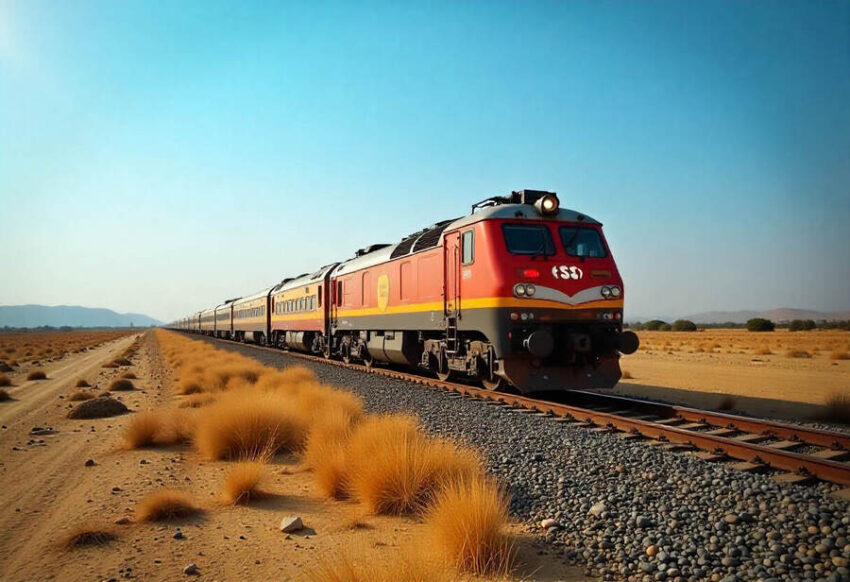
The introduction of the Ahmedabad–Udaipur Vande Bharat Express will greatly benefit both cities by offering a faster, more comfortable, and convenient rail link. With speeds of up to 160 km/h, this semi-high-speed service will significantly reduce travel time between Ahmedabad and Udaipur, providing a quicker alternative to existing services. In addition to its speed, the Vande Bharat Express will enhance passenger comfort with modern amenities such as spacious seating, advanced safety features, and a smooth, reliable journey. This new service not only improves the travel experience for commuters and tourists but also strengthens regional connectivity, making travel between Gujarat and Rajasthan more efficient and accessible.

The Ahmedabad–Udaipur Vande Bharat Express is set to redefine rail travel between Gujarat and Rajasthan, promising passengers a faster, more comfortable, and modern travel experience. This semi-high-speed service aims to enhance convenience for both business and leisure travelers, reducing travel time while offering cutting-edge amenities. With the launch on the horizon, Indian Railways is preparing to provide a solution that addresses the growing demand for efficient and comfortable travel options.

Project Launch and Preparations

This new Vande Bharat Express service follows extensive upgrades to the Udaipur–Himmatnagar–Ahmedabad rail corridor. With the successful electrification of this section, the project has moved forward at a rapid pace, and the train is anticipated to commence operations as early as late January or February. This new service will offer a faster and more efficient alternative to the current trains operating on the same route, making it an exciting development for passengers in both states.

The introduction of the Ahmedabad–Udaipur Vande Bharat Express has garnered significant attention because it connects two cities of great economic and cultural importance. The aim is simple: reduce travel time while delivering a contemporary, seamless experience that aligns with India’s broader vision to modernize its rail network and enhance passenger services across the country.

Route, Stations, and Speed Focus

The Vande Bharat Express will operate between Ahmedabad’s Asarwa Junction and Udaipur City Station, covering a distance of around 270 kilometers. This direct link is expected to enhance rail connectivity between the two states, providing passengers with a quicker, more reliable way to travel between Gujarat and Rajasthan.

The semi-high-speed train is designed to reach speeds of up to 160 km/h, a feature that will significantly reduce travel time between the two cities. While speed is a central aspect of the service, the emphasis is also on comfort and efficiency. Passengers will enjoy modern amenities and a smooth, pleasant journey, a welcome change for those accustomed to slower trains with fewer facilities.

For regular commuters, this new service is a significant upgrade. It will cut down travel time considerably and provide a much more comfortable ride compared to the slower, older trains currently in service. Additionally, tourists traveling between the two cities will benefit from a more reliable and faster option, allowing them to explore the rich cultural heritage of both Ahmedabad and Udaipur without the time constraints imposed by traditional rail services.

Potential for Future Expansion

Looking ahead, there are discussions about extending the Vande Bharat Express service to Chittorgarh Junction, further enhancing regional connectivity. This potential extension is contingent upon the completion of a pit line at Chittorgarh. If completed, this extension could provide passengers with a faster, uninterrupted rail connection deeper into Rajasthan, offering a more convenient option for travelers looking to explore the region.

Furthermore, there are growing calls for additional long-distance services connecting Udaipur with major cities such as Mumbai and Chennai. The Udaipur–Ahmedabad rail section is now fully electrified, making it suitable for handling long-distance trains. This infrastructure development has paved the way for discussions about expanding rail services, driven by the need for better connectivity and more transport options for both tourists and business travelers.

Boosting Regional Connectivity

Expanding rail services to cities like Mumbai and Chennai would have far-reaching benefits for tourism and regional economic growth. Udaipur, with its stunning palaces, lakes, and historic sites, draws visitors from around the world. Improved rail connectivity to major cities would make it easier for tourists to visit, further boosting the local economy. Additionally, Udaipur’s rich cultural offerings make it an ideal destination for travelers seeking a unique experience.

For business travelers and students, the enhanced rail network would offer an affordable and practical alternative to air travel. Flights between these cities are available, but they can be expensive, especially for frequent travelers. A dedicated train service would provide a more cost-effective, comfortable, and convenient option, encouraging more people to opt for rail travel over flights.

The Ahmedabad–Udaipur Vande Bharat Express will offer a faster, more comfortable, and convenient rail link, reducing travel time and enhancing passenger experience with modern amenities, boosting regional connectivity between Gujarat and Rajasthan.

Growing Anticipation for the Service

With the launch of the Ahmedabad–Udaipur Vande Bharat Express approaching, anticipation is building among passengers and stakeholders alike. If the service begins on schedule, and if additional connections and extensions are implemented in the future, it will mark a significant step forward in India’s efforts to modernize its rail system. The Vande Bharat Express will not only provide a faster, more efficient travel option between Gujarat and Rajasthan but will also contribute to the overall expansion of India’s high-speed rail network, offering passengers a state-of-the-art travel experience.

The post Ahmedabad and Udaipur Set to Benefit from the Introduction of Vande Bharat Express, Providing a Faster, More Comfortable and Convenient Rail Link appeared first on Travel And Tour World.
India’s Nilgiris Mountain Railway: Why the Country’s Slowest Train Offers One of the World’s Most Scenic Travel Experiences

India’s Nilgiris Mountain Railway: Why the Country’s Slowest Train Offers One of the World’s Most Scenic Travel Experiences

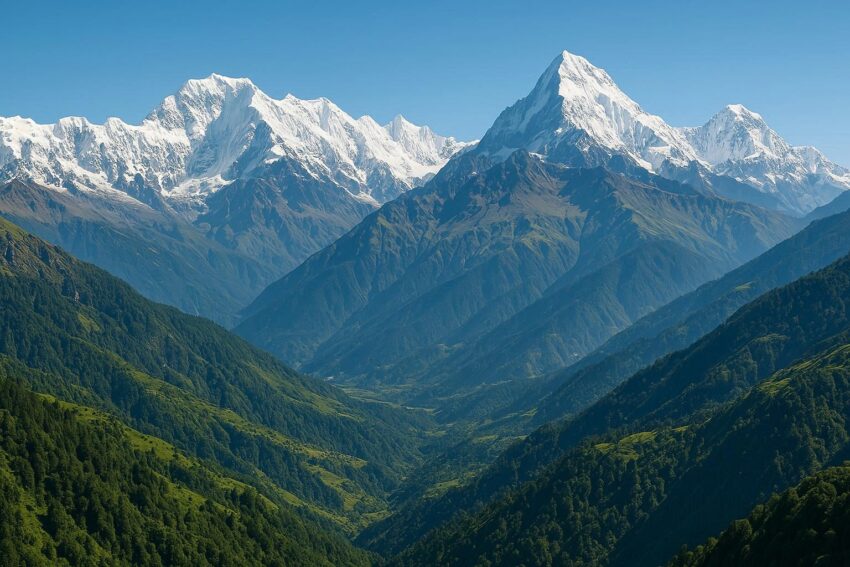
In an era defined by high-speed travel, rapid connections, and modern transit systems, the enduring charm of slow journeys has been steadily rediscovered. This renewed appreciation is especially evident in the growing interest surrounding the Nilgiris Mountain Railway, celebrated as India’s slowest train and cherished as one of the most captivating routes in the country. Operating in Tamil Nadu, this historic line moves at a modest pace of just 9 km per hour, yet its allure lies precisely in its unhurried rhythm. As the train glides from Mettupalayam to Ooty, passengers are carried through dramatic landscapes within the Western Ghats, a region recognised globally for its ecological and cultural importance. The route has been acknowledged as a UNESCO World Heritage Site, reflecting its engineering significance and timeless appeal. Travellers from India and abroad are drawn to its vintage steam locomotives, narrow-gauge track, and the rare rack-and-pinion system that allows the climb through steep gradients. With its blend of natural beauty, heritage engineering, and nostalgic ambience, the Nilgiris Mountain Railway has been viewed as far more than a mode of transport. Instead, it has been embraced as an immersive journey that captures the spirit of India’s mountain tourism.

A Living Heritage Across the Western Ghats

The Nilgiris Mountain Railway has been upheld as a defining symbol of India’s railway heritage. Constructed during the early 1900s under the British administration, the line was engineered to connect the plains of Tamil Nadu with the elevated terrain of the Nilgiris. Its inclusion in the Mountain Railways of India UNESCO group has highlighted not only its architectural significance but also its successful preservation over more than a century.

The train’s gentle pace has not been viewed as a drawback; instead, it has been perceived as an essential part of the journey. The slow climb has been dictated by the unique geographical setting, where narrow cliffs, sharp bends, and steep ascents have required deliberate speed management. Travellers have consistently regarded this slowness as a gift, granting ample time to absorb the panoramic views that define the region.

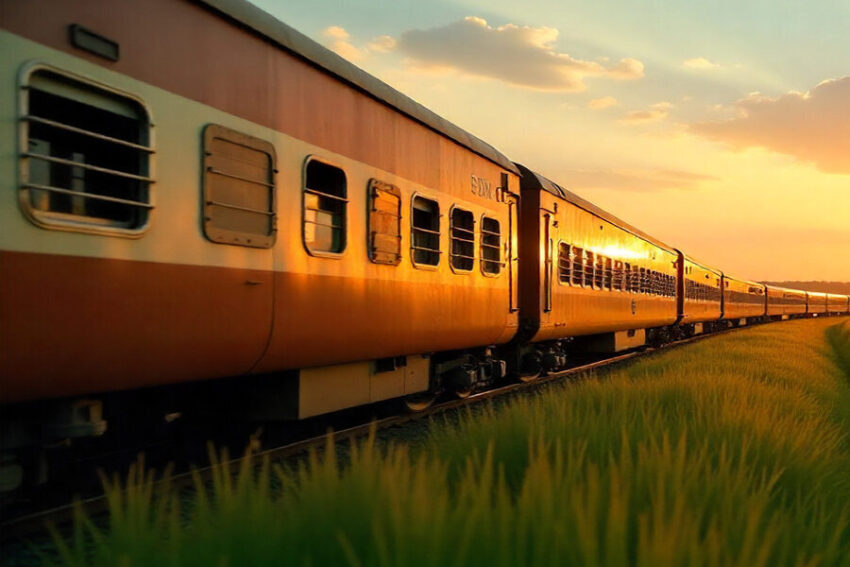
The original wooden coaches, coupled with steam locomotives that continue to operate on the steepest stretches, have contributed to an atmosphere reminiscent of a bygone era. The steady sounds of the locomotive, the scent of burning coal, and the rhythmic motion of the train have all added layers of nostalgia to the journey.

Engineering Marvel in Tamil Nadu’s Hills

The Nilgiris Mountain Railway has been admired for its rare rack-and-pinion system, designed to enable safe ascent on one of the steepest railway climbs in Asia. This mechanism has involved a toothed rail placed between the running rails, allowing the locomotive to grip the track securely while climbing gradients that would otherwise be impossible for standard trains.

The 46-kilometre route has been characterised by 208 curves, 16 tunnels, and 250 bridges, each representing the challenging engineering solutions required to build a railway in such a rugged region. The combination of steep slopes, deep valleys, dense forest cover, and frequent streams demanded intricate construction planning.

Passengers have often noted that these features transform the journey into a continuous sequence of breathtaking moments. As the train winds through forests, crosses elevated viaducts, and emerges from tunnels, the landscape shifts dramatically, providing uninterrupted visual interest.

The Journey: From Mettupalayam to the Blue Hills

The journey typically begins at Mettupalayam, a town located at the foothills of the Western Ghats. From this point, the terrain has been observed to change rapidly, with flat plains giving way to steep and verdant mountainsides. The railway ascends gradually, and each curve reveals a different facet of the Nilgiris.

Several stations along the route have long been appreciated by travellers for their rustic charm and unique scenic value. Hillgrove, one of the early stops, has been widely known for its wildlife sightings, especially bonnet macaques and the surrounding lush vegetation. Coonoor, a larger and well-known station, marks the midpoint of the route, offering views of tea estates and mist-covered valleys. Other stops such as Wellington, Aravankadu, Lovedale, and Ketti have maintained their old-world station architecture, enhancing the heritage experience.

The full journey spans approximately five hours, but the duration has rarely been seen as excessive. Instead, visitors have consistently expressed that the unhurried nature of the route encourages deeper engagement with the landscape. The casual pace offers a rare opportunity to disconnect from urban haste and experience travel as an act of contemplation.

Scenes of Forests, Waterfalls, and Tea Estates

The Western Ghats, through which the railway passes, has been one of the world’s most biodiverse regions. As the train ascends, passengers transition from dry deciduous forests to dense shola woodlands and rolling tea gardens. Waterfalls become visible during various sections, particularly in the monsoon and post-monsoon months, when streams swell and cascade down the slopes.

Tea plantations have dominated much of the upper section of the route. The neatly lined tea bushes covering the gentle contours of the hills have created striking patterns across the landscape. These estates, combined with the persistent mist that envelopes the hills, have contributed to the poetic beauty often attributed to the Nilgiris.

The region’s cool climate has further enhanced the appeal of the journey, offering a refreshing contrast to the warmer plains below.

The Bollywood Legacy: A Cultural Milestone

The cultural significance of the Nilgiris Mountain Railway has been magnified through its association with Indian cinema. A globally recognised Bollywood song from the film Dil Se was filmed on this railway, giving it enduring fame. The slow pace of the train enabled performers to move safely during the shoot, although harnesses were used for added protection.

This cinematic connection has continued to draw film enthusiasts to the route, adding another dimension to its identity as a travel destination.

A Journey Treasured for Its Experience, Not Its Speed

Travellers have often agreed that the Nilgiris Mountain Railway represents far more than a means of transportation. Its ability to blend natural beauty, cultural history, and engineering ingenuity has made it an exceptional travel experience in India. The slow speed, instead of being perceived as a limitation, has been regarded as its defining strength, offering passengers the luxury of viewing landscapes at a pace that invites reflection.

The railway has stood as a testament to India’s commitment to preserving heritage while celebrating the spirit of exploration. For visitors seeking an immersive encounter with Tamil Nadu’s mountains, this iconic route has remained one of the most rewarding journeys.

The post India’s Nilgiris Mountain Railway: Why the Country’s Slowest Train Offers One of the World’s Most Scenic Travel Experiences appeared first on Travel And Tour World.

Indian Railways Leads the Charge in Green Innovation and Renewable Energy Integration, Paving the Path to Eco-Friendly Travel

Indian Railways Leads the Charge in Green Innovation and Renewable Energy Integration, Paving the Path to Eco-Friendly Travel

Indian Railways is leading the charge in green innovation and renewable energy integration, making significant strides toward an eco-friendly future for rail travel. By accelerating its electrification efforts, integrating solar and wind power, and investing in hydrogen-powered trains, Indian Railways is transforming its operations to reduce carbon emissions and enhance sustainability. These cutting-edge technologies are not only modernizing the infrastructure but also establishing Indian Railways as a global leader in eco-friendly travel. This ambitious journey towards cleaner and greener transportation is setting new standards for the future of travel in India and around the world.

Electrification for a Sustainable Future

One of the cornerstone initiatives of Indian Railways’ modernization plan is the ambitious electrification project, which seeks to reduce the environmental impact of the railway network. By moving away from coal and diesel-powered engines to electric ones, the railways are significantly lowering carbon emissions while improving the efficiency of operations.

The broad gauge network of Indian Railways is now 99.2% electrified, a remarkable achievement that marks a key milestone in the transformation process. Prior to 2014, approximately 21,801 kilometers of the railway network were electrified, but the pace of electrification has accelerated in recent years. Between 2014 and 2025, an additional 46,900 kilometers of track will be electrified, contributing to a dramatic reduction in the use of fossil fuels. This transformation is expected to substantially decrease the carbon footprint of the Indian Railways system, further supporting the country’s commitment to achieving its climate goals.

Electrification not only supports environmental sustainability but also increases operational efficiency. Electric trains are faster, more energy-efficient, and require less maintenance compared to their coal and diesel counterparts, helping Indian Railways reduce both operating costs and environmental impact.

Technological Innovation in Locomotives

In addition to electrification, Indian Railways is embracing cutting-edge technology in locomotive development. The introduction of new locomotives powered by three-phase IGBT (Insulated Gate Bipolar Transistor) technology marks a significant leap in energy efficiency. These modern engines feature regenerative braking technology, allowing them to recapture and reuse energy that would otherwise be lost during braking, improving their overall energy efficiency.

At the same time, the Indian Railways is committed to preserving its historical legacy. Traditional steam engines continue to operate on UNESCO-accredited mountain railways, scenic tourist trains, and special seasonal services. These heritage locomotives provide passengers with a unique and nostalgic travel experience while keeping the charm of the old railway system alive.

Renewable Energy for a Green Future

To ensure the sustainability of its electrification project, Indian Railways is turning to renewable energy sources. The railways have already made impressive strides in this area, and by November 2025, it is expected that approximately 812 MW of solar power and 93 MW of wind energy will be generating electricity to power the railway network. This renewable energy initiative will play a key role in reducing the environmental impact of the railway system.

In partnership with the Solar Energy Corporation of India (SECI), Indian Railways is also set to secure 100 MW of solar energy under Round the Clock (RTC) conditions. This innovative solution guarantees a continuous and reliable supply of energy, which is essential for the smooth operation of the railway system, even when solar power generation is not possible.

Looking ahead, Indian Railways is preparing to integrate an additional 1,500 MW of renewable energy capacity, a combination of solar, wind, and energy storage technologies. This hybrid system will provide a robust and sustainable energy solution for the railways, supporting its long-term environmental goals while ensuring a reliable power supply for operations.

Future-Ready Technologies: Hydrogen-Powered Trains

In a bold move toward the future, Indian Railways is exploring hydrogen-powered trains as part of its effort to reduce the sector’s carbon footprint. A pilot project for hydrogen-powered trains is already underway, signaling a transformative shift in how the railways can operate in an environmentally sustainable manner. Hydrogen trains produce zero emissions, emitting only water vapor as exhaust, making them a promising solution for reducing the environmental impact of train travel.

The hydrogen-powered train initiative reflects Indian Railways’ commitment to embracing alternative energy technologies. If successful, the project could pave the way for a nationwide rollout of hydrogen-powered trains, further reducing the carbon footprint of the entire railway system.

Massive Investment for Continued Modernization

In the fiscal year 2023-24, Indian Railways allocated ₹29,614 crore towards traction expenses, a clear indication of the government’s commitment to modernizing the railway system. This substantial investment covers not only electrification and renewable energy but also improvements to infrastructure, rolling stock, and passenger services. These efforts will not only enhance the operational efficiency of the railways but also provide a more comfortable and reliable travel experience for millions of passengers.

A Vision for a Sustainable and Efficient Future

With a focus on electrification, renewable energy, and technological innovation, Indian Railways is positioning itself as a leader in sustainable and efficient transport. The ongoing modernization of the railway system, coupled with the adoption of alternative energy technologies like hydrogen, will play a crucial role in reducing India’s carbon footprint while providing a world-class travel experience.

Indian Railways is leading the charge in green innovation by integrating renewable energy and advanced technologies, paving the way for a sustainable, eco-friendly future in rail travel. With efforts in electrification, solar and wind power, and hydrogen-powered trains, it sets a new benchmark for sustainable transportation.

As the country’s railways continue their transformation, the future looks promising. With a commitment to sustainability, efficiency, and innovation, Indian Railways is set to become a model of modern, environmentally-friendly travel, creating a cleaner, greener future for generations to come.

The post Indian Railways Leads the Charge in Green Innovation and Renewable Energy Integration, Paving the Path to Eco-Friendly Travel appeared first on Travel And Tour World.
❌