
Reading view

Germany Hosts Groundbreaking Aviation Summit in 2026: Can Europe Compete with Non-EU Airlines?

Germany Hosts Groundbreaking Aviation Summit in 2026: Can Europe Compete with Non-EU Airlines?

A significant aviation event will take place on 3 February 2026 in Frankfurt am Main, as Aviation-Event hosts Aviation-Event 2026 Germany (Luftverkehrsgipfel Deutschland) at the renowned House of Logistics and Mobility (HOLM). This pivotal European summit will bring together key stakeholders from the aviation, business, and political spheres to engage in meaningful dialogue about the future of European air transport.

The event will address pressing issues that are shaping the industry’s trajectory, particularly the growing challenges related to taxation, regulation, and the competitiveness of European aviation. As the sector faces increasing fiscal pressures compared to non-EU markets, the summit will offer an important platform for discussing these disparities and exploring ways to enhance Europe’s position in the global aviation landscape.

The Growing Impact of Taxes and Regulations on European Aviation

The Aviation-Event 2026 summit is expected to focus heavily on the fiscal and regulatory challenges that European aviation faces. According to Marcel Riwalsky, the CEO of Aviation-Event, European carriers and airports are increasingly burdened by taxes, duties, and stringent regulations that do not necessarily apply to competitors outside the EU. Riwalsky emphasized that this growing disparity between European and non-EU aviation markets is placing European aviation at a disadvantage in terms of global competitiveness.

As air transport in Europe becomes more entangled in regulatory red tape, the aviation sector is facing pressures that are compounded by higher costs and more complex operating environments. These challenges have significant implications for both European carriers and the travel experience, influencing everything from ticket prices to operational efficiency. The summit will aim to address these issues head-on and explore potential solutions to ensure that Europe remains a competitive player in the global aviation market.

A Platform for Industry and Government Collaboration

One of the core goals of the Aviation-Event 2026 is to provide a platform where industry leaders, government representatives, and policy makers can come together to discuss the current state and future of European air transport. The summit will bring together a diverse group of experts to engage in focused discussions about how the aviation sector can overcome the challenges posed by fiscal pressures, rising taxes, and regulatory burdens.

By fostering collaboration between the aviation industry and government sectors, the event hopes to drive policies and strategies that can help improve the efficiency, sustainability, and global competitiveness of European aviation. This type of dialogue is seen as crucial for creating a cohesive vision for the future of air transport in Europe, one that supports growth while addressing the challenges of the 21st century.

The Competitive Landscape: European Aviation vs Non-EU Markets

In recent years, European aviation has come under increasing pressure due to the growing number of taxes and regulations imposed on airlines and airports operating within the EU. These fiscal challenges are not only raising operational costs but are also creating an uneven playing field between European and non-EU carriers. As a result, many airlines outside Europe face fewer regulatory hurdles, allowing them to offer lower costs and more competitive pricing, giving them an advantage in the market.

Riwalsky pointed out that this discrepancy is one of the key topics that will be discussed during the Aviation-Event 2026 summit. The summit will serve as a crucial space for examining how taxation and regulation in Europe can be streamlined or reformed to ensure that European carriers remain competitive in the face of non-EU competition. Addressing these disparities will be vital for ensuring the sustainability of European air transport and its ability to maintain a leading role in the global aviation industry.

Promoting Sustainable Competitiveness in European Aviation

The overarching theme of the Aviation-Event 2026 will be promoting sustainable competitiveness in the European aviation sector. As the aviation industry continues to grow, the importance of maintaining a balance between economic sustainability and environmental responsibility has never been more critical. The summit will explore how the European aviation industry can continue to expand while also meeting global sustainability goals and adhering to environmental regulations.

Discussions will focus not only on how to overcome regulatory burdens but also on how to implement innovative solutions that can help European carriers reduce their environmental impact. This will likely include exploring new technologies and operational practices that support both efficiency and sustainability. By ensuring that European aviation remains competitive while also being mindful of its environmental footprint, the Aviation-Event 2026 will contribute to shaping a more sustainable future for air transport.

What to Expect at the Summit

Attendees at Aviation-Event 2026 will have the opportunity to participate in various B2B and B2C meetings, where they can engage directly with stakeholders from the aviation, business, and political sectors. These meetings are designed to foster collaboration and drive the creation of practical solutions that can improve the competitiveness of European aviation.

Additionally, keynotes and panel discussions will feature prominent leaders in the industry, offering insight into the future of air transport, taxation, and regulatory frameworks. The summit will also provide a space for networking, allowing participants to establish new partnerships and share best practices that can drive innovation in the aviation sector.

The Future of European Air Transport

As Aviation-Event 2026 approaches, the focus on taxes, regulations, and competitiveness in the European aviation sector has never been more critical. With increasing pressure from non-EU markets, European airlines and airports must find ways to adapt to a rapidly changing global landscape. By providing a platform for industry leaders and policymakers to engage in meaningful discussions, the summit aims to set the stage for a more competitive, sustainable, and innovative future for European air transport.

The event will mark a turning point for the aviation industry in Europe, as stakeholders come together to address the challenges of the present and build a roadmap for success in the future. Through collaboration and strategic thinking, Aviation-Event 2026 promises to play a key role in shaping the next phase of Europe’s aviation industry.

The post Germany Hosts Groundbreaking Aviation Summit in 2026: Can Europe Compete with Non-EU Airlines? appeared first on Travel And Tour World.


Europe Air Traffic Delays Surge As France Germany ATC Crisis Disrupts Tourism: All You Need to Know

Europe Air Traffic Delays Surge As France Germany ATC Crisis Disrupts Tourism: All You Need to Know
Image of a busy airport

Europe, the continent’s aviation powerhouse, faces a one hundred fourteen percent surge in Air Traffic Flow Management (ATFM) delays from 2015-2024, far outpacing 6.7 percent flight growth, severely disrupting tourismFrance and Germany air navigation service providers (ANSPs) cause over fifty percent of delays due to capacity and staffing shortages, costing airlines and passengers euro 16.1 billion. This inefficiency threatens Europe tourism reliability, deterring spontaneous trips to Paris, Berlin, and Mediterranean hotspots amid rising strikes.

ATFM Delays Explode Impacting Europe Tourism

Europe recorded 7.2 million delayed flights from 2015 to October 2025, with 6.4 million under thirty minutes and seven hundred thousand longer, excluding weather. 2024 delays totaled 30.4 million minutes, up from 14.2 million in 2015, peaking in July-August at thirty-eight percent. Staffing shortages drove eighty-seven percent of ANSP delays, rising 201.7 percent since 2015, while strikes added 9.8 million minutes or 8.8 percent. These disruptions erode Europe tourism confidence, causing cascading cancellations for beach vacations and city breaks.

France and Germany ANSPs dominate fifty percent plus of issues, unmitigated despite known problems, hindering efficient routing. Tourism suffers as unreliable schedules force buffer times, inflating costs and reducing appeal for leisure travelers.

Staffing Shortages Cripple European Aviation Tourism

Capacity limits and staff deficits explain most delays, with industrial actions surging post-pandemic. Europe‘s Single European Sky promise of efficient routes remains unfulfilled, doubling delays instead. Tourism impacts intensify as summer peaks coincide with thirty-eight percent of 2024 delays, stranding families en route to Greek islands or Spanish costas.

2025 forecasts slight improvement after dire 2024, but decade-long deterioration persists. Leisure tourism to ItalyGreece, and Spain faces risks, with airlines padding schedules that dilute connectivity.

Financial Toll Undermines Europe Tourism Economy

Euro 16.1 billion in costs since 2015, over seventy percent from capacity/staffing, burdens airlines passing expenses to passengers via higher fares. 9.8 million strike minutes compound woes, even during low-traffic pandemic years. Europe tourism loses billions in forgone revenue as delayed flights deter bookings to Rome or Amsterdam.

Unaddressed ANSP inefficiencies contrast EU261 compensation debates, prioritizing passenger payouts over root fixes. Tourism operators in France and Germany report cascading effects on hotels and tours.

France Germany Lead Europe Delay Crisis

France and Germany ANSPs shoulder fifty percent plus responsibility, with technical and staffing failures unmitigated. Strikes, now routine, amplify disruptions beyond capacity woes. Paris and Berlin tourism suffers most, with transatlantic feeders delayed, fragmenting Europe‘s hub-spoke model vital for inbound visitors.

Tourism to Eiffel Tower or Brandenburg Gate faces unreliability, pushing travelers to alternatives like Istanbul. Chronic issues demand urgent staffing and tech upgrades.

Strikes Escalate Europe Tourism Disruptions

Industrial actions account for 8.8 percent of ANSP delays, totaling 9.8 million minutes over the decade. Post-pandemic resurgence hits peak tourism seasons hardest. Europe‘s connectivity erodes, with schedules built around inefficiencies harming competitiveness against agile rivals.

Summer tourism peaks amplify pain, as thirty-eight percent of 2024 minutes cluster in July-August, idling jets and stranding sun-seekers bound for Mallorca.

2025 Outlook Offers Slim Hope for Tourism

Slight 2025 uptick expected post-2024 lows fails to reverse trends, with staffing gaps persisting. Single European Sky vision of fuel-saving routes remains distant, doubling delays instead. Europe tourism marketing strains under unreliability, as airlines warn of padded schedules inflating fares.

France and Germany must prioritize recruitment and automation to restore faith, ensuring seamless access to Alps or Riviera.

Broader Implications for Global Tourism Flows

One hundred fourteen percent delay growth versus 6.7 percent traffic rise signals systemic failure, excluding weather/strikes for stark reality. Euro 16.1 billion toll ripples to tourism supply chains, from car rentals to cruises. Europe risks ceding market share to Middle East hubs with superior ATC.

Leisure dominance in delays hits tourism hardest, with 7.2 million flights affected, curtailing weekend getaways to Venice or Vienna.

Urgent Reforms Needed for Europe Tourism Recovery

Europe must confront ANSP shortcomings in FranceGermany to salvage tourism prowess. Investments in staff, capacity, and Single Sky tech promise relief. Without action, tourism volumes stagnate, as passengers opt for predictable alternatives.

2024‘s 30.4 million minutes underscore crisis scale, demanding political will. Europe tourism hangs in balance amid aviation gridlock.

The post Europe Air Traffic Delays Surge As France Germany ATC Crisis Disrupts Tourism: All You Need to Know appeared first on Travel And Tour World.

Germany And France Joins Finland, Italy, Malta, Denmark, Croatia, Hungary, And More As Belarus Extends Visa-Free Travel For Thirty-Eight European Nations: Latest Travel Update You Should Know

Germany And France Joins Finland, Italy, Malta, Denmark, Croatia, Hungary, And More As Belarus Extends Visa-Free Travel For Thirty-Eight European Nations: Latest Travel Update You Should Know
Germany And France Joins Finland, Italy, Malta, Denmark, Croatia, Hungary, And More,
Belarus Extends Visa-Free Travel,

Belarus has extended its visa-free travel program for 38 European countries, including Germany, France, Finland, Italy, and Malta, through 2026, to enhance tourism and strengthen ties with its European neighbors. This move simplifies travel for millions of Europeans, encouraging more visits to the country while fostering greater international cooperation. With this extension, Belarus is not only boosting its tourism sector but also aligning with broader efforts to make the country more accessible and open to international visitors, marking a significant step in its goal to increase global tourism.

In an exciting development for international travelers, Belarus has decided to extend its visa-free travel program for citizens of 38 European countries through 2026. Initially launched in July 2024, the program allowed citizens of select European nations to travel freely to Belarus without the need for a visa. This extension not only makes travel easier for Europeans but also aligns with Belarus’s growing efforts to enhance its appeal as a tourist destination.

Extended Visa-Free Travel: A Welcome Change for European Travelers

The Belarusian government’s decision to extend the visa-free travel program reflects the country’s desire to attract more international visitors and boost its tourism sector. This move also showcases Belarus’s commitment to strengthening its relations with Europe. The new extension, set to run through December 31, 2026, provides travelers with ample time to explore Belarus without the administrative burden of visa applications.

Who Can Benefit from the Visa-Free Program?

The extended visa-free program applies to the citizens of 38 European countries. Those eligible can travel to Belarus for tourism, business, or transit without needing a visa, as long as they possess a valid passport. The initiative is expected to simplify travel for millions of Europeans and encourage more tourism and cultural exchanges between Belarus and its European neighbors.

Here’s a breakdown of the key aspects of the program:

  • Eligible Countries: Citizens of 38 European countries can enter Belarus visa-free.
  • Duration of Stay: Most travelers are permitted to stay up to 30 days per visit. However, citizens from Poland, Lithuania, and Latvia (including non-citizens) can stay for up to 90 days.
  • Transit: Travelers can transit through Belarus to other destinations, as long as they are not heading to Russia.
  • Multiple Entries: The program allows unlimited entries, provided that the total stay does not exceed 90 days per calendar year.
  • Exclusions: Diplomatic or service passport holders are excluded, with exceptions for biometric diplomatic passport holders from the EU.

Boosting Belarus’s Tourism and International Appeal

The visa-free program has already proven to be a success. Since its initial launch, more than 1.2 million Europeans have visited Belarus under this scheme. Most visitors have come from neighboring countries, but the program has also attracted travelers from a diverse array of European nations.

Here’s a look at the top countries contributing to the flow of visitors to Belarus in 2024:

CountryNumber of Visitors
Latvia399,842
Lithuania658,575
Poland130,089
Other European Countries54,845

In 2025 alone, over 210,000 travelers from these 38 European countries have already visited Belarus, highlighting the program’s growing success. Belarusian authorities are hopeful that the extension will continue to draw large numbers of visitors, particularly from countries such as Germany, France, and Italy.

What’s New in 2025: Belarus’s E-Visa System

Alongside the extension of the visa-free program, Belarus has launched an e-visa system to further simplify travel for international visitors. Starting in March 2025, travelers from 67 countries worldwide can now apply for an e-visa to visit Belarus. The system has been particularly popular among travelers from the United States, Canada, Japan, and several European countries.

The Belarusian government is particularly enthusiastic about the e-visa program as it opens the country up to a broader international audience. As of mid-2025, around 1,500 e-visas have already been issued, demonstrating a solid interest in visiting Belarus beyond just European nations.

Key Countries for E-Visa Applications:

  • United States
  • Germany
  • Japan
  • Canada
  • Italy
  • France
  • Australia
  • United Kingdom
  • Spain

This dual approach—visa-free travel for certain European countries and e-visa access for others—reflects Belarus’s desire to streamline its visa processes and position itself as a more accessible destination for global tourists.

Full List of Countries Eligible for Visa-Free Travel to Belarus

The extension of the visa-free program now includes a comprehensive list of 38 European countries. Travelers from these nations can benefit from the convenience of not needing a visa to visit Belarus, with the conditions mentioned above. Here’s the complete list:

  • Andorra
  • Austria
  • Belgium
  • Bosnia and Herzegovina
  • Bulgaria
  • Croatia
  • Cyprus
  • Czech Republic
  • Denmark
  • Estonia (including stateless persons permanently residing there)
  • Finland
  • France
  • Germany
  • Greece
  • Hungary
  • Iceland
  • Ireland
  • Italy
  • Liechtenstein
  • Luxembourg
  • Malta
  • Monaco
  • North Macedonia
  • Netherlands
  • Norway
  • Portugal
  • Romania
  • San Marino
  • Slovakia
  • Slovenia
  • Spain
  • Switzerland
  • Sweden
  • United Kingdom
  • Vatican City

This comprehensive list showcases Belarus’s broad reach in attracting European travelers. By continuing to make travel easier for such a large group of countries, Belarus is positioning itself as a central destination for cultural exploration, business exchanges, and leisure tourism.

Visa-Free Travel Conditions and Exceptions

Most citizens of these 38 countries can stay in Belarus for up to 30 days without a visa. However, there are some specific exceptions:

  • Poland, Lithuania, and Latvia: Citizens from these countries (including those with Latvia’s non-citizen status) are allowed to stay up to 90 days.
  • No Limit on Entries: Travelers can enter and exit Belarus as many times as they want within the validity period, as long as their total time spent in the country does not exceed 90 days per calendar year.
  • Transit Policy: The visa-free travel also permits transit, provided the traveler is not heading to Russia.

Promoting Belarus as a Top Travel Destination

This move is part of a broader strategy by Belarus to open its doors to international travelers and showcase its rich history, vibrant culture, and welcoming environment. From its medieval castles to the untouched natural beauty of its national parks, Belarus is becoming an increasingly popular destination for both short visits and longer stays.

In addition to attracting more visitors, the government is also focusing on improving tourism infrastructure and services. New hotels, transport links, and tourist facilities are being developed, and the tourism industry is set to benefit from the growing influx of European travelers.

The Future of Travel to Belarus

As the visa-free program continues to attract large numbers of visitors, Belarus is also working to enhance its reputation as a safe and welcoming destination. With the growing popularity of Belarusian culture, food, and historical sites, the country is becoming a more prominent feature on the European travel map.

The introduction of the e-visa system complements the visa-free program by offering more flexibility for travelers from countries outside the European Union. Whether it’s a short cultural trip, a business visit, or a longer stay, Belarus is making it easier than ever for people to experience its offerings.

The extension of Belarus’s visa-free program for 38 European countries through 2026 is a significant milestone for the country’s tourism industry. It simplifies travel for millions of European travelers, offering a smooth and hassle-free way to visit Belarus. With the addition of the e-visa system for global travelers, Belarus is opening its doors to the world and making travel more accessible than ever.

Belarus has extended its visa-free travel program for 38 European countries, including Germany, France, Finland, Italy, and Malta, through 2026 to boost tourism and strengthen diplomatic ties with Europe. This move simplifies travel for millions, enhancing accessibility and fostering greater international cooperation.

For those planning to visit Belarus, it’s important to note the stay durations, the countries eligible for the program, and the requirements for transit and multiple entries. Whether you’re traveling for leisure or business, this new development is an exciting opportunity to explore Belarus without the need for a traditional visa.

The post Germany And France Joins Finland, Italy, Malta, Denmark, Croatia, Hungary, And More As Belarus Extends Visa-Free Travel For Thirty-Eight European Nations: Latest Travel Update You Should Know appeared first on Travel And Tour World.

Germany Joins France, Portugal, And Belgium In Air Canada’s Strategic Expansion To Europe, Unlocking New Travel Opportunities For Summer 2026

Germany Joins France, Portugal, And Belgium In Air Canada’s Strategic Expansion To Europe, Unlocking New Travel Opportunities For Summer 2026
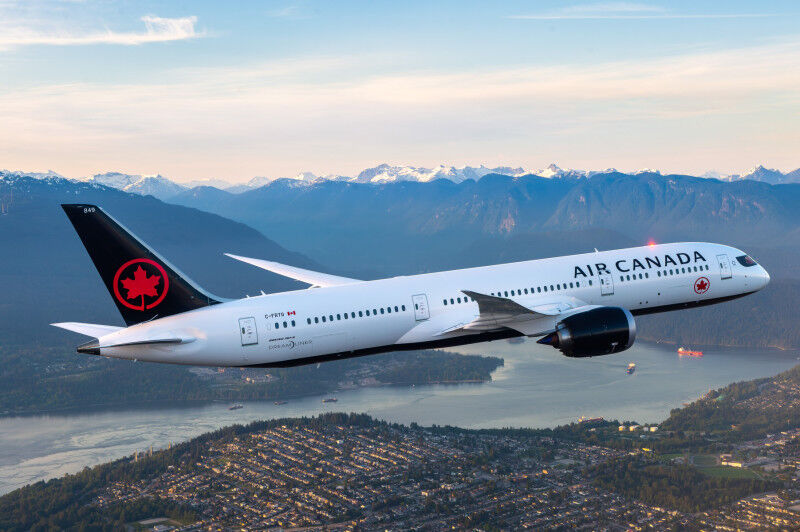
Air Canada's, Europe

As part of Air Canada’s strategic expansion to Europe in the summer of 2026, Germany will join France, Portugal, and Belgium, opening up new travel options for Canadians. By adding nonstop flights to Berlin, Nantes, Ponta Delgada, and Brussels, this expansion broadens the airline’s European reach. By adding these new routes, Air Canada is expanding its transatlantic network, improving access to important European locations, and satisfying the increasing demand for seamless travel. As a result, both leisure and business travelers will have exciting new ways to discover Europe.

Air Canada is set to expand its trans-Atlantic network significantly for Summer 2026, introducing four new European destinations that further solidify its role as a leading player in North American aviation. This move highlights the airline’s commitment to enhancing its global connectivity, offering travelers more options and increasing its presence on the highly competitive trans-Atlantic market.

The new routes will operate from three major Canadian hubs, providing a variety of direct connections to key European cities, allowing Canadian travelers to enjoy smoother and more convenient travel options.

New Nonstop Routes from Montréal, Toronto, and Halifax

Starting Summer 2026, Air Canada will launch new nonstop flights from Montréal, Toronto, and Halifax, bringing four exciting European destinations into the airline’s growing portfolio. From Montréal, passengers will now have direct access to Berlin, Germany’s lively capital, and Nantes, a charming city in France’s Loire Valley. Both routes will be serviced three times a week during the summer season, making it easier for travelers to explore these cultural and historical hubs in Europe.

In addition, Toronto will benefit from a new connection to Ponta Delgada in the Azores, Portugal’s stunning archipelago, which has become a popular destination for nature lovers and those seeking to experience pristine landscapes. This new route complements Toronto’s extensive international network, which continues to expand as the airline focuses on offering passengers more options for European travel.

Halifax, which already boasts a popular link to London Heathrow, will gain its second international route, with direct flights to Brussels, the capital of Belgium. The addition of Brussels further enhances Halifax’s growing position as an international gateway and adds yet another route connecting Canada to Europe’s most dynamic cities.

Expanding Air Canada’s Transatlantic Network

This expansion builds upon Air Canada’s recent growth, which includes new routes to Palma de Mallorca and Sicily from Montréal, Shanghai and Budapest from Toronto, as well as year-round service to Bangkok from Vancouver. By the summer of 2026, Air Canada will boast the second-largest trans-Atlantic network in North America, in terms of the number of destinations offered. This places the airline in an ideal position to capitalize on the increasing demand for transatlantic travel, offering Canadian travelers direct access to some of Europe’s most sought-after destinations.

Air Canada’s enhanced European network promises to further strengthen economic and tourism ties between Canada and Europe. By providing nonstop connections to these new cities, the airline will cater to the growing demand for international travel, while supporting tourism and business exchanges across the Atlantic. These new services are expected to attract both leisure travelers seeking cultural experiences and business travelers looking to connect with major commercial hubs.

A Modern Fleet to Enhance the Travel Experience

To support these new routes, Air Canada will deploy its modern fleet of aircraft, designed to enhance the travel experience for all passengers. The Montréal-Berlin route will be serviced by the state-of-the-art Airbus A321XLR, which features lie-flat business-class seats, offering a premium travel experience for those on long-haul flights. Other services will be operated on narrowbody aircraft, equipped with both premium and economy cabins to cater to a variety of traveler preferences.

By choosing advanced aircraft for these new routes, Air Canada aims to ensure a comfortable and efficient journey for passengers, making these flights a top choice for those flying between Canada and Europe. The A321XLR, in particular, is renowned for its fuel efficiency and long-range capabilities, making it an ideal choice for transatlantic flights.

Air Canada’s Growing Global Reach

With these new additions, Air Canada will connect Canada to more than 126 global destinations by Summer 2026. The airline will offer up to 155,000 weekly seats across its Atlantic, Pacific, and South American markets, making it one of the largest carriers in terms of international capacity. This expansion is part of Air Canada’s broader strategy to increase its global presence and meet the growing demand for travel.

Additionally, the airline is set to resume its seasonal Montréal-Tel Aviv route, giving passengers more options to explore key destinations in the Middle East. This reintroduction of service to Tel Aviv further reflects Air Canada’s focus on diversifying its network and offering passengers more international routes to choose from.

Booking and Travel Dates

All flights to these new destinations are now available for booking, with seasonal operations running from June to October 2026. Air Canada’s commitment to providing travelers with the convenience of direct, nonstop flights to these exciting European cities is expected to drive demand and enhance the overall travel experience.

Germany joins France, Portugal, and Belgium in Air Canada’s strategic expansion to Europe for Summer 2026, introducing new nonstop flights to Berlin, Nantes, Ponta Delgada, and Brussels. This expansion enhances connectivity, offering Canadian travelers more direct access to key European destinations and supporting the growing demand for transatlantic travel.

In summary, Air Canada’s expansion into new European destinations for Summer 2026 not only strengthens its position as a leading carrier on the trans-Atlantic market but also opens up exciting opportunities for travelers seeking direct access to some of Europe’s most popular cities. Whether traveling for business or leisure, Air Canada’s new routes promise a more convenient, efficient, and comfortable way to explore Europe from Canada.

The post Germany Joins France, Portugal, And Belgium In Air Canada’s Strategic Expansion To Europe, Unlocking New Travel Opportunities For Summer 2026 appeared first on Travel And Tour World.
❌