
Reading view

Buenos Aires Joins Maceió, San Juan, Stockholm, Mexico City as Airbnb Reveals Cities Offering Maximum Adventure for Gen Z Tourists, New Destinations for 2026
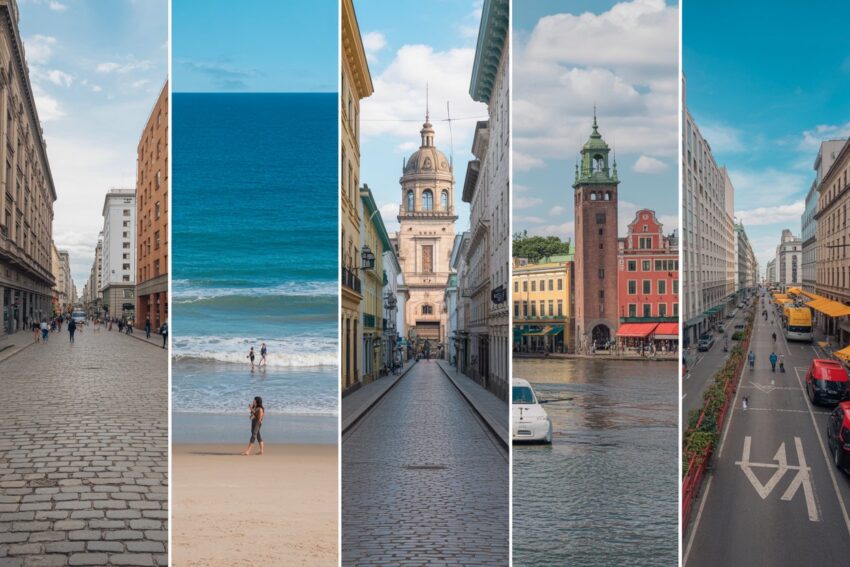
Buenos Aires Joins Maceió, San Juan, Stockholm, Mexico City as Airbnb Reveals Cities Offering Maximum Adventure for Gen Z Tourists, New Destinations for 2026

Buenos Aires joins Maceió, San Juan, Stockholm, and Mexico City in Airbnb’s exciting list of cities offering maximum adventure for Gen Z tourists. These cities are no longer just destinations; they are vibrant playgrounds for young travellers seeking unforgettable experiences. From the lively streets of Buenos Aires to the stunning beaches of Maceió, each of these cities provides the ultimate mix of urban energy, cultural exploration, and outdoor adventure and here is the new destinations for 2026.

Whether it’s Mexico City’s dynamic city life, San Juan’s perfect blend of culture and beaches, or Stockholm’s breathtaking natural beauty, Gen Z is flocking to these destinations for thrilling new experiences. Airbnb reveals that the trend of adventure-seeking among younger travellers is skyrocketing, making these cities the ultimate spots for 2026. Get ready to dive into why Buenos Aires, Maceió, San Juan, Stockholm, and Mexico City should be at the top of your travel list this year!

In 2026, the adventure travel trend is about to reach new heights, and it’s all thanks to Gen Z. These younger travellers are rewriting the playbook on where to go and what to do. Airbnb’s latest predictions reveal the five cities topping the list of the best spots for adventurous Gen Z tourists: Buenos Aires, Maceió, San Juan, Stockholm, and Mexico City. Each of these cities is uniquely positioned to offer culture, adventure, and unforgettable experiences. Gen Z is on a mission to explore, engage, and make memories in ways that break all the old rules of travel.

These cities aren’t just destinations—they’re life-changing experiences waiting to be discovered. If you’re wondering what’s driving Gen Z’s obsession with these global hotspots, keep reading as we dive into why Buenos Aires, Maceió, San Juan, Stockholm, and Mexico City are leading the charge for 2026’s top destinations.
Buenos Aires: Where Culture, Music, and Adventure Collide

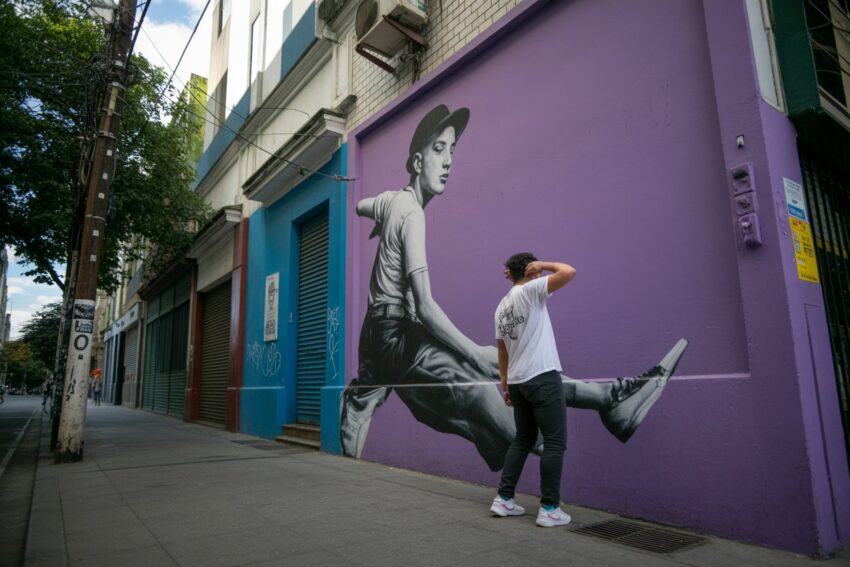
Buenos Aires, the capital of Argentina, is a vibrant metropolis that has quickly captured the attention of Gen Z. Known for its bohemian flair, tango culture, and rich arts scene, Buenos Aires has become an international hotspot for those looking for a culturally immersive experience. Gen Z travellers love to dive into the city’s live music venues, bustling cafes, and art-filled streets. Whether it’s strolling through the historic San Telmo neighbourhood or exploring the city’s iconic graffiti art, Buenos Aires offers an abundance of activities that cater to the adventurous spirit of young travellers.

Argentina’s Ministry of Tourism and Sports highlights Buenos Aires as a leading cultural hub in South America, attracting millions of visitors each year. The city’s historic landmarks, such as the Casa Rosada and the Teatro Colón, offer deep historical insight, while its nightlife scene, including underground bars and trendy clubs, is always buzzing.

Gen Z seeks out cities that offer a high-energy, fast-paced atmosphere combined with cultural authenticity, and Buenos Aires delivers just that. Airbnb’s findings show that short, intense getaways to vibrant urban environments like Buenos Aires are increasingly popular. Here, adventure doesn’t just mean outdoor activities—it means living in the pulse of a city that never sleeps.

Maceió: Brazil’s Best-Kept Secret for Beach Adventures and Ecotourism

Maceió, located on Brazil’s northeast coast, has long been a paradise for beach lovers. However, it is now emerging as one of Gen Z’s top choices for adventure-filled holidays. Maceió’s crystal-clear waters, beautiful beaches, and natural tide pools offer the perfect backdrop for water sports and ecotourism activities. Gen Z is flocking here to indulge in everything from scuba diving to kite surfing in one of Brazil’s most scenic coastal regions.

Maceió’s popularity is no surprise. Official tourism sources, including Visit Brasil, point to the city’s eco-friendly initiatives and growing sustainable tourism efforts. Visitors to the city can explore the local ecosystems while engaging in active water adventures like snorkelling in natural pools or cycling along the beachfront. With its wide-open spaces, Maceió is the perfect getaway for young travellers looking to escape the hustle and bustle of urban life without sacrificing their sense of adventure.

The city offers more than just a beach break—it provides an opportunity to connect with nature and explore Brazil’s tropical wilderness. The growing tourism industry in Maceió is benefiting from the rise of ecotourism and sustainable travel, which aligns perfectly with Gen Z’s desire for eco-conscious adventures. Airbnb has spotlighted the city’s stunning coastline and outdoor exploration opportunities as reasons why it’s becoming a Gen Z favourite.
San Juan: The Caribbean Adventure You’ve Been Waiting For

San Juan, Puerto Rico’s historic capital, offers an electrifying mix of Caribbean culture, beaches, and adventure. It’s no wonder that it’s now one of Gen Z’s go-to destinations for adventurous trips. San Juan’s colonial architecture, vibrant street art, and pulsating nightlife blend seamlessly with its beachfront activities. Gen Z loves exploring the Old San Juan district, soaking in the history while indulging in modern Caribbean flavours at local eateries. Whether it’s surfing at Condado Beach or exploring the El Yunque Rainforest, San Juan presents unparalleled adventure.

Puerto Rico’s tourism department is heavily invested in promoting the island as a top destination for both relaxation and adventure. Official reports highlight San Juan as a key attraction for international travellers, especially for those seeking a balance between cultural exploration and active outdoor pursuits. From historic forts to beach parties, the city’s appeal is multi-faceted, offering Gen Z everything they crave: culture, history, and tons of adrenaline-pumping adventures.

San Juan represents the perfect blend of urban and natural exploration. It’s a place where adventure seekers can explore historic streets by day and dive into the vibrant nightlife by night. According to Airbnb’s 2026 predictions, these dynamic features make San Juan one of the hottest Gen Z spots to visit.
Stockholm: The Ultimate Urban-Nature Adventure Destination

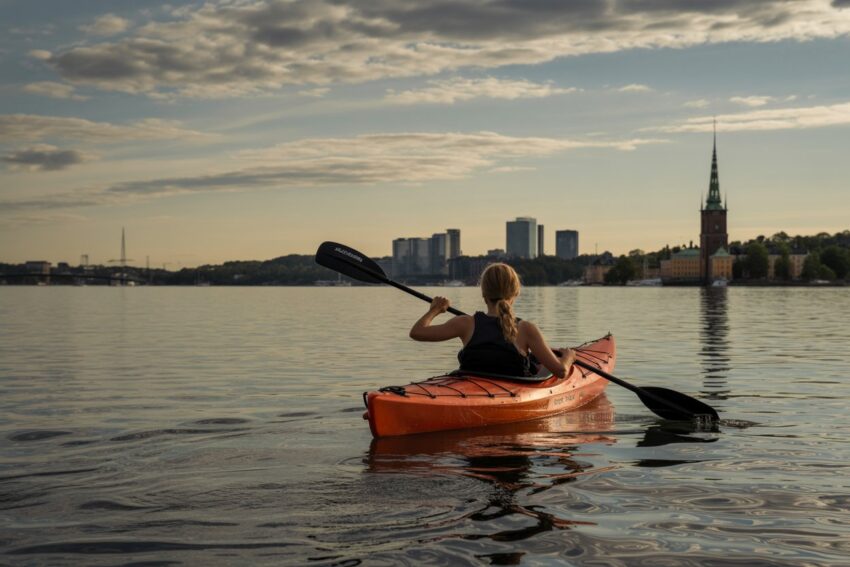
Stockholm, Sweden’s capital, is a city where urban sophistication meets untamed nature, making it an ideal choice for Gen Z travellers. With its waterfront views, trendy design scene, and ample green spaces, Stockholm offers the ultimate combination of culture, nature, and adventure. Gen Z can hike through forests, kayak in the archipelago, or bike along the city’s numerous trails while staying close to all the urban attractions.

The city’s sustainable tourism initiatives are a huge draw for younger travellers, who are increasingly focused on eco-conscious travel. Stockholm’s official tourism board highlights the city’s commitment to sustainability, making it a perfect place for eco-minded adventure seekers. Airbnb’s data also shows a growing interest in nature-based experiences such as hiking, wildlife watching, and boating, all of which are easily accessible in Stockholm’s surroundings.

Whether it’s strolling through Gamla Stan, Stockholm’s medieval old town, or escaping to the archipelago for an active weekend, the Swedish capital caters to every type of adventurer. The city is the perfect destination for Gen Z, who crave dynamic experiences that combine both nature and culture.

Mexico City: A Fast-Paced Urban Adventure with a Rich Heritage

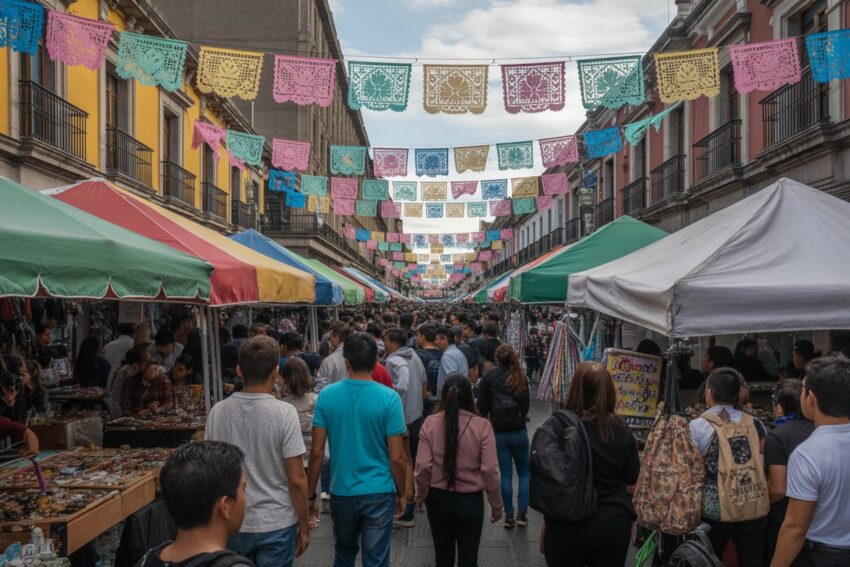
Mexico City is a global adventure hub for Gen Z tourists. Known for its vibrant street life, world-class museums, and history-laden streets, it offers an exciting urban escape packed with culture and history. Gen Z loves Mexico City’s eclectic mix of pre-Hispanic ruins and modern architecture, with spots like the Zócalo and Chapultepec Park offering endless opportunities for discovery.

Mexico City’s official tourism website and national travel organisations promote the city as a major cultural and adventure tourism destination. The city’s burgeoning art scene and diverse culinary offerings are perfect for young travellers looking for rich cultural immersion paired with active city exploration. Gen Z visitors flock to Mexico City’s markets, live music spots, and outdoor activities, which make it one of the most exciting cities for the younger generation.

Airbnb’s research confirms that Gen Z is drawn to Mexico City for its high-energy adventures in a city that blends history, culture, and modern entertainment. With its active, immersive experiences, Mexico City is the ultimate Gen Z playground.

Buenos Aires: The Ultimate Adventure Destination for Urban Explorers

Buenos Aires, the vibrant capital of Argentina, is not just a city; it’s an adventure waiting to unfold. For the modern traveller, especially those seeking urban exploration, cultural immersion, and outdoor experiences, Buenos Aires offers a perfect blend of the old and new. From tango-filled streets to cutting-edge art, historical landmarks to buzzing neighbourhoods, Buenos Aires invites you to explore its many layers. Whether you are a food lover, an art aficionado, or someone who enjoys the thrill of a busy city, Buenos Aires is a destination that promises to cater to every type of traveller. In this destination guide, we’ll take you through the urban chic adventure spots, must-see attractions, serviced apartments, and vacation rentals that make Buenos Aires an unmissable destination for your next trip.
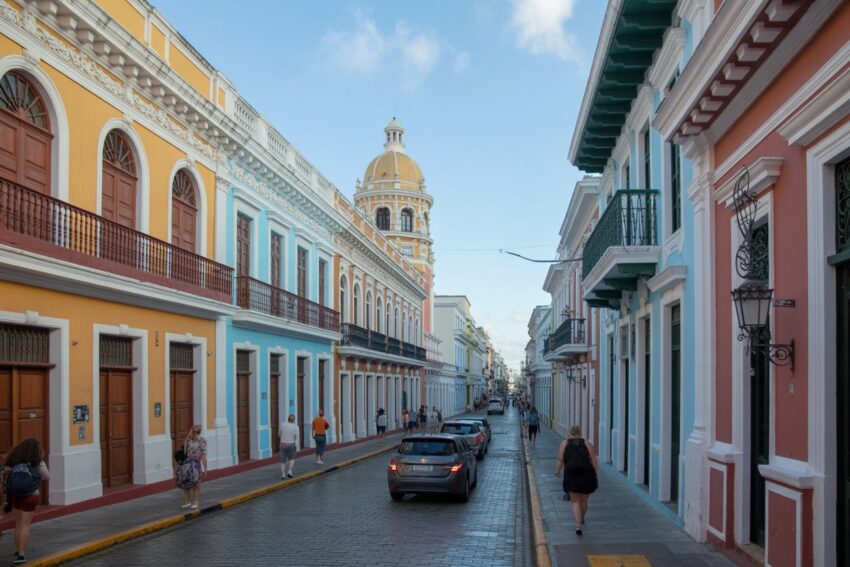
Urban Adventure at Every Corner

Buenos Aires is a city that pulses with energy. As you walk through its streets, you’ll notice how the old and new coexist effortlessly. The city’s iconic streets, such as Florida Street, invite you to engage in both shopping and street performances, where the city’s vibrant life unfolds. San Telmo, one of Buenos Aires’ oldest neighbourhoods, is a must-see for visitors looking to dive deep into the city’s history and culture. This area is famous for its antique shops, cobblestone streets, and lively tango performances that bring the city’s spirit to life. The weekly Feria de San Telmo, a large street market, brings out the best of the city’s local culture with vendors selling everything from vintage clothes to handcrafted jewelry. It’s an experience you can’t miss, especially on Sundays.

For urban adventurers, Buenos Aires offers more than just picturesque streets and quaint neighbourhoods. The city’s art scene is a dynamic fusion of historical masterpieces and contemporary works. From the Teatro Colón, one of the finest opera houses in the world, to street art walking tours that showcase Buenos Aires’ graffiti culture, there’s something for everyone. The city’s active art scene is a testament to its rich cultural heritage. For those who appreciate a more intimate experience, Palermo offers a modern edge with its hip bars, boutiques, and trendy cafes, while the nearby Bosques de Palermo park is perfect for those who want a quick escape to nature.

A Feast for the Senses: Buenos Aires’ Culinary Delights

One of Buenos Aires’ strongest appeals to urban adventurers is its food scene. Argentine cuisine is a celebration of flavours, textures, and tradition. From classic dishes like asado (Argentine barbecue) to unique delicacies like empanadas and mate (a traditional herbal tea), Buenos Aires has something to satisfy every palate. For the true culinary adventurer, a food tour is a great way to experience the best of the city’s gastronomic offerings. One popular option is AsadoAdventure®, which takes you on a delicious journey through local markets and kitchens to understand Argentina’s love for meat and grilling.

The city also embraces an international food scene, with Italian, Spanish, and Asian influences found at every corner. In Palermo, you’ll find chic restaurants offering fusion food that blends traditional Argentine dishes with international trends. The San Telmo area, on the other hand, offers a more authentic, rustic atmosphere where you can savour traditional food at historic local cafés.

If you’re keen on discovering the local flavours on your own, you’ll find local markets like Mercado de San Telmo where you can experience fresh, local produce, cheeses, meats, and spices that are deeply rooted in Argentine culture. Buenos Aires is undoubtedly a food lover’s paradise, where each meal becomes an adventure of its own.

Vacation Rentals and Serviced Apartments for Your Stay

Buenos Aires offers a wide range of accommodation options that cater to different traveller needs, making it ideal for those staying long-term or looking for self-catering options. From vacation rentals in popular districts like Palermo and Recoleta to serviced apartments in the heart of the city, you’ll find places that offer comfort, style, and accessibility to key attractions.

For those looking for a homely experience with all the conveniences of a hotel, serviced apartments are a perfect choice. With options like Mía Apart Microcentro and Lemon Suites, travellers can enjoy the independence of apartment living with the added luxury of hotel-like services, such as cleaning and concierge assistance. These apartments are often fully furnished, allowing you to feel right at home while you explore the city.

Vacation rentals are another popular choice for longer stays. Platforms like Vrbo list thousands of options in Buenos Aires, ranging from chic city apartments in Palermo to spacious homes in quieter neighbourhoods like Villa Devoto and Villa Urquiza. These rentals often provide amenities like private kitchens, wifi, and even pools in certain properties, making them perfect for families, groups, or those who prefer the freedom to cook and live like locals. Staying in a rental allows you to fully immerse yourself in the local lifestyle and provides easy access to both the bustling city life and tranquil green spaces.

Must-See Tourist Attractions in Buenos Aires

Buenos Aires is teeming with iconic attractions that will keep you on your toes. Whether you’re a history buff, an art lover, or someone who simply enjoys exploring a city, there’s no shortage of landmarks to discover.

  • La Boca and Caminito: For a taste of local colour, La Boca offers colourful streets and vibrant art scenes. Caminito, the most famous street in the area, is lined with bright houses, street vendors, and artists selling their work. It’s also the birthplace of tango, so don’t be surprised if you’re treated to impromptu performances as you stroll through the area.
  • Plaza de Mayo: This historic square is the political heart of Buenos Aires. Surrounded by significant buildings like the Casa Rosada, where the Argentine president resides, and the Metropolitan Cathedral, this square is a symbol of Argentina’s history. Visitors can explore the Government House and reflect on the city’s political and social changes.
  • Recoleta Cemetery: Often considered one of the most beautiful cemeteries in the world, Recoleta Cemetery is where many of Argentina’s most famous figures are buried, including Eva Perón. This historical site attracts visitors with its elegant tombs and the architectural beauty of the mausoleums.
  • Teatro Colón: One of the world’s most renowned opera houses, the Teatro Colón offers spectacular architecture and acoustics. If you’re visiting during the opera season, make sure to catch a performance, or take a guided tour to learn about the history and the architectural feats that have made this building a gem.
  • Palermo Parks: For a more relaxed day, head to Palermo. The area is home to large green spaces such as Jardín Botánico and Parque Tres de Febrero, perfect for a leisurely stroll, picnic, or a bike ride. The parks are perfect for those who want to escape the hustle and bustle of the city and enjoy nature.

A City for Adventure Seekers

Buenos Aires isn’t just about its famous landmarks and lush parks; it’s a city that offers a whole array of adventurous activities for those who crave active exploration.

  • Tango: Tango is more than just a dance in Buenos Aires; it’s an integral part of its cultural identity. Visitors can try their hand at dancing in one of the city’s many tango schools or attend a milonga (tango dance hall) to experience the passion and rhythm that make this dance world-famous.
  • Cycling: Buenos Aires has invested heavily in building cycling infrastructure. The city now boasts an extensive network of bike lanes, and it’s one of the most bike-friendly cities in South America. Many local tour companies offer guided bike tours that take you around the city’s major landmarks while showing you hidden gems.
  • Kayaking on the Rio de la Plata: For water enthusiasts, kayaking in the Rio de la Plata offers a chance to see the city from a different perspective. Kayak rentals are available, allowing you to glide along the water and enjoy stunning views of the city skyline.
  • Hiking in the Nearby Countryside: Buenos Aires isn’t just a city; it’s surrounded by natural beauty. A short drive away, you’ll find the Sierras de la Ventana and the Pampas region, perfect for hiking, birdwatching, and exploring the countryside.

Final Thoughts: Why Buenos Aires is a Must-Visit for Urban Adventurers

Buenos Aires is the ultimate urban adventure destination, offering a mix of historical charm, cultural depth, outdoor exploration, and modern excitement. From exploring historic neighbourhoods to diving into the city’s vibrant food scene, from engaging in active city tours to relaxing in green spaces, Buenos Aires offers something for everyone. Whether you’re staying in a trendy serviced apartment in Palermo or renting a chic flat in Recoleta, you’ll find comfort, style, and accessibility to the city’s top attractions. Buenos Aires is more than a place to visit; it’s a city that invites you to live, explore, and discover at your own pace. If you haven’t added this incredible destination to your list yet, now is the time to do so.

Why Gen Z Is Shaping the Future of Travel

Airbnb’s 2026 predictions confirm that Buenos Aires, Maceió, San Juan, Stockholm, and Mexico City are more than just popular travel destinations; they are adventure hotspots for a generation of travellers eager to explore, experience, and engage with the world in new, exciting ways. These cities offer the perfect blend of urban culture, natural adventure, eco-conscious tourism, and vibrant street scenes, making them irresistible to the younger generation. As Gen Z continues to drive tourism trends, expect to see these cities at the forefront of 2026’s adventure travel revolution.

The post Buenos Aires Joins Maceió, San Juan, Stockholm, Mexico City as Airbnb Reveals Cities Offering Maximum Adventure for Gen Z Tourists, New Destinations for 2026 appeared first on Travel And Tour World.

Canada Joins Brazil, Mexico, UK, Spain, Costa Rica and Other Nations as US Set to Implement New Travel Rules with Biometric Entry Exit, ESTA, Visa Screening, Higher Park Fees and More: Everything You Need to Know

Canada Joins Brazil, Mexico, UK, Spain, Costa Rica and Other Nations as US Set to Implement New Travel Rules with Biometric Entry Exit, ESTA, Visa Screening, Higher Park Fees and More: Everything You Need to Know
Canada, Brazil, Mexico, UK, Spain, Costa Rica, US, Biometric Entry Exit, ESTA, Visa Screening, Higher Park Fees,

In order to improve security and expedite border control, travelers from Canada, Brazil, Mexico, the UK, Spain, Costa Rica, and other nations will be subject to new U.S. travel regulations starting in 2026. These regulations include biometric entry and exit checks, required digital history disclosures for ESTA, and increased park fees. The U.S. government is making these adjustments as part of its continuous efforts to improve border security, lower identity fraud, and guarantee more extensive screening of foreign visitors. Travelers will have to adjust to these more stringent rules as the United States transitions to a more automated and digital border system. This could result in longer wait times at immigration checkpoints and higher travel costs. Knowing these new regulations will be essential to preventing delays and extra expenses, whether you’re traveling for work, pleasure, or business.

If you’re planning to visit the U.S. anytime soon, here’s everything you need to know about the upcoming regulations and how they will affect your trip.

The Biometric Entry/Exit System: Major Changes for All Non-Citizens

One of the most significant changes that will impact Canada, Mexico, Brazil, and other countries is the biometric entry-exit system, which will be fully implemented by December 26, 2025. Previously, certain travellers—particularly from countries like Canada—were exempt from biometric checks, allowing them to pass through U.S. borders more quickly and easily. But starting late 2025, no one is exempt.

This means that facial biometrics (essentially facial scans) will be required for all non-U.S. citizens entering or exiting the U.S., whether by air, land, or sea. Previously, U.S. citizens could opt-out, but for international travellers, this will be mandatory. The process will not only speed up security checks but also improve the U.S.’s ability to track who is entering and leaving the country.

Canadian nationals, who were historically spared from some of these procedures, will now face the same biometric checks as travelers from other countries. This move is expected to reduce cross-border flow and could strain travel dynamics between the U.S. and Canada, with early data showing a decline in travel numbers between the two countries as stricter regulations take hold.

The bigger picture? The U.S. aims to enhance national security by using biometric data to track visas, prevent fraudulent travel documents, and reduce the risk of visa overstays. However, this will likely lead to longer wait times at airports and increased friction for travellers, especially those unfamiliar with the new procedures.

Mandatory ESTA Digital Disclosure: New Digital Transparency for VWP Countries

In 2026, Visa Waiver Program (VWP) travellers—nationals from countries such as the UK, Spain, Costa Rica, and Germany—will face the implementation of a new ESTA rule that goes beyond the standard security questions. The new rule will require applicants to submit detailed digital history as part of their application.

Starting Spring 2026, all travellers applying for ESTA will have to disclose their social media profiles, email addresses, and phone numbers used over the past five to ten years. This is part of a broader effort by the U.S. government to assess digital footprints and ensure that travellers don’t have any connections to hostile political views or groups. The new policy is designed to give authorities a more complete view of a traveller’s background, potentially preventing entry for individuals deemed to have harmful intent or connections.

While this will certainly improve national security, it’s bound to raise concerns about privacy and the impact of political activity on travellers’ entry into the U.S. Travellers may face increased scrutiny if their social media history or email exchanges paint them in a light that raises red flags with U.S. authorities.

Visa Screening and More Scrutiny for Foreign Workers

As part of the U.S.’s broader effort to tighten immigration controls, there will also be more intense visa screening procedures for foreign nationals, particularly those applying for work visas like the H-1B or L-1. Starting in late 2025, the U.S. Department of Homeland Security (DHS) will increase scrutiny of visa applications by requiring deeper background checks into applicants’ digital activities, including social media content.

For countries like Mexico and Brazil, this means that applicants seeking to enter the U.S. for employment will undergo a far more rigorous process. Not only will applicants face additional questioning, but their social media profiles and digital interactions will also be assessed. This is expected to create a logjam in the visa approval process and could lead to delays for workers seeking jobs in the U.S.

The goal of these changes is clear: the U.S. wants to screen out individuals who may pose a threat to national security or have extremist tendencies. However, critics argue that this move could lead to an increased burden for individuals whose digital presence has been misinterpreted or who have participated in controversial social media discussions.

Higher Park Fees: A Growing Financial Burden for International Visitors

Visitors from countries such as Canada, Mexico, and Spain will also face higher fees when visiting U.S. national parks starting in 2026. These new fees will be added to the regular admission prices, significantly increasing the cost of visiting iconic parks like Yellowstone, Yosemite, and the Grand Canyon.

International visitors will pay an additional $100 per day on top of regular entrance fees, making trips to some of the U.S.’s most popular tourist destinations significantly more expensive. This policy is seen as an effort to boost funding for park maintenance, but it could dissuade some international travellers from visiting these natural wonders.

While U.S. nationals will be unaffected, visitors from abroad will now need to factor these additional costs into their travel budgets, which may deter some travellers from visiting the U.S. and lead to a drop in international tourism to these areas. The timing of this change is critical, as the U.S. hopes to capitalize on post-pandemic tourism. However, higher fees could reduce the number of international visitors willing to pay premium prices.

Stricter USCIS Rules on Immigration Photographs: A New Step to Prevent Identity Fraud

The U.S. Citizenship and Immigration Services (USCIS) has introduced stricter rules for photographs used in immigration paperwork. This new policy aims to reduce identity fraud and ensure the authenticity of documents submitted by individuals applying for U.S. visas, green cards, or other immigration benefits.

As of the latest update, the USCIS now requires that all photographs submitted with immigration forms must meet specific size, lighting, background, and clarity guidelines. The photos must also be free from any alterations or tampering, which means applicants need to ensure their photos are authentic and meet the precise specifications outlined by the USCIS to avoid rejection or delays in their application process.

This tightening of photo requirements will impact individuals seeking to immigrate to the U.S., as poorly formatted or non-compliant photographs could result in a delay or even a rejection of their application. The move is part of a larger effort by the U.S. government to combat identity theft and fraud within the immigration system.

For those applying for visas or green cards, ensuring that the submitted photographs meet the new USCIS guidelines is critical to avoid unnecessary delays. It is advisable for applicants to review the USCIS website for detailed photo requirements or consult with an immigration professional to ensure compliance.

These changes also align with the broader U.S. policy to tighten security and improve the vetting process for foreign nationals entering the country. While it may seem like an additional hurdle, the goal is to create a more secure immigration system by preventing fraudulent documents and ensuring a streamlined, trustworthy application process.

How Will These Changes Impact Global Tourism?

These changes will undoubtedly have a significant impact on global travel patterns, particularly for countries like Canada, Mexico, Brazil, UK, Spain, and Costa Rica. As the U.S. implements stricter controls on travel entry and introduces new fees, international tourists may feel alienated, facing longer waits, higher costs, and invasive security procedures.

For Canadian travelers, the removal of the biometric exemption and the introduction of new digital disclosure rules will likely create friction in what was previously a relatively simple and speedy crossing. With a decline in cross-border traffic already being observed, these changes could cause further strain.

Meanwhile, European and Latin American tourists—particularly those from Spain, Costa Rica, and Brazil—may reconsider U.S. destinations in favour of places with fewer bureaucratic hurdles and lower costs. International travel to the U.S. could become a highly regulated experience, where additional time, costs, and complexity may outweigh the appeal of visiting famous attractions.

Preparing for the Changes: What You Need to Know

As these regulations roll out, travelers must take proactive steps to ensure smooth entry into the U.S. Here’s what you can do:

  • Stay updated on ESTA rules: If you are from a VWP country, start preparing your digital profiles now. Be aware that social media history and email records will be scrutinised as part of your ESTA application.
  • Ensure compliance with biometric entry: Expect biometric checks at all U.S. entry points. Make sure your passport or travel documents are in order, and be prepared for longer wait times at airports.
  • Prepare for higher costs: If you’re planning to visit U.S. national parks, budget for the new higher park fees that will be imposed on foreign visitors.
  • Visa applicants, take note: If you’re applying for an H-1B or other work visa, prepare for additional screening that includes a closer look at your digital footprint. Be ready for delays in the process.

Starting in 2026, travelers from Canada, Brazil, Mexico, the UK, Spain, Costa Rica, and other countries will face new U.S. rules, including biometric checks, digital history disclosures, and higher park fees, all aimed at improving security and streamlining border control. These changes are designed to enhance safety, reduce fraud, and modernize the U.S. immigration process.

Conclusion: A New Era for U.S. Travel and Tourism

The U.S. is ushering in a new era of travel regulations that will impact millions of international visitors. Canada, Brazil, Mexico, Spain, Costa Rica, and many other nations will need to adapt to biometric checks, ESTA disclosures, visa screening, and higher park fees. For travellers, these changes will mean longer waits, more scrutiny, and higher costs—but they also represent a shift toward more secure and controlled borders.

As the 2026 regulations are implemented, expect these new rules to change the way you travel to the U.S. Whether you’re a tourist or a business traveller, understanding these changes will be key to ensuring your trip goes smoothly.

The post Canada Joins Brazil, Mexico, UK, Spain, Costa Rica and Other Nations as US Set to Implement New Travel Rules with Biometric Entry Exit, ESTA, Visa Screening, Higher Park Fees and More: Everything You Need to Know appeared first on Travel And Tour World.

US Joins Cuba, Bangladesh, Sri Lanka, China And Brazil in Implementing Major Travel Changes – TSA Real ID Fee for Domestic Flyers and CDC Health Warnings for International Destinations

US Joins Cuba, Bangladesh, Sri Lanka, China And Brazil in Implementing Major Travel Changes – TSA Real ID Fee for Domestic Flyers and CDC Health Warnings for International Destinations

Travelers planning domestic flights within the US or preparing for international journeys to destinations such as Cuba, Bangladesh, Sri Lanka, China, and Brazil are now facing an array of new regulatory and health advisories that could affect travel logistics, security screening, and health precautions.

Federal government agencies in the United States have introduced updated travel documentation fees for domestic flyers without compliant identification and heightened health travel notices for international destinations experiencing mosquito‑borne disease outbreaks. These updates require travelers to reassess documentation and health preparation for upcoming trips.

What Is Changing and Who Is Affected?

The new changes fall into two distinct categories impacting different groups of travelers:

  1. Domestic U.S. Travelers affected by changes to security screening verification and associated fees.
  2. International Travelers to destinations with active health advisory notices from the U.S. Centers for Disease Control and Prevention.

Who Is Affected by the TSA Real ID Fee?

Effective late 2025, the Transportation Security Administration (TSA) has implemented a new $45 fee option for adult travelers who do not present a federally compliant form of identity while flying within the United States. This measure applies to:

  • U.S. citizens and lawful residents flying domestically who lack a Real ID‑compliant state driver’s license or identification card. These IDs are marked with a star symbol denoting federal compliance.
  • Non‑U.S. citizens flying domestically who do not possess an acceptable compliance document such as a foreign passport or other DHS‑accepted ID types.
  • Travelers who have but forget or lose a compliant ID at the airport and must rely on the alternative TSA ConfirmID verification process.

The $45 fee is only required for U.S. domestic flights through TSA’s alternative ID verification system when standard compliant identification is not presented. Travelers with U.S. passports, Real ID‑compliant state IDs, or other approved documents will not incur this charge.

Which International Destinations Are Under CDC Health Advisories?

Meanwhile, the CDC continues to monitor global health trends and has issued a Level 2 Travel Health Notice for several countries due to active outbreaks of chikungunya virus, a mosquito‑borne illness that presents an elevated risk for travelers. Level 2 advisories encourage travelers to “practice enhanced precautions” due to ongoing disease transmission.

The current Level 2 travel health notices include:

  • Cuba – Active outbreak of chikungunya virus.
  • Bangladesh – Chikungunya transmission reported.
  • Sri Lanka – Chikungunya cases prompting enhanced precautions.
  • Guangdong Province, China – Notable chikungunya outbreak.

In addition, CDC monitoring identifies other destinations with elevated risk of transmission, including Brazil, Colombia, India, Mexico, Nigeria, Pakistan, the Philippines, and Thailand, where virus vectors remain active even if specific official outbreak notices are not currently posted.

When Do These Travel Impacts Take Effect?

  • The TSA Real ID fee option became available in early December 2025 and is applicable immediately for travelers passing through TSA checkpoints without compliant identification.
  • The CDC Level 2 health notices are ongoing and subject to update as disease patterns evolve. The current notices are active as of December 2025.

Why These Changes Matter for Travelers

These travel updates matter because they directly affect both the cost and preparation required for domestic travel and the health precautions necessary when going abroad.

  • Domestic travelers within the U.S. may be unexpectedly charged an additional fee if they lack compliant ID at airport security checkpoints, potentially disrupting travel budgets and causing delays at security screening.
  • International travelers heading to countries with CDC health notices need to prepare for enhanced protective measures against mosquito‑borne diseases, including vaccines where recommended, mosquito avoidance strategies, and health planning prior to departure.

How Travelers Should Respond

For domestic flights within the U.S., travelers are advised to verify that their state‑issued identification is Real ID‑compliant before departure or be prepared to use the TSA alternative verification and pay the corresponding fee.

For international travel, individuals planning trips to the affected destinations are encouraged to consult the CDC’s Travel Health Notices to understand the specific health risks at each location, including outbreaks of chikungunya virus and other emerging threats. Official CDC resources outline necessary precautions and health preparation for travelers amid these advisories.

What Travelers Should Know Before Departure

  • Confirm domestic travel documentation and purchase compliant ID if needed.
  • Review CDC travel notices for destination country health alerts and required precautions.
  • Plan for mosquito protection measures for affected regions.
  • Check official government advisories before travel to stay updated on changing travel health conditions.

The post US Joins Cuba, Bangladesh, Sri Lanka, China And Brazil in Implementing Major Travel Changes – TSA Real ID Fee for Domestic Flyers and CDC Health Warnings for International Destinations appeared first on Travel And Tour World.

MSC Sinfonia Forced to Reroute to Ilhabela as Strong Winds and Rough Seas Disrupt Brazilian Coastal Cruise Plans

MSC Sinfonia Forced to Reroute to Ilhabela as Strong Winds and Rough Seas Disrupt Brazilian Coastal Cruise Plans

The MSC Sinfonia, cruising along Brazil’s eastern coastline, was recently forced to alter its itinerary after severe weather conditions rendered planned ports unsafe. The four-night journey, which began in Santos, had been scheduled to include stops at Búzios and Ilha Grande. However, strong winds and turbulent seas prevented the vessel from docking, prompting a diversion to Ilhabela, an island renowned for its natural harbors and protection from rough waters.

Ilhabela is situated within the São Sebastião Channel, a stretch of coastline known for its calm and sheltered waters. This natural advantage has made the island a reliable refuge for vessels seeking safety during adverse conditions. The combination of strategic geography and secure port facilities ensures that ships can anchor safely while passengers continue to enjoy a smooth travel experience despite the disruption.

Although the stop was unplanned, it delivered clear economic benefits. Cruise ship arrivals are vital to the island’s tourism sector, supporting local businesses such as restaurants, retail outlets, and excursion services. Even emergency or diverted calls bring attention and spending to the community, reinforcing Ilhabela’s role as an important hub for coastal tourism along Brazil’s eastern seaboard.

The island is preparing for an active cruise season ahead. It is expected to receive more than 50 ship visits and host over 217,000 passengers during the 2025–26 season. The revenue generated from these arrivals is projected to reach nearly $14.8 million USD, highlighting the economic significance of cruise tourism to Ilhabela. Investments in port infrastructure and passenger amenities have positioned the island to handle both scheduled itineraries and unexpected diversions efficiently.

The MSC Sinfonia diversion underscores the unpredictability of coastal travel. Even short cruises between popular ports can be affected by sudden weather changes, necessitating quick decisions from cruise operators. Ports like Ilhabela provide a safe and reliable alternative, enabling ships to adjust their routes without compromising passenger safety or experience.

Beyond safety, Ilhabela offers a range of attractions for visitors. Its pristine beaches, dense forests, and diverse marine ecosystems make it a sought-after destination for sightseeing and eco-tourism. Excursions, guided tours, and water-based activities provide engaging experiences for travelers, ensuring that diverted stops still offer memorable moments. These attractions benefit both the passengers and the local economy, reinforcing the value of Ilhabela as a versatile cruise destination.

The island’s reputation as a dependable harbor strengthens its appeal to cruise operators. Knowing there is a secure alternative in the event of adverse conditions allows ships to plan itineraries with greater confidence. This reliability supports the development of port facilities and tourism services, creating a positive cycle of economic growth and improved visitor experiences.

The recent diversion of MSC Sinfonia highlights the critical balance between travel planning and natural conditions. Ports like Ilhabela, with their combination of safety, accessibility, and visitor-friendly infrastructure, play a vital role in ensuring the continuity of coastal cruising. The island’s capacity to accommodate vessels during storms or rough seas makes it an essential part of Brazil’s maritime tourism network.

As the cruise season progresses, Ilhabela’s function as both a safe harbor and a vibrant destination remains central to the success of coastal tourism. Travelers, operators, and local businesses all benefit from the island’s preparedness and natural advantages, transforming potential disruptions into opportunities for economic activity and unique travel experiences. The MSC Sinfonia’s rerouting demonstrates that even when plans change unexpectedly, destinations like Ilhabela can ensure both safety and enjoyment for all involved.

The post MSC Sinfonia Forced to Reroute to Ilhabela as Strong Winds and Rough Seas Disrupt Brazilian Coastal Cruise Plans appeared first on Travel And Tour World.
❌