Reading view

iPhone 18 Pro could get a major front redesign with unconventional hole-punch camera placement

Apple’s iPhone 18 Pro and iPhone 18 Pro Max could bring a big change to the front design, according to a new report from The Information. The change would be one of the biggest shifts to the iPhone’s front layout in years.

Apple introduced the notch with the iPhone X in 2017 and switched to the Dynamic Island on the iPhone 14 Pro models in 2022. The current iPhone 17 lineup still uses a pill-shaped cutout for the front camera and Face ID, while under-display solutions have been under development for some time.

The latest report claims Apple is planning to place most of the Face ID hardware under the AMOLED display, leaving only a small cutout for the front-facing camera. Unlike the current centered Dynamic Island, that camera is said to move to the upper left corner of the screen.

If accurate, this would give the iPhone 18 Pro an asymmetrical front design. That would be a departure from Apple’s long-standing preference for centered cutouts and symmetrical layouts. Earlier rumors had suggested Apple would either keep the pill-shaped cutout or simply shrink it further, so this would mark a different direction.

Camera upgrades may also be coming to the back. At least one rear camera, likely the main sensor, is expected to gain a variable aperture. This would allow the camera to physically adjust how much light enters the lens, offering better control over depth of field and low-light shots.

The same report also mentions Apple’s foldable iPhone. The device is said to feature a 5.3-inch display when folded and a larger 7.7-inch display when unfolded. The folded screen is expected to use a roughly 2:3 aspect ratio, while the unfolded display would shift closer to 4:3. This would make the device shorter in its folded form than some existing foldables.

Apple’s first foldable iPhone is now expected to launch alongside the iPhone 18 lineup in September 2026.

As with all early reports, plans could still change, but the details suggest Apple is experimenting with more noticeable design shifts than usual for its next flagship cycle.

Don’t miss a thing! Join our Telegram community for instant updates and grab our free daily newsletter for the best tech stories!

For more daily updates, please visit our News Section.

(Source | Image)

The post iPhone 18 Pro could get a major front redesign with unconventional hole-punch camera placement appeared first on Gizmochina.


OnePlus Pad Go 2 launches in India with Dimensity 7300-Ultra, 10,050mAh battery, and 5G connectivity

OnePlus has launched a new tablet in India called the OnePlus Pad Go 2. It was announced alongside the OnePlus 15R and sits in the mid-range category, aimed at users who want a large display and long battery life without moving into premium pricing.

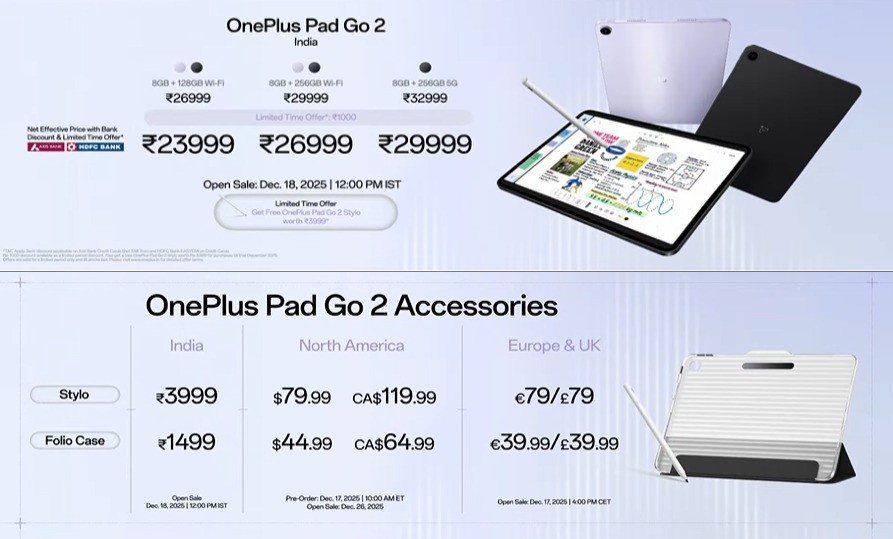
The Pad Go 2 is available in Lavender Drift and Shadow Black. That said, the Shadow Black colour is only offered on the 5G model. Powering the tablet is the MediaTek Dimensity 7300-Ultra, which is built on a 4nm process. OnePlus is offering the tablet with 8GB of RAM, paired with either 128GB or 256GB of UFS 3.1 storage.

Up front, the tablet gets a 12.1-inch LCD screen with a 2.8K resolution. It supports an adaptive refresh rate of up to 120Hz and goes up to 600 nits manually and 900 nits in HBM. Dolby Vision support is included, along with 98% coverage of the DCI-P3 colour space.

On the software side, the Pad Go 2 runs OxygenOS 16, based on Android 16. OnePlus has added features like Open Canvas for multitasking, along with AI tools such as AI Writer and AI Recorder. Audio output comes from a quad-speaker setup.

Battery capacity has also been increased compared to the earlier Pad Go. The new model packs a 10,050mAh battery and supports 33W SuperVOOC fast charging. There’s also 6.5W reverse wired charging, which can be used to charge smaller accessories if needed. For cameras, the tablet includes an 8MP unit on the back and an 8MP camera on the front for video calls.

Pricing and availability:

Pricing starts at Rs. 26,999 for the 8GB + 128GB Wi-Fi variant. The 8GB + 256GB Wi-Fi version is priced at Rs. 29,999, while the 5G model with 256GB storage costs Rs. 32,999. Sales begin in India on December 18.

OnePlus is also selling the Pad Go 2 Stylo for Rs. 3,999 and a Folio Case for Rs. 1,499 separately. The stylus supports 4,096 levels of pressure sensitivity.

Tech enthusiast? Get the latest news first! Follow our Telegram channel and subscribe to our free newsletter for your daily tech fix!

For more daily updates, please visit our News Section.

(Source: OnePlus)

The post OnePlus Pad Go 2 launches in India with Dimensity 7300-Ultra, 10,050mAh battery, and 5G connectivity appeared first on Gizmochina.

NexDock’s latest lapdock is a full-fledged laptop without a processor

Ever wanted to pair your smartphone’s processing power with a larger screen for a more PC-like multitasking setup? Most recent flagship phones are powerful enough for this, and some — like Samsung‘s Galaxy flagships and Google‘s newer Pixel flagships — even include dedicated desktop-style software.

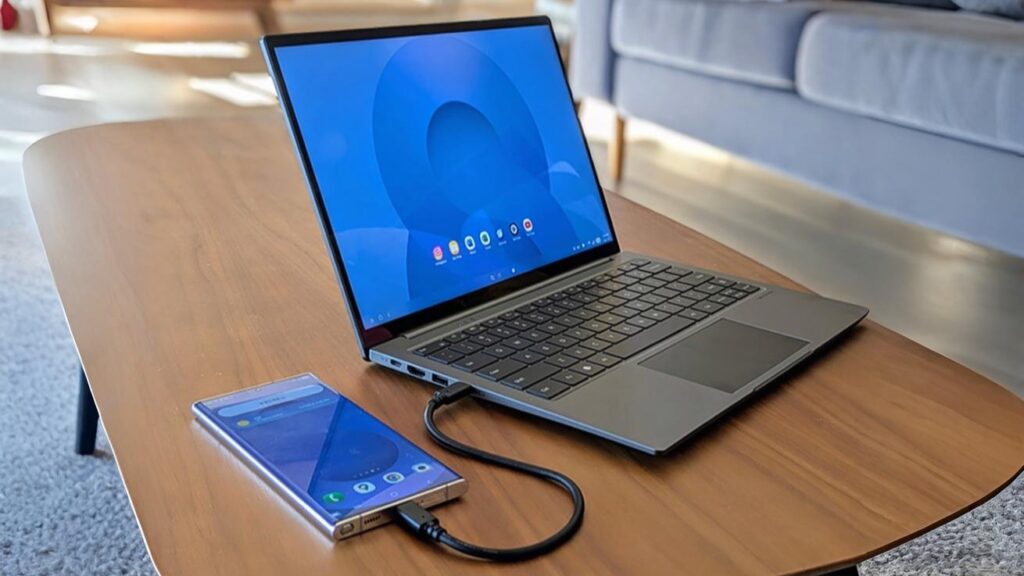
You still need the basics, though: a keyboard, trackpad, ports, speakers, and a battery. That’s where NexDock comes in. The company has been working on lapdocks for nearly a decade, and its latest model, the NexDock 6, is now officially in stock and shipping worldwide. According to the brand, it is designed to work with both smartphones and gaming handhelds.

A much-improved display and trackpad

The biggest upgrade comes in the display. The NexDock 6 features a 14-inch WUXGA (1920 × 1200) touchscreen with a 16:10 aspect ratio. It’s rated for up to 400 nits of brightness, covers 100% of the sRGB color space, and includes a low blue light coating.

The trackpad has also been reworked from the ground up, addressing one of the weaker points of earlier models. According to the company, the new trackpad offers improved responsiveness, better palm rejection, and more reliable multi-finger gesture support across Android desktop modes, Windows, Linux, and SteamOS.

Audio has seen a modest upgrade as well, with dual 2W bottom-firing speakers. Battery capacity is rated at 38Wh, with NexDock claiming around six to seven hours of “real-world use” at medium brightness. The USB-C video port can charge a connected device at up to 5V/2A, up from 5V/1A on the previous generation, meaning your phone can actually gain charge while you’re using it.

The NexDock 6 is priced at $229, with shipping, taxes, and duties included for supported regions. Orders ship from Hong Kong to more than 30 countries, including the US, much of Europe, Asia, and Oceania. NexDock says local US inventory is expected to arrive in early 2026.

Don’t miss a thing! Join our Telegram community for instant updates and grab our free daily newsletter for the best tech stories!

For more daily updates, please visit our News Section.

The post NexDock’s latest lapdock is a full-fledged laptop without a processor appeared first on Gizmochina.

Ai+ Nova Flip teased as the brand’s first flip-style foldable in India

Ai+, the smartphone brand led by Madhav Sheth, is preparing to step into the foldable phone space in India. The company has officially teased its first flip-style foldable smartphone, called the NovaFlip, marking a new direction for the young brand.

The teaser was shared by Madhav Sheth himself on X, where he posted a short video along with the lines “Some things are better when flipped”. The video carries the tagline “SEE YOU ON THE FLIP SIDE” and ends with a clear “Coming Soon” message, confirming that the launch isn’t too far away.

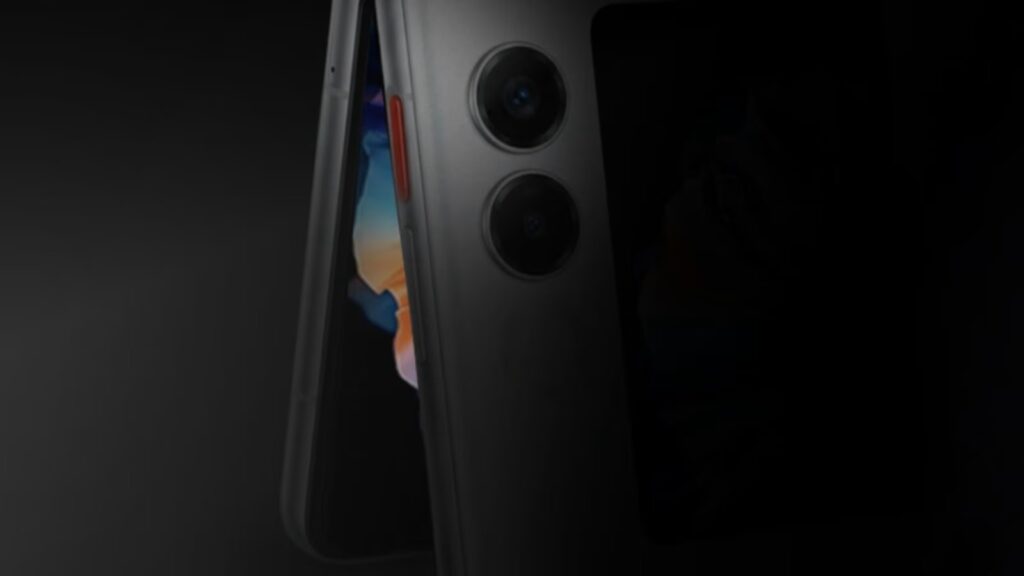
While Ai+ Smartphone hasn’t revealed specifications yet, the teaser does give us a brief look at the phone’s design. The NovaFlip appears in a Silver or Grey finish and looks clean and minimal. On the right side, the volume buttons sit above a power key that also seems to house a fingerprint scanner. Interestingly, the power button is highlighted with a red accent, which adds a bit of contrast to the otherwise muted colour scheme. Antenna lines can also be seen along the frame, and the camera module slightly sticks out from the back panel.

More details are expected to surface in the coming days as Ai+ continues its teaser campaign. The NovaFlip will be the brand’s third smartphone overall, following the launch of the Pulse and Nova 5G in July. Recently, both of those phones also received a new Red colour option, expanding on the five colours they were originally available in.

With the NovaFlip, Ai+ Smartphone is clearly looking to tap into the growing interest around foldable phones in India. The brand is likely positioning the phone as a more accessible alternative to premium flip phones from Samsung and Motorola — a segment that’s still fairly niche in India.

Don’t miss a thing! Join our Telegram community for instant updates and grab our free daily newsletter for the best tech stories!

For more daily updates, please visit our News Section.

(Source)

The post Ai+ Nova Flip teased as the brand’s first flip-style foldable in India appeared first on Gizmochina.

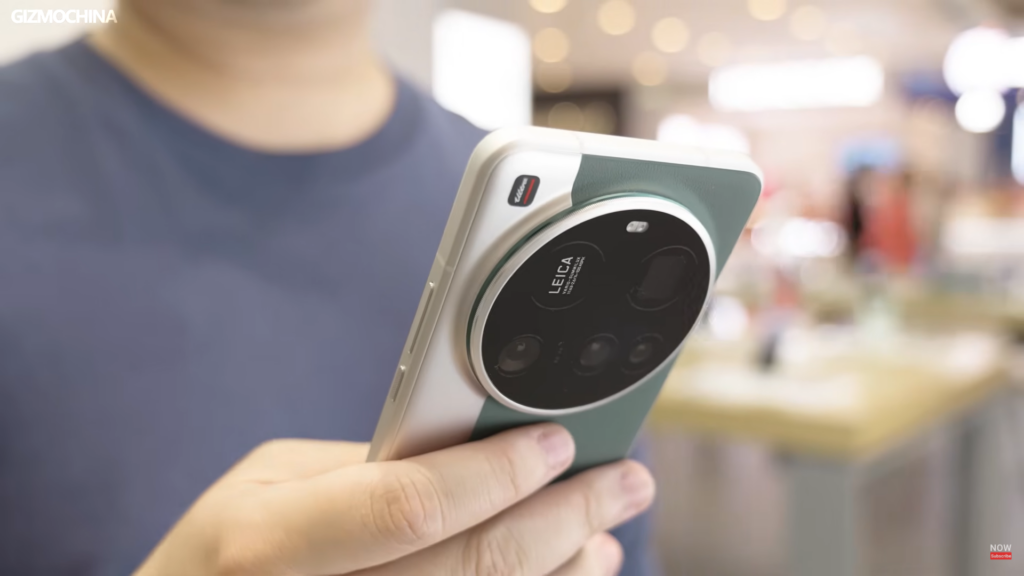
Xiaomi 17 Ultra camera watermarks point to new Leica branding for global markets

Camera watermark leaks are offering an early look at Xiaomi’s upcoming Xiaomi 17 Ultra, and they suggest changes to both branding and camera hardware. The details appear to come from internal testing builds.

One notable point is the naming. In China, the phone is expected to launch as Xiaomi 17 Ultra by Leica, which fits Xiaomi’s current branding. Outside China, however, the watermark references Leitzphone powered by Xiaomi, hinting at a different name for global markets. Xiaomi hasn’t confirmed whether this branding will be used at launch, but the Leitzphone name lines up with a previous leak.

Model numbers also line up with this split. Xiaomi 17 Ultra variants are listed under codes 2512BPNDAG, 2512BPNDAI, and 2512BPNDAC, while the Leitzphone-powered models carry separate identifiers, including 25128PNA1G and 25128PNA1C.

The camera setup also appears to have changed since earlier leaks. Instead of a quad-camera layout, recent leaks point to a triple-camera system. The main camera is said to use a 50MP OmniVision OVX10500U (OV50X) Light Hunter 1050U sensor with a 1-inch format. It’s joined by a 50MP ultra-wide camera using Samsung’s S5KJN5 sensor and a single 200MP telephoto camera based on the S5KHPE sensor.

For reference, the Xiaomi 15 Ultra used a dual telephoto setup: a 50MP IMX858 (1/2.51-inch) sensor for 70mm shots, alongside a 200MP Samsung HP9 (1/1.4-inch) sensor at 100mm. It’s still unclear how Xiaomi plans to compensate for the missing 70mm telephoto this time.

Up front, the selfie camera is listed at 50MP, up from 32MP on the previous Ultra model. Powering the phone is likely to be Qualcomm’s Snapdragon 8 Elite Gen 5 chip, which should bring more room for AI-assisted image processing.

As always with early leaks, details could still change. That said, the watermark data suggests Xiaomi is finalizing both the camera hardware and how the 17 Ultra will be branded in different regions.

Stay ahead in tech! Join our Telegram community and sign up for our daily newsletter of top stories!

For more daily updates, please visit our News Section.

The post Xiaomi 17 Ultra camera watermarks point to new Leica branding for global markets appeared first on Gizmochina.

Dreame launches its first magnetic power bank with Qi2 support

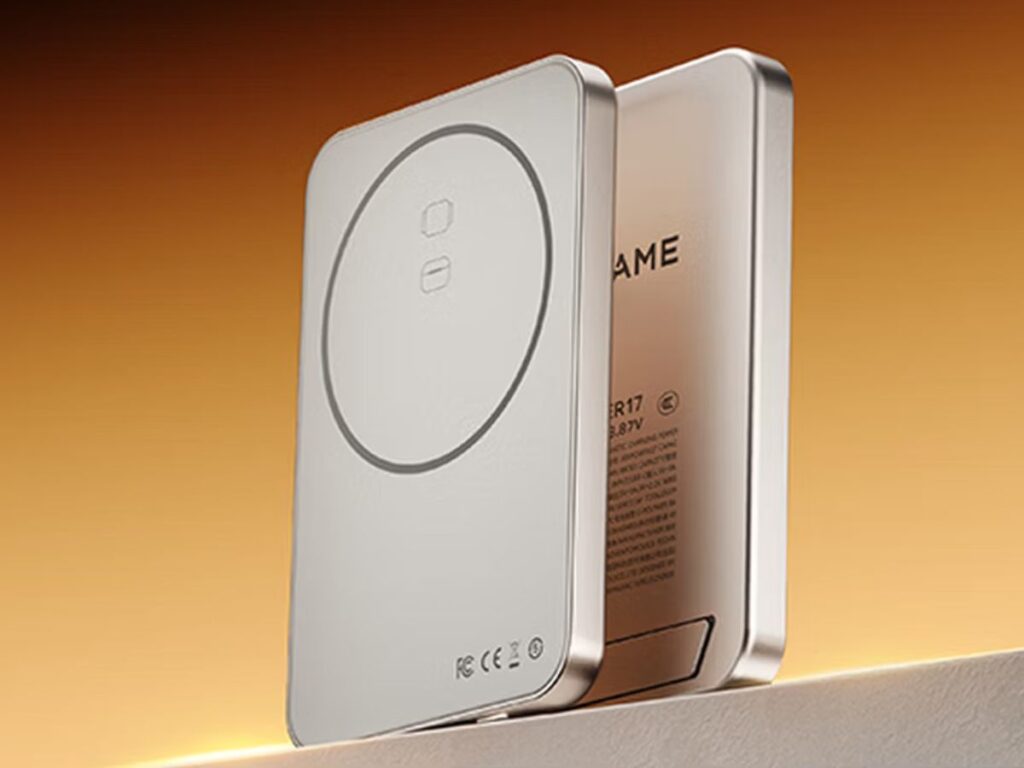
Dreame, best known for its robotic vacuum cleaners and home appliances, has entered another product category. The company has officially launched its first power bank, a magnetic model called the Air Power 17 / Air Power 17 Pro.

The move follows Dreame’s rapid expansion into new segments over the past few months. Since July, the brand has rolled out or teased products across a wide range of categories, including personal care devices, large home appliances, consumer electronics, and even automotive-related products. The power bank marks Dreame’s first step into mobile charging accessories.

The Air Power 17 series supports Qi2 magnetic wireless charging at up to 15W and is available in two capacity options: 5,000 mAh and 10,000 mAh. Both versions use an aluminum alloy frame paired with AG glass, giving them a relatively premium look for their price.

The 5,000mAh model measures 103 × 58.4 × 8mm, weighs around 125g, and is listed as being just 0.8cm thick. The larger 10,000mAh variant comes in at 103 × 58.4 × 12.8mm and weighs 189g. Both models include a built-in stand on the back with Dreame branding, along with an LED indicator and a USB-C port at the bottom.

In terms of output, the power banks offer 15W wireless charging and up to 20W wired charging via USB-C. They can also charge two devices at the same time, with one connected via cable and the other using wireless charging. Wireless output supports 5W, 7.5W, 10W, and 15W modes, with energy conversion efficiency rated above 60%.

With the Air Power 17 series, Dreame continues its push beyond cleaning products, adding a compact Qi2-compatible power bank to its growing lineup.

Pricing and availability:

The 5,000mAh version is priced at 219 yuan, while the 10,000mAh Pro model costs 259 yuan, with both already available in the company’s home market.

Don’t miss a thing! Join our Telegram community for instant updates and grab our free daily newsletter for the best tech stories!

For more daily updates, please visit our News Section.

(Source)

The post Dreame launches its first magnetic power bank with Qi2 support appeared first on Gizmochina.
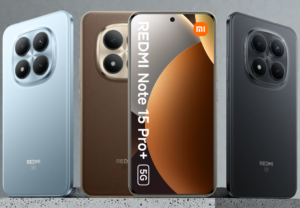
REDMI Note 15 5G global variant goes on sale ahead of official launch

Redmi Note 15 Pro+ 5G

Xiaomi has Xiaomi has already announced the REDMI Note 15 series in China and recently in Poland. Now, one model is showing up for sale on Belgian carrier Telenet’s website. The listing reveals pricing and a full set of specifications ahead of any formal launch, confirming that the battery capacity and camera specifications differ from the Chinese variant.

REDMI Note 15 5G

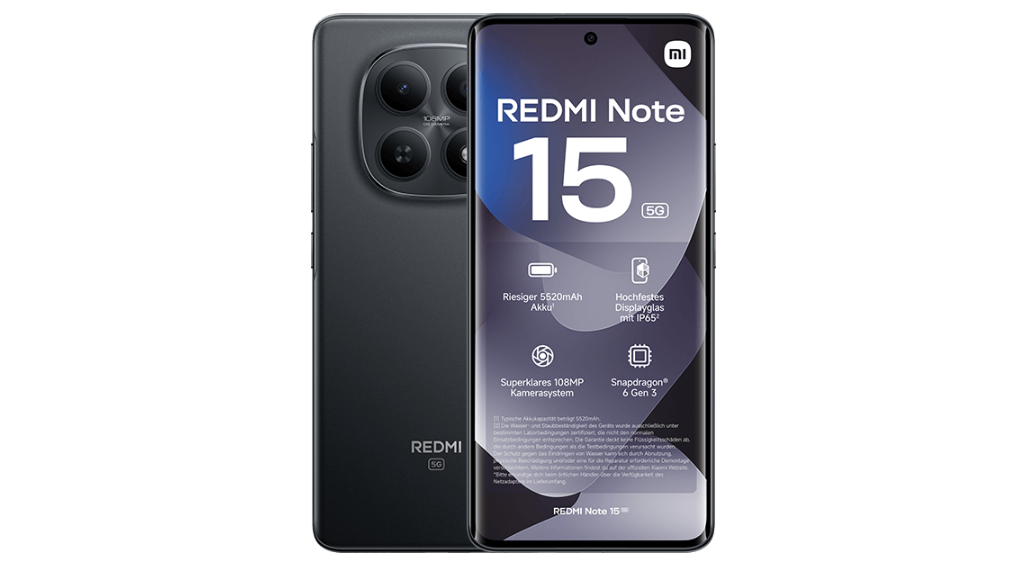
The listing shows the phone priced at €280 for a single 6GB RAM and 128GB storage variant. Telenet is also offering a €30 discount for subscribers. No other memory options are currently listed, and Xiaomi has not commented on the device so far.

According to the carrier page, the REDMI Note 15 5G is powered by Qualcomm’s Snapdragon 6 Gen 3 chipset, which Xiaomi has previously confirmed for the series. The phone measures 164.0 × 75.4 × 7.35mm, weighs 178g, and includes a 5,520mAh battery with support for 45W fast charging. For context, the Chinese version came with a larger 5,800 mAh battery.

On the front, the European model is listed with a 6.77-inch OLED display with a resolution of 1,080 × 2,392 pixels and an in-display fingerprint scanner. Earlier reports mentioned a larger 6.83-inch panel, though it’s unclear which size will be used across regions.

Camera hardware includes a 108MP main sensor, an 8MP ultra-wide camera, and a 2MP secondary lens. That’s a noticeable change from a 50MP main camera for the Chinese variant. The front camera is listed at 20MP, with 4K video recording supported.

Other features include an IP65 rating, Bluetooth 5.3, NFC, eSIM support, and a nano-SIM slot. The phone is shown in Black and Blue, though only the Black model appears in images. An EU Energy Label is also included, hinting that an official announcement may not be far off.

Don’t miss a thing! Join our Telegram community for instant updates and grab our free daily newsletter for the best tech stories!

For more daily updates, please visit our News Section.

(Source)

The post REDMI Note 15 5G global variant goes on sale ahead of official launch appeared first on Gizmochina.
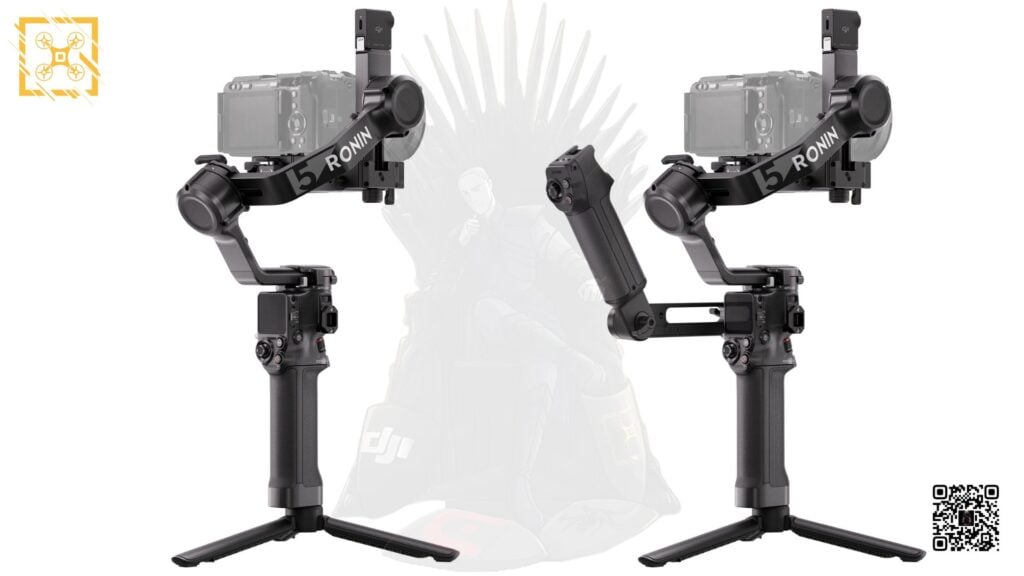
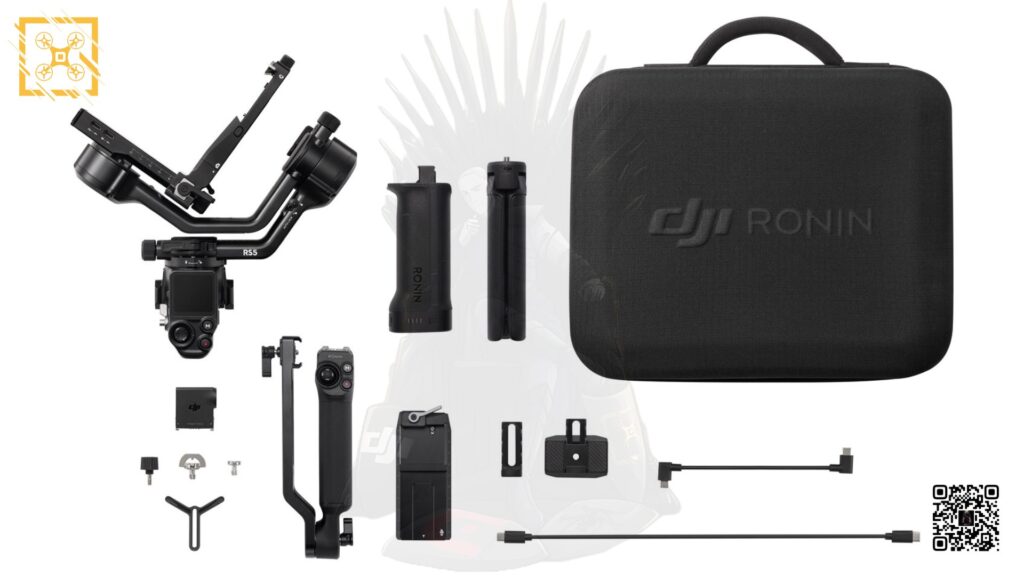
DJI’s next Ronin gimbal could be a bigger upgrade than expected

DJI appears to be gearing up for another major update to its Ronin lineup, and early leaks suggest the upcoming RS 5 may bring more than just minor refinements. Based on newly surfaced details, DJI’s first fifth-generation Ronin gimbal could deliver meaningful improvements over both the RS 4 and the RS 4 Pro, especially in battery life and day-to-day usability.

The latest information comes from leaker Igor Bogdanov, who suggests the RS 5 is positioned firmly as a professional-grade device. If accurate, it would sit above the current RS 4 series and address some of the long-standing pain points filmmakers have had with power and setup efficiency. This lines up with DJI’s busy roadmap, with products like the Avata 360 and Osmo Pocket 4 also expected down the line.

The FCC listing for the RS 5 previously revealed a noticeably larger battery — nearly 60% bigger than the RS 4’s, and even over 10% larger than the RS 4 Pro’s. According to Bogdanov, this should result in around a 15% real-world boost in battery life, which could make a real difference during longer shoots. Fast charging also seems to be part of the package, with the gimbal reportedly able to fully recharge in about one hour.

DJI also appears to be refining the user experience. The RS 5 is said to include a new Z-axis indicator, a small but potentially useful addition that could make balancing faster and less fiddly. Despite the internal changes, the gimbal is still rated for a 3 kg payload, keeping it compatible with a wide range of camera mirrorless and cinema camera setups. There are also mentions of improved intelligent tracking and composition features, though DJI hasn’t shared any specifics yet.

As for launch timing, nothing is confirmed. If DJI sticks to its usual patterns, the RS 5 could debut sometime between late February and early April 2026.

Don’t miss a thing! Join our Telegram community for instant updates and grab our free daily newsletter for the best tech stories!

For more daily updates, please visit our News Section.

(Sources: 1, 2)

The post DJI’s next Ronin gimbal could be a bigger upgrade than expected appeared first on Gizmochina.

Thunderobot teases lightweight 16-inch gaming laptop ahead of CES 2026

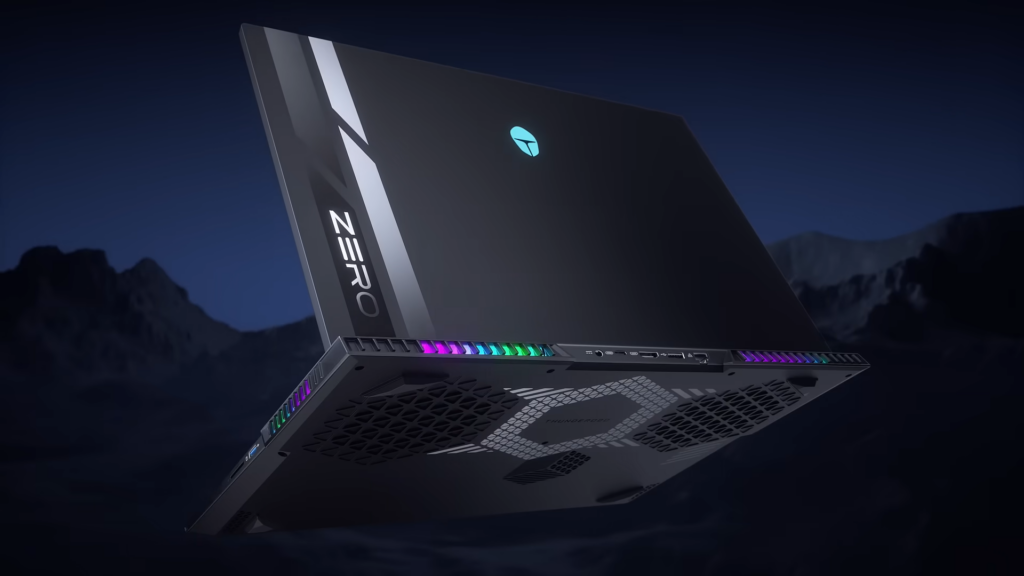
Thunderobot has begun teasing a new gaming laptop ahead of CES 2026, and early details point to an unusual mix of high-end hardware and low weight. The upcoming model, called the Thunderobot Zero Air, is expected to be officially unveiled at the show next month.

According to the teaser, the Zero Air weighs around 1.6 kg, which is fairly light for a 16-inch gaming laptop. The laptop features a 16-inch display and includes a built-in number pad, suggesting it’s aimed at users who want a balance between gaming and productivity.

On the hardware side, Thunderobot appears to be targeting next-generation components. The Zero Air is expected to be among the first laptops to combine Nvidia’s GeForce RTX 50-series laptop GPUs with Intel’s Panther Lake processors. One configuration mentioned includes the Core Ultra 7 366H, with other Panther Lake variants such as the Core Ultra X7 358H also expected to be available for OEMs.

A short teaser video also reveals some of the laptop’s physical design and cooling approach. The Zero Air uses quad heat pipes and places most ports along the rear edge. Visible connectors include Ethernet, HDMI, USB Type-A, and USB Type-C, a layout commonly used to keep cables out of the way during gaming.

For now, Thunderobot hasn’t shared details on display specs, battery size, or final GPU options. Those are likely being saved for the full announcement at CES 2026. Still, the early preview suggests the Zero Air is positioned as a lightweight alternative to traditional gaming laptops, without fully stepping away from high-performance hardware.

Don’t miss a thing! Join our Telegram community for instant updates and grab our free daily newsletter for the best tech stories!

For more daily updates, please visit our News Section.

(Source)

The post Thunderobot teases lightweight 16-inch gaming laptop ahead of CES 2026 appeared first on Gizmochina.

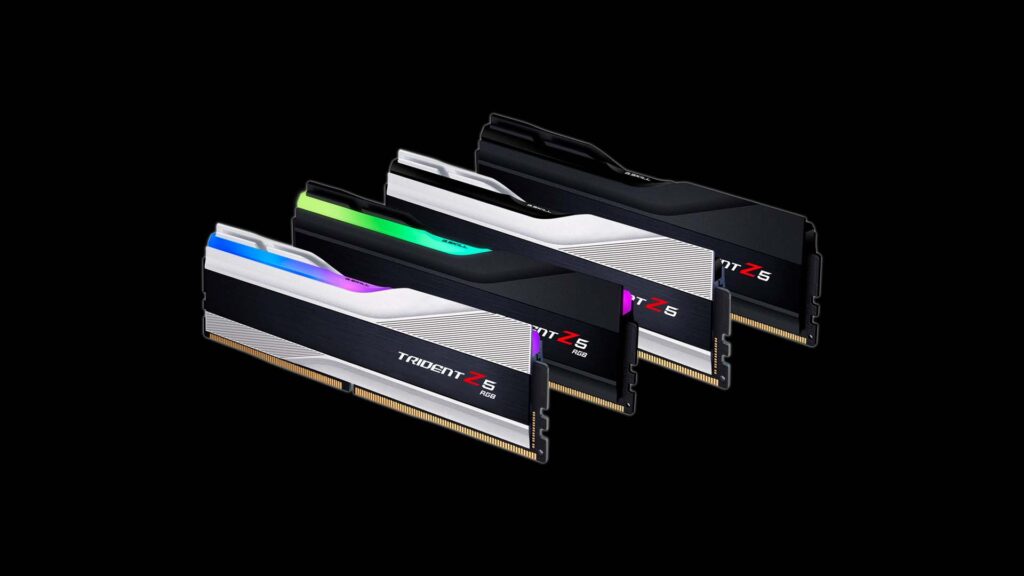
DDR5 RAM prices could cool in six months, says Sapphire PR manager

DDR5 memory prices have climbed sharply in recent months, raising concerns among PC builders and gamers. While many expect the situation to drag on for years, a senior figure from Sapphire believes the spike may not last as long as feared.

Speaking on The Hardware Unboxed Podcast, Sapphire PR manager Edward Crisler addressed the current DRAM situation and urged buyers not to panic. According to Crisler, some of the recent price increases appear to be driven by uncertainty rather than actual supply shortages.

Crisler said DDR5 prices are currently “unreasonable” and could discourage people from building or upgrading PCs altogether. He warned that sustained high memory costs don’t just affect RAM sales but can also hurt demand for other components, including motherboards, cases, and graphics cards.

Despite that, he struck a more optimistic tone on timing. Crisler suggested that prices could begin to stabilize in six to eight months, arguing that vendors are reacting defensively to market conditions. He compared the situation to past pricing reactions around US tariffs, where companies raised prices in anticipation of disruption, even when supply wasn’t immediately affected.

That outlook runs counter to many industry forecasts. Several analysts expect elevated memory prices to continue well beyond 2026, largely due to limited production expansion from major suppliers such as Samsung and SK Hynix, which are prioritizing higher-margin AI and data center demand.

Even if prices remain high, Crisler believes PC enthusiasts will adapt, as they have during previous shortages. He pointed to past periods where builders held onto older hardware longer or adjusted system specs rather than paying inflated prices.

For now, his advice is simple: avoid panic buying. Whether prices ease in months or stay elevated longer, the DDR5 market remains volatile, and buyers may be better off waiting for clearer signals before making major purchases.

Stay ahead in tech! Join our Telegram community and sign up for our daily newsletter of top stories!

For more daily updates, please visit our News Section.

The post DDR5 RAM prices could cool in six months, says Sapphire PR manager appeared first on Gizmochina.
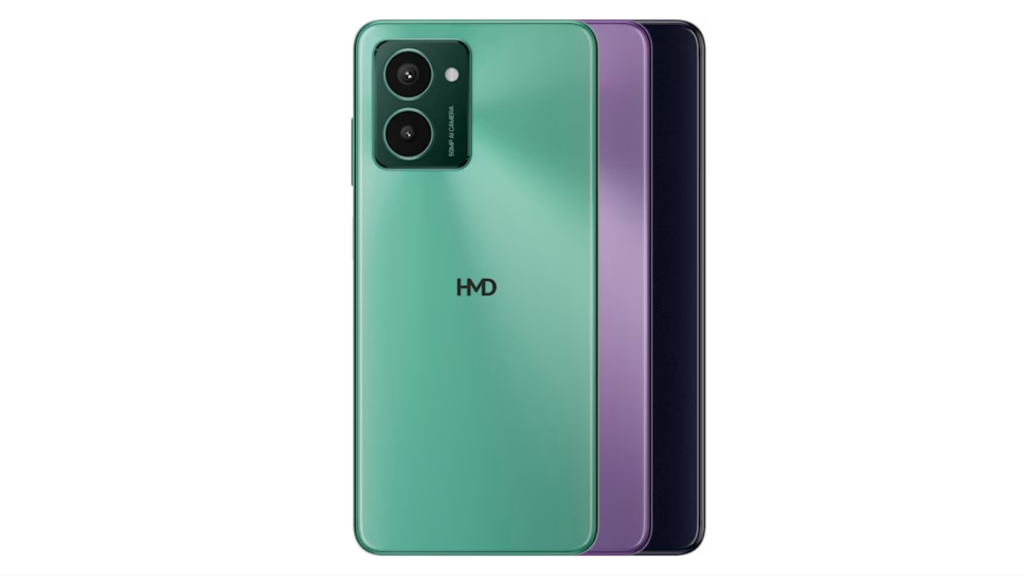
Alleged HMD Pulse 2 Pro surfaces on Geekbench, revealing chip details, RAM, and performance

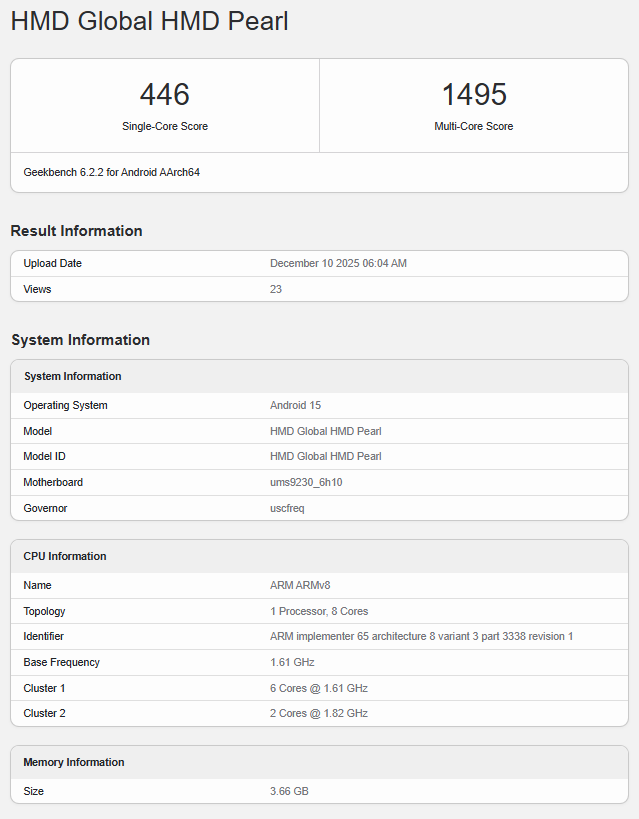
A new HMD smartphone has surfaced on Geekbench, offering an early look at what appears to be the HMD Pulse 2 Pro. The device shows up under the codename “Pearl” and reveals several key hardware details.

The Geekbench listing identifies the motherboard as “ums9230_6h10.” At first glance, this points toward Unisoc’s T606 or T615 platforms, but the CPU configuration tells a different story. The chip features two performance cores clocked at 1.82GHz and six efficiency cores running at 1.61GHz, which doesn’t match the T606 series, where all cores operate at the same frequency.

Instead, the setup closely aligns with the Unisoc T7250. That lines up with an earlier leak for the Pulse 2 Pro. Those listings mentioned a T615 chip, but that now appears to be a mislabeling, possibly due to overlapping internal codenames.

The Geekbench listing further reveals 4GB of RAM and shows the phone running Android 15. If Android 16 introduces higher minimum RAM requirements, the Pulse 2 Pro may need to rely on Android Go for long-term software support.

According to a recent report, more phones with just 4GB of RAM could launch next year as memory prices continue to rise. The 2024 Pulse Pro was offered in 4GB, 6GB, and 8GB variants, so it remains to be seen whether the Pulse 2 Pro will still get an 8GB option, especially given its entry-level positioning.

Overall, the benchmark points to a familiar formula for HMD’s budget lineup. The Pulse 2 Pro appears to focus on basic functionality rather than raw performance.

HMD hasn’t confirmed the device yet, but with benchmark listings and retailer leaks now stacking up, an official announcement may not be far off.

Don’t miss a thing! Join our Telegram community for instant updates and grab our free daily newsletter for the best tech stories!

For more daily updates, please visit our News Section.

(Source)

The post Alleged HMD Pulse 2 Pro surfaces on Geekbench, revealing chip details, RAM, and performance appeared first on Gizmochina.
❌