Reading view

Do We Still Need Dedicated Gaming Phones in 2026?
Red Magic 11 Pro

The year 2025 marked a decisive turning point for mobile gaming. Rapid advances in silicon technology, led by Qualcomm’s Snapdragon 8 Elite Gen 5 and Apple’s A19 Pro, fundamentally changed what mainstream smartphones can deliver. Performance gains combined with improved efficiency and AI-assisted upscaling pushed flagship phones into territory once reserved for dedicated gaming hardware. As the industry looks ahead to 2026, the line between a gaming phone and a flagship phone has become increasingly difficult to define.

This convergence raises a pivotal question for 2026: Do niche gaming phones still have a place in the market?
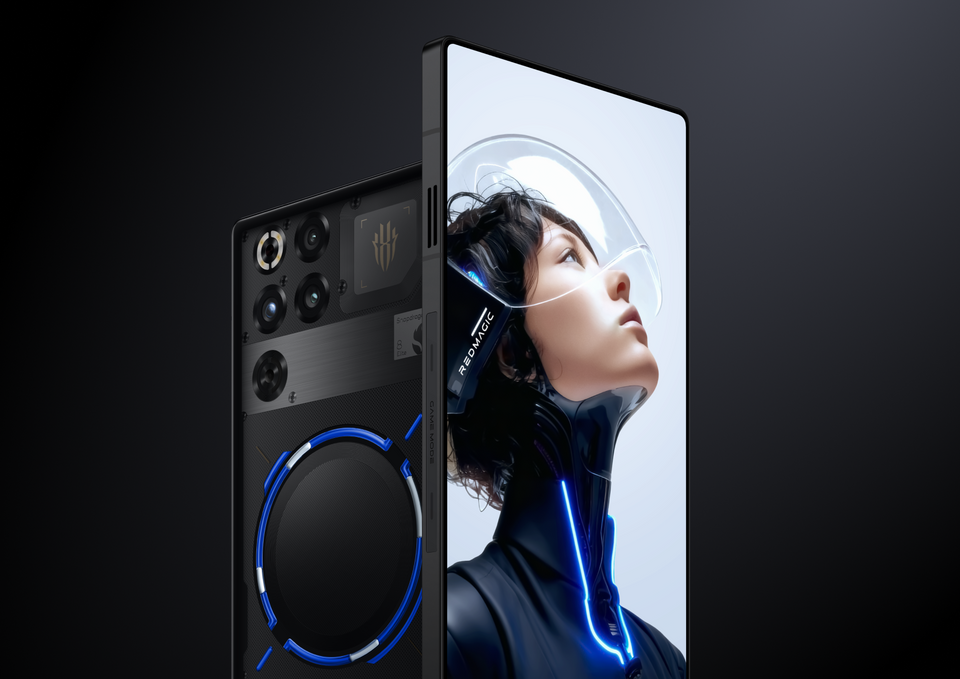
Red Magic 11 Pro

Rise of the All-Rounder Gaming Flagship

Mainstream flagships have closed the performance gap that once separated them from gaming-focused devices. Phones such as the OnePlus 15 and iQOO 15 sustain 120fps gameplay in demanding MOBA and battle royale titles without the frame drops or thermal throttling that plagued earlier generations. These gains are not limited to peak benchmarks but extend to long, uninterrupted gaming sessions.

The iPhone 17 Pro / Pro Max reflects the same shift. Hardware-level cooling upgrades, including a proper vapor chamber system, allow the A19 Pro to maintain high performance for longer periods. These changes address historical limitations such as heat buildup and brightness reduction during extended gameplay.

Flagship phones also offer a level of balance that gaming phones often lack. Camera systems remain a priority, software experiences feel refined for daily use, and long-term update support adds real value. For users who keep their phones for several years, a device that performs well across every scenario makes more sense than one optimized for a single task.

Why Dedicated Gaming Phones Still Exist

Dedicated gaming phones have not vanished, but their relevance has narrowed. Devices like the Red Magic 11 Pro+ target a specific audience that prioritizes sustained peak performance over versatility. Active cooling systems with internal fans and advanced heat dissipation allow these phones to run at maximum output for hours without noticeable performance drops.

Gaming phones also integrate features that mainstream flagships rarely match. Physical shoulder triggers provide precise, low-latency input. Displays push refresh rates beyond 144Hz, paired with extremely high touch sampling rates. Dedicated gaming software enables deep system-level control over performance, thermals, network behavior, and notifications.

These advantages matter most in competitive environments where consistency and responsiveness outweigh everyday convenience.

Gaming Phones in 2026: Niche Over Necessity

For the majority of users, a modern flagship already delivers more gaming performance than required. Phones like the OnePlus 15, iQOO 15, and iPhone 17 Pro Max provide stable frame rates, controlled thermals, and a polished daily experience that extends well beyond gaming.

Dedicated gaming phones now serve a narrow group of esports players and enthusiasts who treat gaming as a primary use case. For everyone else, gaming has become a standard capability of premium smartphones rather than a defining category.

As silicon efficiency continues to improve and brands focus on sustained performance instead of short-lived benchmark peaks, the concept of the gaming phone is shifting. In 2026, gaming is no longer a niche feature. It is an expected part of the flagship experience.

For more daily updates, please visit our News Section.

Stay ahead in tech! Join our Telegram community and sign up for our daily newsletter of top stories! 💡

The post Do We Still Need Dedicated Gaming Phones in 2026? appeared first on Gizmochina.

Moto G Power (2026) debuts with 6.8″ 120Hz display & military-grade durability

Moto G Power (2026)

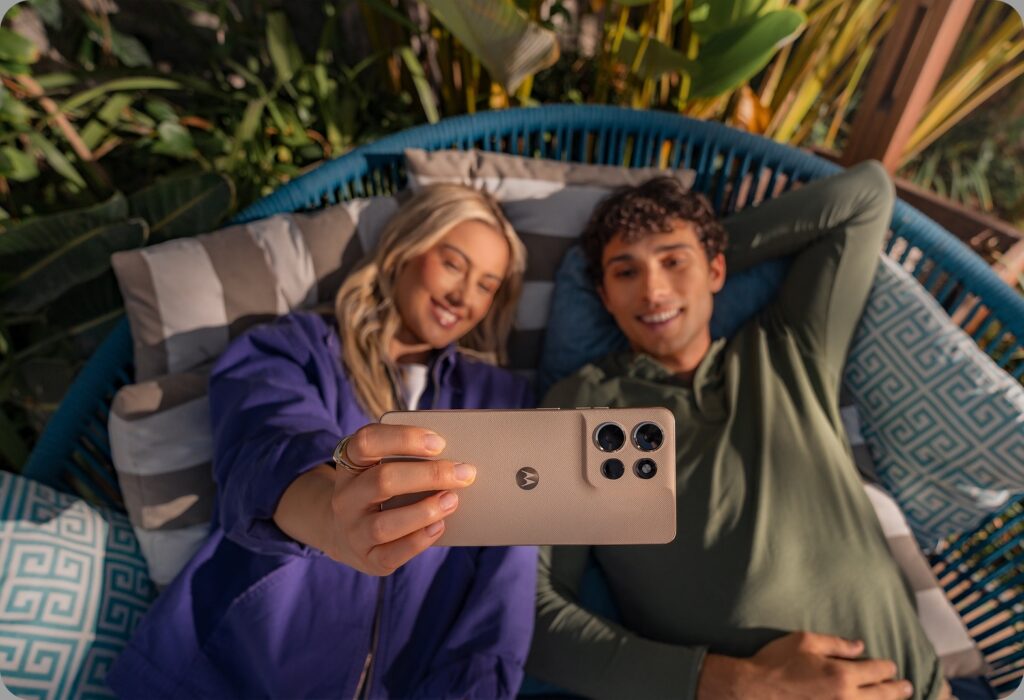
Motorola has officially launched the Moto G Power (2026) in the US and Canada, refreshing its popular budget series. Let’s check out its key specs and pricing details.

Moto G Power (2026)

Moto G Power (2026) Specifications

The phone features a 6.8-inch Full HD+ LCD screen with a 19.9:9 aspect ratio and 120Hz refresh rate. The panel hits up to 1000 nits of peak brightness, supports Display Color Boost and High Brightness Mode, and is protected by Corning Gorilla Glass 7i.

Under the hood, the Moto G Power (2026) runs on the 6nm MediaTek Dimensity 6300 chipset paired with a Mali G57 MC2 GPU. It ships with 8GB LPDDR4X RAM and 128GB UFS 2.2 storage, expandable up to 1TB via microSD, along with RAM Boost support for up to 16GB of virtual memory.

Out of the box, the phone runs Android 16 with Motorola’s My UX interface. It includes signature Motorola features such as Moto Secure, Moto Unplugged, ThinkShield, Family Space, and Hello UX. The device also supports Google’s Circle to Search and Gemini AI for smart interactions like contextual search, reminders, and more.

Moto G Power (2026)

On the camera front, the Moto G Power (2026) includes a 50MP primary sensor with Quad Pixel technology and optical image stabilization (OIS). An 8MP ultra-wide lens supports macro vision. For selfies, it has a 32MP front-facing camera.

The device is backed by a 5200mAh battery that supports 30W TurboPower fast charging. Motorola claims it can last up to two days on a single charge and retain over 80% of its battery health even after 1000 charging cycles.

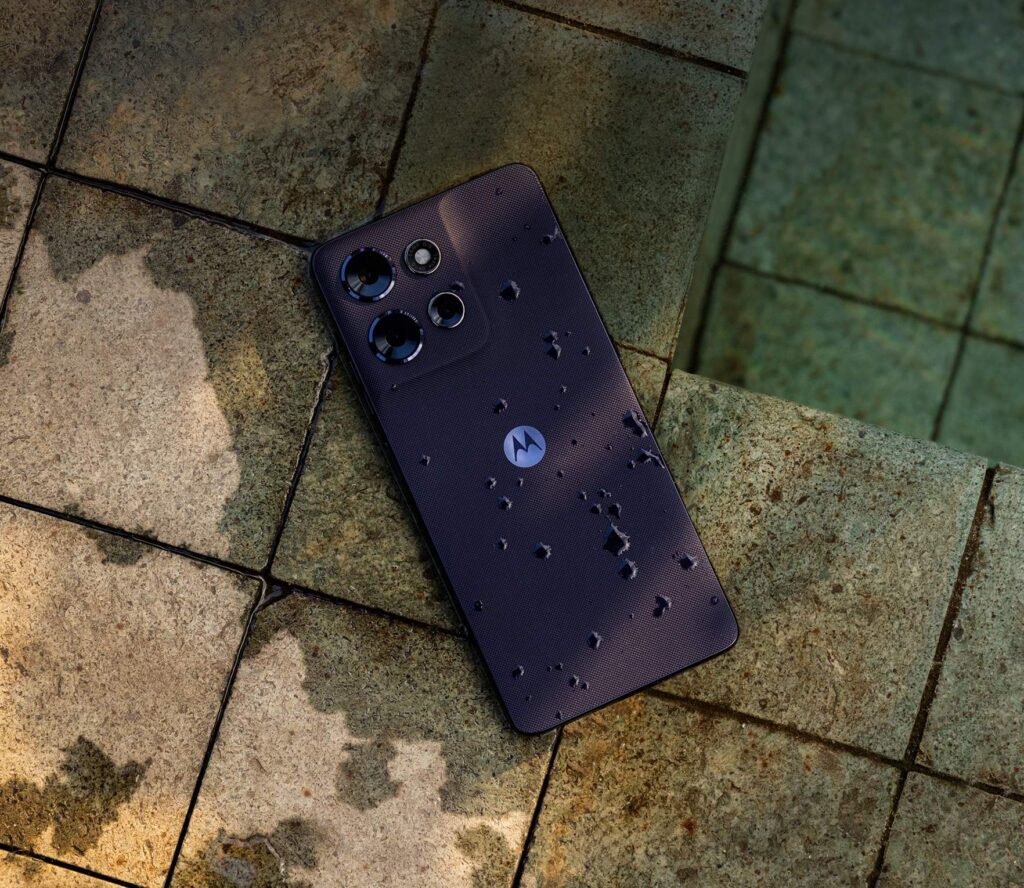
The Moto G Power (2026) includes IP68 and IP69 water and dust resistance ratings, as well as MIL-STD-810H military-grade durability certification. It supports dual SIM, a side-mounted fingerprint scanner, stereo speakers with Dolby Atmos, Hi-Res Audio, a 3.5mm headphone jack, NFC, and USB Type-C 2.0. The phone measures 166.62 x 77.10 x 8.72 mm and weighs 208g.

Pricing & Availability

The Moto G Power (2026) is priced at $299.99 in the US and will be available universally unlocked starting January 8 via Best Buy, Amazon.com, and Motorola’s official website. It will also roll out via Verizon on the same day, followed by carriers like Cricket Wireless, AT&T, Tracfone, Visible, and others in the coming months.

In Canada, it will be available on January 8 at motorola.ca for CAD 449.99. The phone comes in two Pantone-certified color options: Evening Blue and Pure Cashmere, with a soft vegan leather finish.

For more daily updates, please visit our News Section.

Stay ahead in tech! Join our Telegram community and sign up for our daily newsletter of top stories! 💡

The post Moto G Power (2026) debuts with 6.8″ 120Hz display & military-grade durability appeared first on Gizmochina.

This Tiny Wearable AI Camera Records Your Day and Makes Vlogs

Looki L1 wearable AI camera

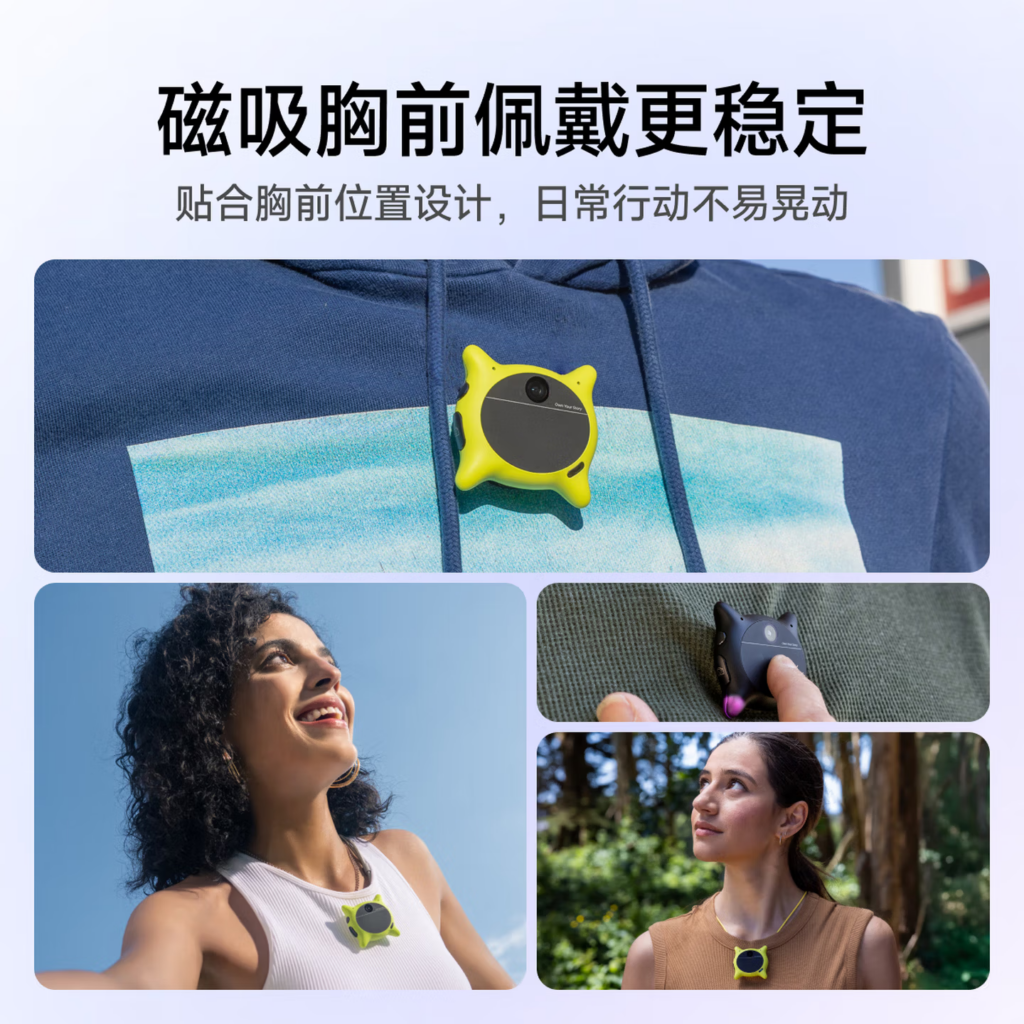
Looki has launched its new AI-powered wearable, the Looki L1, in the Chinese market. The device was introduced to global markets earlier this year. The company describes it as an ‘AI life manager’ designed to passively record everyday moments and automatically generate vlogs. It is priced at 1,499 yuan ($212) in China.

Looki L1 wearable AI camera

Looki L1 Specifications

The launch comes at a time when interest in AI-first hardware is growing, especially following reports about OpenAI’s upcoming hardware project. While details about OpenAI’s device remain limited, the Looki L1 gives an early look at what this new category of AI wearables could resemble. The product focuses on hands-free, always-on recording paired with AI-driven content organization, an approach that aligns closely with recent discussions around future AI companions.

According to Looki, the L1 automatically records daily life while prioritizing user privacy. All data is stored locally by default, and content is uploaded to the cloud only after the user grants permission. The device supports AI-generated vlogs, AI-powered smart search, and so-called personal life insights through Looki AI, which aim to help users better understand patterns in their daily routines over time.

Looki L1 wearable AI camera

In terms of design, the Looki L1 is compact and lightweight. It measures 50.53 × 16.84 × 48.02 mm and weighs just 32 grams, making it suitable for long hours of wear. Looki uses soft, skin-friendly materials to improve comfort and reduce fatigue during all-day use. The device also carries an IP67 rating for water and dust resistance, allowing it to handle daily outdoor conditions. It is available in black, white, and green color options.

Looki has equipped the device with a wide-angle camera featuring a 16mm-equivalent lens with an f/2.2 aperture and a 109-degree field of view. It supports 4K photo capture and 1080p video recording at 30 frames per second. The camera includes electronic image stabilization and HDR capabilities to handle varying lighting conditions.

The device features a triple-microphone array with intelligent noise reduction, which helps improve voice clarity and capture ambient sound more accurately. It also includes a 1W built-in speaker paired with a Smart PA system for voice feedback and AI-driven audio interactions.

Looki L1 wearable AI camera

In terms of storage and connectivity, the Looki L1 features 32GB of internal storage and saves data locally by default. It supports Bluetooth 5.0 and dual-band Wi-Fi (2.4GHz and 5GHz), and includes a six-axis gyroscope for motion sensing and scene detection.

The device runs on a 375mAh battery that charges fully in about 1.5 hours. Battery performance varies based on the recording mode. Looki claims up to 9 hours of use when recording 5 seconds per minute, 11 hours for 9 seconds every two minutes, and 13 hours for 11 seconds every three minutes.

In related news, Leica has recently introduced the Q3 Monochrom, a new 60MP black-and-white compact camera, and also announced the SL3 Reporter, a full-frame camera that supports 8K video, features in-body image stabilization, and uses an aramid fiber build.

For more daily updates, please visit our News Section.

Stay ahead in tech! Join our Telegram community and sign up for our daily newsletter of top stories! 💡

The post This Tiny Wearable AI Camera Records Your Day and Makes Vlogs appeared first on Gizmochina.

Lenovo launches Lecoo Cool 310 desktops with Core Ultra 5 or Ryzen CPUs, up to 16GB RAM

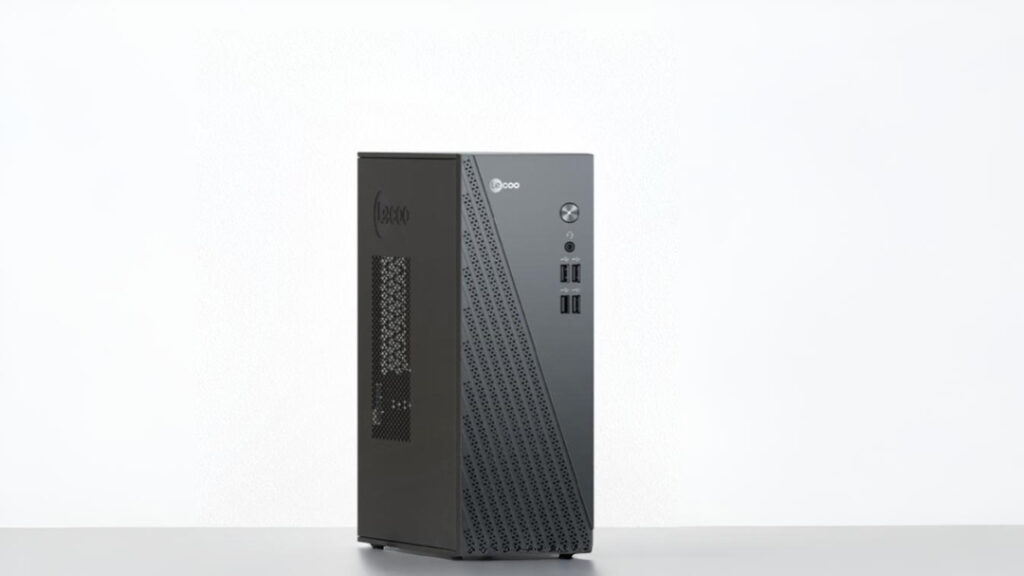
Lenovo Lecoo Cool 310 desktop

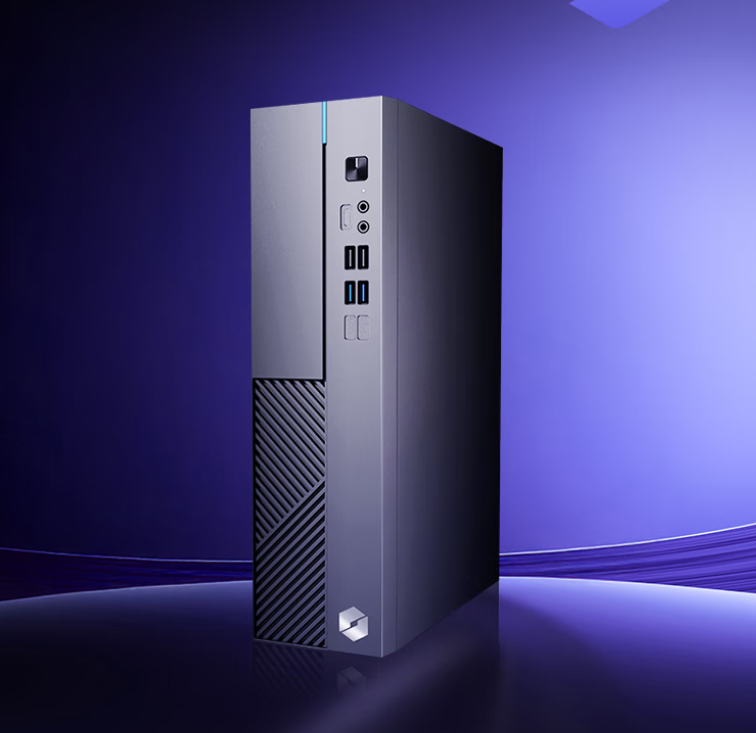
Lenovo has launched a new lineup of Lecoo Cool 310 business desktop PCs in China. The systems are now available for purchase and come with three years of on-site warranty service. The Cool 310 series includes both Intel Core Ultra and AMD Ryzen configurations, targeting users who need compact yet capable systems for office and remote work.

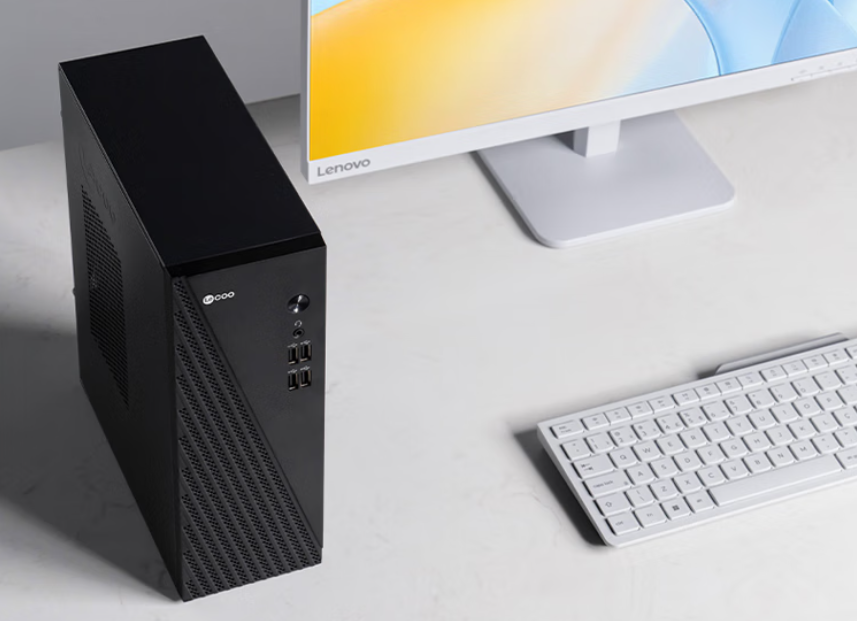
Lenovo Lecoo Cool 310 desktop

The Intel-based models are powered by the Core Ultra 5 135H processor, paired with 16GB of RAM and either a 512GB or 1TB solid-state drive. The base configuration with a 512GB SSD is priced at 2,799 yuan (about $392), while the 1TB variant costs 2,999 yuan (about $420).

Lenovo also offers AMD Ryzen R5-3500U-based versions for more cost-sensitive buyers. The variant with 8GB RAM and a 512GB SSD is priced at 1,699 yuan (about $238). The higher-end option with 16GB RAM and the same storage is available for 1,799 yuan (about $252).

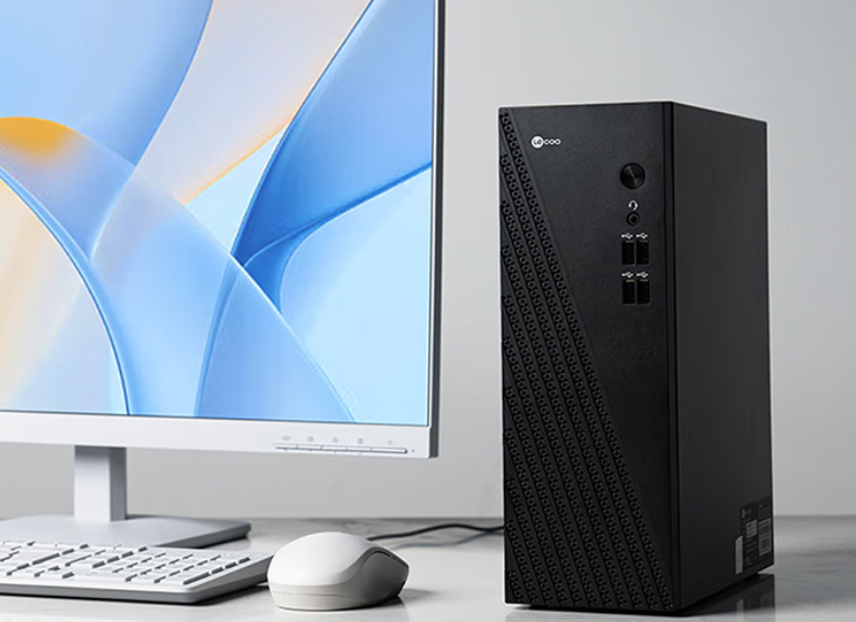
Lenovo Lecoo Cool 310 desktop

The Cool 310 desktop features a compact 6.8-liter chassis with a black exterior that blends into office environments. The system comes preinstalled with Windows 11 Home and includes a built-in wireless network card for easy connectivity.

Lenovo equips the system with dual-channel DDR5 memory, which improves performance in multitasking and light creative workloads. Storage options go up to 1TB PCIe SSD, offering faster boot times and quick file access.

Lenovo Lecoo Cool 310 desktop

The Cool 310 includes four front-facing USB 2.0 ports and four rear USB 3.0 ports. It also offers HDMI output, Gigabit Ethernet, and standard audio jacks. Lenovo uses an intelligent cooling system to keep noise and temperature levels under control.

For more daily updates, please visit our News Section.

Stay ahead in tech! Join our Telegram community and sign up for our daily newsletter of top stories! 💡

(JD)

The post Lenovo launches Lecoo Cool 310 desktops with Core Ultra 5 or Ryzen CPUs, up to 16GB RAM appeared first on Gizmochina.

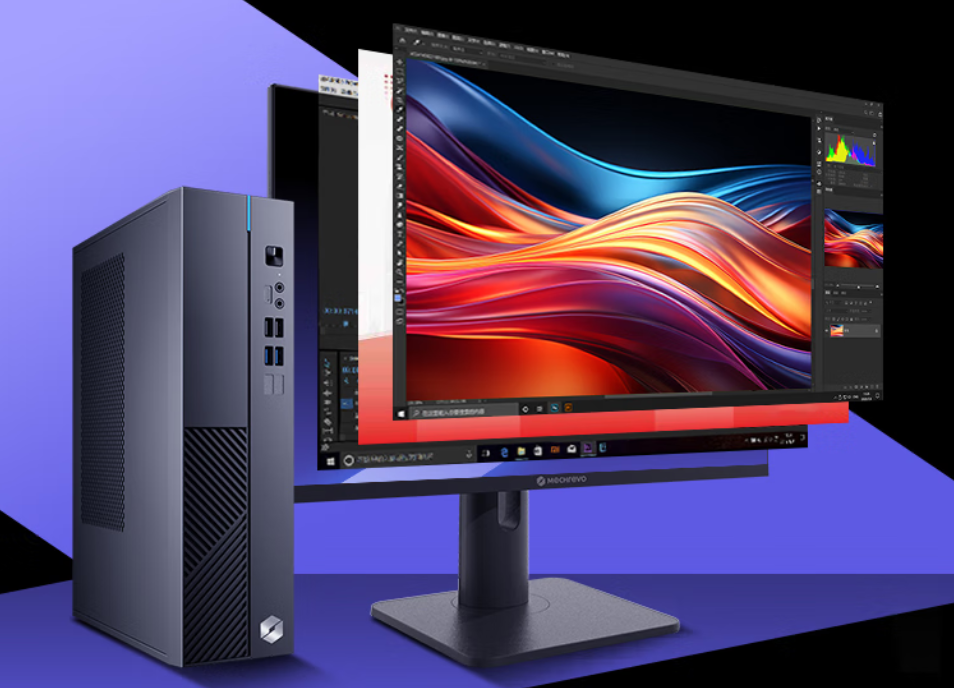
Mechrevo launches S500 desktop with i5-14450HX, 16GB DDR5, 512GB SSD & 8L chassis

Mechrevo S500

Mechrevo has officially launched its new S500 office desktop in China. The system features Intel’s 14th-generation Core i5-14450HX processor and comes with 16GB of DDR5 memory and a 512GB/1TB PCIe 4.0 SSD. The official price starts at 2,499 yuan ($354) and is now up for pre-order.

Mechrevo S500

Mechrevo S500 Specifications

The S500 targets users who need strong computing performance in a space-saving design. The desktop uses an 8-liter mini chassis that supports both vertical and horizontal placement. Mechrevo includes a tool-free disassembly design to make upgrades and maintenance easier.

The system uses a 10-core, 16-thread Intel Core i5-14450HX processor. It runs at a base frequency of 2.4GHz and reaches up to 4.8GHz on turbo. Compared to the previous i5-13420H, the new chip includes more cores, higher boost speeds, and a larger 20MB L3 cache. These improvements result in faster multitasking, better rendering, and smoother performance in demanding tasks.

Mechrevo S500

Mechrevo pairs the processor with 16GB of DDR5 memory rated at 5600MT/s. This high-speed memory increases bandwidth and improves system responsiveness. For storage, the system includes a 512GB/1TB PCIe 4.0 SSD with an option to upgrade to 1TB. The desktop also supports up to four internal storage drives.

The built-in 200W multi-rail power supply delivers stable output for the processor and other components. Mechrevo equips the system with a dedicated cooling solution designed to keep temperatures low while maintaining quiet operation.

For connectivity, the PC includes Wi-Fi 6, Bluetooth 5.2, Ethernet, and dual-display support via HDMI and DisplayPort. The system features ten USB ports, including both USB 3.2 and USB 2.0, to accommodate a wide range of peripherals. The desktop comes with Windows 11 preinstalled.

In related news, Lenovo has recently launched a new mecha-inspired gaming PC powered by up to an Intel Core i5-13400F and an RTX 5060 GPU, while Asus has introduced the ExpertCenter P600 AiO as its first Copilot+ all-in-one PC.

For more daily updates, please visit our News Section.

Stay ahead in tech! Join our Telegram community and sign up for our daily newsletter of top stories! 💡

(JD)

The post Mechrevo launches S500 desktop with i5-14450HX, 16GB DDR5, 512GB SSD & 8L chassis appeared first on Gizmochina.

Casio G-Shock vs Pro Trek in 2026: Which Smart Outdoor Watch Is Right for You?

Casio Pro Trek PRW-61SS-2

Casio has reshaped the idea of a smart outdoor watch by focusing on reliability rather than chasing full smartwatch experiences. As brands like Apple, Samsung, and Garmin continue to expand connected features, Casio has doubled down on its strength in building dependable tools for outdoor use.

Its two flagship lines, G-Shock and Pro Trek, have added smarter capabilities while remaining grounded in distinct design philosophies. One favors brute toughness. The other leans into environmental awareness. Here’s a detailed breakdown of how their smartest features compare in 2026.

Casio Pro Trek PRW-61SS-2

Core Philosophies

Casio has long split its outdoor-focused watches into two clear categories. G-Shock places absolute durability and everyday resilience at the center, with designs built to handle shock, vibration, water exposure, and rough use as part of their core identity.

This philosophy traces back to the brand’s origins in the 1980s, when G-Shock was created as a watch that could survive repeated drops. Over time, that foundation expanded to include advanced shock resistance, 200-meter water resistance, and strict durability standards that made G-Shock a common choice for military use, fieldwork, and extreme sports.

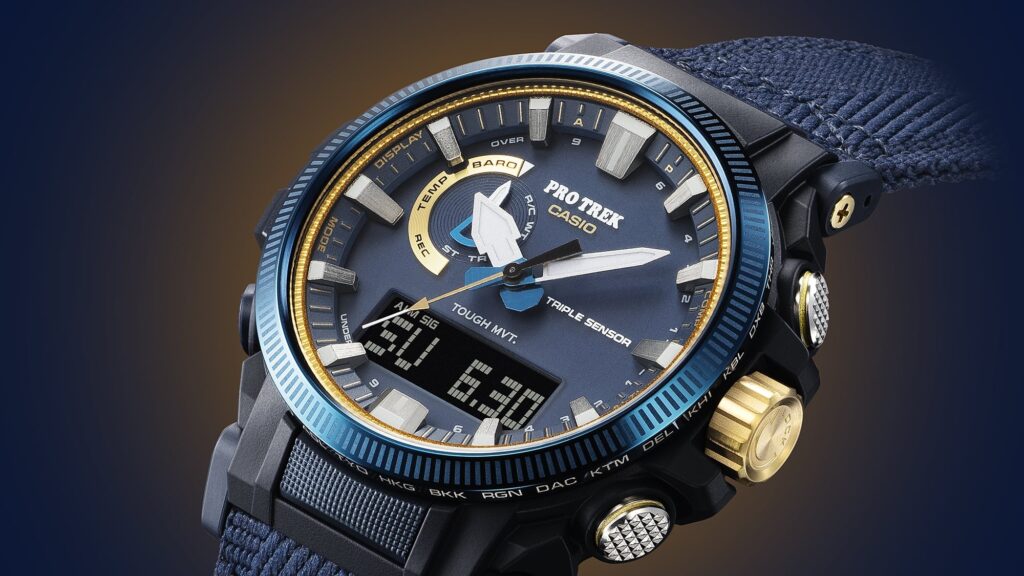
Pro Trek follows a different philosophy. It presents itself as a dedicated outdoor instrument, with sensor systems and interface decisions aimed at users who need more than toughness alone. The ABC sensor suite remains a defining feature in 2026, combining an altimeter, barometer, and digital compass, alongside temperature readings and activity tracking features such as step counting.

Smarter Sensing and Navigation

Pro Trek continues to hold an edge in this area. Its triple sensor system delivers real-time environmental readings directly on the wrist, without relying on a connected phone. Altitude tracking supports climbs, barometric data helps anticipate weather changes, and the digital compass assists with trail navigation. These functions cater to users who spend long stretches outdoors. Bluetooth connectivity further improves the experience by enabling detailed data logging and smoother syncing with trail and weather apps.

G-Shock remains close behind, particularly within the Master of G lineup. Models such as the Rangeman include altimeter, barometer, and compass sensors, with select variants also adding GPS, heart-rate monitoring, and activity tracking. The difference lies in presentation. G-Shock organizes these tools around a durability-first design, pairing rugged interfaces with a feature set that still supports serious outdoor use.

Power and Connectivity

Both lineups rely on Tough Solar charging. Casio’s high-efficiency solar cells allow the watches to run for months with minimal power drain, reducing concerns about battery life during long trips off-grid. Bluetooth smartphone syncing is now standard on many mid and high-end models in both series, enabling automatic time calibration, data logging, and notification alerts.

Where the two differ is in how they handle access to features. Pro Trek focuses on clear sensor readouts and quick access, often using dedicated buttons for the altimeter, barometer, and compass.

G-Shock, in contrast, sometimes places these functions deeper within its interface, requiring users to cycle through modes using a single button. This trade-off helps G-Shock models maintain better shock resistance or accommodate extra tools like tide graphs and moon phase indicators that cater to surfers and marine users.

Wearability and Everyday Use

The contrast is most visible in size and overall styling. Pro Trek watches usually appear slimmer and more refined, while G-Shock models favor a thicker, more rugged build. This distinction matters for people who want a watch that works in everyday urban settings as well as outdoors. Enthusiast discussions frequently point to this ergonomic difference. Pro Trek leans toward more wearable, daily-friendly dimensions, while G-Shock opts for a bold, statement-focused design.

Which Smart Features Matter More?

For pure outdoor tooling, quick access to precise environmental data, dedicated sensor buttons, and lighter wearability, Pro Trek still edges ahead for hikers, climbers, and nature explorers. Its sensor suite is intuitive and centered on exploration.

For all-around rugged tech, resilience that can handle construction sites, surf breaks, or a motorcycle crash as easily as a trail, plus a wide range of smart tools, G-Shock brings versatile features with equally compelling smarts. Master of G models especially blur the line between analog toughness and digital intelligence.

In 2026, both lines offer plenty for tech-savvy adventurers. Choosing between them comes down to whether you prefer the pure outdoor sensor focus of Pro Trek or the indestructible, tech-packed adaptability of G-Shock.

For more daily updates, please visit our News Section.

Stay ahead in tech! Join our Telegram community and sign up for our daily newsletter of top stories! 💡

The post Casio G-Shock vs Pro Trek in 2026: Which Smart Outdoor Watch Is Right for You? appeared first on Gizmochina.
Samsung says its SmartThings AI cuts power use by 30%

Samsung SmartThings AI

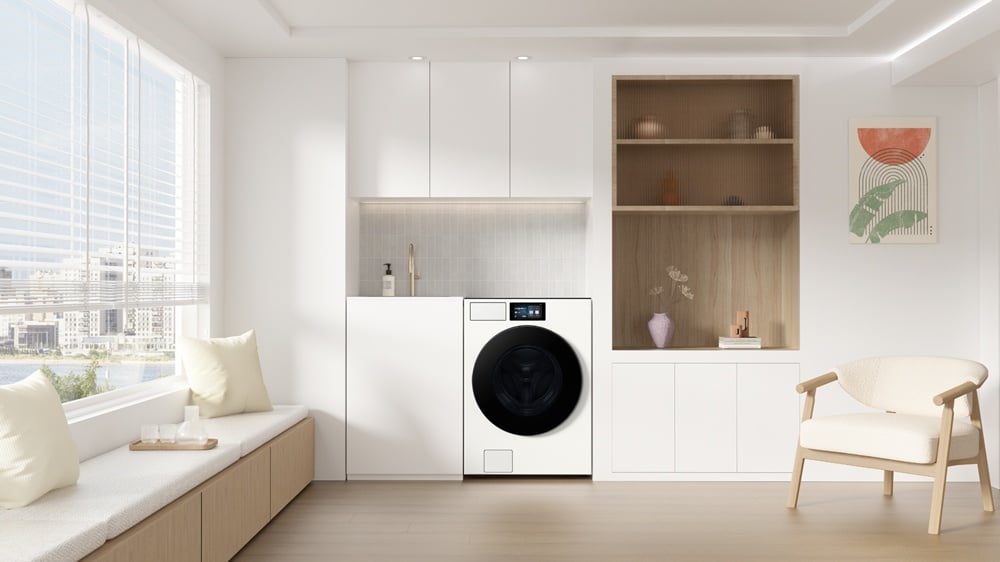
Samsung has confirmed that its SmartThings AI Energy-Saving Mode can reduce the energy consumption of high-efficiency washing machines by about 30%. The data comes from a large-scale real-world study conducted in partnership with global carbon verification agency Carbon Trust.

Samsung SmartThings AI

The study analyzed energy usage data from approximately 187,000 Samsung washing machines in 126 countries. It ran for one year, from July 2024 to June 2025. The machines included in the study met high-efficiency standards in their respective markets, such as Energy Star in the US and 5 Star in India.

Samsung reported that enabling AI Energy-Saving Mode helped save a total of 5.02 gigawatt-hours (GWh) of electricity. This is equivalent to the monthly power consumption of around 14,000 households in Seoul, based on average figures from Korea Electric Power Corporation.

The AI Energy-Saving Mode uses SmartThings to monitor user behavior and optimize energy usage across compatible devices. The feature was activated manually by users during the study, which means the 30% savings figure came from voluntary usage rather than a controlled environment.

The verification followed the standards set by the Decarbonizing the Use-Phase of Connected Devices (DUCD) initiative. This initiative, led by Carbon Trust, provides energy consumption measurement guidelines for connected appliances. Samsung said it was the first company in the industry to carry out such large-scale verification based on DUCD protocols.

Samsung plans to expand its energy-saving efforts by developing more AI-driven appliances. The company said it will provide consumers with transparent data on energy use and carbon emissions to build trust and encourage adoption.

Samsung will showcase new AI-powered home appliances at CES 2026 during its ‘The First Look’ event in Las Vegas in January.

For more daily updates, please visit our News Section.

Stay ahead in tech! Join our Telegram community and sign up for our daily newsletter of top stories! 💡

(Source)

The post Samsung says its SmartThings AI cuts power use by 30% appeared first on Gizmochina.
Dell PCs face installation failures and system freezes after Windows 11 December update

Dell PC

Several Dell PCs are facing critical issues after attempting to install Microsoft’s December cumulative update KB5072033 for Windows 11 versions 24H2 and 25H2. The problems include failed installations, frequent system freezes, and a non-functional Start Menu.

Dell PC

The update, released on December 9, has been failing to install on many Dell desktops and laptops. Users report that the progress bar halts mid-way and returns error code 0x800f0983. A system administrator confirmed that a large number of new Dell systems under his management encountered the same issue. He attempted multiple troubleshooting methods, including System File Checker, Deployment Image Servicing and Management, and reinstalling Windows. None of these fixed the problem.

The situation is worse on Dell Pro Max 16250 devices. Several users reported that these systems freeze after installing the update. Initial speculation pointed to Intel Arc graphics drivers. Further investigation by users revealed that a BIOS setting caused the issue. They found that disabling the “Enable adaptive c-States for discrete graphics” option under Advanced Setup > Performance in the BIOS stopped the system crashes.

Another reported issue affects the Start Menu. On some systems running Windows 11 24H2, the Start Menu fails to open after installing KB5072033. One affected user suspects that the problem may be connected to a previously identified bug from update KB5072911, which affected File Explorer and other XAML-based apps on enterprise devices.

Microsoft has not released an official fix or statement addressing these problems. For now, Dell users are advised to delay the KB5072033 update or manually adjust BIOS settings if they face system freezes. The update continues to raise concerns across Windows forums, especially among enterprise administrators managing large fleets of Dell hardware.

For more daily updates, please visit our News Section.

Stay ahead in tech! Join our Telegram community and sign up for our daily newsletter of top stories! 💡

(Via)

The post Dell PCs face installation failures and system freezes after Windows 11 December update appeared first on Gizmochina.
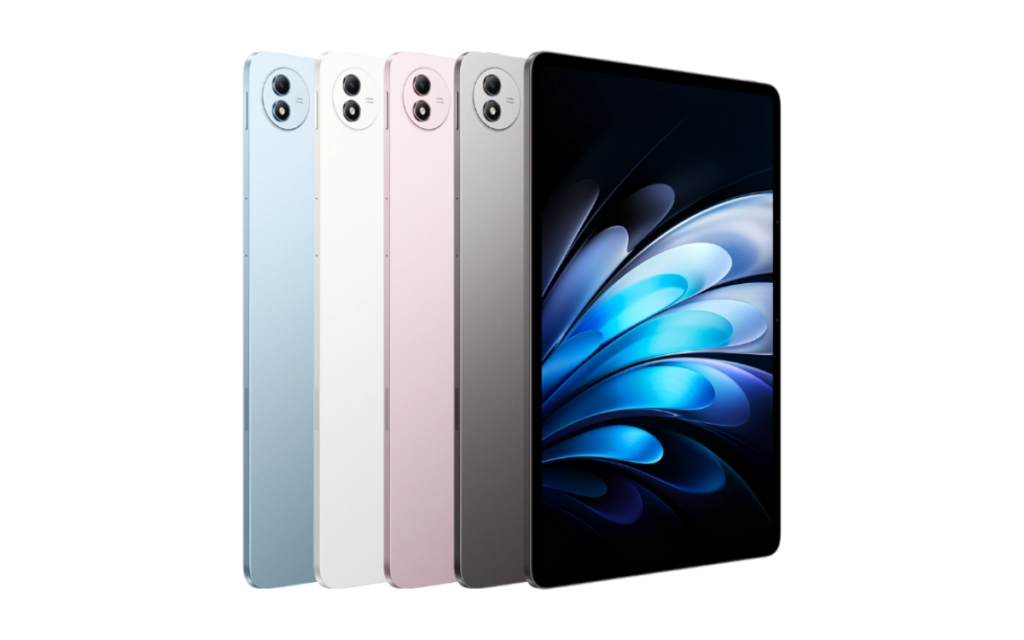
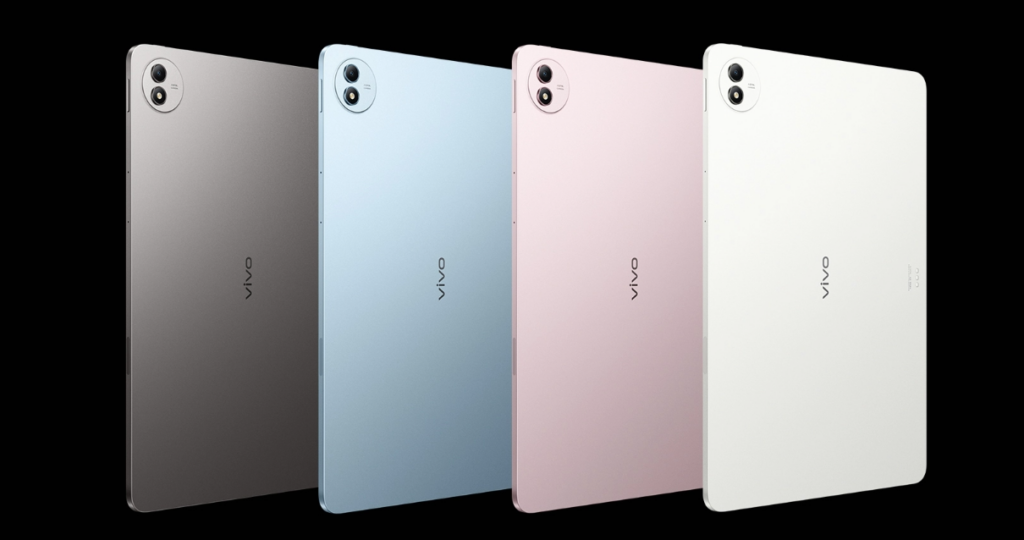
Vivo Pad 5 Pro Soft Light Edition debuts with a 13″ 3.1K 144Hz eye-care display & Dimensity 9400 chip

Vivo Pad 5 Pro Soft Light Edition

Vivo has officially launched the Vivo Pad 5 Pro Soft Light Edition in China. This new edition retains most specifications of the original Pad 5 Pro released earlier this year, but introduces an upgraded soft light display aimed at enhancing visual comfort.

Vivo Pad 5 Pro Soft Light Edition

Vivo Pad 5 Pro Soft Light Edition Specifications

The Pad 5 Pro Soft Light Edition features a 13-inch 3.1K display with a 3096 × 2064 resolution, a 3:2 aspect ratio, and peak brightness reaching 1,200 nits. It supports a 144Hz refresh rate for smooth scrolling and visuals, while a soft light coating helps reduce glare and eye strain during long sessions.

Vivo integrates dual-side light input technology to improve brightness efficiency while keeping power consumption low. The display also supports ecosystem-level color management to ensure consistent and accurate colors across apps and media content.

Under the hood, the tablet is powered by the flagship-grade MediaTek Dimensity 9400 processor. The chip is complemented by a large 40,600mm² VC cooling system to ensure sustained output without overheating.

Vivo Pad 5 Pro Soft Light Edition

The Vivo Pad 5 Pro Soft Light Edition runs OriginOS 5, delivering improved multitasking and productivity features. It supports PC level WPS document handling and includes AI-driven tools designed to manage demanding workflows. The tablet retains a 13MP rear camera and an 8MP front-facing camera for everyday photography and video calls.

The device is backed by a large 12,050mAh battery that supports 66W fast charging. It also features an eight-speaker panoramic audio system for a cinema-grade sound experience.

The tablet is impressively slim at 5.96mm and weighs only 578g, making it highly portable. For expanded productivity, vivo offers accessories including the Pencil 3 stylus, Smart Touch Keyboard 5 Pro, and Smart Dual-Sided Protective Case 5 Pro.

Pricing & Availability

The Vivo Pad 5 Pro Soft Light Edition is available in two configurations. The 12GB + 256GB variant is priced at 3,699 yuan ($524) while the 16GB + 512GB version is priced at 4,199 yuan ($595).

Sales have begun in China, and the tablet is available through major online retailers, including Vivo Mall and JD.com.

For more daily updates, please visit our News Section.

Stay ahead in tech! Join our Telegram community and sign up for our daily newsletter of top stories! 💡

The post Vivo Pad 5 Pro Soft Light Edition debuts with a 13″ 3.1K 144Hz eye-care display & Dimensity 9400 chip appeared first on Gizmochina.

Rogbid launches Enduro smartwatch with 1100mAh battery & 100-day standby

Rogbid Enduro

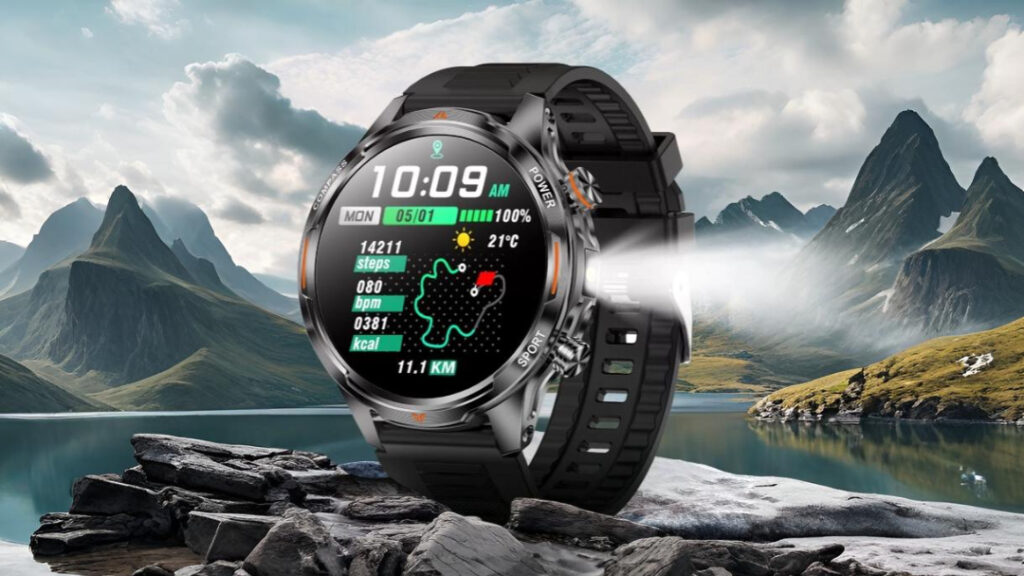
Rogbid has launched the Enduro, its first smartwatch focused on ultra-long battery life and outdoor durability. The device features a 1100mAh battery that supports up to 5-7 days of use in Bluetooth call mode, 40 days in daily mode, and over 100 days in standby.

Rogbid Enduro

Rogbid Enduro Specifications

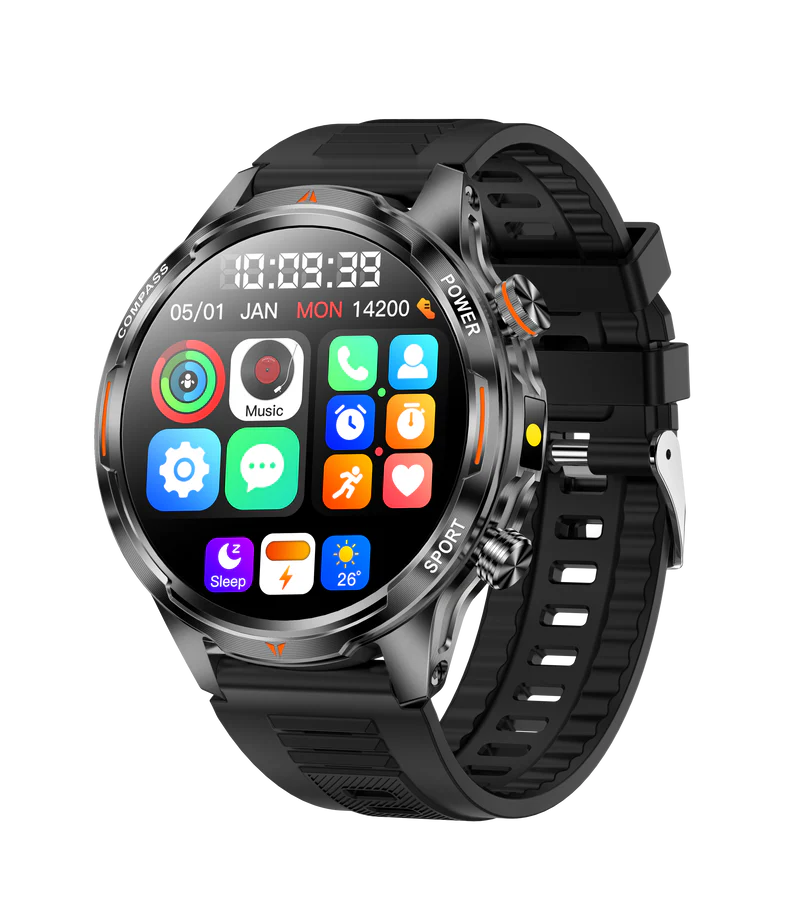
The Enduro comes with a 1.7-inch IPS display that offers a 360 × 360 resolution. The screen is designed to remain clear and visible under direct sunlight, making it suitable for outdoor navigation, activity tracking, and notifications. Rogbid has included a full-metal body with MIL-STD-810H military-grade durability, ensuring resistance to heat, cold, dust, and drops.

For connectivity, the smartwatch supports Bluetooth calling through a built-in microphone and speaker. It allows calls to be made and received directly from the wrist, while also syncing contacts and delivering messages and app notifications when paired with an Android or iOS smartphone.

Rogbid Enduro
Rogbid Enduro

In terms of health and fitness, the Enduro tracks heart rate, blood oxygen levels, and sleep quality. It includes breathing exercises and multiple sports modes such as running, walking, and treadmill workouts. The step counter, calorie tracker, and distance measurement system help users stay informed about their activity levels throughout the day.

Rogbid has added extra features aimed at outdoor use. The smartwatch includes a built-in compass and a powerful flashlight. It also offers 5ATM water resistance, making it safe for use during rain or swimming. The speaker and microphone are waterproof as well.

Pricing and Availability

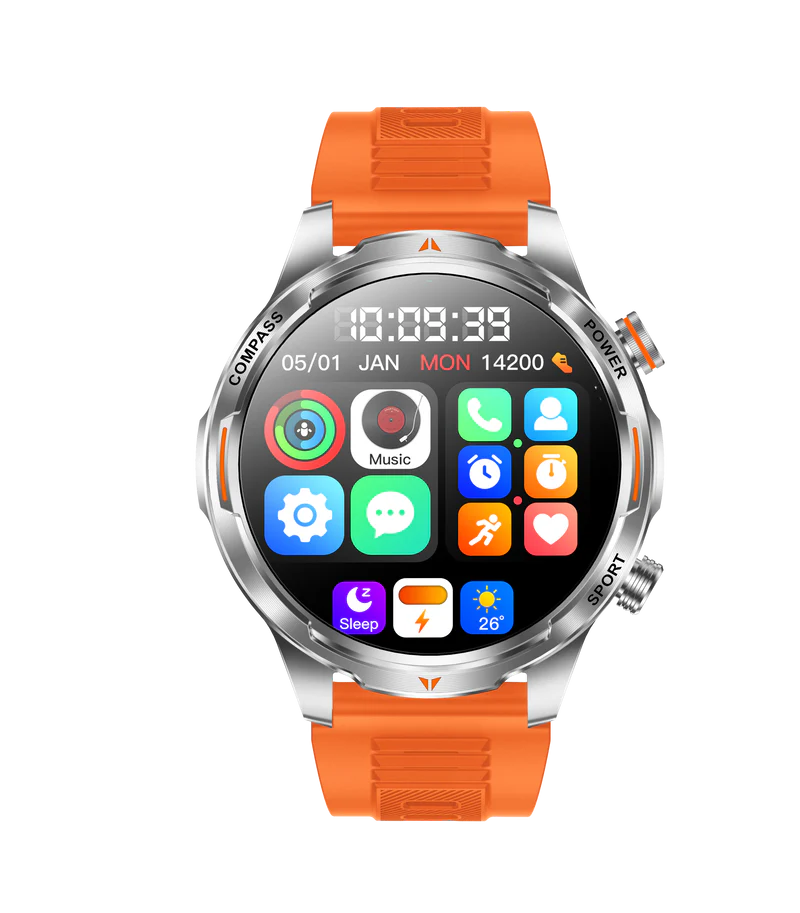
The Rogbid Enduro is priced at $29.99 and is now available in four color options: Black, Brown, Orange, and Camouflage. It features a 52mm case and a 22mm interchangeable strap.

Rogbid is offering a limited-time holiday promotion where customers receive a stainless-steel strap and a Christmas card with each purchase. This offer is limited to the first 200 buyers.

In related news, Fastrack has recently launched the Cosmix smartwatch with a curved metallic design, an AMOLED display, and built-in health tracking features, while Amazfit has introduced the T-Rex 3 Pro 44mm in Tactical Black with route planning and offline map support.

For more daily updates, please visit our News Section.

Stay ahead in tech! Join our Telegram community and sign up for our daily newsletter of top stories! 💡

The post Rogbid launches Enduro smartwatch with 1100mAh battery & 100-day standby appeared first on Gizmochina.
❌