
 Login
Login
China Witness its Growing Sports Tourism, Driven by their Ski Resorts and Football Leagues, Set to Reshape the Sector and Drive Sustainable Travel Growth
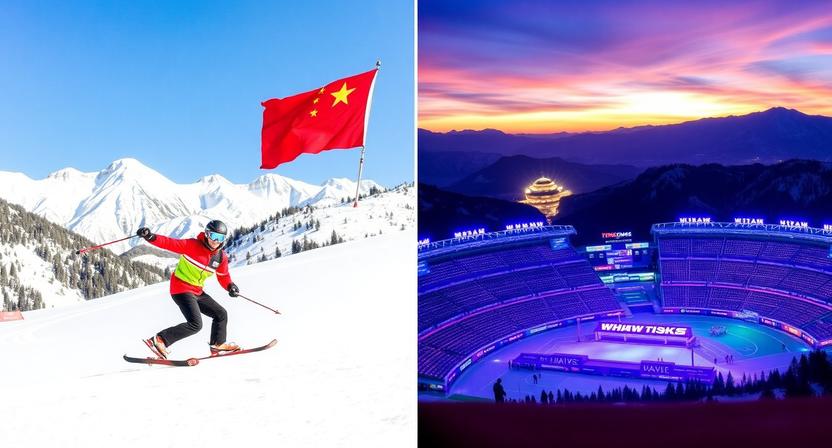
China’s sports tourism industry is changing at a breakneck speed with winter sports and football identified as major drivers in terms of tourism expansion. China at the efforts to create a sustainable and balanced tourism-based economy are including sports tourism at the top of its tourism agenda in terms of its future tourism plans. Whether in regions with artificially created snow or in football events with record-breaking turnouts, China’s sports tourism is not just focused on engaging in sports activities, as this industry is also creating innovative economic platforms in terms of tourism development in this country.
Winter Sports Tourism: A Growing Sector in China’s Tourism Landscape
As China’s winter sports industry continues to grow, the country is poised to become a global leader in winter tourism. The development of indoor ski resorts in cities without natural snowfall, such as the Wuxi indoor ski dome, has already begun to expand the winter tourism market and make winter sports more accessible across the country. These resorts are paving the way for year-round tourism, making skiing and snowboarding available to a broader audience, especially in regions where cold weather isn’t a given.
The future of sports tourism in China is set to be dominated by winter sports, especially as ski resorts continue to expand, offering not just skiing but snowboarding, snowshoeing, and other winter activities. With ski destinations like Yabuli in Harbin, which has already seen a 12% rise in visitors, and several others under development, China’s winter tourism landscape is set to become a key player in the global winter sports market.
Football and Sports Tourism: An Economic Driver for the Future
In addition to winter sports, China is also witnessing a boom in sports tourism linked to football. The success of grassroots leagues, such as the Su Super League in Jiangsu, has created a new sports tourism model that blends football with local consumption and community engagement. With 2.43 million in-person spectators and billions in related spending, football events in China are not only driving ticket sales but also contributing to the development of sports infrastructure and the local economy.
This trend of integrating sports events with tourism and consumer spending will continue to grow in the future. The Su Super League’s model is expected to inspire similar grassroots sports initiatives across the country, expanding the role of sports tourism and making it a major economic contributor. The upcoming Winter Olympics in 2026 in Milano-Cortina and China’s growing sports leagues will likely fuel the demand for sports-led travel, where international visitors combine sports events with leisure tourism in destinations like Beijing, Harbin, and Shanghai.
Sports Tourism’s Impact on Regional Development and Future Tourism Growth
One of the future impacts of sports tourism is its ability to stimulate regional development. As more areas across China develop their sports tourism infrastructure, regions previously reliant on traditional industries will begin to see job creation in hospitality, retail, and service sectors. Yunnan and Xinjiang, for example, could emerge as new winter sports hubs, offering a mix of cultural tourism and adventure sports. This will further diversify China’s tourism offerings and provide sustainable growth in less-explored regions.
Sports tourism also fosters inter-regional tourism. The ability to combine sports events with sightseeing, local cultural experiences, and shopping will drive tourist spending and promote regional connectivity. Future sports tourism hubs in China could involve multi-destination packages that combine mountain retreats, winter sports, and historical sites, offering tourists a comprehensive and immersive travel experience.
The Future of Adventure Tourism in China: Skiing, Hiking, and Beyond
As adventure tourism continues to rise globally, China’s natural landscapes are increasingly seen as prime destinations for active travel. The future of sports tourism in the country will not just be limited to winter sports but will also encompass activities like hiking, mountain biking, and rock climbing, particularly in areas like Tibet, Zhangjiajie, and the Guilin mountains. As sports tourism becomes more integrated into China’s national tourism strategy, these areas are likely to see a rise in both domestic and international visitors seeking outdoor adventure experiences.
Eco-tourism will continue to play a significant role in the future growth of adventure tourism in China. As the country focuses on sustainable travel practices, adventure tourists will be encouraged to engage in low-impact outdoor activities, contributing to the preservation of China’s diverse natural landscapes while experiencing its wilderness and mountain ranges.
A Vision for the Future: Sports Tourism as a Major Economic Engine
Looking ahead, sports tourism in China is projected to become a primary economic driver. With major sports events, winter resorts, and adventure tourism growing exponentially, the country’s sports tourism market will be increasingly integrated into national and regional development plans. The Chinese government is expected to continue investing in sports infrastructure, tourism promotion, and regional partnerships to ensure the sustainable growth of the sector.
By integrating sports, culture, and tourism, China is creating an ecosystem where athletic events, outdoor activities, and cultural experiences coexist, offering visitors a comprehensive travel experience. This innovative model for sports tourism will contribute to the future growth of China’s tourism economy, attracting millions of international visitors and ensuring that sports tourism plays a key role in the country’s global tourism strategy.
The Future of Sports and Tourism in China
As the sports tourism market keeps rising in China, the country is positioning itself for a future in which adventure sports tourism, winter sports tourism, and cultural tourism are fully combined or integrated. With more spending on sports infrastructure, sustainable tourism, and regional development, the sports tourism industry in China is expected to retain its position as a key driver in the economic development of the country in the years to come. The future is looking bright for the sports tourism market in China, which is an inspiration to the rest of the world.
The post China Witness its Growing Sports Tourism, Driven by their Ski Resorts and Football Leagues, Set to Reshape the Sector and Drive Sustainable Travel Growth appeared first on Travel And Tour World.