Login
Login
EU Airports Face Chaos as Digital Border System Sparks Hours-Long Delays: Travelers and Airlines Urged to Prepare for EES Disruption
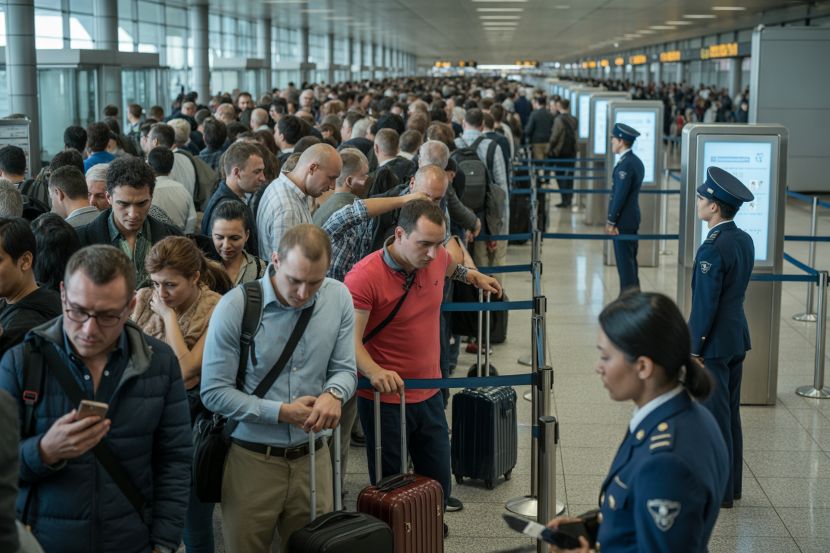
Airports across the European Union are facing serious disruptions due to the rollout of the EU’s digital border system, with wait times at passport control reaching up to three hours. According to the Airports Council International (ACI) in Brussels, the system’s introduction is causing significant operational headaches for airports and airlines, raising concerns over the impact on both business travelers and tourists.
The entry-exit system (EES), which began its phased implementation in October, was designed to automate border checks, including biometric data collection through fingerprinting and facial scans. However, issues with the system’s infrastructure and staffing are already causing chaos at several major airports in France, Germany, Greece, Iceland, Italy, Portugal, and Spain.
The Growing Impact on Travelers and Business Operations
The ACI has raised alarms over the delays caused by the digital border system, which has led to frustration for both passengers and businesses relying on smooth airport operations. Although only 10% of travelers are currently subject to biometric registration, this figure is set to rise to 35% by January 9, 2026. Without swift resolution of the operational issues, the ACI warns that this increase could result in even longer wait times and more severe congestion at airports, potentially creating safety hazards in crowded terminals.
Business travelers, in particular, are at risk of facing delays that could disrupt meetings, conferences, and other critical events. For tourists, especially those on tight schedules, the extended border check times could affect their travel plans, making it crucial for both groups to prepare for the changes.
Key Issues with the EU’s Entry-Exit System
The EU’s digital border system was introduced to enhance security and streamline border checks. However, several issues have emerged, affecting both its efficiency and reliability. These include:
- System Outages: Frequent disruptions in the system’s operation, undermining the predictability and smooth flow of passengers through borders.
- Kiosk Malfunctions: Self-service kiosks, which are essential for biometric data collection, have been unavailable or malfunctioning in several airports, slowing down the process.
- Insufficient Staffing: Many airports are facing shortages of border guards, leading to further delays at passport control, which is particularly problematic during peak travel periods.
- Lack of Effective Pre-Registration App: The pre-registration app, designed to help travelers upload their biometric data in advance, is not functioning properly at many airports.
Disruptions at Major Airports: Which Countries Are Affected?
The European airports most affected by these operational issues are in countries such as France, Germany, Greece, Iceland, Italy, Portugal, and Spain. Travelers departing or arriving at major hubs like Paris Charles de Gaulle, Berlin Brandenburg, Madrid Barajas, and Rome Fiumicino may experience long delays at border checks, especially as the system scales up in the coming months.
This is particularly problematic for both business travelers and tourists who rely on timely airport processing to catch flights or attend important engagements. The travel industry has already expressed concerns about the impact on international tourism, as the lengthy waits may discourage travelers from visiting Europe.
Tips for Business Travelers and Tourists
To minimize the impact of the delays and avoid unnecessary stress, travelers can take a few simple steps:
- Arrive Early: With the added processing time for biometric data collection, travelers should plan to arrive at the airport well in advance of their flight—at least 3 hours before for international flights.
- Check the Status of Airport Services: Stay updated on the operational status of self-service kiosks and border control systems through airport websites or mobile apps. If kiosks are unavailable, it may be necessary to queue for manual passport checks.
- Use Fast-Track Services: Some airports offer premium or fast-track services, especially for business travelers or those with specific travel needs. Consider booking these services if available.
- Prepare for Extra Security: With the EU’s increased focus on security, travelers should be ready for extra security measures, including biometric scans and possible additional security screenings.
- Monitor Government Updates: Keep an eye on official government travel advisories and airport announcements for updates on the implementation of the EES, especially as the system moves towards full rollout in 2026.
What the Future Holds for the EES Rollout
As of now, the EU plans to complete the rollout of the digital border system by April 9, 2026. While the system aims to streamline border control processes in the long term, the current issues must be addressed to avoid further disruptions. If the situation does not improve, travelers and airport officials are concerned about the potential for massive overcrowding and security concerns.
For the time being, it is clear that the EU entry-exit system has not yet achieved the smooth operations initially envisioned. Travelers must be aware of these challenges and plan accordingly to ensure a hassle-free journey. Both tourists and business travelers should keep in mind that these growing pains of the new system are temporary, but they will need to adjust their travel habits in the interim.
Key Takeaways for Travelers:
- Three-hour delays reported at airports across the EU due to issues with the new digital border system.
- The EES rollout will increase delays as more travelers are required to undergo biometric registration.
- Airports in France, Germany, Spain, and other countries are experiencing significant disruptions.
- Business travelers should anticipate delays affecting meeting schedules and flight connections.
- Tourists should allow extra time for airport procedures, particularly in major travel hubs.
Quick Tips for Avoiding Disruption:
- Arrive at the airport earlier than usual.
- Use available fast-track services if possible.
- Stay informed about airport operations via official channels.
- Consider traveling during off-peak hours to reduce waiting times.
Disclaimer: The Attached Image in This Article is AI Generated
The post EU Airports Face Chaos as Digital Border System Sparks Hours-Long Delays: Travelers and Airlines Urged to Prepare for EES Disruption appeared first on Travel And Tour World.