Japan Joins Italy, Greece, Spain, Iceland, and France as Global Travel Powerhouses Enforcing Fines, Visitor Caps, and New Rules to Combat Overtourism and Redefine the Future of Sustainable Tourism Worldwide
In recent years, Japan has taken a bold step in addressing the challenges posed by overtourism. As the country witnessed record-breaking tourist arrivals following the pandemic, authorities began imposing fines on visitors who engage in disruptive behavior. This shift marks a broader trend, as countries around the world grapple with balancing the economic benefits of tourism with the social, cultural, and environmental costs associated with excessive visitor numbers. Japan’s decision to fine tourists, especially in popular destinations like Hakuba Village, reflects a growing recognition that unregulated tourism can negatively impact local communities, infrastructure, and natural landscapes.
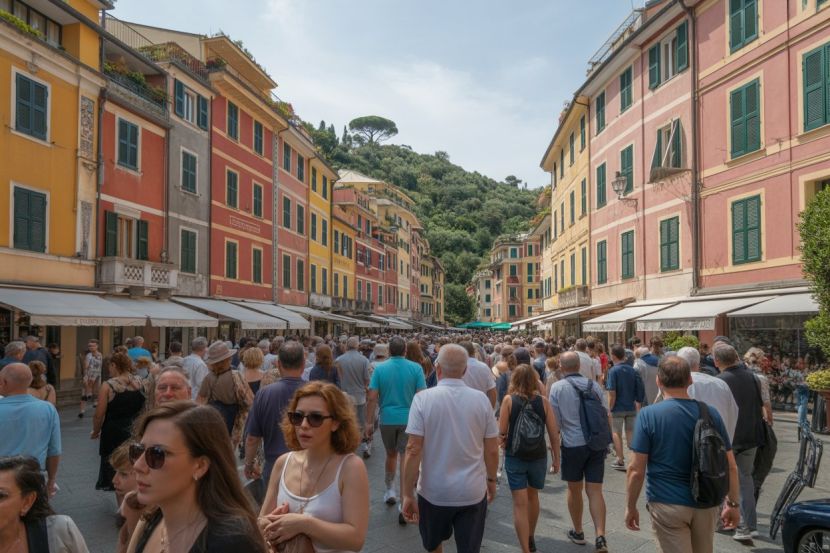
The issue of overtourism is not unique to Japan. Cities and regions worldwide have been experiencing similar pressures, from crowded historic sites and congested streets to rising housing costs and environmental degradation. In response, governments are increasingly implementing policies designed not just to manage the number of visitors, but also to regulate how tourists behave, where they go, and how they interact with the communities and environments they visit. This article explores Japan’s approach and examines similar strategies in Italy, Greece, Spain, Iceland, and France, highlighting the global shift toward responsible tourism management.
Japan: From Hospitality to Regulation
Japan has long been celebrated for its hospitality and meticulous attention to detail, welcoming millions of visitors annually to its cities, temples, mountains, and ski resorts. However, the rapid growth in tourism in recent years has brought unforeseen challenges. Hakuba Village, a popular ski destination in Nagano Prefecture, has recently implemented fines for disruptive tourist behavior, including loud noise, graffiti, and smoking while walking. These fines, reaching up to ¥50,000, aim to preserve the quality of life for local residents while maintaining a safe and enjoyable environment for all visitors.
Beyond Hakuba, Japanese authorities are considering additional measures such as tourist taxes in major cities, visitor caps at popular attractions like Mount Fuji, and stricter regulations in crowded cultural districts such as Kyoto and Kamakura. These initiatives illustrate a significant policy shift: tourism is no longer simply about attracting visitors, but about managing them in ways that ensure long-term sustainability. Japan’s approach emphasizes behavioral responsibility, community protection, and environmental stewardship, signaling a new era of tourism governance.
Italy: Protecting Heritage Amidst Tourist Influx
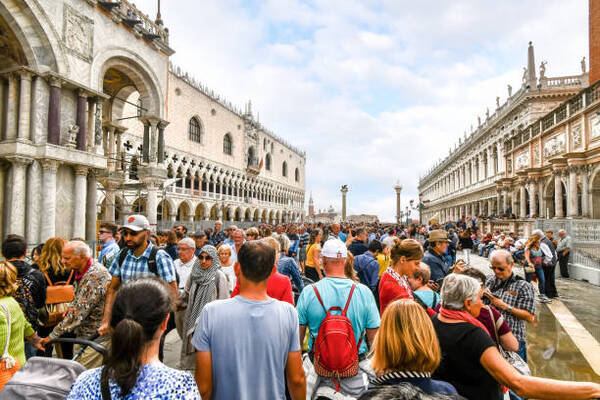
Italy is renowned for its rich cultural heritage, breathtaking landscapes, and historic cities. From Venice’s canals to Rome’s ancient ruins and Florence’s artistic treasures, Italy has been a magnet for travelers worldwide. However, the very popularity of these destinations has created challenges for residents and the preservation of historic sites.
Venice, for example, has introduced a daily entry fee for day-trippers to manage the influx of tourists and prevent overcrowding in the city’s narrow streets and iconic canals. Similarly, Pompeii, the ancient Roman city buried by Mount Vesuvius, has implemented visitor caps and timed tickets to protect the fragile ruins while maintaining an enjoyable experience for visitors.
Italian municipalities have also introduced fines for behaviors that disrupt local life, such as improper conduct in historic districts, excessive noise, and damage to public property. In Florence, restrictions on short-term vacation rentals aim to preserve housing availability for residents while still allowing tourists to experience the city’s cultural wealth. These measures reflect Italy’s recognition that tourism must be carefully managed to balance economic benefits with the preservation of heritage and quality of life for local communities.
Greece: Managing Island Crowds and Cruise Ship Tourism
Greece’s stunning islands, ancient ruins, and vibrant cities have made it a perennial favorite for travelers. However, places like Santorini, Mykonos, and Athens have faced mounting pressures from mass tourism, particularly from cruise ships and day-trip visitors. Overcrowding in these areas has led to environmental degradation, strain on infrastructure, and disruption of local life.
To address these challenges, Greek authorities have introduced visitor caps and timed entry systems at popular attractions such as the Acropolis and archaeological sites across the islands. Cruise ship arrivals are increasingly regulated, with limits placed on the number of passengers allowed to disembark at peak times. These measures aim to prevent sudden population spikes and reduce stress on local services.
Greece has also explored economic instruments such as tourism levies and fees, which generate revenue for conservation and infrastructure improvements. By combining visitor caps with financial incentives and regulatory measures, Greece seeks to create a more sustainable tourism model that balances the needs of visitors, residents, and the environment.
Spain: Regulating Behavior and Preserving Communities
Spain’s Mediterranean cities and islands, including Barcelona, Ibiza, and Mallorca, have long been magnets for tourists. While tourism has driven economic growth, it has also brought challenges, including overcrowded streets, rising housing costs, and tensions with local residents.
Spanish authorities have implemented a range of measures to mitigate overtourism. Fines for disruptive behavior, such as public drinking, excessive noise, and inappropriate conduct, are enforced in areas heavily frequented by tourists. In addition, smoking bans on beaches and regulations targeting party tourism aim to reduce environmental and social impacts.
Housing policy has also been a key focus. Cities like Barcelona have introduced restrictions on short-term rentals to preserve local housing stock and prevent displacement of residents. Tourist taxes have been implemented in various regions to fund infrastructure improvements and support local services. By addressing behavioral, economic, and social dimensions of overtourism, Spain is seeking a comprehensive approach to sustainable tourism management.
Iceland: Balancing Nature and Tourism
Iceland’s dramatic landscapes, from geothermal springs to volcanic highlands and waterfalls, have made it one of the fastest-growing tourist destinations in the world. The country’s fragile environment is particularly susceptible to the impacts of mass tourism, including soil erosion, pollution, and damage to natural habitats.
In response, Iceland has implemented visitor taxes and accommodation levies designed to fund conservation efforts and manage tourist flows. These financial tools encourage longer stays and promote off-peak travel, reducing pressure on popular sites. Additionally, authorities have developed guidelines and restrictions for sensitive natural areas, emphasizing responsible behavior and environmental stewardship.
Iceland’s approach highlights the importance of integrating economic incentives with environmental protection. By linking tourism revenue to conservation efforts, the country encourages travelers to become active participants in the preservation of its unique landscapes.
France: National Regulations for Sustainable Tourism
France, the most visited country in the world, faces overtourism pressures in destinations ranging from Paris to the French Riviera. The challenges include crowded streets, degradation of heritage sites, and strain on public infrastructure.
In response, French authorities have introduced fines and regulations targeting disruptive tourist behavior, along with regional visitor management strategies. National and local measures aim to preserve cultural heritage, maintain quality of life for residents, and ensure that tourism remains a sustainable contributor to the economy.
France’s policies also focus on encouraging responsible tourism behavior. By regulating conduct in public spaces, protecting sensitive areas, and investing in sustainable infrastructure, the country is taking a proactive approach to managing visitor numbers and minimizing the negative impacts of tourism.
Common Themes in Overtourism Management
Across these countries, several common strategies have emerged in response to overtourism:
1. Economic Measures
Entry fees, visitor levies, and tourist taxes help fund infrastructure, conservation, and community services while influencing visitor behavior. By imposing costs on high-impact behaviors or peak-season travel, destinations can manage demand and support long-term sustainability.
2. Behavioral Regulations
Fines for misconduct, including noise, public drinking, smoking, and vandalism, promote responsible behavior. Japan, Spain, and Italy have all used this approach to reduce disruptions and maintain a harmonious environment for residents and visitors alike.
3. Visitor Caps and Timed Entries
Limiting the number of visitors at sensitive sites or introducing time-slot systems helps protect cultural heritage, reduce overcrowding, and enhance visitor experiences. Pompeii, the Acropolis, Santorini, and Venice have all employed these measures successfully.
4. Housing and Infrastructure Policies
Regulations on short-term rentals and tourism-related development protect local communities from displacement and overuse of resources. Cities such as Barcelona and Florence have used housing policies to balance tourism with the needs of residents.
5. Environmental Protection and Sustainable Practices
Countries with fragile natural environments, like Iceland and Japan, are prioritizing conservation alongside tourism management. This includes visitor caps, taxes, and educational initiatives that encourage responsible behavior.
Challenges and Controversies
While overtourism regulations are essential for sustainable tourism, they are not without challenges. Critics argue that fines and fees may make travel less accessible for some visitors, potentially reducing the economic benefits of tourism. Moreover, implementing and enforcing these measures can be complex and costly, particularly in regions with high seasonal fluctuations in visitor numbers.
Another concern is the balance between regulation and the visitor experience. Overly restrictive policies could detract from the enjoyment of tourists, while insufficient measures may fail to protect communities and heritage sites. Policymakers must carefully navigate these tensions to develop solutions that are both effective and equitable.
The Future of Tourism Management
The experiences of Japan, Italy, Greece, Spain, Iceland, and France indicate that overtourism is no longer a peripheral concern but a central issue in tourism planning. The future of travel will increasingly involve:
- Integrated approaches that combine economic, behavioral, environmental, and social policies.
- Community engagement to ensure local voices guide tourism planning and management.
- Sustainable infrastructure investment to accommodate visitors while minimizing environmental impact.
- Visitor education and responsible tourism campaigns to promote awareness of cultural and environmental sensitivities.
These measures reflect a growing consensus that tourism must evolve from a purely economic activity to one that supports cultural preservation, environmental protection, and community well-being.
Conclusion
Japan’s move to fine tourists represents a global turning point in how countries manage tourism. Rather than focusing solely on attracting visitors, nations are increasingly recognizing the need to regulate tourism in ways that protect communities, heritage sites, and the environment. Italy’s entry fees and timed tickets, Greece’s cruise limits and visitor caps, Spain’s behavioral fines and housing policies, Iceland’s conservation levies, and France’s regulatory frameworks all exemplify this shift toward sustainable tourism management.
As international travel continues to rebound, the experiences of these countries highlight the importance of responsible, regulated, and sustainable tourism. By adopting a combination of economic, behavioral, and environmental measures, destinations can ensure that tourism remains a source of economic growth while preserving the very resources that make them attractive to visitors in the first place. The challenge for the coming decade will be to strike the delicate balance between welcoming tourists and maintaining the integrity of communities, culture, and the natural environment — a balance that will define the future of global travel.
The post
Japan Joins Italy, Greece, Spain, Iceland, and France as Global Travel Powerhouses Enforcing Fines, Visitor Caps, and New Rules to Combat Overtourism and Redefine the Future of Sustainable Tourism Worldwide appeared first on
Travel And Tour World.

 Login
Login