
Reading view

Sri Lanka And Vietnam Forge New Strategic Partnerships In Healthcare, Trade And Tourism
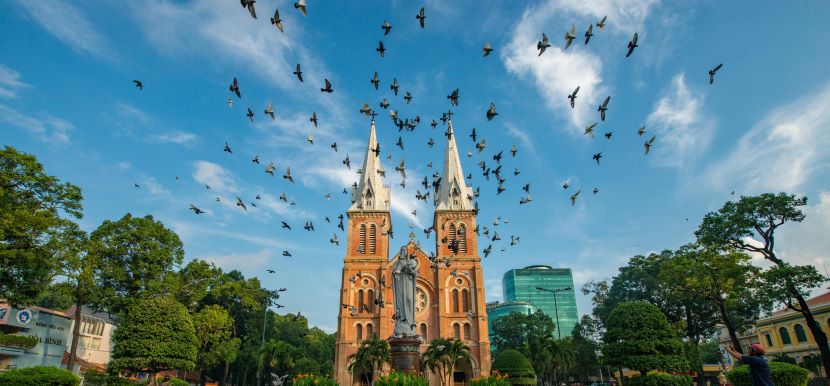
Sri Lanka And Vietnam Forge New Strategic Partnerships In Healthcare, Trade And Tourism
Sri Lanka and Vietnam Enhance Strategic Bilateral Cooperation.

The foundational pillars of Sri Lanka-Vietnam relations are being reinforced through a series of high-level diplomatic engagements aimed at fostering mutual prosperity. During a significant meeting held in Colombo, discussions were spearheaded by Sri Lanka’s Foreign Minister Ali Sabry and the Vietnamese Ambassador to Sri Lanka, Trinh Thi Tam. A comprehensive review of the historical ties between the two nations was conducted, with a shared commitment being expressed to elevate the partnership to unprecedented heights. It is recognized that the geopolitical landscape of Southeast and South Asia necessitates a more robust framework for bilateral trade and economic cooperation. By aligning national interests, both countries are positioned to navigate the complexities of modern global markets while maintaining the integrity of their long-standing friendship.

Advancements in Healthcare and Medical Innovation

Great emphasis was placed on the potential for collaboration within the medical sector during the official deliberations. The expertise possessed by Vietnam in pharmaceutical manufacturing and healthcare infrastructure is viewed as a valuable asset that could be leveraged to benefit the healthcare system in Sri Lanka. It was proposed that technical knowledge and resource sharing be facilitated to address common public health challenges. The development of joint ventures in the production of essential medicines was identified as a priority, ensuring that affordable healthcare solutions are made accessible to the populations of both nations. Through this passive exchange of scientific data and regulatory frameworks, the resilience of the health sectors in both Hanoi and Colombo is expected to be significantly bolstered.

Expanding the Horizons of Bilateral Trade

The economic trajectory of both nations is being reshaped by a mutual desire to expand trade volumes and diversify export portfolios. It was noted during the dialogue that the current trade balance remains below its true potential, prompting a call for more aggressive market entry strategies. Commodities such as tea, rubber, and textiles from Sri Lanka are being positioned for greater visibility in the Vietnamese market, while electronic components and machinery from Vietnam are sought for the industrial growth of Sri Lanka. Strategic investments are being encouraged by both governments to create a more integrated supply chain. By simplifying customs procedures and reducing trade barriers, a more conducive environment for entrepreneurs and large-scale corporations is being established.

The Revitalization of the Tourism Sector

A significant portion of the discussion was dedicated to the tourism industry, which serves as a vital revenue stream for both island and mainland territories. It is believed that the cultural similarities and shared Buddhist heritage between Sri Lanka and Vietnam can be utilized to promote religious and cultural tourism. Direct air connectivity was highlighted as a critical component that must be addressed to facilitate the seamless movement of travelers. Plans are being formulated to launch joint marketing campaigns that highlight the scenic beauty and historical landmarks of both regions. By fostering people-to-people exchanges, a deeper understanding of the unique traditions and lifestyles of both nations is being promoted, ultimately leading to a surge in visitor arrivals and economic revitalization for the hospitality sectors.

Collaborative Efforts in Agriculture and Fisheries

The agricultural landscapes of Sri Lanka and Vietnam offer fertile ground for technical cooperation and the sharing of best practices. During the meeting, the success of Vietnam in rice production and high-tech farming was acknowledged as a model that could be adapted to the local context of Sri Lanka. Similarly, the fisheries sector was identified as a domain where joint research and sustainable management practices could be implemented. It is envisioned that by modernizing farming techniques and enhancing the value-addition process for aquatic products, food security can be strengthened across the region. Technical training programs are expected to be organized for local farmers and fishermen, ensuring that the latest innovations in agrotechnology are effectively disseminated.

Strengthening Multilateral and Regional Ties

Beyond bilateral interests, the importance of maintaining a united front in international forums was underscored. Both Sri Lanka and Vietnam are active participants in regional organizations, and a consensus was reached to support each other’s candidacies and initiatives within these bodies. The stability of the Indo-Pacific region is viewed as a collective responsibility, and diplomatic channels are being utilized to ensure that regional peace is maintained. The role of the Association of Southeast Asian Nations (ASEAN) and the South Asian Association for Regional Cooperation (SAARC) was discussed in the context of creating a bridge between the two sub-regions. Through coordinated efforts, the voices of developing nations are being amplified on the global stage, advocating for a more equitable international order.

Future Perspectives and Diplomatic Milestones

As the meeting concluded, a roadmap for future engagements was outlined, ensuring that the momentum generated during these talks is sustained. Periodic reviews of the progress made in the fields of health, trade, and tourism are to be conducted by the respective ministries. The appointment of the new Vietnamese Ambassador is seen as a pivotal moment in this journey, signaling a fresh chapter of proactive diplomacy. It is anticipated that high-level state visits will be organized in the coming years to solidify the agreements reached during this initial phase. The enduring bond between the people of Sri Lanka and Vietnam remains the driving force behind these administrative efforts, promising a future defined by shared success and mutual respect.

Conclusion of Strategic Deliberations

The commitment shown by both parties reflects a sophisticated approach to foreign policy where traditional ties are transformed into modern strategic partnerships. Every point of discussion, from the pharmaceutical sector to the promotion of ancient heritage sites, serves as a testament to the comprehensive nature of this cooperation. As these plans are transitioned from dialogue to implementation, the impact on the socioeconomic fabric of both nations is expected to be profound. The narrative of Sri Lanka and Vietnam is one of resilience and growth, now further enhanced by a collective vision for a prosperous and interconnected future.

The post Sri Lanka And Vietnam Forge New Strategic Partnerships In Healthcare, Trade And Tourism appeared first on Travel And Tour World.



How The Ixigo Great Indian Travel Index Reveals The Transformative Impact Of OTT Series And Cinematic Content On Domestic Tourism Trends Across India

How The Ixigo Great Indian Travel Index Reveals The Transformative Impact Of OTT Series And Cinematic Content On Domestic Tourism Trends Across India
How OTT Series Are Redefining Domestic Tourism Trends in India.

The intersection of digital entertainment and exploration is explored in the latest report released by ixigo, titled the Great Indian Travel Index. This comprehensive analysis highlights how OTT shows and local tourism have become inextricably linked in the modern era. It is observed that the travel patterns of domestic tourists are being significantly reshaped by the narratives presented on streaming platforms. The phenomenon of cinematic tourism is identified as a primary driver for the increased interest in previously overlooked locales across the country.

The Rise of Digital Narratives and Travel Interest

A profound shift in how destinations are perceived by the public has been documented. It is noted that the immersive storytelling found on platforms like Netflix, Amazon Prime, and Disney+ Hotstar acts as a silent catalyst for travel. When a particular region is showcased as a backdrop for a gripping drama or a relatable comedy, a desire for physical exploration is sparked within the audience. This trend is meticulously captured in the ixigo report, which indicates that viewers no longer merely consume content; they seek to inhabit the spaces where their favorite stories unfold.

Statistical Surges in Iconic Locations

The data provided by ixigo suggests that specific towns and cities have experienced a notable spike in search queries and bookings. For instance, the rustic charm of Phulera, popularized by the series Panchayat, has led to a renewed curiosity regarding rural tourism in Madhya Pradesh. Similarly, the rugged landscapes featured in Mirzapur and the intellectual vibes of Kota as seen in Kota Factory have resulted in these locations being viewed through a lens of tourism rather than just their socio-political or educational contexts. The passive observation of these locales on screen is being converted into active travel itineraries by thousands of Indian travelers.

The Phulera and Mirzapur Phenomenon

The impact of regional storytelling is perhaps most evident in the cases of Mahansar and Mirzapur. It is reported that travel interest in these areas has grown by significant margins. In the past, these locations might have been bypassed in favor of traditional holiday spots like Goa or Shimla. However, the narrative power of OTT content has successfully humanized these geographical coordinates. Travelers are now drawn to the authenticity and the “raw” appeal of the heartland, seeking out the specific landmarks made famous by digital protagonists.

Coastal Allure and Modern Escapism

Beyond the rural heartland, coastal regions have also benefited from the OTT boom. The serene beaches and unique lifestyle portrayed in various contemporary series have led to a surge in visits to places like Gokarna and Varkala. These destinations are often chosen by younger demographics who are influenced by the aesthetic appeal of cinematography. The Great Indian Travel Index highlights that the visual allure of these spots, when paired with a compelling storyline, creates a powerful incentive for the “workcation” culture that has emerged in recent years.

The Role of Connectivity and Accessibility

The growth in tourism is not solely attributed to content consumption but also to the ease with which these locations can now be reached. It is emphasized by ixigo that improved infrastructure and affordable flight and train options have allowed fans to turn their digital dreams into reality. The integration of travel booking technology with trending social media topics ensures that as soon as a show goes viral, the logistics for visiting its filming sites are readily available. This synergy between entertainment and travel technology is identified as a cornerstone of the current tourism boom.

Socio-Economic Impact on Local Communities

The influx of tourists into smaller towns is viewed as a positive development for local economies. Small-scale businesses, including local homestays, eateries, and handicraft vendors, are being supported by the arrival of “screen tourists.” It is observed that the increased footfall leads to better preservation of local culture and improved amenities in these regions. The passive benefit of being featured on a global streaming platform is translated into tangible economic growth for the residents of these featured locations.

Future Projections for Content-Driven Travel

Looking forward, it is anticipated that the trend of travel inspired by digital media will continue to escalate. As production houses explore even more diverse and remote parts of India, new tourism hubs are expected to emerge. The ixigo index suggests that the “Great Indian Traveler” is becoming more adventurous and narrative-driven. The traditional bucket list is being replaced by a “watchlist” of locations. This evolution in consumer behavior is being closely monitored by travel aggregators and tourism boards alike to better cater to the evolving tastes of the modern explorer.

Conclusion of the Great Indian Travel Index

The findings presented in the report underscore a significant cultural moment where entertainment serves as a bridge to geographical discovery. The dominance of OTT platforms in daily life has created a new map of India, one where the boundaries between fiction and reality are blurred by the footsteps of eager travelers. Through the lens of the ixigo study, it is clear that the future of Indian tourism is being written one episode at a time.

The post How The Ixigo Great Indian Travel Index Reveals The Transformative Impact Of OTT Series And Cinematic Content On Domestic Tourism Trends Across India appeared first on Travel And Tour World.

Specialized Two-Week Tourist Visas To Stimulate International Travel And Economic Expansion Within The Mazandaran Province

Specialized Two-Week Tourist Visas To Stimulate International Travel And Economic Expansion Within The Mazandaran Province
Strategic Implementation of Two-Week Tourist Visas for Mazandaran Province.

A significant shift in the accessibility of northern Iran has been signaled by the Tourism and Handicrafts Minister, Ezzatollah Zarghami. It was announced that a specialized two-week tourist visa is to be issued specifically for those wishing to visit the province of Mazandaran. This strategic move is intended to streamline the process for international travelers who seek to explore the unique ecological and cultural landscape of the Caspian Sea region. By prioritizing visa facilitation, the ministry aims to position the region as a primary destination on the global travel map. The administrative framework for this initiative is being developed by the Ministry of Cultural Heritage, Tourism, and Handicrafts to ensure that the influx of visitors is managed with efficiency and hospitality.

Strategic Objectives for Regional Growth

The announcement was made during a formal visit to the province, where the potential for economic rejuvenation through tourism was highlighted. It is believed by officials that the introduction of a dedicated entry permit will act as a catalyst for local businesses and hospitality services. The province of Mazandaran is recognized for its dense forests, coastal attractions, and historical sites, yet it is felt that its full potential has not yet been realized by the global community. Through this new policy, a more inviting environment is being created for foreign nationals, allowing for a deeper immersion into the local culture without the burden of traditional, lengthy bureaucratic hurdles.

Natural Splendor and the Caspian Appeal

The geographical allure of the region is centered largely on the southern shores of the largest inland body of water in the world. It is observed that the combination of the Alborz mountain range and the sea creates a microclimate that is unlike any other part of the Middle East. Dense woodlands, known as the Hyrcanian forests, are found here, which have been recognized globally for their ecological significance. By offering a two-week window, visitors are being given ample time to traverse the winding mountain roads and enjoy the serene atmosphere of the coastal towns. The natural beauty of the area is considered a prime asset that is now being leveraged through modern administrative updates.

Infrastructure Development and Capacity Building

In conjunction with the visa announcement, emphasis is being placed on the necessity of improving local infrastructure. It is understood that the arrival of more international guests requires an upgrade in accommodation standards, transportation networks, and multilingual services. Investment is being encouraged in the boutique hotel sector and eco-lodges, which are popular among modern travelers seeking authentic experiences. The passive support of the government is being directed toward private investors who are willing to enhance the tourism value chain. By focusing on quality over quantity, a sustainable model of tourism is being sought for the province.

The Role of Cultural Heritage in Tourism

Beyond the natural scenery, the historical depth of the region is being promoted as a major draw. Ancient traditions, local handicrafts, and the unique culinary heritage of the northern people are being integrated into the travel experience. It is noted that the ministry is working to document and preserve these cultural assets while simultaneously making them accessible to outsiders. The two-week duration is deemed sufficient for travelers to engage with local communities and participate in traditional festivities. This holistic approach ensures that tourism serves as a bridge between different cultures, fostered by the ease of entry provided by the new visa regulations.

Environmental Considerations and Sustainable Travel

As the number of visitors is expected to rise, concerns regarding the ecological footprint of tourism are being addressed. A balance is being sought between the economic benefits of high visitor numbers and the preservation of the delicate Caspian ecosystem. Guidelines are being established to promote responsible travel behavior, ensuring that the forests and beaches remain pristine for future generations. The focus is being shifted toward high-value, low-impact tourism, which aligns with global trends in environmental stewardship. It is hoped that the province can serve as a model for how a region can open its doors to the world while maintaining its natural integrity.

Future Perspectives on Iranian Tourism Policy

This localized visa policy for one province is seen by many analysts as a pilot program that could be expanded to other regions of the country. If success is met in the north, similar initiatives might be implemented in the south or the central desert regions. The flexibility shown by the ministry indicates a progressive shift in how international relations and tourism are handled. By simplifying the entry process, a message of openness and readiness is being sent to the world. The long-term vision involves a comprehensive network of specialized travel permits that cater to the diverse interests of the global traveling public.

Conclusion and Impact on Local Communities

The ultimate beneficiaries of these changes are expected to be the residents of the province. Increased footfall in local markets and higher occupancy rates in rural homestays are projected to improve the standard of living. Opportunities for employment in the service sector are being created, particularly for the youth who are proficient in foreign languages and digital technologies. The passive observation of growth is being replaced by active preparation for a new era of prosperity. As the first sets of these visas are issued, the eyes of the international travel community will be on the green landscapes of the north, waiting to discover the treasures that have been made more accessible than ever before.

The post Specialized Two-Week Tourist Visas To Stimulate International Travel And Economic Expansion Within The Mazandaran Province appeared first on Travel And Tour World.
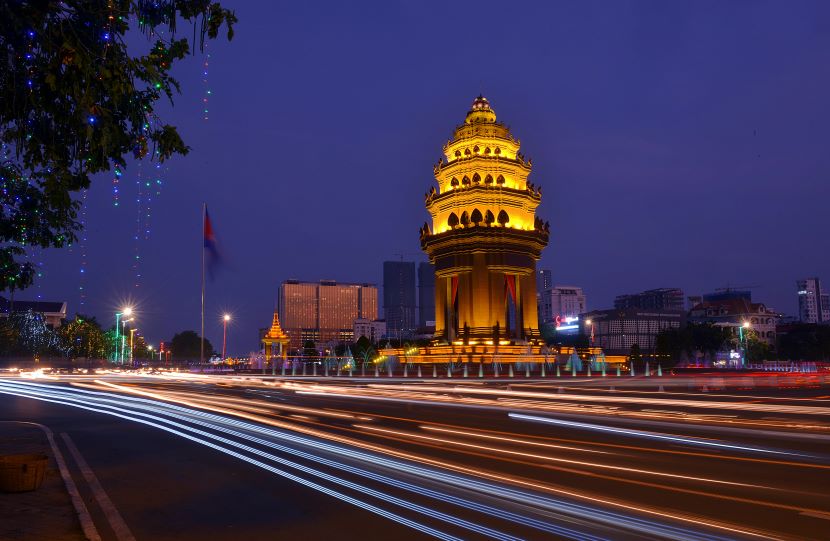
Hainan Free Trade Port: Reshaping Global Tourism And Luxury Retail Through Strategic Customs Transformation

Hainan Free Trade Port: Reshaping Global Tourism And Luxury Retail Through Strategic Customs Transformation
From Tropical Gateway to Global Hub: The Strategic Evolution of Tourism and Retail in the Hainan Free Trade Port.

The landscape of China’s tourism industry is being fundamentally reshaped following the historic implementation of island-wide special customs operations within the Hainan Free Trade Port. This monumental shift, which officially commenced on December 18, 2025, is being viewed as a catalyst for a new era of economic openness and retail sophistication. Through the strategic integration of duty-free shopping, streamlined visa-free access, and massive infrastructure investments, the region is being positioned as a premier destination for both domestic and global tourism leaders. The narrative of Hainan is no longer limited to its tropical climate; instead, it is being rewritten as a sophisticated hub where trade efficiency and leisure experiences are seamlessly merged to attract a diverse demographic of international travelers.

A New Chapter in Customs and Connectivity

The transition to island-wide special customs operations is being recognized as the most significant milestone since the inception of the free trade port project. Under this new system, the movement of goods and people is being facilitated with unprecedented ease, effectively creating a zone where international standards of trade are being applied within a unique Chinese framework. It is observed that the administrative barriers which previously hindered rapid commercial expansion are being dismantled, allowing for a more fluid exchange of services and capital. This operational shift is not merely a technical change but is being heralded as a structural transformation that elevates Hainan’s status on the global stage.

The Surge of the Duty-Free Sector

A major component of this transformation is being driven by the retail sector, specifically through the expansion of the Sanya International Duty Free Complex. The facility is being utilized as a cornerstone for luxury consumption, where a vast array of high-end brands is being made available to consumers at competitive prices. With the new customs regulations, the processing of jewelry and luxury goods is being expedited, ensuring that the latest global collections are being showcased to visitors without the delays associated with traditional import duties. It is reported by industry analysts that the synergy between tourism and high-end retail is being strengthened, leading to a significant increase in per-capita spending among visitors to the island.

Enhancing Inbound Travel and International Relations

The strategic opening of Hainan is also being felt in the broader context of inbound travel. Visa-free access policies are being expanded to include a wider range of nations, thereby reducing the friction often associated with international trips. This policy is being complemented by the efforts of platforms like Qunar, which are being leveraged to provide seamless booking experiences for a global audience. Furthermore, the relationship between the Hainan market and neighboring regions, such as the Thailand tourism market, is being characterized by both healthy competition and collaborative growth. By benchmarking itself against established hubs like Hong Kong, Hainan is being developed into a distinct alternative that offers a unique blend of coastal leisure and tax-free incentives.

Strategic Infrastructure and Economic Diversification

Beyond the immediate allure of shopping, the provincial government is ensuring that the physical and digital infrastructure of the island is being upgraded to meet international expectations. Transportation networks, including high-speed rail and expanded airport capacities, are being refined to handle the anticipated surge in passenger traffic. Moreover, the focus is being placed on diversifying the tourism product. It is noted that medical tourism, sports tourism, and high-tech exhibitions are being integrated into the island’s offerings, ensuring that the economic benefits of the free trade port are being distributed across multiple sectors. This holistic approach ensures that the island is not solely dependent on seasonal travel but is being transformed into a year-round destination for business and pleasure.

Competitive Dynamics and Regional Impact

The rise of Hainan as a powerhouse is being monitored closely by established trade centers. The Hainan Free Trade Zone is being seen as a direct competitor to Hong Kong, particularly in the realms of jewelry processing and luxury retail. However, this competition is being viewed by many as a positive force that encourages innovation and service excellence across the Greater Bay Area and beyond. The implementation of “first line” and “second line” customs controls is being perfected to ensure that while the island remains open to the world, the integrity of the national customs territory is being maintained. This delicate balance is being managed through advanced technology and real-time data monitoring, reflecting a modern approach to border management.

Future Projections for the Tourism Market

Looking ahead to the China International Travel Mart 2025 and beyond, the trajectory for Hainan appears increasingly robust. The integration of the free trade port into the global supply chain is being seen as a permanent shift rather than a temporary trend. Experts suggest that as the policies mature, the island will be viewed as a gateway for international brands seeking a foothold in the Chinese market, as well as a launching pad for Chinese enterprises looking to go global. The transformation of the tourism market is being characterized by a shift toward quality and sustainability, where the natural beauty of the island is being preserved even as massive commercial developments are being realized.

Conclusion of the Modern Narrative

In summary, the Hainan Free Trade Port is being established as a beacon of China’s commitment to economic reform and global integration. The island is being reimagined as a territory where the world can meet, trade, and explore with minimal restrictions. Through the successful execution of special customs operations and the continuous refinement of the duty-free experience, Hainan is being positioned to lead the next wave of growth in the global tourism industry. The narrative of this transformation is one of ambition, precision, and a forward-looking vision that is being felt across the entire Asian continent.

The post Hainan Free Trade Port: Reshaping Global Tourism And Luxury Retail Through Strategic Customs Transformation appeared first on Travel And Tour World.

The Great Northern Migration: Why Japan Is Surpassing Traditional Hotspots As The Premier Destination For Australian Travellers

The Great Northern Migration: Why Japan Is Surpassing Traditional Hotspots As The Premier Destination For Australian Travellers
A high-speed train traveling through the Japanese countryside with a view of Mount Fuji in the background representing the modern transport and natural beauty attracting Australian tourists.

In recent months, a remarkable shift in the movement of Australian travelers has been observed by industry analysts and airline operators alike. While traditional coastal retreats and European heritage sites have historically dominated the itineraries of those departing from the Southern Hemisphere, a new frontrunner has emerged. Japan is currently being identified as the primary beneficiary of changing tourism trends that prioritize unique cultural immersion over standard leisure activities. According to recent international flight data, the volume of bookings toward Tokyo and Osaka has surged to levels that were previously unseen in the pre-pandemic era. This evolution in holiday destinations suggests that a fundamental change in travel preferences is occurring among the Australian public.

Statistical Evidence of a Cultural Migration

The data provided by travel agencies indicates that the number of Australians visiting Japan has reached record-breaking heights. It is reported that during the early quarters of the current year, the influx of visitors from the Australian continent surpassed figures recorded in both 2019 and 2023. This trend is not merely a temporary spike but is viewed as a sustained redirection of consumer interest. While the allure of the Indonesian archipelago and the United Kingdom remains present, these locations are being outpaced by the rapid growth of the Japanese market. The statistics reveal that the frequency of flights between major Australian hubs and Japanese gateways has been increased by carriers to meet this unprecedented demand.

The Influence of Favorable Economic Conditions

The economic landscape is cited as a primary driver for this geographic pivot. The relative strength of the Australian dollar against the Japanese yen has made the region an exceptionally attractive option for those seeking value for money. It is noted that high-quality dining, accommodation, and transport within Japan are currently more accessible to the average Australian budget than in previous decades. When the costs of a traditional European vacation are compared to a Japanese excursion, the latter is frequently found to be more sustainable for long-term travelers. This financial incentive, combined with the absence of significant time zone discrepancies, has solidified the country’s status as a premier choice for families and solo adventurers alike.

A Focus on Seasonal Variety and Outdoor Pursuits

The geographic diversity of the Japanese archipelago is being recognized as a major drawcard for the Australian market. Unlike many tropical destinations that offer a singular climate experience, Japan is appreciated for its distinct four seasons. During the Australian summer, the Japanese winter provides world-class skiing and snowboarding opportunities in regions such as Niseko and Hakuba. Conversely, the spring cherry blossom season and the vibrant colors of autumn attract those interested in nature and photography. The ability to engage in such varied outdoor activities within a single country is frequently highlighted as a reason for the sustained popularity of the destination.

Culinary Tourism and Urban Exploration

The reputation of Japanese cuisine is also played a vital role in this travel boom. Exceptional standards of food quality and service are consistently reported by visitors returning to Australia. From high-end sushi establishments in Ginza to the street food stalls of Dotonbori in Osaka, the gastronomic landscape is explored with great enthusiasm. Additionally, the efficiency and cleanliness of Japanese urban centers are often contrasted with the logistical challenges found in other global metropolises. The seamless integration of high-speed rail networks, such as the Shinkansen, allows for the effortless transit between neon-lit cities and quiet, historical villages, a feature that is highly valued by the Australian demographic.

Safety and Accessibility as Core Priorities

The perception of Japan as one of the safest nations in the world is another factor that is heavily weighed by travelers. Low crime rates and a general atmosphere of public order are identified as significant comfort factors for those traveling with children or those navigating international borders for the first time. Furthermore, the expansion of direct flight paths from cities like Sydney, Melbourne, and Brisbane has reduced the friction of travel. The ease with which a journey can be organized and executed has contributed to Japan being viewed as a reliable and stress-free alternative to more chaotic destinations.

The Long-Term Outlook for Regional Tourism

As the year progresses, the momentum behind this trend shows no signs of waning. It is anticipated by market experts that the connection between Australia and Japan will continue to strengthen through both tourism and cultural exchange. New hotel developments and expanded tourist infrastructure within Japan are being tailored to accommodate the specific needs of Western visitors, further cementing this relationship. The traditional reliance on proximity-based travel is being replaced by a desire for sophisticated, culturally rich experiences that Japan is uniquely positioned to provide. Consequently, the Australian presence in East Asia is expected to remain a dominant force in the global tourism sector for the foreseeable future.

The post The Great Northern Migration: Why Japan Is Surpassing Traditional Hotspots As The Premier Destination For Australian Travellers appeared first on Travel And Tour World.

Trip.com Suspends Cambodian Partnership Amid Growing Border Tensions And Regional Cyber Security Threats

Trip.com Suspends Cambodian Partnership Amid Growing Border Tensions And Regional Cyber Security Threats
Evaluating the Ripple Effects of Trip.com’s Decision on Cambodian International Relations.

The landscape of international travel in Southeast Asia has been significantly altered as Trip.com, one of the world’s most prominent online travel agencies, recently made the decision to suspend its tourism partnership with Cambodia. This move was initiated following a series of complex developments involving border clashes and heightened cyber concerns that have plagued the region. The relationship between global travel platforms and national governments is often viewed as a cornerstone of economic development, yet this particular alliance has been placed on indefinite hold. It is observed that the safety of travelers and the integrity of digital infrastructure are being prioritized over immediate commercial expansion. As the tourism industry navigates these turbulent waters, the decision by Trip.com serves as a stark reminder of how geopolitical volatility can abruptly halt international cooperation and affect regional stability.

The Catalyst of Border Instability

The suspension of the agreement was prompted by a surge in physical and political friction along the frontiers. It has been reported that long-standing territorial disputes have resurfaced, leading to a climate of uncertainty for visitors and residents alike. In these sensitive zones, military presence has been increased, and the peaceful passage of tourists has been compromised by the threat of localized skirmishes. The safety of the traveling public is considered a primary responsibility by major service providers, and when the risk of physical harm is deemed too high, corporate withdrawal is often the resulting action.

Furthermore, the diplomatic discourse between the involved nations has reached a point of stagnation. Negotiations regarding land rights and sovereignty have not yielded the desired peaceful resolutions, causing a ripple effect throughout the hospitality sector. When borders become sites of contention rather than gateways for cultural exchange, the logistical framework required for tourism is dismantled. The decision to step back from the partnership is seen as a necessary measure to protect the reputation of the platform and the well-being of its users.

The Rise of Cybercrime and Digital Fraud

Parallel to the physical dangers at the border, a more invisible threat has emerged in the form of sophisticated cybercrime networks operating within the region. Concerns have been raised regarding the proliferation of scam centers and illegal digital operations that target unsuspecting international victims. These entities are often hidden within special economic zones or remote areas where oversight is limited. It is widely understood that the digital safety of customers is a non-negotiable aspect of modern travel services.

Data breaches, phishing attempts, and the exploitation of travelers through fraudulent schemes have become increasingly common. Because the integrity of the Trip.com platform relies on secure transactions and verified information, the presence of these cyber threats in Cambodia has necessitated a reevaluation of the current partnership. The fear that the platform’s brand could be associated with or undermined by these criminal elements has led to the current hiatus. Efforts to combat these digital syndicates are ongoing, but until a significant reduction in cyber-related incidents is achieved, the path to resumption remains unclear.

Impact on the Cambodian Hospitality Sector

The economic ramifications for Cambodia are expected to be substantial, given the country’s heavy reliance on international visitors to fuel its GDP. By losing the support of a major distributor like Trip.com, local hotels, tour operators, and transport services are likely to experience a decline in bookings. The visibility of Cambodian destinations on a global stage is significantly diminished when such a powerhouse removes its endorsement. This void in marketing and accessibility presents a challenge for the Ministry of Tourism as they attempt to attract travelers from other markets.

Moreover, the perception of the country as a safe and stable destination is being challenged. Tourism is built on the foundation of trust, and once that trust is eroded by reports of violence or systemic fraud, recovery can be a lengthy process. Small and medium-sized enterprises that depend on the steady flow of foreign currency are particularly vulnerable during this period of isolation. The suspension acts as a signal to other potential investors and partners that the current environment may not be conducive to sustainable business operations.

Strategic Shifts in Regional Tourism Management

In response to these challenges, a shift in how regional tourism is managed is being observed. There is an increasing emphasis on the implementation of stricter security protocols and the enhancement of digital policing. Governments in Southeast Asia are being urged to collaborate more closely with international tech firms to create a safer ecosystem for digital nomads and vacationers. The current situation highlights the fact that tourism can no longer be viewed in isolation from national security and cybersecurity.

The role of technology in monitoring border activities and securing financial transactions is being expanded. However, these technological solutions require significant investment and political will, both of which are currently being tested. The suspension by Trip.com may serve as a catalyst for the Cambodian authorities to take more aggressive action against the illicit activities occurring within their borders. A return to the status quo will likely require not just a cessation of border hostilities, but a demonstrated commitment to purging the digital landscape of criminal influence.

Future Outlook and Potential Reconciliation

The prospect of a future reconciliation between Trip.com and Cambodia remains a possibility, though it is contingent upon several critical factors. A sustained period of peace along the border must be established to reassure the international community that the physical risks have been mitigated. This would involve high-level diplomatic engagements and perhaps the intervention of regional bodies to mediate long-standing grievances. Without a stable physical environment, the logistical foundations of travel remain too precarious to support.

In addition to physical security, a robust framework for digital governance must be implemented. The dismantling of scam centers and the prosecution of those involved in cyber-fraud are seen as essential steps toward rebuilding the trust of global travel agencies. When a transparent and secure environment is fostered, the incentives for companies like Trip.com to return will be significantly strengthened. Until such a transformation occurs, the suspension remains a firm stance against the risks currently associated with the region. The world watches as Cambodia navigates these dual challenges of ancient territorial disputes and modern digital threats.

The post Trip.com Suspends Cambodian Partnership Amid Growing Border Tensions And Regional Cyber Security Threats appeared first on Travel And Tour World.

The Renaissance Of Afghanistan Travel: Integrating Ancient Heritage With Modern Stability To Define A New Era Of Global Tourism

The Renaissance Of Afghanistan Travel: Integrating Ancient Heritage With Modern Stability To Define A New Era Of Global Tourism
A group of international tourists standing before a historic monument in Afghanistan under a clear blue sky, symbolizing the revival of tourism and cultural exchange.

In the heart of the Global South, a significant transformation is being observed as Afghanistan transitions from a period of historical conflict to a burgeoning hub for international tourism. It is noted that the cultural heritage of the nation is being rediscovered by a diverse array of global travelers, facilitated by a notable improvement in regional security. The narrative of the country is being reshaped by the Islamic Emirate, with a focus on highlighting ancient landmarks and the innate hospitality of the Afghan people. Through the expansion of travel infrastructure and a simplified visa process, the nation is actively inviting the world to witness its natural beauty and historical depth.

The Rebirth of a Historic Destination

A new chapter in the history of Afghanistan is being written as the nation opens its doors to the global community. For several decades, the landscape was defined by internal strife, yet today, a sense of peace is reported to be settling over the ancient valleys and bustling marketplaces. The potential of the country is being realized as international interest shifts toward its authentic and largely untouched experiences. From the remnants of ancient civilizations to the vibrant life of historic villages, the territory is once again being viewed through a lens of curiosity rather than caution.

It is observed that the allure of the unknown is drawing adventurers who seek more than just traditional tourism. These individuals are reportedly finding a land where history is etched into every stone and where the horizon offers a glimpse into a storied past. The narrative of war is being replaced by a narrative of resilience and beauty, as the country seeks to position itself as a unique destination on the global travel map.

Testimonials of Safety and Welcome

Personal accounts from international visitors provide a unique insight into the current atmosphere within the country. One traveler, Ellen from the United States, shared experiences of feeling entirely secure during her journey through various provinces. It was noted by her that the local population consistently displayed a high level of helpfulness and kindness. Despite being a stranger, the hospitality extended to her was described as being treated like an honored guest rather than a foreigner.

These sentiments are being echoed by many who have ventured into the region recently. The perception of the country as a dangerous zone is being challenged by the reality of peaceful interactions and a welcoming environment. It is reported that the kindness of the Afghan people has become one of the most significant draws for those looking to understand the true spirit of the nation. The safety felt by visitors is cited as a primary reason for the increasing numbers of tourists arriving from diverse corners of the globe.

Statistical Growth in Travel and Transit

The resurgence of the tourism sector is not merely anecdotal; it is supported by recent data regarding visitor numbers. It has been recorded that nearly 200 foreign tourists visited key historical sites within a single month. Furthermore, more than 2,400 entries and exits were documented during the same period, indicating a steady flow of international movement. These figures are being interpreted as a clear sign that Afghanistan is gaining traction among those seeking discovery and authenticity.

The consistency of these numbers suggests that the initial wave of curiosity is evolving into a sustained interest. As more travelers share their positive experiences, the momentum is expected to build. The data reflects a growing confidence in the stability of the region, allowing the tourism industry to serve as a vital component of the national recovery and international engagement strategy.

Government Initiatives and Infrastructure Development

The current administration has taken proactive steps to ensure that the tourism industry is supported by necessary administrative and physical infrastructure. According to Khabib Ghufran, the Spokesperson for the Ministry of Information and Culture, the number of tourists has seen a marked increase since 2021. This growth is attributed to the establishment of a secure environment and the inherent appeal of the country’s 5,000-year history.

Efforts have been made to streamline the administrative process for foreign guests. Tourist visas are now being issued with greater efficiency, and flight connections from major international transit hubs are being maintained several times a week. On the ground, the development of hotels, restaurants, and transportation services is being prioritized. While the industry is described as being in a developmental phase, significant progress is being made annually to provide standardized facilities, professional guides, and reliable hospitality centers.

Cultural and Natural Landmarks Under the Spotlight

The geographical diversity of Afghanistan is being highlighted as a major attraction for the global traveler. Visitors are currently being guided to iconic locations such as the blue lakes of Bamyan, which offer a stunning display of natural beauty. The ancient monuments of Ghazni and the spiritual landscapes of Balkh continue to serve as pillars of the nation’s historical identity. Additionally, the untouched forests of Nuristan are being promoted as a destination for those seeking environmental serenity.

These sites are being preserved and promoted as symbols of a rich and enduring culture. The focus is being placed on providing a comprehensive experience that blends history, adventure, and cultural immersion. By showcasing these diverse landscapes, the nation is successfully appealing to a wide demographic of travelers, from history buffs to nature enthusiasts.

A Vision for Future Global Engagement

The trajectory of Afghan tourism is being viewed as a bridge between the nation and the international community. It is being argued that through tourism, a more nuanced understanding of the country can be fostered. The government has expressed a commitment to providing a tension-free environment for all guests, ensuring that the legendary Afghan hospitality remains the cornerstone of every visitor’s journey.

As the industry continues to mature, the focus remains on maintaining security while expanding the quality of services. The integration of modern amenities with traditional values is being sought to create a travel experience that is both comfortable and authentic. The goal is to establish Afghanistan as one of the world’s most distinctive travel destinations, where the past and the present coexist in a way that can be found nowhere else on earth.

The post The Renaissance Of Afghanistan Travel: Integrating Ancient Heritage With Modern Stability To Define A New Era Of Global Tourism appeared first on Travel And Tour World.

Thailand Tourism Revitalizing The Hospitality Sector And National Economy Through The Expansion Of Regulated Nighttime Activity Hubs

Thailand Tourism Revitalizing The Hospitality Sector And National Economy Through The Expansion Of Regulated Nighttime Activity Hubs
Thailand is transforming its tourism strategy by extending nightlife hours to drive economic growth and enhance the global visitor experience.

The landscape of international travel is being reshaped as Thailand strategically implements measures to invigorate its nighttime economy. It is observed that the extension of operating hours for entertainment venues has become a pivotal component of the national tourism recovery strategy. By allowing establishments in key zones to remain open until 4:00 AM, a significant surge in tourist spending and overall economic activity is being fostered by the government. This shift is designed to cater to the evolving preferences of global travelers who seek diverse and extended experiences beyond traditional daylight hours.

The Policy Shift and Its Immediate Impact

A deliberate decision was made by the Thai cabinet to pilot extended nightlife hours in prominent destinations including Bangkok, Phuket, Koh Samui, Chonburi, and Chiang Mai. It is noted that these locations were selected due to their high density of international visitors and established infrastructure. By shifting the closing time from 2:00 AM to 4:00 AM, a broader window for consumption and entertainment is being provided. This policy is not merely about late-night revelry; it is framed as a comprehensive approach to maximizing the utility of existing urban spaces and hospitality assets.

Since the implementation of these regulations, a noticeable increase in the vibrancy of these zones has been reported. The streets are seen to be occupied by visitors for longer durations, which directly correlates to higher revenues for local businesses. It is argued by industry experts that the extra two hours of operation contribute significantly to the daily turnover of bars, restaurants, and transportation services. The ripple effect of this increased activity is felt throughout the supply chain, benefiting food vendors and service staff alike.

Economic Contributions of the After-Dark Sector

The economic significance of the nighttime economy is being emphasized by government officials and financial analysts. It is estimated that a substantial portion of the tourism revenue is generated after the sun sets. By facilitating a legal and regulated environment for late-night activities, the informal economy is being integrated into the formal financial structure. This transition allows for better tax collection and the implementation of standardized safety protocols, which are essential for maintaining the country’s reputation as a safe destination.

The hospitality sector is being revitalized through this initiative, with hotels and resorts reporting higher occupancy rates in areas adjacent to entertainment hubs. It is observed that tourists are more likely to extend their stays when a diverse range of nighttime activities is available. Furthermore, the diversification of the tourism product is being achieved, moving away from a reliance solely on beaches and historical sites. The cultural richness of Thailand’s night markets and street food scenes is being elevated to a primary attraction status.

Safety Measures and Regulatory Oversight

While the expansion of hours is being celebrated for its economic potential, the importance of safety and order is not being overlooked. Enhanced security measures are being deployed by local authorities to ensure that the extended hours do not lead to an increase in crime or public disturbances. Increased patrolling by police and the installation of additional surveillance equipment in key districts are being prioritized. It is understood that the sustainability of this growth is dependent on the maintenance of a secure environment for both locals and visitors.

Strict regulations regarding alcohol consumption and noise levels are also being enforced. Establishments are being required to adhere to specific guidelines to minimize the impact on residential areas located near entertainment zones. By balancing the needs of the business community with the well-being of the local population, a more harmonious integration of the nighttime economy into the urban fabric is being sought. The collaboration between the private sector and government agencies is seen as a crucial element in the success of these measures.

Enhancing the Visitor Experience

The traveler experience is being significantly enhanced by the flexibility offered by longer operating hours. It is recognized that many international tourists come from time zones that differ greatly from Thailand’s. By providing late-night options, the needs of these “night owl” travelers are being met, allowing them to adjust to the local environment at their own pace. The availability of high-quality dining and entertainment options at all hours is being marketed as a premium feature of the Thai tourism experience.

In addition to traditional nightlife, the promotion of cultural events and festivals that take place after dark is being expanded. Night marathons, light festivals, and late-night museum openings are being integrated into the tourism calendar. This holistic approach ensures that the nighttime economy appeals to a wide demographic, including families and business travelers, rather than being limited to a younger audience. The richness of Thai heritage is being showcased through these innovative nocturnal formats.

Future Prospects and Regional Competition

As Thailand continues to refine its approach, the nighttime economy is being viewed as a long-term driver of growth. Observations are being made regarding how other regional competitors are responding to Thailand’s success. It is noted that neighboring countries are also exploring similar measures to capture a share of the post-pandemic travel market. However, the unique combination of Thai hospitality, world-class infrastructure, and a vibrant street culture is believed to provide a competitive edge that is difficult to replicate.

Data is being continuously collected to monitor the social and economic outcomes of the extended hours. These insights will be used to determine if the policy should be expanded to other provinces or if further adjustments are required. The commitment to data-driven policymaking ensures that the tourism sector remains resilient and adaptable to global trends. The vision of Thailand as a 24-hour destination is gradually being realized, positioning the nation as a leader in the global tourism landscape.

Conclusion and Sustainability

The journey toward a robust nighttime economy is being characterized by a blend of innovation and caution. It is concluded that the strategic leverage of after-dark activities is providing a much-needed boost to the national economy. By focusing on safety, regulation, and diverse offerings, a sustainable model for tourism growth is being built. The transformation of Thailand’s nights into a period of high economic productivity and cultural expression is a testament to the country’s proactive stance in the face of global challenges. The future of Thai tourism is being illuminated, quite literally, by the glow of its vibrant and inclusive nighttime economy.

The post Thailand Tourism Revitalizing The Hospitality Sector And National Economy Through The Expansion Of Regulated Nighttime Activity Hubs appeared first on Travel And Tour World.
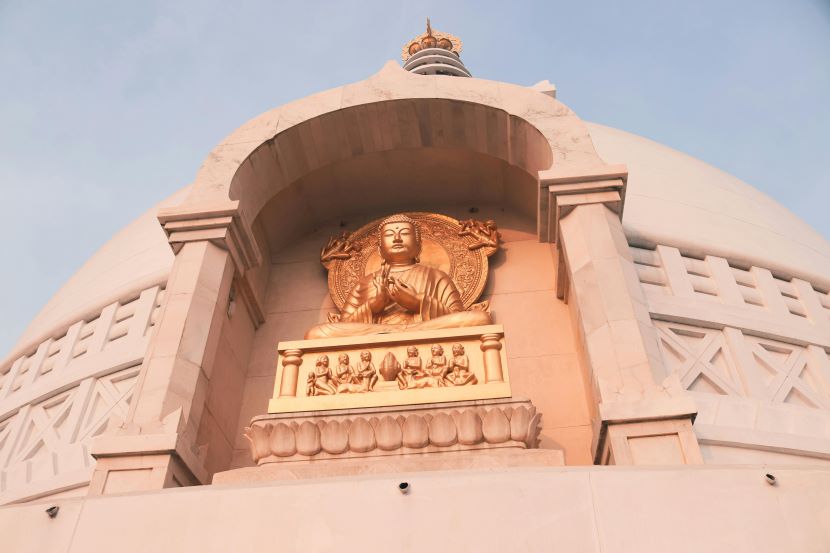
Surge In Chinese Visitor Numbers Bolsters Cambodia Tourism Sector And Economic Outlook In Late 2025

Surge In Chinese Visitor Numbers Bolsters Cambodia Tourism Sector And Economic Outlook In Late 2025
Cambodia’s Economic Landscape Transformed by Substantial Surge in Chinese Tourist Arrivals Throughout 2025.

The landscape of international travel within Southeast Asia is currently being reshaped by a notable influx of visitors from East Asia. It is observed that Cambodia has reported a substantial rise in Chinese tourist arrivals during the first eleven months of 2025. This growth is viewed as a pivotal development for the local economy, which relies heavily on the tourism sector for revenue generation and job creation. According to official data released by the Ministry of Tourism, the numbers indicate a robust recovery and an strengthening of bilateral travel ties between the two nations.

Statistical Overview of the Tourism Surge

The quantitative data provided by the Cambodian authorities highlights a clear upward trajectory in the number of travelers originating from China. Between January and November of 2025, the kingdom was visited by more than 800,000 Chinese nationals. This figure represents a significant percentage increase compared to the same period in the previous year. It is noted that the steady stream of visitors has been sustained throughout the various fiscal quarters, suggesting that Cambodia remains a preferred destination for Chinese holidaymakers and business travelers alike.

The distribution of these arrivals across different entry points has also been analyzed. A large portion of these travelers entered the country through the international airports in Phnom Penh and Siem Reap. The passive observation of these trends suggests that the infrastructure improvements made at these aviation hubs have been instrumental in handling the increased volume of passengers. Furthermore, the land borders have also seen a rise in activity, though the majority of high-spending tourists are still opting for air travel as their primary mode of transport.

Factors Influencing the Growth in Arrivals

Several key elements are identified as the primary drivers behind this surge in visitor numbers. One of the most prominent factors is the expansion of direct flight routes between major Chinese cities and Cambodian destinations. Increased frequency in flights provided by both national carriers and private airlines has made travel more convenient and affordable. Additionally, the streamlining of visa processes and the implementation of digital travel authorizations have simplified the entry requirements for Chinese citizens.

The cultural and historical allure of Cambodia continues to be a major draw for international visitors. The Angkor Archaeological Park, located in Siem Reap, is frequently cited as the top destination for Chinese tourists. The preservation of these UNESCO World Heritage sites is seen as a priority for the Cambodian government, as they serve as the backbone of the nation’s cultural tourism. Promotional campaigns conducted by the Ministry of Tourism in various Chinese provinces have also played a role in raising awareness about Cambodia’s diverse offerings beyond the traditional temple tours.

Economic Impact and Local Revenue Generation

The economic implications of this tourism boom are considered to be far-reaching. The hospitality industry, including hotels, guesthouses, and resorts, has reported higher occupancy rates throughout 2025. This increase in demand has led to a boost in local employment, with more positions being created in the service and transport sectors. The spending power of Chinese tourists is noted to be significant, as they contribute heavily to the retail, dining, and entertainment industries within the kingdom.

Local businesses in urban centers like Phnom Penh and coastal areas such as Sihanoukville have benefitted from the diversification of the tourist demographic. While traditional sightseeing remains popular, there is an observed increase in interest toward luxury travel and culinary experiences. This shift is being met with the development of high-end infrastructure and services tailored to meet the expectations of affluent Chinese travelers. The influx of foreign currency is viewed as a stabilizing factor for the Cambodian economy, aiding in post-pandemic recovery efforts.

Government Strategies and Future Projections

The Cambodian government has implemented several strategic initiatives aimed at maintaining this momentum. The “China Ready” strategy, which was initiated years prior, continues to be refined. This program involves training local tour guides in Mandarin proficiency and ensuring that service standards align with the preferences of Chinese visitors. Moreover, the integration of Chinese mobile payment systems, such as Alipay and WeChat Pay, across major tourist zones has facilitated easier transactions for travelers.

Looking forward to the remainder of 2025 and into 2026, the outlook for Cambodia’s tourism sector is characterized by optimism. It is anticipated that the total number of Chinese arrivals for the full year will surpass initial projections. Continued collaboration between the Cambodian Ministry of Tourism and Chinese travel agencies is expected to result in more curated travel packages. The focus is also being shifted toward sustainable tourism practices to ensure that the surge in visitor numbers does not negatively impact the environmental or structural integrity of the nation’s heritage sites.

Regional Competition and Collaborative Efforts

In the broader context of the Association of Southeast Asian Nations (ASEAN), Cambodia is positioning itself as a competitive alternative to other regional hubs. While Thailand and Vietnam also attract large numbers of Chinese tourists, Cambodia’s unique selling point remains its deep-rooted history and the serenity of its landscapes. Collaborative marketing efforts within the ASEAN framework are also being utilized to promote multi-destination trips, where travelers might visit Cambodia as part of a wider regional itinerary.

The relationship between Cambodia and China is often described as a comprehensive strategic partnership, and tourism is a vital component of this bond. Diplomatic visits and cultural exchange programs have served to strengthen the mutual interest between the two populations. As the global travel industry becomes increasingly digitized, Cambodia is also investing in smart tourism technologies to provide real-time information and assistance to visitors, thereby enhancing the overall travel experience and encouraging repeat visits.

Challenges and Infrastructure Development

Despite the positive trends, certain challenges are being addressed by the authorities. The need for continuous infrastructure development is recognized, particularly in improving road networks and public transportation between major tourist attractions. The management of large crowds at heritage sites is another area of focus, with measures being taken to ensure that the visitor experience remains high-quality while protecting the monuments from wear and tear.

Investments in the aviation sector are also ongoing. The construction and expansion of new airports are expected to further increase the country’s capacity for international flights. It is believed that by enhancing the logistical framework of the country, Cambodia will be better equipped to handle the projected growth in the coming years. The commitment to safety and security for all international guests is also emphasized as a top priority for the Cambodian police and tourism authorities.

Conclusion of the 2025 Progress Report

In summary, the first eleven months of 2025 have proven to be a period of significant achievement for Cambodia’s tourism industry. The surge in Chinese arrivals is not merely a statistical success but a reflection of the enduring appeal of Cambodia as a premier travel destination. Through a combination of strategic planning, enhanced connectivity, and a focus on cultural preservation, the kingdom has successfully tapped into one of the world’s most important travel markets. The benefits of this growth are being felt across various sectors of the economy, providing a solid foundation for continued prosperity and international cooperation.

The post Surge In Chinese Visitor Numbers Bolsters Cambodia Tourism Sector And Economic Outlook In Late 2025 appeared first on Travel And Tour World.

Manglam Group Initiates Hospitality Expansion Via The Launch Of The Westin Jaipur Kant Kalwar Resort & Spa To Diversify Luxury Portfolio Across Key Indian Markets

Manglam Group Initiates Hospitality Expansion Via The Launch Of The Westin Jaipur Kant Kalwar Resort & Spa To Diversify Luxury Portfolio Across Key Indian Markets
Launch of The Westin Jaipur Kant Kalwar Resort & Spa Marks Manglam Group’s Entry into Premium Tourism.

The Manglam Group, a prominent entity in the real estate development sector of Rajasthan, has officially declared a significant strategic pivot toward the hospitality industry. A substantial investment of Rs 10 billion has been earmarked by the organization to facilitate this expansion over the coming years. This ambitious roadmap is intended to bolster the presence of the Manglam Group within the premium and luxury stay segments, specifically targeting high-growth regions. The initiative was inaugurated through the formal launch of The Westin Jaipur Kant Kalwar Resort & Spa, which represents the primary anchor asset of this new vertical. By establishing this vertical, known as Manglam Spa and Resorts, a long-term commitment to enhancing the tourism infrastructure of India is being demonstrated by the firm.

Strategic Entry Into the Hospitality Market

The decision to enter the hospitality market has been described by the leadership of the organization as a natural progression. Having established a formidable legacy in residential and commercial infrastructure, the expansion into high-end lodging is seen as a way to leverage existing expertise in land acquisition and construction. A primary focus is being placed on greenfield projects, where new assets are built from the ground up rather than acquiring existing properties. The capital commitment of Rs 10 billion is expected to be deployed across a variety of formats, including boutique hotels, serviced apartments, and expansive luxury resorts.

The Westin Jaipur Kant Kalwar Resort & Spa

As the first operational project under this initiative, The Westin Jaipur Kant Kalwar Resort & Spa has been developed with an estimated investment of Rs 300 crore. This property is notable not only for its luxury offerings but also for its significance to the international hotel industry, as it marks the 200th property for Marriott International within India. The resort is situated across nine acres at the foothills of the Aravalli range, providing a serene environment for its guests. It features 135 guest rooms and seven distinct venues designed for large-scale events and corporate gatherings. The architecture of the property is heavily influenced by Balinese design, while a strong emphasis has been placed on the integration of locally sourced materials to ensure regional authenticity.

Commitment to Sustainable Architecture

Sustainability has been prioritized as a core pillar of the development strategy adopted by the Manglam Group. The construction of the new resort was executed using ecologically sensitive landscape planning and natural textures. It is intended that future projects within the Rs 10 billion portfolio will also adhere to these environmental standards. Resource efficiency, energy conservation, and the use of recycled materials are expected to be incorporated into the planning of upcoming sites. This approach is aimed at reducing the carbon footprint of the hospitality vertical while providing a wellness-oriented atmosphere for visitors.

Expansion of the Serviced Apartment Portfolio

In addition to traditional resort formats, a significant portion of the investment is being directed toward serviced accommodations. Currently, a project involving over 200 serviced apart-otel units is being developed under the Fern Habitat brand. This development is located at Pinkwalk, Jagatpura, and is integrated into a larger mixed-use ecosystem. This format is intended to cater to the growing demand for extended-stay options among business travelers and digital nomads. By diversifying the types of stay experiences offered, a broader demographic of travelers can be effectively served by the group.

Future Projects and Geographic Growth

The roadmap for the hospitality vertical includes several additional projects that are currently in the active planning stages. These include one resort-focused concept and another urban hotel format designed to capture both leisure and business demand. While Jaipur remains the primary focus of the initial development phase, the organization is actively exploring opportunities in other parts of Rajasthan and the coastal state of Goa. The long-term vision involves the creation of approximately 1,000 rooms across various locations to establish a comprehensive network of premium stay options.

Impact on Regional Tourism and Economy

The expansion is anticipated to have a positive impact on the local economy of Rajasthan. By developing world-class infrastructure, the city of Jaipur is being further positioned as a global hub for luxury tourism and destination weddings. Furthermore, the creation of these assets is expected to generate significant employment opportunities across the operations, service, and maintenance sectors. The influx of international hospitality standards through partnerships with global brands like Marriott International is seen as a catalyst for elevating the overall service quality within the region.

Leadership Vision for the Hospitality Vertical

The transition into this new sector is being guided by the senior leadership, including N. K. Gupta, Chairman of Manglam Group, and Amrita Gupta, Director of Manglam Group and CEO of Manglam Spa and Resorts. It has been stated by the leadership that the goal is to build assets that contribute to the global standing of the locations in which they operate. The focus remains on providing refined wellbeing experiences and thoughtful architecture that aligns with the needs of modern travelers. The Rs 10 billion investment is viewed as a strategic step toward reshaping the tourism landscape of Rajasthan and beyond.

Diversification as a Growth Strategy

The move into hospitality is part of a broader diversification strategy intended to hedge against market fluctuations in the traditional real estate sector. By creating a portfolio of income-generating assets, a more stable financial foundation is being built for the organization. The synergy between the group’s real estate capabilities and the specialized requirements of the hospitality industry is being utilized to ensure the timely delivery of high-quality projects. This multi-format approach allows the firm to remain competitive in an evolving economic environment where the demand for specialized travel experiences is on the rise.

Conclusion of the Current Expansion Phase

With the successful launch of its anchor property and the commencement of multiple serviced apartment units, the first phase of the expansion is well underway. The Manglam Group remains committed to its disciplined delivery model, ensuring that each new project reflects the standards of luxury and sustainability established at the outset. As more properties are added to the pipeline, the influence of the organization within the Indian hospitality sector is expected to grow, reinforcing its position as a key player in the development of the nation’s tourism infrastructure.

The post Manglam Group Initiates Hospitality Expansion Via The Launch Of The Westin Jaipur Kant Kalwar Resort & Spa To Diversify Luxury Portfolio Across Key Indian Markets appeared first on Travel And Tour World.

Comprehensive Revitalization And Infrastructure Enhancement Project Initiated By Bihar Tourism For The Historical Rishikund Pilgrimage Site In Munger

Comprehensive Revitalization And Infrastructure Enhancement Project Initiated By Bihar Tourism For The Historical Rishikund Pilgrimage Site In Munger
Major Revamp Announced for Rishikund Pilgrimage Site in Munger.

The historical and spiritual landscape of Bihar is set to undergo a significant transformation as the Bihar Tourism Department announces a comprehensive beautification project for Rishikund in Munger. This initiative is aimed at elevating the aesthetic appeal and infrastructural integrity of the site, ensuring that the hot water springs and the surrounding natural heritage are preserved for future generations. It is envisioned that through these strategic upgrades, the location will be established as a premier destination on the state’s tourism map.

The Vision for Rishikund Development

A systematic approach is being adopted by the authorities to ensure that the sanctity of Rishikund is maintained while modern facilities are integrated. The project is designed to cater to the increasing influx of pilgrims and travelers who frequent the area, particularly during the auspicious month of Malmas. By focusing on the structural enhancement of the existing reservoirs and the introduction of visitor-centric amenities, a more welcoming environment is being fostered. The natural beauty of the Kharagpur hills, which serves as the backdrop for this site, is also being prioritized within the planning framework.

Enhancements to the Hot Water Springs

A primary focus of the renovation is the preservation and cleaning of the natural hot water springs. The chemical composition and medicinal properties of these waters have long been a draw for visitors, and efforts are being made to ensure the water remain uncontaminated. The embankments surrounding the kunds are being reinforced with high-quality materials to prevent erosion and to provide a stable walking surface for devotees. Passive measures are being implemented to ensure that the natural flow of the springs is not disrupted during the construction phase.

Infrastructure and Visitor Amenities

The convenience of the travelers is being addressed through the construction of well-designed pathways and seating areas. Lighting installations are planned to ensure the safety and accessibility of the site during the evening hours. To accommodate the physical needs of the visitors, modern restroom facilities and changing rooms are being integrated into the layout. Furthermore, the development of a dedicated parking zone is being executed to streamline traffic and prevent congestion during peak festival seasons.

Landscaping and Environmental Preservation

The ecological balance of the Munger region is being kept in mind as landscaping activities are initiated. Indigenous flora is being selected for the plantation drives surrounding the springs to enhance the greenery and provide natural shade. The stone pathways are being crafted to blend seamlessly with the rocky terrain of the Kharagpur forest area. By maintaining this harmony between man-made structures and the environment, a serene atmosphere is being cultivated for meditation and relaxation.

Cultural and Spiritual Significance

The historical importance of Rishikund is being highlighted through the installation of informative signage that details the legends associated with the site. It is believed that various sages performed penance at this location, giving it a profound spiritual status. The narrative of the site is being curated to educate the younger generation and international tourists about the rich Vedic heritage of Bihar. Every structural addition is being reviewed to ensure it aligns with the traditional architectural styles prevalent in the region.

Economic Impact on the Local Community

It is expected that the revitalization of Rishikund will provide a substantial boost to the local economy in Munger. As footfall increases, opportunities for local vendors, tour guides, and hospitality providers are being created. The project is being viewed not just as a construction effort, but as a catalyst for socio-economic growth. By improving the accessibility of the site, the surrounding villages are also being brought into the fold of the burgeoning tourism circuit of Bihar.

Safety Measures and Administrative Oversight

The safety of the pilgrims is being treated as a top priority by the Bihar Tourism Department. Guardrails are being installed around the deeper sections of the water bodies to prevent accidents. Continuous monitoring of the project is being conducted by senior officials to ensure that the work is completed within the stipulated timeframe. High standards of quality control are being enforced to ensure that the newly built structures are durable and capable of withstanding heavy weather conditions.

Future Prospects for Munger Tourism

With the completion of the Rishikund project, the district of Munger is expected to see a rise in its profile as a key player in the religious tourism sector. Plans are being formulated to link Rishikund with other prominent sites in the vicinity, such as the Munger Fort and the Bihar School of Yoga. This holistic development strategy is being pursued to offer a comprehensive travel circuit for those exploring the eastern part of India. The integration of technology, such as digital guides and online information portals, is also being considered for future implementation.

Conclusion of the Revitalization Efforts

In conclusion, the beautification of Rishikund represents a significant milestone in the efforts of the state government to promote its cultural assets. A balance is being struck between the demands of modernization and the necessity of historical preservation. As the scaffolding is eventually removed and the site is reopened in its new avatar, a renewed sense of pride is expected to be felt by the residents of Bihar. The commitment to excellence shown in this project is a testament to the vision of a more accessible and beautiful Bihar.

The post Comprehensive Revitalization And Infrastructure Enhancement Project Initiated By Bihar Tourism For The Historical Rishikund Pilgrimage Site In Munger appeared first on Travel And Tour World.
❌