Egypt’s Tourism Industry Poised for Growth According to New Performance Report, Get the Details Here
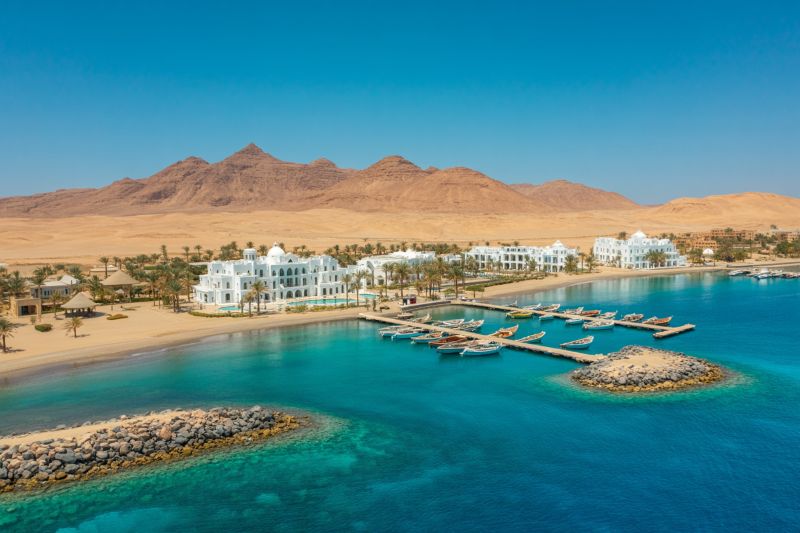
Entlaq, one of Cairo’s leading policy and research think tanks, launched the Egypt Tourism Sector Performance Report on December 25, 2025, in cooperation with El Gouna as the Platinum Sponsor of the report. This launch has taken place at a very important time, since Egypt’s tourism sector has crossed several historic thresholds in recent history, with the country welcoming 15.7 million international tourists in 2024-the highest number of annual arrivals in its history.
This report, highlighting the significant contribution that tourism makes to the Egyptian economy, informs on current sector performance and casts the vision for a more productive and resilient tourism future.
Tourism’s Role in Egypt’s Economy
According to the report, Egypt’s tourism sector currently accounts for approximately 8.5% of the nation’s Gross Domestic Product (GDP), contributing $14–15 billion annually in foreign exchange earnings. The sector also supports around 2.5 million jobs, both directly and indirectly. These figures underscore the crucial role that tourism plays in the Egyptian economy, especially as the country continues its recovery from the impacts of the global pandemic.
Despite these positive statistics, the report highlights a critical challenge: Egypt’s tourism sector has not fully captured its potential value per visitor, which limits productivity gains and the sector’s long-term resilience. The report emphasizes the need for strategic reforms to enhance value creation and shift tourism towards a more sustainable and high-value growth model.
The Post-Pandemic Recovery and Global Appeal
Egypt’s tourism sector has made impressive strides in recovering from the pandemic, reaching record-breaking numbers in tourist arrivals and revitalizing key attractions. One such milestone was the long-anticipated opening of the Grand Egyptian Museum, a major cultural landmark expected to further enhance the country’s global appeal. However, while Egypt’s tourism has shown resilience and strength in terms of demand, the focus now must shift to creating long-term value and fostering sustainable growth.
Omar Rezk, Co-Founder and Managing Director of Entlaq, commented on the findings of the report: “Egypt’s tourism sector has proven its global appeal, with record arrivals, a strong post-pandemic recovery, and renewed momentum following the opening of the Grand Egyptian Museum. However, the real challenge today is value creation.”
Fragmentation and Systemic Barriers: A Hindrance to Growth
While the demand for Egyptian tourism is strong and global competitiveness is not a significant issue, the report identifies systemic fragmentation as the primary constraint limiting the full potential of the sector. One of the key challenges highlighted is the complex and slow process of tourism licensing in Egypt, which often spans six to twelve months and involves 10 to 16 separate approvals. This bureaucratic delay significantly hinders the ability of new businesses, particularly startups and MSMEs (Micro, Small, and Medium Enterprises), to thrive.
In contrast, peer markets such as the UAE have streamlined their licensing processes, allowing businesses to operate more efficiently. The UAE’s average licensing timeline is just one to two months, with 85–95% of the process being fully digitized. Egypt’s tourism startups and MSMEs face a clear competitive disadvantage due to this inefficiency, limiting innovation and growth in the sector.
The Path Forward: Digital Transformation and MSME Enablement
The Tourism Sector Performance Report emphasizes the urgent need for coordinated reforms to address these systemic barriers. One of the key reform areas is the enhancement of Egypt’s digital infrastructure. The report suggests that broadband expansion could increase Egypt’s GDP by 1.3–2.0% for every 10% increase in internet penetration. Moreover, MSME digitization programs could increase enterprise revenues by 20–26%, offering a promising path to boost the sector’s overall productivity.
The implementation of smart destination management systems is another key recommendation. These systems could significantly reduce revenue losses caused by congestion at popular heritage sites, cutting losses by 15–20%. This would ensure a more sustainable flow of tourists and help maximize revenue opportunities for local businesses.
Tourism Tech and Investment Opportunities: Driving Innovation and Growth
Another exciting opportunity highlighted in the report is the potential growth of the TourismTech sector. Egypt’s tourism industry is increasingly relying on technology to enhance the visitor experience, streamline operations, and increase efficiency. The report suggests that with the right reforms, Egypt’s TourismTech sector could see a four- to fivefold increase in venture capital inflows, potentially reaching up to $1 billion.
TourismTech could transform the way tourists interact with destinations, from booking systems and digital guides to immersive experiences and data-driven management. These innovations would not only improve the quality of the tourist experience but also enhance the sector’s economic contribution by tapping into the growing global demand for tech-enabled travel solutions.
The Potential Economic Impact of Reforms
The report includes a scenario-based analysis that demonstrates the significant economic benefits of a full reform agenda. Under a comprehensive reform scenario, tourism’s contribution to Egypt’s GDP could rise from 8.5% (EGP 1.4 trillion) to 15% by 2030. This would result in an additional EGP 1.8–2.1 trillion in value added to the economy. Annual foreign exchange earnings could increase from $14–15 billion to $25–30 billion, a substantial increase that would further stabilize Egypt’s economy.
Direct employment in the tourism sector could grow from 2.3 million to 3.5–3.7 million jobs, with indirect employment reaching up to 6 million. The fiscal revenues generated by tourism-related MSMEs could also grow from EGP 5 billion to EGP 20–25 billion annually, providing further incentives for local and foreign investment in Egypt’s tourism industry.
A Vision for the Future: High-Value, Innovation-Driven Tourism
The Tourism Sector Performance Report concludes that with the implementation of coordinated reforms, Egypt’s tourism sector can shift from its current high-volume recovery model to a more sustainable, high-value, and innovation-led approach. This transformation would not only increase Egypt’s competitiveness in the global tourism market but also ensure that tourism becomes a key driver of inclusive economic growth and resilience.
The report provides a roadmap for how Egypt can harness its full tourism potential by focusing on governance reforms, digitization, MSME enablement, and investments in human capital. These changes will help Egypt transition to a tourism model that prioritizes quality over quantity, creating long-term value for the economy, local communities, and international visitors alike.
A Bright Future for Egyptian Tourism
As Egypt continues to position itself as a top tourist destination, the insights from the Tourism Sector Performance Report provide a clear direction into what its future growth should look like. With a move towards embracing digital transformation, improved governance, and increased support for MSMEs, Egypt can better leverage its rich cultural and natural heritage to create an increasingly sustainable and inclusive tourism industry. Of course, with the right set of reforms, the country is on track to achieve a doubling of the economic contribution of its tourism sector by 2030 and maintain its status as one of the most desirable destinations in the world.
The post
Egypt’s Tourism Industry Poised for Growth According to New Performance Report, Get the Details Here appeared first on
Travel And Tour World.

 Login
Login