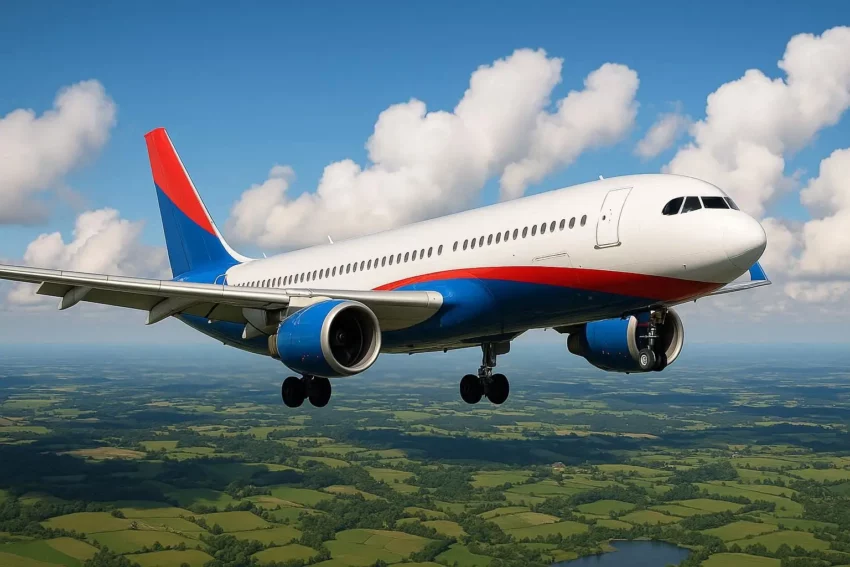
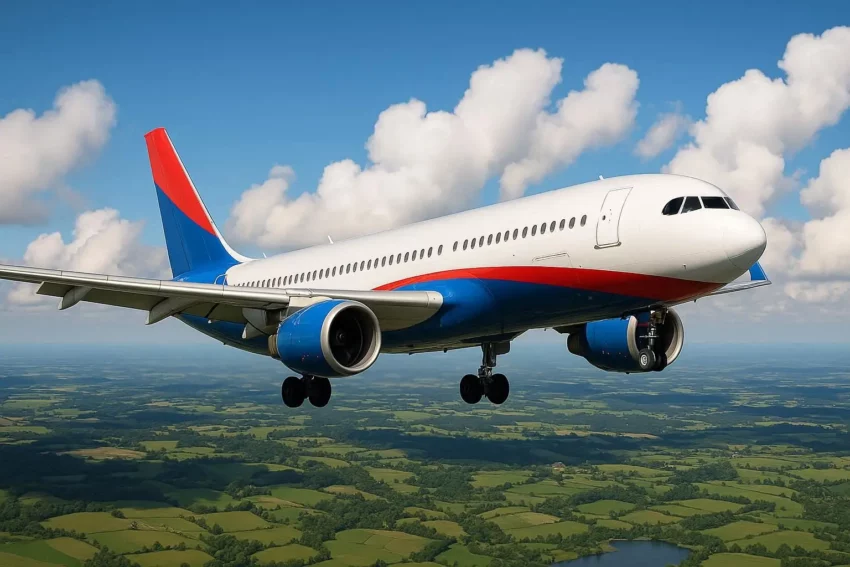
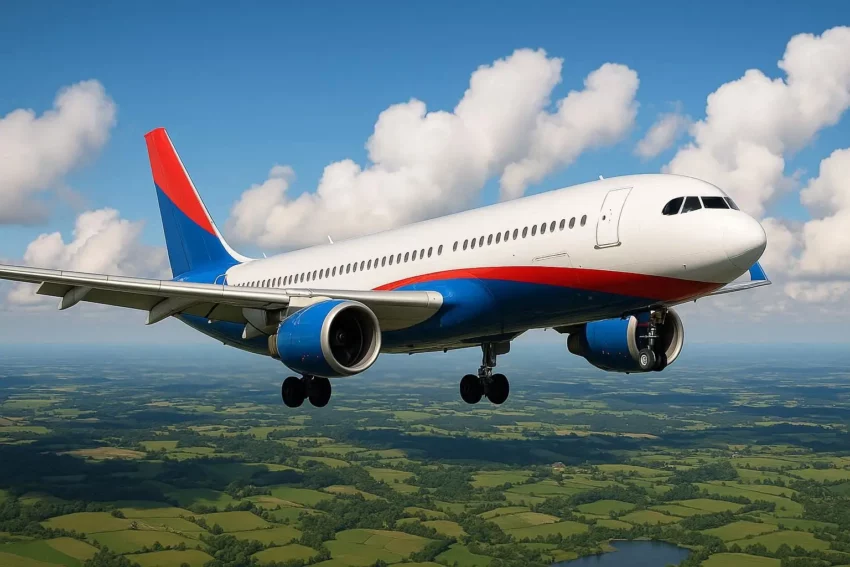
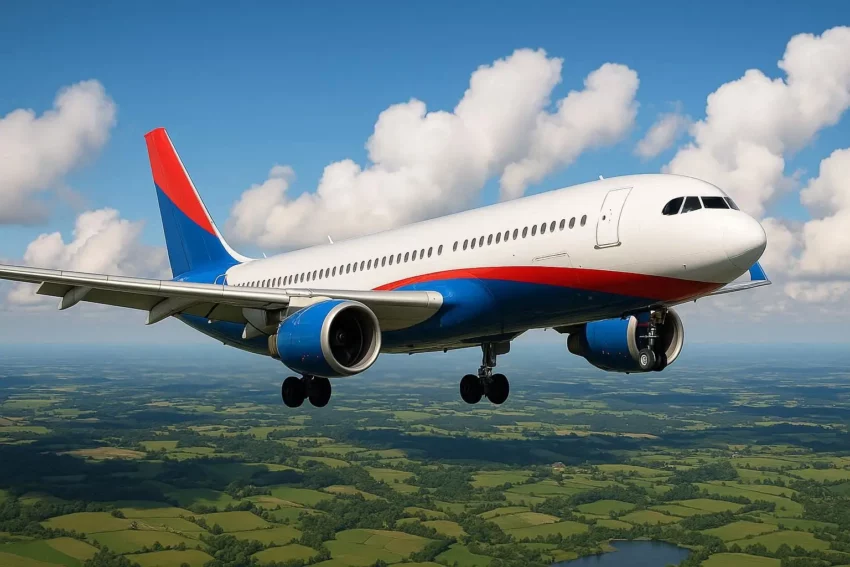
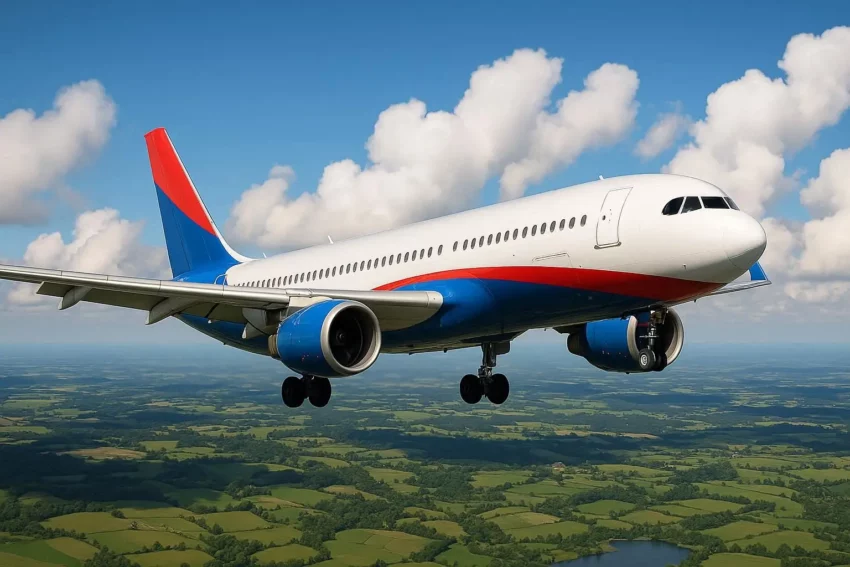
Saudi Arabia continues to elevate its global aviation profile as Saudia, the national carrier of the Kingdom, prepares to introduce a refined premium experience aboard its upcoming Airbus A321XLR fleet. As part of a broader transformation aligned with Vision 2030, a new chapter in business class travel is being written through the deployment of long-range narrowbody aircraft designed to serve international leisure and business destinations more efficiently. The initiative reflects a strategic response to evolving passenger expectations, particularly on medium- and long-haul routes linking Saudi Arabia with Europe, Africa, and island destinations such as the Maldives.
With the integration of Thompson VantageSOLO seats, a fully flat bed product offering direct aisle access for every passenger is being introduced on a single-aisle aircraft, a feature once reserved almost exclusively for widebody fleets. This development positions Saudia Airlines among a select group of global carriers investing heavily in premium comfort on narrowbody jets. Through a carefully balanced cabin layout, extended aircraft range, and brand-aligned interior finishes, a more seamless and comfortable travel experience is being crafted. The move signals not only a product upgrade, but also a deeper commitment to positioning Saudi Arabia as a competitive and appealing global travel hub.
Saudia Advances Its Narrowbody Long-Haul Vision
A significant step forward in Saudia’s fleet modernization strategy is being marked by the forthcoming arrival of the Airbus A321XLR. These aircraft are being positioned as key enablers of long-haul connectivity on thinner routes that do not warrant widebody deployment. By leveraging the enhanced range and efficiency of the A321XLR, nonstop services from Saudi Arabia to secondary European and African cities are being made more viable, supporting both tourism and business travel flows.
The announcement of a new business class cabin for these aircraft was originally made in May 2023. At that time, deliveries were anticipated to begin in 2024. However, program-wide delays affecting the Airbus A321XLR resulted in a revised timeline. As of late 2025, first deliveries remain scheduled for 2026, with entry into service expected shortly thereafter.
Airbus A321XLR and Its Role in Global Connectivity
The Airbus A321XLR represents an evolution of the proven A321neo platform, offering an extended range of up to 4,700 nautical miles. This capability enables airlines such as Saudia to operate long-distance routes more efficiently while maintaining lower operating costs compared to widebody aircraft.
For Saudi Arabia, this translates into improved connectivity with destinations across Southern Europe, North Africa, and the Indian Ocean region. Cities such as Barcelona, Brussels, Milan, Rome, Dakar, and Malé are among those identified for deployment of the new aircraft, with initial services appearing in booking systems from May 2026 onward. These routes support tourism growth by offering direct access to and from the Kingdom, while also catering to business travelers seeking convenient nonstop options.
A Highly Premium Cabin Configuration
Among global operators of the A321XLR, Saudia’s configuration stands out as one of the most premium. Each aircraft is being fitted with just 144 seats in total, including 24 business class seats and 120 economy class seats. This low-density layout prioritizes passenger comfort and personal space, reinforcing the airline’s premium positioning.
Within the A321 family, the closest comparable configuration is found on JetBlue’s A321LR aircraft, which feature 138 seats. However, Saudia’s choice to maintain a spacious layout underscores its focus on delivering a refined onboard experience, particularly for long-haul travelers departing from or arriving in Saudi Arabia.
Introduction of Thompson VantageSOLO Business Class
The centerpiece of the new cabin is the installation of Thompson VantageSOLO seats in the business class section. These seats provide fully flat beds and direct aisle access for all passengers, eliminating the need to step over neighboring seats. Such features are increasingly expected by premium travelers, even on narrowbody aircraft operating longer sectors.
The seating arrangement follows a herringbone layout, with seats angled toward the aisle. While this configuration differs from reverse herringbone designs that face the windows, it remains an effective solution for maximizing privacy and accessibility within the constraints of a single-aisle fuselage. Only a limited number of airlines, including ITA Airways and Etihad Airways, have introduced reverse herringbone seating on A321 family aircraft to date.
Enhanced Space Through Bulkhead Seats
Cabin mockups released by Saudia highlight the presence of bulkhead business class seats that offer noticeably more space than standard positions. These seats provide larger footwells and expanded personal areas, delivering an experience comparable to premium suites found on other airlines.
In similar configurations, such as JetBlue’s Mint Studio, these bulkhead seats are marketed as an enhanced business class option and often command an additional fee. While pricing details for Saudia’s product have not been disclosed, the inclusion of these larger seats reflects an effort to cater to travelers seeking extra comfort on long journeys from Saudi Arabia to international destinations.
Continuation of Saudia’s Premium Evolution
The introduction of VantageSOLO seats builds upon Saudia’s earlier efforts to enhance narrowbody comfort. In 2018, the airline became one of the first in the region to introduce flat-bed seating on narrowbody aircraft through the installation of Collins Aerospace Diamond seats on its A320 fleet.
By adopting a more advanced and spacious product for the A321XLR, a new benchmark is being established for the airline’s narrowbody operations. Custom interior finishes have been applied to align with Saudia’s brand identity, ensuring visual consistency across the fleet while delivering a modern and sophisticated atmosphere.
Supporting Vision 2030 and Tourism Growth
This fleet upgrade aligns closely with Saudi Arabia’s Vision 2030 objectives, which emphasize tourism development, economic diversification, and improved global connectivity. By deploying long-range narrowbody aircraft with premium cabins, Saudia is better positioned to serve emerging travel markets and seasonal leisure destinations.
Extended range capabilities allow for cost-effective services on routes that may not sustain widebody frequencies year-round. As a result, travelers are being offered more direct options, reducing travel times and enhancing the overall appeal of Saudi Arabia as both an origin and destination market.
A Solid Step Forward for Premium Travel
While the new business class product may not be considered the most revolutionary in the global aviation industry, it delivers all the essential elements expected by modern premium travelers. Fully flat beds, direct aisle access, generous personal space, and contemporary design features combine to create a competitive offering on a narrowbody platform.
For Saudia, the A321XLR represents more than just a new aircraft type. It serves as a strategic tool for network expansion, tourism promotion, and brand enhancement. As these aircraft enter service from 2026 onward, a noticeable uplift in the quality of long-haul narrowbody travel from Saudi Arabia is set to be experienced by passengers across multiple regions.
Through this investment, Saudia reinforces its commitment to passenger comfort and positions itself as a forward-looking carrier supporting the Kingdom’s ambitions on the global travel and tourism stage.
India’s rapidly evolving aviation landscape has been reshaped following a significant regulatory move aimed at strengthening competition, resilience, and long-term sustainability within the sector. In India, where air travel demand has grown steadily across metropolitan hubs as well as emerging regional cities, concerns have been raised about over-reliance on a limited number of dominant carriers. These concerns intensified after a recent operational disruption at IndiGo (6E) highlighted vulnerabilities within a duopoly-driven market structure.
In response, approvals have been granted by the Ministry of Civil Aviation to encourage new market entrants, with the objective of enhancing passenger choice and reinforcing the country’s expanding travel and tourism ecosystem. The entry of Al Hind Air, FlyExpress, and Shankh Air has been positioned as a strategic step toward diversifying capacity, improving network resilience, and supporting balanced growth across India’s vast geography.
As air travel in India has transitioned from a premium service to an essential mode of transportation, the focus has increasingly shifted toward affordability, accessibility, and regional inclusion. Through regulatory facilitation and policy-backed connectivity programs, the aviation sector has been aligned with broader national tourism and economic development goals. This development has underscored the government’s intent to ensure that aviation growth remains inclusive, competitive, and capable of supporting India’s position as one of the world’s fastest-growing travel markets.
Regulatory Push to Broaden Airline Competition in India
A decisive step toward broadening airline competition has been taken in India with the issuance of new No Objection Certificates by the Ministry of Civil Aviation in New Delhi. This move has been driven by the recognition that excessive concentration among a few carriers can amplify the impact of operational disruptions across the national network. The recent schedule collapse at IndiGo (6E) served as a clear illustration of systemic risk in a market dominated by limited operators.
By facilitating the entry of additional airlines, the regulator has sought to distribute operational capacity more evenly and protect passenger interests. Enhanced competition has also been viewed as a catalyst for innovation, service differentiation, and improved reliability, all of which are essential for sustaining travel confidence in a high-growth aviation environment.
New Airline Approvals and Strategic Intent
Approval has been granted to three aspiring carriers, with Shankh Air having secured its NOC earlier, followed by Al Hind Air and FlyExpress, which received regulatory clearance in the past week. These approvals have been framed as part of a broader policy objective to expand passenger choice and strengthen the overall aviation ecosystem in India.
Union aviation minister Ram Mohan Naidu has been actively engaged with leadership teams from all three airlines, reflecting the government’s intent to encourage new entrants. India’s aviation sector has been consistently ranked among the fastest-growing globally, a trend attributed to policy initiatives introduced under the Modi government to expand connectivity, airport infrastructure, and airline capacity.
Supporting Travel and Tourism Through Connectivity
Air connectivity has been recognized as a foundational pillar for travel and tourism growth in India. With vast distances between regions and diverse cultural and economic centers, aviation has played a central role in linking destinations and unlocking tourism potential. The introduction of new airlines has been expected to improve access to lesser-served routes, particularly in tier 2 and tier 3 cities.
Government-backed initiatives such as the UDAN regional connectivity scheme have already demonstrated the effectiveness of targeted support in stimulating regional air travel. Smaller carriers including Star Air, India One Air, and Fly91 have successfully operated routes that were previously underserved, enabling tourism flows to expand beyond traditional hubs. These outcomes have reinforced confidence that new entrants can contribute meaningfully to regional tourism development when supported by enabling policies.
Economic and Cost Challenges Facing Indian Airlines
Despite regulatory encouragement, the operating environment for airlines in India has remained challenging. High aviation turbine fuel prices, layered taxation structures, and elevated airport charges have continued to place Indian carriers among the highest-cost operators globally. These structural constraints have been widely cited as key contributors to the repeated failure of airlines over the past three decades.
Industry observers have frequently noted that within the Indian aviation ecosystem, profitability has largely been concentrated among stakeholders other than airlines themselves. While airport operators, fuel suppliers, and service providers have maintained stable returns, airlines have faced sustained financial pressure. As a result, launching a new airline has been considered procedurally feasible, yet long-term survival has remained difficult without substantial financial backing and disciplined cost management.
Global Context of Airline Sustainability
It has been emphasized by industry executives that airline failures are not unique to India and have occurred worldwide, even in mature aviation markets. However, the domestic cost environment in India has added an additional layer of risk for new and existing operators. Thin margins, intense competition, and volatile input costs have collectively increased vulnerability, particularly during periods of demand fluctuation or operational disruption.
In this context, sustainability has emerged as a central concern for policymakers and industry leaders alike. Ensuring that airlines can operate viably while maintaining affordable fares has been viewed as essential for preserving competition and passenger confidence. Without such balance, repeated market exits have the potential to undermine trust in air travel and disrupt tourism-dependent economies.
Affordability and the Changing Nature of Air Travel in India
Air travel in India has undergone a profound transformation, with flying no longer regarded as a luxury reserved for a small segment of society. Rising incomes, expanding middle-class aspirations, and improved connectivity have collectively driven demand across demographics. This shift has placed increasing pressure on policymakers to ensure that air travel remains accessible to the common traveler.
Affordability has therefore been positioned as a key pillar of aviation policy. Rationalization of taxes, moderation of fuel costs, and review of airport charges have been consistently advocated by industry leaders as necessary steps to support both new entrants and established carriers. Such measures have been seen as critical to sustaining competition and ensuring that the benefits of aviation growth extend to travelers across India.
Implications for India’s Travel and Tourism Future
The approval of new airlines has carried significant implications for India’s broader travel and tourism ambitions. Enhanced airline diversity has been expected to improve route availability, stimulate competitive pricing, and support tourism flows to emerging destinations. As connectivity improves, regions with untapped cultural, natural, and economic attractions have been better positioned to attract domestic and international visitors.
By reducing dependence on a limited number of carriers, the aviation sector has been aligned more closely with national tourism resilience objectives. The presence of multiple operators has also been anticipated to provide greater flexibility during disruptions, thereby safeguarding travel continuity.
India’s decision to approve new airlines has reflected a strategic commitment to strengthening aviation competition, resilience, and inclusivity. While significant challenges related to cost structures and sustainability have remained, the policy direction has signaled strong institutional support for a diverse and competitive airline market.
As air travel continues to underpin tourism growth across India, the successful integration of new carriers such as Al Hind Air, FlyExpress, and Shankh Air has been viewed as an important step toward a more balanced and resilient aviation future. With continued regulatory support and cost rationalization, the sector has been positioned to better serve travelers and reinforce India’s standing as a global travel and tourism destination.
A major expansion in long-haul connectivity between Virgin Atlantic, the United Kingdom, and South Korea has been confirmed, reflecting evolving global travel preferences and the growing influence of cultural tourism. Beginning in 2026, daily nonstop flights between London Heathrow Airport and Seoul Incheon International Airport are set to be introduced, marking a significant milestone for the airline’s international network. This development has been positioned as a strategic response to increasing demand from younger travelers, particularly millennials and Gen Z passengers, whose travel decisions are increasingly shaped by cultural relevance, lifestyle appeal, and global connectivity.
Seoul has steadily risen as a leading destination for modern travelers, supported by its international reputation in entertainment, fashion, technology, and urban innovation. Through the introduction of this new route, enhanced access between Europe and East Asia is expected to be achieved, while tourism flows between the United Kingdom and South Korea are anticipated to experience sustained growth. The planned service aligns with broader recovery trends in long-haul aviation and reinforces Seoul’s status as one of Asia’s most influential cities. By expanding travel options and improving convenience, a new chapter in travel and tourism relations between these two countries is set to be established.
Virgin Atlantic Enters the South Korean Market
A first-ever scheduled service to South Korea has been announced by Virgin Atlantic, representing a notable expansion beyond its traditional long-haul markets. Daily operations between London Heathrow Airport and Seoul Incheon International Airport are scheduled to commence on 29 March 2026. This launch has been positioned as a long-term commitment rather than a seasonal experiment, signaling confidence in consistent passenger demand.
The Boeing 787 Dreamliner fleet has been selected for this route, ensuring modern onboard amenities and fuel-efficient operations. With this addition, Seoul will be integrated into Virgin Atlantic’s core long-haul portfolio from Heathrow, further strengthening the airline’s presence in Asia. Enhanced connectivity between the United Kingdom and South Korea is expected to benefit not only leisure travelers but also business and cultural exchanges.
Strategic Importance of the London–Seoul Route
The introduction of direct flights between London and Seoul has been aligned with broader aviation and tourism recovery trends across Northeast Asia. As international travel demand continues to rebound, long-haul routes linking Europe with Asia are being carefully prioritized by airlines seeking sustainable growth.
Seoul’s role as a financial, technological, and cultural center has added strategic value to the route. Business travel demand is expected to complement leisure traffic, supporting year-round viability. The service launch has also been timed to coincide with the northern summer season, a period traditionally associated with increased long-haul travel volumes.
Inbound tourism to Europe from South Korea is also anticipated to benefit, strengthening bilateral travel flows. Improved accessibility is expected to support tourism boards, hospitality sectors, and related industries in both the United Kingdom and South Korea.
Millennial and Gen Z Travel Trends Driving Demand
Travel preferences among younger generations have increasingly shaped airline route planning decisions. Millennials and Gen Z travelers are known to prioritize destinations that offer cultural depth, digital influence, and lifestyle experiences. Seoul has consistently ranked high across these metrics, making it a natural choice for network expansion.
The city was named Favourite Worldwide City at the 2025 Trazees Awards for the fourth consecutive year, an achievement reflecting its sustained popularity among travelers under 40. This recognition has been linked to Seoul’s global cultural presence and its ability to blend tradition with innovation.
Virgin Atlantic’s decision to launch daily service has been influenced by these demographic trends, with the route positioned to attract travelers seeking immersive cultural experiences and globally influential destinations.
Cultural Influence and Global Appeal of Seoul
Seoul’s international image has been reshaped by the global success of South Korean cultural exports. K-pop, Korean cinema, television dramas, and fashion have significantly increased international awareness and interest in the city. Record-breaking streaming numbers and global fan engagement have translated into tangible tourism demand.
Historic palaces, traditional neighborhoods, and modern architectural landmarks coexist within the city, offering diverse experiences for visitors. This balance between heritage and modernity has been cited as a key factor in Seoul’s appeal to younger travelers from Europe and beyond.
Tourism authorities in South Korea have actively promoted this blend, ensuring that international visitors can engage with both the country’s history and its contemporary cultural identity during a single trip.
Key Attractions Supporting Tourism Growth
Several high-profile attractions have been central to Seoul’s tourism success. K-Star Road in Gangnam has emerged as a focal point for fans of South Korea’s music industry, offering themed installations and immersive cultural experiences. This area has become a must-visit location for travelers seeking a deeper connection with Korean pop culture.
Retail and entertainment hubs such as Starfield COEX Mall have further strengthened Seoul’s appeal. The mall has been positioned as more than a shopping destination, serving as a social and cultural gathering space for younger visitors. Large-format stores, entertainment venues, and public spaces have contributed to its popularity.
The city’s skyline has also played a role in shaping its global image. Lotte World Tower, standing at 555 meters with 123 floors, has been recognized as the sixth-tallest building in the world. Panoramic views from the observation decks have made it a standout attraction for international tourists.
Aircraft Choice and Passenger Experience
The Boeing 787-9 Dreamliner has been selected for the London–Seoul route, reflecting Virgin Atlantic’s focus on passenger comfort and operational efficiency. The aircraft is known for improved cabin pressurization, reduced noise levels, and modern inflight amenities.
This choice has been aligned with expectations of long-haul travelers seeking comfort on extended journeys. Premium cabins, onboard entertainment, and enhanced service standards are expected to support the airline’s brand positioning in a competitive long-haul market.
By offering daily frequencies, schedule flexibility is expected to be improved, allowing travelers from both the United Kingdom and South Korea to plan trips with greater convenience.
Broader Impact on UK–South Korea Travel Relations
The introduction of this route is expected to strengthen travel and tourism ties between the United Kingdom and South Korea. Increased accessibility often leads to higher visitor numbers, deeper cultural exchange, and expanded economic opportunities.
Tourism boards, travel agencies, and hospitality providers in both countries are likely to benefit from improved connectivity. Educational exchanges, business partnerships, and cultural collaborations may also be supported by the enhanced air link.
As Seoul continues to position itself as a global city for the next generation of travelers, direct access from London is expected to play a meaningful role in sustaining long-term tourism growth.
Bottom Line
Virgin Atlantic’s planned launch of daily London–Seoul flights in 2026 highlights a broader shift in airline network planning toward destinations shaped by cultural influence and demographic travel trends. By connecting the United Kingdom directly with South Korea’s most globally recognized city, new opportunities for travel and tourism growth are being created.
With consistent service, modern aircraft, and strong demand from millennial and Gen Z travelers, the route has been positioned as a strategic addition to the long-haul market. Seoul’s continued popularity as a cultural and lifestyle destination suggests that this new connection will play a key role in shaping future travel patterns between Europe and East Asia.
A limited-time loyalty incentive has been introduced by Emirates Skywards, the frequent flyer programme of Emirates, aimed at encouraging early travel planning from the United Kingdom during the peak Boxing Day booking period. Under this newly announced UK-exclusive promotion, eligible members are being rewarded with Double Skywards Miles on qualifying flights booked within a clearly defined window at the end of December 2025. The initiative has been positioned as a strategic move to strengthen travel demand from key UK gateways such as London, Manchester, and regional airports, while also reinforcing Emirates’ global connectivity from the country.
Through this offer, passengers departing from multiple airports across England and Scotland are being provided with an opportunity to maximise loyalty rewards while planning journeys across the airline’s extensive international network. The promotion has been designed to apply across all cabin classes and fare types, making it accessible to a wide range of travellers, from leisure tourists to premium long-haul passengers. Importantly, the bonus Miles are being calculated purely on base earnings, ensuring transparency and consistency with programme rules. With travel permitted through the first quarter of 2026, this campaign aligns closely with early-year tourism flows from the United Kingdom, while highlighting Emirates Skywards as a compelling loyalty programme within the global travel and tourism ecosystem.
Overview of the UK Boxing Day Double Miles Promotion
A UK-exclusive Boxing Day promotion has been launched by Emirates Skywards, allowing registered members to earn 100 percent bonus Skywards Miles on eligible flights. The incentive has been structured to reward passengers who complete both booking and ticket issuance within the promotional period. The bonus applies to one-way and return journeys, provided all eligibility conditions are satisfied.
This initiative has been made available across Emirates’ entire global route network, reinforcing the airline’s commitment to travellers originating in the United Kingdom. By extending the promotion to all fare types and cabin classes, inclusivity has been prioritised, ensuring that Economy, Premium Economy, Business Class, and First Class passengers can equally benefit.
Eligible UK Airports and Network Coverage
Eligible journeys under this promotion must originate from designated airports within the United Kingdom. These include Birmingham Airport, Edinburgh Airport, Glasgow Airport, London Gatwick Airport, London Heathrow Airport, London Stansted Airport, Manchester Airport, and Newcastle Airport.
Flights departing from these gateways may terminate at any destination served by the Emirates and flydubai network, subject to the applicable terms. This broad network eligibility has positioned the offer as particularly attractive for international tourism, long-haul leisure travel, and multi-continent itineraries departing from England and Scotland.
Booking and Registration Requirements
To qualify for the Double Miles offer, several conditions must be met without exception. Emirates Skywards membership is required, with enrolment permitted up until 31 December 2025 at 11:59 PM GST. In addition, separate registration for the promotion must be completed by the same deadline.
Bookings and ticket issuance must be finalised between 26 December 2025 at 00:01 AM and 31 December 2025 at 11:59 PM GST. It has been clearly specified that booking alone does not qualify, as ticket issuance within the stated timeframe is mandatory. All deadlines are calculated using Dubai time, rather than local UK time, which has been highlighted as an important consideration for travellers in the United Kingdom.
Registration has been made available through emirates.com, the Emirates App, Emirates Retail outlets, and Emirates Contact Centres, ensuring accessibility for travellers across different booking preferences.
Travel Window and Passenger Eligibility
Eligible travel must be completed between 1 January 2026 at 00:01 AM and 31 March 2026 at 11:59 PM GST. This travel window has been aligned with the early 2026 tourism season, encouraging advance planning for winter and spring travel from the United Kingdom.
Specific provisions have also been outlined for younger members. Skysurfers are required to register with Parent or Guardian consent, which must be facilitated through Emirates Retail outlets or Contact Centres. These safeguards ensure compliance with programme regulations while maintaining inclusivity for family travel.
Ticket, Fare, and Flight Conditions
To be considered eligible, tickets must carry the 176 ticket prefix and be issued on Emirates ticket stock. Purchases must be completed through official Emirates channels or authorised travel agents. Eligible fares include Special, Saver, Flex, and Flex Plus across all cabin classes, provided they normally qualify for Skywards Miles accrual under standard programme rules.
Flights must be Emirates-marketed services bearing an EK designator and operated by Emirates or flydubai. Codeshare and interline flights have been explicitly excluded, ensuring clarity around qualifying journeys. This distinction has been clearly communicated to avoid confusion among passengers booking complex itineraries.
Bonus Miles Calculation and Limitations
The promotional incentive provides 100 percent additional Skywards Miles, calculated solely on the base Miles earned for the eligible flight. Other bonuses, including tier-based or promotional multipliers, are excluded from this calculation.
The bonus is applicable only to the original ticketed cabin class. Any reward upgrades, complimentary upgrades, or ticket changes made after issuance are not eligible for additional bonus Miles. In cases where a member qualifies for multiple promotions, only the highest applicable bonus will be credited, ensuring fairness and consistency across the programme.
Credit Timeline and Member Notification
Bonus Skywards Miles are credited only after the eligible journey has been completed. Members are notified through their Skywards membership statements, which can be accessed via the Emirates App or the official Emirates website. This post-travel crediting process has been designed to maintain programme integrity while providing clear visibility to members.
Significance for UK Travel and Tourism
This promotion has been positioned as a strategic initiative within the broader travel and tourism landscape of the United Kingdom. By incentivising early bookings and rewarding loyalty, Emirates Skywards is supporting outbound tourism while strengthening the United Kingdom’s connectivity to global destinations across the Middle East, Asia, Africa, Europe, and the Americas.
The offer also complements Emirates’ wider brand presence, including high-profile partnerships and fleet investments, reinforcing confidence among UK travellers. For frequent flyers and leisure passengers alike, the Double Miles promotion represents a valuable opportunity to enhance future travel benefits while exploring the world through Emirates’ global network.
A significant step in strengthening regional air connectivity has been marked in Thailand with the arrival of the first Airbus A321neo into the fleet of Thai Airways International. The milestone has been widely viewed as a strategic move aimed at supporting Asia-Pacific travel and tourism, while also modernizing the airline’s short- and medium-haul operations. As demand for regional mobility continues to grow across Southeast Asia and neighboring markets, the induction of this next-generation aircraft has been positioned as a response to evolving passenger expectations, sustainability priorities, and competitive pressures. Through this delivery, a renewed focus has been placed on efficiency, comfort, and consistency across the network, particularly on high-density leisure and business routes. The aircraft has been introduced during a period of recovery and cautious expansion, reflecting a balance between growth ambitions and financial discipline. With Thai Airways rebuilding its role as a key connector between Thailand and major destinations across the Asia-Pacific region, the A321neo has been presented as a cornerstone for future travel experiences. The development has also been aligned with broader tourism objectives, reinforcing Thailand’s position as a regional aviation hub.
A Landmark Arrival in Bangkok
A notable moment for Thailand’s aviation sector was witnessed at Suvarnabhumi Airport in Bangkok when Thai Airways officially received its first Airbus A321neo. The aircraft arrived on a delivery flight from Hamburg, Germany, symbolizing the airline’s entry into a new phase of narrowbody fleet operations. The delivery was formally welcomed during a ceremonial event held on December 25, 2025, attended by the Chairman of the Board, board members, senior executives, and invited guests. The occasion was treated not only as a fleet milestone but also as a signal of renewed confidence in regional travel demand linked to Thailand and the wider Asia-Pacific region.
The aircraft, registered as HS-TOA and named Bowonrangsi, has been introduced as the first of 32 Airbus A321neo jets scheduled for delivery. This induction has been framed as a foundational step in reinforcing the airline’s ability to serve regional routes more efficiently while enhancing the overall travel experience for passengers visiting and transiting through Thailand.
Fleet Renewal and Strategic Leasing Approach
The Airbus A321neo was delivered from the Airbus Delivery Center in Germany under an operating lease arrangement with AerCap. Through this approach, flexibility has been maintained in fleet planning while capital expenditure pressures have been carefully managed. It has been confirmed that the first ten A321neo aircraft will enter service through leasing agreements, allowing Thai Airways to modernize its fleet during a sensitive recovery phase.
This strategy has been viewed as an important element of the airline’s broader restructuring efforts, ensuring that growth is supported without compromising financial stability. By introducing modern aircraft through leasing, Thai Airways has positioned itself to adapt capacity according to tourism trends across Thailand, Southeast Asia, and the wider Asia-Pacific region.
Return of Narrowbody Operations to the Mainline Brand
A notable shift has been reflected in the decision to operate narrowbody aircraft directly under the Thai Airways mainline brand. In previous years, regional flying had largely been handled by Thai Smile, which was dissolved in 2024. Following this change, former Thai Smile Airbus A320 aircraft were absorbed into the mainline fleet, creating a unified operational and service framework.
The arrival of the Airbus A321neo has reinforced this consolidation. A more consistent onboard product has been established, allowing passengers traveling within Thailand and to nearby international destinations to experience uniform service standards. This development has been particularly significant for tourism-focused routes, where brand consistency and comfort play a crucial role in traveler satisfaction.
Advanced Technology and Environmental Performance
The Airbus A321neo has been equipped with CFM LEAP-1A engines, incorporating advanced aerodynamic features designed to reduce fuel consumption and carbon dioxide emissions by up to 20 percent per seat. These improvements have been aligned with Thai Airways’ environmental objectives, reflecting the growing emphasis on sustainable aviation within Thailand and across Asia-Pacific markets.
The aircraft has also been certified to operate with up to 50 percent Sustainable Aviation Fuel, supporting longer-term sustainability goals. This capability has been highlighted as an important step toward reducing the environmental footprint of regional travel, particularly as tourism volumes continue to rise across popular destinations in Thailand, Singapore, and neighboring countries.
Cabin Design Focused on Comfort and Cultural Identity
Inside the aircraft, a carefully considered cabin layout has been introduced, featuring a total of 175 seats. The configuration includes 16 Royal Silk Class seats and 159 Economy Class seats, catering to both premium and leisure travelers. Royal Silk Class has been designed with fully flat beds offering 180-degree recline, increased seat pitch, and a widebody-style experience suited to regional journeys.
Economy Class seating has emphasized passenger comfort through ergonomic design, adjustable headrests, and a 110-degree recline. Each seat has been equipped with an in-flight entertainment system featuring 4K touchscreens and Bluetooth connectivity, enhancing the onboard experience for travelers exploring Thailand and the wider Asia-Pacific region.
Additional features include Airspace XL overhead bins, increasing storage capacity by up to 40 percent, as well as mood lighting and a distinctive welcome ceiling. Interior elements have been inspired by Thai cultural identity, blending traditional aesthetics with modern international design to create an atmosphere reflective of Thailand’s hospitality heritage.
Supporting Regional Travel and Tourism Growth
The Airbus A321neo has been earmarked primarily for deployment on regional Asia-Pacific routes where demand supports both premium and leisure travel. The aircraft’s efficiency has allowed high-frequency services to be operated while maintaining cost control, an essential factor in competitive regional markets.
The inaugural commercial service has been scheduled for January 22, 2026, on the Bangkok–Singapore–Bangkok route. This sector has been selected due to its strong tourism and business demand, linking Thailand with one of Southeast Asia’s major travel hubs. Additional route assignments have been planned as more A321neo aircraft join the fleet, further strengthening connectivity between Thailand and key destinations across the region.
Broader Implications for Thailand and Asia-Pacific Aviation
With 32 Airbus A321neo aircraft on order, the type has been positioned as a central component of Thai Airways’ future network strategy. The aircraft has been expected to play a vital role in expanding capacity, supporting sustainability initiatives, and enhancing service quality across Asia-Pacific markets.
Greater fleet consistency has also been achieved through this order, addressing historical challenges associated with operating a diverse mix of aircraft types. For travelers, this consistency has translated into predictable comfort standards and a more cohesive brand experience when flying to and from Thailand.
The delivery of the first Airbus A321neo has represented a strategic milestone for Thai Airways and a positive development for Thailand’s travel and tourism sector. Through the introduction of modern, fuel-efficient aircraft, the airline has strengthened its ability to connect Thailand with regional destinations while meeting evolving passenger expectations.
As additional A321neo aircraft are introduced, Thai Airways has been positioned to enhance its competitiveness in busy Asia-Pacific markets, support sustainable growth, and reinforce Thailand’s status as a major aviation and tourism hub. The milestone has underscored a renewed commitment to quality, efficiency, and regional connectivity, shaping the next chapter of air travel centered on Thailand.
A significant step in strengthening regional air connectivity has been marked in Thailand with the arrival of the first Airbus A321neo into the fleet of Thai Airways International. The milestone has been widely viewed as a strategic move aimed at supporting Asia-Pacific travel and tourism, while also modernizing the airline’s short- and medium-haul operations. As demand for regional mobility continues to grow across Southeast Asia and neighboring markets, the induction of this next-generation aircraft has been positioned as a response to evolving passenger expectations, sustainability priorities, and competitive pressures. Through this delivery, a renewed focus has been placed on efficiency, comfort, and consistency across the network, particularly on high-density leisure and business routes. The aircraft has been introduced during a period of recovery and cautious expansion, reflecting a balance between growth ambitions and financial discipline. With Thai Airways rebuilding its role as a key connector between Thailand and major destinations across the Asia-Pacific region, the A321neo has been presented as a cornerstone for future travel experiences. The development has also been aligned with broader tourism objectives, reinforcing Thailand’s position as a regional aviation hub.
A Landmark Arrival in Bangkok
A notable moment for Thailand’s aviation sector was witnessed at Suvarnabhumi Airport in Bangkok when Thai Airways officially received its first Airbus A321neo. The aircraft arrived on a delivery flight from Hamburg, Germany, symbolizing the airline’s entry into a new phase of narrowbody fleet operations. The delivery was formally welcomed during a ceremonial event held on December 25, 2025, attended by the Chairman of the Board, board members, senior executives, and invited guests. The occasion was treated not only as a fleet milestone but also as a signal of renewed confidence in regional travel demand linked to Thailand and the wider Asia-Pacific region.
The aircraft, registered as HS-TOA and named Bowonrangsi, has been introduced as the first of 32 Airbus A321neo jets scheduled for delivery. This induction has been framed as a foundational step in reinforcing the airline’s ability to serve regional routes more efficiently while enhancing the overall travel experience for passengers visiting and transiting through Thailand.
Fleet Renewal and Strategic Leasing Approach
The Airbus A321neo was delivered from the Airbus Delivery Center in Germany under an operating lease arrangement with AerCap. Through this approach, flexibility has been maintained in fleet planning while capital expenditure pressures have been carefully managed. It has been confirmed that the first ten A321neo aircraft will enter service through leasing agreements, allowing Thai Airways to modernize its fleet during a sensitive recovery phase.
This strategy has been viewed as an important element of the airline’s broader restructuring efforts, ensuring that growth is supported without compromising financial stability. By introducing modern aircraft through leasing, Thai Airways has positioned itself to adapt capacity according to tourism trends across Thailand, Southeast Asia, and the wider Asia-Pacific region.
Return of Narrowbody Operations to the Mainline Brand
A notable shift has been reflected in the decision to operate narrowbody aircraft directly under the Thai Airways mainline brand. In previous years, regional flying had largely been handled by Thai Smile, which was dissolved in 2024. Following this change, former Thai Smile Airbus A320 aircraft were absorbed into the mainline fleet, creating a unified operational and service framework.
The arrival of the Airbus A321neo has reinforced this consolidation. A more consistent onboard product has been established, allowing passengers traveling within Thailand and to nearby international destinations to experience uniform service standards. This development has been particularly significant for tourism-focused routes, where brand consistency and comfort play a crucial role in traveler satisfaction.
Advanced Technology and Environmental Performance
The Airbus A321neo has been equipped with CFM LEAP-1A engines, incorporating advanced aerodynamic features designed to reduce fuel consumption and carbon dioxide emissions by up to 20 percent per seat. These improvements have been aligned with Thai Airways’ environmental objectives, reflecting the growing emphasis on sustainable aviation within Thailand and across Asia-Pacific markets.
The aircraft has also been certified to operate with up to 50 percent Sustainable Aviation Fuel, supporting longer-term sustainability goals. This capability has been highlighted as an important step toward reducing the environmental footprint of regional travel, particularly as tourism volumes continue to rise across popular destinations in Thailand, Singapore, and neighboring countries.
Cabin Design Focused on Comfort and Cultural Identity
Inside the aircraft, a carefully considered cabin layout has been introduced, featuring a total of 175 seats. The configuration includes 16 Royal Silk Class seats and 159 Economy Class seats, catering to both premium and leisure travelers. Royal Silk Class has been designed with fully flat beds offering 180-degree recline, increased seat pitch, and a widebody-style experience suited to regional journeys.
Economy Class seating has emphasized passenger comfort through ergonomic design, adjustable headrests, and a 110-degree recline. Each seat has been equipped with an in-flight entertainment system featuring 4K touchscreens and Bluetooth connectivity, enhancing the onboard experience for travelers exploring Thailand and the wider Asia-Pacific region.
Additional features include Airspace XL overhead bins, increasing storage capacity by up to 40 percent, as well as mood lighting and a distinctive welcome ceiling. Interior elements have been inspired by Thai cultural identity, blending traditional aesthetics with modern international design to create an atmosphere reflective of Thailand’s hospitality heritage.
Supporting Regional Travel and Tourism Growth
The Airbus A321neo has been earmarked primarily for deployment on regional Asia-Pacific routes where demand supports both premium and leisure travel. The aircraft’s efficiency has allowed high-frequency services to be operated while maintaining cost control, an essential factor in competitive regional markets.
The inaugural commercial service has been scheduled for January 22, 2026, on the Bangkok–Singapore–Bangkok route. This sector has been selected due to its strong tourism and business demand, linking Thailand with one of Southeast Asia’s major travel hubs. Additional route assignments have been planned as more A321neo aircraft join the fleet, further strengthening connectivity between Thailand and key destinations across the region.
Broader Implications for Thailand and Asia-Pacific Aviation
With 32 Airbus A321neo aircraft on order, the type has been positioned as a central component of Thai Airways’ future network strategy. The aircraft has been expected to play a vital role in expanding capacity, supporting sustainability initiatives, and enhancing service quality across Asia-Pacific markets.
Greater fleet consistency has also been achieved through this order, addressing historical challenges associated with operating a diverse mix of aircraft types. For travelers, this consistency has translated into predictable comfort standards and a more cohesive brand experience when flying to and from Thailand.
The delivery of the first Airbus A321neo has represented a strategic milestone for Thai Airways and a positive development for Thailand’s travel and tourism sector. Through the introduction of modern, fuel-efficient aircraft, the airline has strengthened its ability to connect Thailand with regional destinations while meeting evolving passenger expectations.
As additional A321neo aircraft are introduced, Thai Airways has been positioned to enhance its competitiveness in busy Asia-Pacific markets, support sustainable growth, and reinforce Thailand’s status as a major aviation and tourism hub. The milestone has underscored a renewed commitment to quality, efficiency, and regional connectivity, shaping the next chapter of air travel centered on Thailand.

 Login
Login