
Reading view

Alcohol Prohibition and Travel Planning in India: A State-by-State Guide for Tourists Navigating Dry Laws and Restricted Regions
Alcohol Prohibition and Travel Planning in India: A State-by-State Guide for Tourists Navigating Dry Laws and Restricted Regions

Travel across India is shaped not only by geography, culture, and climate, but also by state-specific regulations that can significantly influence a visitor’s experience. One area where these differences become especially noticeable is alcohol policy. While many destinations across the country allow regulated sale and consumption, certain regions follow strict prohibition or controlled access frameworks rooted in local law and governance. For travellers, unfamiliarity with these rules can result in confusion, disrupted plans, or unintended legal trouble. To ensure smoother journeys, awareness of alcohol ban states in India, dry states in India, and alcohol rules for travellers is essential before arrival.

Alcohol regulations are enforced at the state or union territory level, meaning rules can change dramatically within a short distance. A popular tourist region may operate under complete prohibition, while a nearby city functions under a regulated licensing system. In some cases, exceptions exist within otherwise dry states, particularly in designated business or tourism zones. Understanding these distinctions supports better hotel selection, dining decisions, and itinerary planning. By having clarity on alcohol prohibition laws in India, travellers can manage expectations responsibly, respect local norms, and focus on enjoying the diverse experiences that the country has to offer without avoidable disruptions.

Understanding Alcohol Laws in India from a Travel Perspective

Alcohol regulation in India is governed by state legislation rather than a single national law. As a result, the sale, possession, transport, and consumption of alcohol are treated differently across regions. Some states have adopted total prohibition based on historical, social, or political considerations, while others maintain licensing systems that regulate access through authorised outlets.

For travellers, these laws are strictly enforced, regardless of visitor status or length of stay. Alcohol purchased legally in one state is not permitted to be carried into a dry state. Penalties for violations can include fines, confiscation, or legal proceedings, making compliance a crucial part of responsible travel planning.

States and Union Territories with Complete Alcohol Prohibition

Certain regions in India follow full prohibition policies. In these areas, alcohol-related activities are illegal under state law, with no general exemptions for tourists.

Bihar

Bihar enforces one of the strictest prohibition frameworks in the country. The sale, consumption, possession, and transport of alcohol are entirely banned. This policy applies uniformly to residents and visitors. Strict penalties are prescribed under state legislation, and enforcement is carried out rigorously. Travellers visiting Bihar are expected to plan stays without access to alcoholic beverages, including within hotels and private accommodations.

Gujarat

Gujarat has followed prohibition since its formation and remains one of the most prominent dry states in India. Alcohol is not legally available to residents or tourists under standard conditions. A limited permit system exists under state guidelines, but access remains restricted and regulated. Outside designated exceptions, prohibition laws are fully applicable, and travellers are advised to respect these long-standing regulations.

Nagaland

Nagaland enforces a complete ban on alcohol under state law. The sale, possession, and consumption of liquor are prohibited throughout the state. Travellers often rely on neighbouring Assam for access to alcohol, but any alcohol purchased there cannot legally be carried back into Nagaland. Compliance with these rules is essential, as checks are conducted at entry points.

Regions with Regulated or Partial Restrictions

Not all restrictive regions operate under absolute prohibition. Some states follow controlled models that limit availability while permitting specific forms of alcohol under regulation.

Mizoram

Mizoram follows a regulated approach rather than full prohibition. The open sale of conventional liquor is restricted, but licensed channels operate under state oversight. Regulated production and sale of locally made fruit wines are permitted, supporting horticulture and small-scale producers. Certain traditional brews may also be allowed for cultural or community use. While alcohol is not widely accessible, limited availability exists in authorised urban outlets, requiring travellers to manage expectations accordingly.

Alcohol Restrictions in Island Territories

Island destinations in India often follow unique administrative frameworks influenced by geography, ecology, and tourism planning.

Lakshadweep

Lakshadweep operates under a largely alcohol-free system based on island-specific regulations. Alcohol is prohibited on most inhabited islands. However, Bangaram Island functions as a designated tourism zone where alcohol is legally served at select approved resorts or licensed vessels. Travellers visiting other islands within the archipelago should expect strict restrictions and should not carry alcohol between islands.

Special Administrative Exceptions within Dry States

Certain locations operate under distinct administrative permissions that allow controlled access to alcohol despite being located within dry states.

GIFT City, Gujarat International Finance Tec-City

Although Gujarat remains a dry state, GIFT City operates under a special regulatory exemption. Controlled sale and consumption of alcohol are permitted within its designated limits. Licensed hotels, restaurants, and clubs are authorised to serve alcohol under state supervision. Recent policy updates have eased access for non-resident visitors and foreign nationals, allowing consumption at authorised venues upon presentation of valid identification. Outside GIFT City, Gujarat’s prohibition laws continue to apply fully.

Tourism Zones and Licensed Exceptions

In select coastal or island regions, alcohol may be available under narrow tourism-focused permissions. Licensed vessels and government-approved resorts may serve alcohol as part of regulated hospitality services. These exceptions are limited in scope and are closely monitored. Travellers are advised to confirm permissions directly with accommodation providers before arrival.

Temporary Alcohol Bans and Nationwide Dry Days

Even in states where alcohol is generally legal, temporary bans are imposed on specific occasions across India. These dry days are declared by local authorities and typically include national holidays, election days, vote counting days, and major public events. Alcohol sales may be suspended for a single day or for the duration of an event. Awareness of local notifications is recommended when planning travel dates.

Practical Travel Tips for Alcohol-Free Destinations

Before travelling within India, alcohol regulations should be reviewed for each destination on the itinerary. Local laws regarding possession and transport must be followed strictly. Hotels and resorts are required to comply with state regulations, regardless of category or star rating. Penalties in dry states are enforced without exception, making caution essential. Travellers who prefer occasional alcohol consumption are encouraged to plan stays in regions where regulations align with personal preferences while remaining respectful of local laws.

Why Awareness Enhances Travel Confidence

Understanding alcohol regulations supports smoother travel experiences by reducing uncertainty and avoiding last-minute surprises. By respecting local frameworks, travellers are better positioned to focus on cultural exploration, culinary diversity, and responsible tourism practices across India. Knowledge of these policies ensures compliance, supports local governance, and contributes to more informed and confident journeys.

The post Alcohol Prohibition and Travel Planning in India: A State-by-State Guide for Tourists Navigating Dry Laws and Restricted Regions appeared first on Travel And Tour World.
Smoking cannabis reduces alcohol consumption in heavy drinkers, study finds

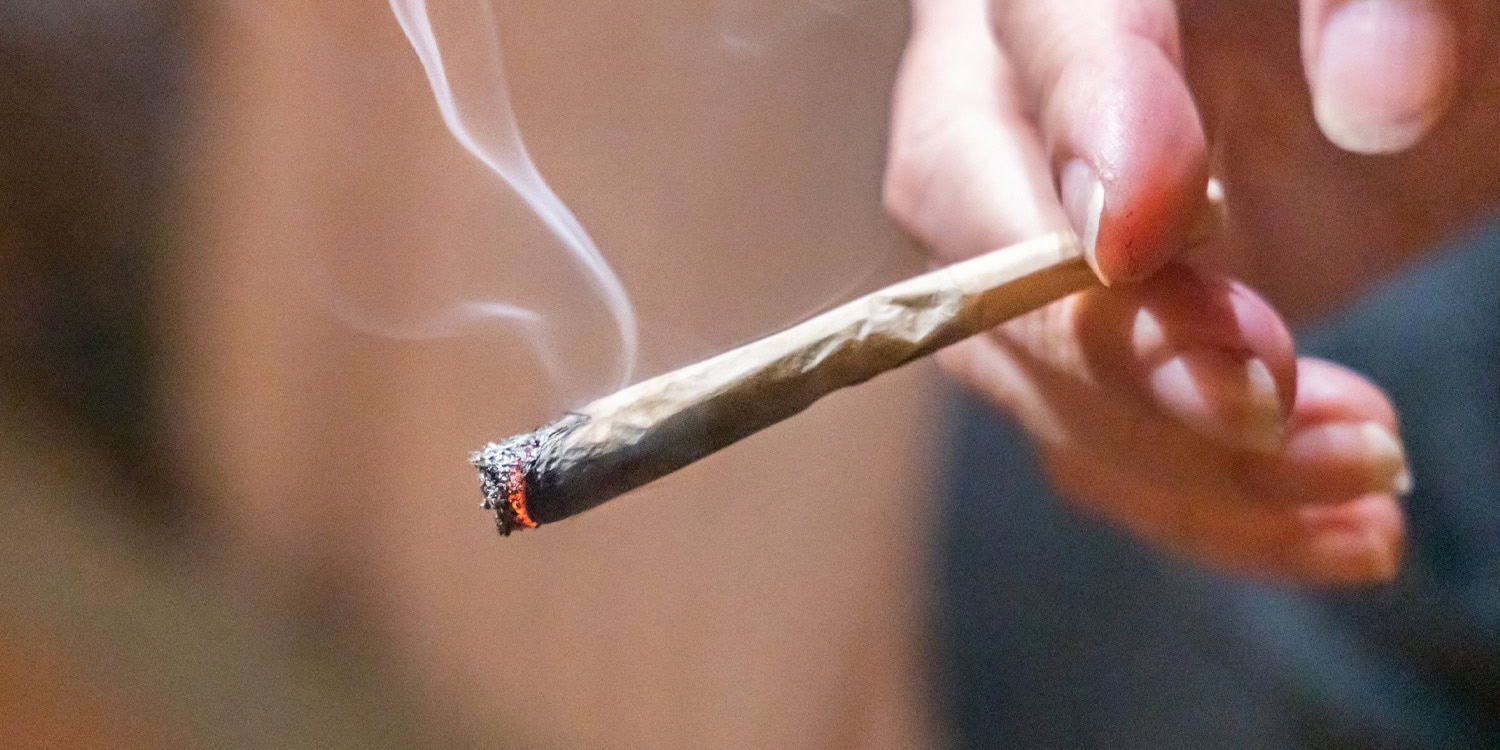
An experimental study of heavy drinkers found that smoking cannabis with 7.2% THC reduced their alcohol urge immediately after smoking. These participants consumed 27% less alcohol after smoking, while those smoking cannabis with 3.1% THC consumed 19% less alcohol. The research was published in the American Journal of Psychiatry.

Cannabis is a psychoactive plant that contains chemical compounds called cannabinoids. The most well-known cannabinoids are tetrahydrocannabinol (THC) and cannabidiol (CBD). THC is primarily responsible for the intoxicating effects, while CBD has non-intoxicating properties. CBD is studied for potential therapeutic uses.

Cannabis can be consumed by smoking, vaporizing, or ingesting extracts and edibles. The effects vary widely based on dose, potency, and individual sensitivity. Cannabis use leads to short-term changes in attention, memory, and coordination. In some individuals, it can trigger anxiety or paranoia. Long-term heavy use tends to lead to dependence, impaired cognitive functioning, or exacerbation of mental health conditions, particularly in vulnerable populations.

Some individuals use cannabis and alcohol together, but co-use can amplify impairment more than either drug alone. Alcohol is generally more often used as it is more socially accepted and is also legal in most jurisdictions. In contrast, cannabis is illegal in many countries around the world and more heavily stigmatized. However, the number of jurisdictions legalizing the use of cannabis is increasing.

Study author Jane Metrik and her colleagues wanted to explore how the consumption of cannabis affects cravings for alcohol and subsequent alcohol consumption. These authors note that results of previous studies on this are inconclusive. While some studies indicated that cannabis use might hinder alcohol dependence treatment and reduce abstinence, other studies reported no effects or even reduced consumption of alcohol after cannabis use.

The study randomized 157 individuals recruited from the community who endorsed the use of alcohol and cannabis; 138 participants completed at least two sessions and were included in the final analysis. Participants were required to be English speakers between 21 and 44 years of age, who had used cannabis during the past month two or more times weekly (and also two or more times weekly during the past 6 months), who had THC in their urine, who were familiar with smoking cannabis, and who were also prone to heavy episodic drinking of alcohol. Heavy episodic drinking was defined as having 5 or more alcoholic drinks per occasion for men and 4 or more drinks for women.

A standard alcoholic drink is defined as containing about 14 grams of pure ethanol. This is roughly equivalent to a small beer (350 ml), a glass of wine (150 ml), or a shot of spirits (45 ml).

All participants completed three experimental sessions in randomized orders. In one session they smoked cannabis with 3.1% THC, in another they smoked cannabis with 7.2% THC, and the third experimental session was a placebo session during which they smoked cannabis with almost no THC (0.03%). Experimental sessions were at least 5 days and no more than 3 weeks apart.

Before each experimental session, participants were told to abstain from cannabis and tobacco for 15 hours and from alcohol for 24 hours. They were also instructed to abstain from drinking caffeinated beverages for 2 hours before an experimental session.

Each experimental session started with a set of tests related to alcohol and cannabis levels, states related to the use of these substances, and several other assessments, including an assessment of alcohol craving. They also consumed lunch.

After this, participants smoked their assigned cannabis cigarettes. Next, they completed a test examining participants’ reactivity to alcohol cues (sight and smell of alcohol). In the end, they completed two alcohol choice tasks during which they were given an opportunity to either drink up to 8 mini-drinks of their choice or to receive $3 per drink not consumed.

Results showed that smoking cannabis had no effect on general cravings for alcohol (measured by the Alcohol Craving Questionnaire). Alcohol craving levels were similar in all three experimental conditions. However, after smoking 7.2% THC cannabis cigarettes, the specific urge to drink alcohol (measured by a single “urge” question) decreased significantly. Participants who smoked these cigarettes drank 27% less alcohol on average (compared to the placebo condition), while their alcohol consumption was 19% lower after smoking 3.1% THC cigarettes.

“Following overnight cannabis abstinence, smoking cannabis acutely decreased alcohol consumption compared to placebo,” study authors concluded.

The study contributes to the scientific understanding of the effects of cannabis on alcohol consumption. However, it should be noted that study participants were individuals who used cannabis frequently, with over 3 in 4 meeting criteria for current cannabis use disorder. They were also heavy alcohol drinkers. Because of this, they might have developed tolerance for the effects of these two substances. Results in individuals who use alcohol and cannabis less frequently might differ.

The paper, “Acute Effects of Cannabis on Alcohol Craving and Consumption: A Randomized Controlled Crossover Trial,” was authored by Jane Metrik, Elizabeth R. Aston, Rachel L. Gunn, Robert Swift, James MacKillop, and Christopher W. Kahler.

Study finds heavy drinking creates a blind spot for angry expressions

A study investigating the effects of alcohol on emotion recognition and empathy found that alcohol impairs the recognition of anger, but not other specific emotions. Participants who drank alcohol also reported higher affective empathy, i.e., relating better to other study participants. The research was published in Scientific Reports.

After a person drinks alcohol, it is rapidly absorbed through the stomach and small intestine into the bloodstream. The alcohol then travels to the brain, where it affects the release of neurotransmitters, producing relaxation and reduced inhibition. As blood alcohol concentration rises, judgment, coordination, and reaction time become increasingly impaired. The liver begins metabolizing alcohol, but it can only process a limited amount per hour, causing excess alcohol to circulate in the body.

Alcohol also affects the cardiovascular system by dilating blood vessels, which can create a sensation of warmth while actually lowering core body temperature. In the short term, drinking can increase urine production, leading to dehydration and electrolyte imbalance. The gastrointestinal system may become irritated, resulting in nausea or vomiting at higher doses.

As alcohol continues to circulate, it disrupts normal sleep, reducing restorative REM sleep despite making people feel sleepy. When blood alcohol levels begin to fall, withdrawal-like symptoms such as anxiety or irritability may appear in some individuals.

Study author Lakshmi Kumar and their colleagues investigated how an intoxicating dose of alcohol (0.74 g/kg in females and 0.82 g/kg in males) affects cognitive and affective empathy. As prior studies were inconclusive, they started this investigation with no specific hypotheses about the directions of the expected effect.

Study participants were 156 individuals who reported drinking at least one day per week and binge drinking at least four times in the past month. Participants’ average age was 23 years. Thirty-one percent of participants were women.

Binge drinking was defined as 5 or more standard alcoholic drinks on the same occasion for men and 4 or more for women. A standard alcoholic drink is a drink containing about 14 grams of pure ethanol. This is roughly equivalent to a small beer (350 ml), a glass of wine (150 ml), or a shot of spirits (45 ml).

Participants were randomly assigned to groups of 3 unacquainted persons. Each of these 3-person groups was then randomly assigned to either drink an alcoholic beverage or a placebo beverage. In this way, 117 participants were assigned to drink alcohol and 39 to drink the placebo beverage. However, participants did not know which beverage they would be drinking – they all believed that they would be drinking alcohol.

The alcoholic beverage was a cranberry-vodka cocktail dosed for each participant to achieve a peak blood alcohol concentration of 0.08%. The placebo drink was flattened tonic water, and study authors showed these participants false blood alcohol level recordings to maintain their belief that they were drinking alcohol.

After drinking the assigned drink, participants completed 3 assessments of subjective intoxication experience and blood alcohol level (using a breathalyzer) in 30-minute intervals. While the blood alcohol level was increasing after drinking, participants completed assessments of empathy and emotion recognition (MET and GERT, tests based on recognizing emotions of people in photographs and in short video clips).

Results showed that participants who drank alcohol had impaired recognition of anger, but no other specific emotions. These individuals also reported higher affective empathy, i.e., that they related well to another participant, in response to direct interactions with other participants.

“Findings suggest alcohol worsens anger recognition and increases perceptions of relating to another,” the study authors concluded.

The study contributes to the scientific understanding of the psychological effects of alcohol. However, study authors note that participants interacted in groups of strangers (other study participants they were not previously acquainted with) prior to completing the emotion recognition and empathy assessments. Differences in these interaction experiences could have affected participants’ levels of engagement and subsequently reported empathy.

The paper, “Alcohol’s acute effects on emotion recognition and empathy in heavy-drinking young adults,” was authored by Lakshmi Kumar, Kasey G. Creswell, Kirk W. Brown, Greta Lyons, and Brooke C. Feeney.

❌